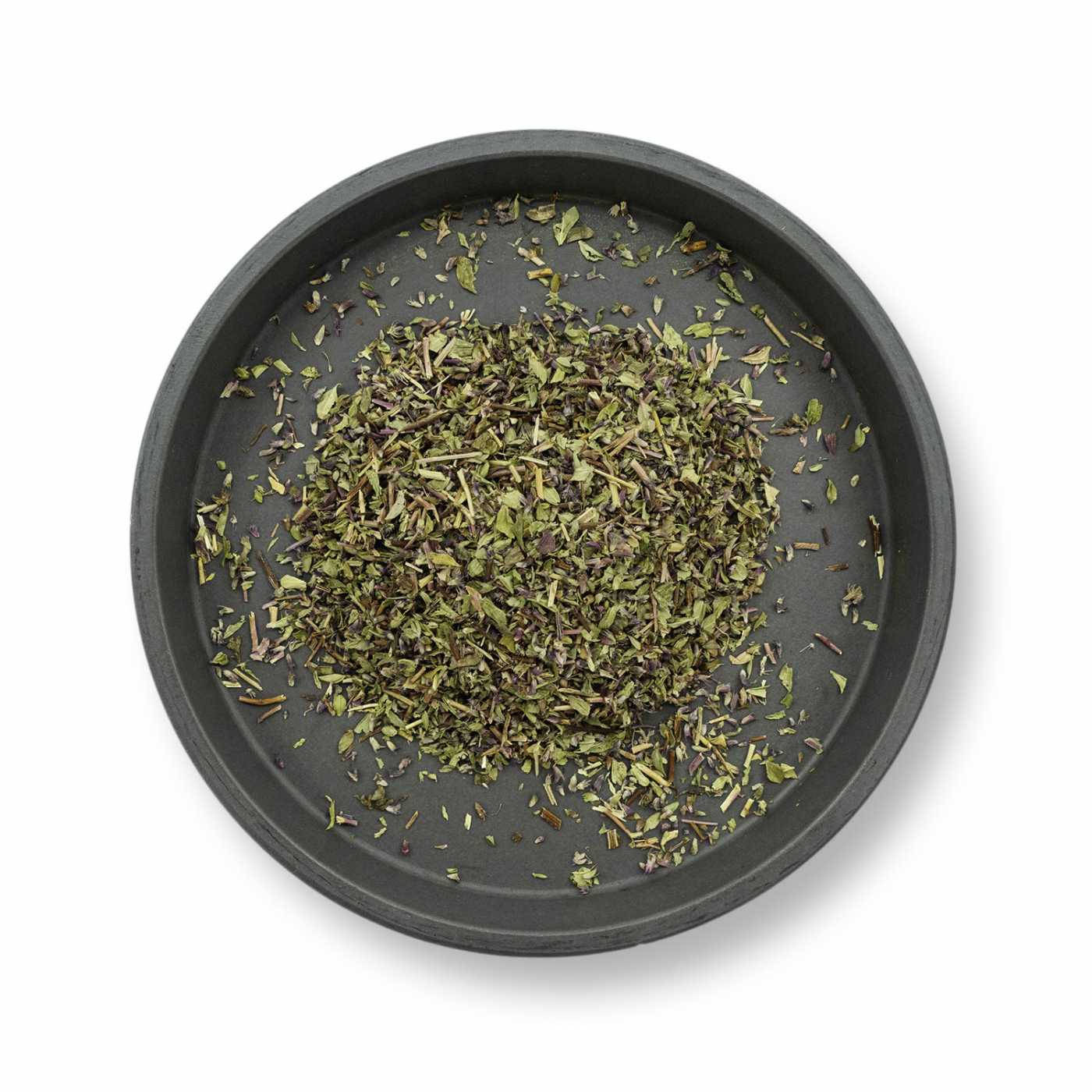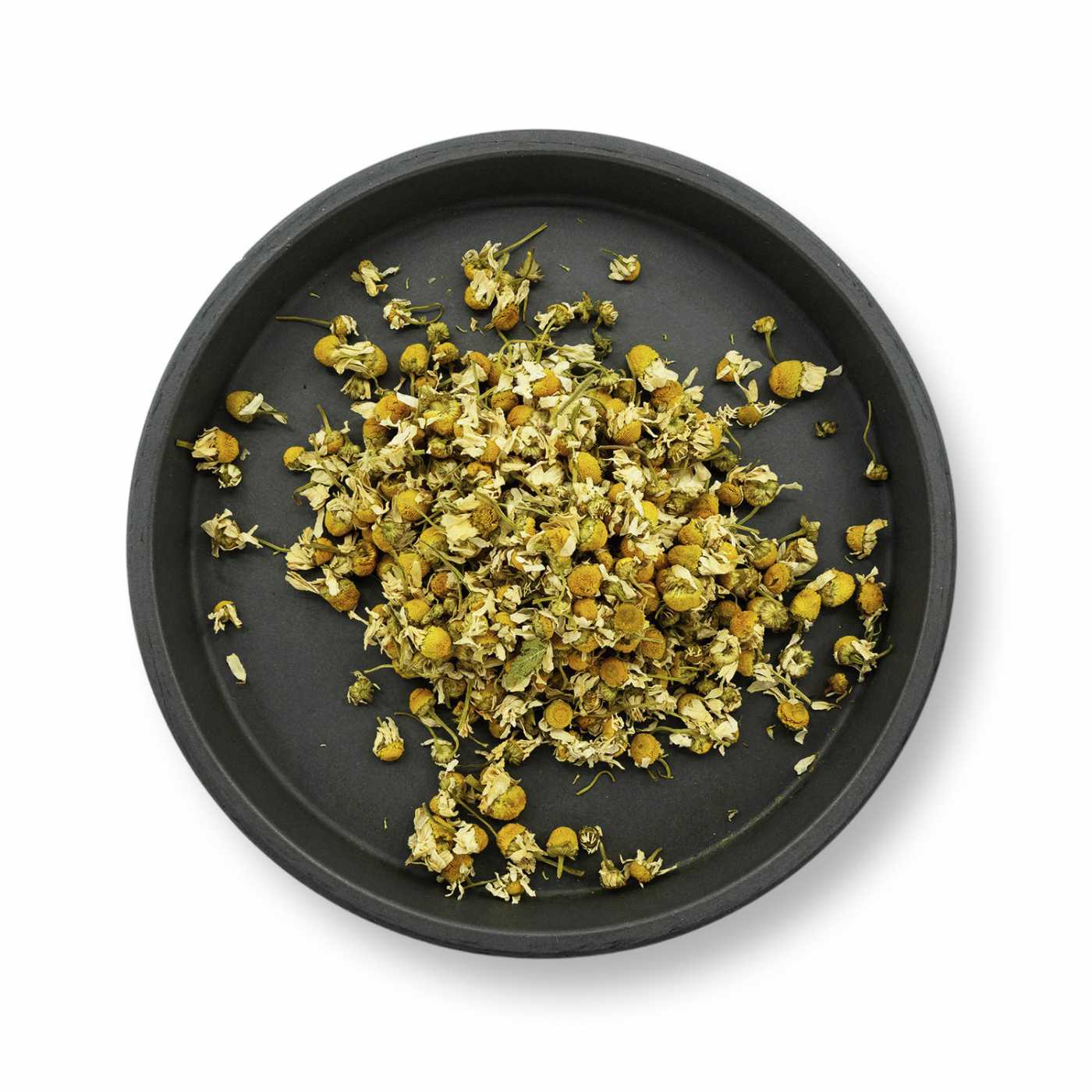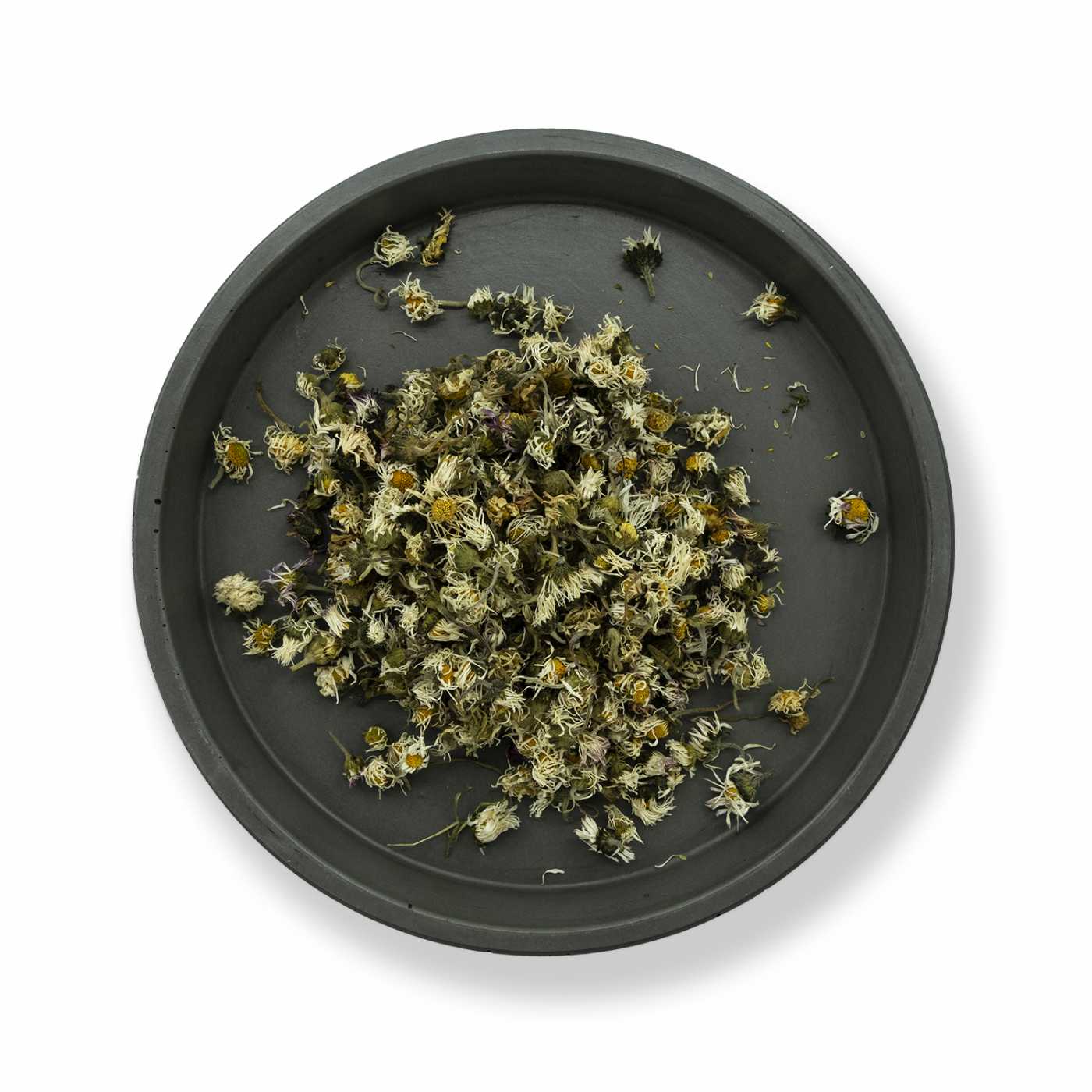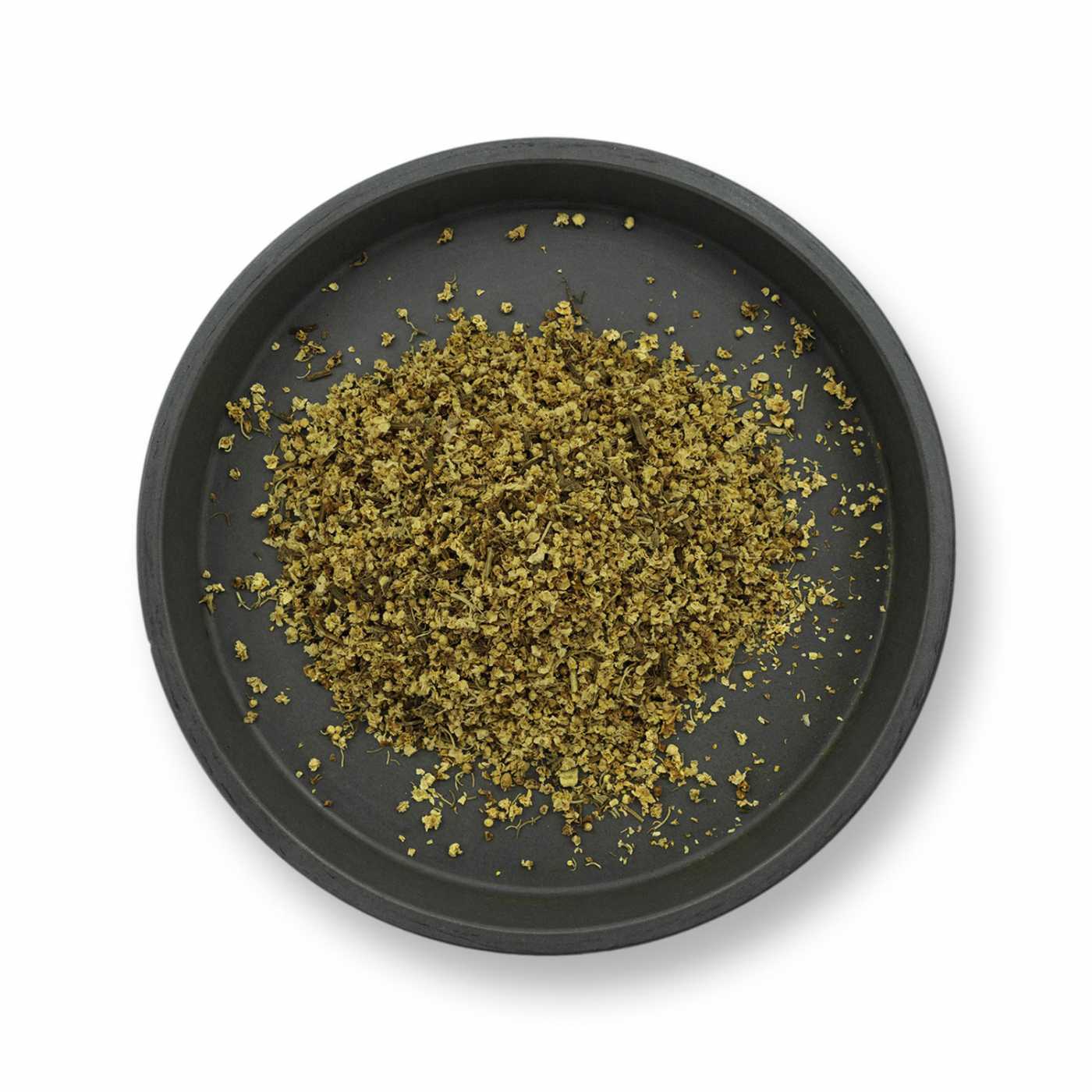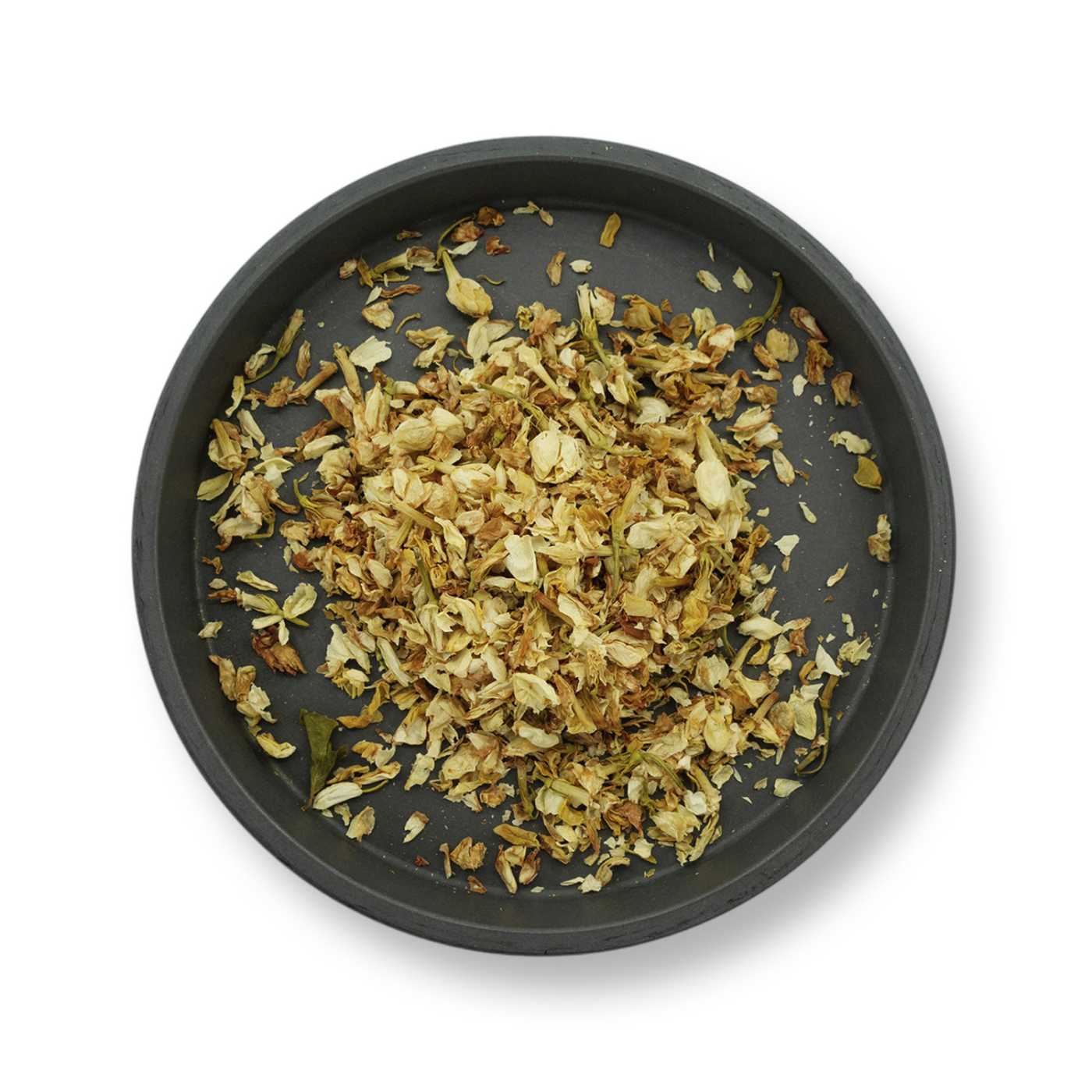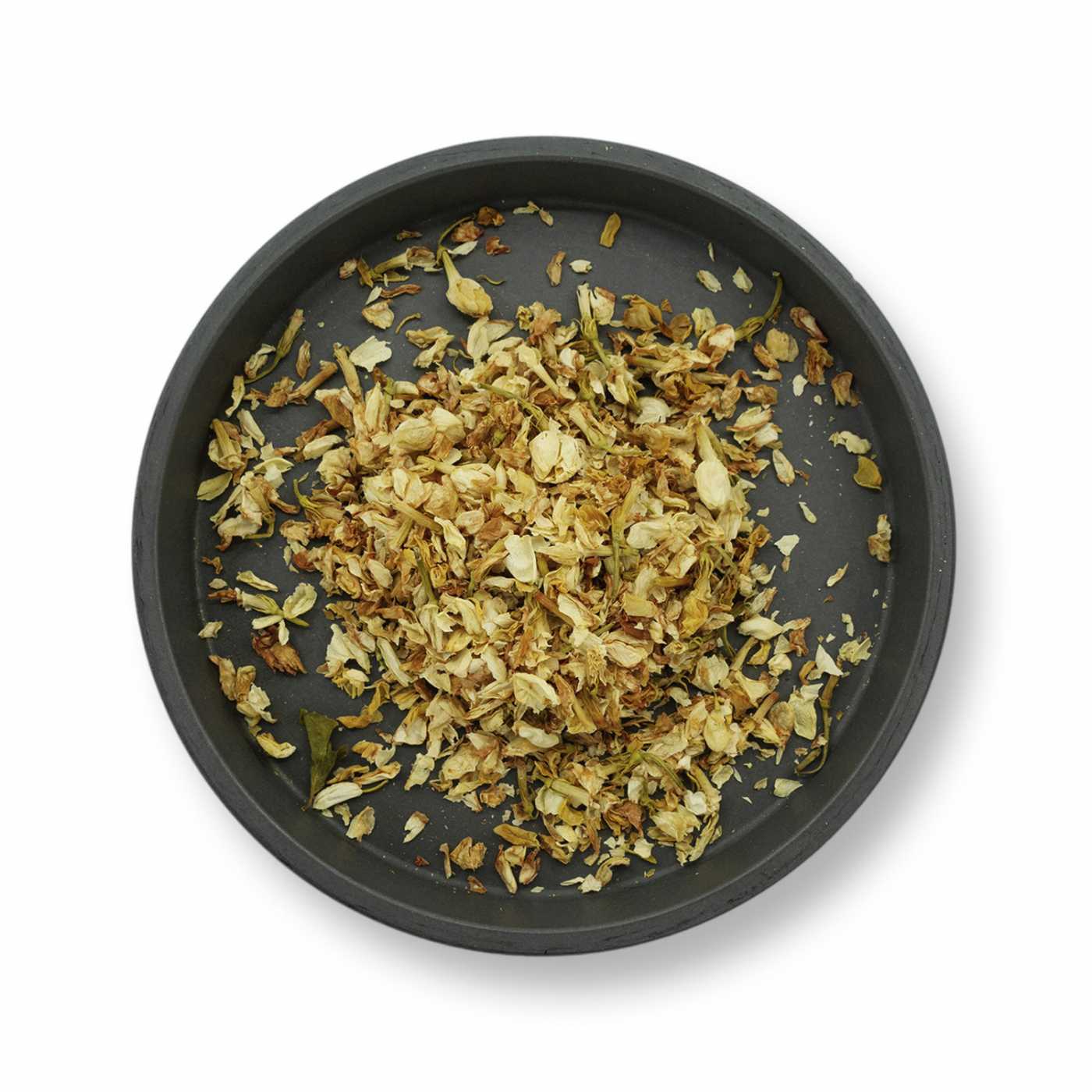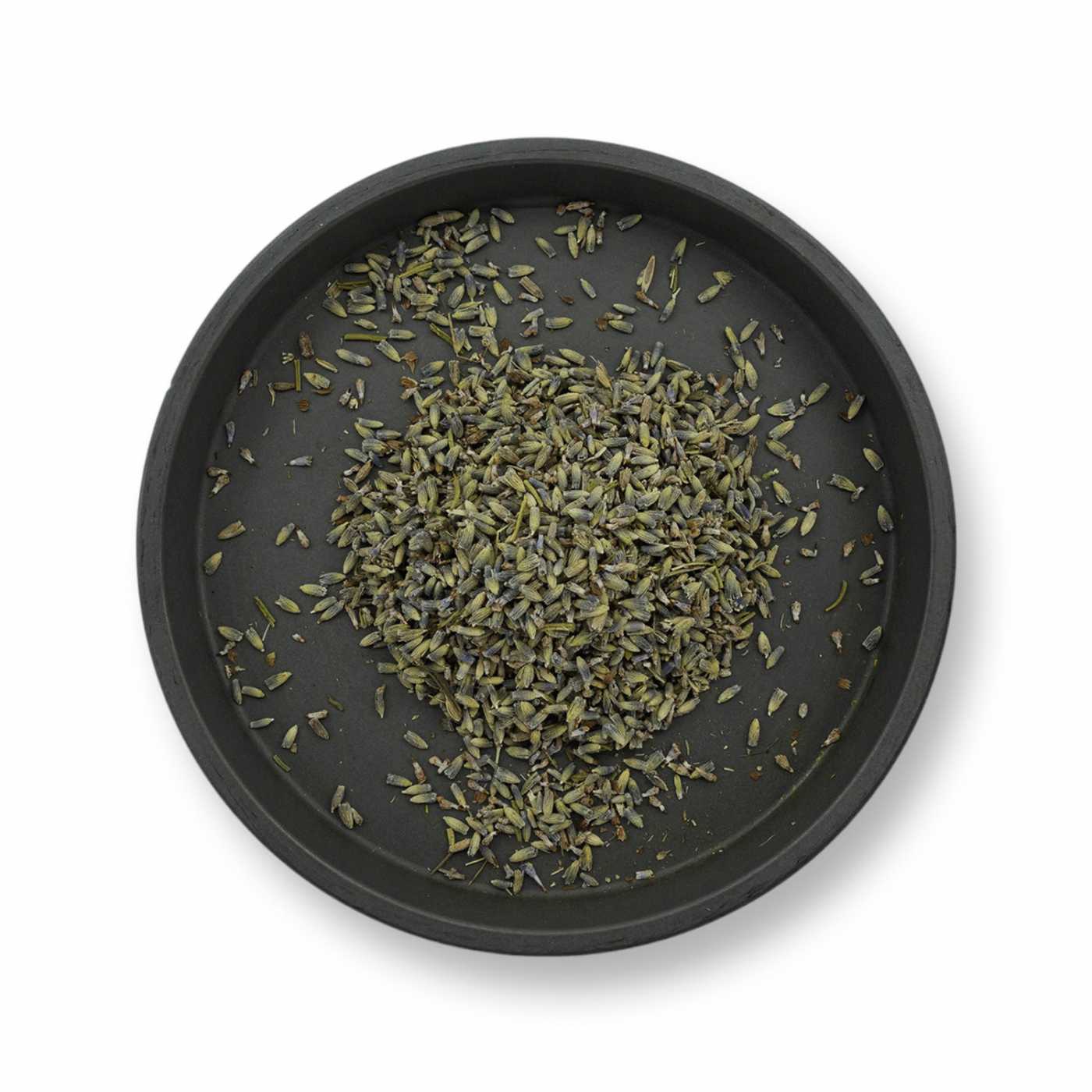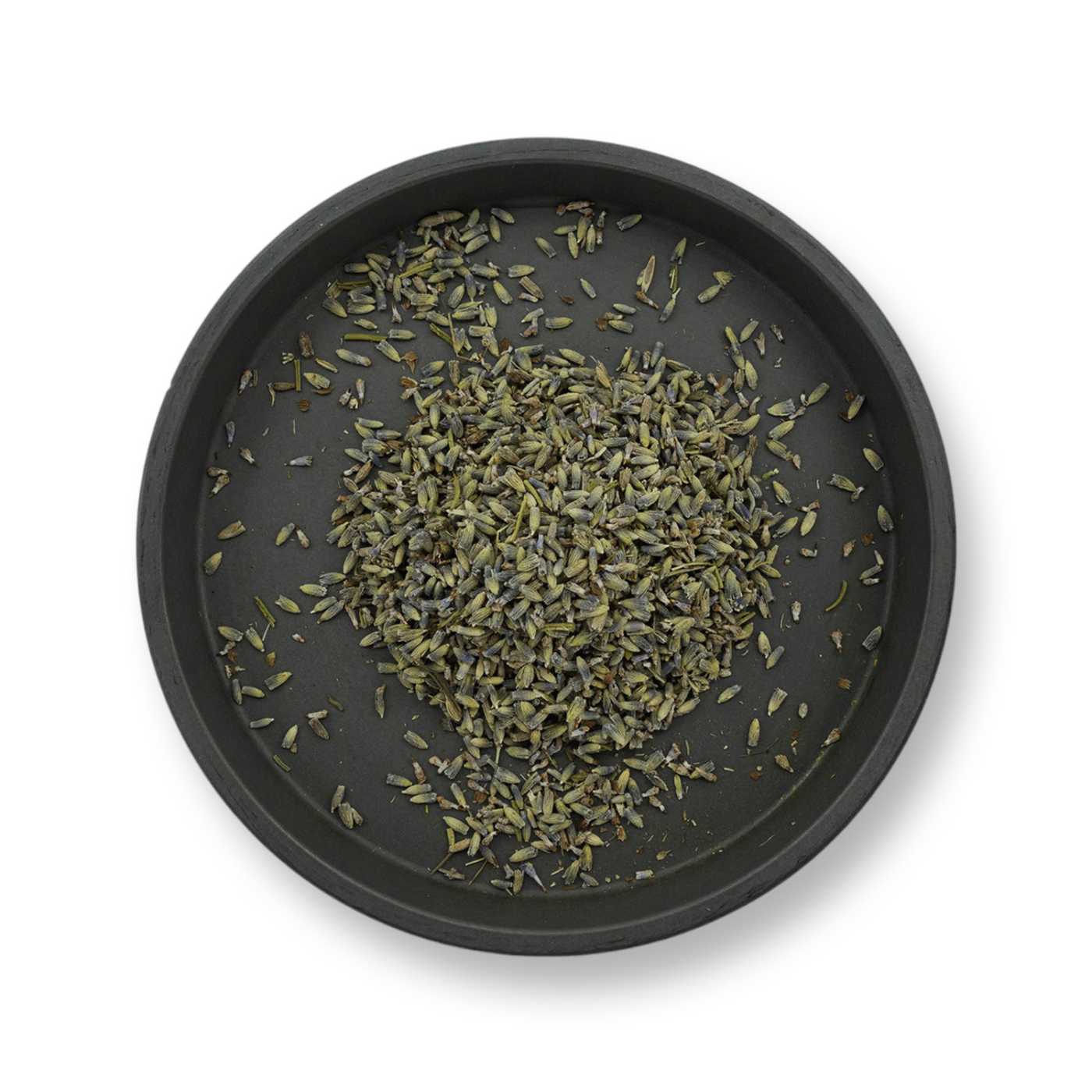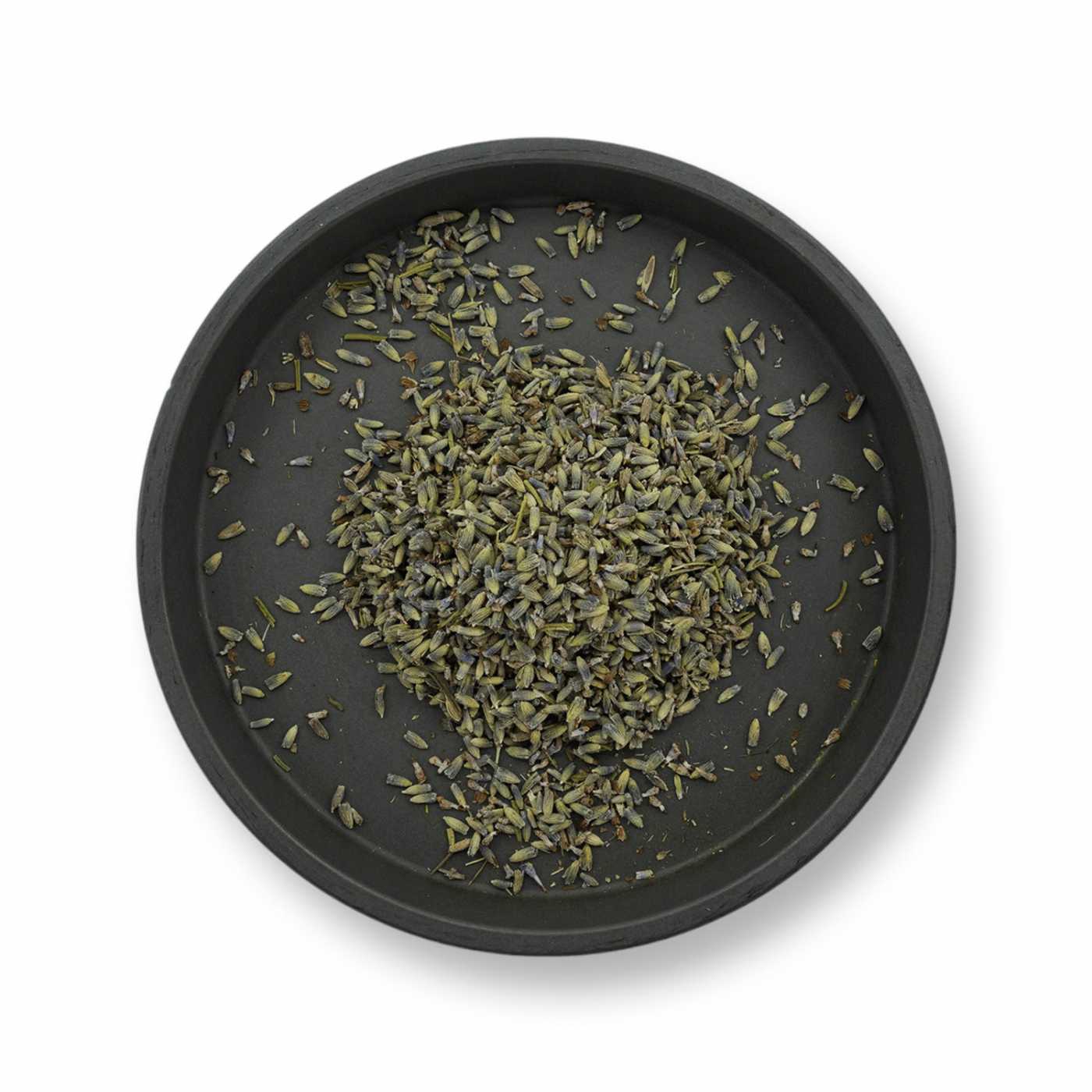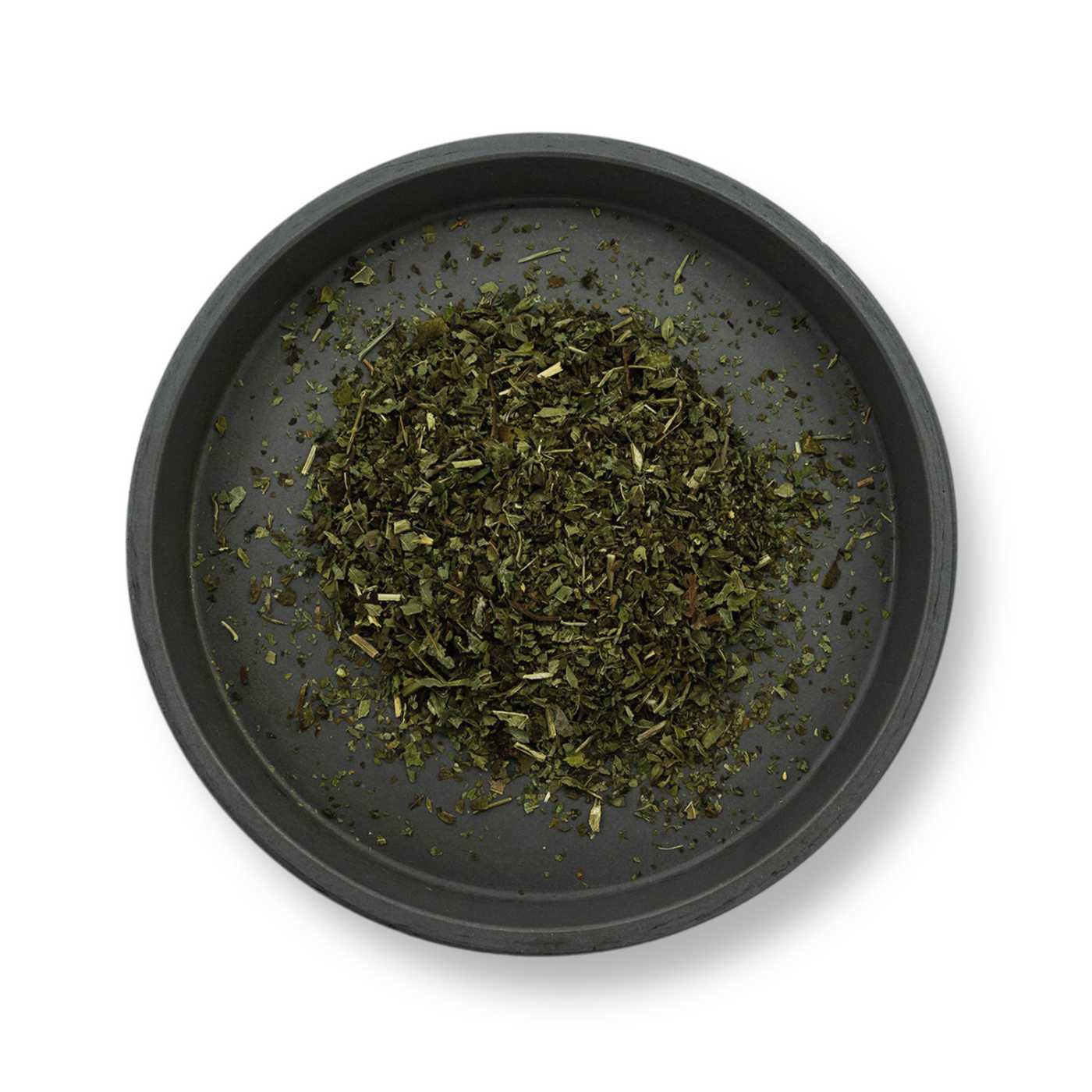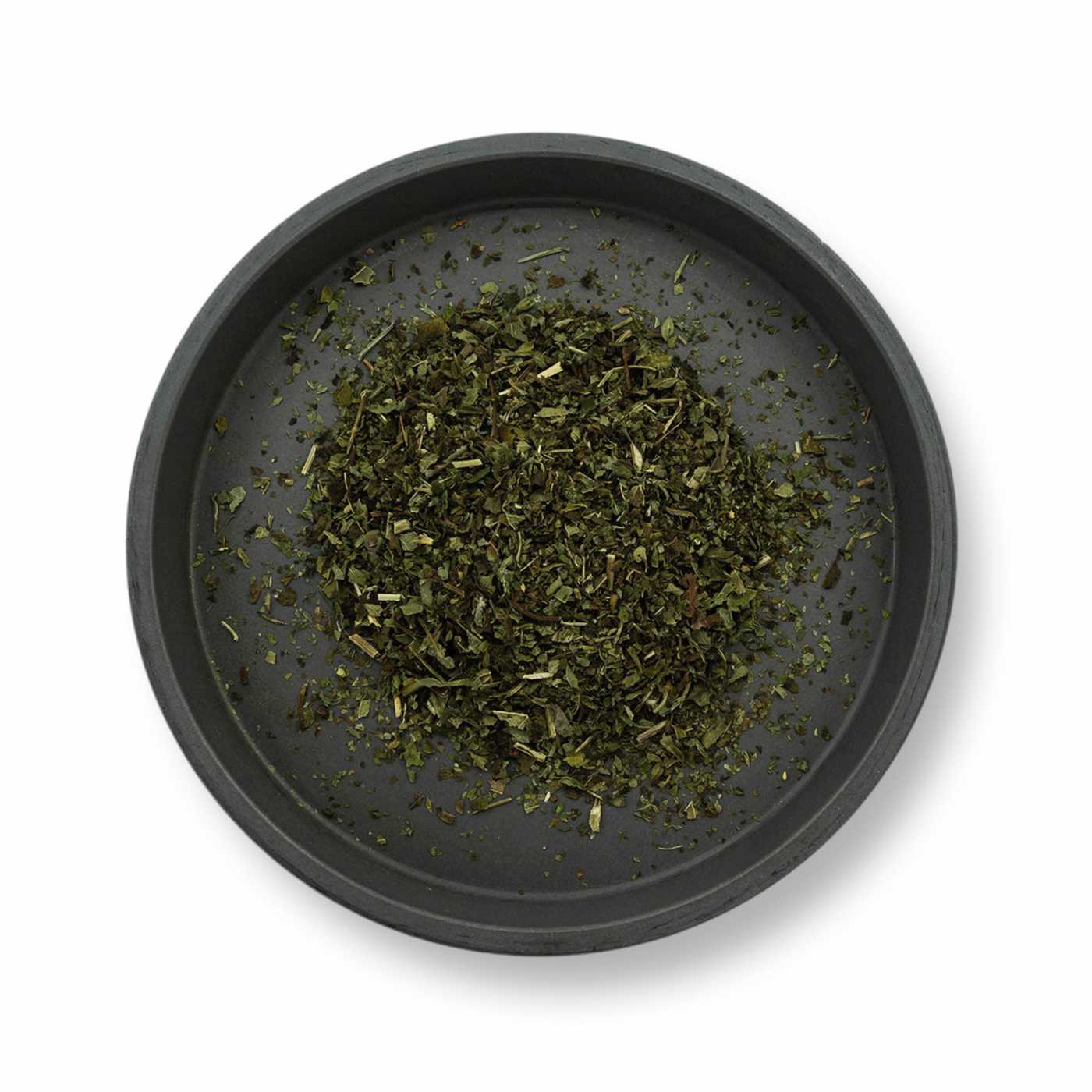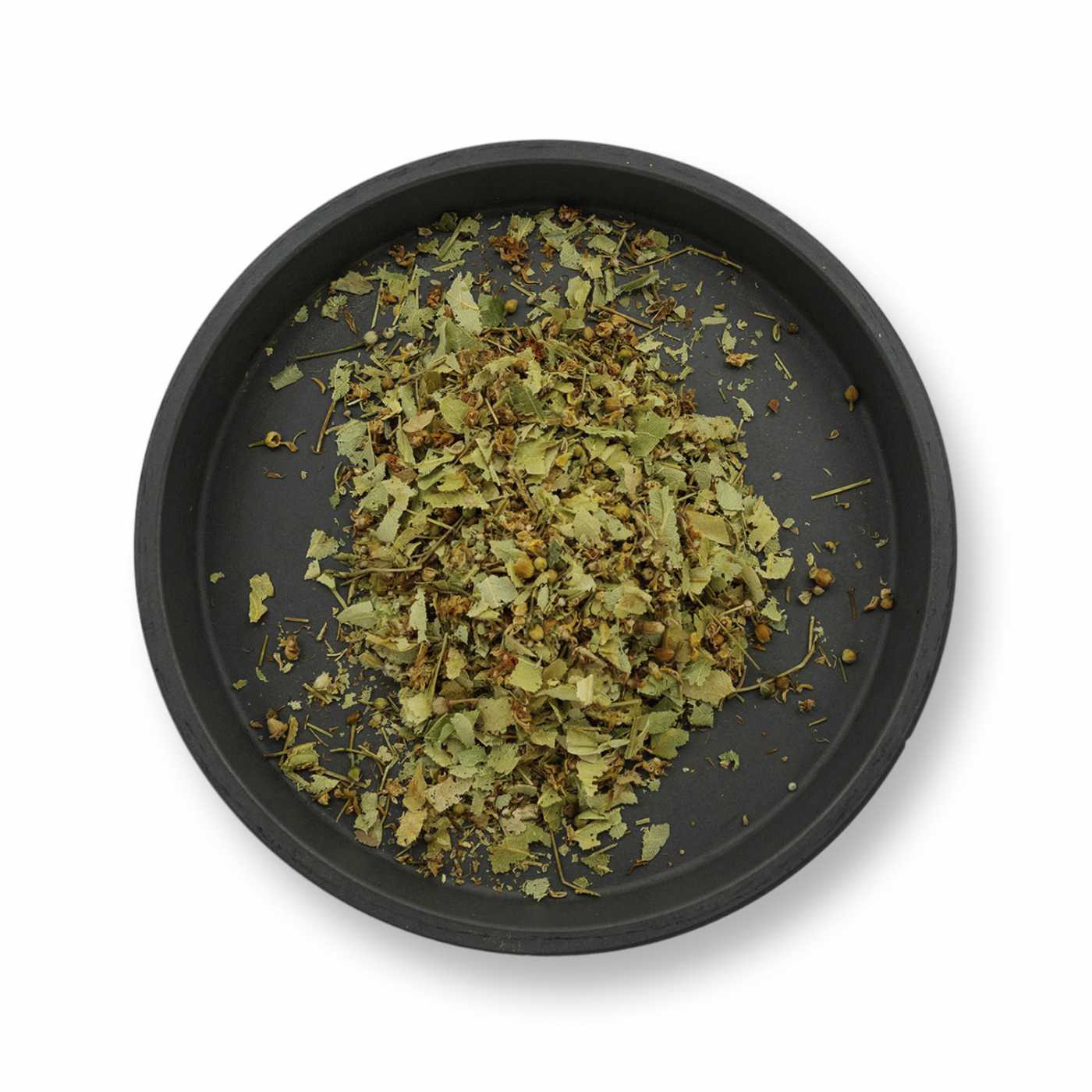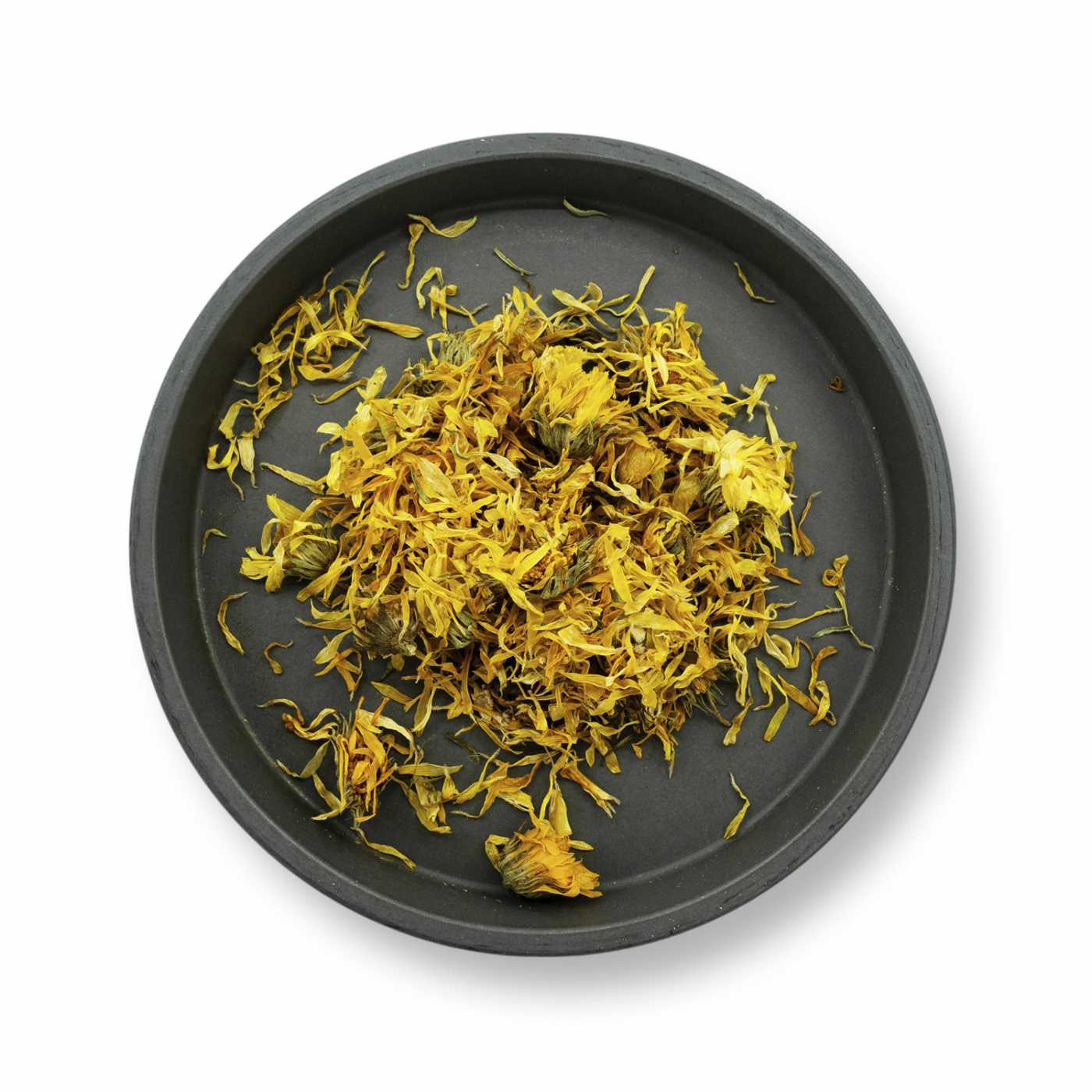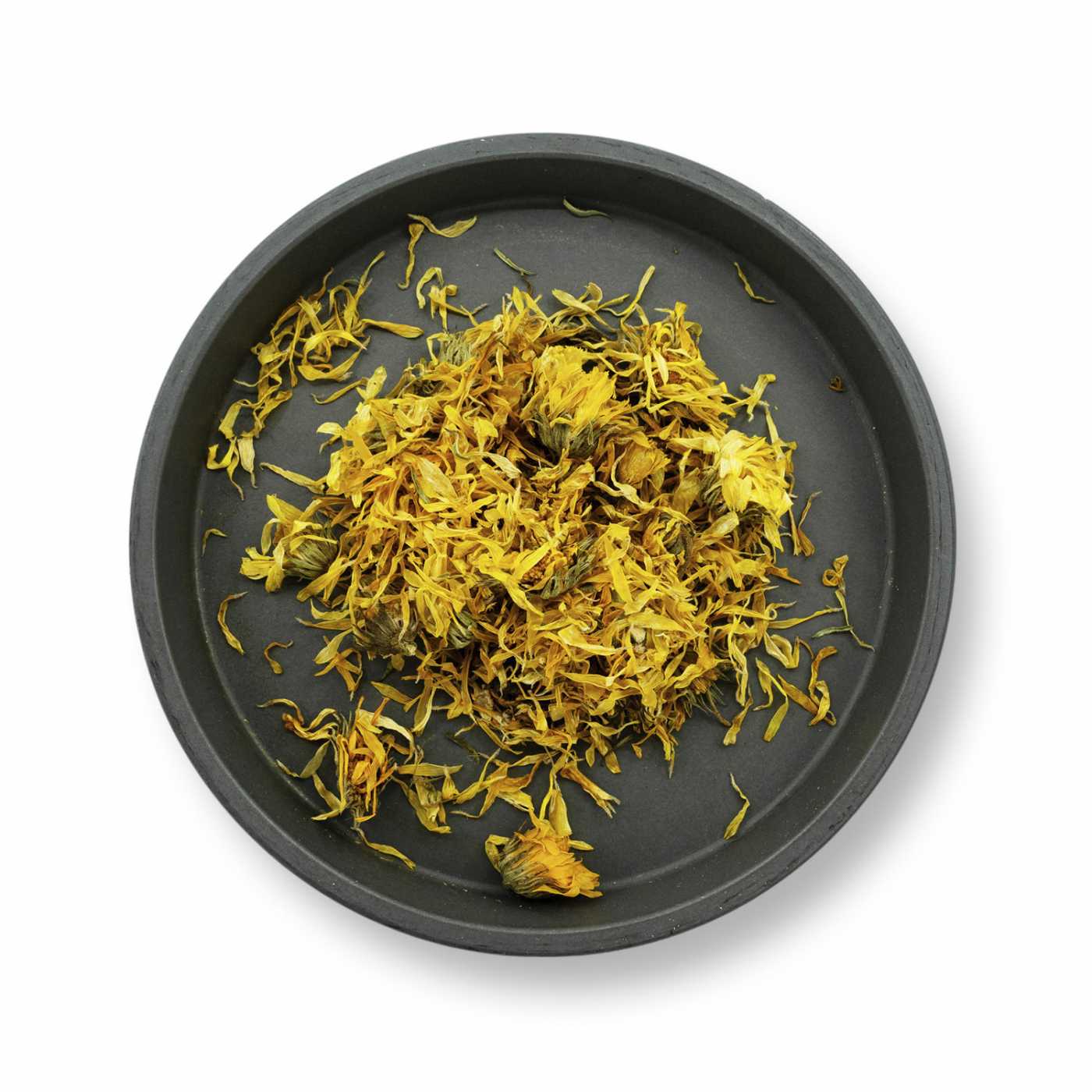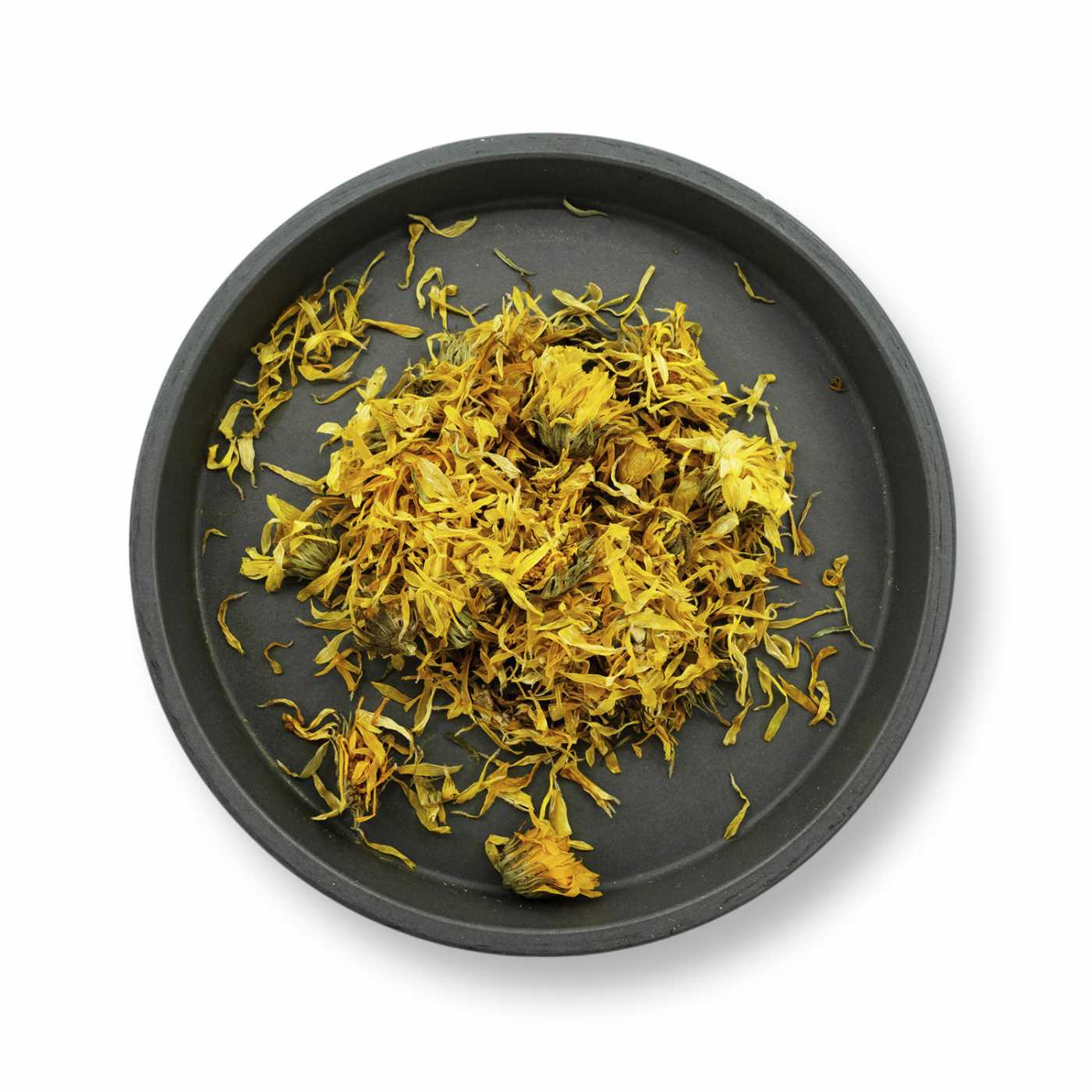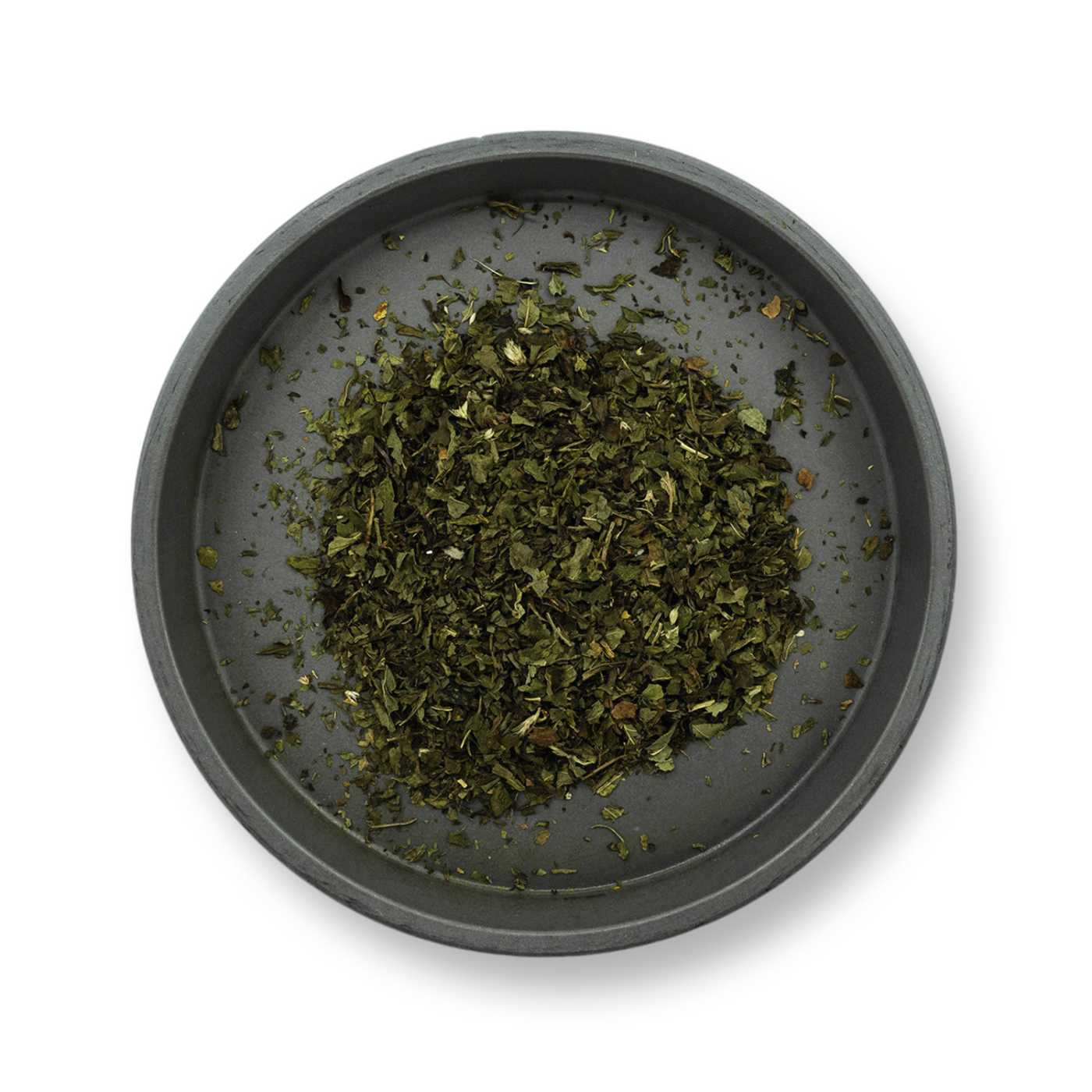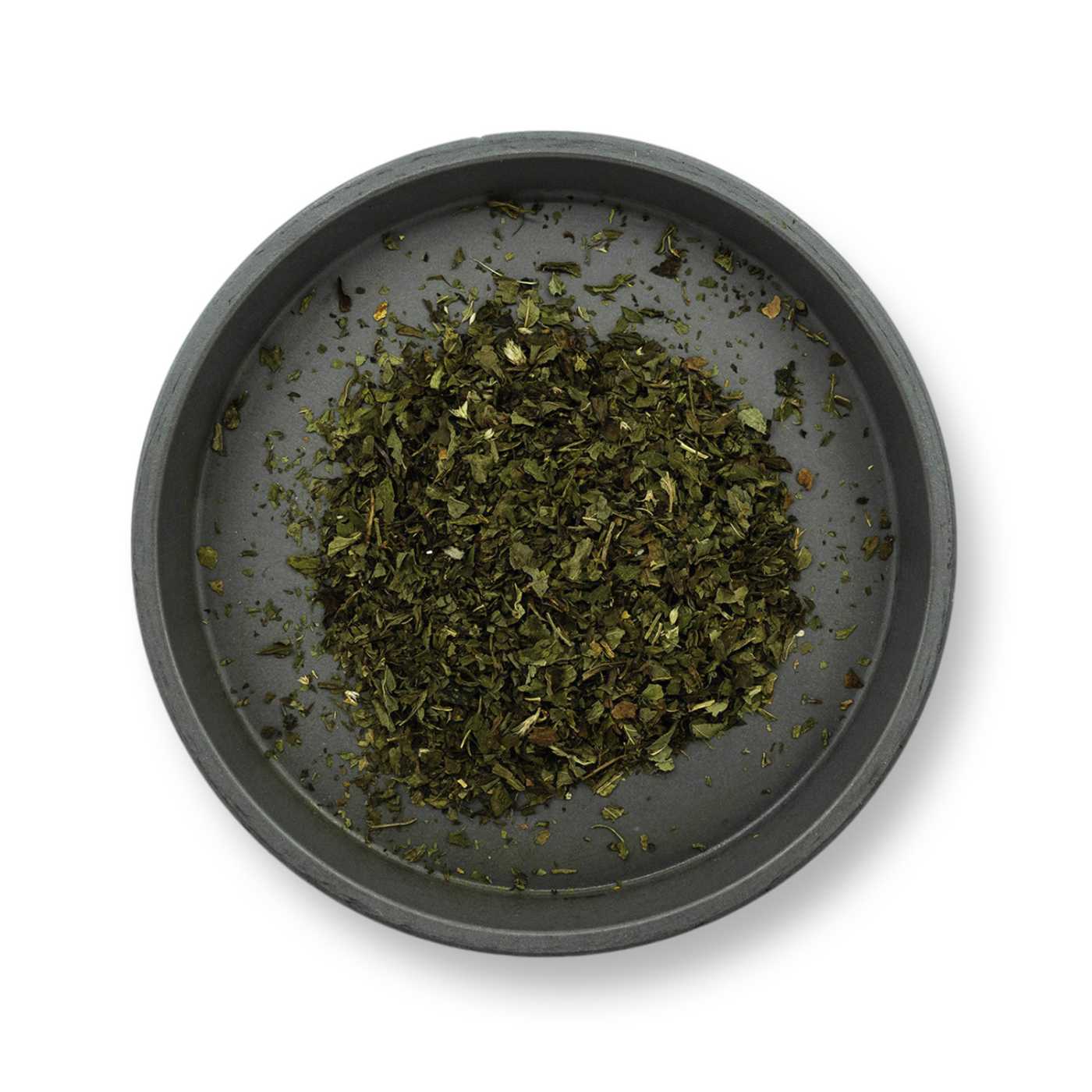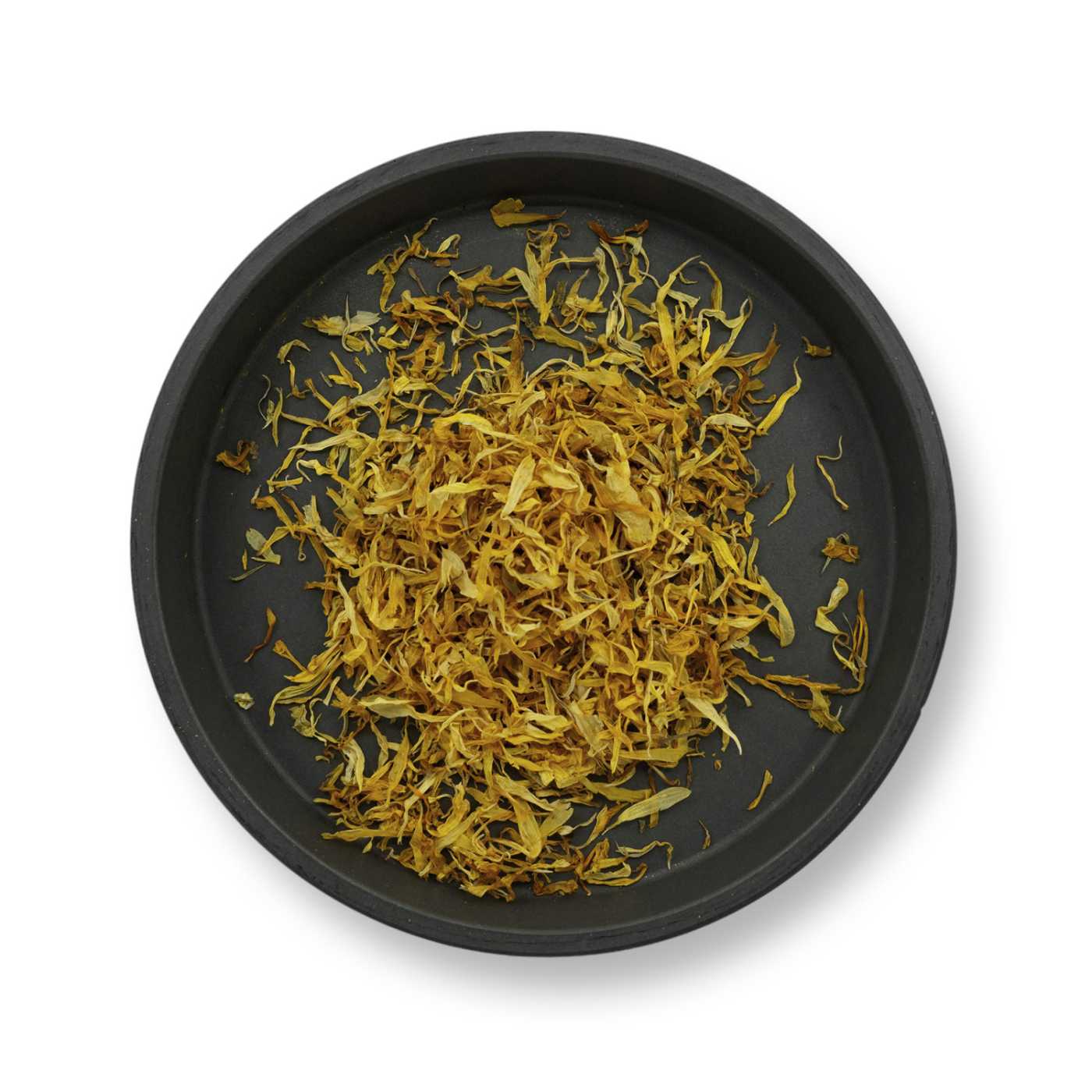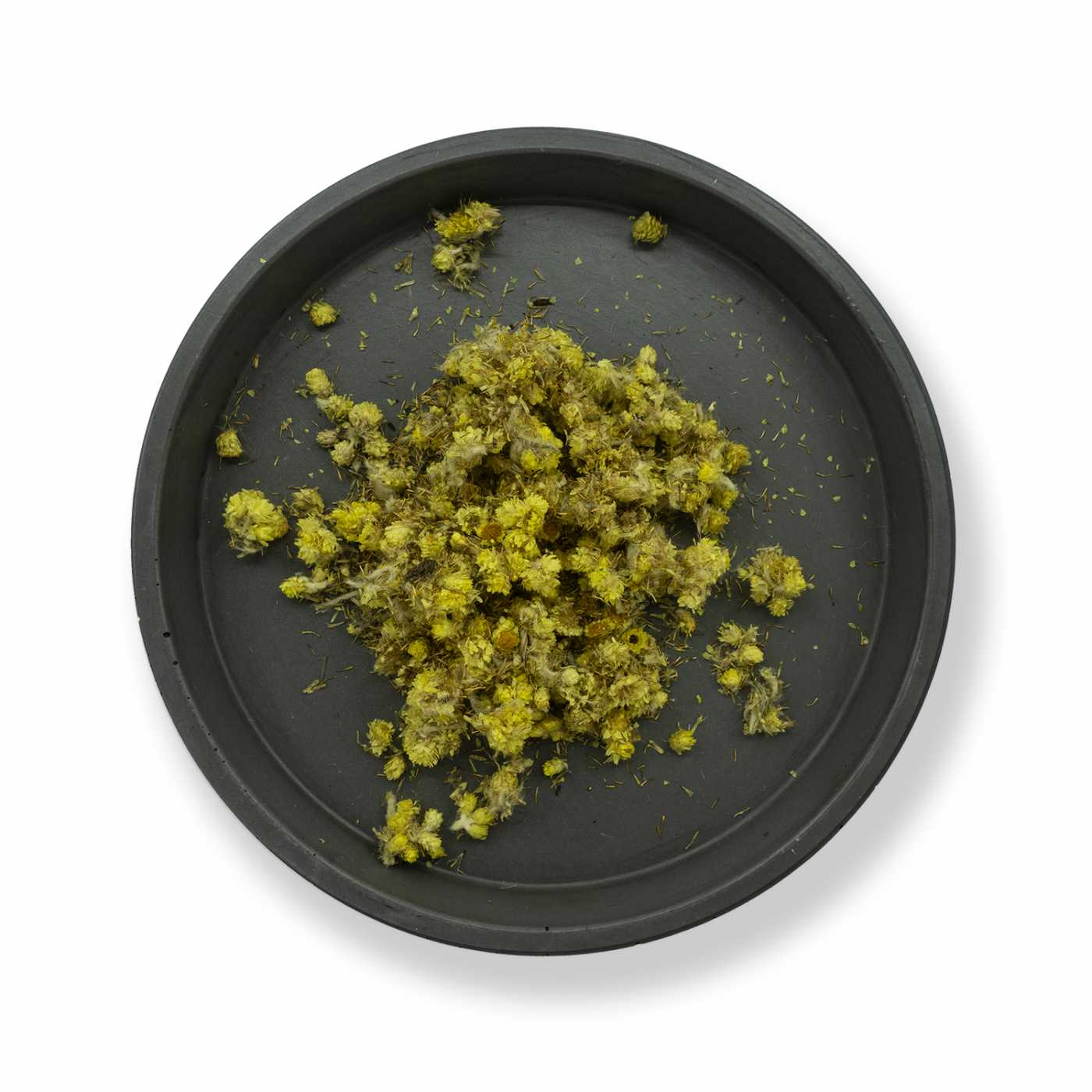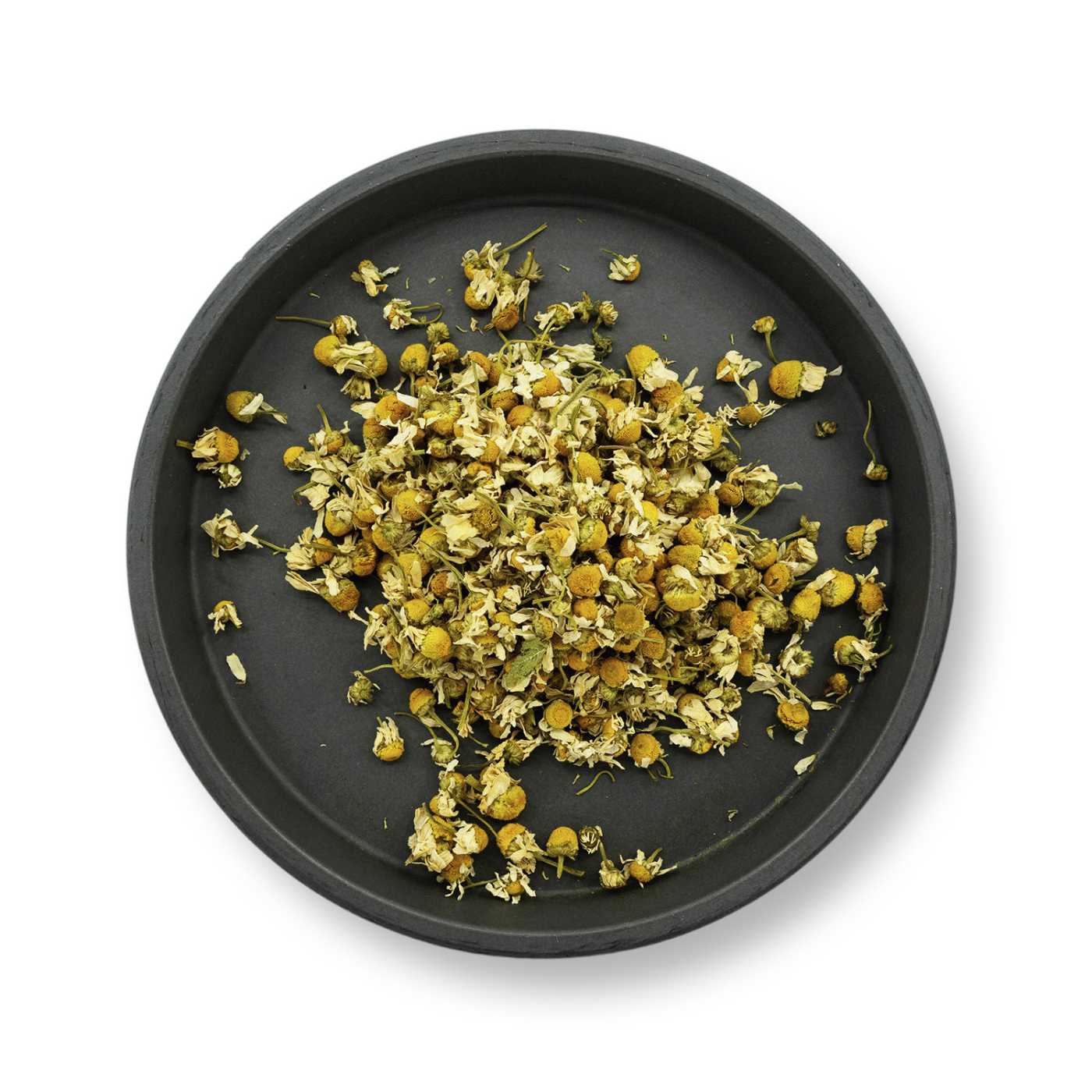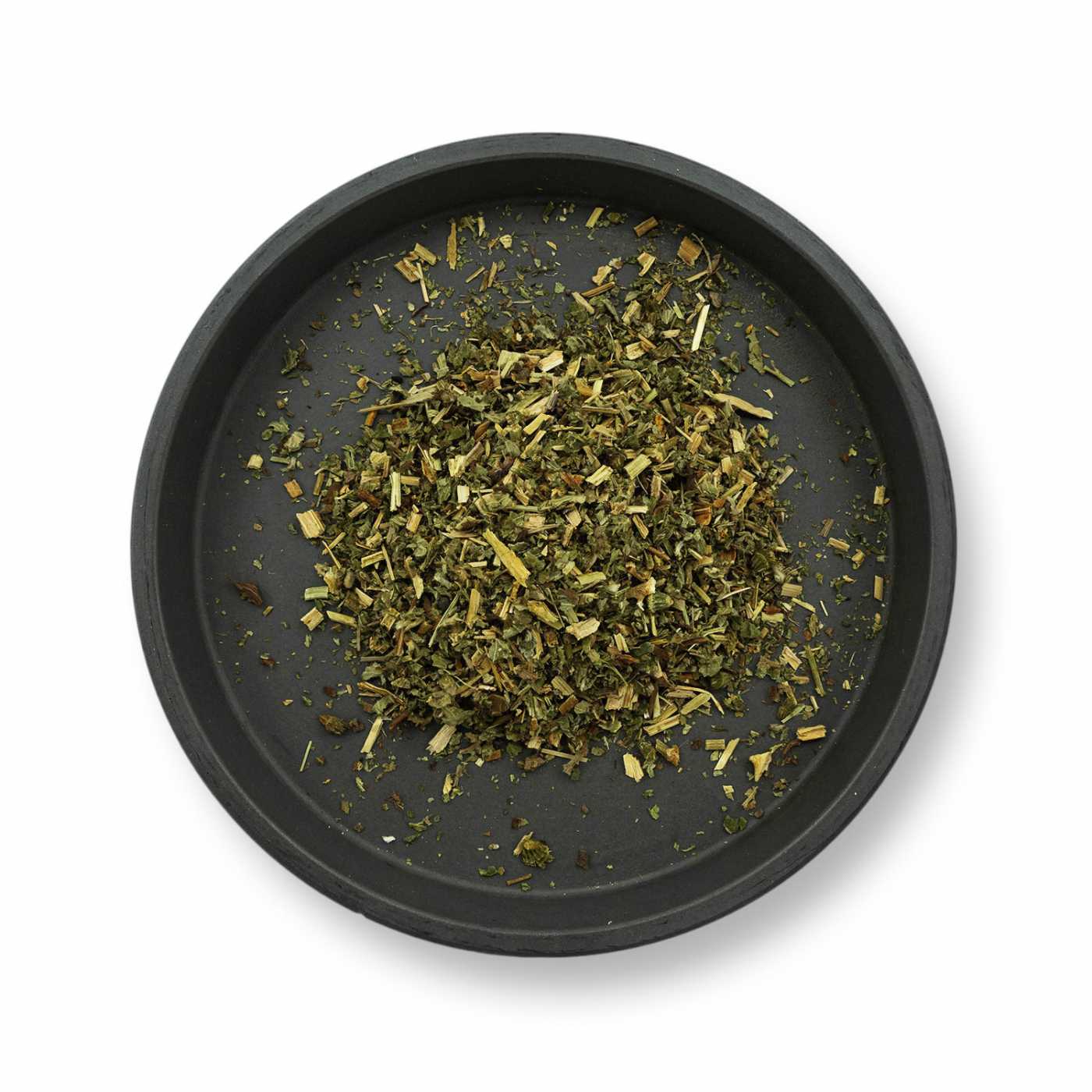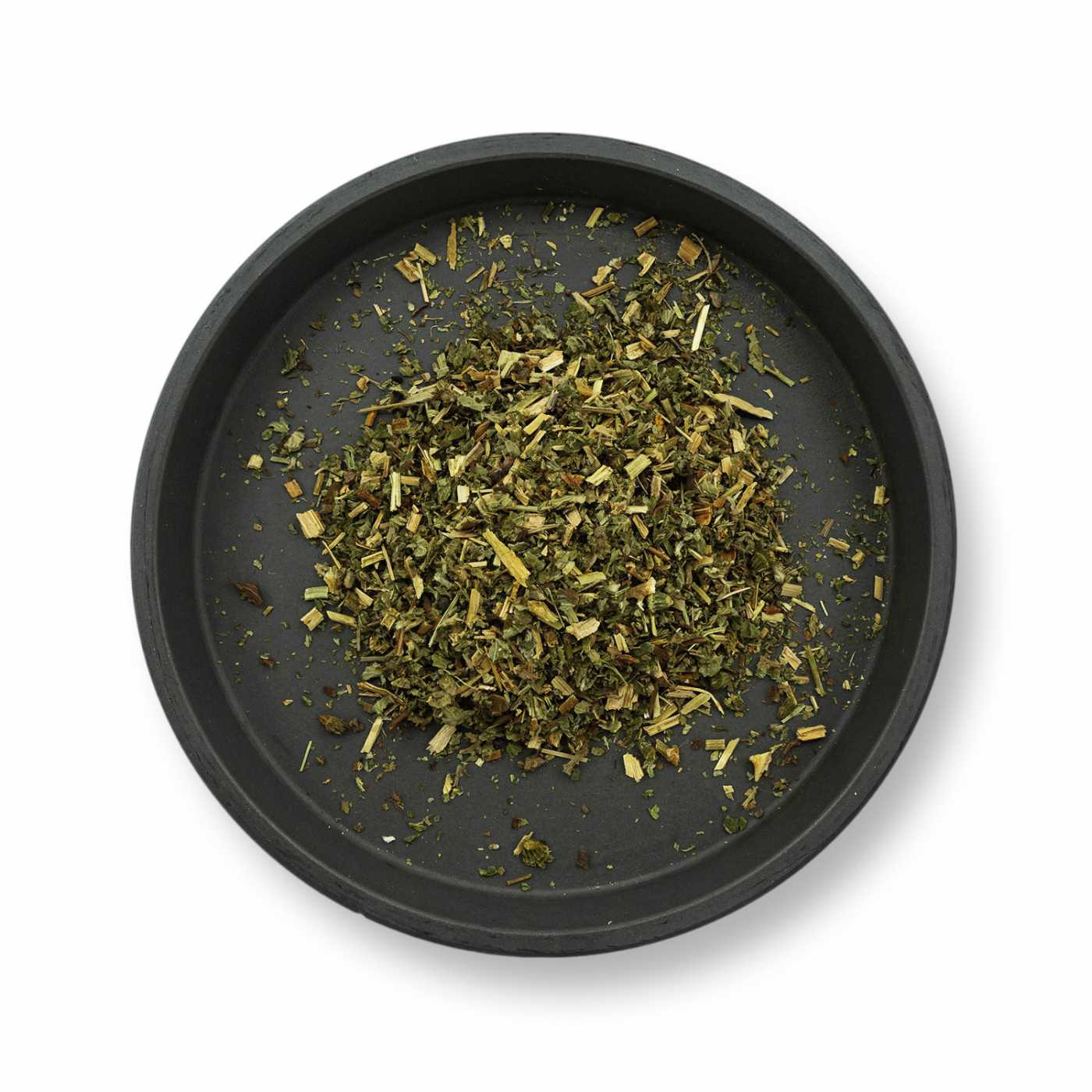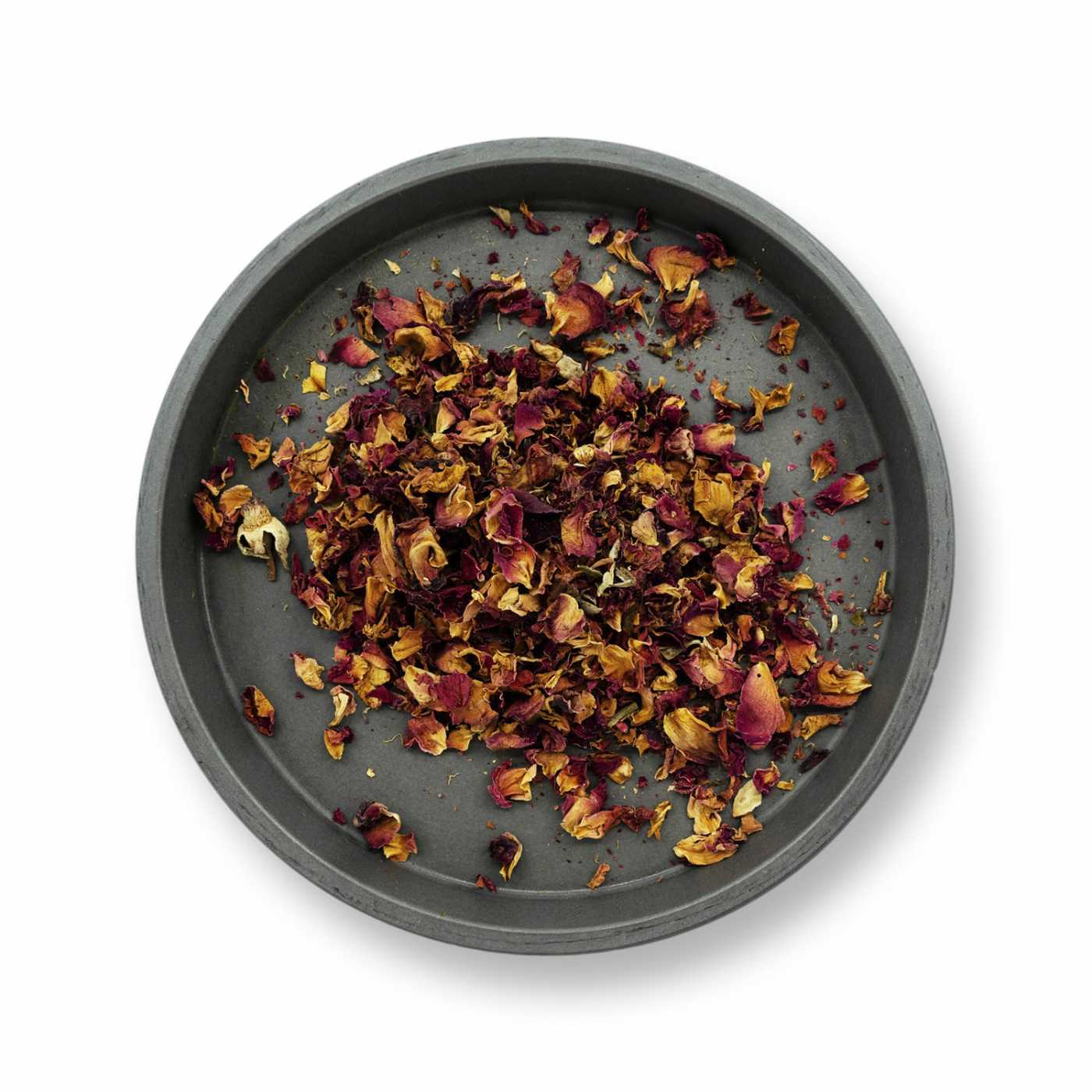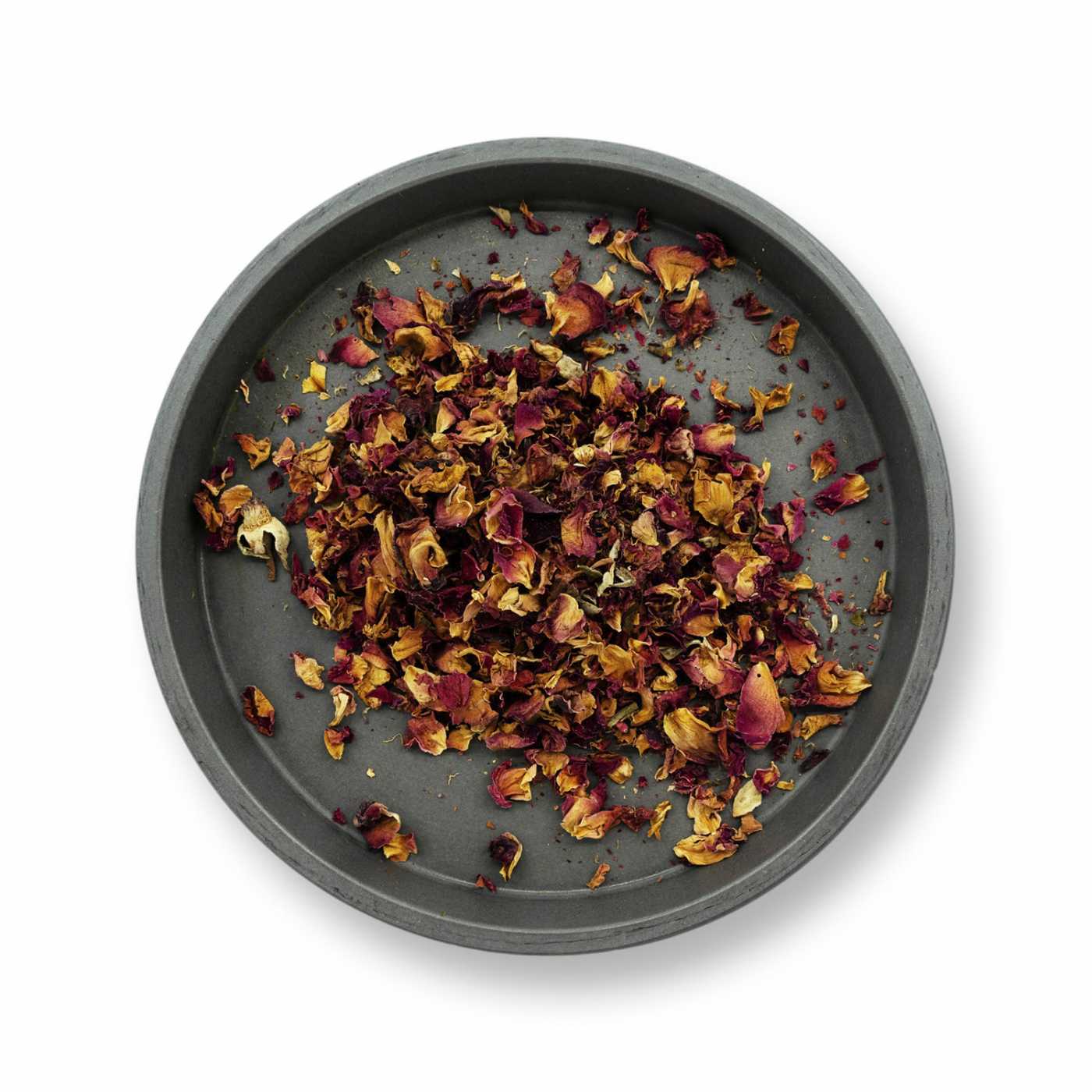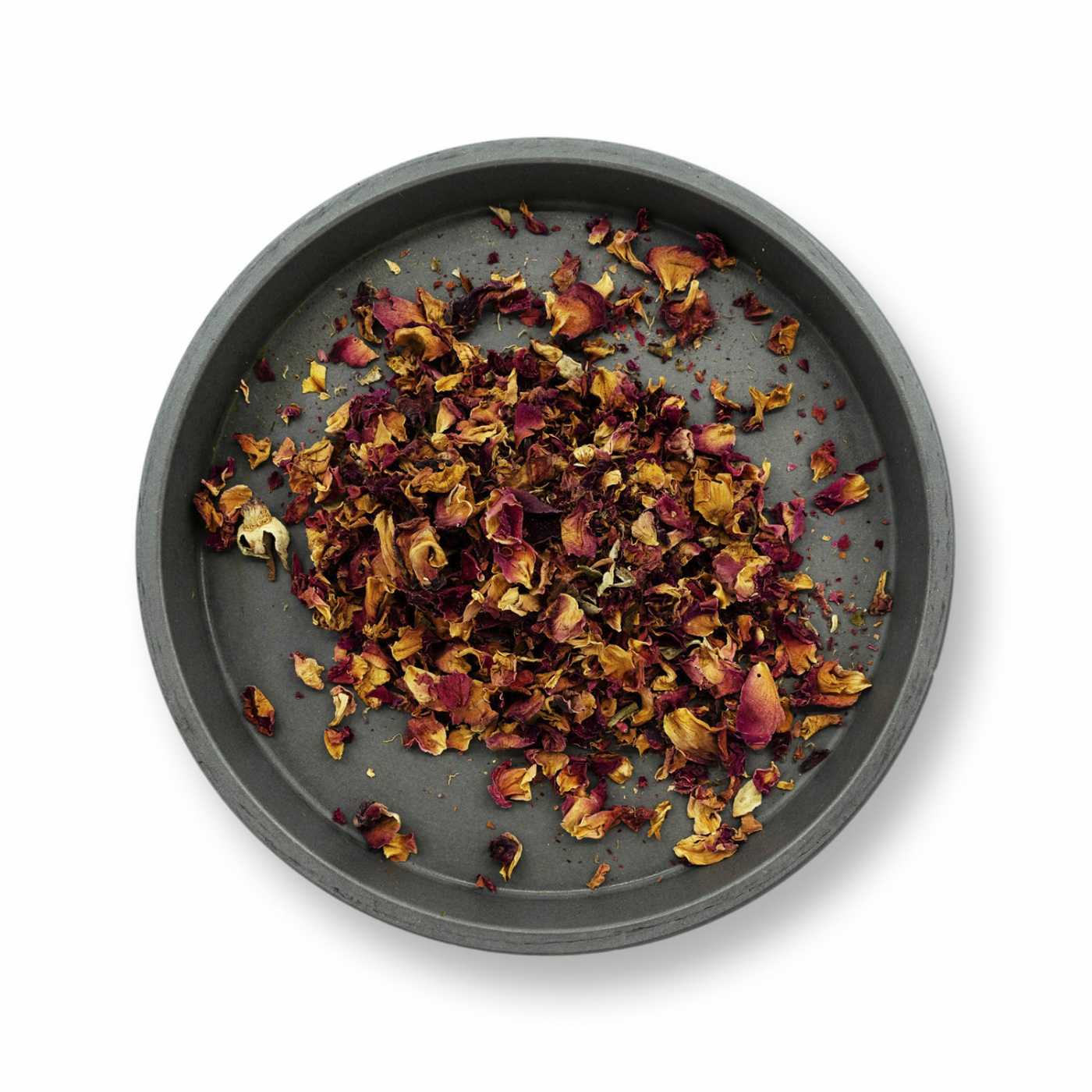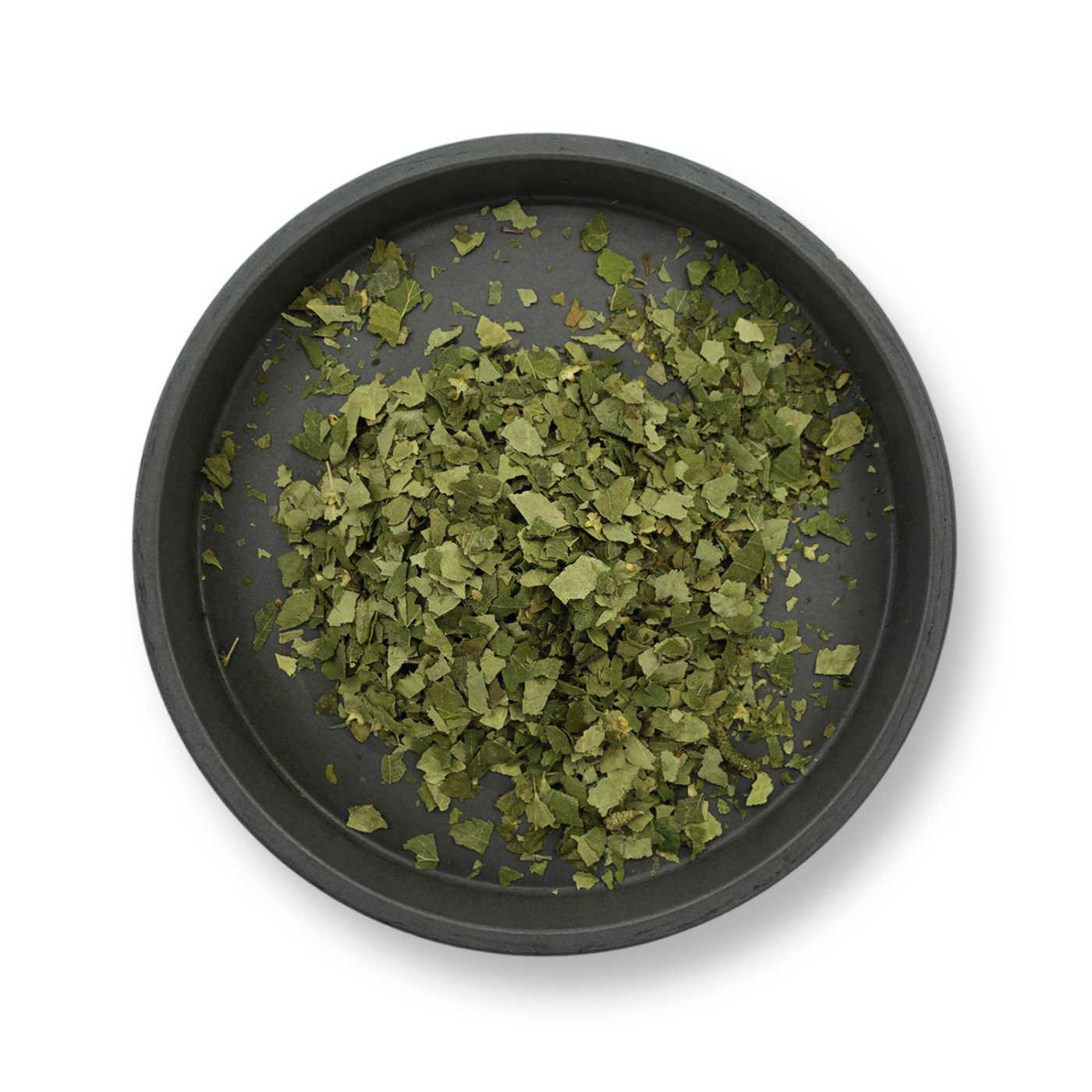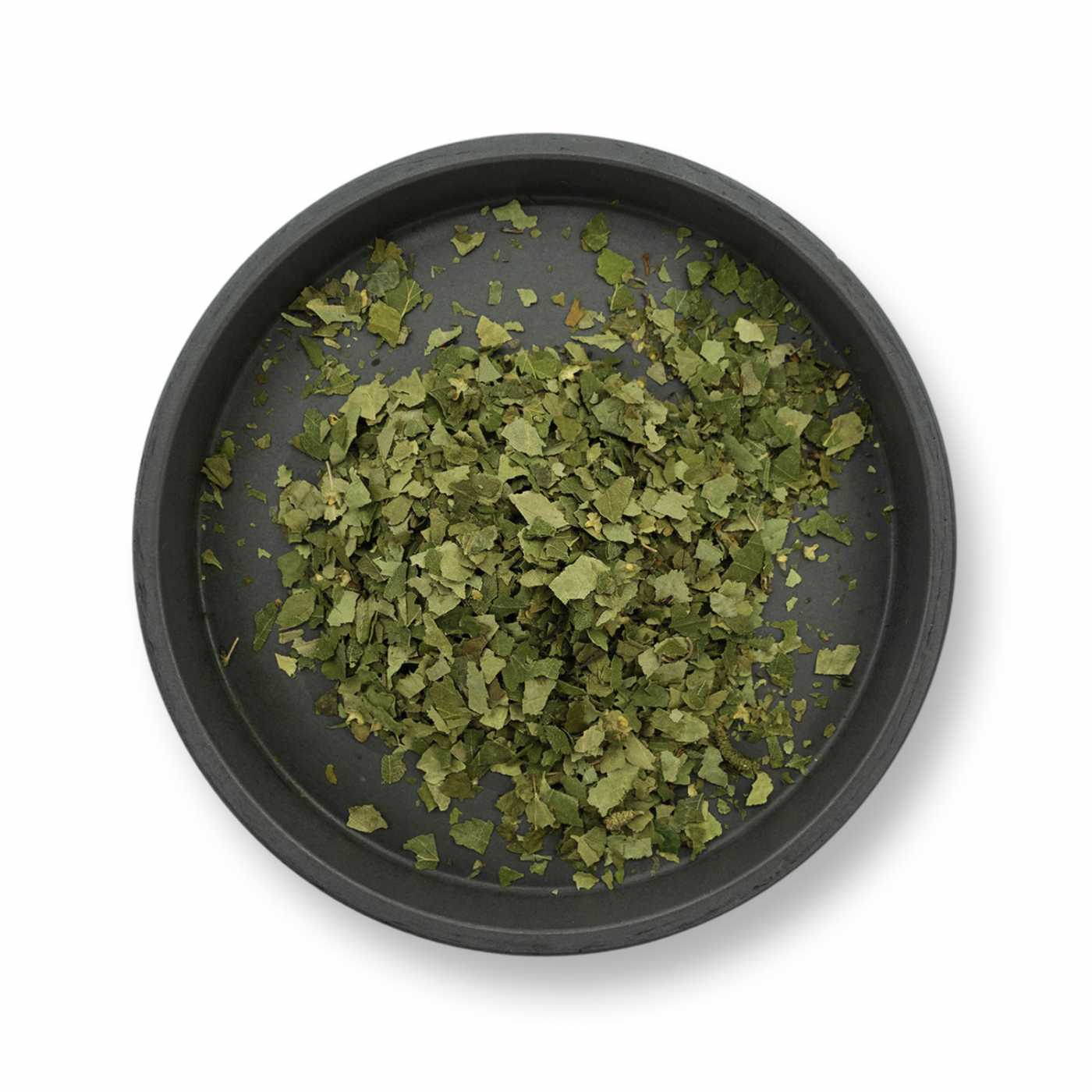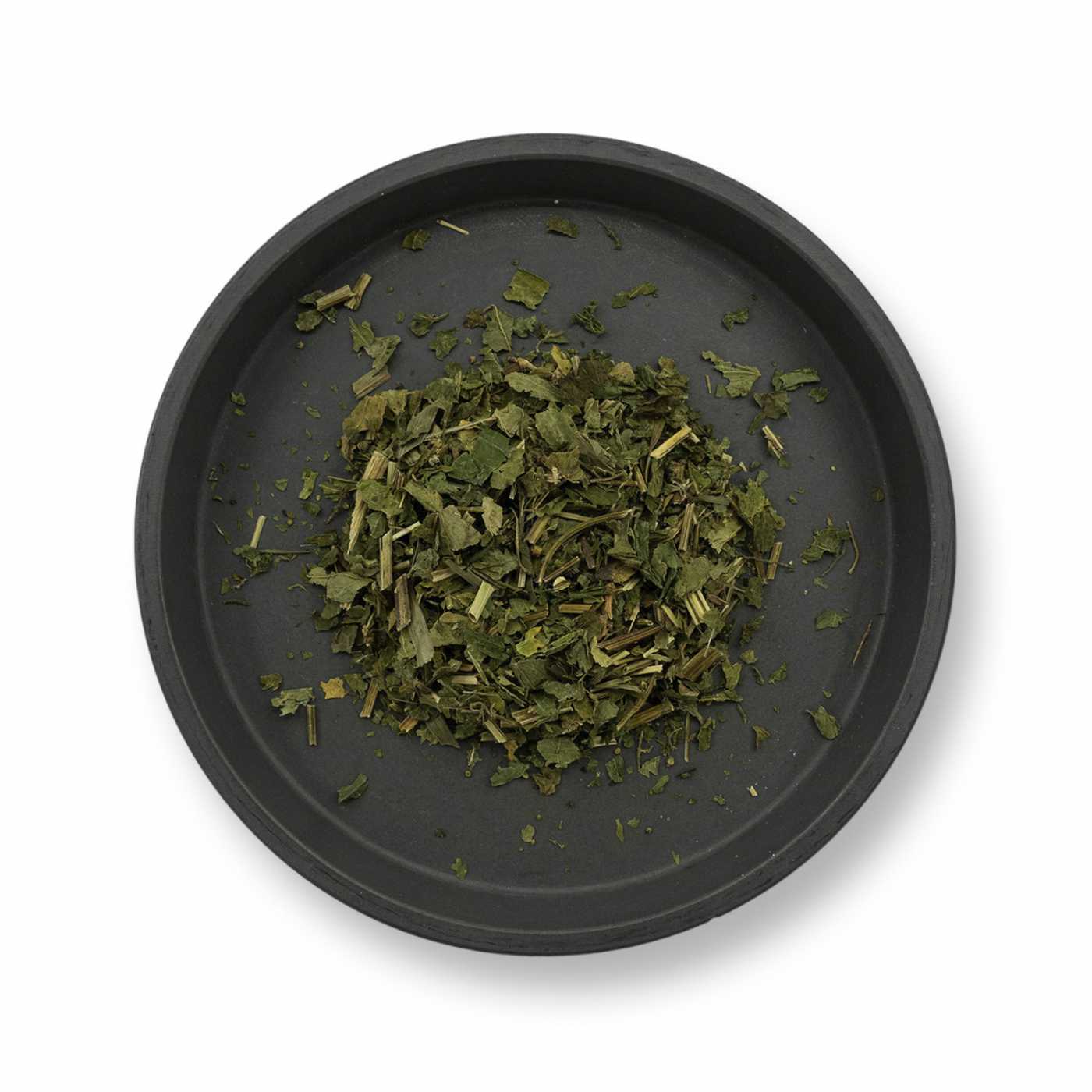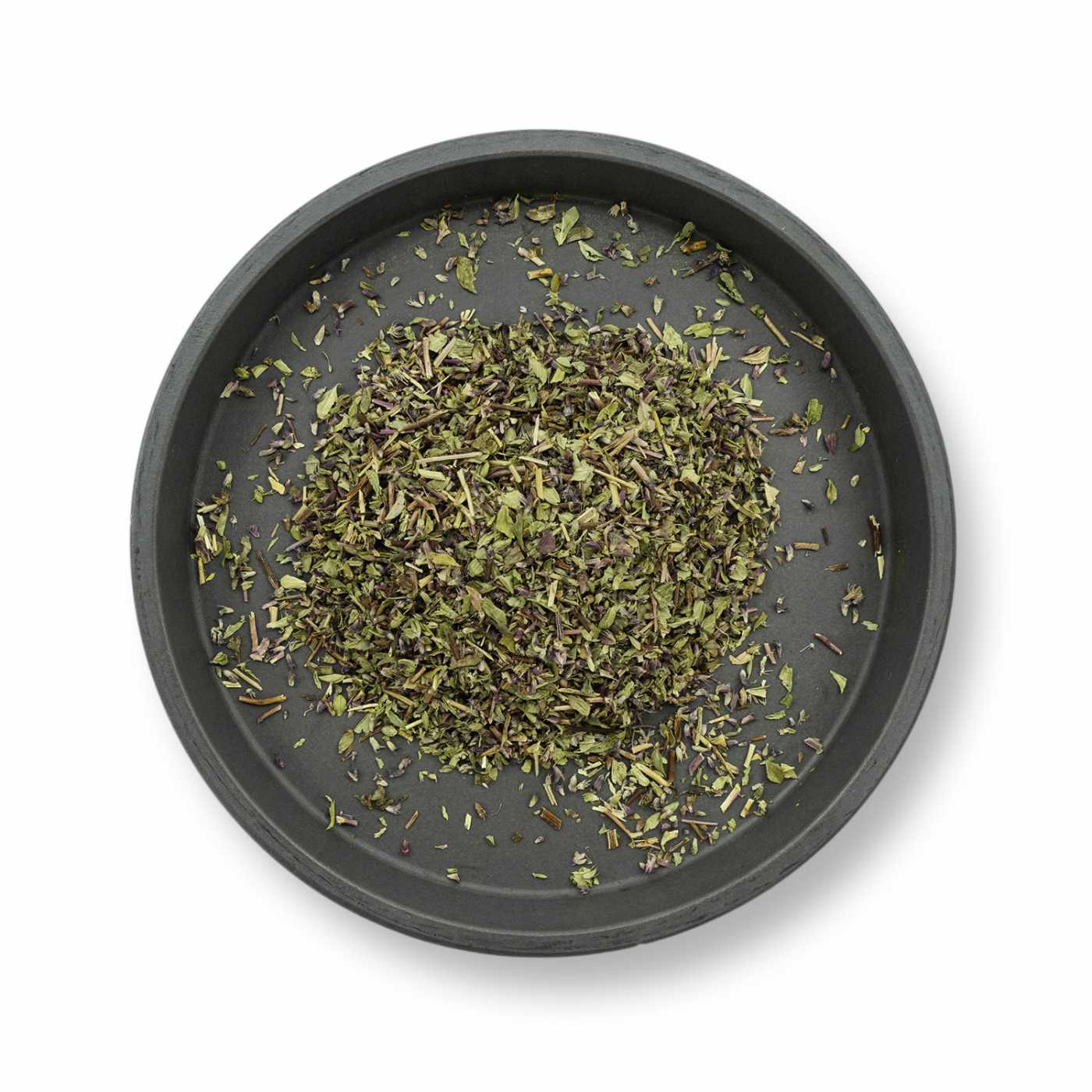
Breckland Thyme, Dried Flower, 100 g
Pre-order€2.30(€23.00/kg)

23 in stock now
4.9 out of 5 · 661 ratings
Documentation for every product
35 products in this category
Showing 35 of 35 products
The dried herbs category offers carefully selected flowers, leaves and aerial parts for bath and body cosmetics, soaps, scrubs and decorative projects. They bring a natural look, colour and a subtle botanical identity without synthetic additives.
The range covers classic flowers (lavender, jasmine, calendula, cornflower, daisy, lime blossom, elderflower), leaves and aerial parts (peppermint, lemon balm, birch, nettle, wild thyme, agrimony) as well as special forms (calendula petals, ‘grosso’ lavender, packs in larger weights). Every herb is intended for external cosmetic use and creative DIY projects.
Product pages list the available technical data; full documentation includes a safety data sheet (SDS), a certificate of analysis (COA) and an allergen list. For the best result, we recommend testing compatibility with your colourants, pH and chosen base (soap base, emulsion, oil).
Lavender (flower), jasmine, cornflower, daisy, lime blossom and elderflower work well in bath salts, loose botanical toppings and hand-poured soaps. When embedding them directly in soap, use a smaller amount and a dry, clean placement so the herbs do not take on moisture or change colour. A natural look without compromising on aesthetics.
Peppermint, lemon balm and wild thyme bring a fresh herbal accent to scrubs, soaps and bath blends. Consider the final pH and the type of base you use so the leaves keep their colour and do not cause an unwanted shift in the shade of the finished product. Clean botanical tones for ‘green’ formulations.
Calendula (flower and petals), agrimony and nettle are among the most used herbs in DIY cosmetics. Calendula is a favourite in soaps and oil macerates, nettle in solid shampoos and scrubs, agrimony in loose bath blends. Proven herbs for traditional formulations and an artisan look.
Chamomile is also available in larger packs (500 g, 5 kg), as is ‘grosso’ lavender (50–1000 g). That makes consistent dosing easier across larger batches of bath salts, scrubs and soaps without constant restocking. Efficiency for craft workshops and small production runs.
Maceration: for an oil macerate choose dry herbs, an inert vegetable oil and a dark container; after straining, filter through a fine cloth. In soaps: add the botanicals to a slightly cooled mass, stir gently and pour; in transparent bases dose sparingly for the sake of appearance. Storage: keep dry, dark and in closed packaging; herbs are hygroscopic and can bind moisture. Colour changes: some herbs may darken over time; minimise moisture and light exposure and test in a small trial batch.
Only embed dry herbs, add them to a cooler mass and dose sparingly. Store the finished soap in a dry, dark place. Avoid direct moisture and too high a proportion of plant material; in transparent soap bases, dose sparingly for the sake of appearance too, so the flowers stay decorative.
Yes — fine grinding is recommended for a more pleasant feel and even distribution. Add them to bath salts dry, mix and store in closed containers to prevent moisture uptake. From this range, nettle, agrimony and calendula petals, for example, suit scrubs and loose bath blends.
Use a completely dry herb, cover it with an inert vegetable oil in a dark container, close and leave to infuse in a dark place for 1–3 weeks. Then strain through a fine filter or cloth. Trial the macerate in a small dose and monitor its stability in the target formula; calendula is a particular favourite for macerates.
In a dry, dark place and in closed containers. Minimise contact with air and light; herbs are hygroscopic and prone to taking on moisture and fading, so close the pack tightly again after every use. The same applies to the larger packs of chamomile or ‘grosso’ lavender intended for workshops and small production runs.