Spend over €100 for discounted shipping!

+421 950 333 113info@handymade.store

BOTANICALS

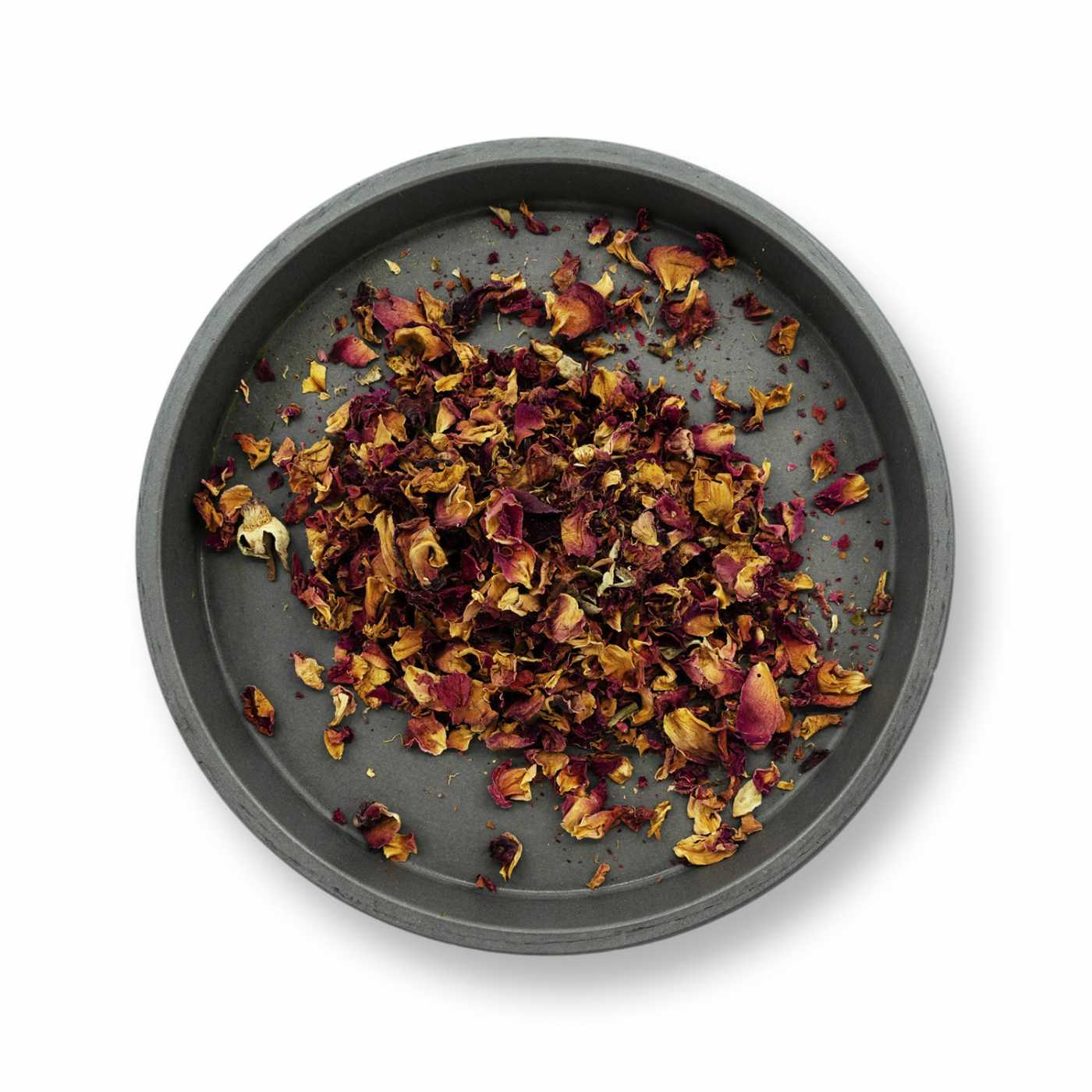
Rose Petals, Dried Red Flowers, 50 g

Pack size25 g50 g1 kg

Rose petals are dried flowers of the cabbage rose ( Rosa centifolia ) that are added to cosmetics whole: they decorate the surface of soaps, complement bath salts and bath bombs, and serve as a base for your own… full description

AvailabilityPre-order
Product codeBYL700_050
€3.99incl. VAT€79.80/kg

Lowest price in the last 30 days: €3.99

Pre-orderThis variant is currently out of stock — your order will be a pre-order and delivery may take longer.

Product description

Rose petals are dried flowers of the cabbage rose (Rosa centifolia) that are added to cosmetics whole: they decorate the surface of soaps, complement bath salts and bath bombs, and serve as a base for your own macerated oil or aqueous extract. They come from European cultivation, are processed only by drying, and are food and cosmetic grade.


What they are suitable for

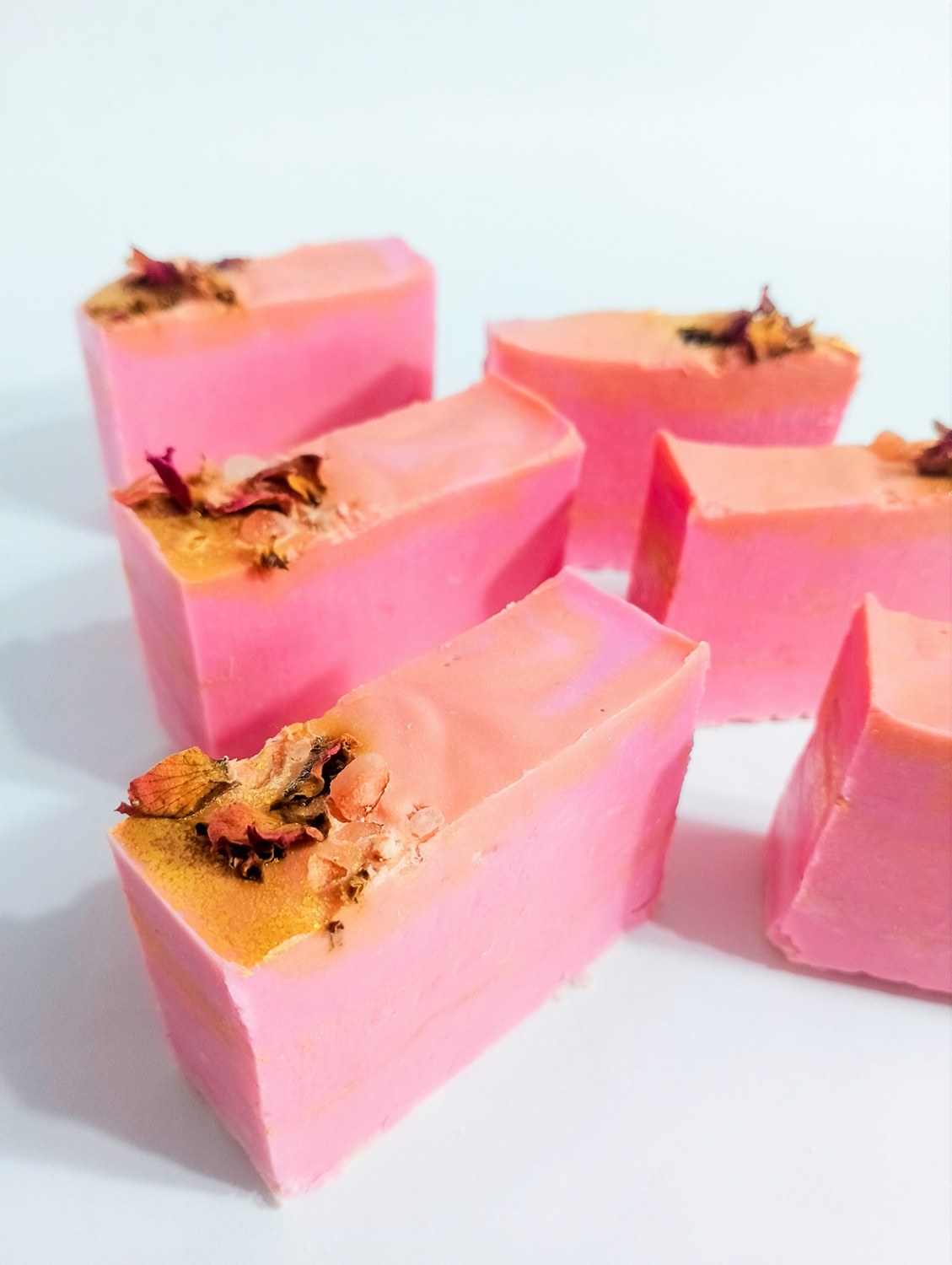
  • Decorating cosmetics – sprinkled on top of soap, salt or a bath bomb, where the petals remain visible and complete the look of the product.
  • Macerated oil – the petals are left to infuse in vegetable oil, and the resulting oil is used in balms, body oils or creams.
  • Aqueous extract – a base for homemade facial toners and compresses, where a freshly prepared extract is used.
  • Bath blends – loose salts, herbal baths and bath sachets, in which the petals float in the water and release their fragrance and colour.

Rose petals are traditionally credited with an antioxidant, soothing, toning and astringent effect. Astringent means mildly tightening. The petals are suitable for all skin types, including sensitive, dry and mature skin. The result always depends on the method of preparation, the amount of petals and the ingredients you combine them with.


Use in a formulation

Dried petals are insoluble in water, oil and alcohol. They therefore enter a formulation as solid particles, or an extract or macerated oil is prepared from them and then filtered. They are added only to the finished base, that is, as a later addition, not to the heated phase.

The recommended processing temperature is up to 40 °C. For macerated oil this means cold infusion at room temperature or only gentle warming of the oil. After maceration, strain the petals through a fine sieve or gauze so that no small fragments remain in the oil.

When macerating in oil, use only completely dry petals and fill the container so that they are fully submerged below the surface of the oil.

In soap, petals are most often used on the surface, sprinkled on after the mixture is poured into the mould. If you mix them directly into the soap, test on a small sample how the colour and shape of the petals behave in an alkaline environment.

In bath salts and bath bombs, the petals are mixed with the salt or pressed into the mixture. In water they then float on the surface, so expect them to remain in the bath and in the drain after bathing.


Good to know

The petals are a mix of pink, purple and brown shades. When decorating soaps or bath salts, the colour can be adjusted by hand-picking the petals.

An aqueous extract of the petals is an unpreserved plant material and does not have the shelf life of a finished cosmetic product. Prepare it in a small amount and use it as soon as possible. If the extract is added to a leave-on product containing water, preservation of the whole product is essential and we recommend verifying its efficacy.

The petals have no compatibility restrictions with common cosmetic ingredients. For small particles in scrubs or soaps, consider their size: whole petals can be crushed in a blender or mortar into a coarser powder, which mixes in more easily.

The petals are food grade and contain no food allergens.


Frequently asked questions

Are rose petals soluble in water or oil?
No, dried rose petals are insoluble in water, oil and alcohol. In a formulation they remain as solid particles, or a macerated oil or aqueous extract is prepared from them and strained after infusing. They are therefore not added directly to a finished cream or serum, but in the form of a filtered extract or macerated oil.
How do you make macerated oil from rose petals?
Pour vegetable oil over the dry petals so that they are fully submerged, and leave them to infuse at a temperature of up to 40 °C. After maceration, strain the oil through gauze or a fine sieve. The finished macerated oil is used as the oil phase in balms, body oils or creams.
Can rose petals be added to soap?
Yes, rose petals are most often added to soap by sprinkling them on the surface after the mixture is poured into the mould, where they remain visible. If you mix them into the soap, we recommend testing on a small sample how the colour and shape of the petals behave in an alkaline environment. The result depends on the recipe and the amount of petals.
Does an extract of rose petals need a preservative?
Yes, if an aqueous extract of rose petals is used in a leave-on product, the finished product must be preserved. The extract itself is an unpreserved plant material with a short shelf life, so it is prepared in a small amount and used as soon as possible. In bath blends and soaps the petals are used dry and no preservative is needed for them.
What skin type are rose petals suitable for?
Rose petals are suitable for all skin types, especially sensitive, dry and mature skin. They are traditionally credited with an antioxidant, soothing, toning and mildly tightening effect, which is used in toners, compresses and macerated oils. When combining ingredients in a new way, we recommend testing the product first on a small area of skin.
Why do rose petals come in different colours?
Dried rose petals are naturally a mix of pink, purple and brown shades. They are processed only by drying, so the colouring is the natural colour of the flowers. If you need a more uniform shade when decorating soaps or bath salts, sort the petals by hand before use.

Parameters

INCI
Rosa Centifolia Flower
CAS No.
84604-12-6
EC number
283-289-8
Country of origin
European Union
Product colour
PurpleBrownPink
Processing method
Drying
Formulation phase
Post-addition
Function in formulation
Active ingredient
Application area
FaceBody
Recommended processing temperature
< 40 °C
Application type
Leave-onRinse-off
Natural Index (NI ISO 16128)
1,00
Natural Origin Index (NOI ISO 16128)
1,00

Product documentation

CoACertificate of Analysis
batch 100124PDF ↓
batch 160425PDF ↓
TDSTechnical Data Sheet
Physical parameters and processingPDF ↓
Download all (ZIP)

3 PDF files in one archive

Learn how to work with it

From our blog
REVIEWS

Verified by customers.

No reviews yet.

Only customers with a delivered order can write reviews.