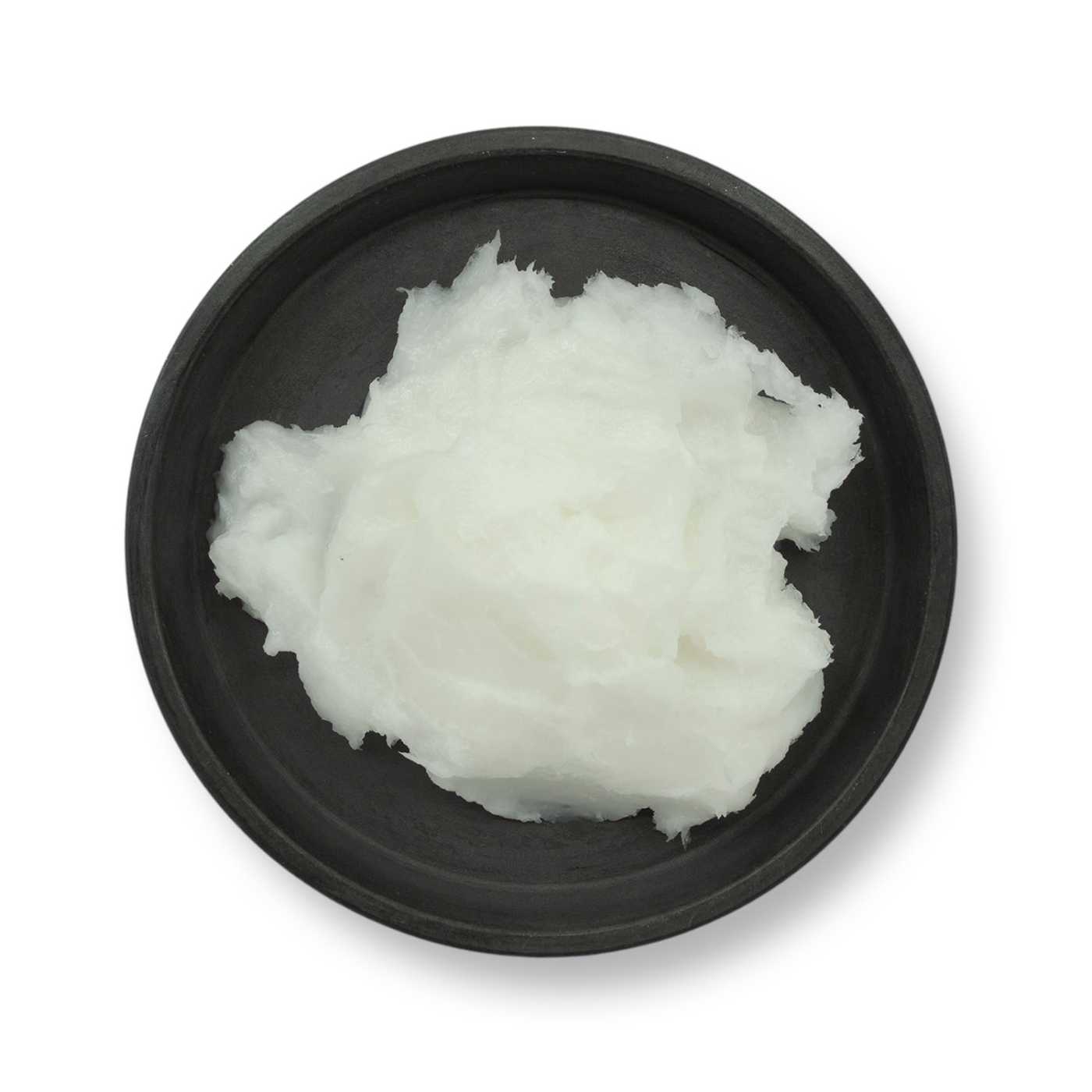
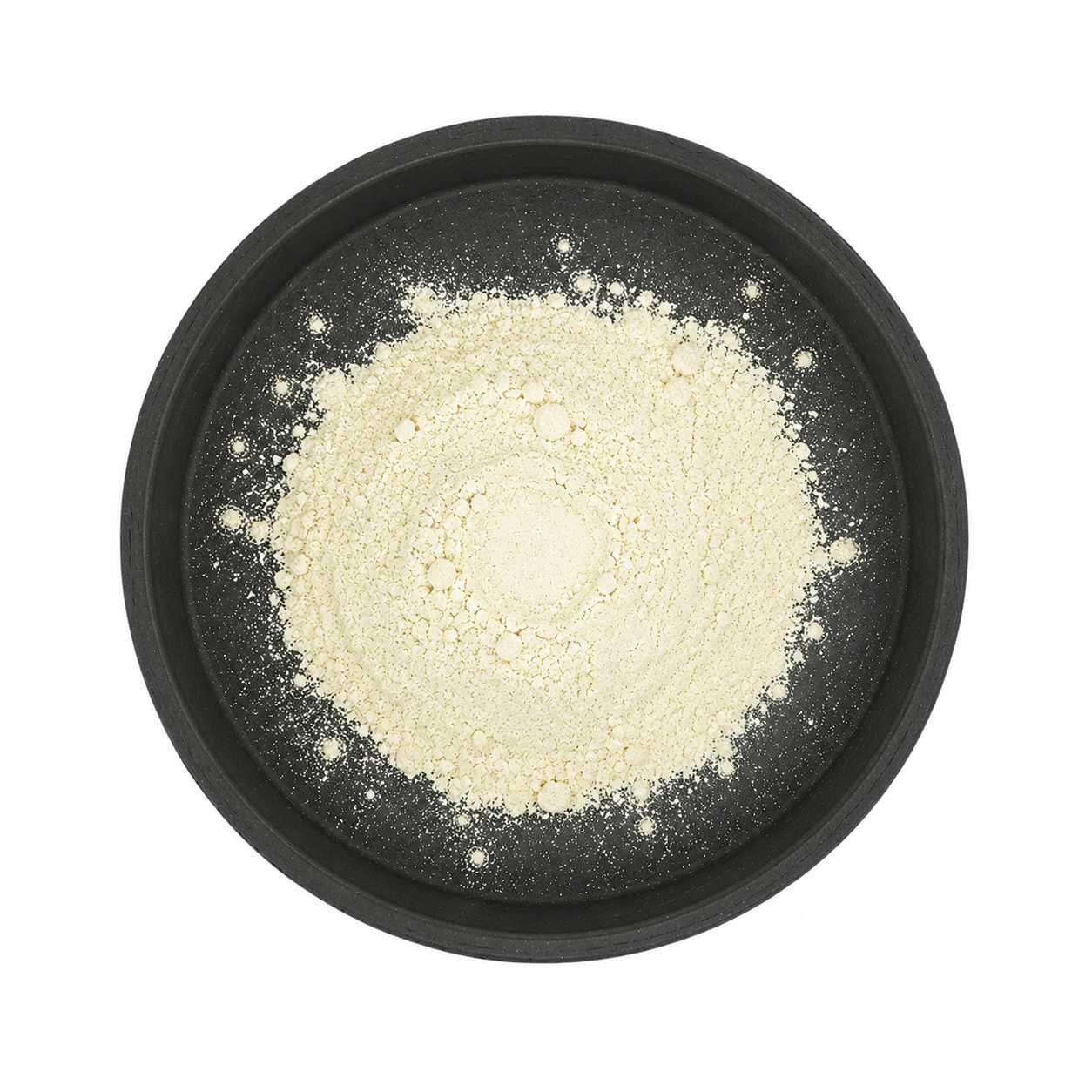
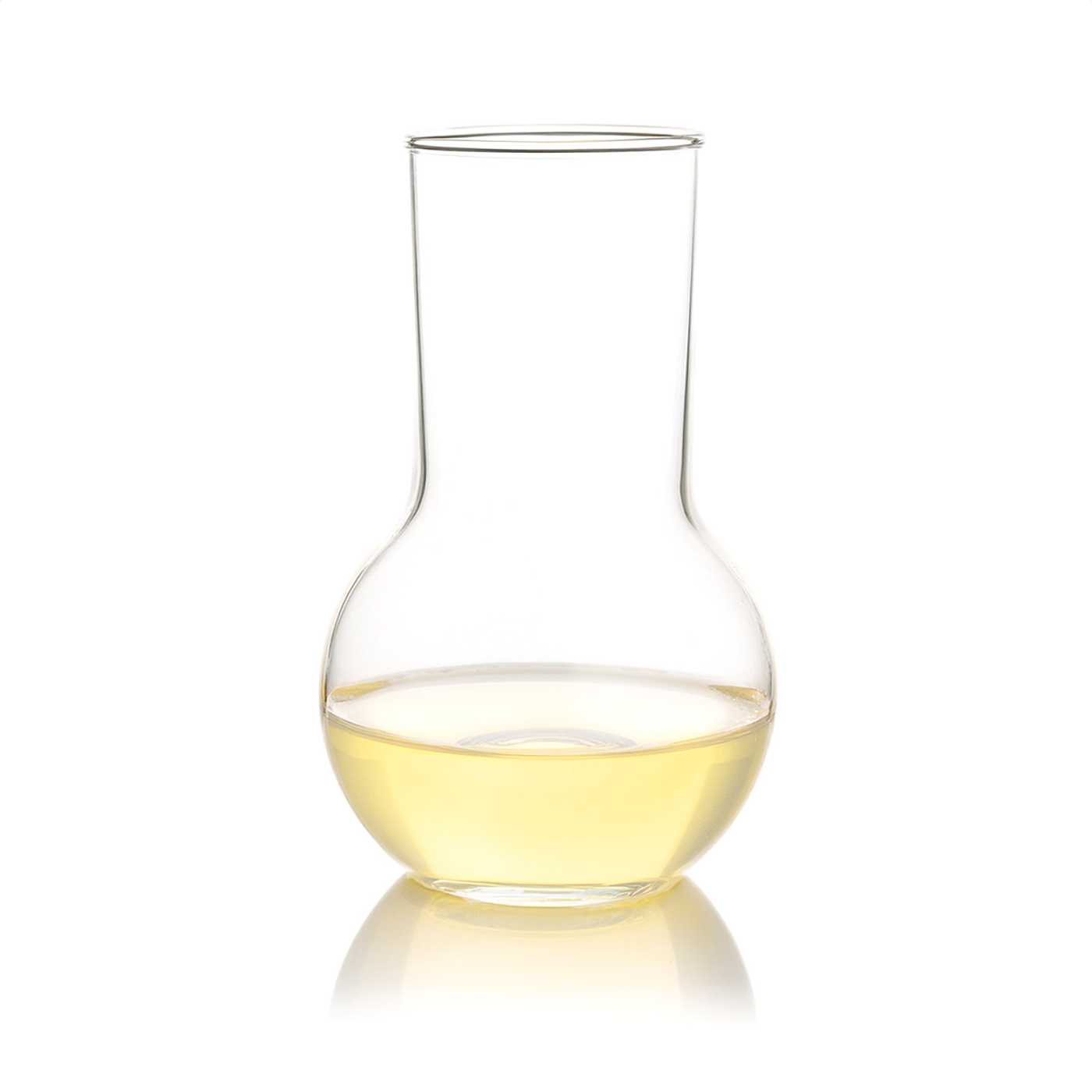
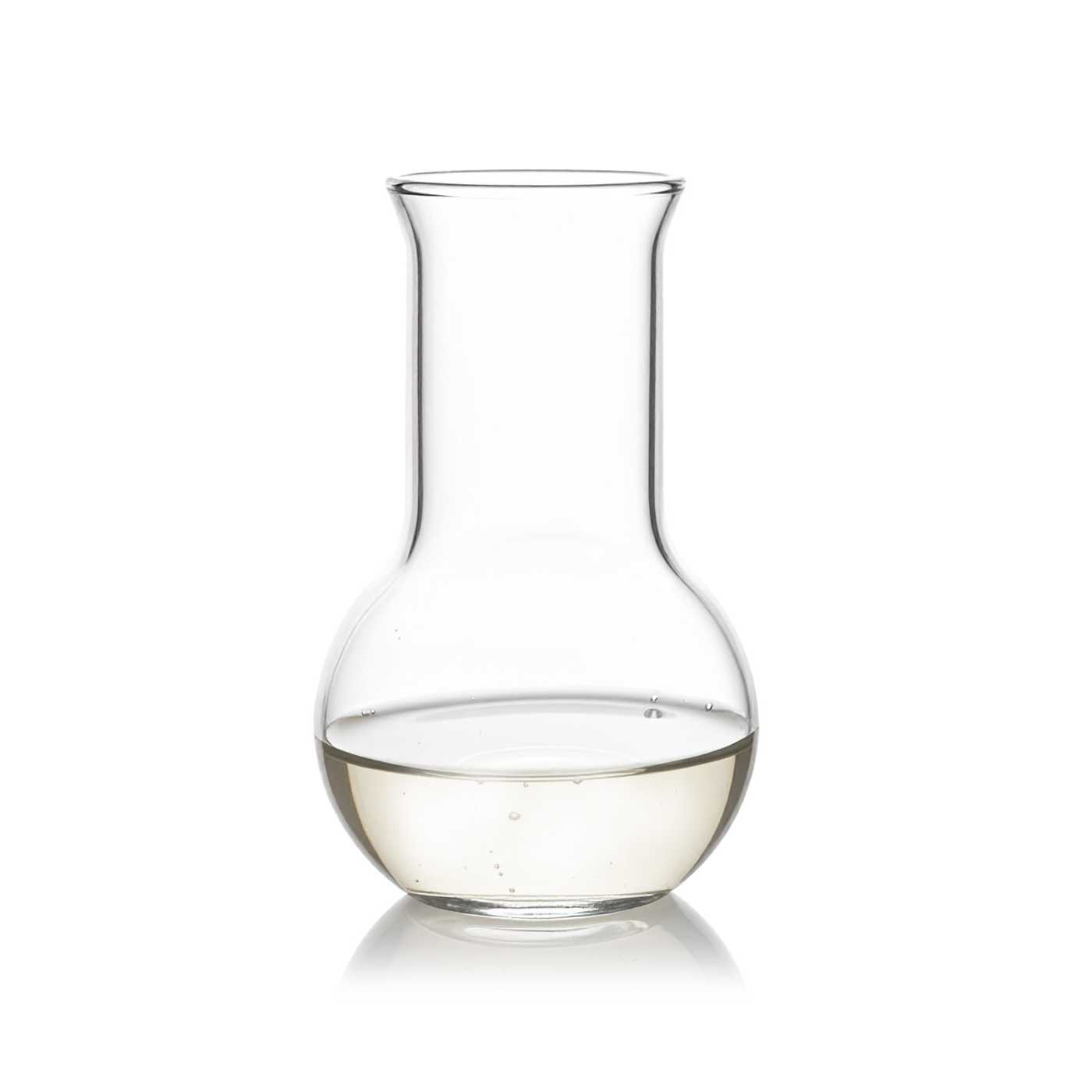
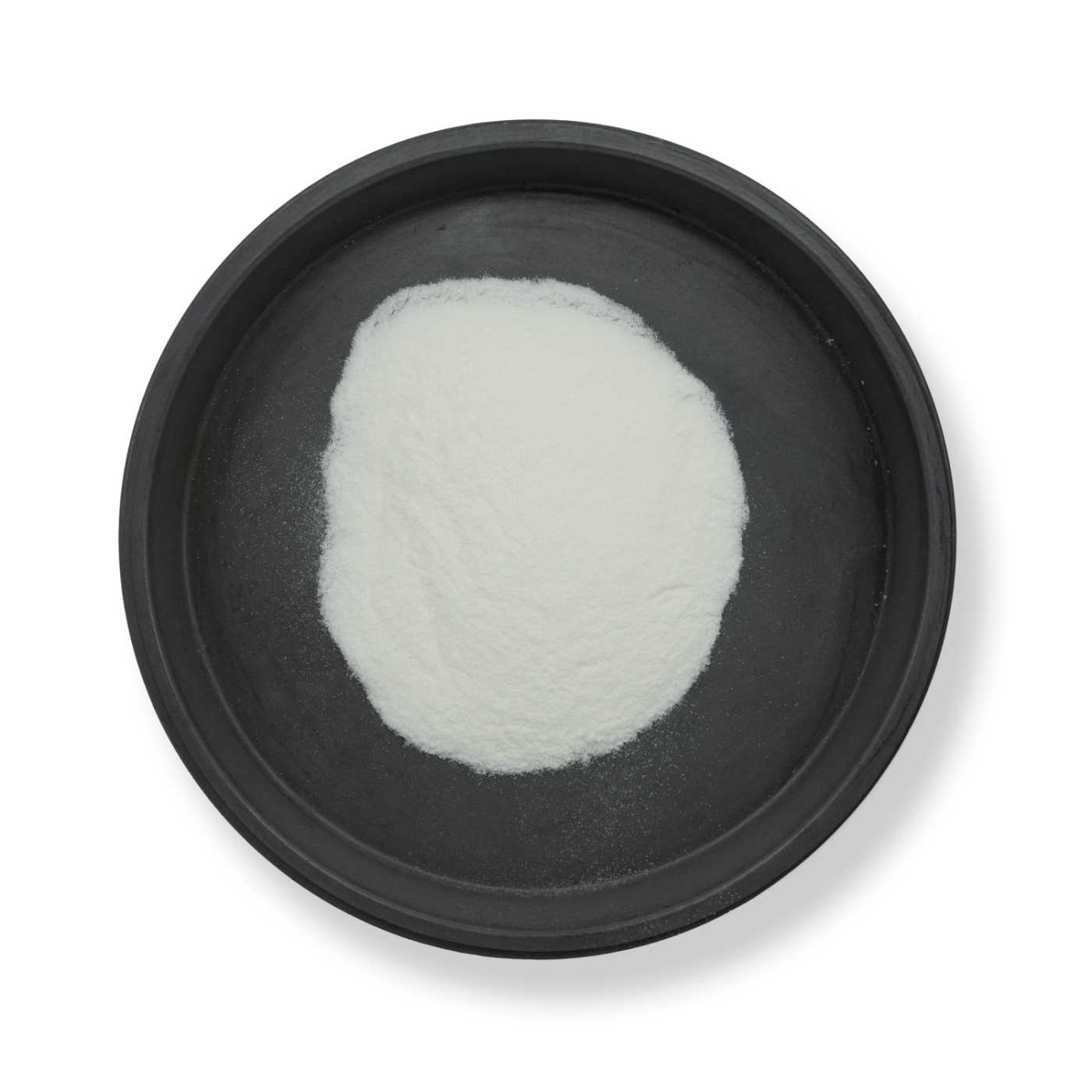
Pentylene glycol ECO is a multifunctional glycol of natural origin that works on two fronts at once in a formulation. As a humectant, it binds water in the skin while simultaneously inhibiting microbial growth. This allows the dose of a conventional preservative to be reduced, or at higher concentrations the product can be protected without one. For manufacturers who want a short ingredient list without traditional preservatives, it is one of the common approaches.
Chemically it belongs to the 1,2-alkanediols, like Caprylyl Glycol. Of this group it has the shortest chain, which is why it hydrates most effectively and dissolves best in water. Its antimicrobial activity is, however, milder than that of longer diols, which needs to be taken into account when designing a preservation system.
What it does in a formulation
- Humectant – binds water and retains it in the surface layers of the skin. The manufacturer lists it as the most strongly hydrating diol in its glycol range.
- Antimicrobial ingredient – active against bacteria, yeasts and moulds. A longer molecular chain would mean a stronger effect, a shorter one better solubility. Pentylene glycol is a compromise tilted towards hydration.
- Preservation booster – reduces the amount of conventional preservative needed to pass a challenge test, which is especially valuable in sensitive formulations.
- Active ingredient penetration enhancer – the amphiphilic structure (hydrophilic and lipophilic parts in one molecule) facilitates transport of active ingredients into deeper skin layers.
- Solubiliser and emulsion stabiliser – in O/W emulsions it helps achieve uniform droplet size and dissolves small amounts of lipophilic extracts in an aqueous system.
Use in a formulation
It is added to the water phase, where it dissolves without pre-mixing. It can equally well be incorporated at the end of production into the finished formulation, which is useful for products where you want to minimise heat stress. The processing temperature should not exceed 80 °C. A third option is to mix it directly with a lipophilic active ingredient or extract and then incorporate the mixture into the aqueous base. Pentylene glycol acts as a solubiliser here.
The recommended dosage is 1 – 5 %. The specific value depends on what you expect from the ingredient:
- 1 % – hydration and support for active ingredient penetration, without a significant effect on product preservation.
- 3 % – hydration and reinforcement of the preservation system in combination with another preservative or an additional multifunctional ingredient.
- 5 % – hydration and stand-alone protection of the formulation according to manufacturer data. Whether this also applies to your specific formulation must be confirmed by a challenge test.
Published minimum inhibitory concentration values indicate that approximately 1.6 % is sufficient against Pseudomonas aeruginosa and the yeast Candida albicans. E. coli, Staphylococcus aureus and the mould Aspergillus brasiliensis require around 3.2 %. These figures are indicative. The actual required dose in the finished product can only be determined by a challenge test.
If you want to protect the product without traditional preservatives, combine 3 – 5 % Pentylene glycol with another multifunctional ingredient with a different mechanism of action, for example a longer diol such as Caprylyl Glycol. Adjust the doses of individual ingredients based on the challenge test results.
It works across a range of pH 3 – 9, is compatible with electrolytes, alcohol, fragrance and all surfactant classes. It is colourless, so it will not discolour the finished product. It can therefore be added to almost any aqueous or emulsion system without affecting the rest of the formulation.
Suitable for products such as
Facial serums and tonics, where it increases hydration and helps active ingredients penetrate the skin. O/W creams and lotions, in which it supports even dispersion of the oil phase and reduces the required preservative dose. Micellar waters, makeup removers and eye area preparations. Shampoos, conditioners and scalp care products. Deodorants, intimate hygiene, decorative cosmetics, lip care and products for infant skin.
Good to know
- Multifunctional ingredient, not a traditional preservative – the manufacturer classifies it among multifunctional additives that boost mild preservatives or replace them. You must, however, demonstrate the microbiological safety of the formulation with a challenge test just as with a conventional preservative.
- Compared to Caprylyl Glycol – it is a weaker preservative but more soluble in water and a more pronounced humectant. Both ingredients can be combined: the shorter chain takes care of hydration and solubility, the longer one of protection.
- Free of fragrance allergens – it does not contain any of the allergens listed in Annex III of the Cosmetics Regulation. The manufacturer also recommends it for sensitive and infant skin.
- Natural origin – produced by chemical synthesis without palm oil, ethylene oxide or GMOs, and is readily biodegradable (OECD 301). State the origin of the ingredient according to the documentation supplied with the batch.
The undiluted raw material is classified as corrosive (GHS05). When handling the concentrate, wear protective goggles and gloves and follow the safety data sheet.
Frequently asked questions
Is Pentylene glycol ECO water-soluble?
Yes, Pentylene glycol ECO is fully soluble in water and is added directly to the water phase. It is also soluble in oil, so it can be used as a solubiliser for small amounts of lipophilic extracts in aqueous products. It requires no pre-mixing or heating and can also be added at the end of production to the finished formulation.
Can Pentylene glycol ECO be used as the sole preservative?
According to manufacturer data, at a dose of around 5 % it can protect the formulation on its own. In practice this depends on the composition of the formulation and must be confirmed by a challenge test. It requires a higher dose against E. coli, Staphylococcus aureus and moulds than against yeasts and Pseudomonas, so it is recommended to combine it with another multifunctional ingredient, such as Caprylyl Glycol.
How much Pentylene glycol to add to a cream?
The recommended dosage is 1 – 5 % depending on the purpose. At 1 % it serves as a moisturising ingredient and supports active ingredient penetration. At 3 % it already reduces the required dose of a conventional preservative, and at 5 % it can, according to the manufacturer, take over product protection on its own. Always add it to the water phase or at the end of production and verify the final dose with a challenge test.
Can Pentylene glycol ECO be added to a heated phase?
Yes, it tolerates temperatures up to 80 °C, so it can be added to the water phase before emulsification. Adding it cold to the finished formulation at the end of production works equally well. This second option is particularly suitable when you are also using it as a solubiliser for heat-sensitive extracts.
Is Pentylene glycol ECO suitable for sensitive skin?
Yes, the manufacturer recommends it for sensitive and infant skin, the eye area and intimate hygiene. It contains no fragrance allergens or parabens and is classed among the mild, skin-friendly glycols. For sensitive skin we recommend starting at a lower concentration and verifying the ingredient's behaviour in your specific formulation.