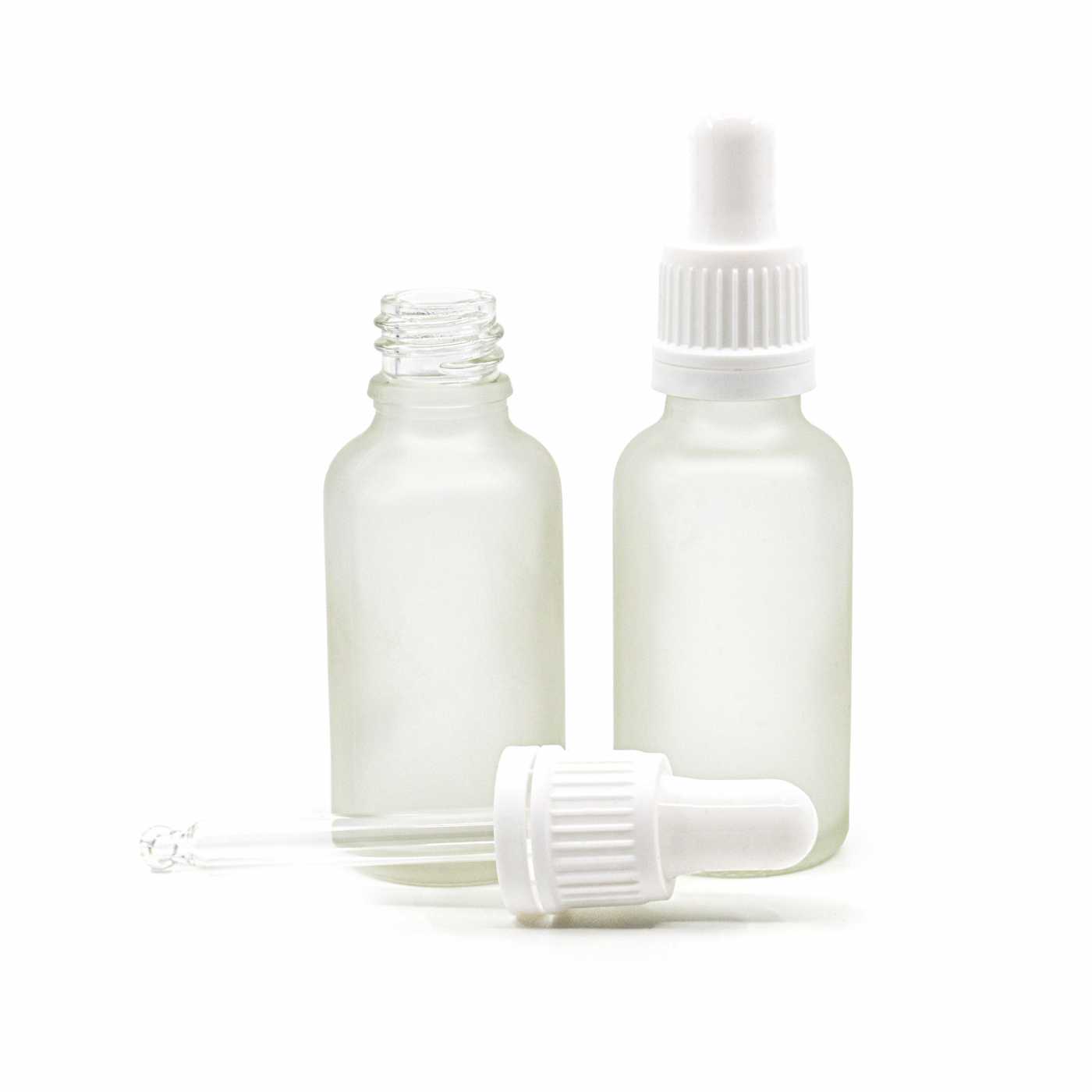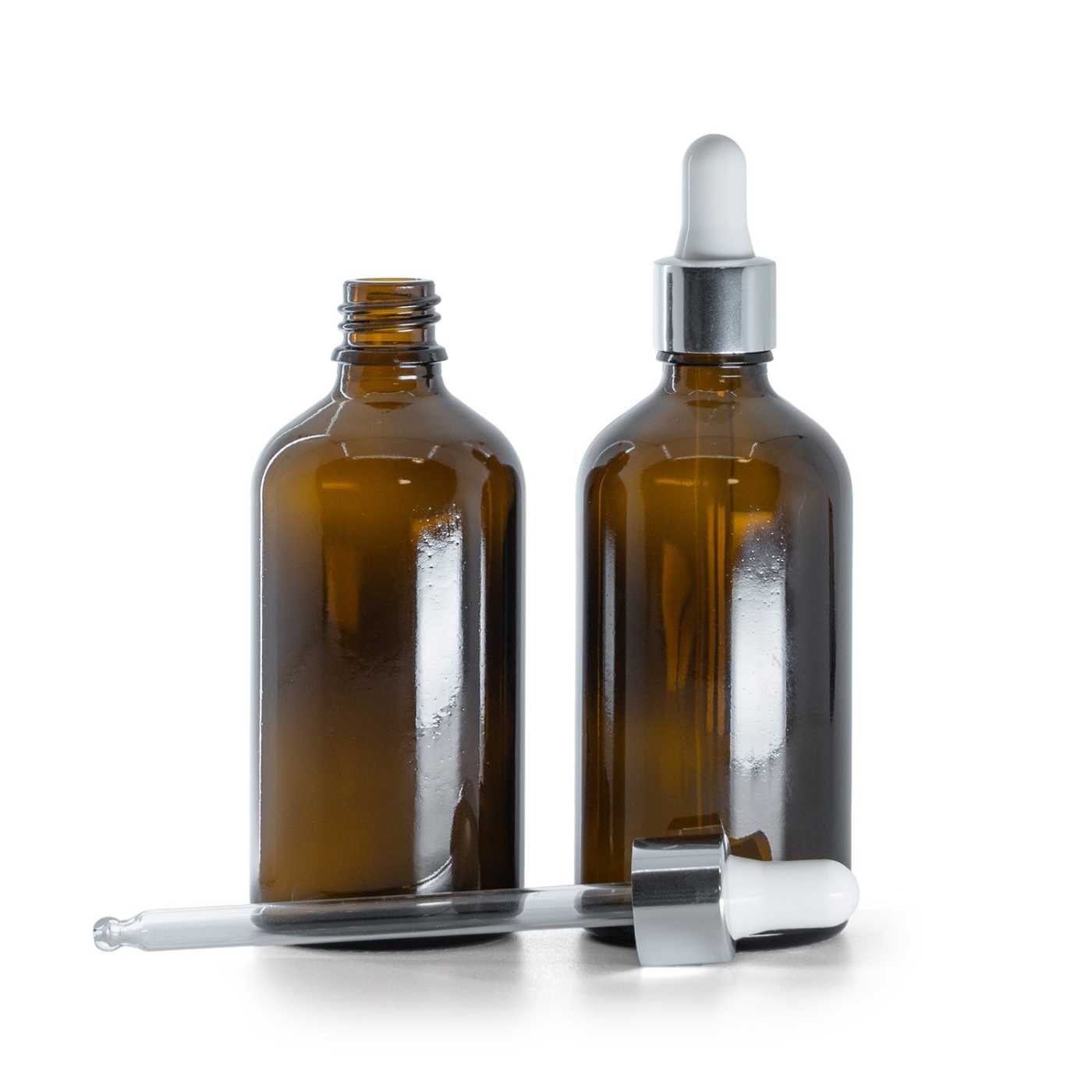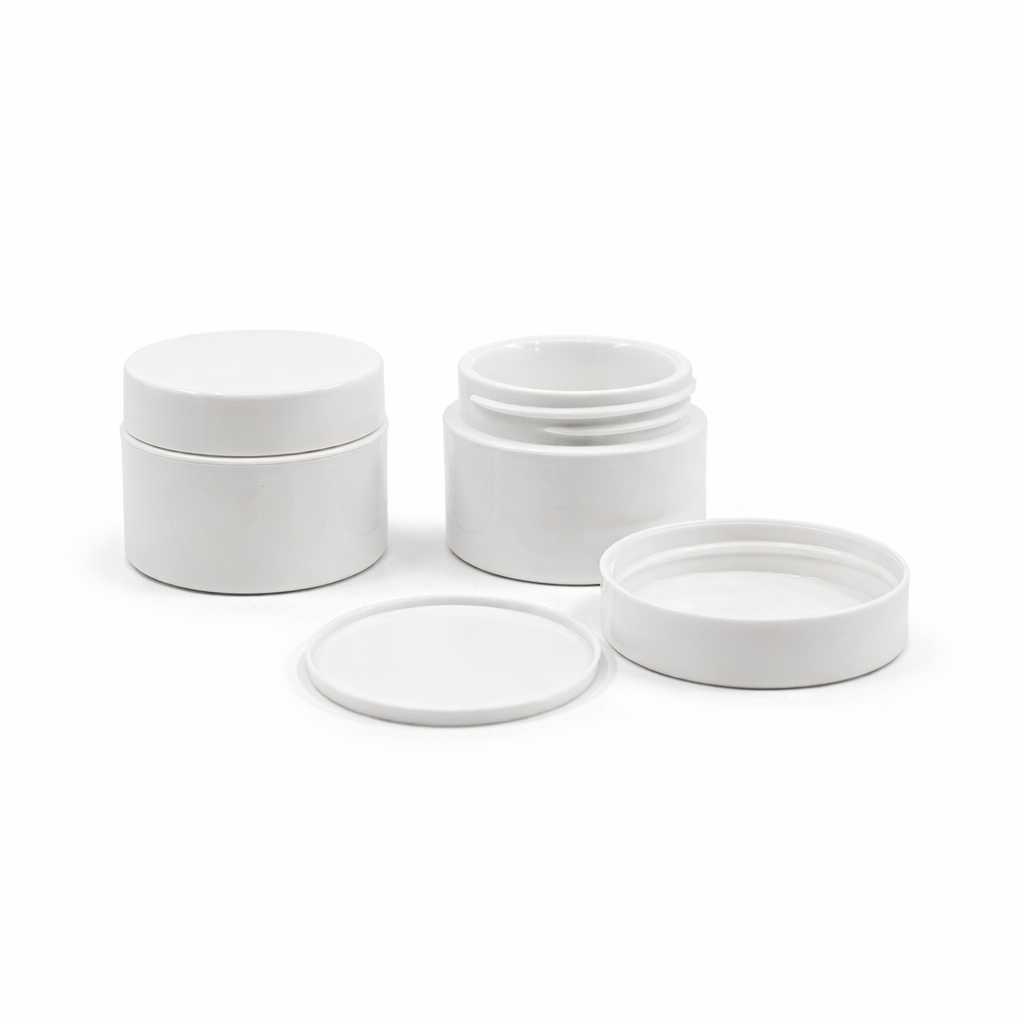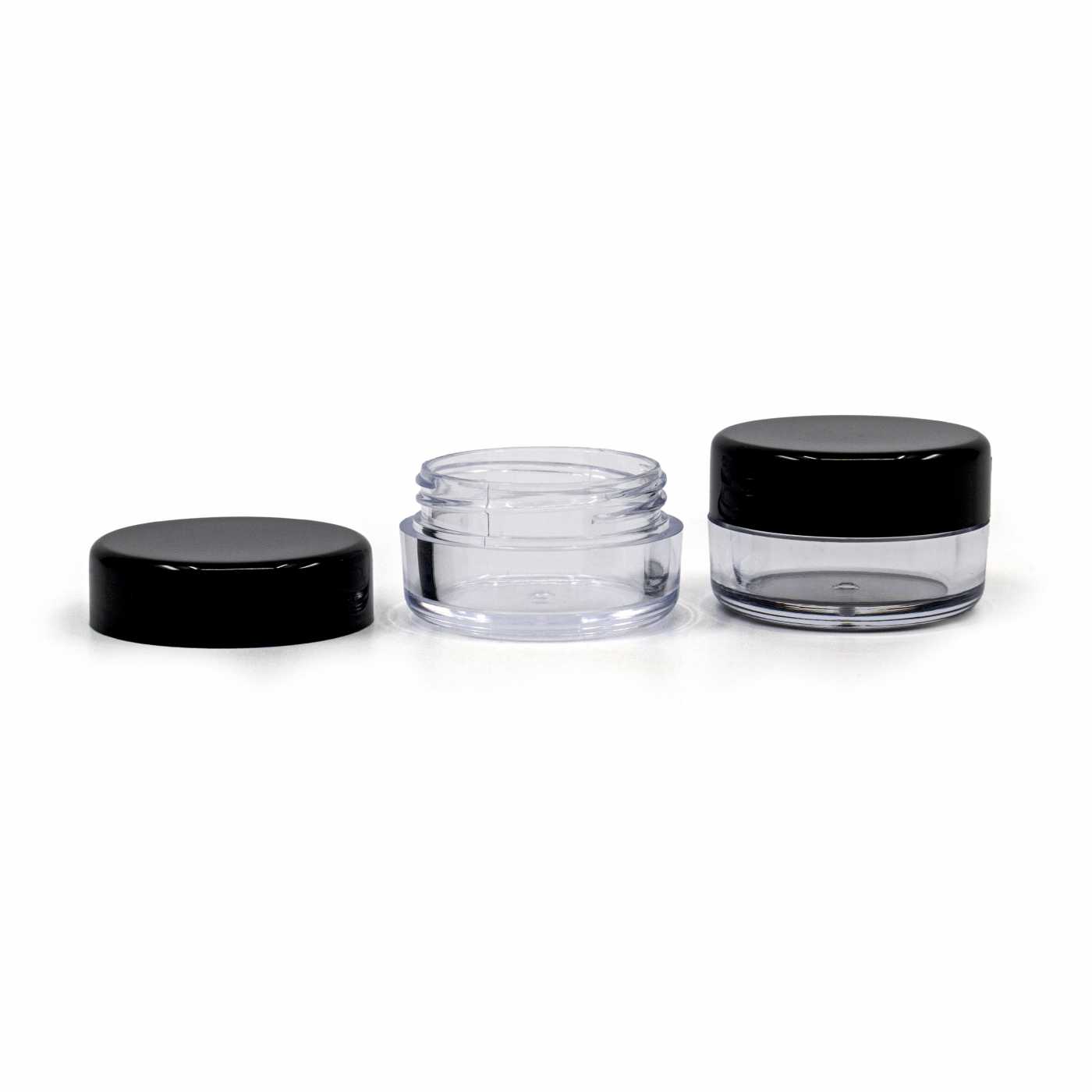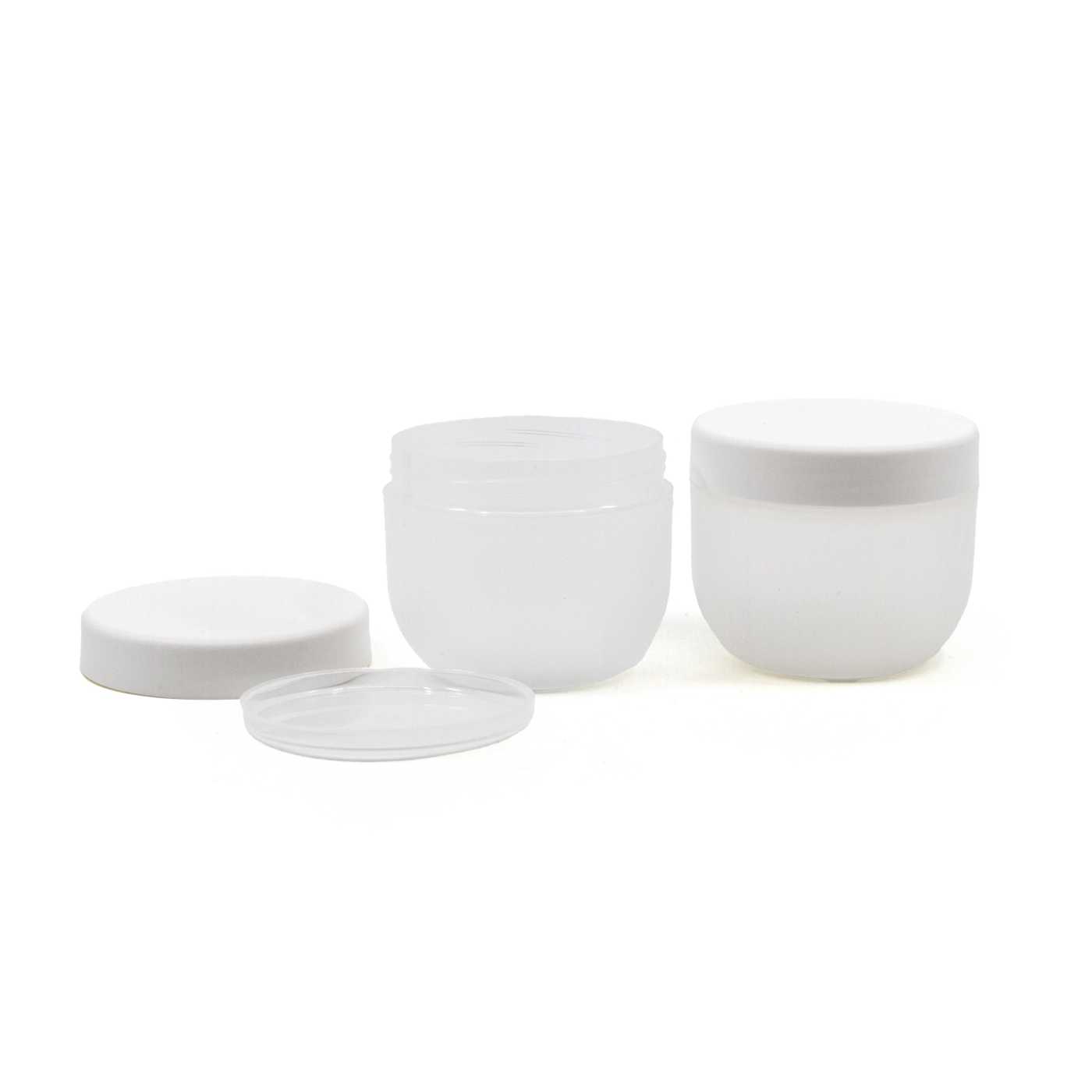
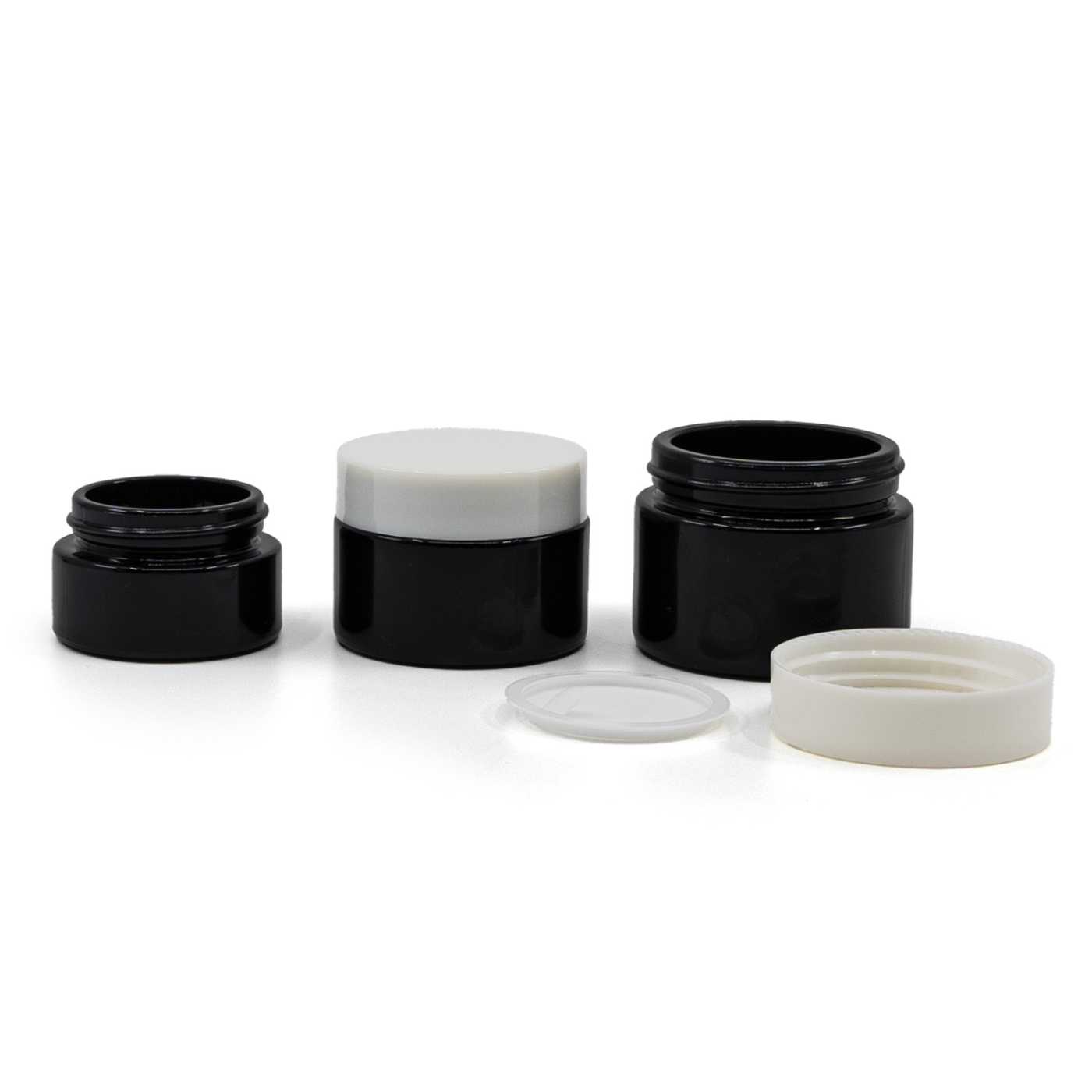
Glossy Black Glass Jar, White Plastic Lid, 30 ml
Pre-order€1.41

COSMETICS WAXES
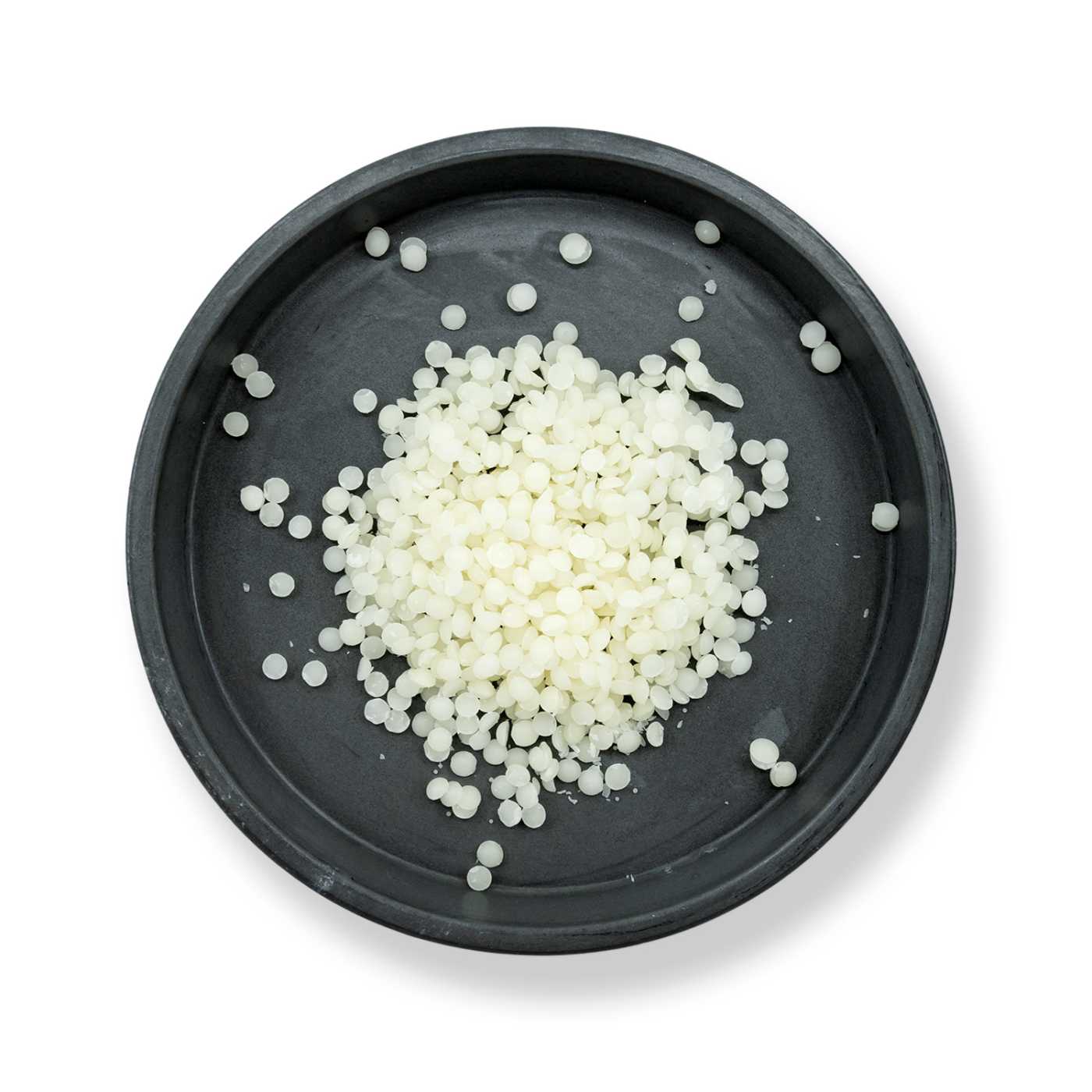
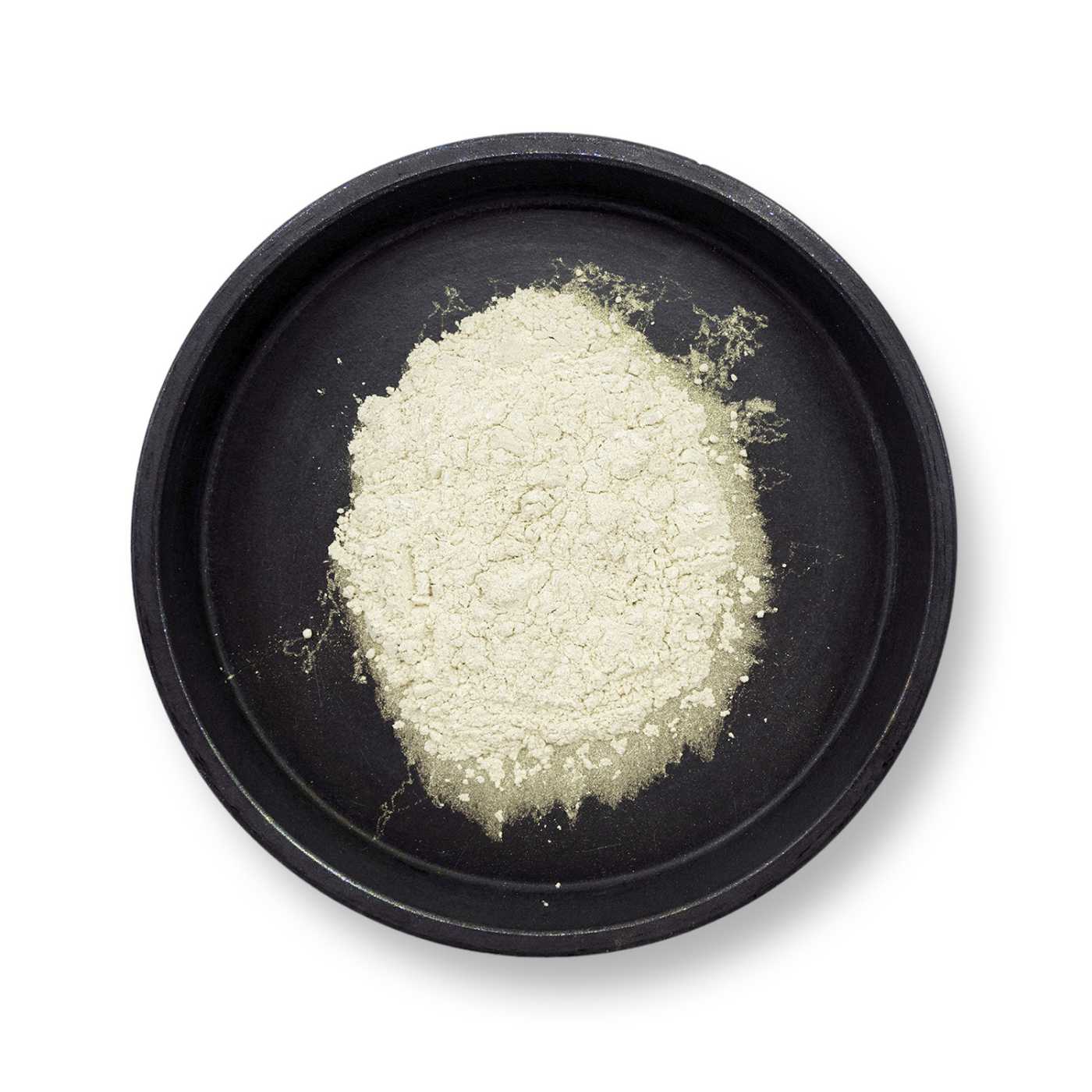
White beeswax White beeswax firms up and thickens oil blends, which makes it one of the basic ingredients for making balms, ointments and solid creams. full description
Lowest price in the last 30 days: €4.19
White beeswax firms up and thickens oil blends, which makes it one of the basic ingredients for making balms, ointments and solid creams. It gives the formulation a firm consistency, a protective film on the skin and, unlike yellow wax, a neutral colour that will not tint light-coloured products or lightly tinted lip balms.
The ingredient is of animal origin, produced in Europe, in cosmetic and pharmaceutical quality. It is sold by the gram, so you can order exactly as much as your formulation needs.
The wax belongs in the oil phase. During production it is weighed together with the oils and butters and heated in a water bath until it is fully melted and the mixture is clear. The mixture is then poured into containers or you continue preparing the emulsion.
The amount depends on how firm a consistency you need. In anhydrous balms and sticks a higher proportion is commonly used, while in creams and emulsions a few percent is enough to increase viscosity and stability. It is recommended to test the exact dosage on a small batch, because firmness is also affected by the other components, for example the ratio of liquid oils and butters.
You can check the consistency of the balm before pouring. Let a drop of the melted mixture set on a cold spoon and judge whether it is firm enough or too hard. Then add more wax or dilute with oil in small amounts.
If you are making an emulsion, keep in mind that beeswax is not an emulsifier on its own. Only a suitable emulsifier will join the wax-containing oil phase with the water phase. In such a formulation the wax acts as a firming agent and helps keep the cream thick and stable.
The wax is added to the oil phase together with the other solid components right at the start, not at the end. If you added it to a partly cooled mixture, it would melt unevenly and lumps or a grainy texture could form in the balm.
A higher proportion of wax increases firmness, but also the feeling of "heaviness" and a waxy film on the skin. Those who want a lighter balm combine the wax with softer butters or with a larger amount of liquid oil. In emulsions too much wax can lead to a lumpy or uneven cream, which is why lower percentages are used.
If a balm or cream did not reach the expected firmness after cooling, the mixture can be carefully melted again and topped up. Likewise, excess firmness can be addressed by adding oil.
White beeswax is an ingredient of animal origin. It is not suitable for vegan formulations. In that case plant waxes are used, for example candelilla or carnauba wax, which however have a different hardness and are dosed differently.
Anhydrous products with wax do not require preservation in the same way as emulsions. In creams with a water phase, however, wax does not replace a preservative and preservation must be addressed separately.
Both waxes serve the same role in a formulation. Yellow wax keeps its natural colour, which suits some natural balms but elsewhere affects the final shade. White wax has a neutral colour, so it is chosen for light, white and coloured products where the colour needs to stay under control. The cosmetic and pharmaceutical quality of white wax also makes it suitable for products where the purity of the ingredient matters.
Only customers with a delivered order can write reviews.