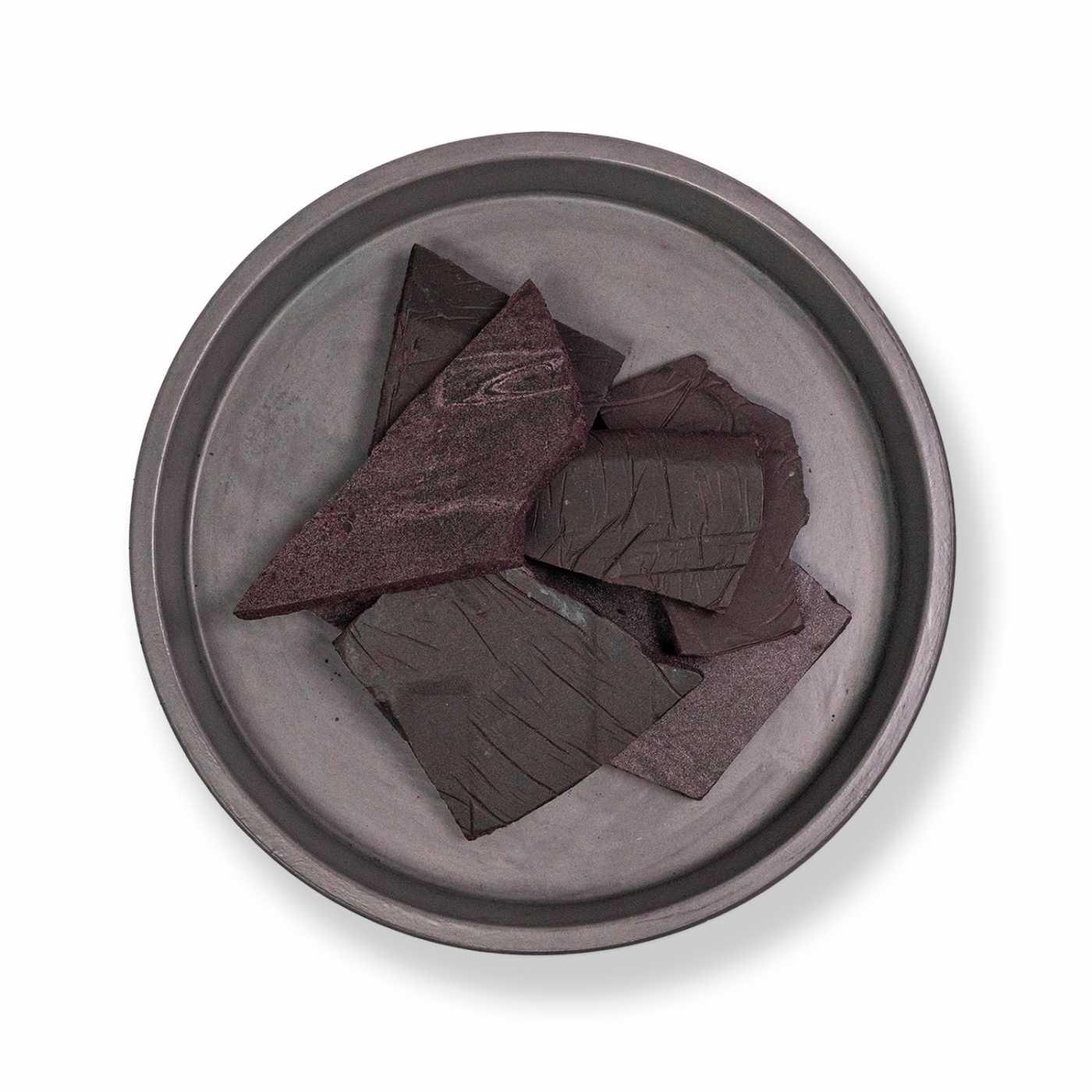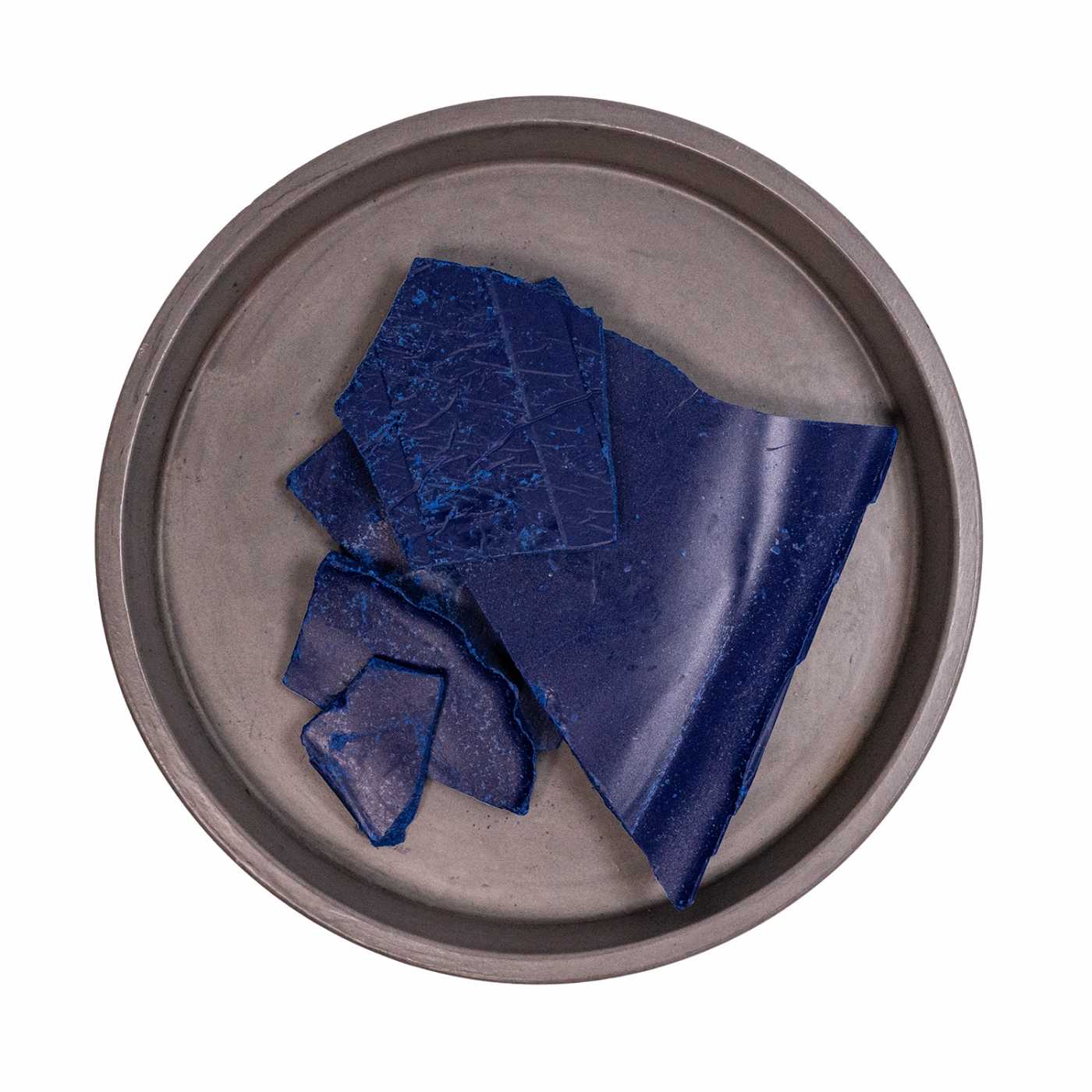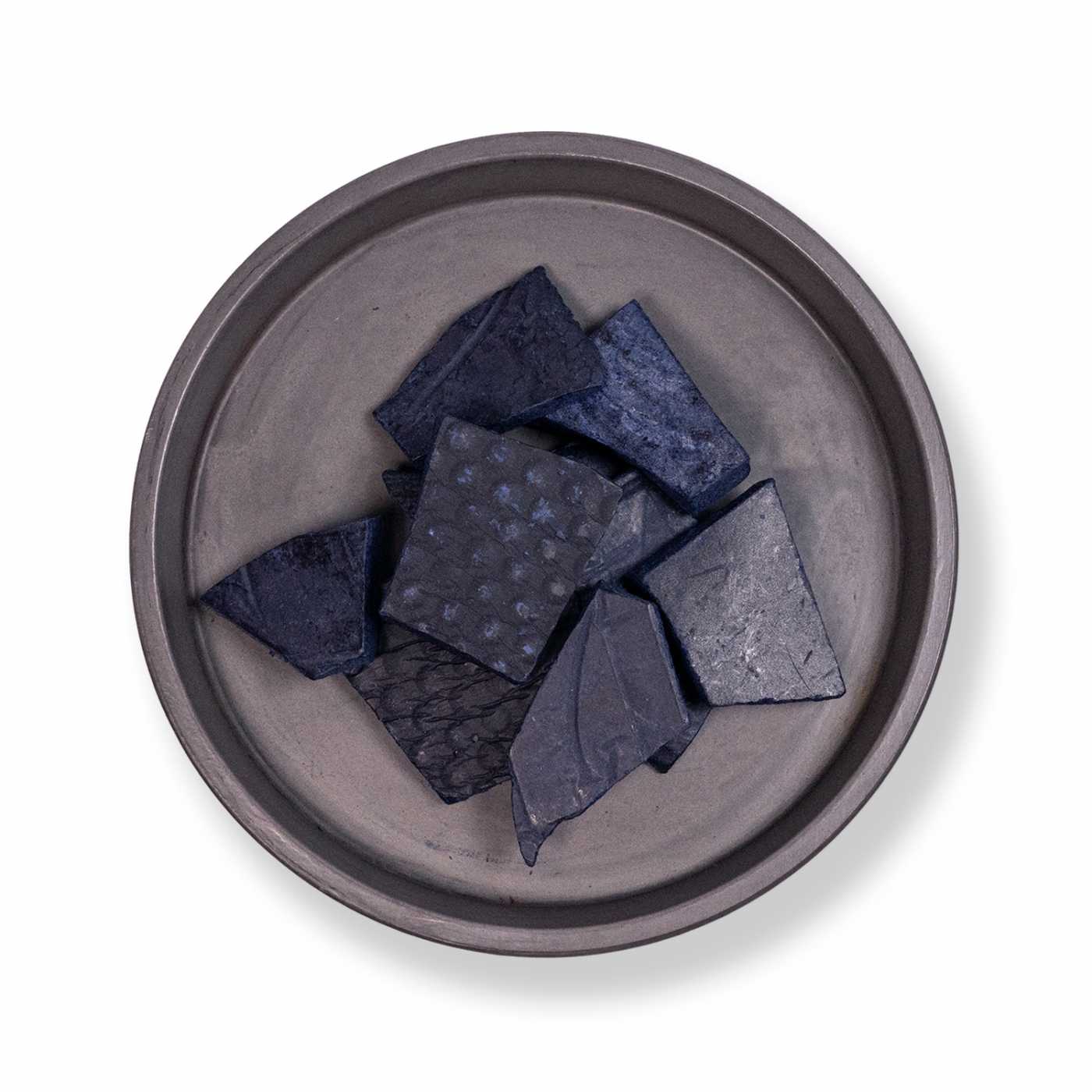
Kerawax Coconut Container 4135, 1 kg
Pre-order€12.19(€12.19/kg)

WEDO EKO
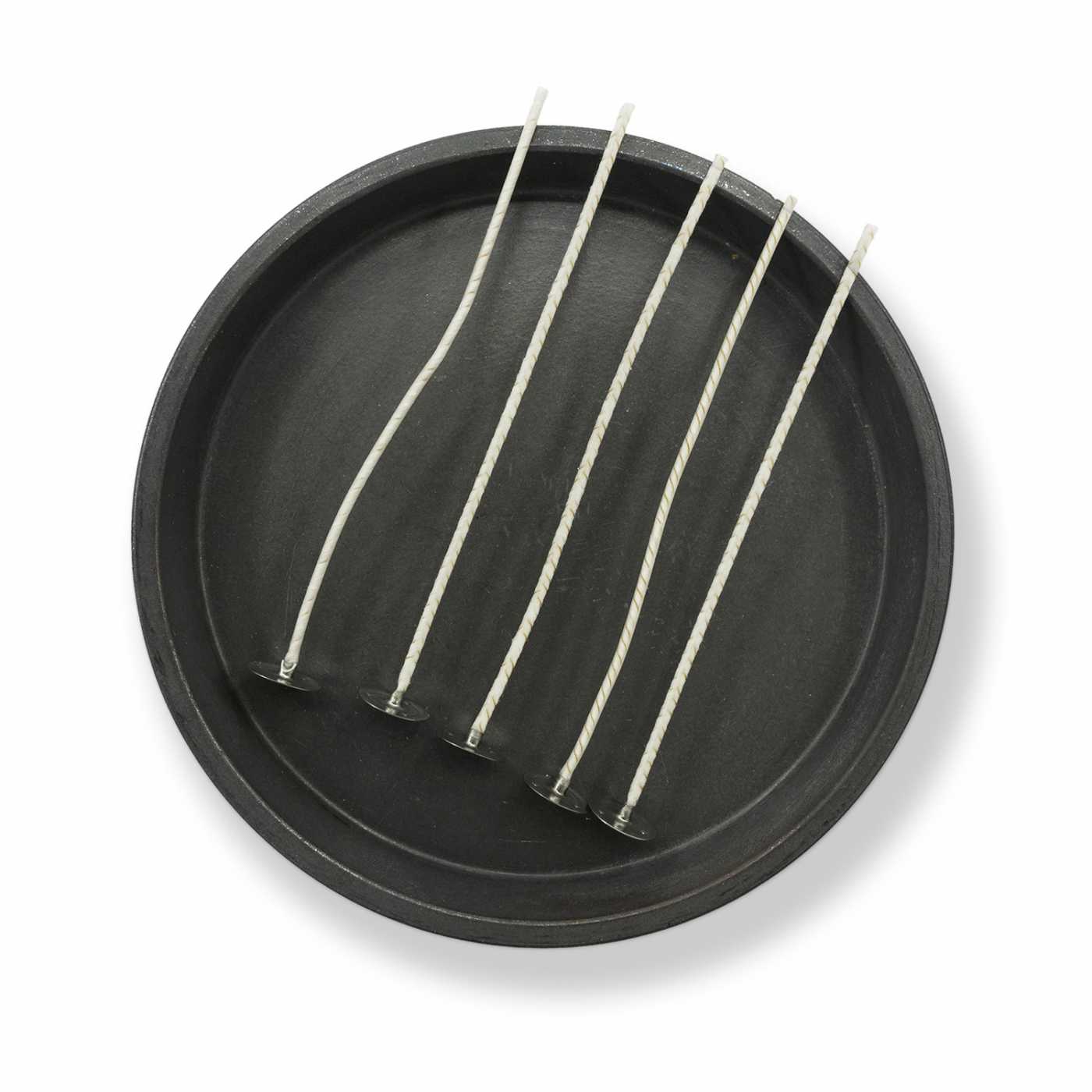
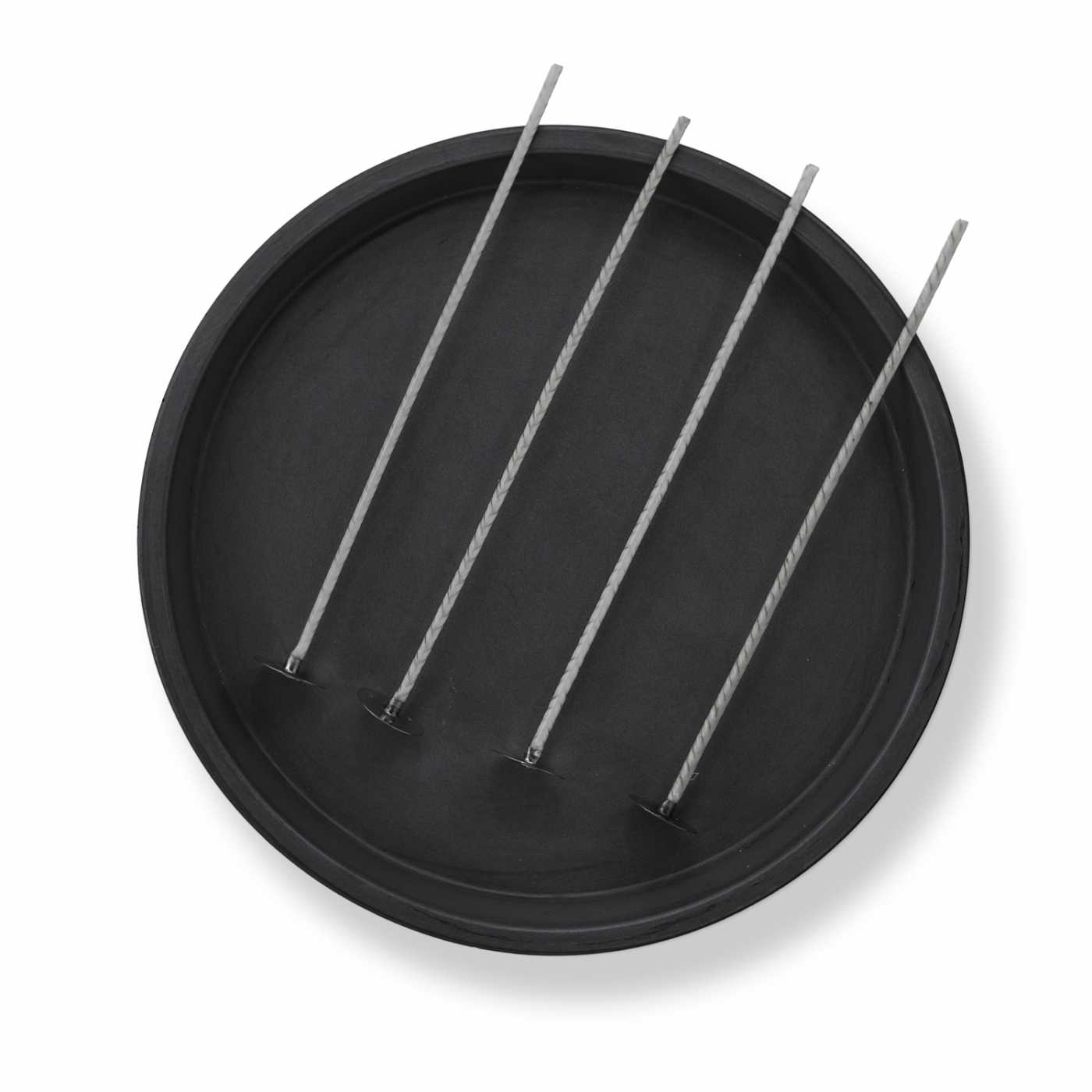
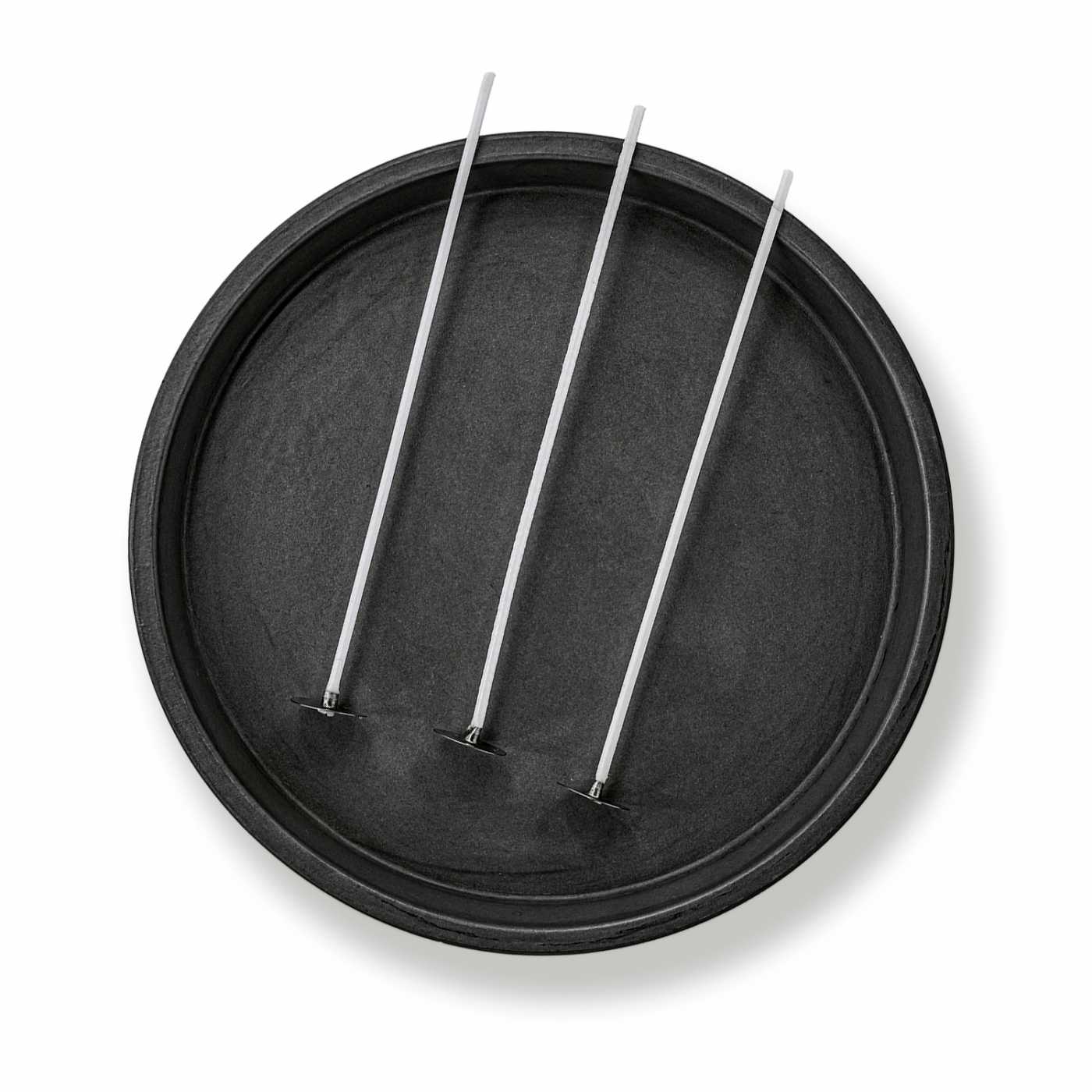
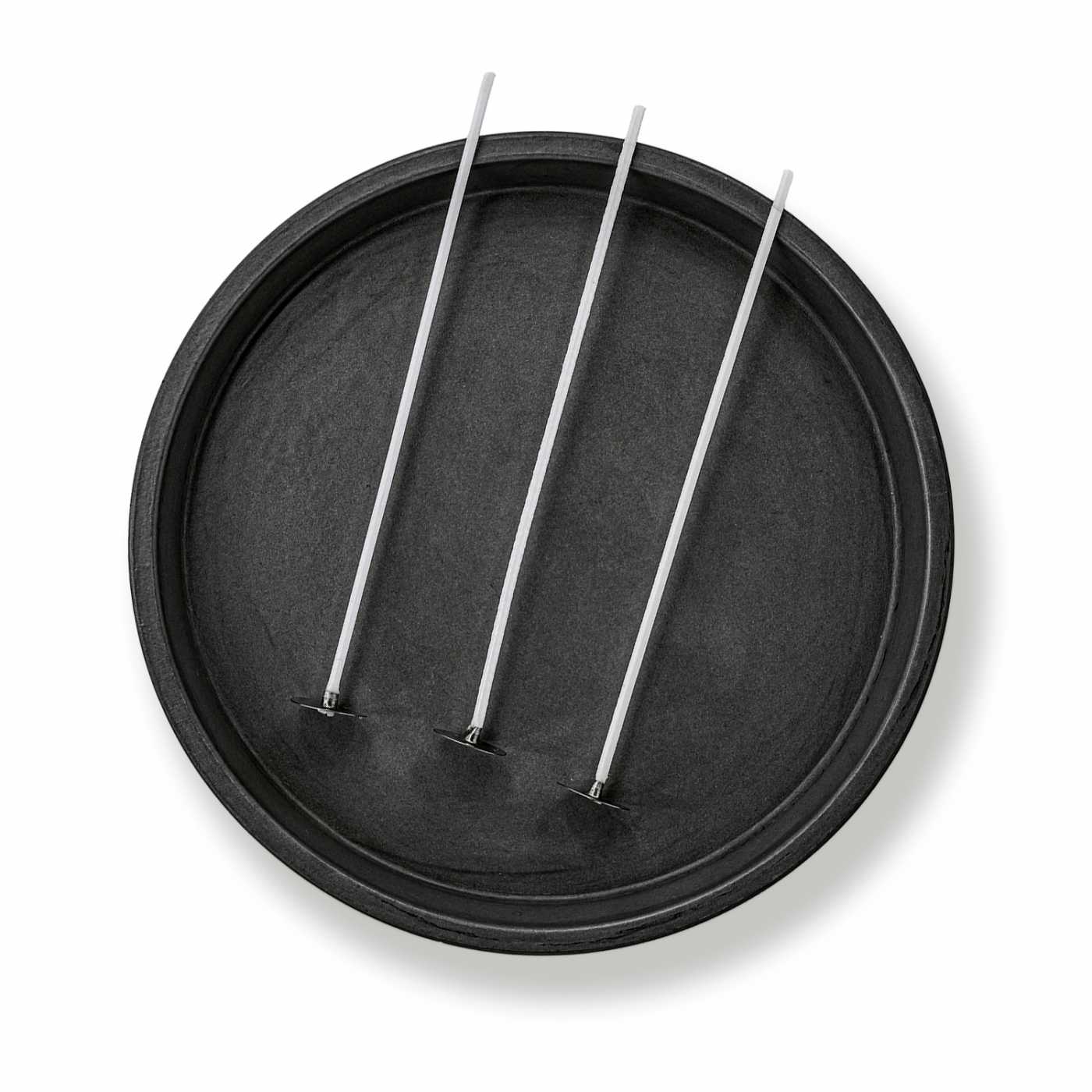
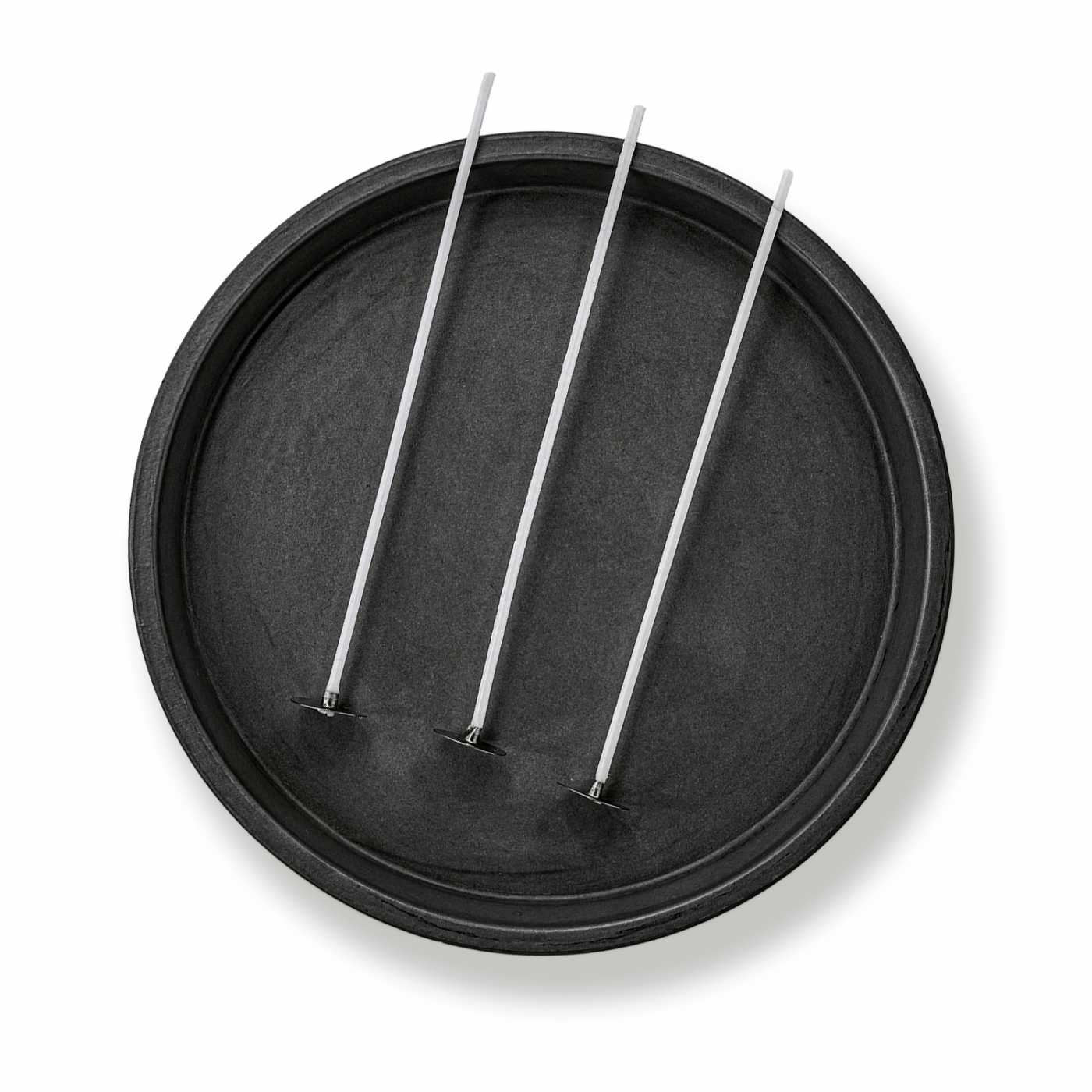
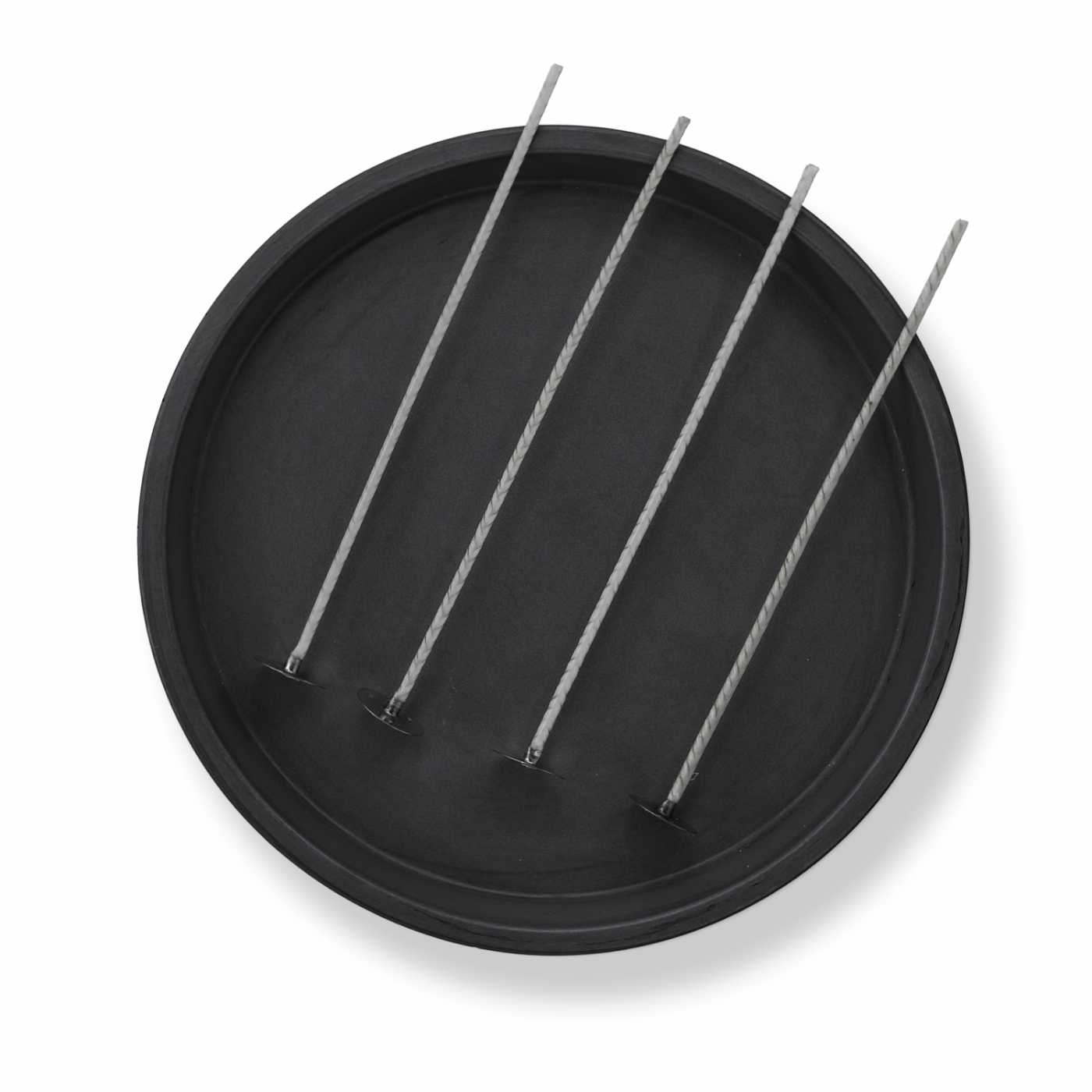
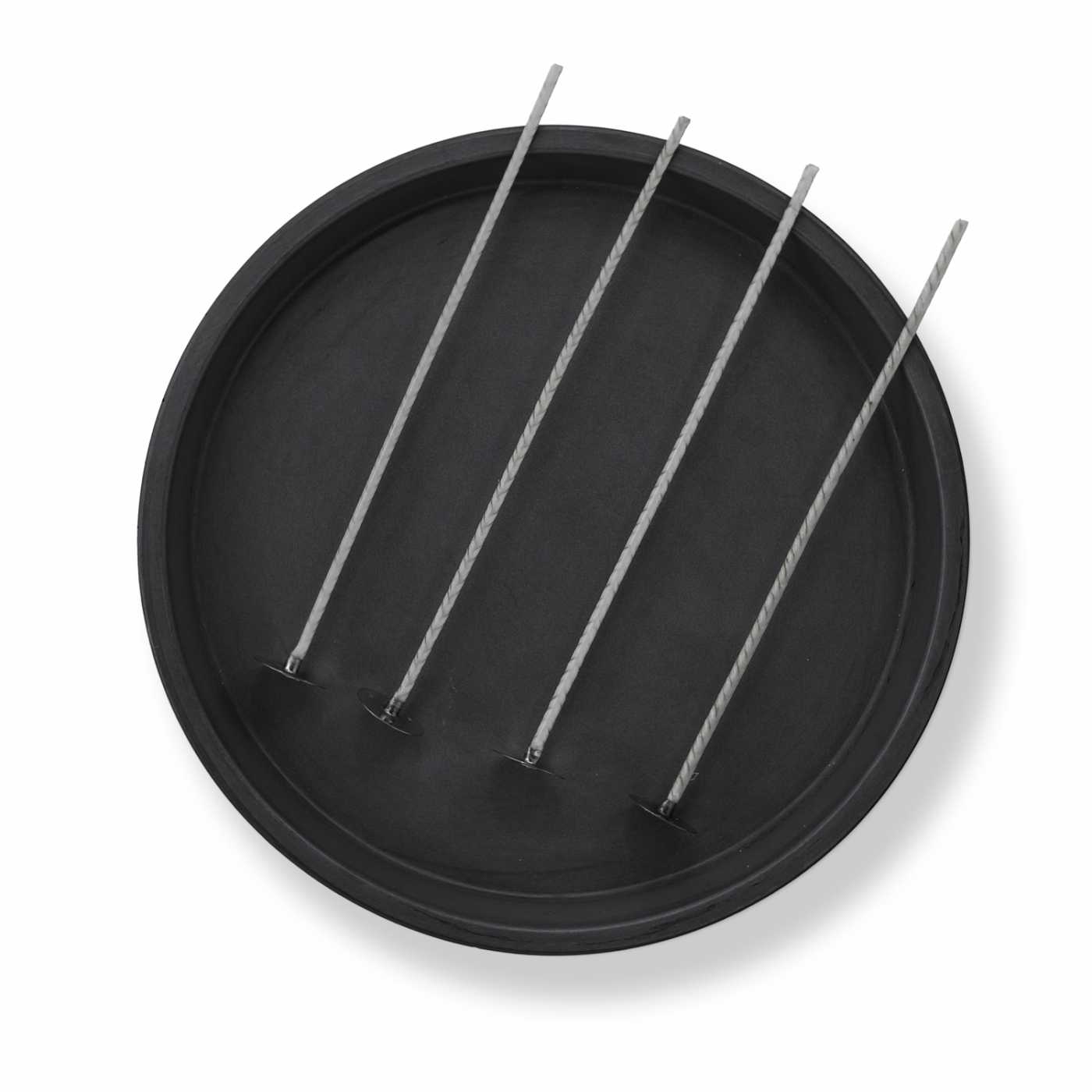
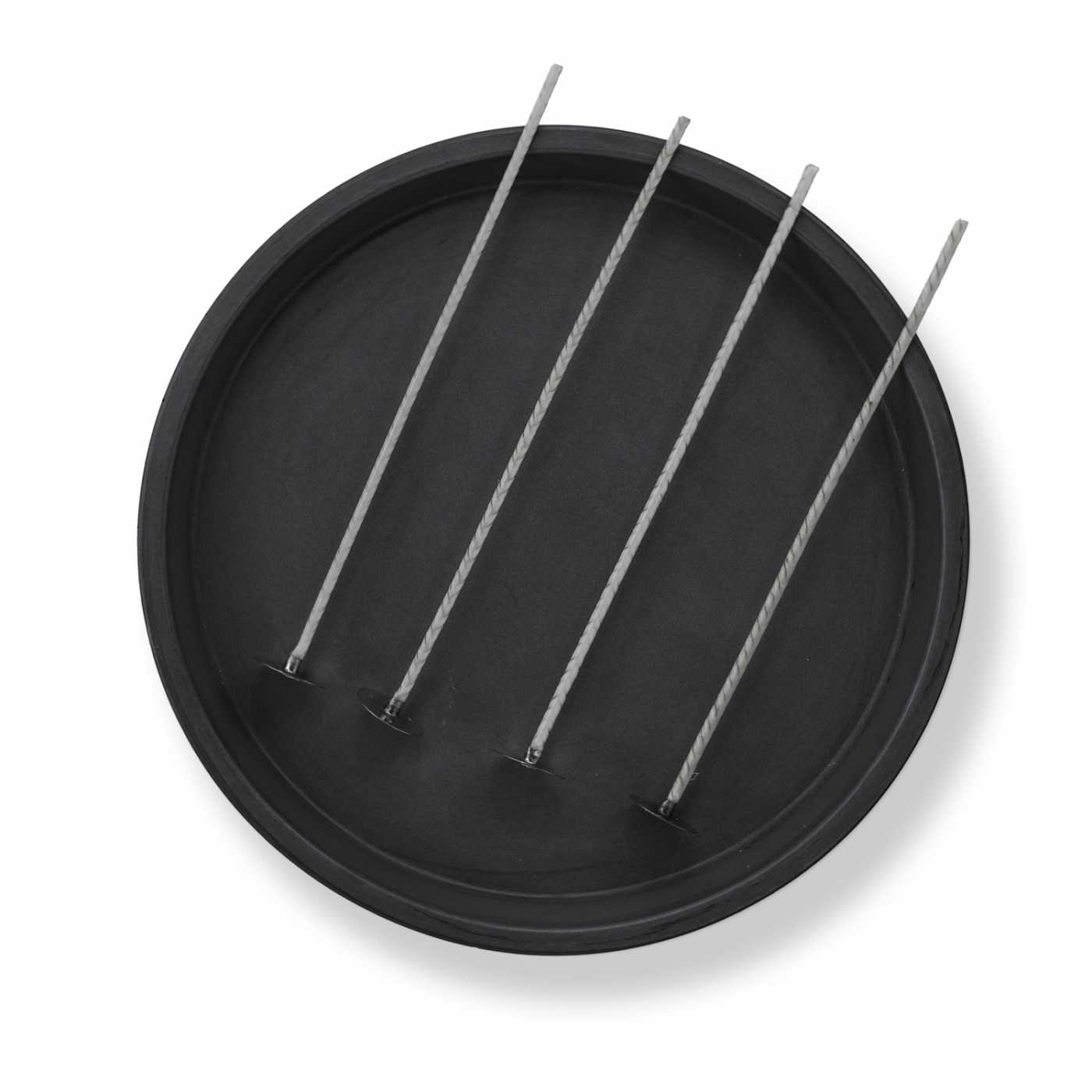
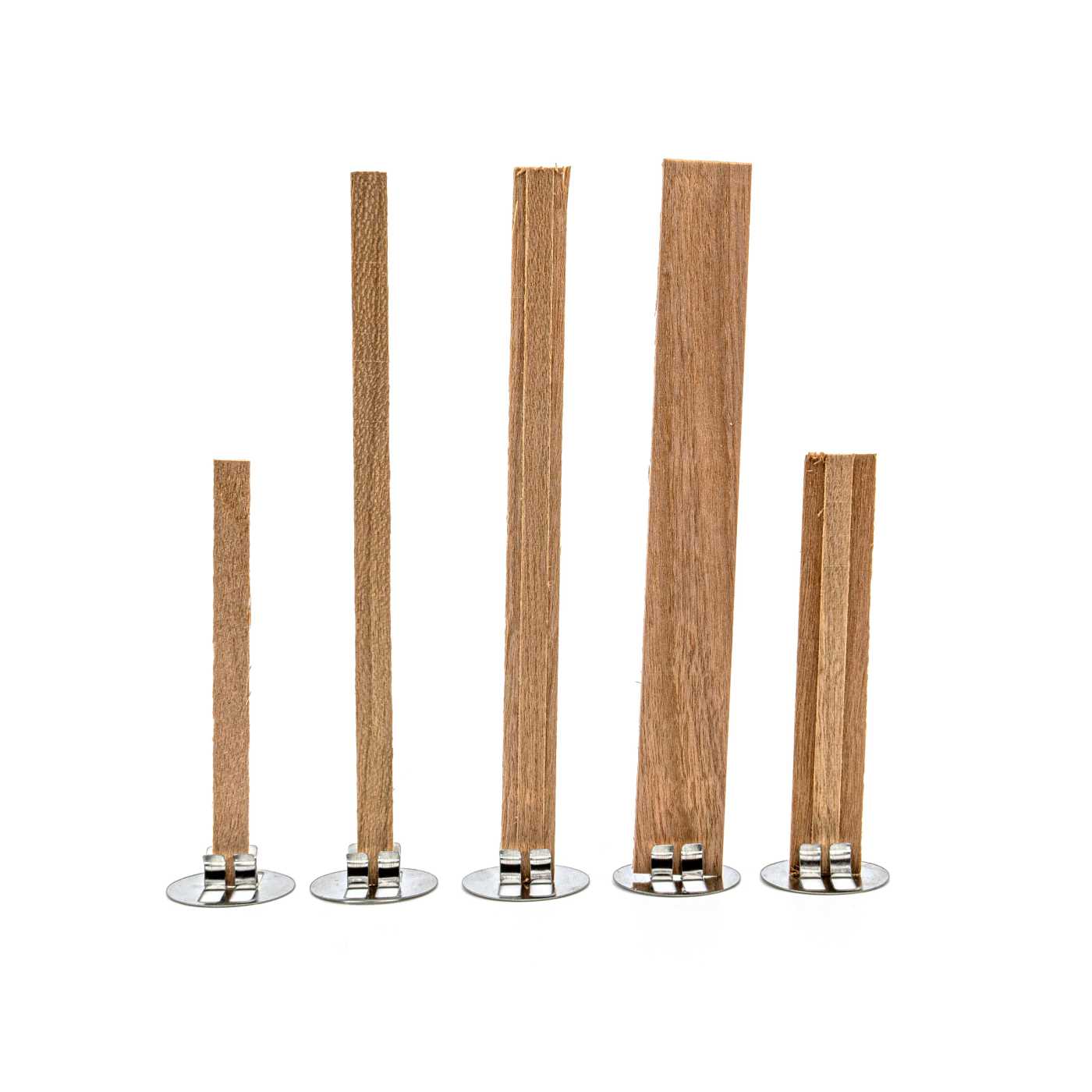
The Eko-8 cotton wick is designed for candle making . It draws melted wax up to the flame, and its size determines how evenly the candle melts and how large the flame is. full description
Lowest price in the last 30 days: €0.26
The Eko-8 cotton wick is designed for candle making. It draws melted wax up to the flame, and its size determines how evenly the candle melts and how large the flame is.
The wick has a surface coating and comes from a European manufacturer that holds ISO 9001 and RAL-GZ 041 certificates. It is sold individually, which is also handy when trying out a new recipe, as a few wicks are enough for test candles.
Whether the Eko-8 wick suits a particular candle is checked with a test burn. Several factors together decide whether the wick size is right for the candle:
A test candle is poured exactly according to the recipe, with the same wax, fragrance oil, dye and jar that will be used in the finished product. Once cured, it is left to burn for several hours while both the flame and the melt pool are observed.
A wick that is too weak has a small flame and melts the wax only in the centre. The candle tunnels and the flame may eventually drown. A wick that is too strong burns with a tall, flickering flame, smokes, forms a carbon build-up at its tip, and the layer of melted wax is unnecessarily deep.
Repeat the test whenever you change the wax, the fragrance oil or its usage rate. A wick that burns correctly in one recipe may be too weak or too strong in another.
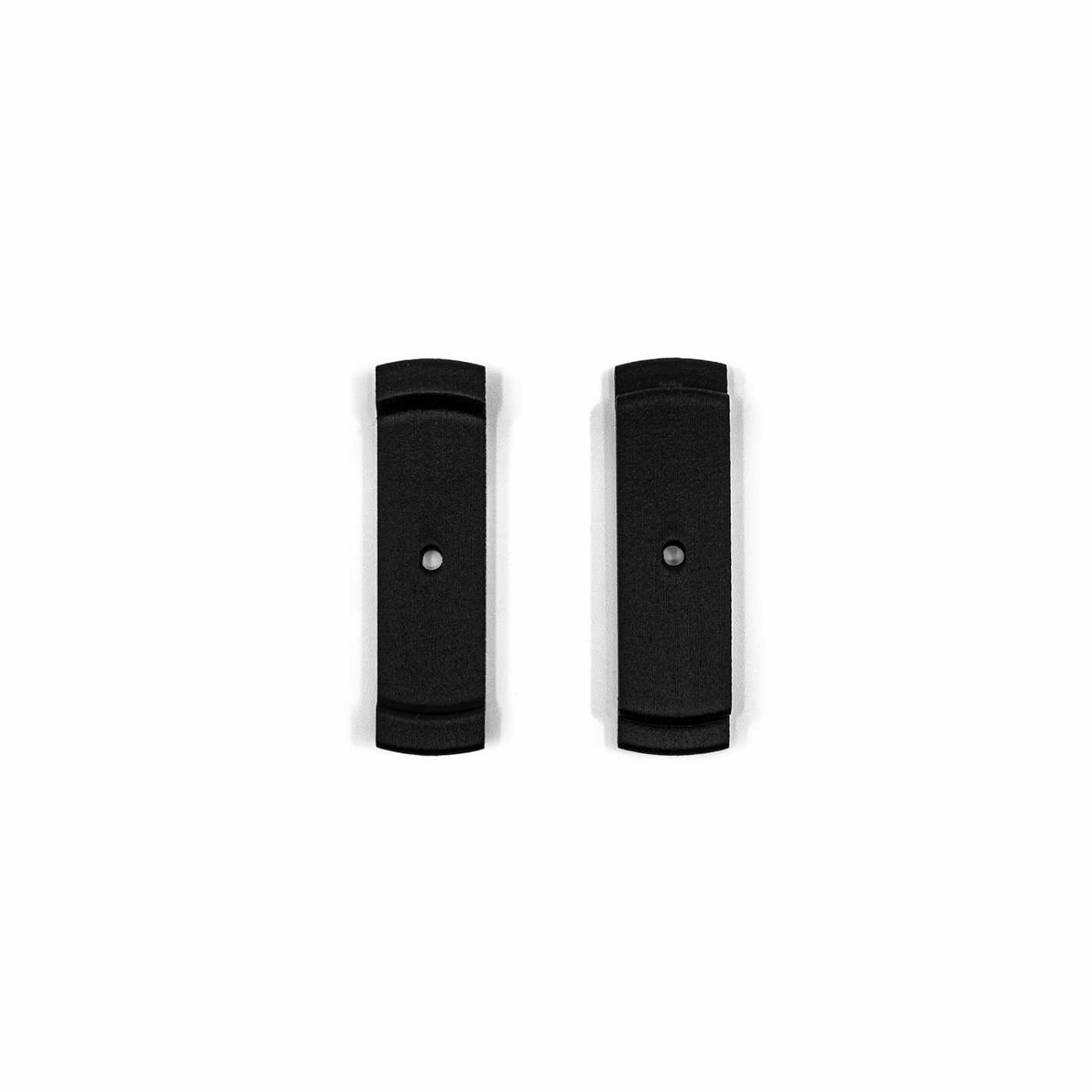
The wick is placed in the centre of the jar or mould and held upright while the wax sets, for example with a wick holder. An off-centre wick melts the candle unevenly and, in a jar, heats one side of the glass more than the other.
Before the first and every subsequent lighting, the wick is trimmed. A long wick produces a larger flame and more soot.
A wick that is too strong heats the glass of a container candle considerably. Burn test candles on a non-flammable surface and never leave them unattended.