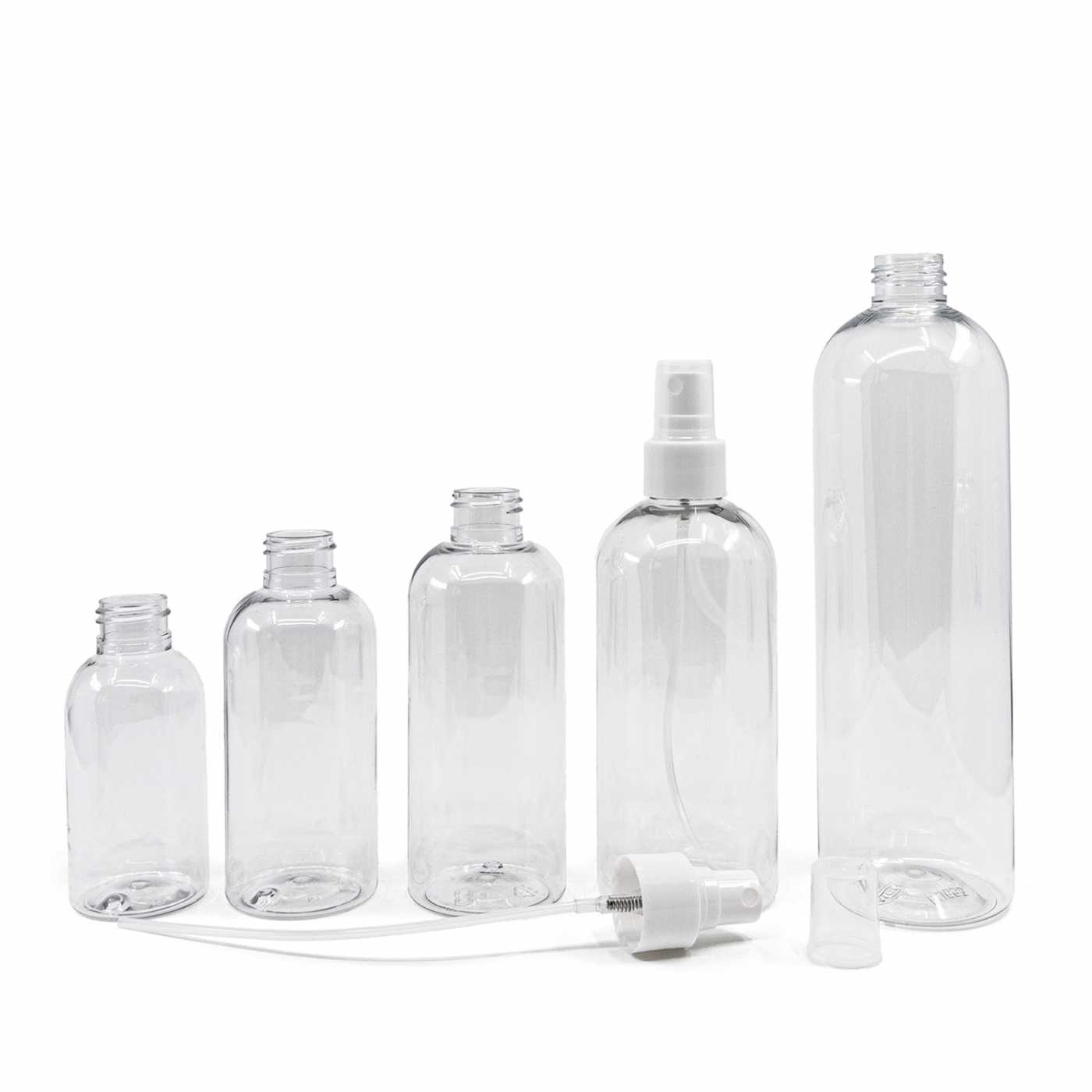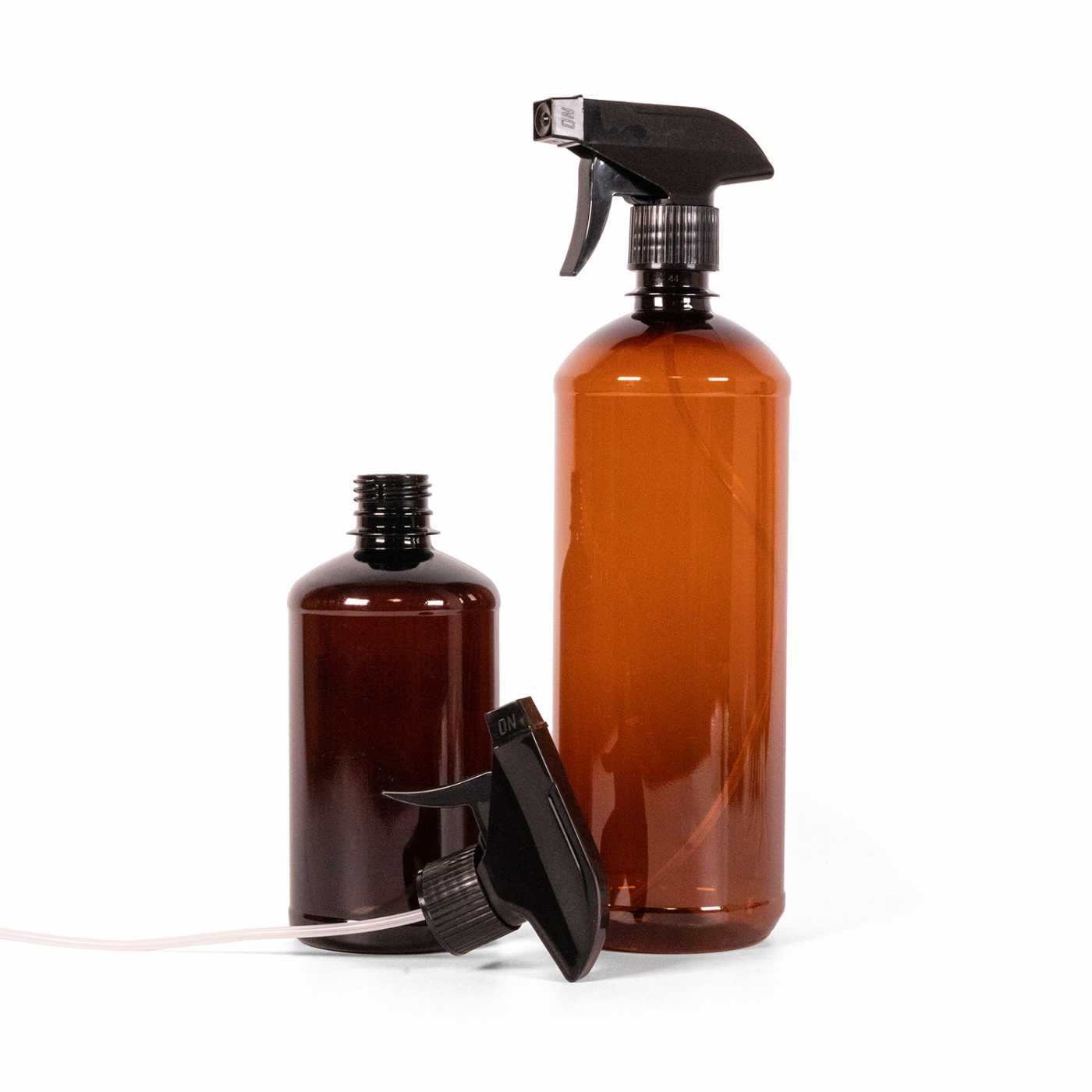
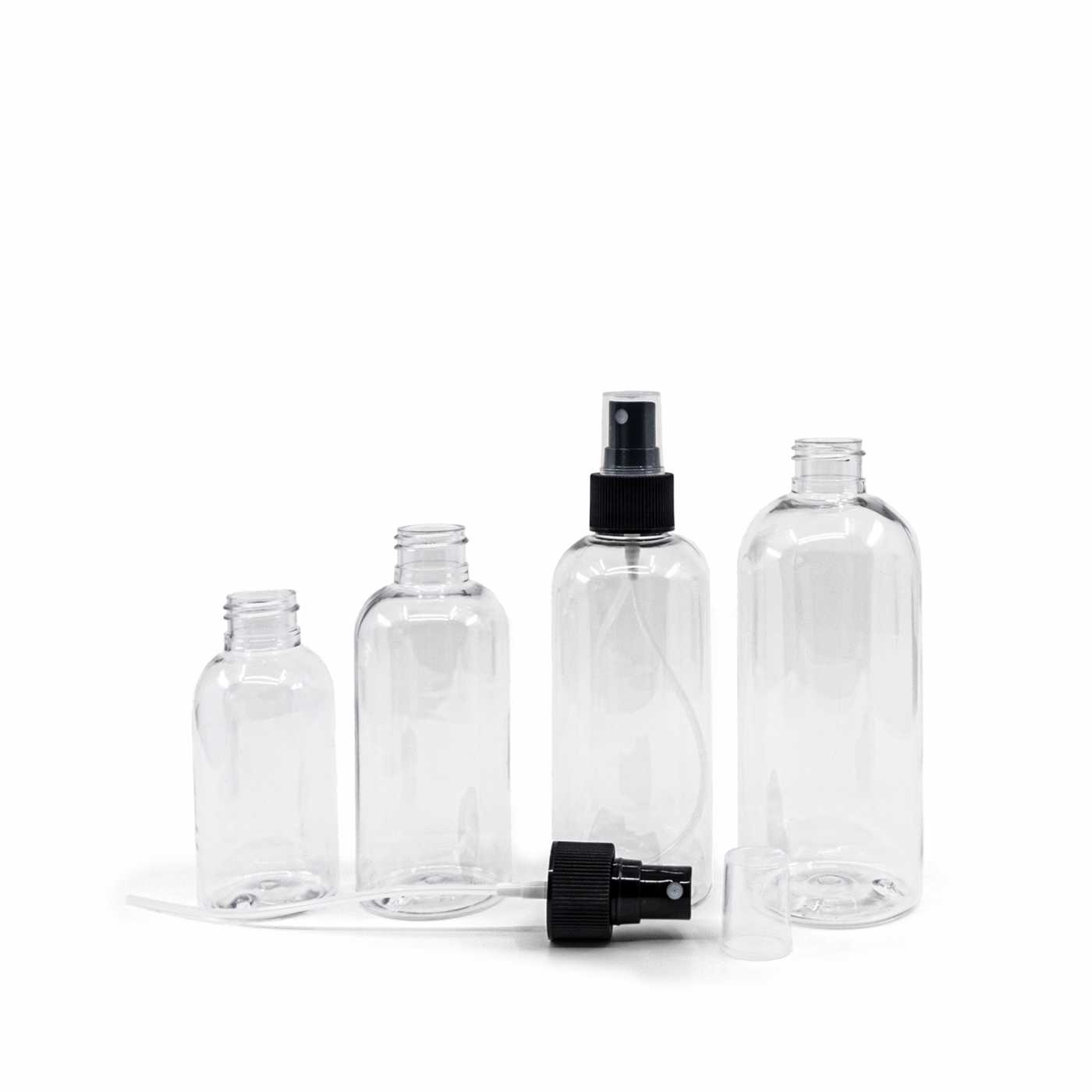
Rounded Clear Plastic Bottle, Black Fine Mist Spray, 100 ml
Pre-order€0.69

Candle fragrance oils
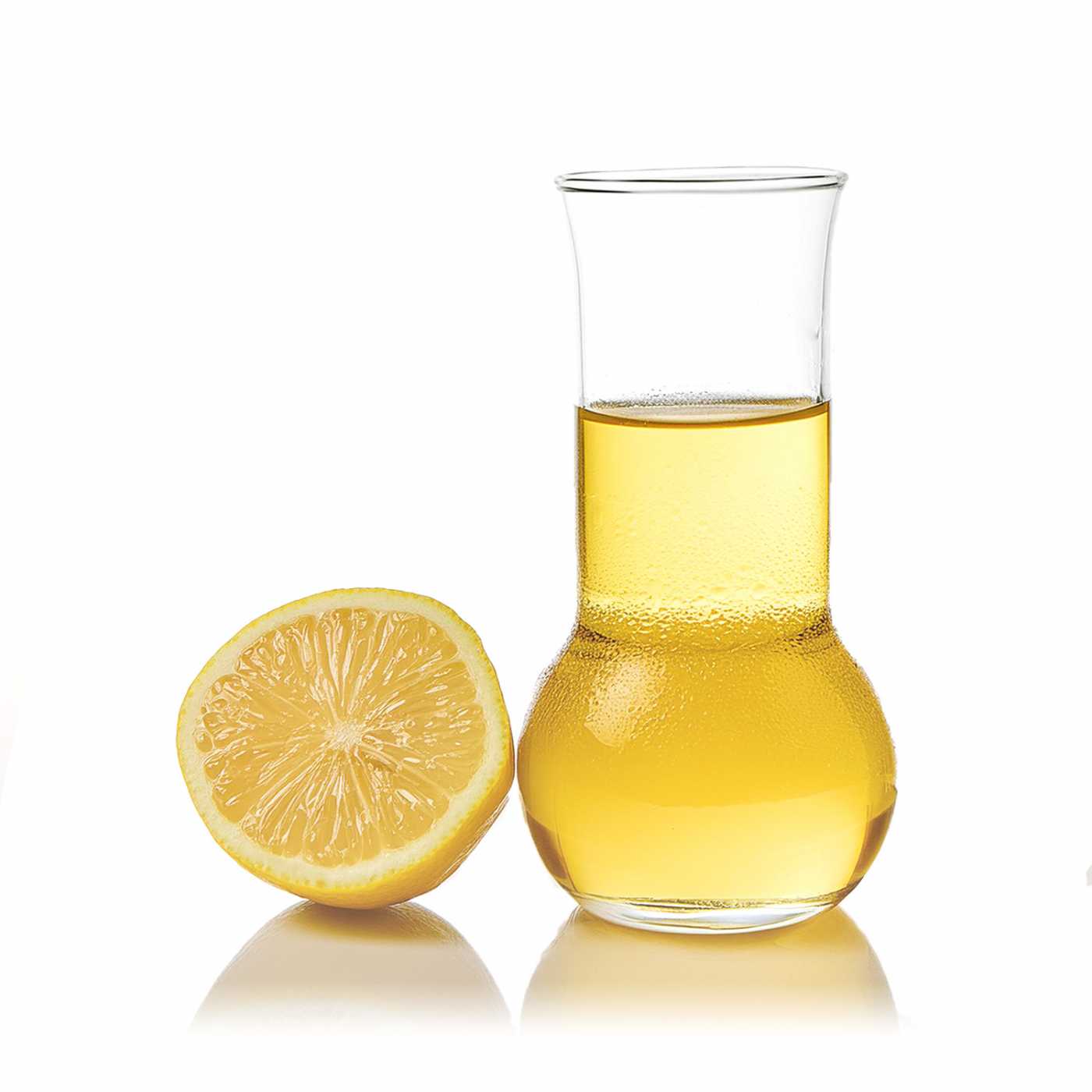
Lemon essential oil is a pure oil pressed from lemon peel that gives your product a fresh lemon fragrance . It is used to scent cosmetics, soaps, candles and diffuser blends. full description
Lowest price in the last 30 days: €69.99
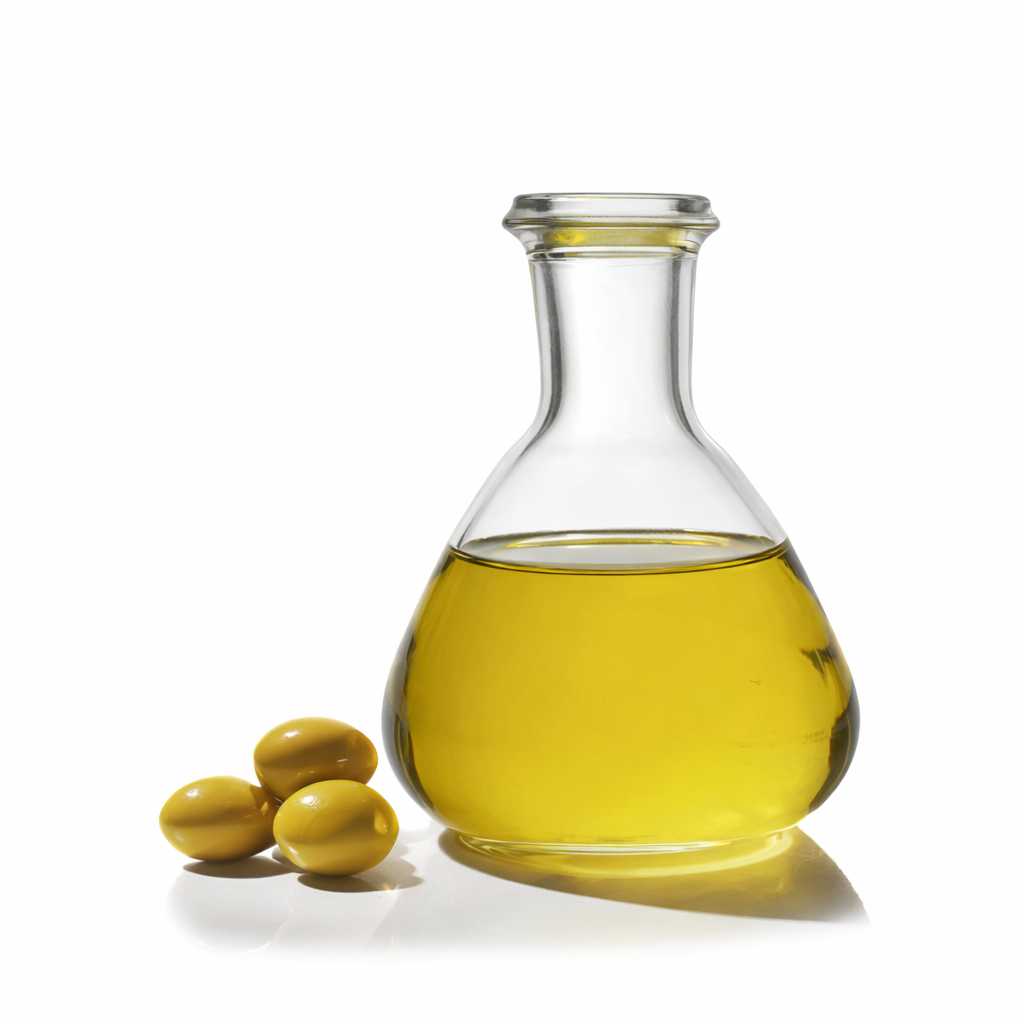
Lemon essential oil is a pure oil pressed from lemon peel that gives your product a fresh lemon fragrance. It is used to scent cosmetics, soaps, candles and diffuser blends. In skincare, it is added mainly to products for normal and oily skin.
The oil consists of 100% lemon peel oil, without any carrier or additives. The peel is wild-harvested and the oil is suitable for vegan products. Add it to the formulation only at the end of production, once the mixture has cooled.
The fragrance is citrusy and has a refreshing and invigorating effect. It is suitable for perfumes, aromatherapy blends, massage oils and bath products. In haircare, it is added to hair perfumes, mists and leave-in care, where it leaves hair fresh and citrus-scented.
In face and body cosmetics, lemon oil is credited with a cleansing, toning and brightening effect. It suits cleansers and care for skin prone to excess sebum, where it helps maintain a feeling of clean and fresh skin. It is also credited with antimicrobial action. However, it does not replace a preservative.
The main difference is how it behaves in the sun. Oil pressed from the peel contains furocoumarins, which can cause a skin reaction after the skin is exposed to the sun. Distilled oil or a furocoumarin-free (FCF) version does not carry this risk.
The fragrance differs as well. Pressed oil has not been exposed to heat and smells fuller, closer to fresh peel.
In leave-on products for skin exposed to the sun (face and body products), use the oil with caution and always within the IFRA limit for the given category. Sun care products are subject to a strict furocoumarin limit.
Lemon oil mixes with vegetable oils and dissolves in alcohol, but it does not dissolve in water. In anhydrous products, add it directly to the oil phase. Water-based products, such as toners and mists, need a solubiliser, or the oil can be incorporated into an emulsion.
In emulsions, add it in the cool-down phase, below 40 °C. At higher temperatures, the volatile components evaporate and the fragrance weakens.
There is no single universal usage rate. Recipes use 0.1–0.8%: around 0.2–0.3% in creams, serums and scrubs, 0.1% in lotions and cleansers, 0.5% in a solid cleanser and 0.8% in a bath product. In leave-on products, 2% is generally not exceeded.
The maximum amount in the finished product is set by the IFRA limit for the product category, for example category 1 for lip products, 5B for face creams and toners, or 9 for soaps and shower gels. You can find the limits for all categories in the IFRA certificate in the Product documentation section.
In recipes, it is often combined with glycerine, squalane, mango butter or castor oil. Among fragrances, bergamot and lavender essential oils pair well with it.
Lemon oil contains fragrance allergens, for example limonene, citral and linalool. They are listed in the ingredients of the finished product when their content exceeds 0.001% in leave-on products and 0.01% in rinse-off products. With lemon oil, this happens almost always at normal usage rates.
The oil oxidises on contact with air. Limonene then forms substances that irritate and sensitise the skin more strongly than fresh oil. Close the bottle immediately after measuring and do not use oil whose fragrance has changed. In recipes, it is almost always combined with tocopherol as an antioxidant.
The oil is subject to classification under the CLP regulation. It is irritant, sensitising and ecotoxic, and because of its gamma-terpinene content it is classified as CMR. Details on safe handling are in the safety data sheet (SDS).
The oil is flammable, with a flash point of 48 °C. Work with it away from flames and hot surfaces, in a well-ventilated area.


Variant: Esenciálny olej, citrón 100 ml