+421 950 333 113info@handymade.storeHandymade Days: −10 % on all ready-made productsShop now

Candle fragrance oils

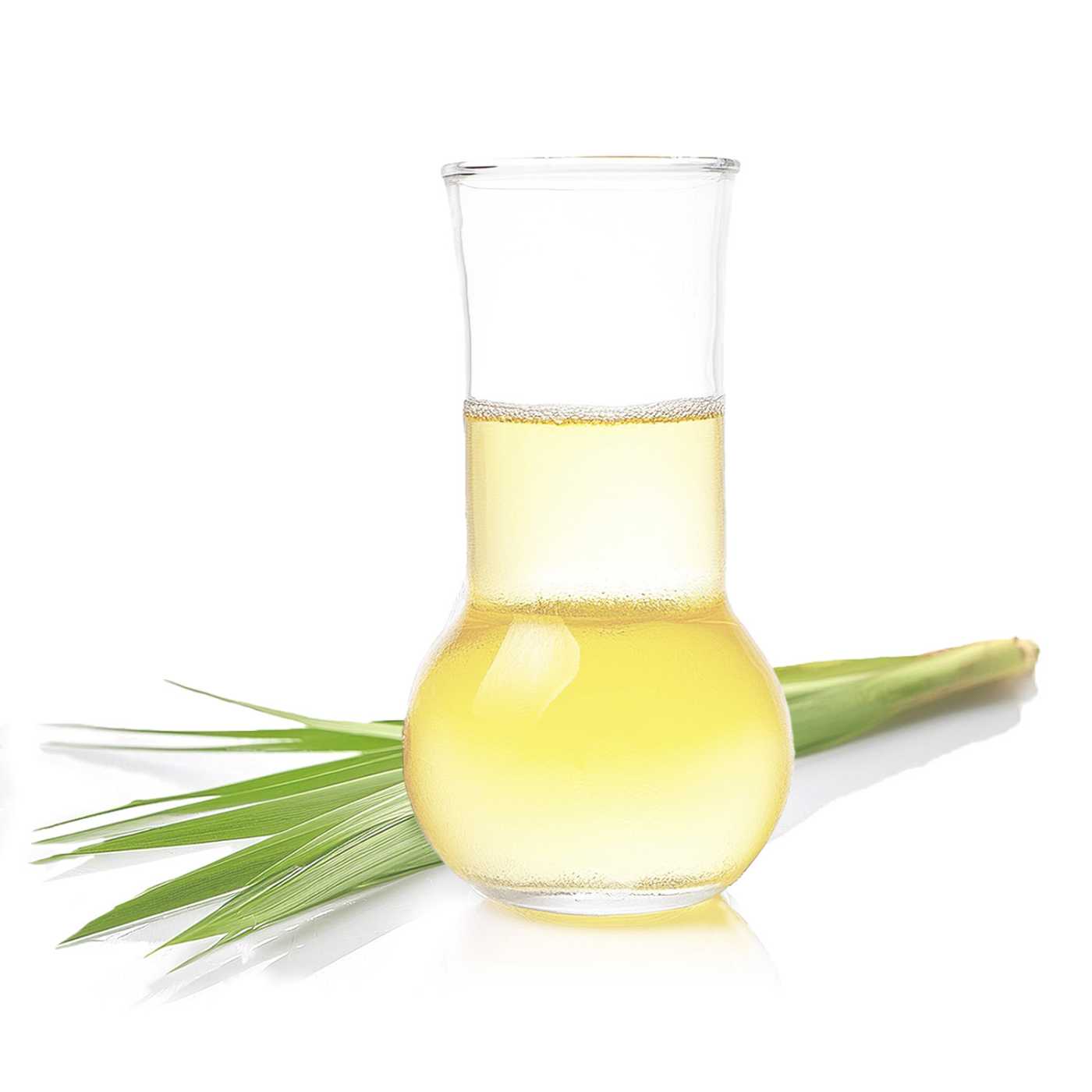
Palmarosa Essential Oil, 1 l

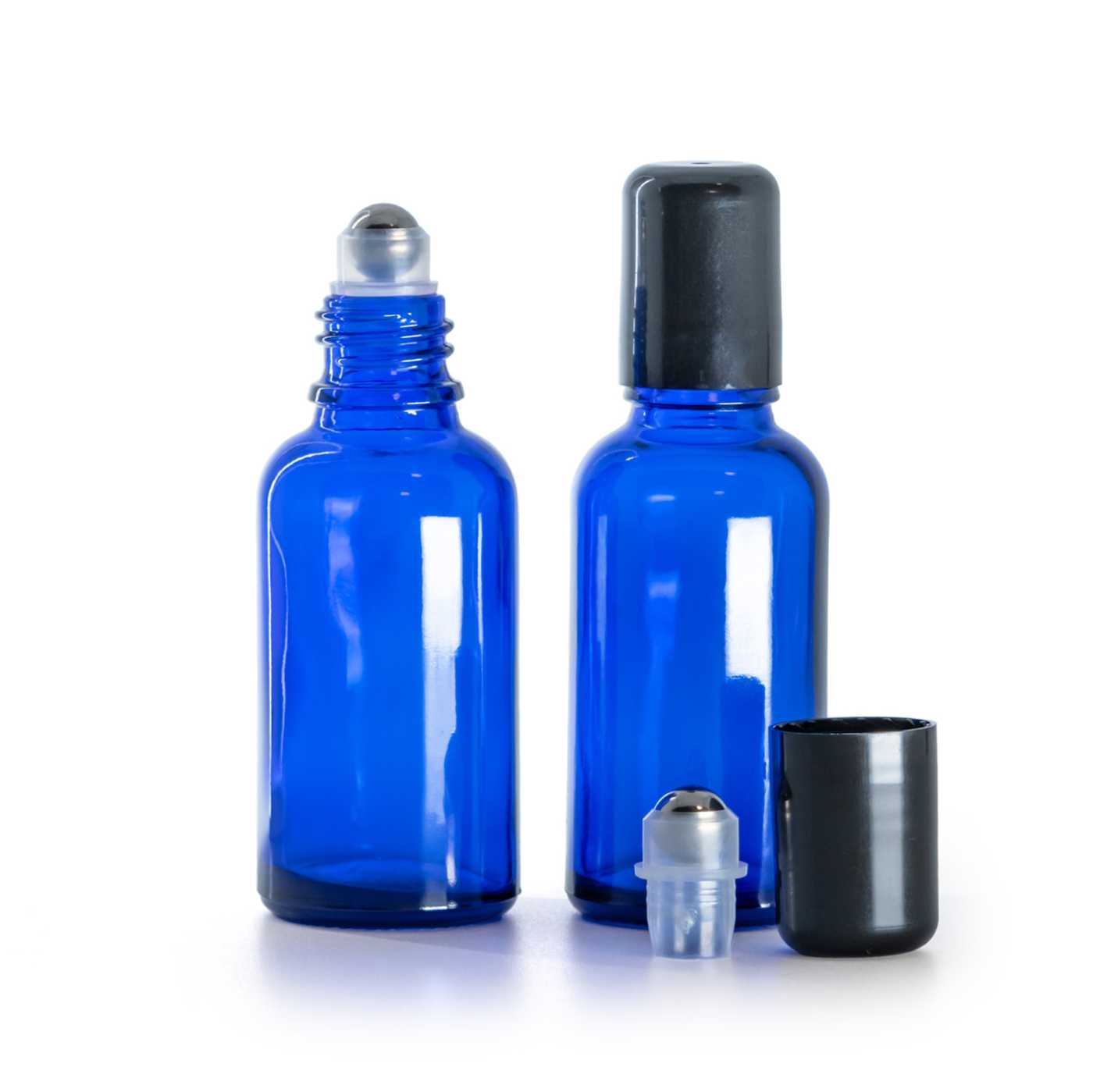
Pack size10 ml100 ml500 ml1 l

Palmarosa essential oil is obtained by steam distillation of the grass Cymbopogon martini , which is native to Asia, and brings a grassy-floral fragrance to cosmetics. full description

AvailabilityIn stock · last 4 packs
Product codeEON065_1000
Batch24486
Best before10/2029
€157.50incl. VAT€157.50/l

Lowest price in the last 30 days: €157.50

Product description

Palmarosa essential oil is obtained by steam distillation of the grass Cymbopogon martini, which is native to Asia, and brings a grassy-floral fragrance to cosmetics. In skin care, it is used mainly in products for oily and acne-prone skin, where it helps balance sebum production. It is also suitable for body and hair cosmetics, soaps and candles.

The bottle contains pure essential oil without any carrier or other additives. The oil is Vegan certified and the manufacturer holds a BRC certificate.


Key properties

  • Sebum balance – in products for oily and acne-prone skin, it helps keep the skin less oily and supports a clear-looking complexion.
  • Soothing dry and sensitive skin – in creams, lotions and butters, it supports hydration and soothes the skin. It leaves a fresh, cooling feel on the skin.
  • Cleansing – in cleansing products, it helps remove impurities and excess sebum from the skin and hair.
  • Fragrance – grassy-floral, it feels fresh in the finished product. In hair care products, it serves mainly as a perfume.
  • Rinse-off and leave-on products – the oil is used on the face, body, hands, hair and scalp.

Use in formulations

Palmarosa dissolves in oils and in alcohol; it is insoluble in water. It therefore belongs in anhydrous products and emulsions. It cannot be added directly to purely water-based products such as toners and mists, as it would separate on the surface.

Add it only during the cooling phase or afterwards to the finished, cooled mixture. Do not heat it with the oil phase. At high temperatures the fragrance is lost, and the flash point of the oil is 95–105 °C.

The same applies to candles. The oil is stirred into wax that has already cooled below the flash point.

The oil does not tolerate contact with strong acids, alkalis and oxidising agents. Add it to concentrates with very low or very high pH and to products containing oxidants only after testing the stability of the fragrance and colour.


Usage rate

There is no single universal value. The highest amount in the finished product is determined by the IFRA limit for its category, for example category 1 for lip products, 5B for face creams and toners, 9 for soaps and shampoos and 12 for candles. The limits for all categories are listed in the IFRA certificate in the Product documentation section.

In formulations, palmarosa is used at a low rate, approximately 0.2–0.5%, most often around 0.2–0.25%. Even at such a rate, you should check that it does not exceed the limit for the given category.


Suitable for products such as

  • face creams, oil-based serums and facial oils for oily and acne-prone skin
  • body lotions, creams, butters, balms and body oils
  • hand creams
  • shower gels, solid and liquid soaps, body scrubs
  • shampoos, conditioners and scalp products
  • perfumes and alcohol-based body mists
  • candles of all types, including candles in jars, at up to the IFRA limit for category 12

Good to know

The main component of the oil is geraniol, which oxidises in air. This produces substances that are significantly stronger skin allergens than the fresh oil. Oxidised oil is more irritating and smells different.

Add an antioxidant to a product containing palmarosa. In formulations, it is almost always combined with tocopherol (Tocopherol).

The colour of the oil is pale yellow to yellowish brown. At a higher rate, it may slightly tint light-coloured products.

The oil is subject to the CLP Regulation and is labelled with the GHS05 and GHS07 pictograms. Handle it with protective equipment, in a ventilated area and away from open flames. Details on classification and safe handling are provided in the safety data sheet.

The label of a cosmetic product must list the allergens geraniol, linalool, citral and citronellol if their content exceeds 0.001% in leave-on products and 0.01% in rinse-off products.


Frequently asked questions

Is palmarosa essential oil soluble in water?
No, palmarosa essential oil is insoluble in water. It dissolves in oils and in alcohol, so it is added to anhydrous products, emulsions and alcohol-based products. In a purely water-based toner or mist, it would separate on the surface after being added directly.
What is the usage rate of palmarosa essential oil in cosmetics?
The usage rate of palmarosa essential oil depends on the type of product, and its maximum value is determined by the IFRA limit for the relevant category. In formulations for body lotions, creams and butters, 0.2–0.5% is commonly used. The limits for individual categories are listed in the IFRA certificate in the product documentation.
When should palmarosa essential oil be added to a cream?
Palmarosa essential oil is added to a cream during the cooling phase, that is, to the finished emulsion once it has cooled. Do not heat it with the oil phase, because heat causes the fragrance to be lost and the flash point of the oil is 95–105 °C. It is added in the same way to anhydrous products such as body butters and balms.
Is palmarosa essential oil suitable for oily and acne-prone skin?
Yes, palmarosa essential oil is used in products for oily and acne-prone skin, where it helps balance sebum production. It suits creams, facial oils and cleansing products, in which it also helps remove impurities and excess sebum. It is suitable for both rinse-off and leave-on products.
Can palmarosa essential oil be used in candles?
Yes, palmarosa essential oil can be used in candles of all types, including candles in jars. It is added to wax that has cooled below the flash point of the oil, which is 95–105 °C. At a higher temperature the fragrance is lost and there is a risk of ignition. It gives the candle a grassy-floral fragrance.
Which allergens does palmarosa essential oil contain?
Palmarosa essential oil contains the fragrance allergens geraniol, linalool, citral and citronellol. They are listed on the label of a cosmetic product when their content exceeds 0.001% in leave-on products and 0.01% in rinse-off products. In addition, geraniol oxidises in air, so it is recommended to add an antioxidant to the product.
Parameters

INCI
Cymbopogon Martini Oil
CAS No.
84649-81-0
EC number
283-461-2
Product colour
BrownYellow
Country of origin
India
Odour
Floral
Appearance
Liquid
Application area
FaceHairScalpBodyHands
Application type
Leave-onRinse-off
Certifications and declarations
Vegan
Manufacturer's certificate
BRC
Natural Index (NI ISO 16128)
1,00
Natural Origin Index (NOI ISO 16128)
1,00
Volume
1000 ml

Product documentation

CoACertificate of Analysis
batch 24486PDF ↓
TDSTechnical Data Sheet
Physical parameters and processingPDF ↓
IFRAIFRA Certificate
batch 24486PDF ↓
AllergensAllergen Declaration
batch 24486PDF ↓
SDSSafety Data Sheet
Available for purchased products —
Download all (ZIP)

4 PDF files in one archive

Lily20 Aug 2026CS

Verified purchase

Nelly9 Aug 2026EN

Verified purchase