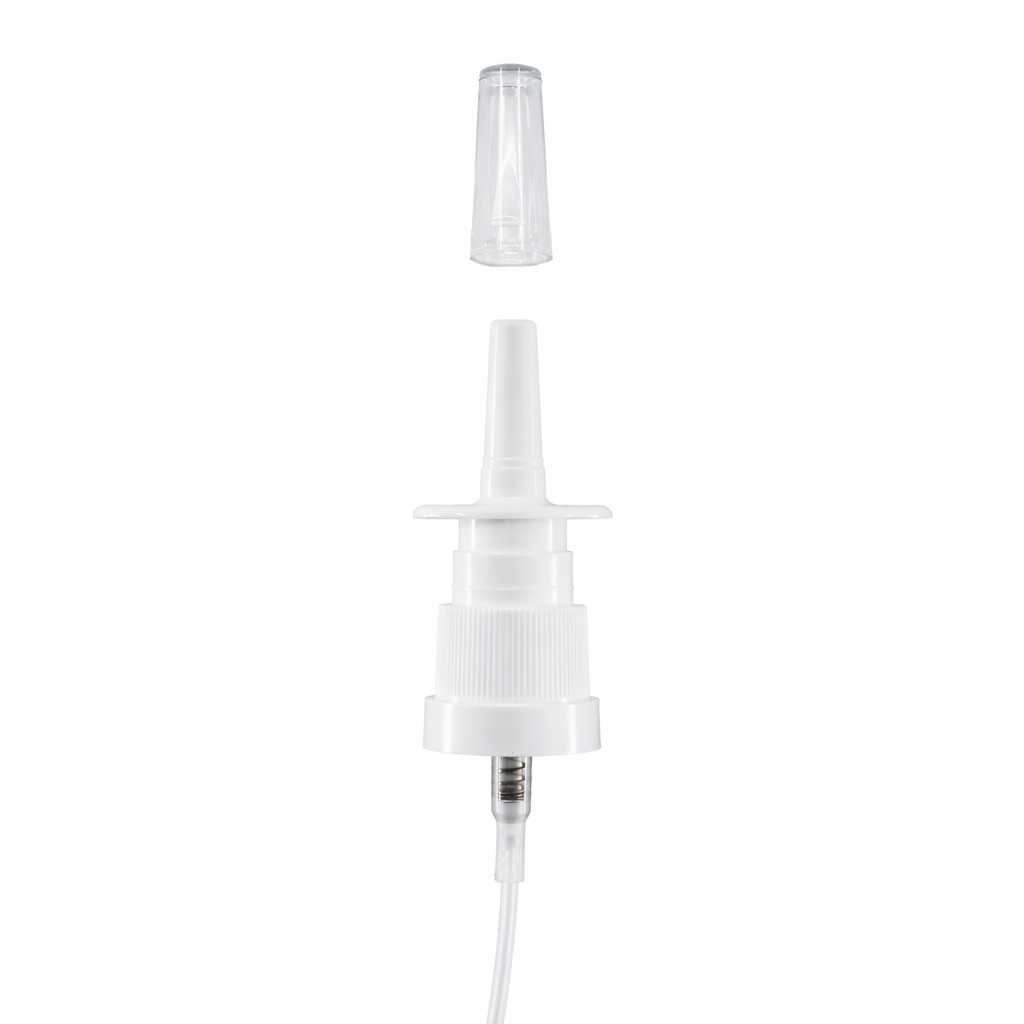

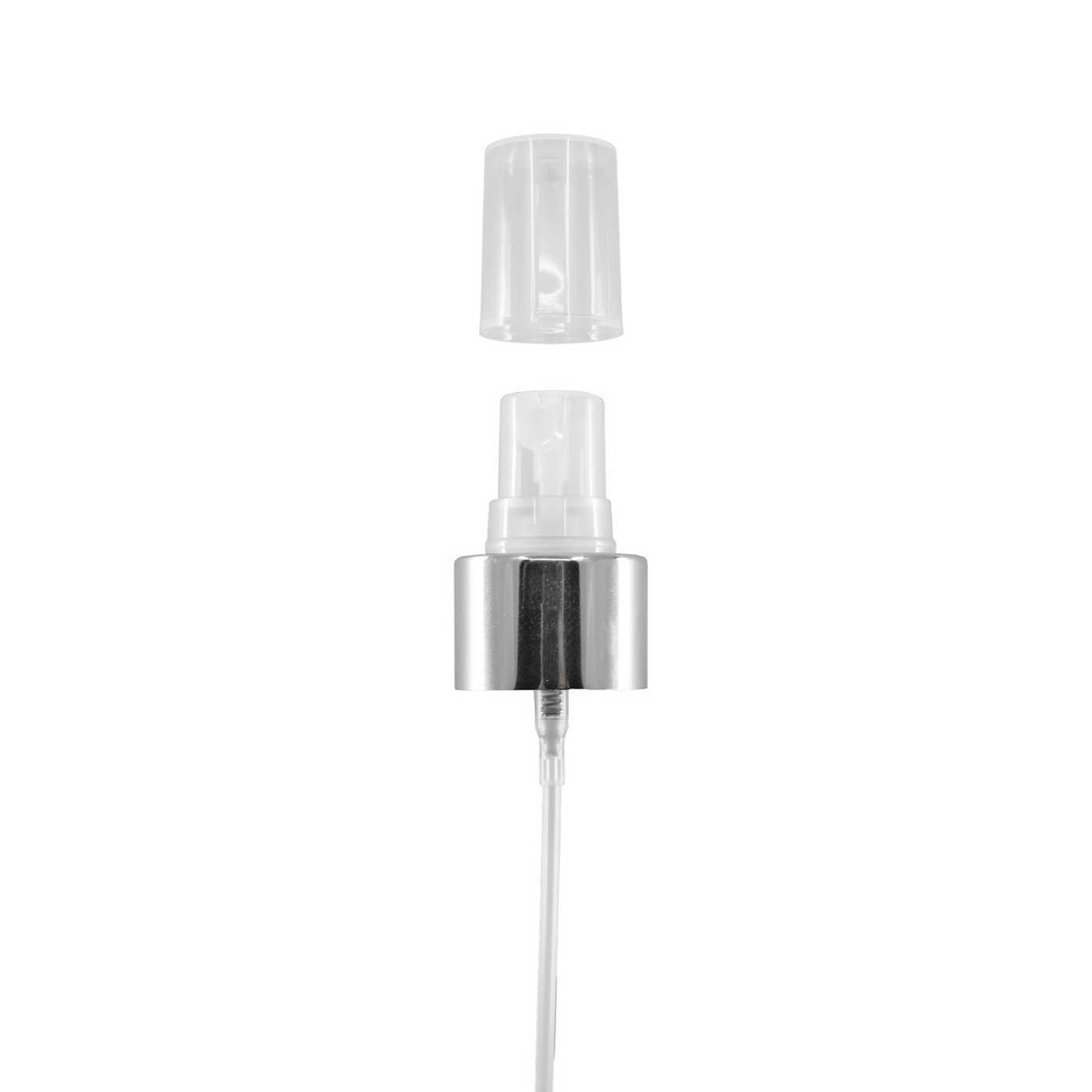
Fine Mist Sprayer, Transparent, Glossy Silver Collar, 24/410
Pre-order€0.65

Refined oils 5 l +
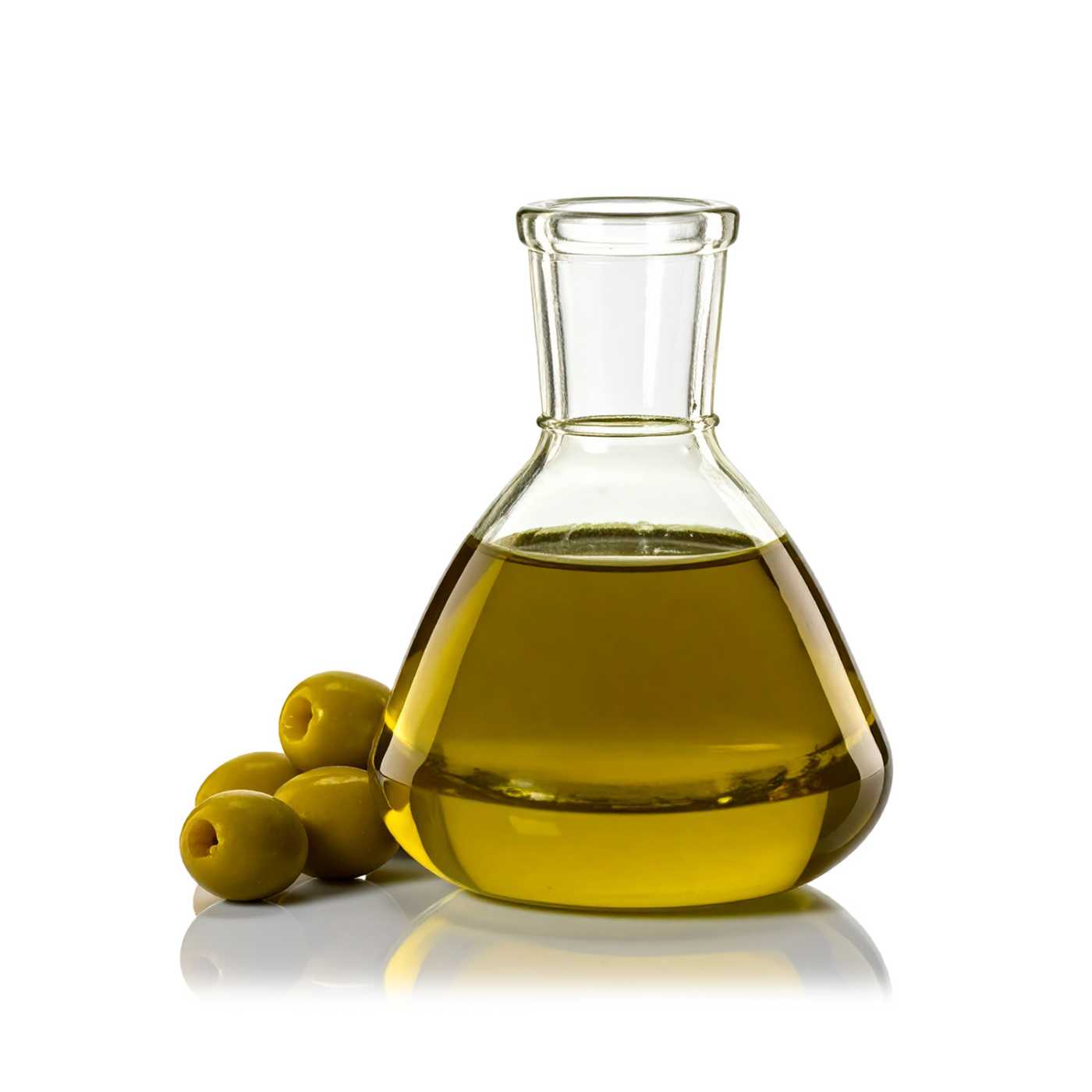
Olive pomace oil is a vegetable oil from the fruits of the European olive ( Olea europaea ) that serves as an emollient and carrier in formulations. full description
Lowest price in the last 30 days: €44.89
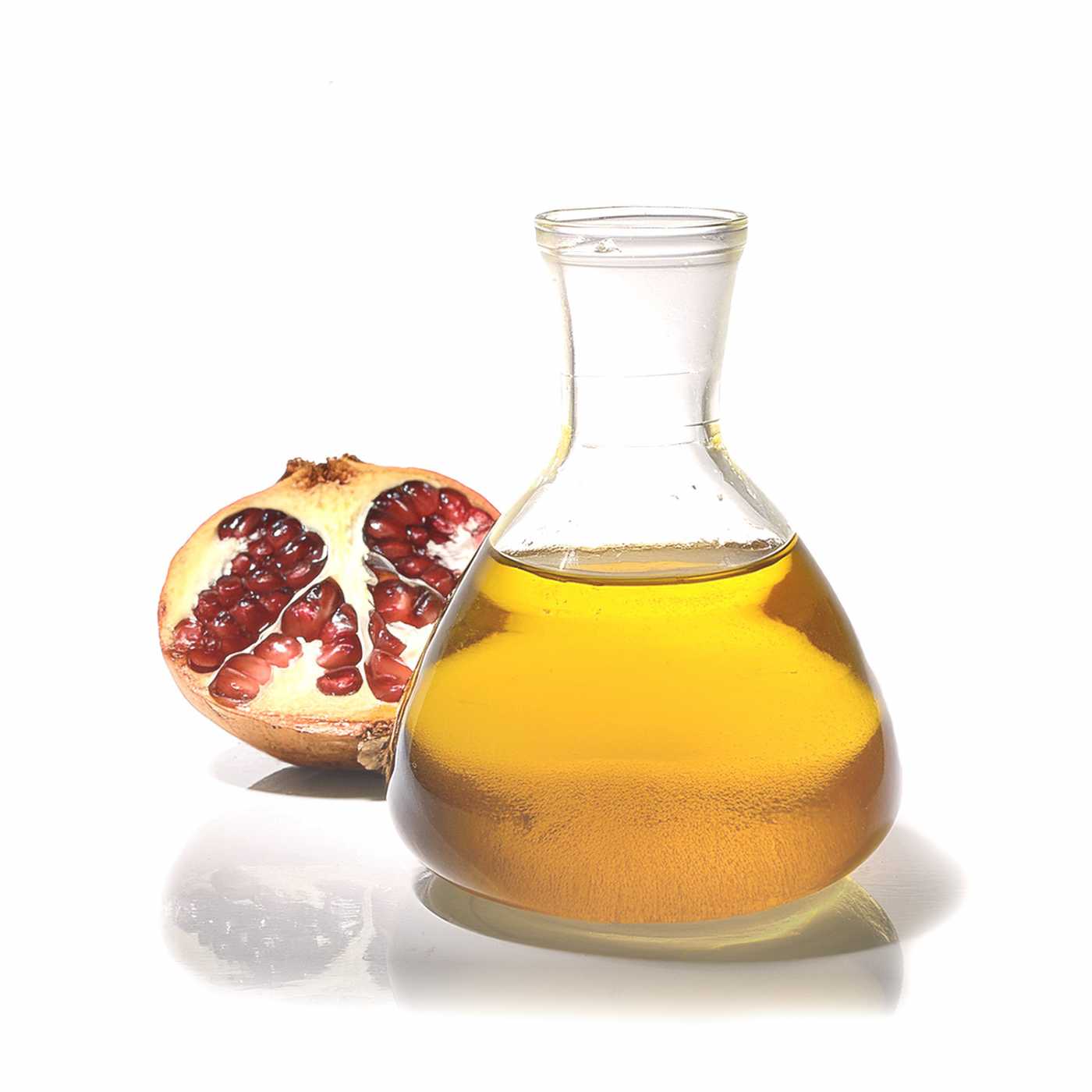
Olive pomace oil is a vegetable oil from the fruits of the European olive (Olea europaea) that serves as an emollient and carrier in formulations. It softens the skin, nourishes it, and helps retain moisture, making it one of the essential oils for creams, body butters, massage oils, and soap. The 5 l packaging is intended for manufacturers working with larger volumes.
The oil is extracted from olive pomace — the material that remains after pressing virgin oil. It has the same botanical origin and performs the same function in a formula as virgin oil, but is particularly suited for applications where one works with litres rather than millilitres. The raw material is of European origin.
It belongs to the oil phase. It dissolves in oils and fats but not in water, so it can only be incorporated into tonics, gels, or water-based sprays via an emulsifier or solubiliser. The recommended dosage range is wide, 1 – 100 %: in emulsions it forms part of the oil phase, while in anhydrous products it can be the sole ingredient.
In hot-process emulsions it is heated together with the other oils, and the resulting emulsion is then cooled with constant stirring. The recommended processing temperature is up to 80 °C, which is sufficient for standard emulsification. The higher its proportion in the oil phase, the richer and greasier the texture of the cream.
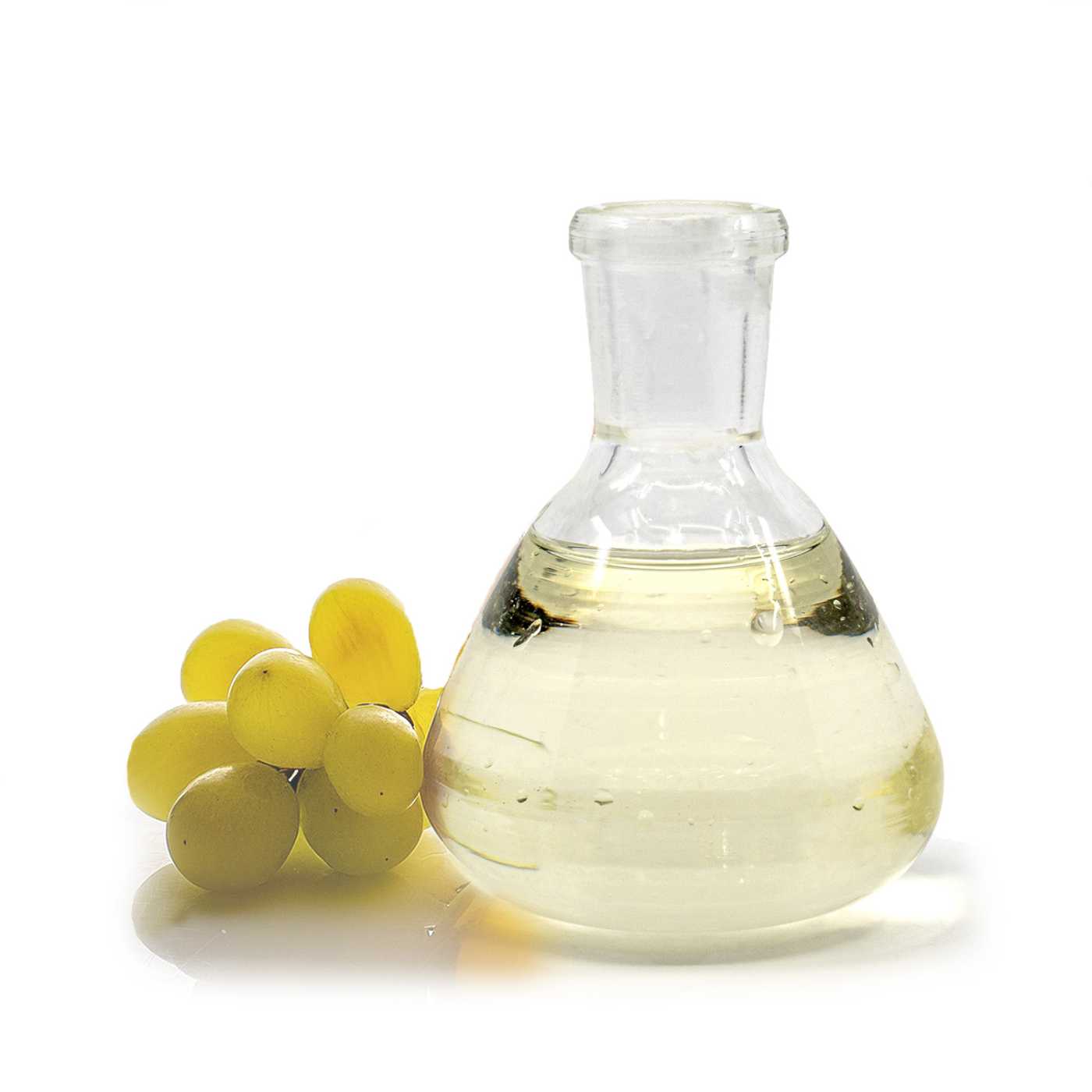
The golden to green colour of the oil will show in the finished product at higher concentrations. If you need a white cream or pale soap, account for the oil's share already at the formulation design stage.
In anhydrous products such as body butters, balms, and massage oils it is used pure or blended with solid butters and waxes to achieve the desired consistency. In soap making it ranks among the traditional base oils. When saponifying, calculate the lye amount using a soap calculator for olive oil and verify the batch behaviour with a smaller test batch first.
The oil is vegan and palm-free, making it suitable for soap formulas that intentionally avoid palm oil. A five-litre pack covers even larger production runs.
It is suitable for rinse-off and leave-on products and is used on the face, body, hands, feet, and hair.
The oil itself, without water, does not require a preservative. Preservation is only necessary once it becomes part of an emulsion or another product with an aqueous phase. An antioxidant, such as vitamin E, is commonly added to the oil phase of products with a longer use period to protect the oil from oxidation.
In macerates it serves as a carrier for dried herbs. The plant material must be completely dry; otherwise water enters the oil and the infusion will spoil. Compatibility with common cosmetic raw materials is unrestricted; for unusual combinations we recommend verifying stability in the finished formulation.
The oil is supplied in both cosmetic and food-grade quality. In cosmetics this does not change the way it is used, but it does provide the manufacturer with information about the purity of the raw material.
Only customers with a delivered order can write reviews.