+421 950 333 113info@handymade.store−10 %Shop now

Candle fragrance oils

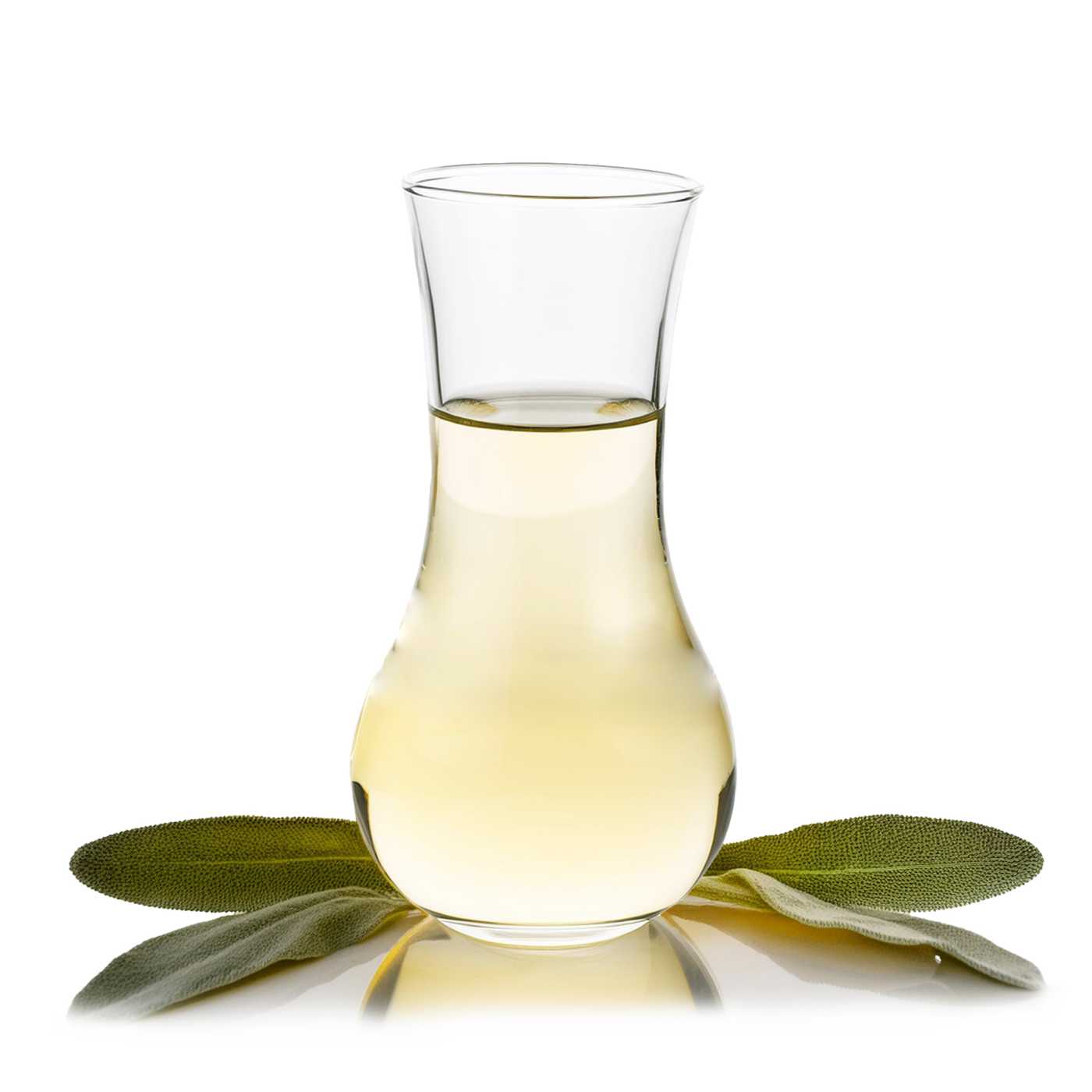
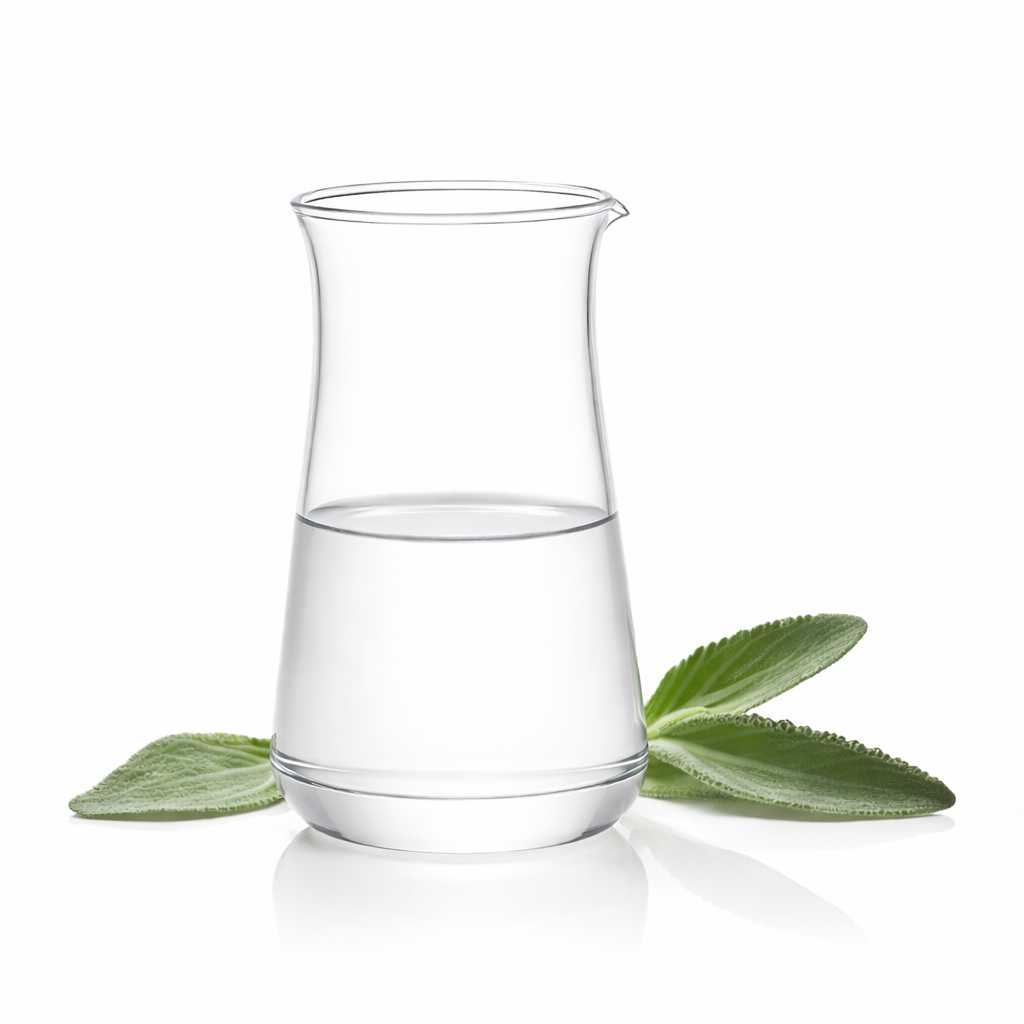
Sage Essential Oil, 1 l

Pack size10 ml100 ml500 ml1 l

Common sage essential oil is obtained by steam distillation of the fresh plant Salvia officinalis of European origin. full description

AvailabilityIn stock · last 2 packs
Product codeEON077_1000
€253.50incl. VAT€253.50/l

Lowest price in the last 30 days: €253.50

Product description

Common sage essential oil is obtained by steam distillation of the fresh plant Salvia officinalis of European origin. In a formulation it does two jobs at once: it gives the product a distinct herbal fragrance and it is also counted among the active ingredients. Cosmetic makers know it mainly from deodorants and from products for oily skin and scalp. It is supplied without carrier or diluent, and the raw material is Vegan certified.


What the oil does in a formulation

The following effects are stated by the manufacturer in its materials. They are the manufacturer’s claims, not independently verified facts.

  • Balancing oily skin – the manufacturer attributes a cleansing and balancing effect on sebum production to the oil, which is why it recommends it for products for oily skin.
  • Soothing irritated skin – according to the manufacturer, it helps to reduce redness and discomfort.
  • Antimicrobial properties – the manufacturer states that the oil supports a clean environment on the skin.
  • Scalp – in shampoos and hair oils it is said by the manufacturer to contribute to a balanced and clean environment for the hair follicles.
  • Warming sensation – the manufacturer mentions a mild warming sensation on the skin, which suits massage oils and creams intended for relaxation.

Use in a formulation

The oil dissolves in vegetable oils and in alcohol; it does not dissolve in water. It therefore cannot be mixed on its own into water-based products such as toners or sprays. It needs a solubiliser or a proportion of alcohol. In emulsions it is added at the very end of production, in the cooling phase below 40 °C, so that the volatile fragrance components and active ingredients do not escape with the heat. In anhydrous oil blends it is stirred in cold directly into the finished base.

There is no single universal usage rate. The manufacturer does not state a recommended range, and the highest amount in the finished product is set by the IFRA limit for the given product category; for example, category 1 covers lip products. You will find the limits for all categories in the IFRA certificate in the Product documentation section. In recipes, common sage appears at very low rates of 0.1–0.2%, most often in deodorants. Of the raw materials, it is most often combined with tocopherol, followed by peppermint, almond oil and glycerine.

With common sage, we recommend staying nearer the lower end of the permitted usage rate. The thujone content of the oil varies with origin and harvest time, so a margin below the IFRA limit gives the formulation greater certainty.


Suitable for products such as

  • Deodorants – creamy emulsion types with bentonite and zinc oxide as well as oil blends; the most common area of use for this oil.
  • Skin care for oily skin – creams, toners and facial mists.
  • Shampoos and hair oils – for scalps prone to oiliness.
  • Massage oils and creams – making use of the warming sensation that the manufacturer attributes to the oil.
  • Soaps, bath salts and bath bombs – as a fragrance component of herbal character.
  • Candles, diffusers and household cleaning products – here it serves purely as a fragrance; the limits for these categories are also in the IFRA certificate.

Common sage and clary sage

Common sage essential oil (Salvia officinalis) is often confused with clary sage oil (Salvia sclarea). Both come from sage, but they behave differently. Clary sage is used more freely in a formulation, for example to balance the sebum of the skin and hair. Common sage contains thujone, so it has stricter limits and a narrower range of use. The species in this product is confirmed by the INCI name and the specification, even though some general descriptions of sage oil state a different species.


Good to know

Thujone in the oil is a toxic component and is the reason for the strict limits on common sage in cosmetics. Owing to a lack of data, products containing thujone are not recommended during pregnancy and breastfeeding. The use of common sage in children and adolescents under 18 has not been established, so we do not recommend it for products intended for this group.

A peptide reactivity test showed low reactivity, but the prediction of possible skin sensitisation was positive. The European Medicines Agency describes sage oil as moderately irritating to the skin and does not recommend it for aromatherapy. We therefore recommend testing the finished product on a small area of skin before it is put into regular use.

The oil is flammable, with a flash point of 53 °C. Keep it away from flames, sparks and hot surfaces, and protect it from static electricity. It must not come into contact with strong acids, alkalis and oxidising agents. The substance is classified under CLP; details are in the safety data sheet (SDS).

Like every essential oil, this one oxidises under the influence of oxygen, light and heat. In recipes, tocopherol is commonly added to protect the oil phase against oxidation.


Frequently asked questions

Is common sage essential oil soluble in water?
No, it does not dissolve in water; it dissolves in vegetable oils and in alcohol. For toners, sprays or hydrosols, it must first be worked into a solubiliser or a proportion of alcohol, otherwise it floats on the surface and the dose in the finished product is uneven. In creams and anhydrous oil blends it is stirred in without any further auxiliary substances.
How much common sage essential oil is added to a deodorant?
In deodorant recipes, common sage appears at rates of 0.1–0.2%. The upper limit for any product always follows from the IFRA limit for its category; deodorants belong to category 2. Since the thujone content of the oil varies, we recommend staying in the lower part of the permitted range and combining the fragrance with other components, for example peppermint.
When is common sage essential oil added to a cream?
It is added only in the cooling phase, when the emulsion is below 40 °C. At a higher temperature the volatile fragrance components would escape, and the effect that the manufacturer attributes to the oil would also be weakened. The oil is stirred in with constant mixing shortly before filling, together with other heat-sensitive ingredients such as tocopherol or a preservative.
What is the difference between common sage essential oil and clary sage essential oil?
Both oils come from sage, but from different species and with different restrictions. Common sage (Salvia officinalis) contains thujone, so it has stricter limits and is not suitable for products for pregnant or breastfeeding women or for children. Clary sage (Salvia sclarea) is used more freely, for example to balance the sebum of the skin and hair. When buying, the INCI name and the specification are decisive.
Is common sage essential oil suitable for products for children or during pregnancy?
No, we do not recommend it for products for children and adolescents under 18, or for pregnant and breastfeeding women. The reason is the thujone content and the lack of safety data for these groups. For products for adults, we recommend staying within the IFRA limit and testing the finished product beforehand on a small area of skin.

Parameters

INCI
Salvia Officinalis Oil
CAS No.
8022-56-8 / 84776-73-8
EC number
282-025-9
Country of origin
Albania
Product colour
GreenYellowColourless
Processing method
Steam distillation
Appearance
Oily liquid
Recommended processing temperature
< 40 °C
Application type
Leave-onRinse-off
Suitable for
Oily skin
Certifications
Vegan
Manufacturer's certificate
BRC
Natural Index (NI ISO 16128)
1,00
Natural Origin Index (NOI ISO 16128)
1,00
Renewable Carbon Content (RCC)
100 %
Volume
1000 ml

Product documentation

CoACertificate of Analysis
batch 23768PDF ↓
TDSTechnical Data Sheet
Physical parameters and processingPDF ↓
SDSSafety Data Sheet
Available for purchased products —
Download all (ZIP)

2 PDF files in one archive

Veronika F.19 Nov 2026SK

Verified purchase

MICHAELA K.11 Oct 2026CS

Verified purchase

Variant: Esenciálny olej, šalvia lekárska, 10 ml

Maria de la 2 E.26 Sept 2026ES

Verified purchase

Variant: Esenciálny olej, šalvia lekárska, 10 ml
(3 reviews)