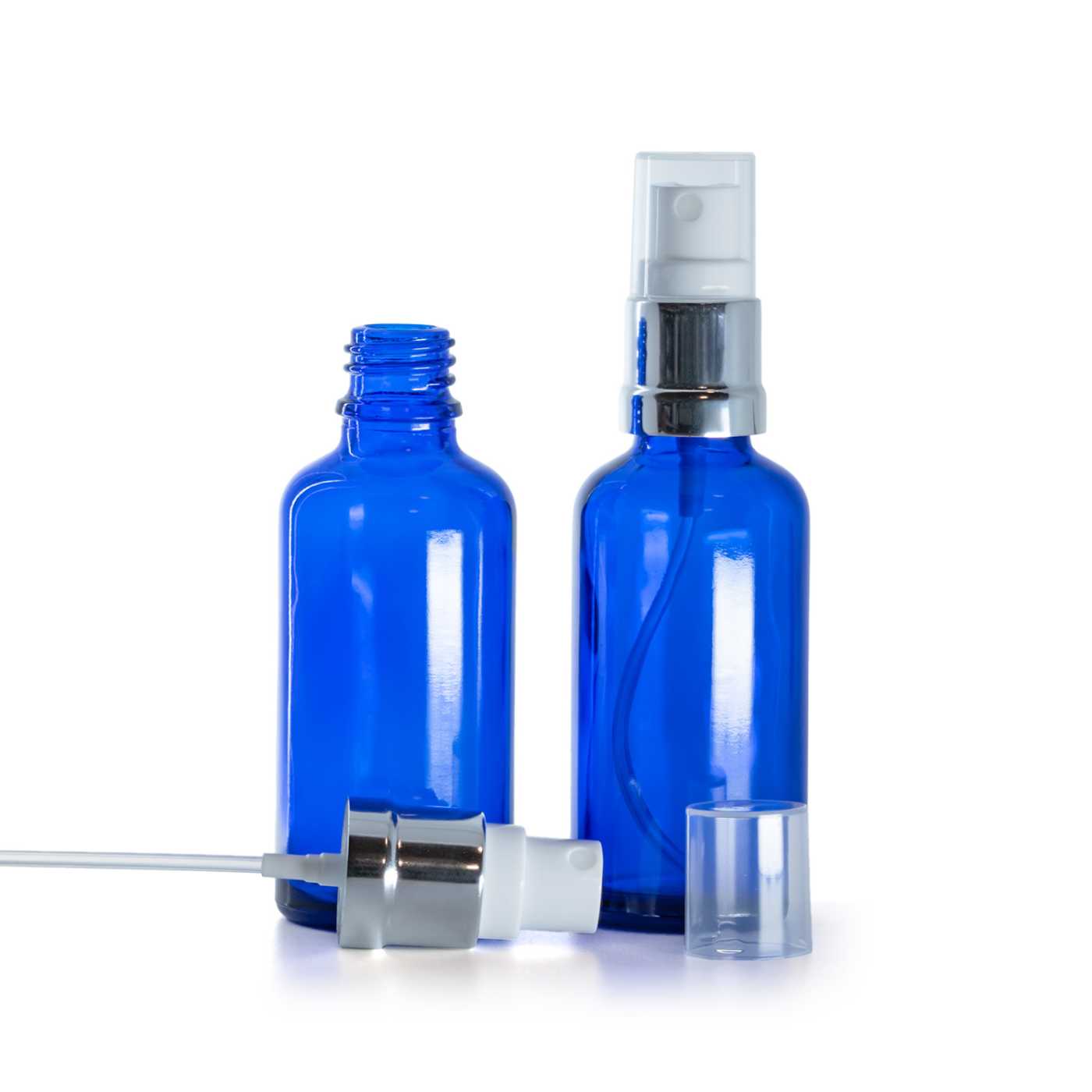
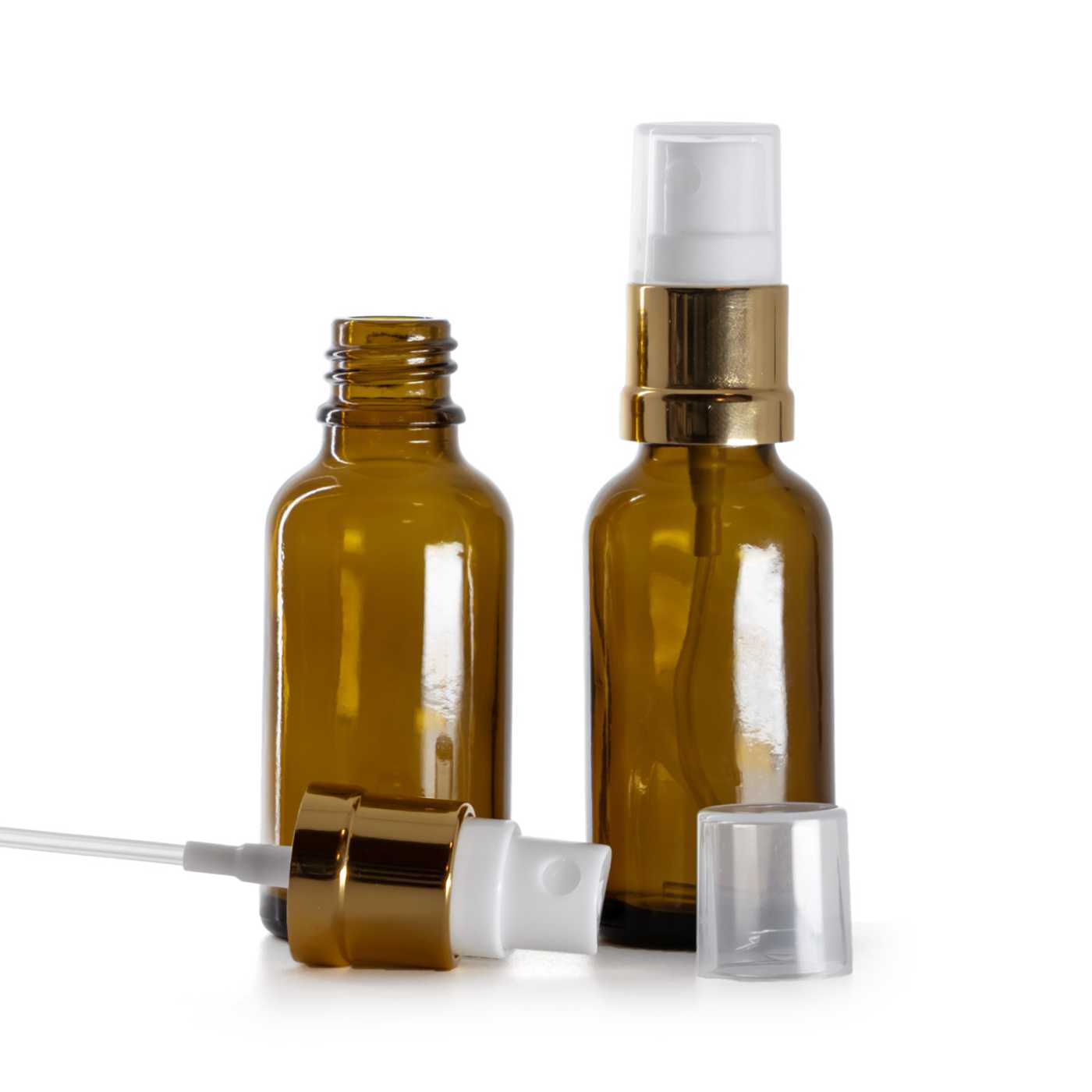
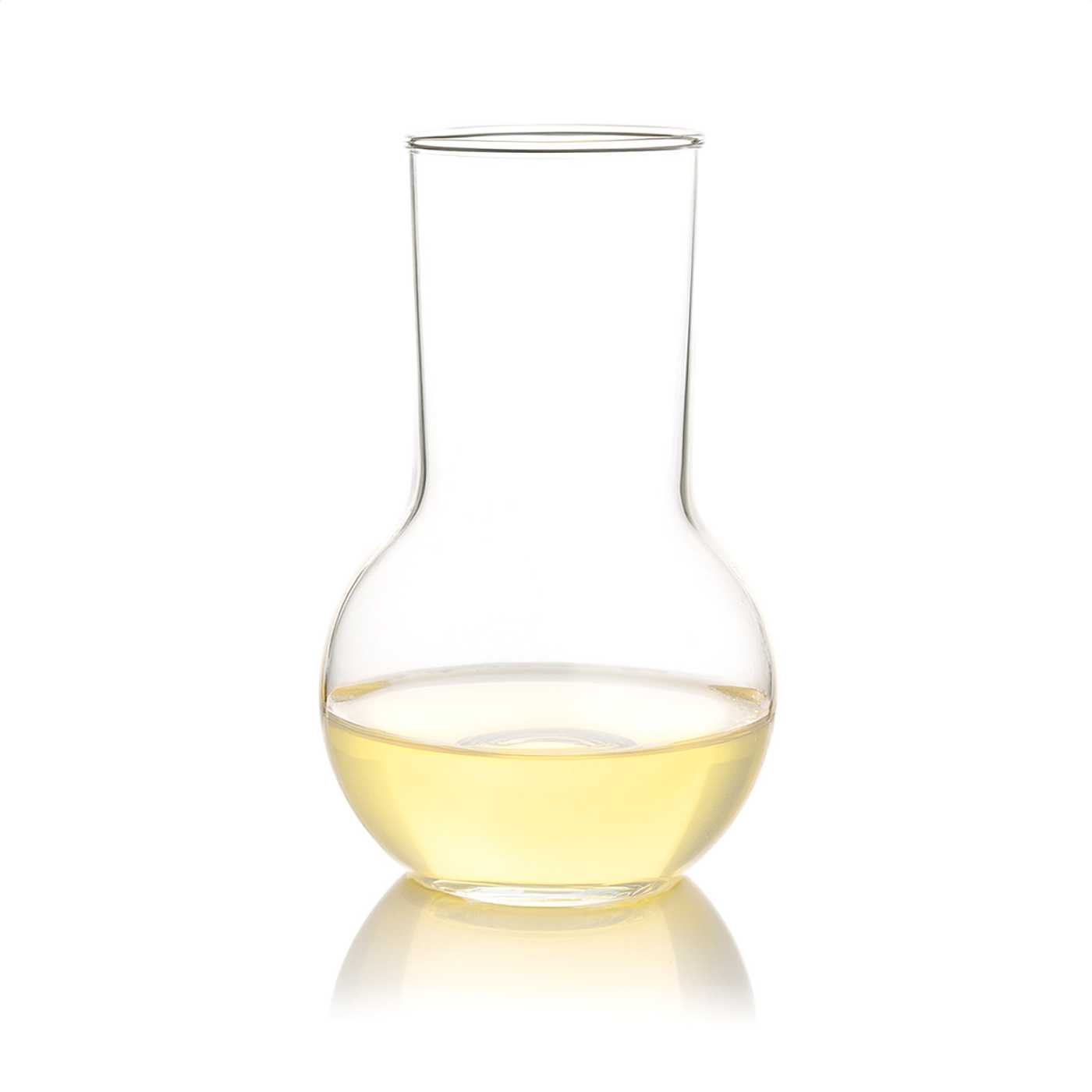
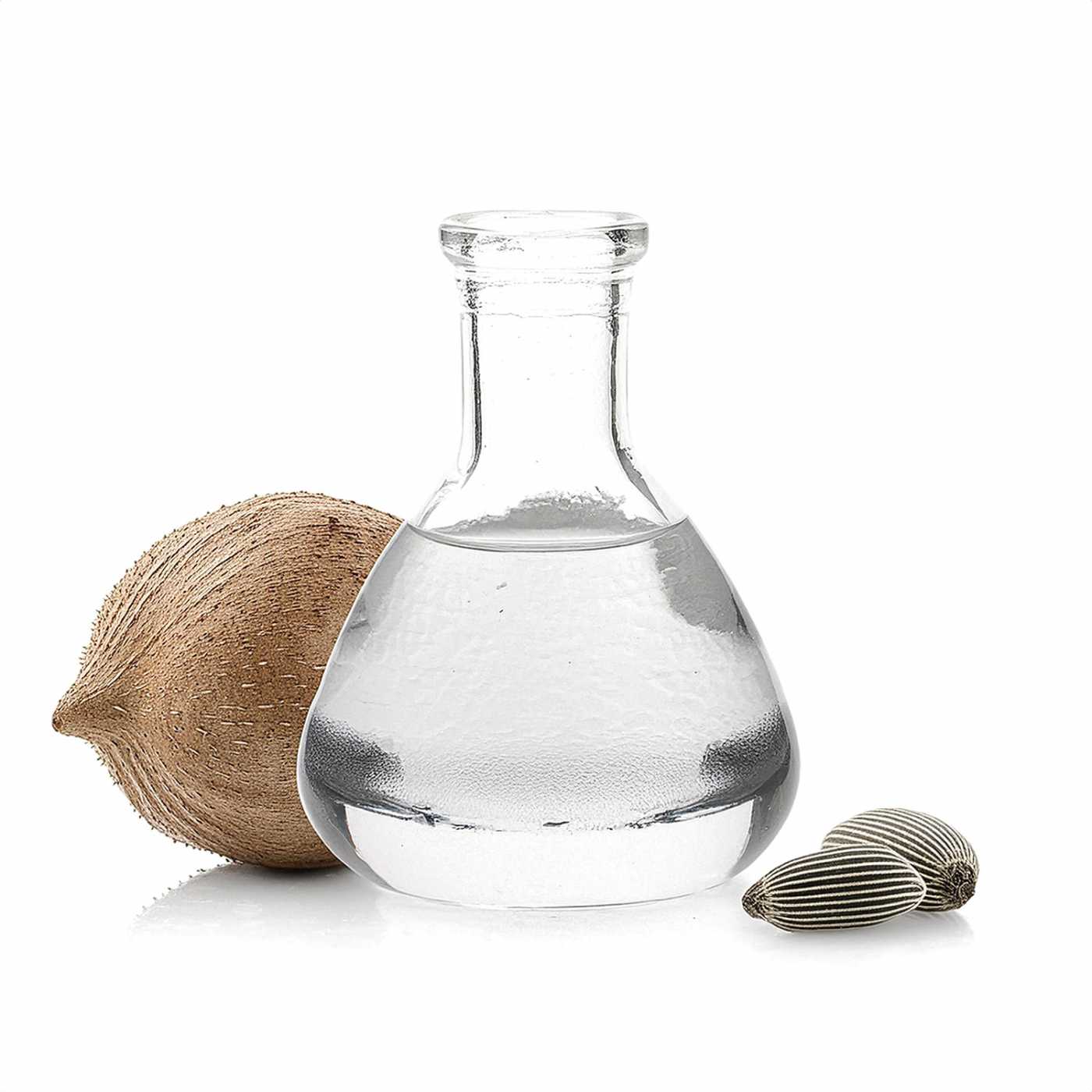
Plant-based ethanol 96% serves in the formulation as a solvent and carrier. It is produced by fermentation of plant raw materials followed by distillation, supplied in denatured form, meaning it has been treated so it is not intended for consumption. It dissolves essential oils, fragrance compositions and many active ingredients that do not dissolve in water, and after application it evaporates quickly from the skin. For this reason it forms the base of perfumes, tonics, facial and hair sprays, tinctures and products for disinfecting tools.
Key benefits
- Solvent for fragrance materials – essential oils and fragrance compositions dissolve in it completely and clearly. In perfumes, colognes and fragrance sprays it forms the main part of the base.
- Fast evaporation – it leaves no film on the skin, which is used in tonics, hair or body sprays and products intended to feel light and fresh.
- Antimicrobial effect – at higher concentrations it inhibits the growth of microorganisms, which is used in tonics, for disinfection of tools and for preservation of water-alcohol products.
- Miscibility with water and glycols – it combines with water, glycerin, propanediol and hydrosols in any ratio, which facilitates the preparation of water-alcohol bases.
- Plant-based origin – produced from renewable raw materials and readily biodegradable.
Use in formulation
The dosage typically ranges from 1 – 70% depending on the product type. A few percent is sufficient to dissolve a fragrance composition or plant extract in a tonic, while tens of percent form the base of perfumes, fragrance sprays and tinctures.
It is added to the water phase or at the cooling phase, at a temperature below 40 °C. Ethanol is volatile; at higher temperatures part of it evaporates and the ratio of ingredients in the formula changes. Fragrance materials or oil-based active ingredients are first dissolved in the ethanol, and only then is water or hydrosol added. Adding them in the reverse order creates cloudiness that is difficult to remove.
With gel products, it is worth noting that ethanol reduces the viscosity of many thickeners. Carbomer and cellulose gels can only tolerate a limited proportion, so test the dosage gradually and monitor whether the gel thins or becomes cloudy. It is compatible with anionic, cationic, non-ionic and amphoteric surfactants and works in both acidic and neutral pH.
With fragrance sprays and perfumes, let the finished mixture rest for several days before filtering. The scent will settle and any slight cloudiness will clear.
Suitable for products such as
- Perfumes, colognes and fragrance sprays – as the main carrier for the fragrance composition.
- Facial tonics and hair sprays – at lower dosage for freshness and better dissolution of extracts.
- Tinctures and alcohol extracts – for macerating plant raw materials into cosmetic preparations.
- Spray and roll-on deodorants – fast evaporation and antimicrobial action are utilised.
- Cold process soap – spraying the surface of freshly poured soap reduces the formation of white soda ash. In transparent soap it forms part of the solvent mixture.
- Nail care – for degreasing the nail plate before lacquering and for cleaning tools.
- Diffusers and aromatherapy – as a carrier for essential oils in reed diffusers and air fresheners.
- Disinfection of tools, moulds and work surfaces – during the production of soap, candles and cosmetics. It is also suitable for household cleaning products.
Good to know
- Denatured means that the raw material is not intended for internal use or for food. It is used exclusively for cosmetic and technical purposes.
- The 96% designation means the raw material contains approximately 4% water. For formulas that require a completely anhydrous environment, account for this proportion.
- For products outside cosmetics, such as diffusers or cleaning products, labelling according to CLP Regulation must be taken into account when placing on the market.
Ethanol is flammable. Work away from open flames and heat sources, in a well-ventilated space, and close the container immediately after pouring. Do not heat larger volumes without supervision.
Frequently asked questions
Is ethanol 96% miscible with water?
Yes, ethanol 96% mixes with water in any ratio, as well as with glycerin, glycols and hydrosols. In a formulation it is added to the water phase or during cooling below 40 °C, so it does not evaporate unnecessarily. If the mixture is also to contain fragrance materials or oil-based active ingredients, these are first dissolved in the ethanol, and the water is added only afterwards.
Can ethanol be used to dissolve an essential oil into a tonic or spray?
Partially. An essential oil dissolves in ethanol, but after adding a larger amount of water it may separate out again and the product will turn cloudy. At low fragrance dosage and with a sufficient proportion of ethanol the mixture will remain clear; for more aqueous sprays it is more reliable to add a solubiliser. Always dissolve the oil in the ethanol first and then add the water.
Is ethanol 96% suitable for anhydrous products?
Yes, with the caveat that it contains approximately 4% water. It is not commonly added to oil serums or balms, as it mixes only to a limited extent with most plant oils. It is better suited to alcohol-based preparations without added water, such as perfumes and fragrance sprays. If the formula requires a completely anhydrous environment, verify the behaviour of the mixture in advance.
Does a product with ethanol need a preservative?
It depends on the proportion of ethanol. At higher concentrations it acts antimicrobially, and water-alcohol products with a sufficient share of it often manage without a preservative or with a reduced dose. At a low proportion, such as a tonic with a few percent ethanol, the product is preserved like a standard aqueous formulation. For borderline formulas we recommend a microbiological test of the finished product.
Does ethanol dry out the skin?
At higher dosage in leave-on products, yes, because it evaporates quickly and takes some moisture from the surface of the skin with it. In tonics and sprays for dry or sensitive skin it is therefore kept at lower percentages and supplemented with moisturising ingredients such as glycerin or betaine. In rinse-off products and perfumes this effect does not play a significant role.