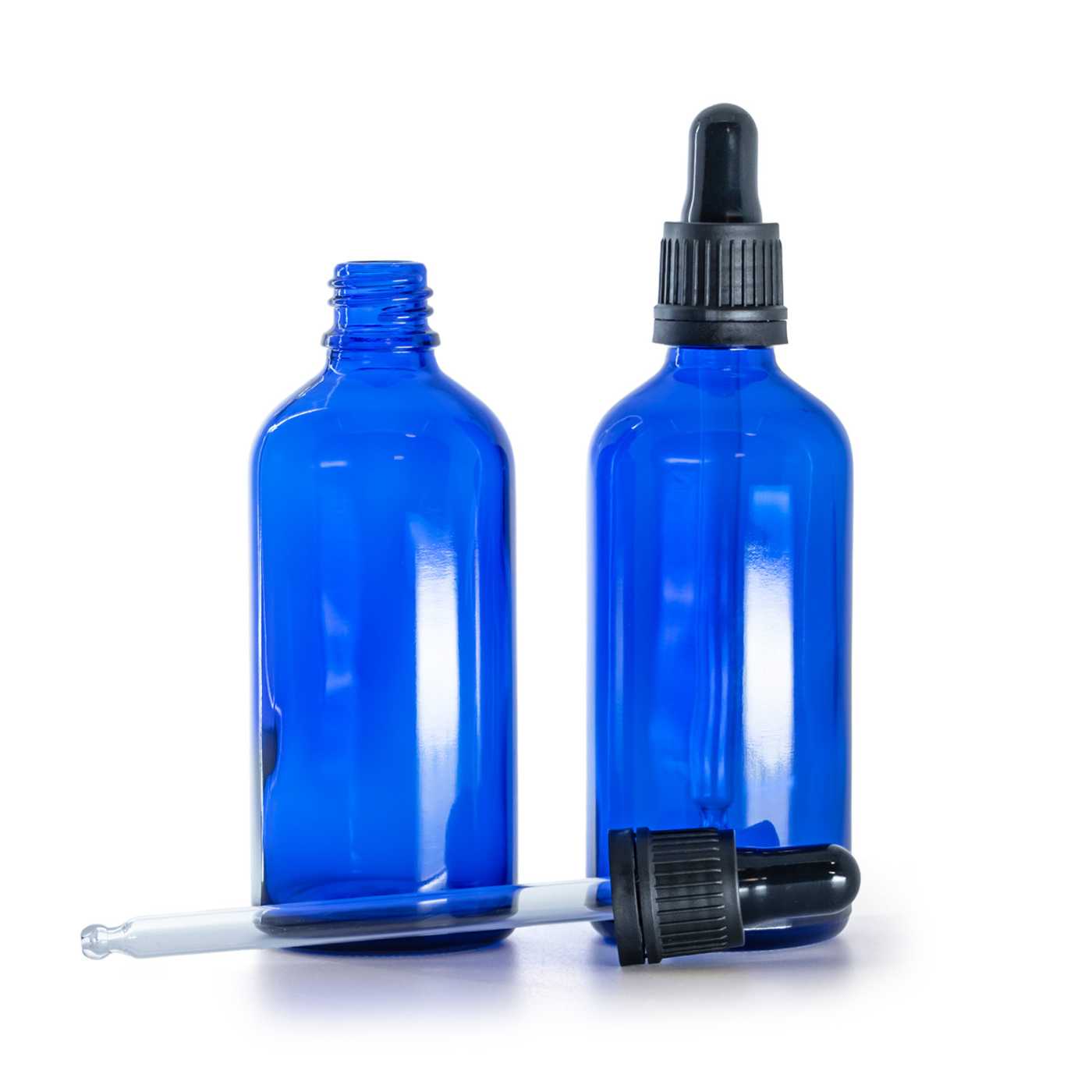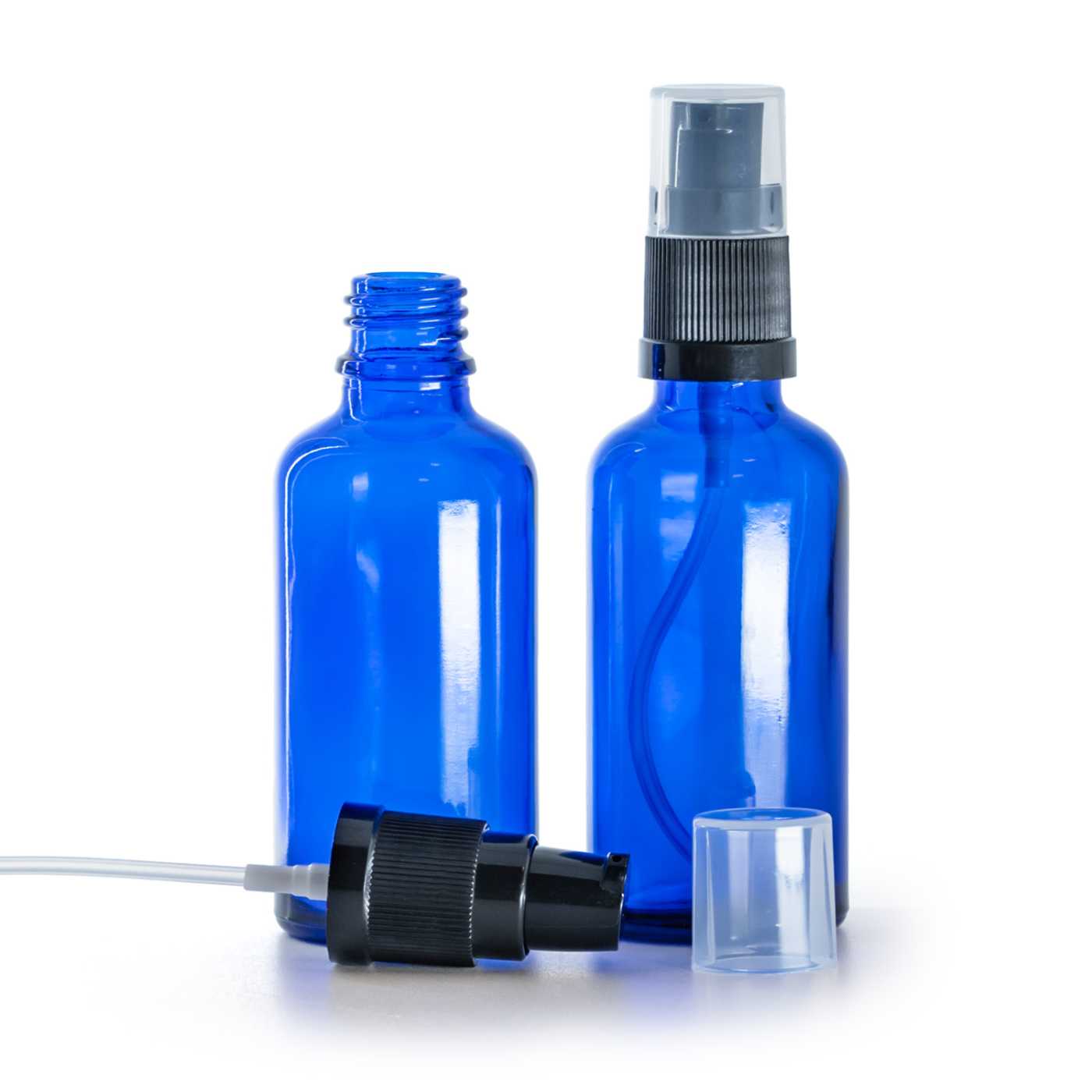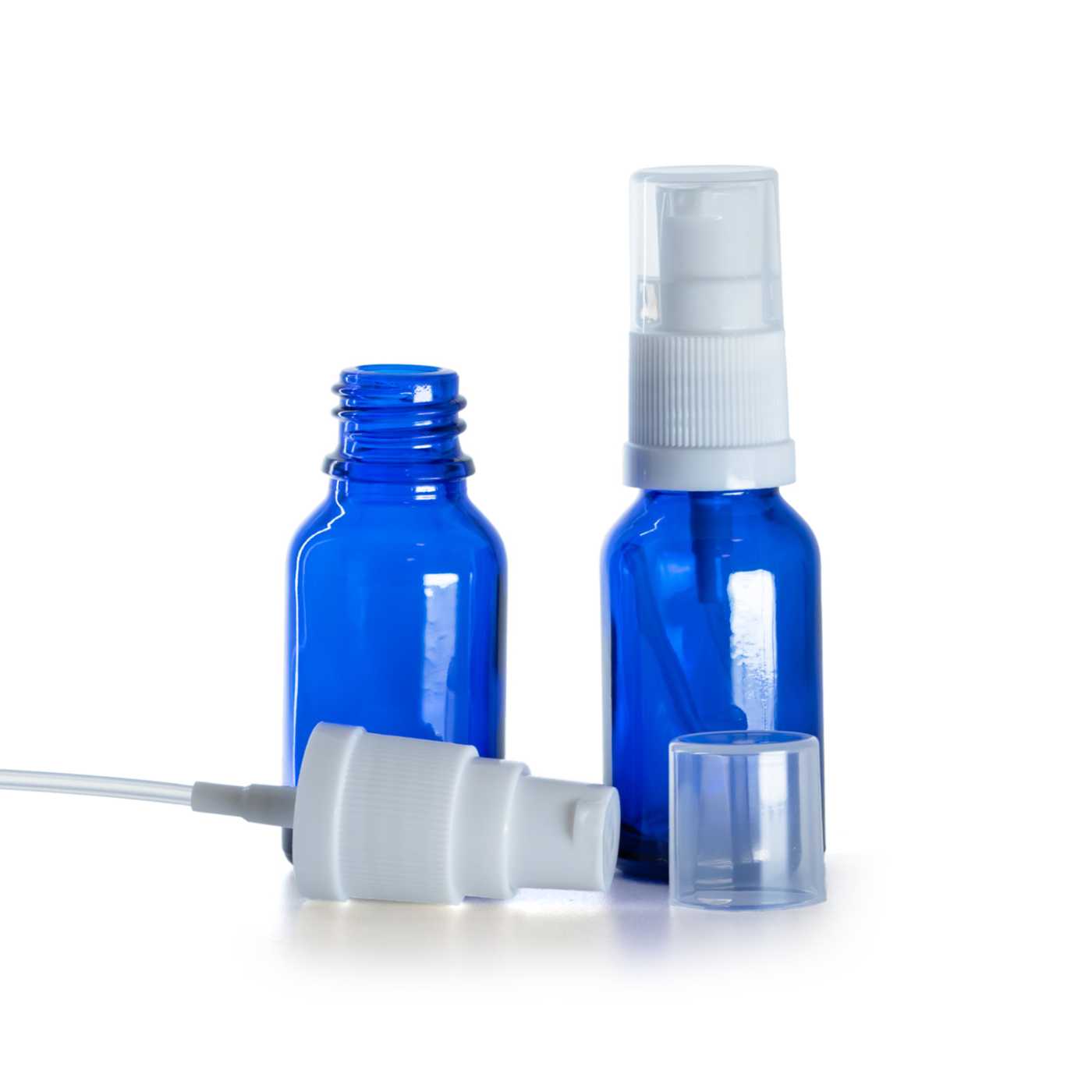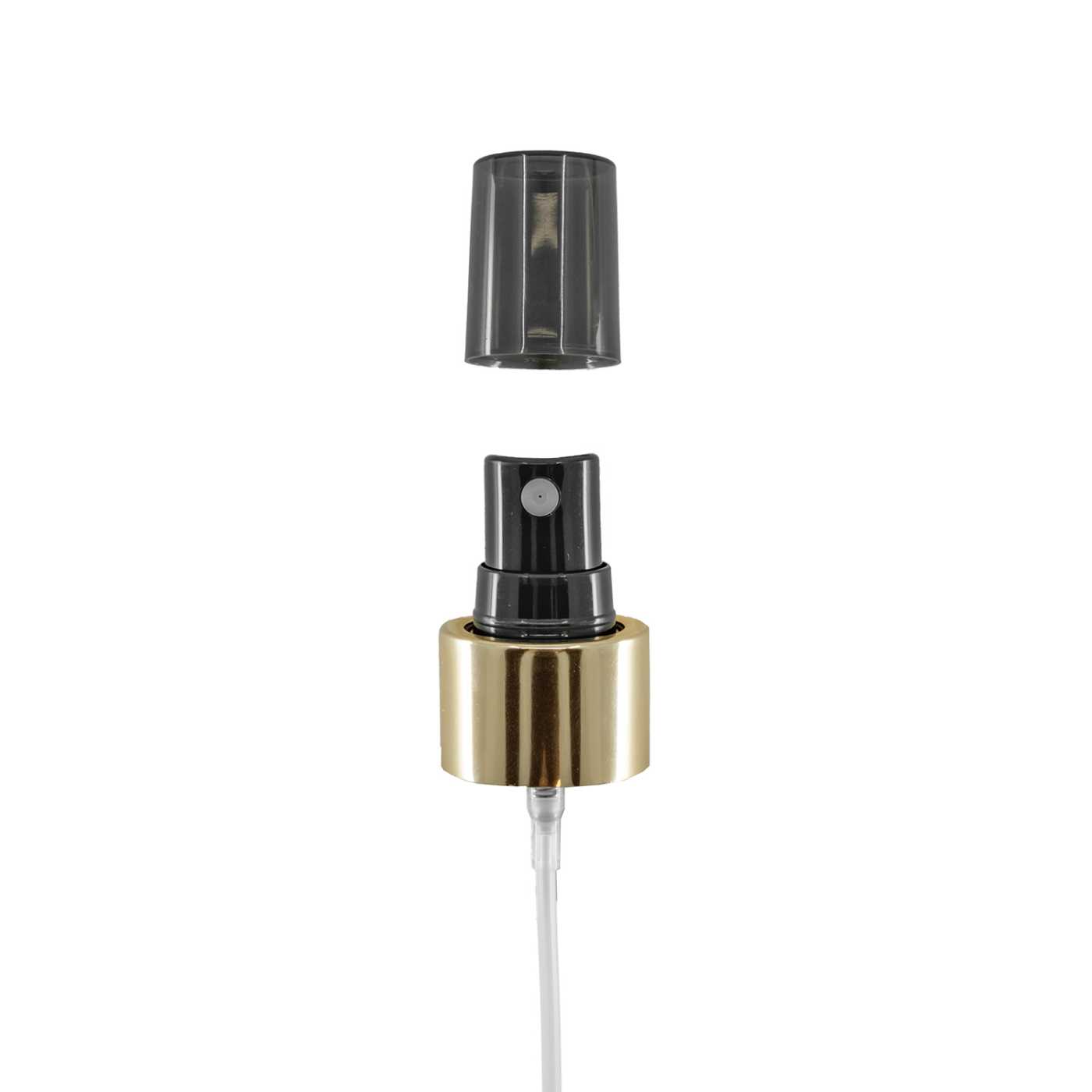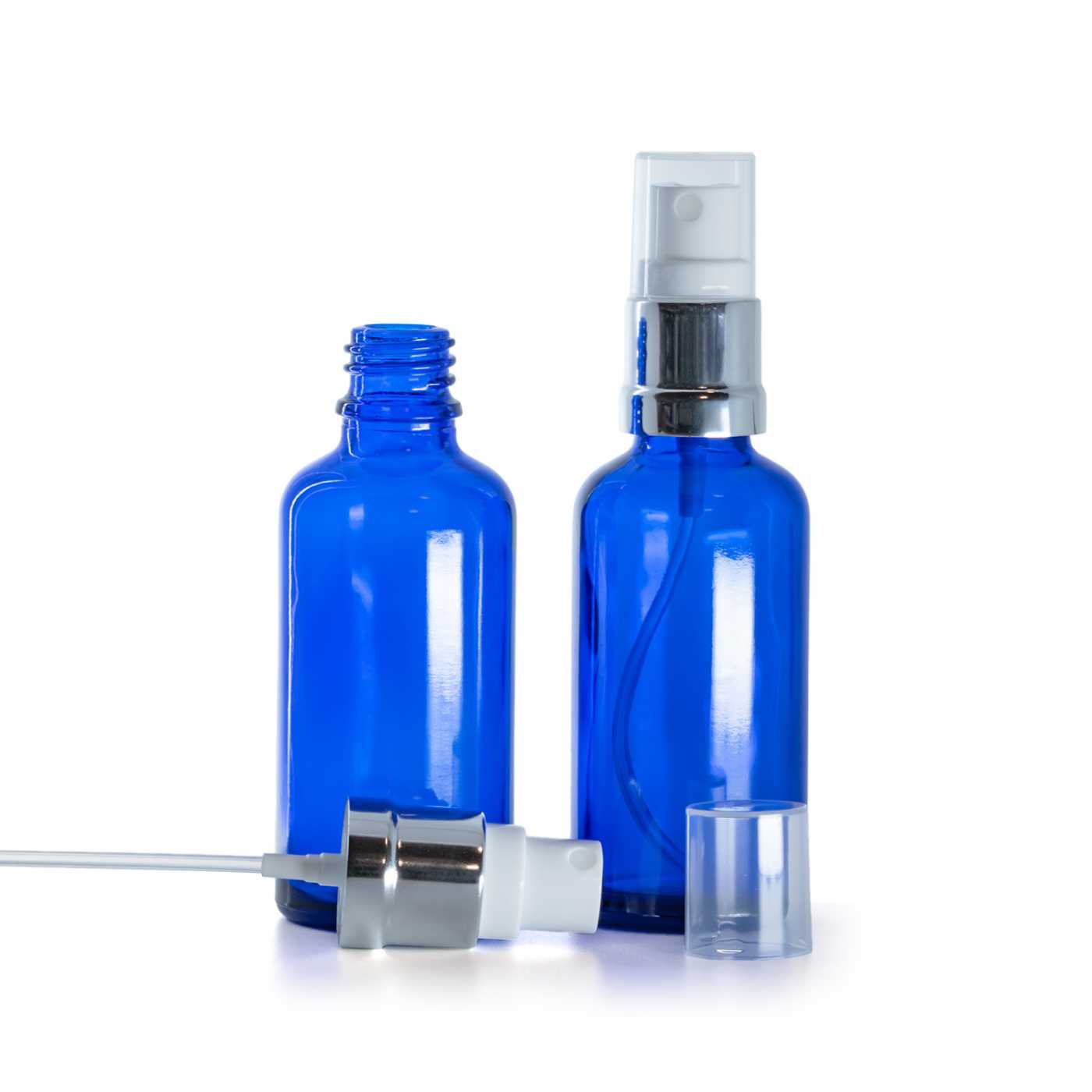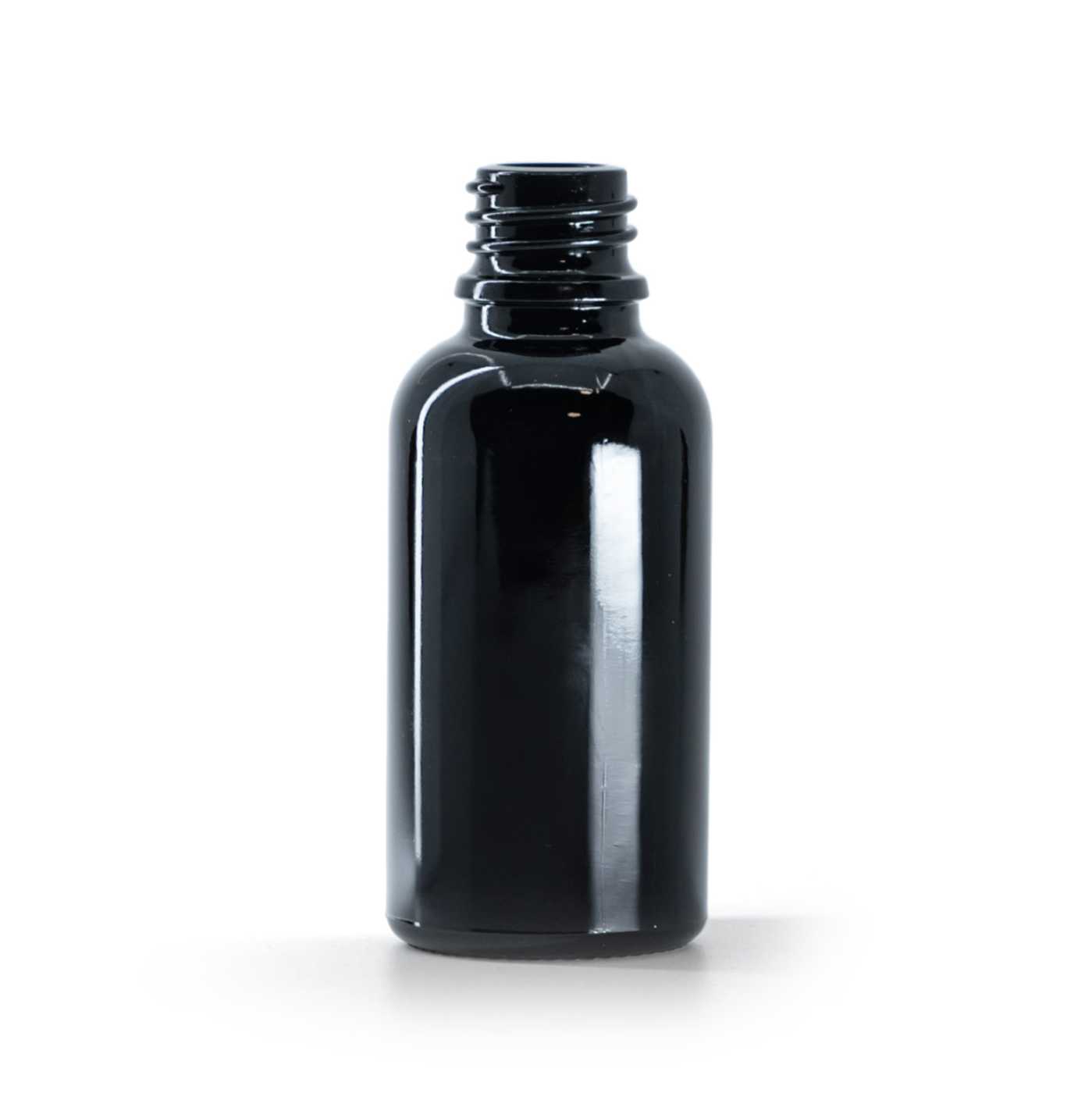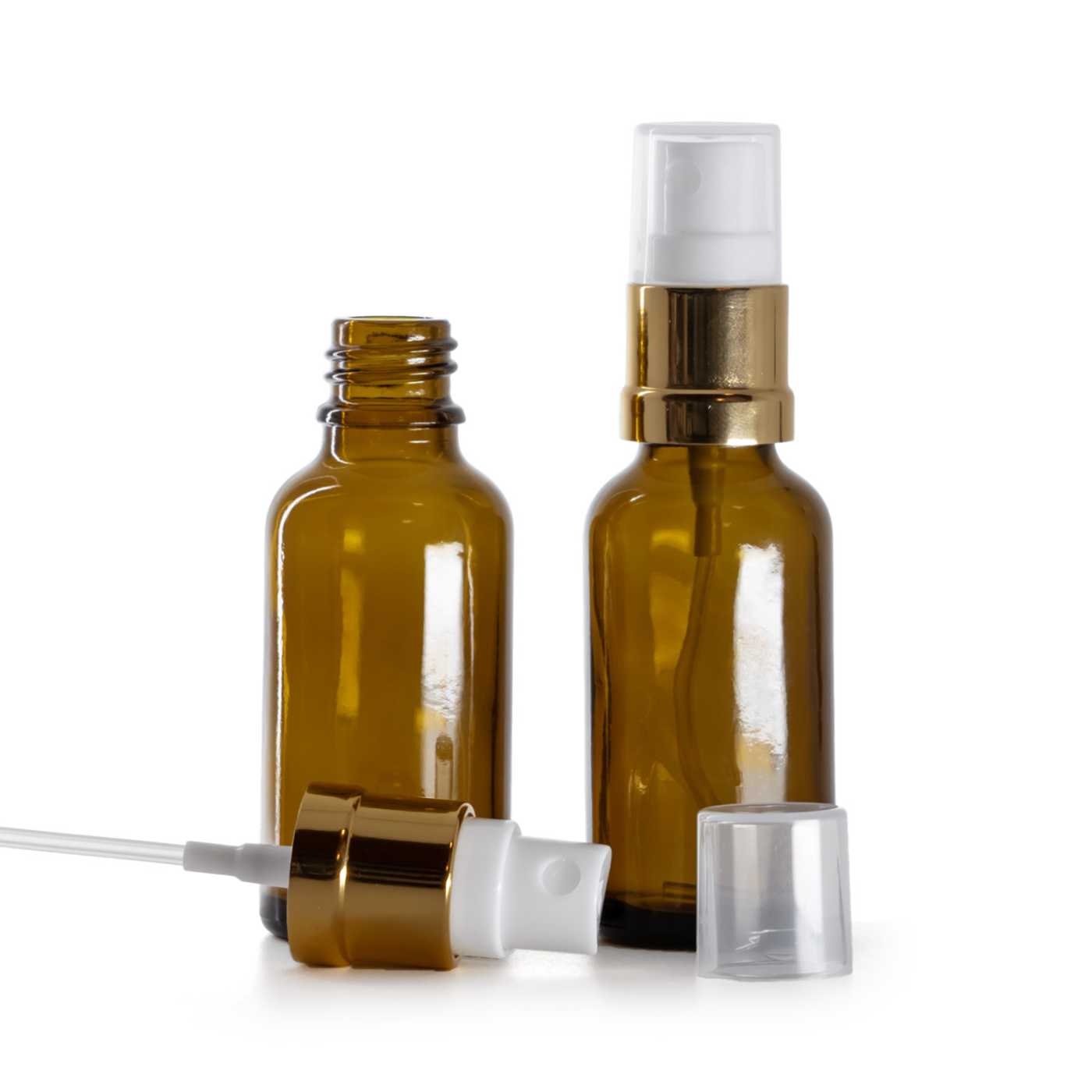
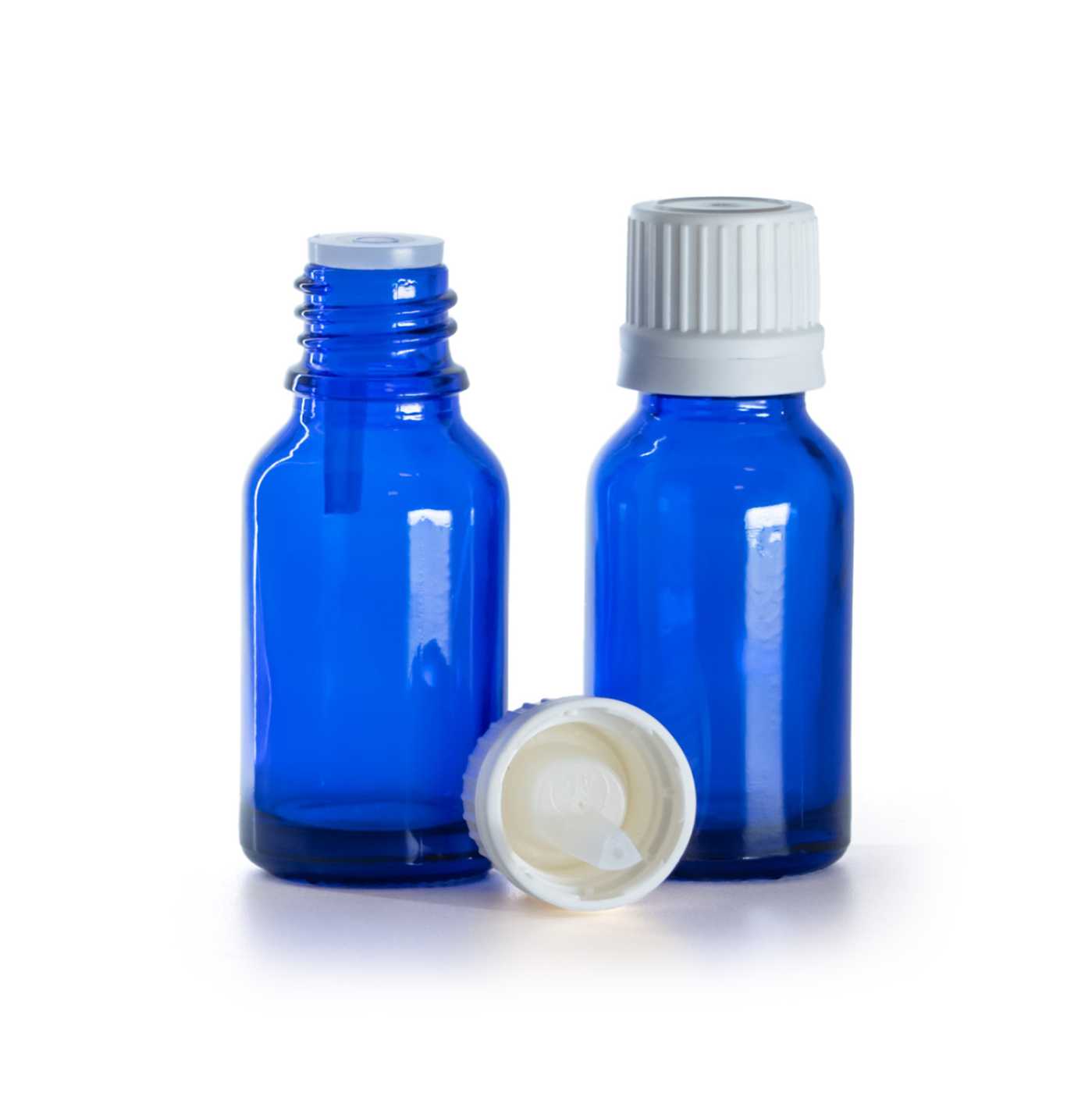
Blue Glass Bottle, White Tamper Evident Cap with Inner Dropper, 15 ml
Pre-order€0.56

DISINFECTION
Pack size100 ml500 ml1 l5 l10 l20 l100 l
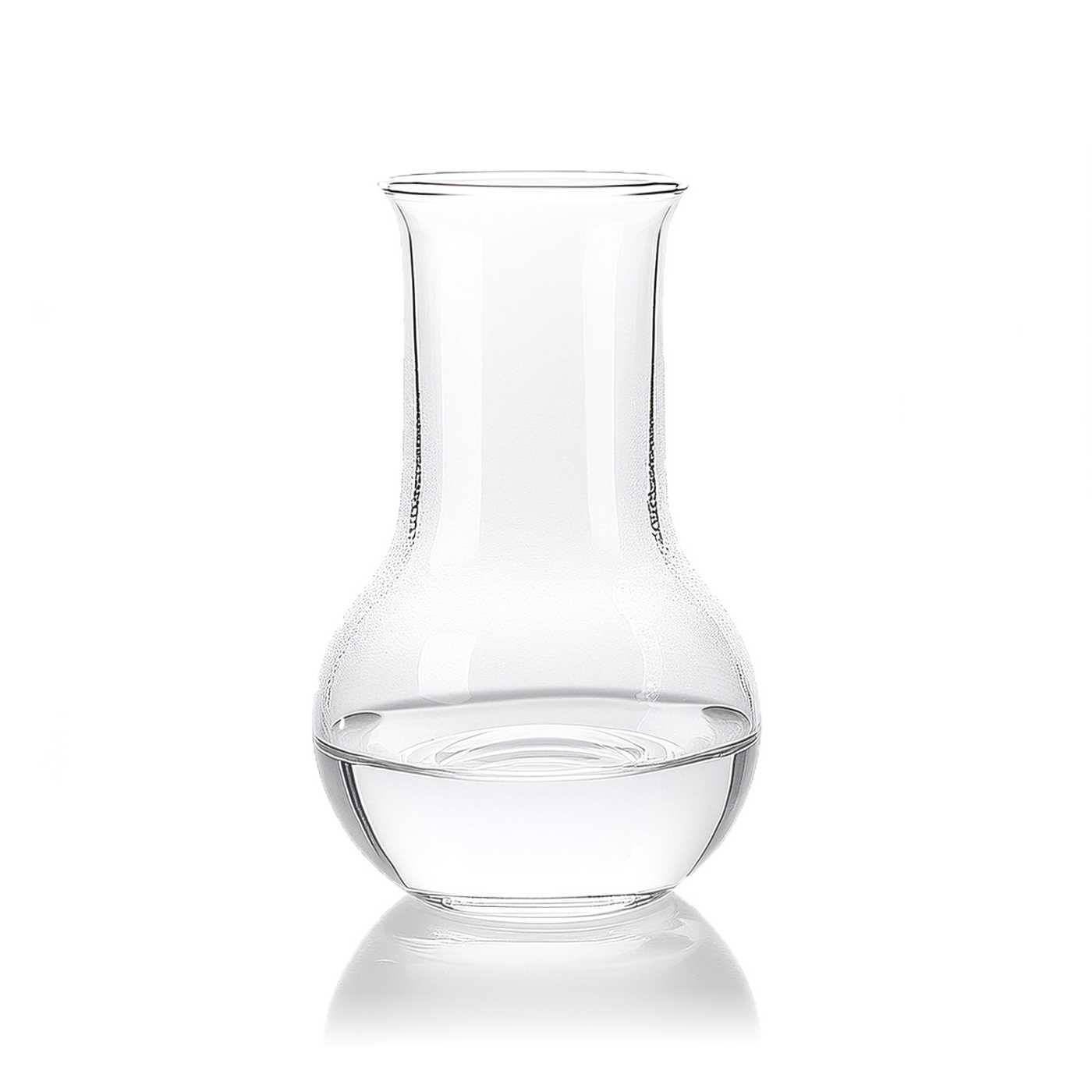
Ethanol 96%, denatured, vegetable is an alcohol produced by fermenting plant raw material and then distilling it. full description
Lowest price in the last 30 days: €89.99
Ethanol 96%, denatured, vegetable is an alcohol produced by fermenting plant raw material and then distilling it. It is used as a solvent for fragrance components in diffusers and as a base for household cleaning products. Fragrance oils and essential oils dissolve in it, it loosens grease from surfaces and it evaporates quickly.
In diffusers and aromatherapy, ethanol is the carrier of the fragrance. A mixture with a fragrance oil or essential oil is thinner and wicks up the reeds more easily. The ethanol evaporates and carries the fragrance into the room. Its proportion therefore affects how strongly and how quickly the fragrance is released.
In cleaning products, it dissolves grease and residual dirt. It is compatible with anionic, cationic, non-ionic and amphoteric surfactants and with fragrance, at both acidic and neutral pH. It also has an antimicrobial effect, which depends mainly on its concentration in the finished product.
Ethanol is fully miscible with water, with other alcohols and with glycols. It is added to the water phase or to the cool-down phase.
Add ethanol only at a temperature below 40 °C. At higher temperatures it evaporates intensively (its boiling point is 78 °C), the product loses alcohol content and there is a risk of the vapours igniting.
The usage rate is 1–70%, depending on the type of product. A solution with a concentration of 10 g/l has a pH of 5.5–8.5.
Ethanol alone does not guarantee preservation of a product. Microbiological stability depends on the combination of its concentration, pH and water activity. A high ethanol content together with an extreme pH suppresses bacteria quickly. At usage rates around 5% it acts only as support for the preservative system.
Ethanol is a highly flammable liquid with a flash point of approximately 12 °C. Its vapours form explosive mixtures with air in the range of 3.5–15% by volume, and the liquid irritates the eyes. Work with it in a ventilated area, away from flames and sparks, wearing eye and skin protection. It is subject to the CLP Regulation (GHS02 and GHS07 pictograms) and contains volatile organic compounds (VOC).
Do not mix ethanol with strong oxidising agents and peroxides (for example hydrogen peroxide), with nitric and sulfuric acid, or with alkali metals and alkaline earth metals. This applies especially to household cleaning products containing peroxide.
The product is of technical grade and is intended for diffusers, aromatherapy and cleaning products. For products applied to the skin, safety depends mainly on the denaturing agent, because ethanol itself is only poorly absorbed through the skin.

All great
Translated automatically