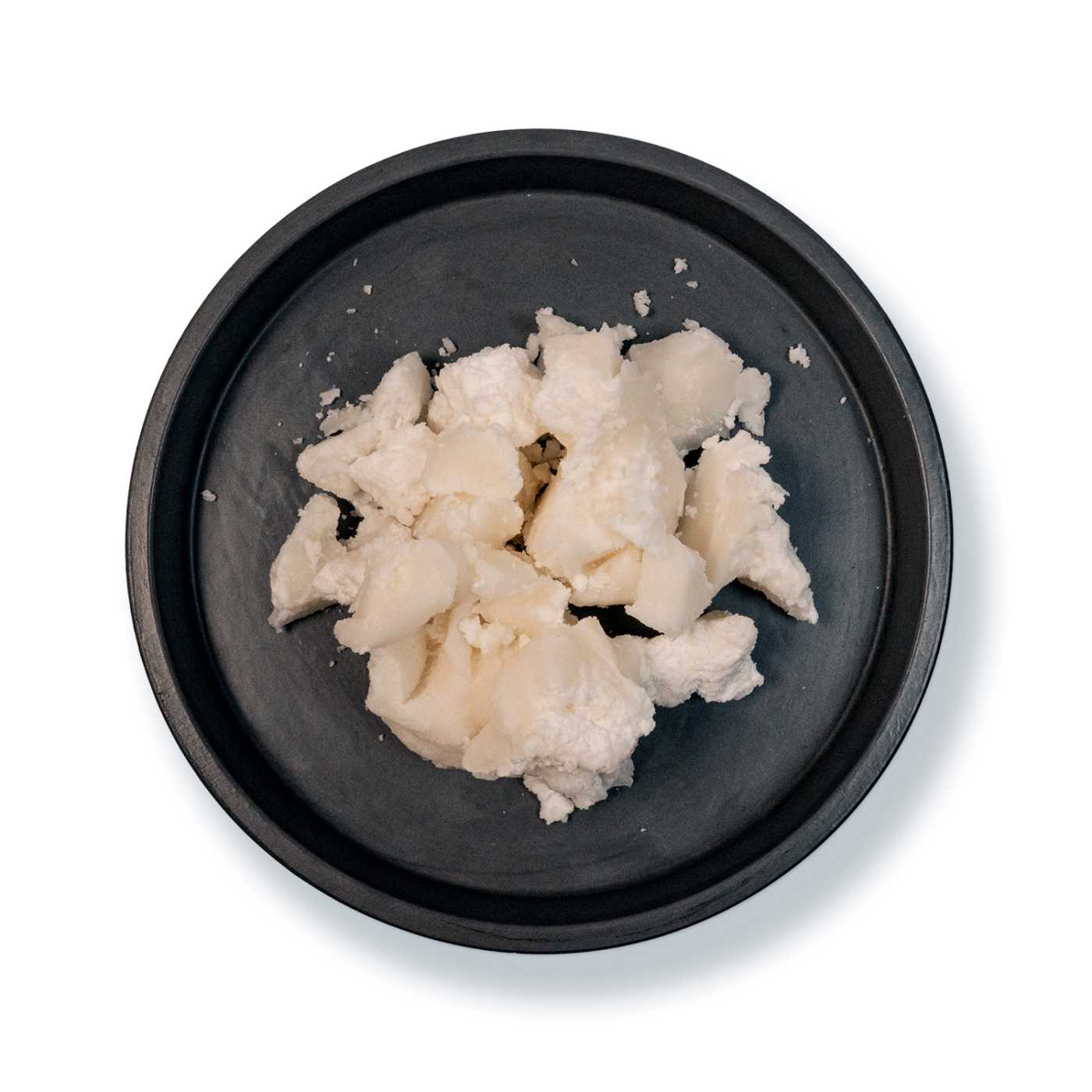
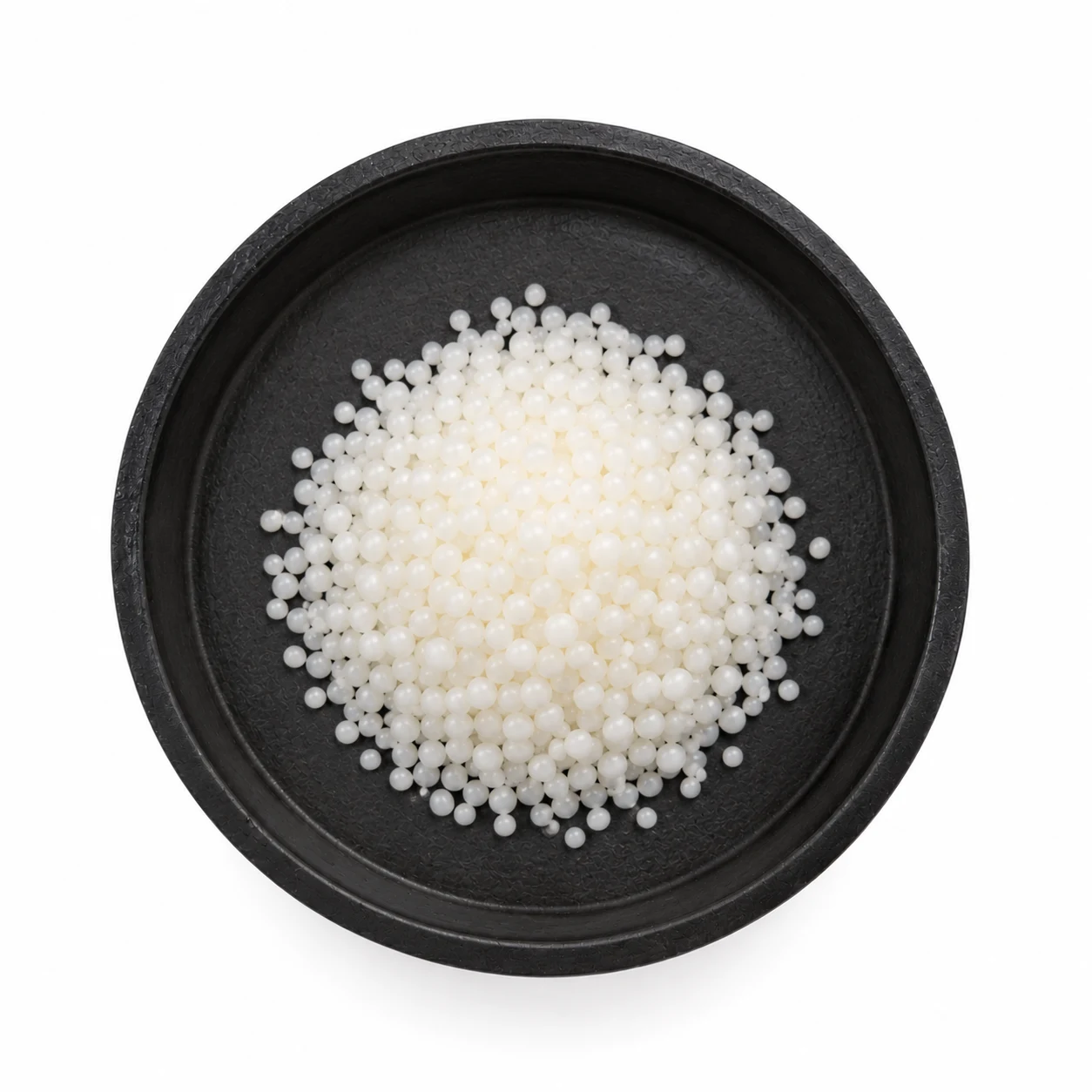
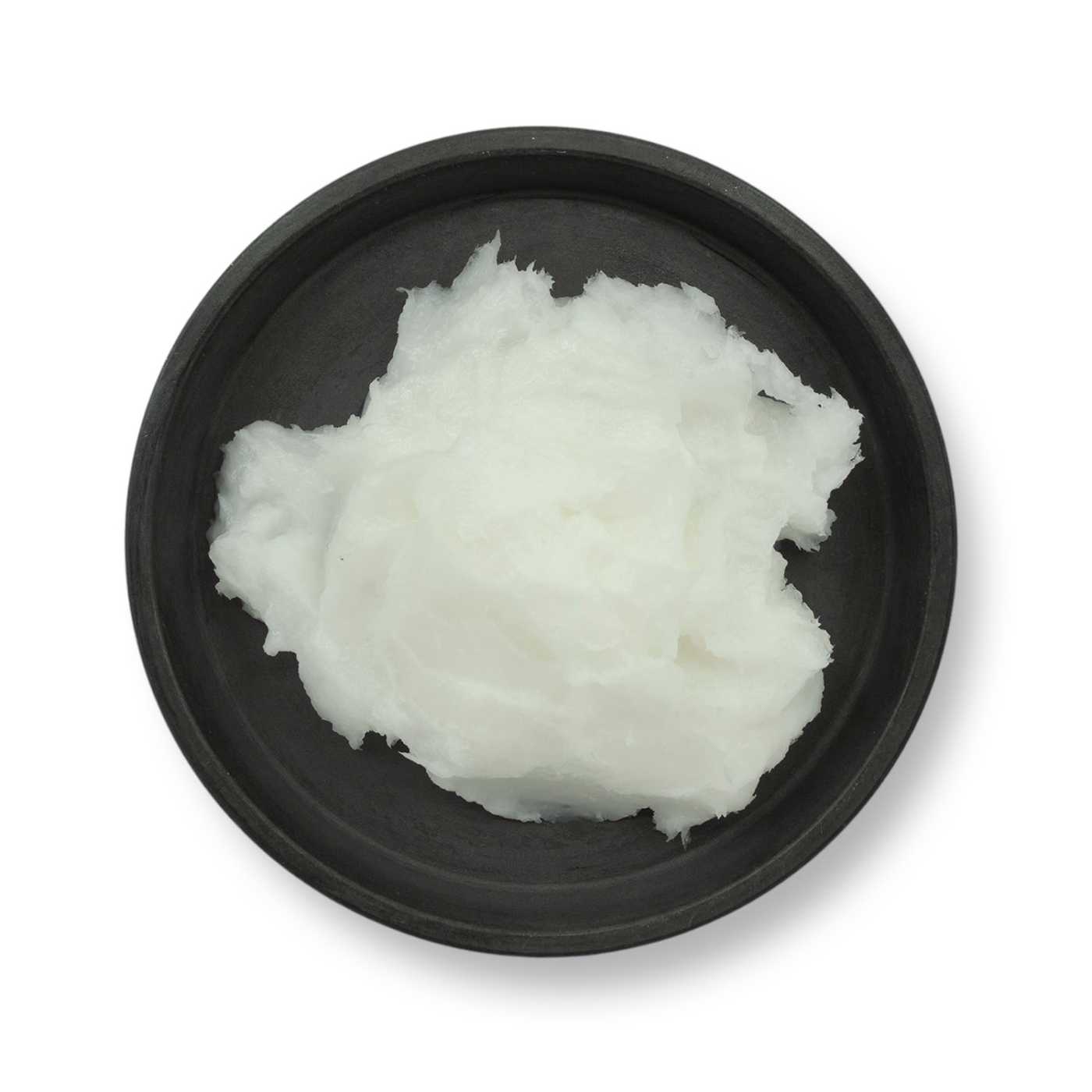
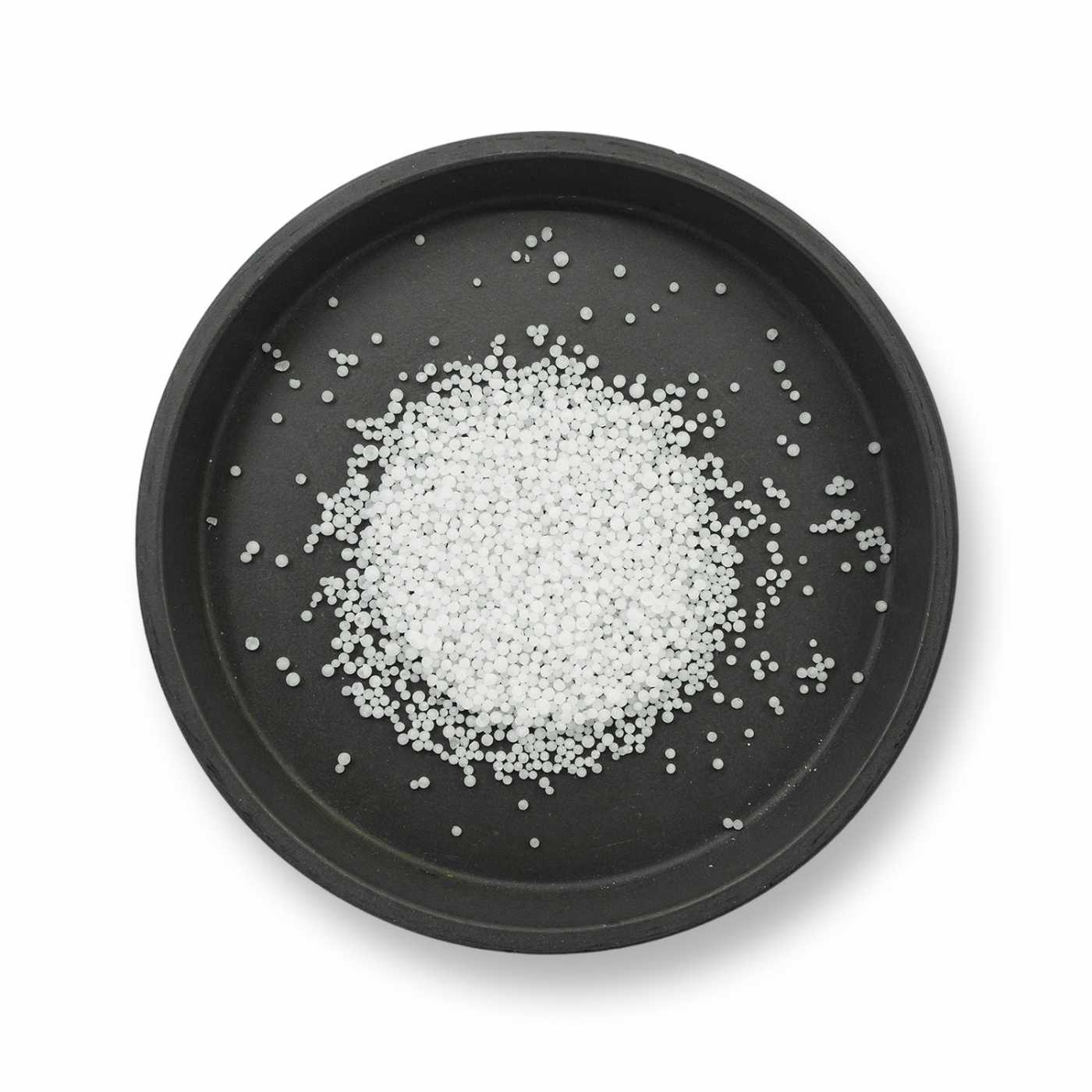
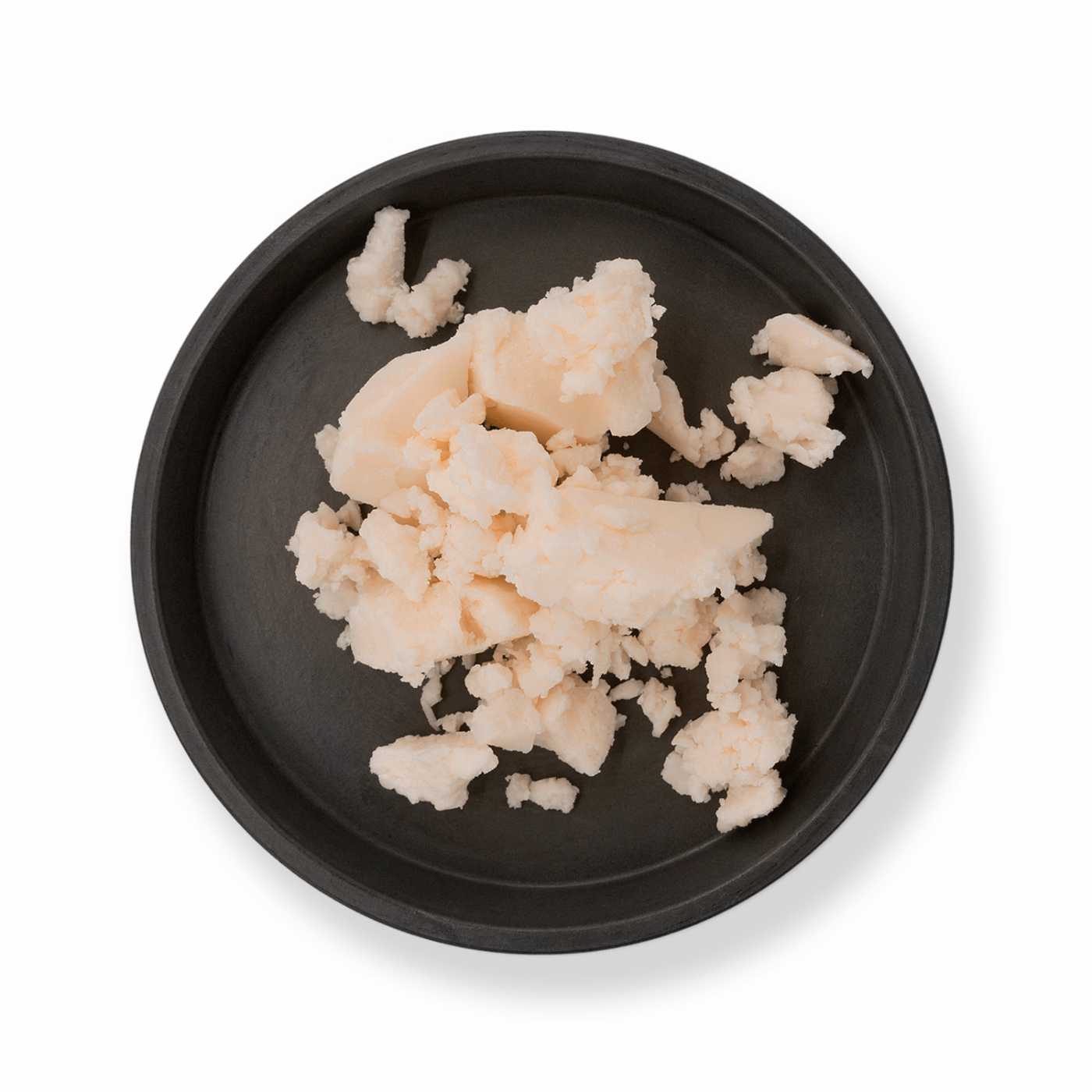
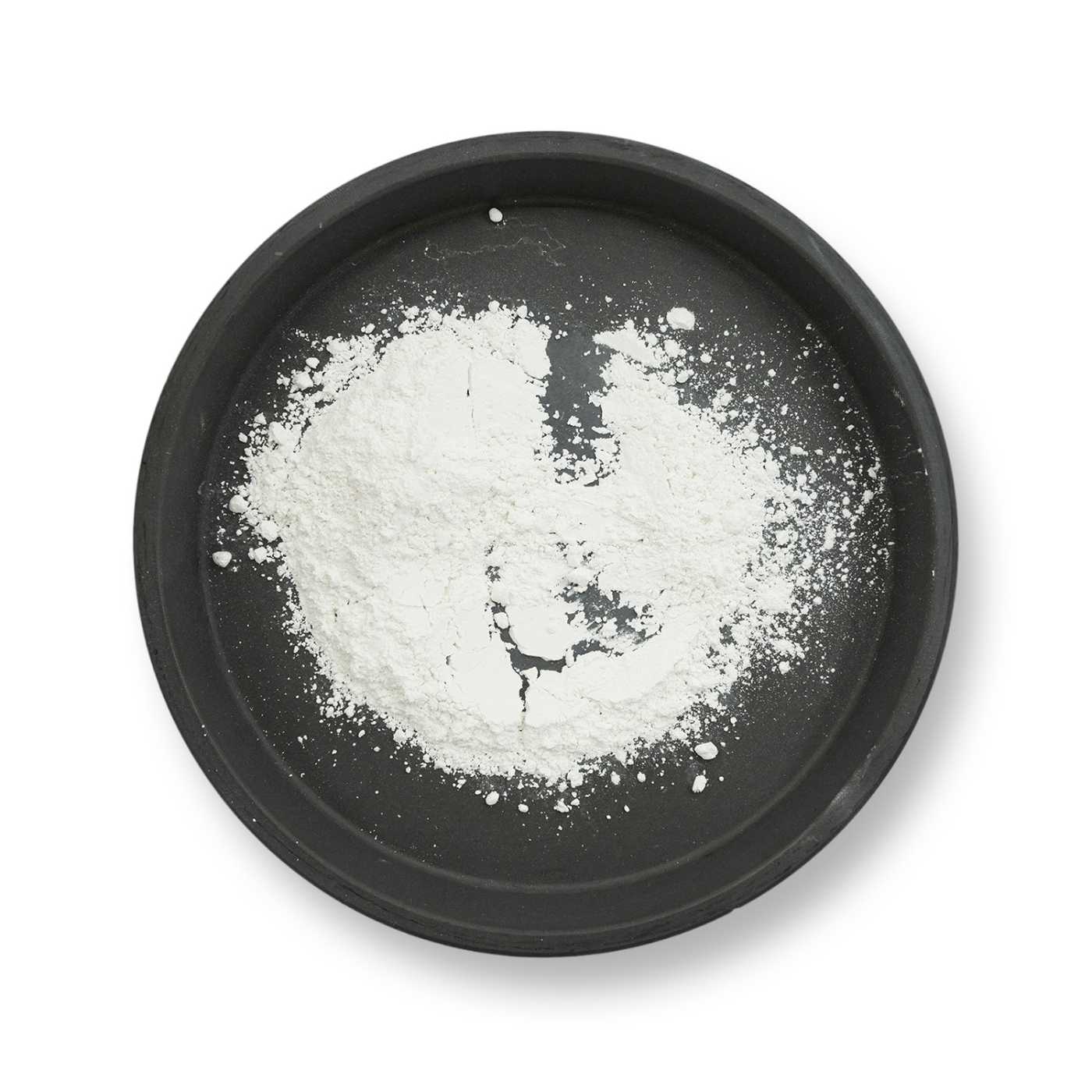
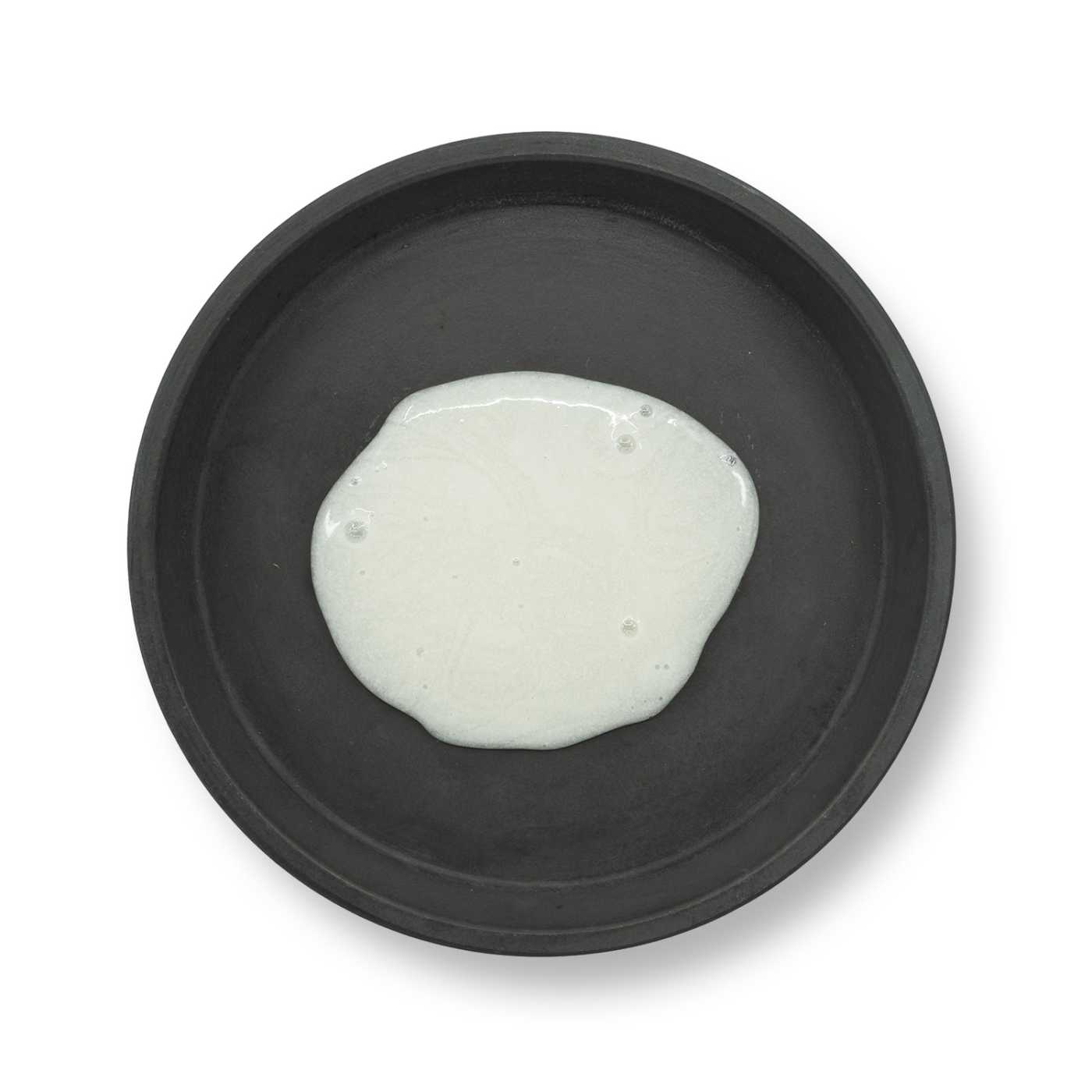
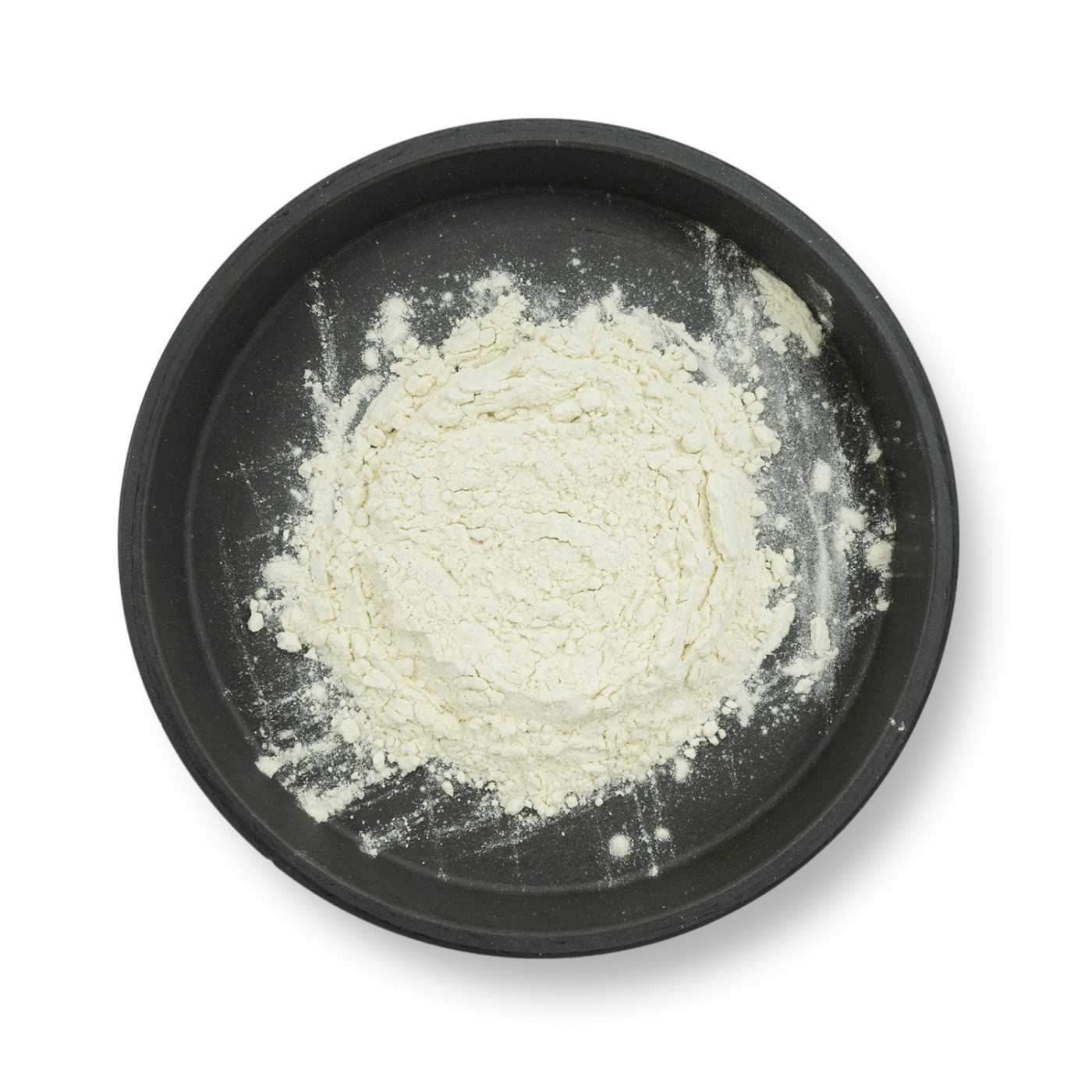
Glyceryl Stearate Citrate GSC is an anionic O/W emulsifier without PEG for oil-in-water creams and lotions, which remain stable across a wide pH range and during temperature fluctuations. It is produced by esterification from vegetable raw materials (palm, rapeseed and maize sources) and is added to the oil phase in hot processing.
The manufacturer recommends it for facial and body creams, lotions, baby cosmetics, sun care products and after-sun products. The palm component is certified RSPO MB (Mass Balance).
Key properties
- Emulsion stability at pH 5–8 – a range that covers common facial cosmetics, including formulations with a slightly acidic pH close to that of the skin.
- Resistance to heat and frost – according to the manufacturer, correctly formulated emulsions are stable in the range of −25 °C to +45 °C.
- Free from PEG and ethylene oxide – suitable for formulations that avoid ethoxylated ingredients.
- Wide oil compatibility – emulsifies vegetable oils, synthetic esters and mineral oils, and tolerates the presence of UV filters and moisturising ingredients.
- Solid form – the pellets are easy to weigh out and melt at 58–64 °C together with the other oil phase ingredients.
Use in formulations
The usage rate is 1.5–3.5% of the total weight of the emulsion. Creams are formulated with an oil phase of 20–35%, lotions with 10–25%. The HLB value is approximately 12.
The emulsifier is melted in the oil phase. The oil phase and the water phase are heated separately to approximately 80 °C, then the hot oil phase is added to the hot water phase with constant stirring and the coarse pre-emulsion is homogenised. If stirring is not possible while combining the phases, the two phases are combined without stirring and homogenisation is started only afterwards. This prevents the formation of a W/O emulsion. The processing temperature should be above 65 °C.
During cooling, the emulsion must be kept in constant motion, both horizontally and vertically. The viscosity increases and the emulsion acquires a creamy consistency as the hydrated consistency agents solidify. A carbomer dispersion in oil is added at 60 °C and the emulsion is then briefly homogenised again. Fragrance compositions and heat-sensitive ingredients are added at 35–45 °C, and neutralisation is carried out at approximately 35 °C.
The thickness of the finished emulsion is determined by the consistency agents. According to the manufacturer, Cetearyl Alcohol, Glyceryl Stearate or stearic acid have proved effective. Their proportion determines whether a fluid lotion or a firmer cream is produced.
Suitable for products such as
- Facial creams and lotions – the basic use for which the manufacturer developed the emulsifier.
- Body lotions and hand creams – a lower proportion of oil phase gives lighter, easily spreadable textures.
- Baby cosmetics and products for sensitive skin – leave-on creams and lotions for the face, body and hands.
- Sun care and after-sun products – the emulsions tolerate UV filters and heat stress during summer use.
- Wet wipes – thin O/W emulsions, which the manufacturer lists among the recommended applications.
Good to know
The raw material has an anionic character. When it is combined with cationic ingredients, for example conditioning agents or cationic preservatives, the stability of the emulsion needs to be verified.
An aqueous dispersion of the emulsifier has a pH of 4.5–6.8 (50 g/l, 20 °C). To stabilise the pH of the finished emulsion, the manufacturer recommends buffering it with 0.1% of disodium hydrogen phosphate (Disodium Phosphate), especially at a higher usage rate of the emulsifier. Frost resistance can be improved by water-swellable polymers, for example carbomer.
The emulsifier is intended for hot processing, and the pellets must be melted in the oil phase. It is not suitable for cold-processed emulsions.
Emulsions based on this emulsifier contain water and require preservation. The choice of preservative is adapted to the resulting pH, which should be checked together with the stability of the finished product.
Frequently asked questions
Is Glyceryl Stearate Citrate soluble in water?
No, Glyceryl Stearate Citrate does not dissolve in water; it is oil-dispersible. During production, the pellets are melted in the heated oil phase and the emulsifying effect appears only after combining with the water phase and homogenisation. It is not added directly to the water phase or to the finished emulsion.
Can Glyceryl Stearate Citrate be used in cold-process creams?
No, Glyceryl Stearate Citrate requires hot processing. The oil phase and the water phase are heated to approximately 80 °C, and the processing temperature should be above 65 °C. Without melting, the pellets remain in the oil as solid particles and no emulsion is formed. A different type of emulsifier is needed for cold-processed formulations.
What is the difference between Glyceryl Stearate Citrate and Glyceryl Stearate?
Glyceryl Stearate is a non-ionic ester used mainly as a consistency agent and co-emulsifier. Glyceryl Stearate Citrate additionally has citric acid attached, which gives it an anionic character and the ability to stabilise O/W emulsions on its own at pH 5–8. The two raw materials complement each other; according to the manufacturer, Glyceryl Stearate is among the recommended consistency agents for this emulsifier.
How much Glyceryl Stearate Citrate should be added to a cream?
The recommended usage rate of Glyceryl Stearate Citrate is 1.5–3.5% of the total weight of the emulsion. The amount is chosen according to the required stability and the proportion of oil phase. At a higher usage rate, the manufacturer recommends adding 0.1% of disodium hydrogen phosphate to the water phase to stabilise the pH.
Is Glyceryl Stearate Citrate suitable for baby cosmetics and sensitive skin?
Yes, Glyceryl Stearate Citrate is suitable for sensitive skin and baby skin, and the manufacturer recommends it for baby cosmetics. The raw material is free from PEG, ethylene oxide and parabens, and it contains no fragrance or food allergens. The tolerance of the finished product also depends on the other ingredients in the formulation, so we recommend having the finished product dermatologically tested.
Does Glyceryl Stearate Citrate also work with mineral oil and UV filters?
Yes, Glyceryl Stearate Citrate forms stable emulsions with vegetable oils, synthetic esters and mineral oils. According to the manufacturer, the emulsions tolerate UV filters and moisturising ingredients well, which is why the emulsifier is also recommended for sun care and after-sun products.