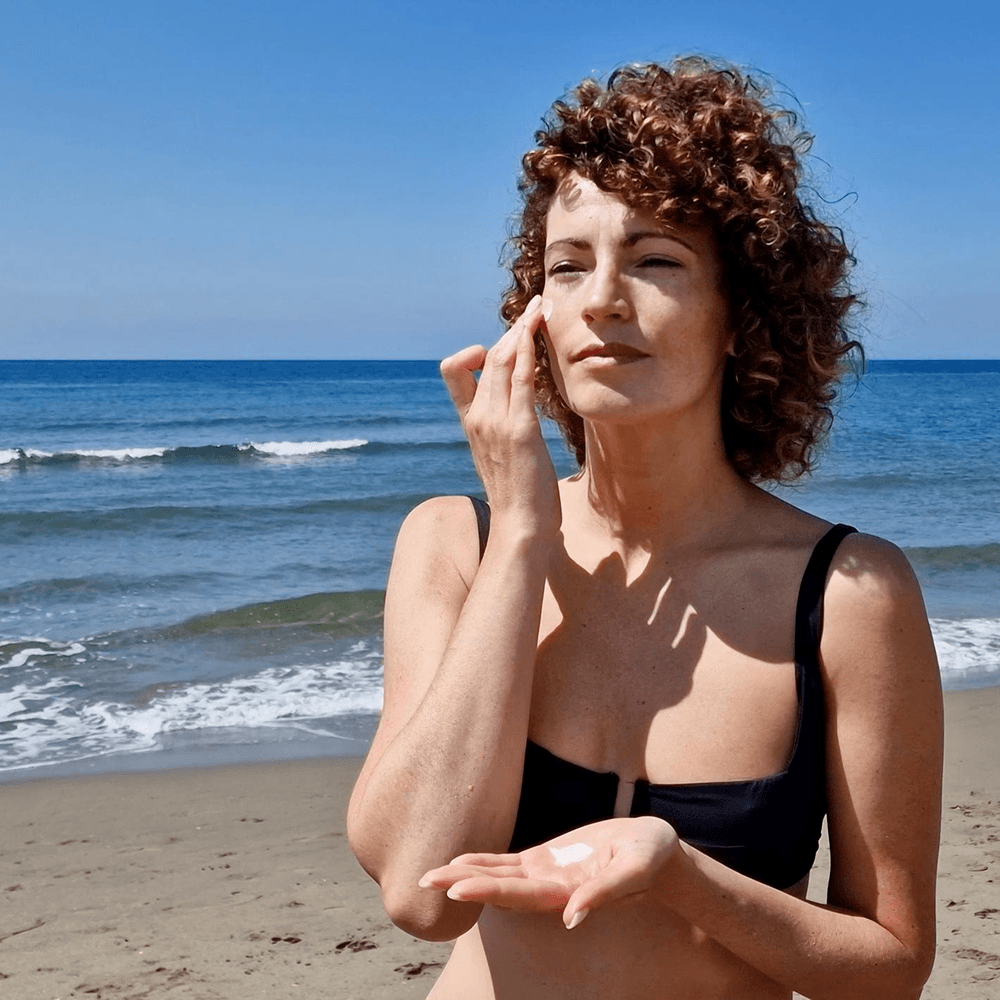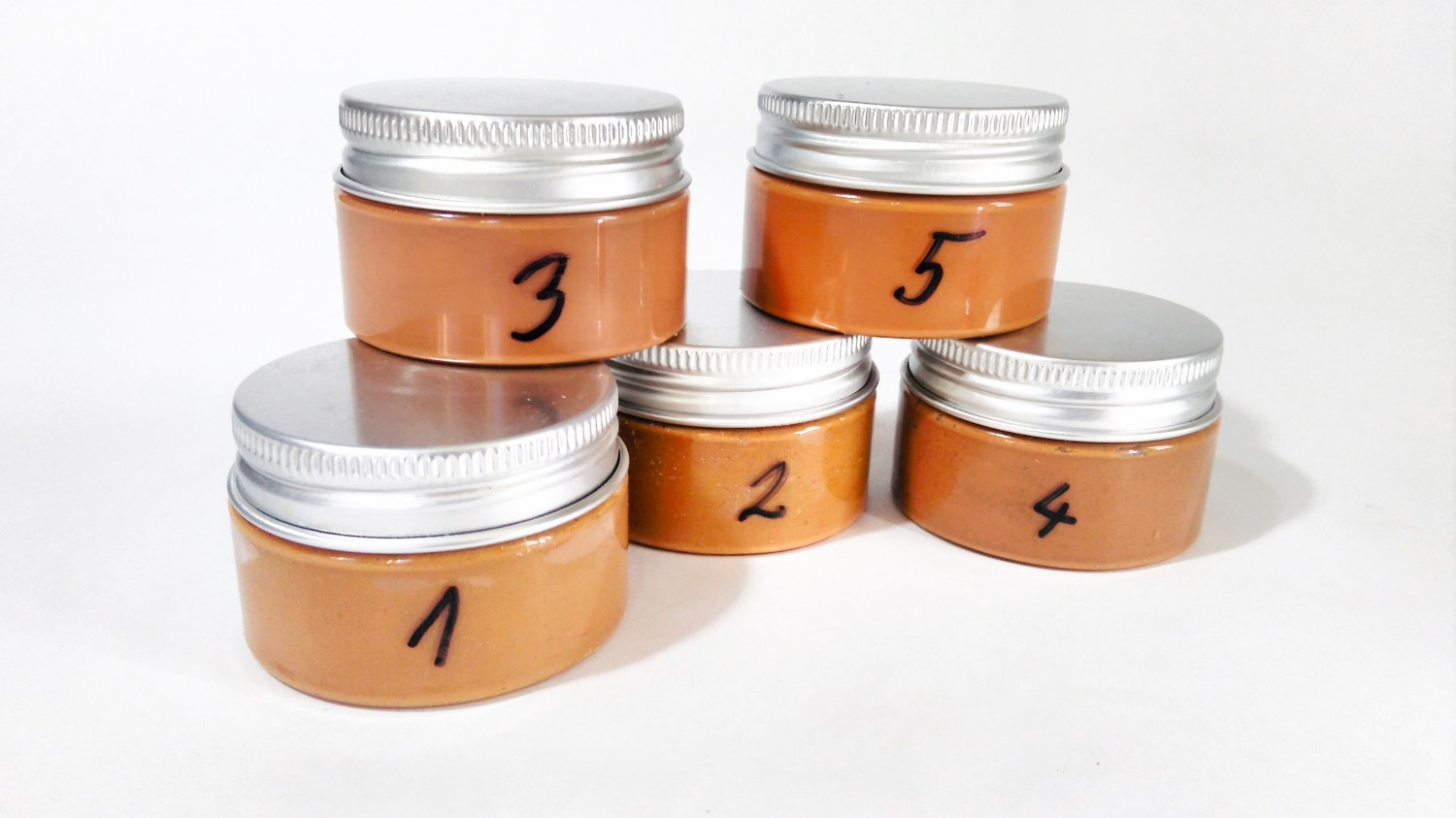
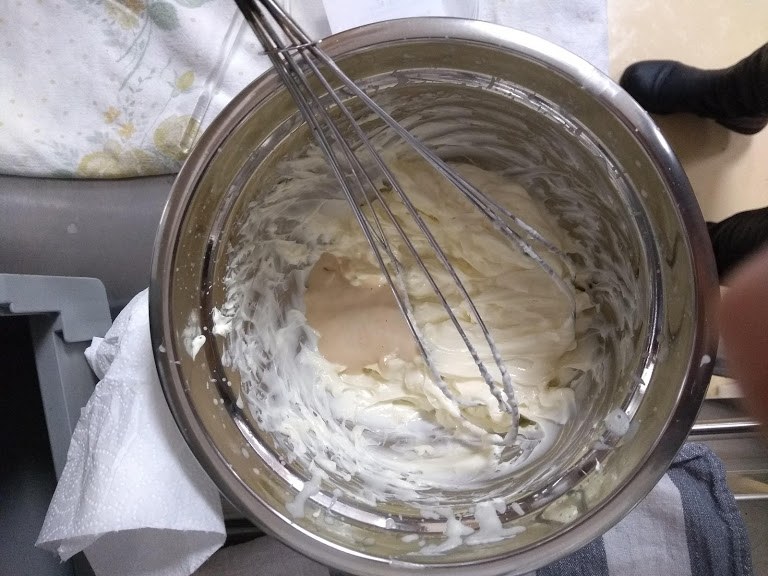
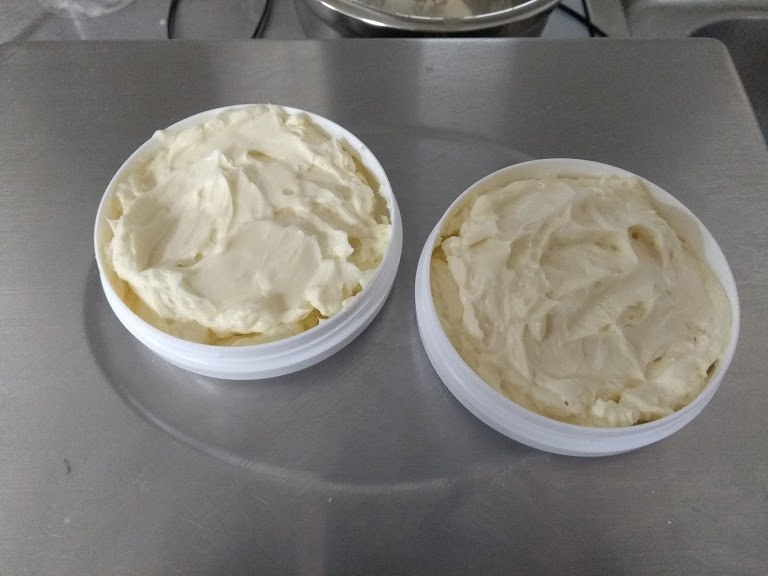
How do you make homemade cream? We will describe in more detail the procedure for making a thicker cream for dry skin and a light face cream for 25+ skin. We will show you two ways — and that it really is not that complicated.
About this recipe
In this article you will find two recipes for homemade cream — a thicker cream for dry skin and a light face cream suitable for mature 25+ skin. Both are built on the same procedure: the ingredients are weighed out, the individual phases are prepared separately and then gradually combined into an emulsion.
Before we start with the actual formulations of the recipes, it is necessary to explain a few theoretical pieces of information — why the recipe is given in percentages and what the individual phases mean.
Main benefits
- Two recipes at once
A thicker cream for dry skin and a light face cream for 25+ skin — while following the same procedure.
- Formulation in percentages
From a recipe given in percentages you can easily calculate multiples or fractional quantities.
- A clear division into phases
Oil phase A, water phase B, additives in phase C and temperature-sensitive ingredients in phase D — you know what to add and when.
- A combination of emulsifiers
The first recipe uses as many as four types of emulsifier: lanolin, beeswax, Olivem 1000 and cetyl alcohol.
- Nourishing, dense consistency
Natural co-emulsifiers are very nourishing and ensure an excellent final density of the cream.
Product properties
Phase formulation
It is good to have the recipe, or in cosmetic terms the formulation, given in percentages. It is like baking, where you also need to follow exact quantities. Then you can easily calculate multiples or fractional quantities from it. It is equally important to follow the individual phases or procedures during production. Each step in the manufacturing process is designed to ensure the correct quality of the final product. If the procedure is not followed, it can lead to products that will not completely suit us.
| Phase | What it contains |
|---|---|
| phase A | tends to be the oil phase — it contains oil-soluble ingredients |
| phase B | is therefore the water phase — it contains water-soluble ingredients |
| phase C | contains ingredients that are additives, and a higher temperature of the mixture does not cause deterioration of the nutritive properties of the ingredients |
| phase D | mostly contains ingredients that are sensitive to higher temperature, which means that they could lose their nutritive properties, and therefore they are added only when the mixture is approximately below 40 °C; alternatively, it is good to know the temperature sensitivity limits of the ingredients you use and mix them in only after this limit has been reached |
| phase C and D | if phases C and D form a dry mixture, do not be alarmed that you have a bad recipe, and simply take a smaller amount of glycerine or hydrolate from the water phase — you will thus ensure a homogeneous mass of both phases; for the emulsion it is best to add ingredients in liquid or gel form, otherwise there is a risk of lumps |
Key ingredients in the recipe
In the formulation you can also combine several emulsifiers, or add so-called co-emulsifiers — these are mainly purely natural emulsifiers, which by themselves are not strong enough to emulsify the mixture, but are very nourishing and ensure an excellent final density of the cream. In our recipe we used as many as 4 types of emulsifier — lanolin, beeswax, Olivem 1000 and cetyl alcohol.
Olivem 1000
Olivem 1000 is the main emulsifier of the recipe for the thicker cream and it makes up 6 % of the formulation in the oil phase A. It is the emulsifier that holds the oil and water phases together — but it will not do it alone, it needs intensive whisking as well as the support of co-emulsifiers.
Lanolin
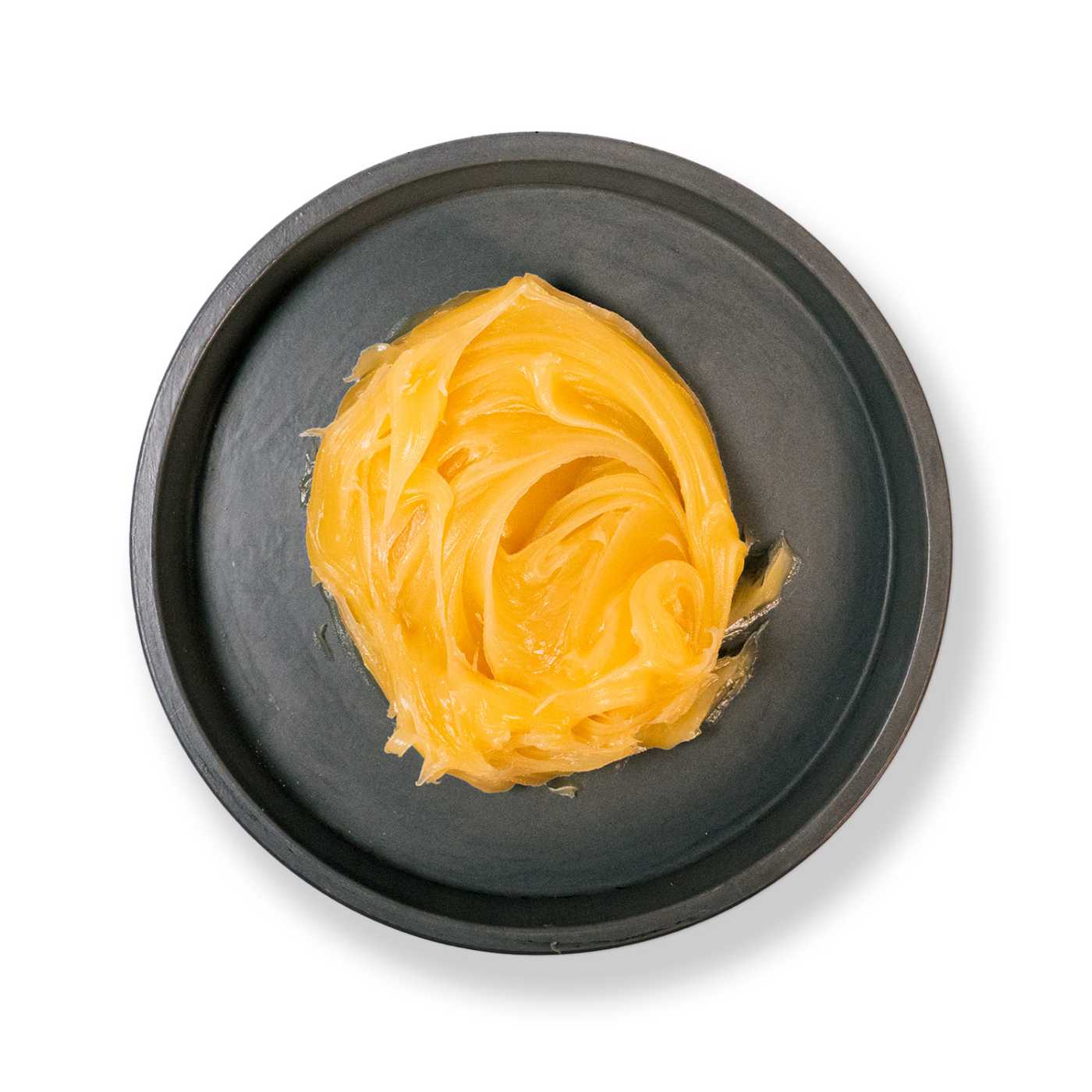
Lanolin is one of the purely natural co-emulsifiers. By itself it is not strong enough to emulsify the mixture, but it is very nourishing and, together with the other emulsifiers, it ensures an excellent final density of the cream. In the recipe it appears in phase A at 5 %.
Beeswax
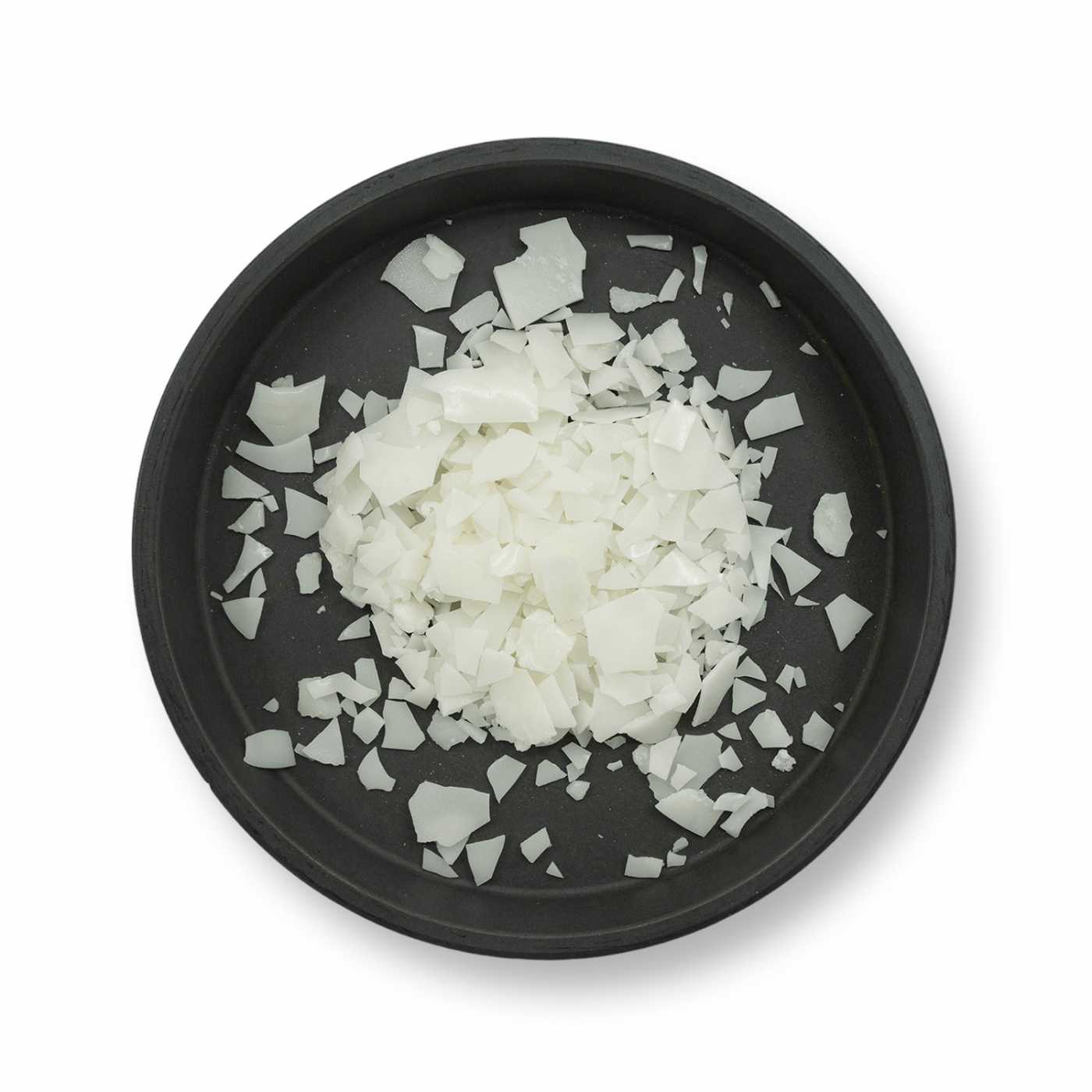
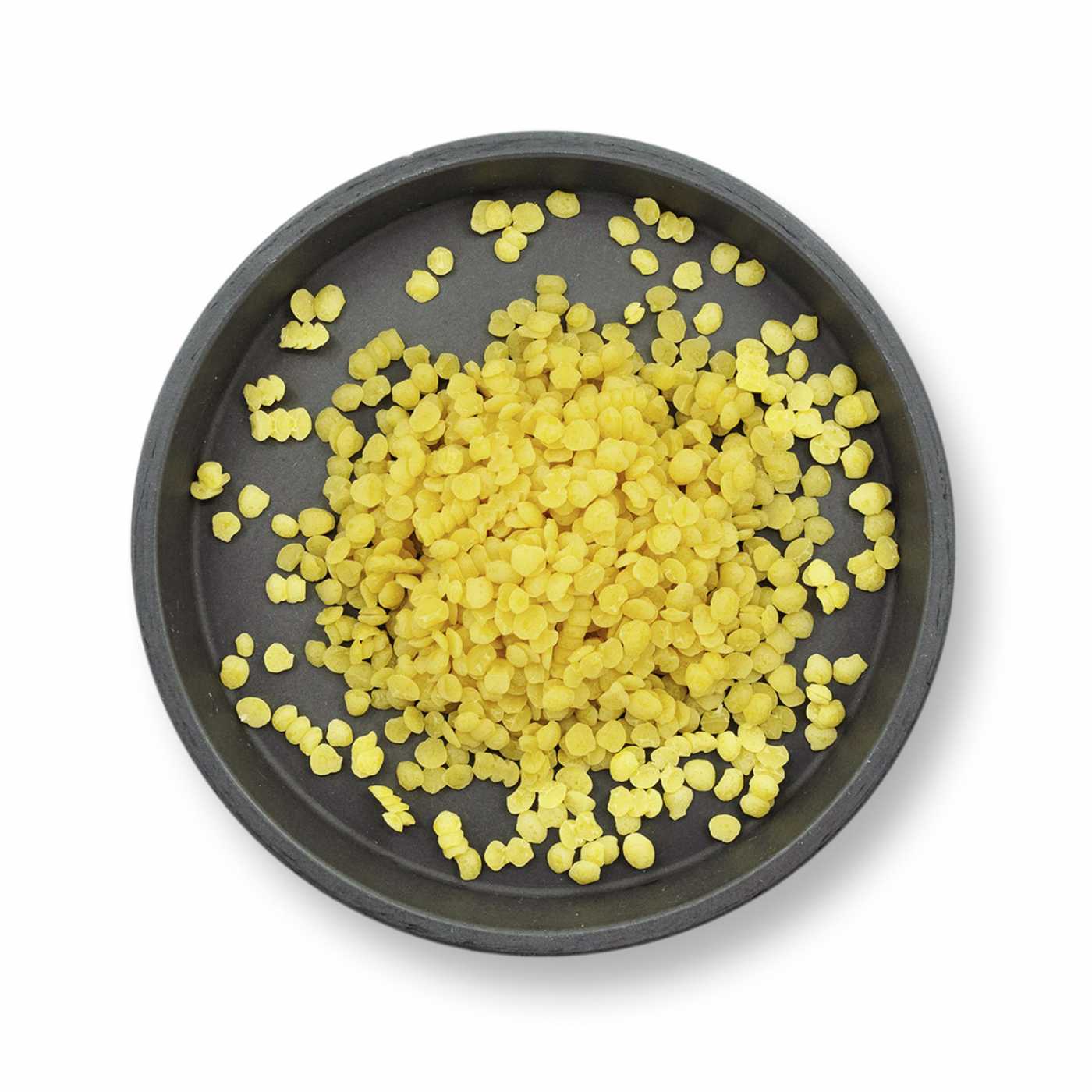
Beeswax is also a natural co-emulsifier with the same role as lanolin — nourishment and density of the finished cream. In the formulation you will find it in phase A at 3 %. Soy or sunflower lecithin will serve a similar purpose.
Cetyl alcohol
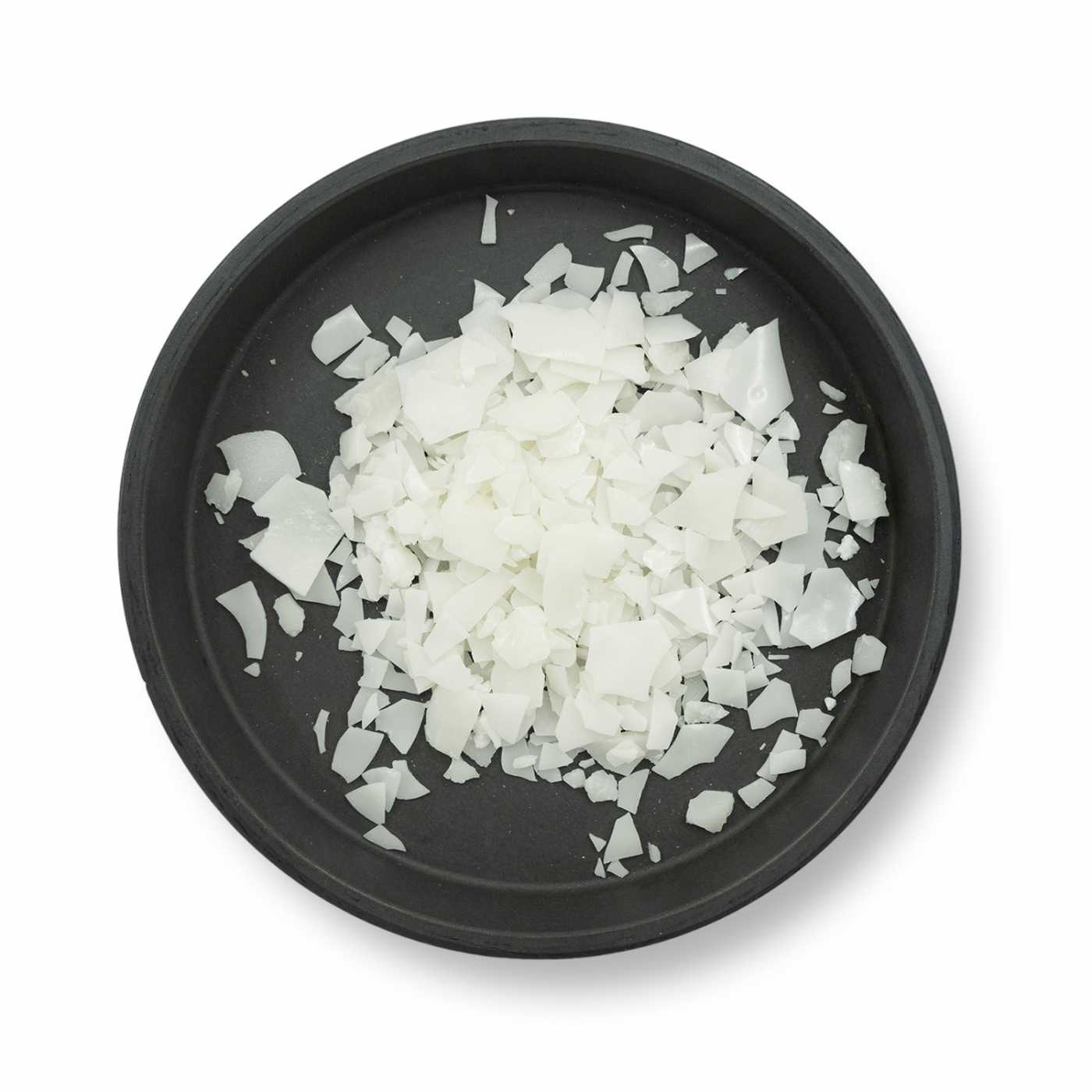
Cetyl alcohol is the fourth emulsifier of the first recipe and makes up 3 % of phase A. Together with Olivem 1000, lanolin and beeswax it creates the combination that gives the cream its consistency.
Other ingredients
Besides the emulsifiers, phase A (oil) contains shea butter and calendula macerate in sunflower oil.
Phase B (water) is built on aloe vera juice and Roman chamomile hydrolate, complemented by glycerine, D-panthenol and allantoin.
Phase C brings the additives that a higher temperature of the mixture will not harm: oat silk, the Cosgard preservative and pomegranate CO2 extract.
The formulation (100 g)
The ingredient contents are given in percentages, so they correspond to a batch of 100 g of finished cream. Below you will find both formulations — each has its own shopping list and its own table of ingredients divided by phase.
Recipe 1 — thicker cream for dry skin
Shop the ingredients for this recipe
Untick what you already have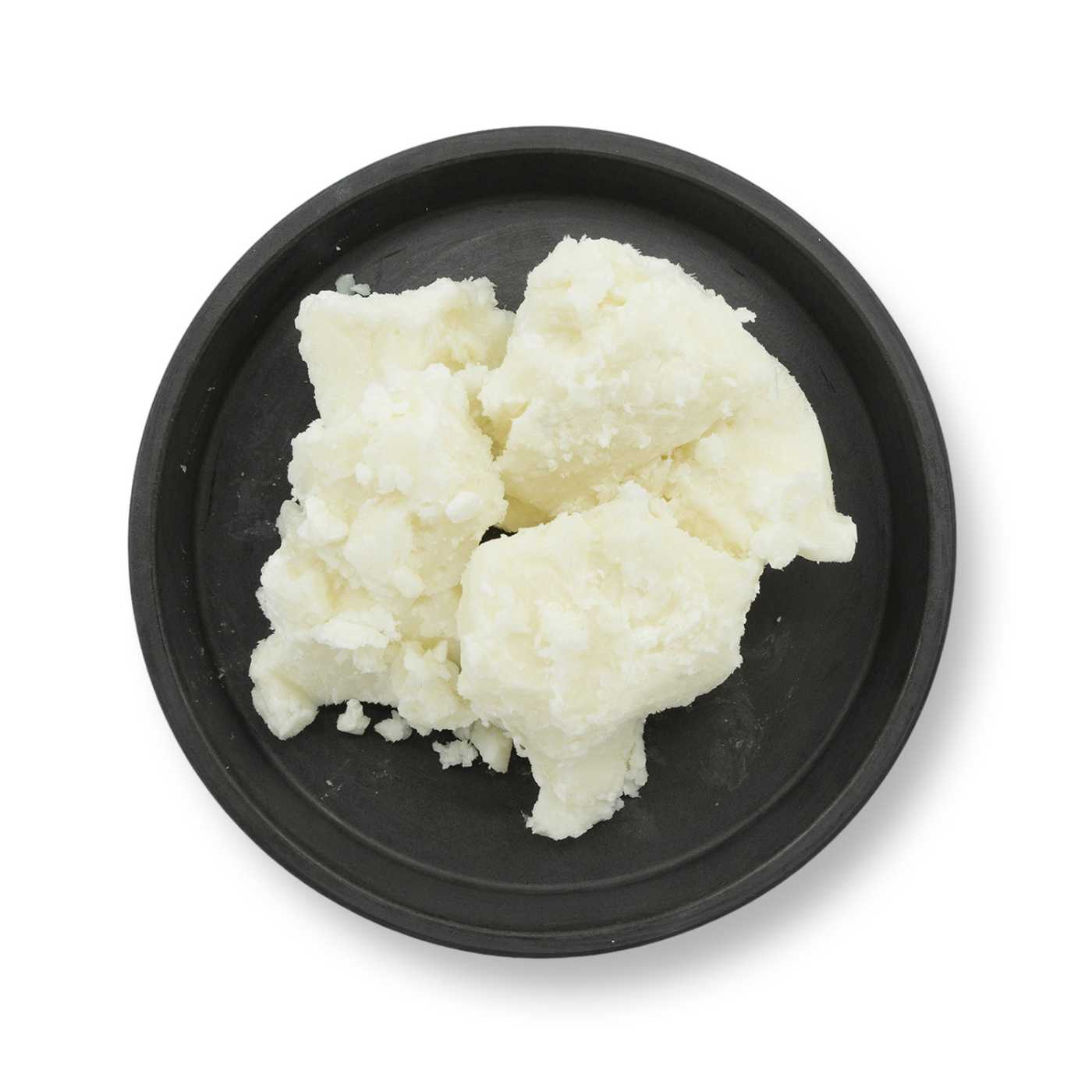 Shea Butter, Refined, 250 guses 13 gin stock€4.19
 Calendula, Infused in Sunflower Oil, 100 mlrecipe uses 7.00 gsold outWatch availability€4.19
- Olivem 1000, 50 guses 6 gin stock€7.34
- Anhydrous Lanolin USP, 100 guses 5 gin stock€4.40
- Yellow Beeswax, yellow pellets 100 guses 3 gsold outWatch availability€3.35
- Cetyl Alcohol, 50 guses 3 gin stock€1.79
 Aloe Vera Juice 1:1, 100 mlrecipe uses 25.00 gin stock€4.49
 Floral Water, Hydrosol, Roman Chamomile, Organic, 100 mlrecipe uses 25.00 gin stock€4.19
 Vegetable Glycerol 99,5% USP/BP, 100 mlrecipe uses 4.00 gin stock€2.69
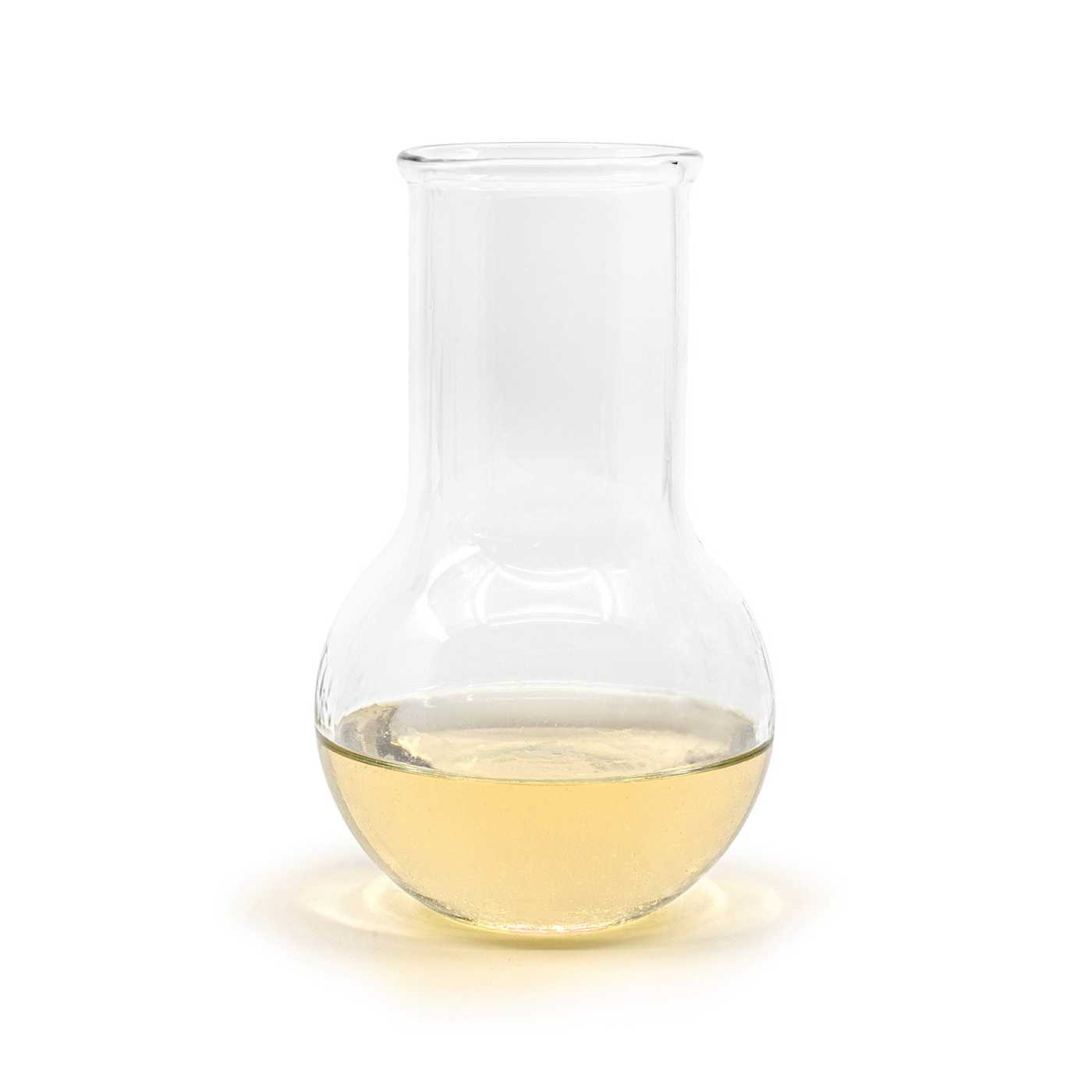 D-Panthenol 75% W, 100 mlrecipe uses 3.00 gin stock€6.59
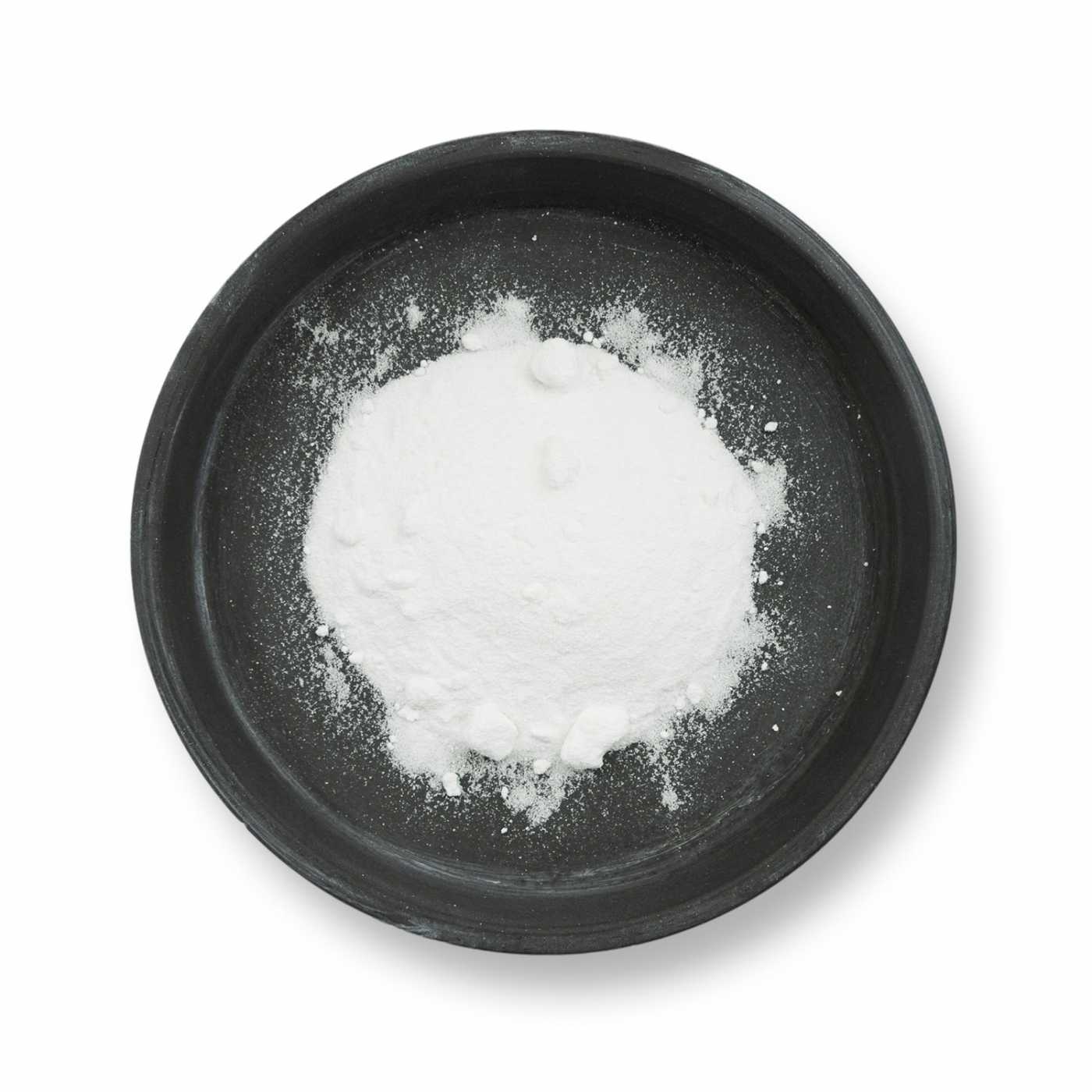 Allantoin, 50 guses 1 gin stock€2.99
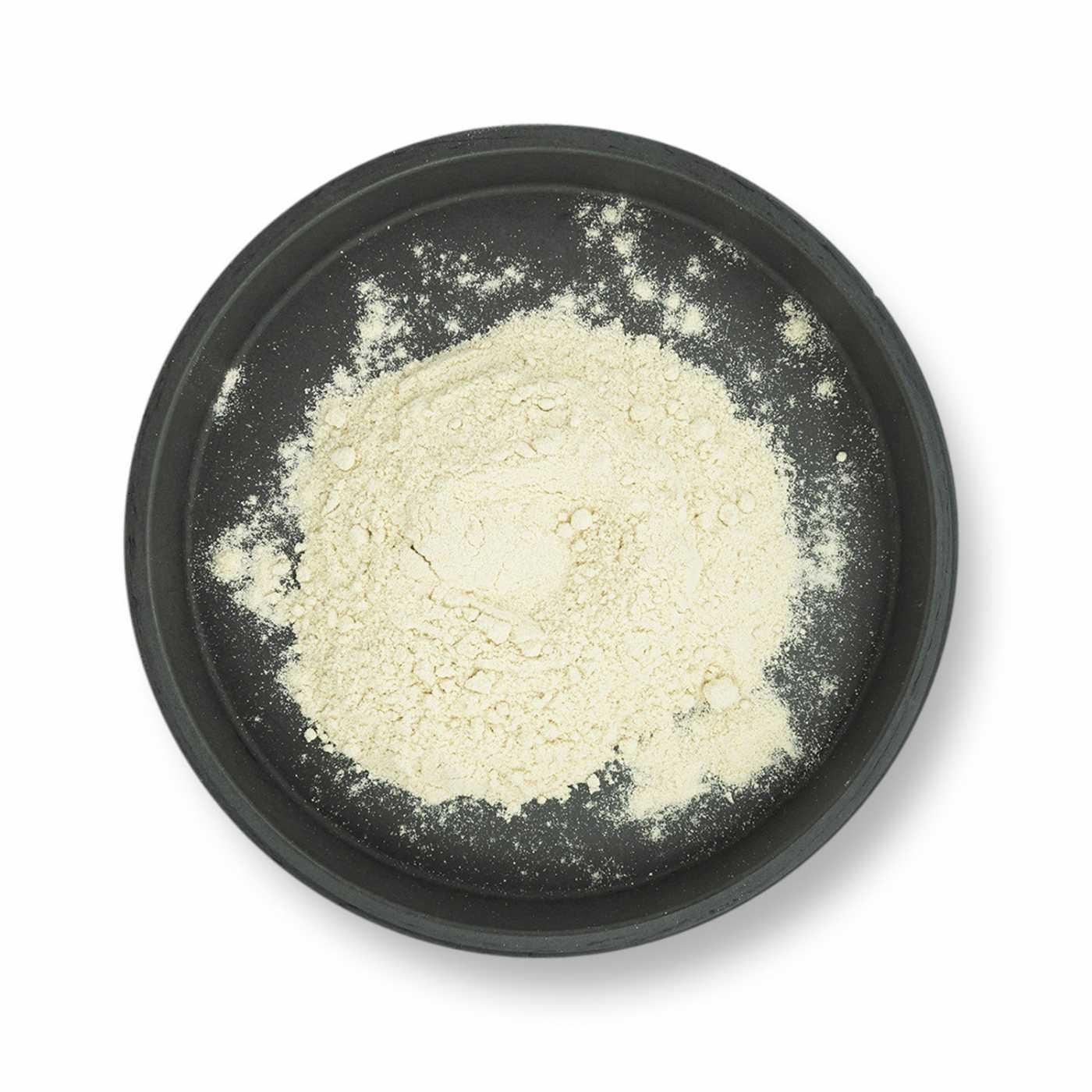 Oat Silk, Colloidal Oat Flour, Organic, 50 guses 2 gin stock€4.49
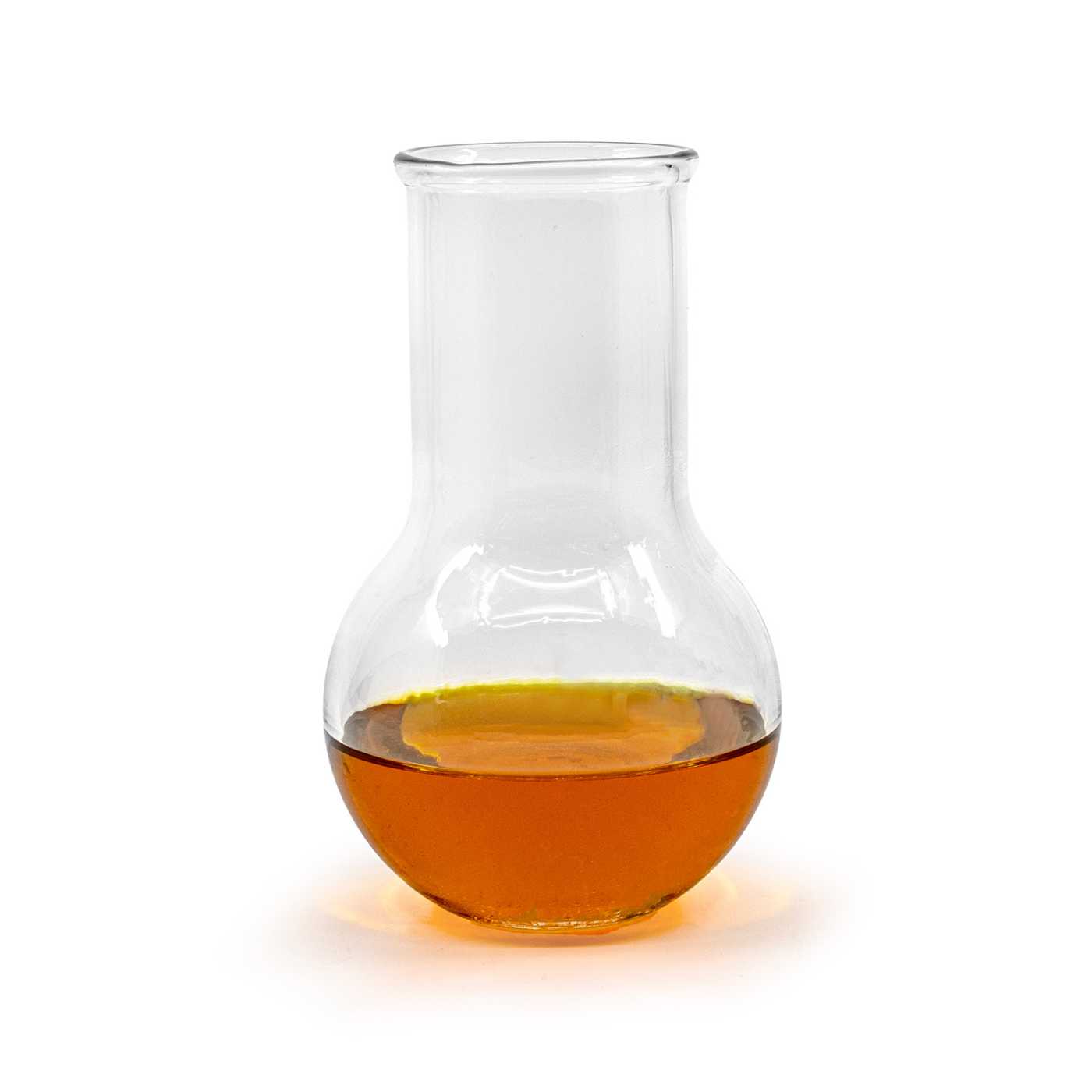 Cosgard, Preservative, 10 mlrecipe uses 0.80 gin stock€1.98
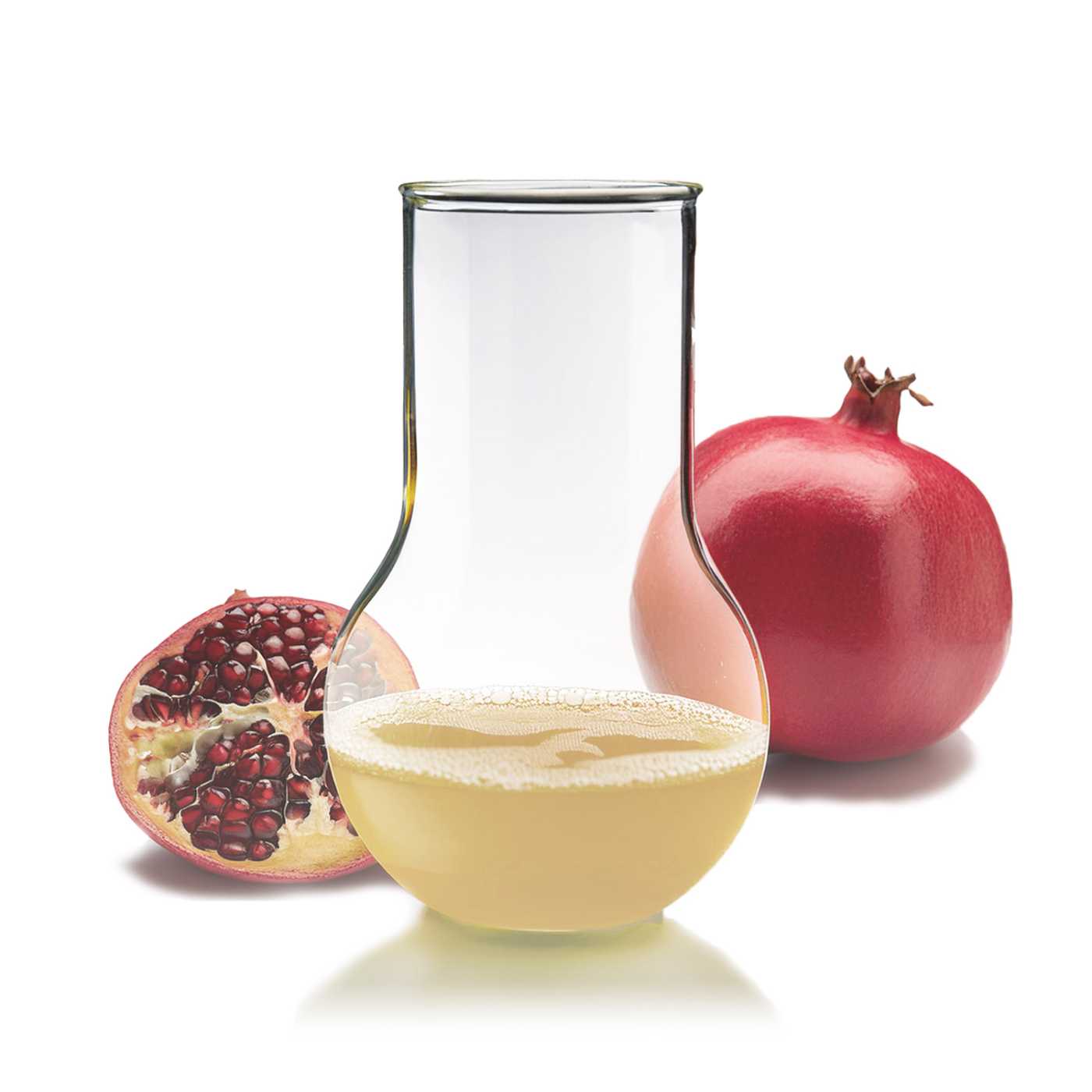 Pomegranate CO2-to Extract, Organic, 10 mlrecipe uses 0.40 gin stock€2.49
| Phase / ingredient | Content |
|---|---|
| Phase A | |
| Shea butter | 13.00 % |
| Calendula macerate | 7.00 % |
| Olivem 1000 | 6.00 % |
| Lanolin | 5.00 % |
| Beeswax | 3.00 % |
| Cetyl alcohol | 3.00 % |
| Phase B | |
| Aloe vera juice | 25.00 % |
| Chamomile hydrolate | 25.00 % |
| Glycerine | 4.00 % |
| D-panthenol | 3.00 % |
| Allantoin | 1.00 % |
| Phase C | |
| Oat silk | 2.00 % |
| Cosgard | 0.80 % |
| CO2 pomegranate | 0.40 % |
Recipe 2 — light face cream
Basically, by following the same procedure as with the previous cream, we can also make a light face cream suitable for mature 25+ skin.
Shop the ingredients for this recipe
Untick what you already have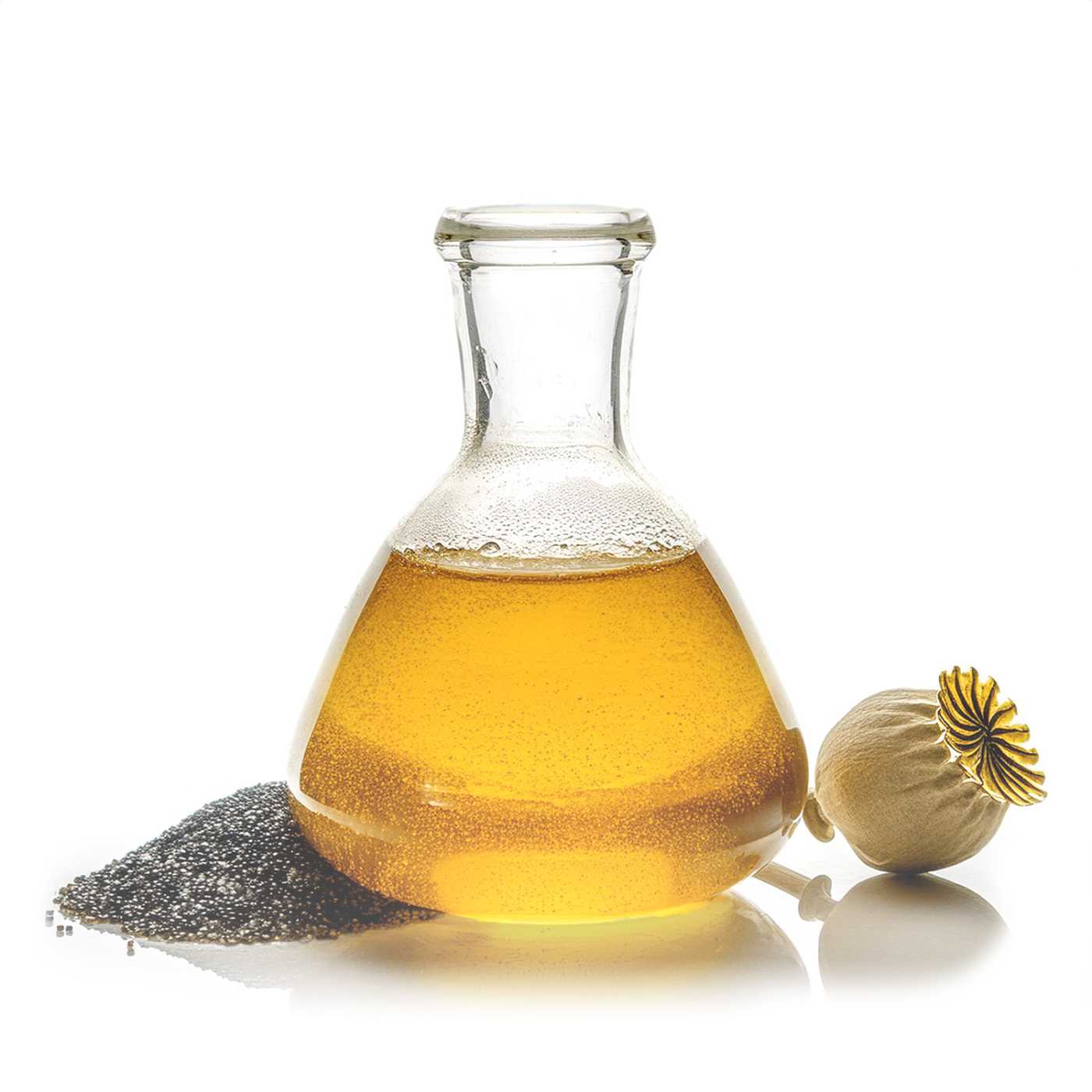 Poppyseed Oil, Cold Pressed, 100 mlrecipe uses 8.00 gin stock€7.19
 Olive Squalane, 30 mlrecipe uses 3.00 gin stock€3.99
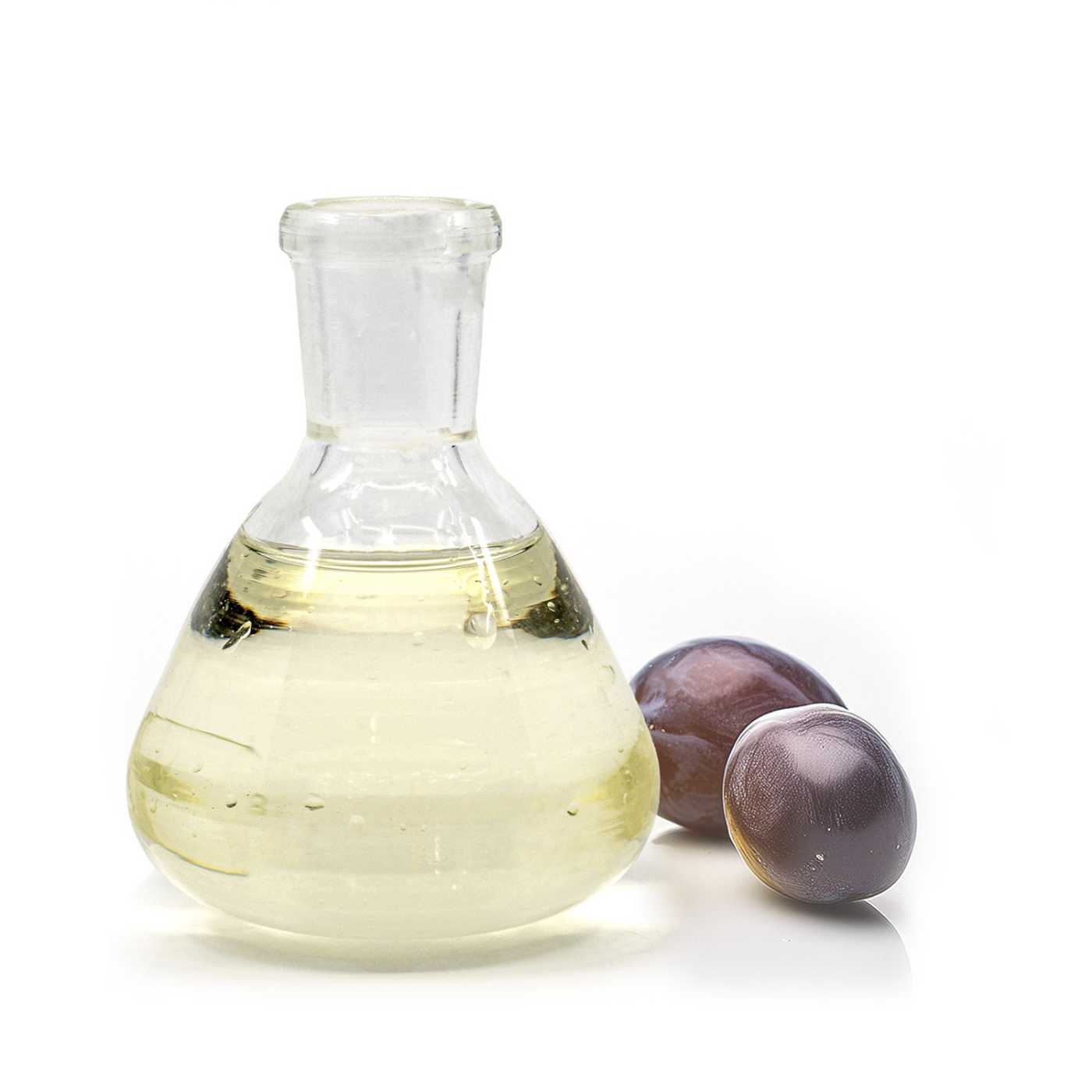 Plum Kernel Oil, Cold Pressed, 100 mlrecipe uses 2.00 gsold outWatch availability€10.49
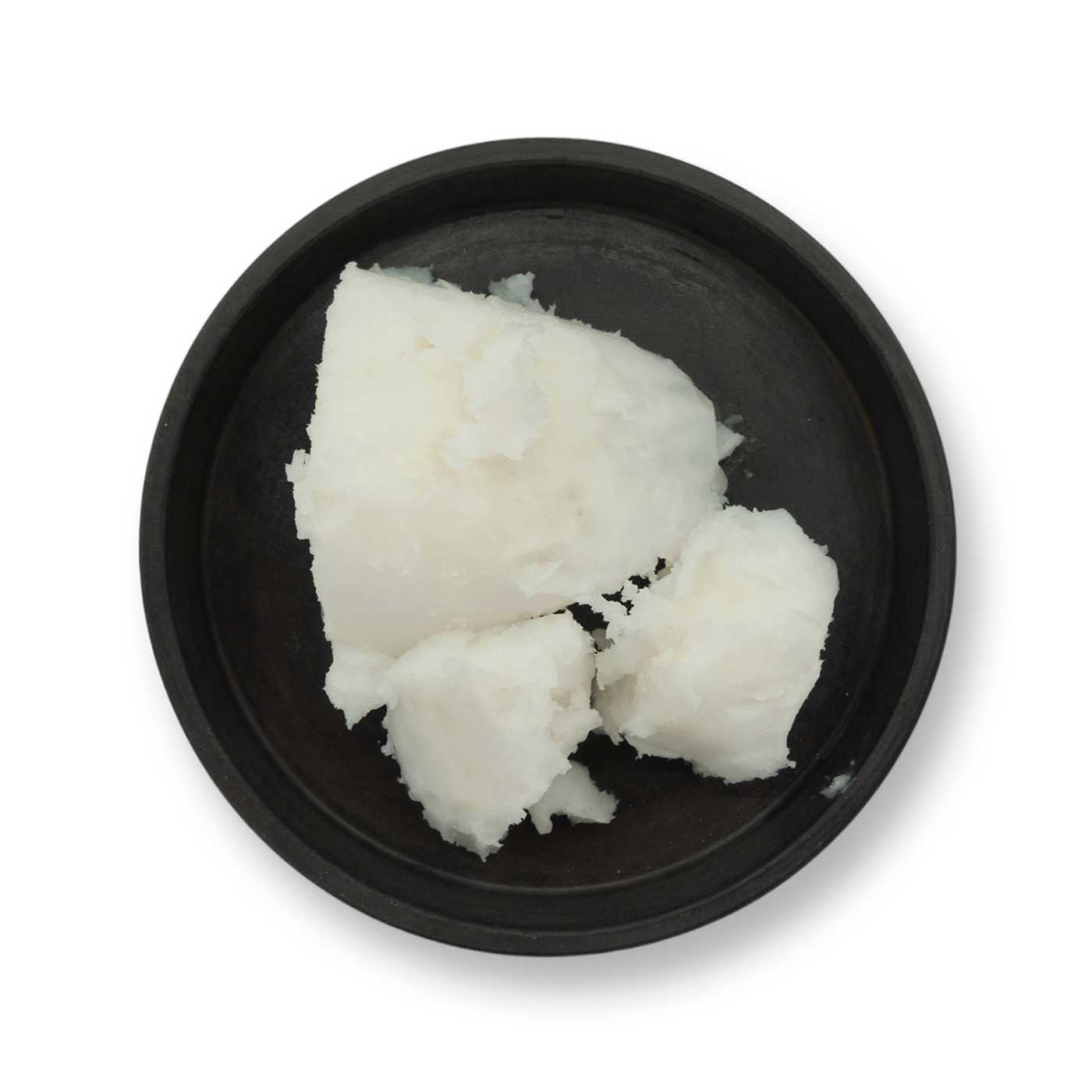 Cupuacu Butter, Cold Pressed, 50 guses 2 gin stock€5.99
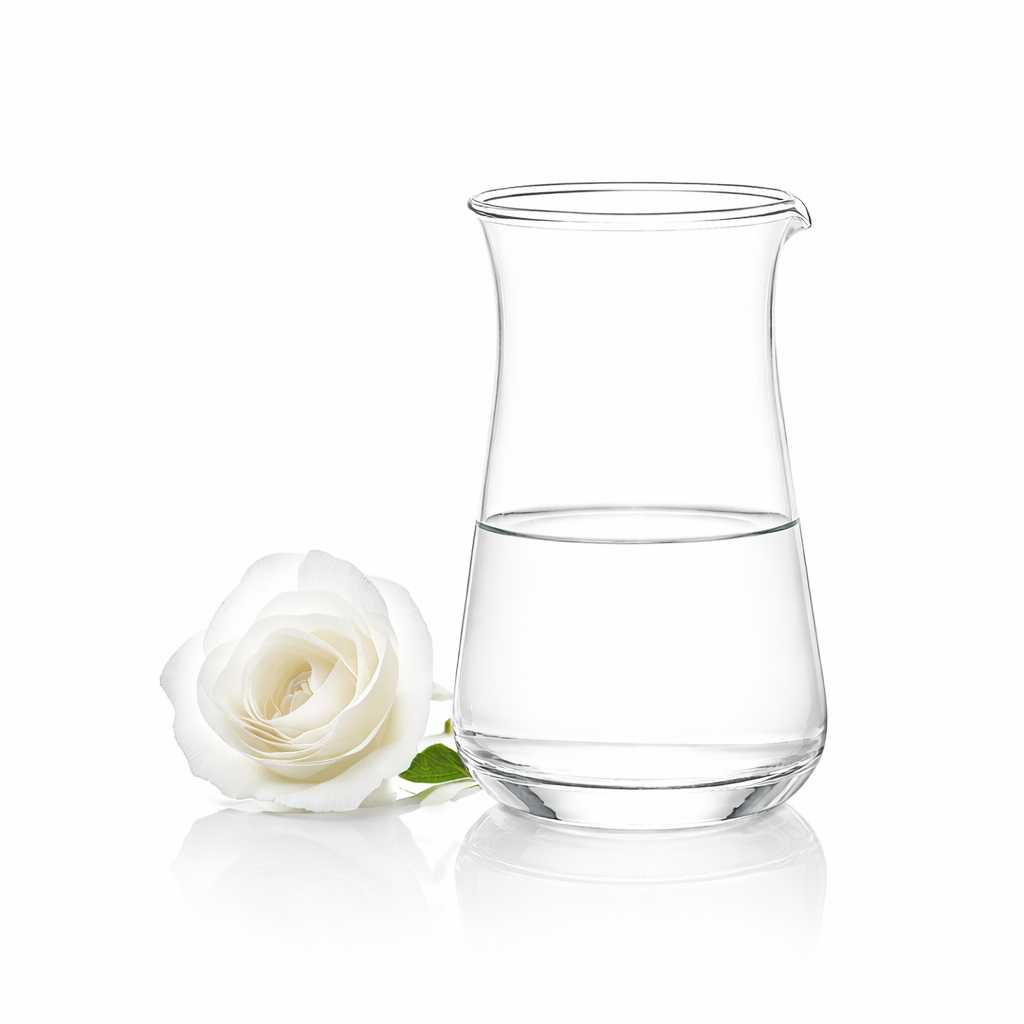 Floral Water, Hydrosol, White Rose, Organic, 100 mlrecipe uses 66.00 gin stock€4.89
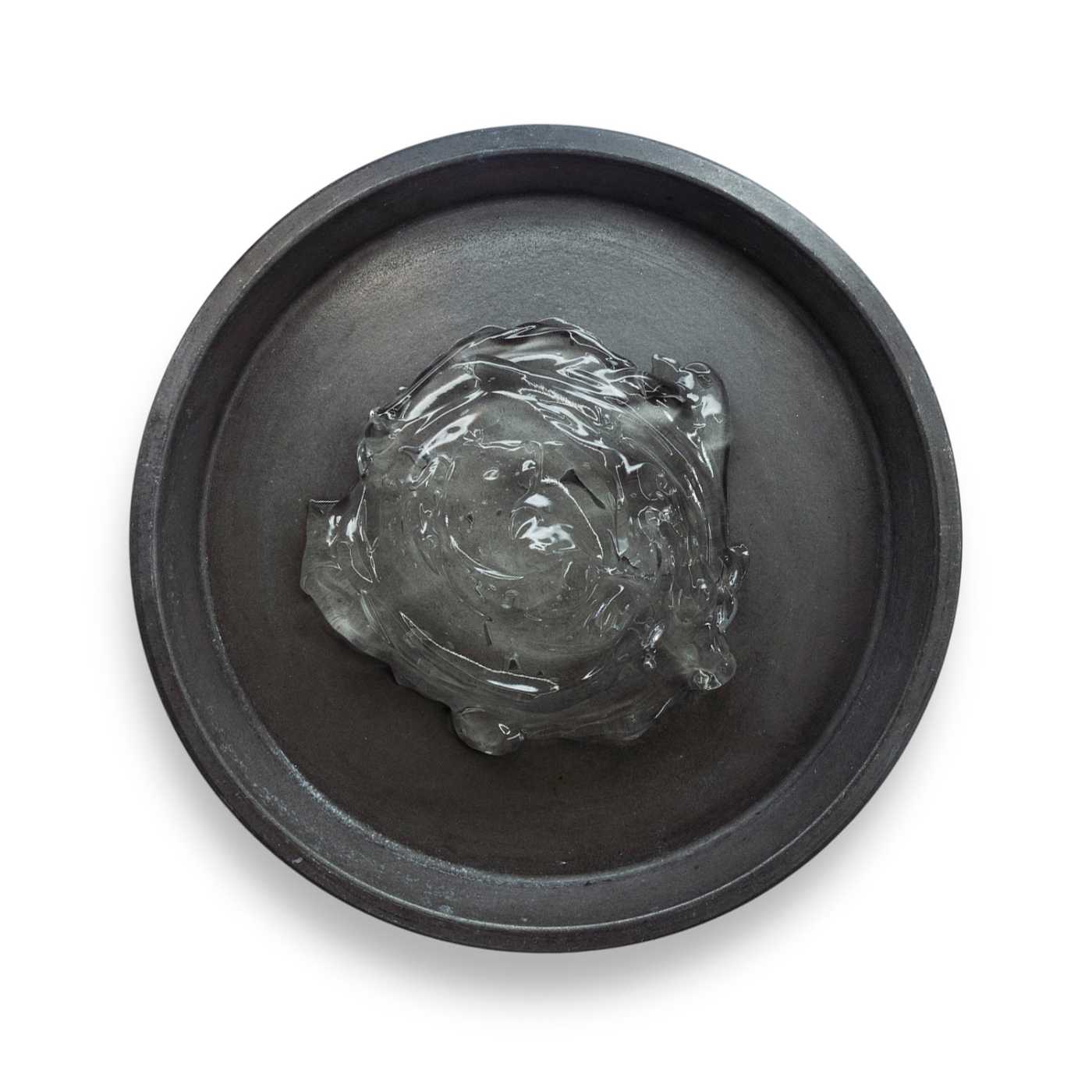 Vegeluron Gel, 50 guses 5.9 gsold outWatch availability€24.45
 Preservative 1388 Eco Plus, 10 mlrecipe uses 0.10 gin stock€2.69
- Cosgard, Preservative, 10 mlrecipe uses 0.10 gin stock€1.98
 Sodium PCA 50%, 30 mlrecipe uses 2.00 gin stock€2.61
 Rosemary CO2-to Extract, Organic, 10 mlrecipe uses 0.50 gin stock€3.77
 Hyaluronic Acid, Vegetable, HMW, 1.5-2 MDa, 1 guses 0.5 gin stock€3.19
 Hyaluronic Acid, Vegetable, LMW, 10 - 50 kDa 1guses 0.5 gin stock€3.77
| Phase / ingredient | Content |
|---|---|
| Phase A | |
| Poppy seed oil | 8.00 % |
| PolyAquol 2W | 5.50 % |
| Olive squalane | 3.00 % |
| PCA Glyceryl Acetate | 3.00 % |
| Plum kernel oil | 2.00 % |
| Cupuacu butter | 2.00 % |
| Phase B | |
| White rose hydrolate | 66.00 % |
| Vegeluron | 5.90 % |
| Dermosoft P-30 | 0.10 % |
| Phase C | |
| Cosgard | 0.10 % |
| Sodium PCA | 2.00 % |
| CO2 Rosemary | 0.50 % |
| Hyaluronic acid HMW | 0.50 % |
| Hyaluronic acid LMW | 0.50 % |
Method
- Weigh out the ingredients and prepare the phasesPhase A + B + C
Weigh out the individual ingredients and then prepare the individual phases separately. We will add the phases step by step.
- Combine the emulsifiers
In the formulation you can also combine several emulsifiers, or add so-called co-emulsifiers (these are mainly purely natural emulsifiers, such as beeswax, lanolin, soy or sunflower lecithin, which by themselves are not strong enough to emulsify the mixture adequately, but are very nourishing and ensure an excellent final density of the cream). As you can see, in our recipe we used as many as 4 types of emulsifier — lanolin, beeswax, Olivem 1000 and cetyl alcohol.
- Mix phase A with phase BPhase A + B
Phase A is mixed with phase B and an intensive whisking process takes place (we have found that a good wrist action is necessary to create a quality emulsion — the emulsifier will not do everything by itself, so feel free to use a kitchen mixer). This process can also take place in a cold water bath, which will speed up the formation of the emulsion and the thickening of the cream.
- Add phase CPhase C
When the correct consistency has formed, phase C is added, which also needs to be thoroughly mixed.
- Fill the jars
We fill the mixture into jars, let it stand, and it can be applied.
Frequently asked questions about the recipe
Practical questions about making homemade cream — the percentages in the formulation, the meaning of the individual phases and emulsification.
Why is the formulation given in percentages?
It is good to have the formulation given in percentages — it is like baking, where you also need to follow exact quantities. From the percentages you can then easily calculate multiples or fractional quantities of the batch.
What do phases A, B, C and D mean?
Phase A tends to be the oil phase (oil-soluble ingredients), phase B the water phase (water-soluble ingredients), phase C contains additives that a higher temperature of the mixture will not harm, and phase D the ingredients that are sensitive to higher temperature — those are added only when the mixture is approximately below 40 °C.
Phases C and D formed a dry mixture — is the recipe wrong?
No, do not be alarmed. Simply take a smaller amount of glycerine or hydrolate from the water phase and you will ensure a homogeneous mass of both phases. For the emulsion it is best to add ingredients in liquid or gel form, otherwise there is a risk of lumps.
Do I have to follow the order of the phases and the procedure?
Yes. Each step in the manufacturing process is designed to ensure the correct quality of the final product. If the procedure is not followed, it can lead to products that will not completely suit us.
How do I achieve a quality emulsion?
After phase A is mixed with phase B, intensive whisking with a whisk follows — the emulsifier will not do everything by itself, so feel free to use a kitchen mixer. The process can also take place in a cold water bath, which will speed up the formation of the emulsion and the thickening of the cream.
Why does the recipe use several emulsifiers at once?
Natural co-emulsifiers such as beeswax, lanolin or lecithin are not strong enough by themselves to emulsify the mixture, but they are very nourishing and ensure an excellent final density of the cream. That is why the first recipe uses 4 types of emulsifier.
Conclusion
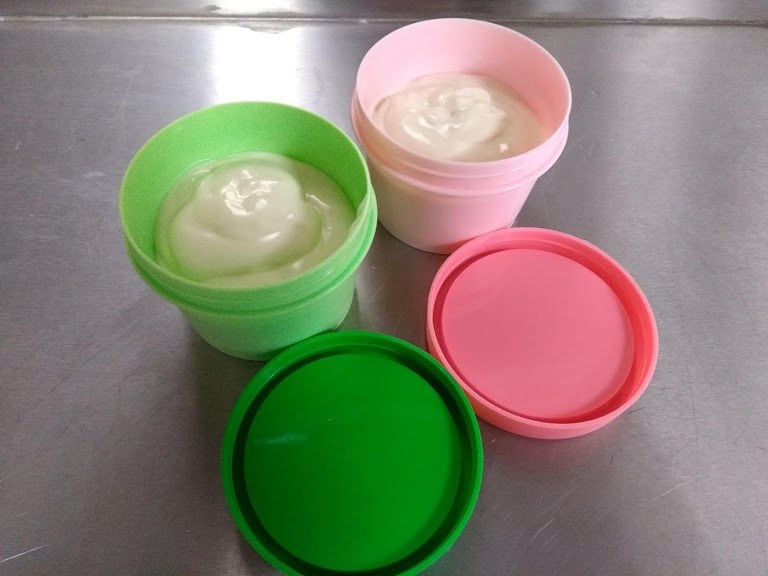
Do you also have your favourite cream-making recipe? Share it together with your creations at [email protected] and we will reward you for it.
You will find the emulsifiers, plant butters, hydrolates and active ingredients from both recipes in the Handymade range of raw materials.