+421 950 333 113info@handymade.store

Spend over €100 for discounted shipping!

VITAMINS AND ANTIOXIDANTS

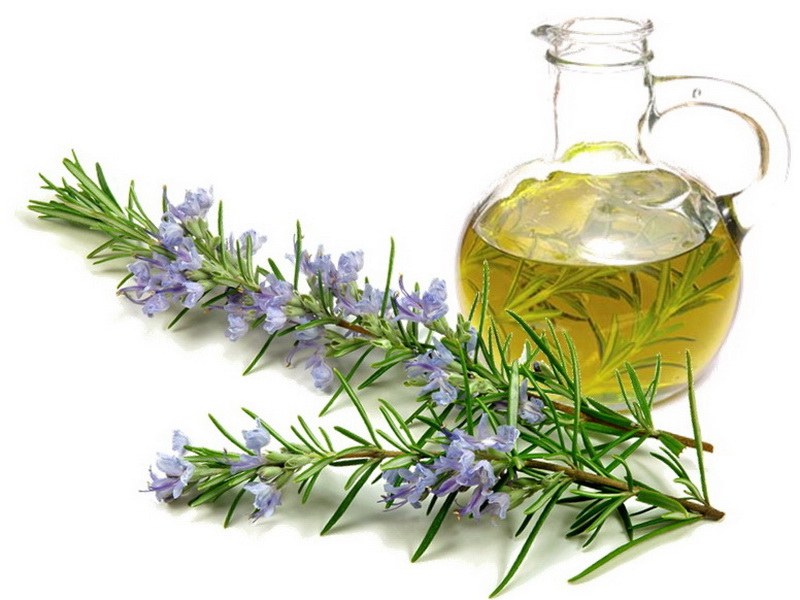
Rosemary CO2-to Extract, Organic, 10 ml

Pack size10 ml50 ml100 ml

Rosemary CO2-to extract, organic is a natural antioxidant for the oil phase. It delays rancidity in vegetable oils and butters and also protects carotenoids and essential oils from oxidation. full description

AvailabilityPre-order
Product codeCO400_10
€3.77incl. VAT€377.00/l

Lowest price in the last 30 days: €3.77

Expected back in stock: 20 Nov.~106 pkg on the way to us. This variant is currently out of stock — your order will be a pre-order and delivery may take longer.

Product description

Rosemary CO2-to extract, organic is a natural antioxidant for the oil phase. It delays rancidity in vegetable oils and butters and also protects carotenoids and essential oils from oxidation. At usual usage rates it does not normally affect the fragrance of the product.

It is added to face and body oils, oil serums, balms, butters and creams.


How the extract works

The antioxidant effect comes from the phenolic diterpenes in rosemary leaves. The extract contains 13–16% carnosic acid and carnosol, of which more than 10% is carnosic acid itself. These substances scavenge free radicals that would otherwise attack the unsaturated fatty acids in the oil. They are consumed in the process, and the oil stays fresh for longer.

The protection also extends to the skin. After application, the extract may limit oxidative changes to the lipids on the skin surface, so it is also suitable for products for mature skin.

It is made from dried rosemary leaves from organic farming. They are extracted with supercritical carbon dioxide and a small amount of organic ethanol, and 5–7 kg of leaves are used to make 1 kg of extract. The concentrate is standardised with organic sunflower oil: it consists of approximately 65% rosemary extract and 35% sunflower oil. It contains no other ingredients.


Key benefits

  • Protects oils from rancidity – slows the oxidation of vegetable oils and butters, especially those with a high proportion of polyunsaturated fatty acids.
  • Stabilises sensitive ingredients – also protects carotenoids and essential oils, which lose colour and change their fragrance when oxidised.
  • Complements vitamin E – carnosic acid is consumed during oxidation before tocopherols and so spares them.
  • COSMOS certificate – the raw material is COSMOS certified with 100% certified ingredients and also holds an organic certification.

Usage rate

The usage rate depends on the fat the extract is meant to protect. For saturated fats and solid butters, such as shea butter or coconut oil, 0.05–0.1% is sufficient. Oils rich in polyunsaturated fatty acids, for example safflower, sunflower, linseed or rosehip oil, need 0.2–0.4%. In balms with vegetable oils and butters, around 0.1% is commonly used.

The overall recommended range is 0.02–1% in leave-on face and body products.


Use in formulations

The extract is oil-soluble and insoluble in water, so it is added exclusively to the oil phase. Process it at a temperature below 40 °C, because heat speeds up the breakdown of carnosic acid. It does not belong in a hot melt. In balms and emulsions, it is mixed in only during cooling.

Stability depends on the environment. Carnosic acid is most stable in oil, it breaks down faster in ethanol, and in water it is almost completely degraded within a few days. The extract is not suitable for purely aqueous and hydroalcoholic products. It makes sense only where there is an oil to protect.

In O/W emulsions, pH also plays a role. Carnosic acid and carnosol protect the oil significantly better at pH 4–5 than at neutral pH 7. In creams, a slightly acidic environment is more favourable.

During cold storage or after standing for a longer time, the extract thickens or even solidifies. This is not a defect of the raw material. Before use, warm it to 40 °C and mix thoroughly so that the antioxidant content is the same in every dose.


Suitable for products such as

  • Face and body oils, oil serums – blends with oils prone to oxidation stay fresh for longer.
  • Balms and body butters – anhydrous products made from vegetable oils and butters.
  • Creams and O/W emulsions – the extract protects their oil phase.
  • Blends with essential oils and oil extracts with carotenoids – slows changes in fragrance and colour caused by oxidation.

Good to know

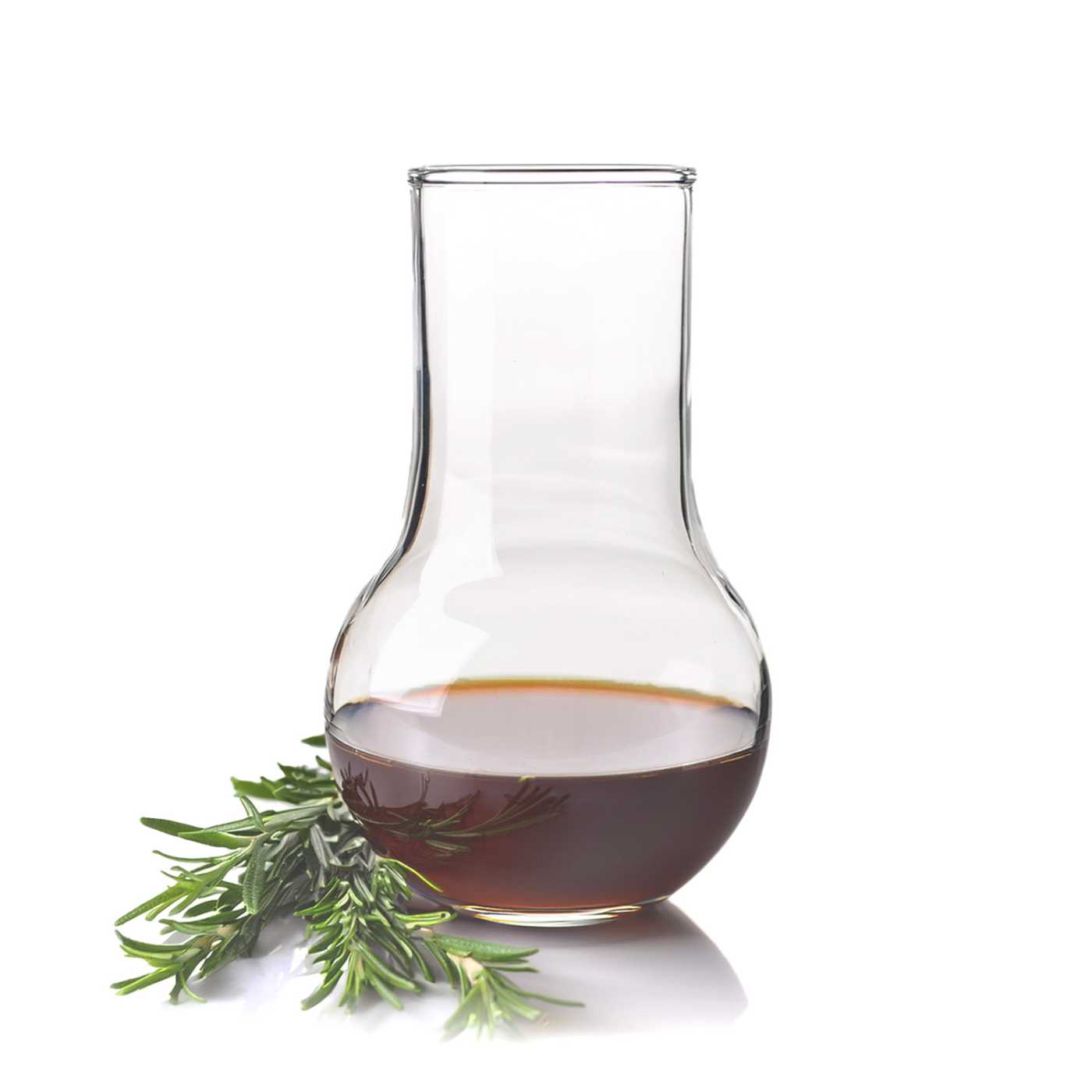
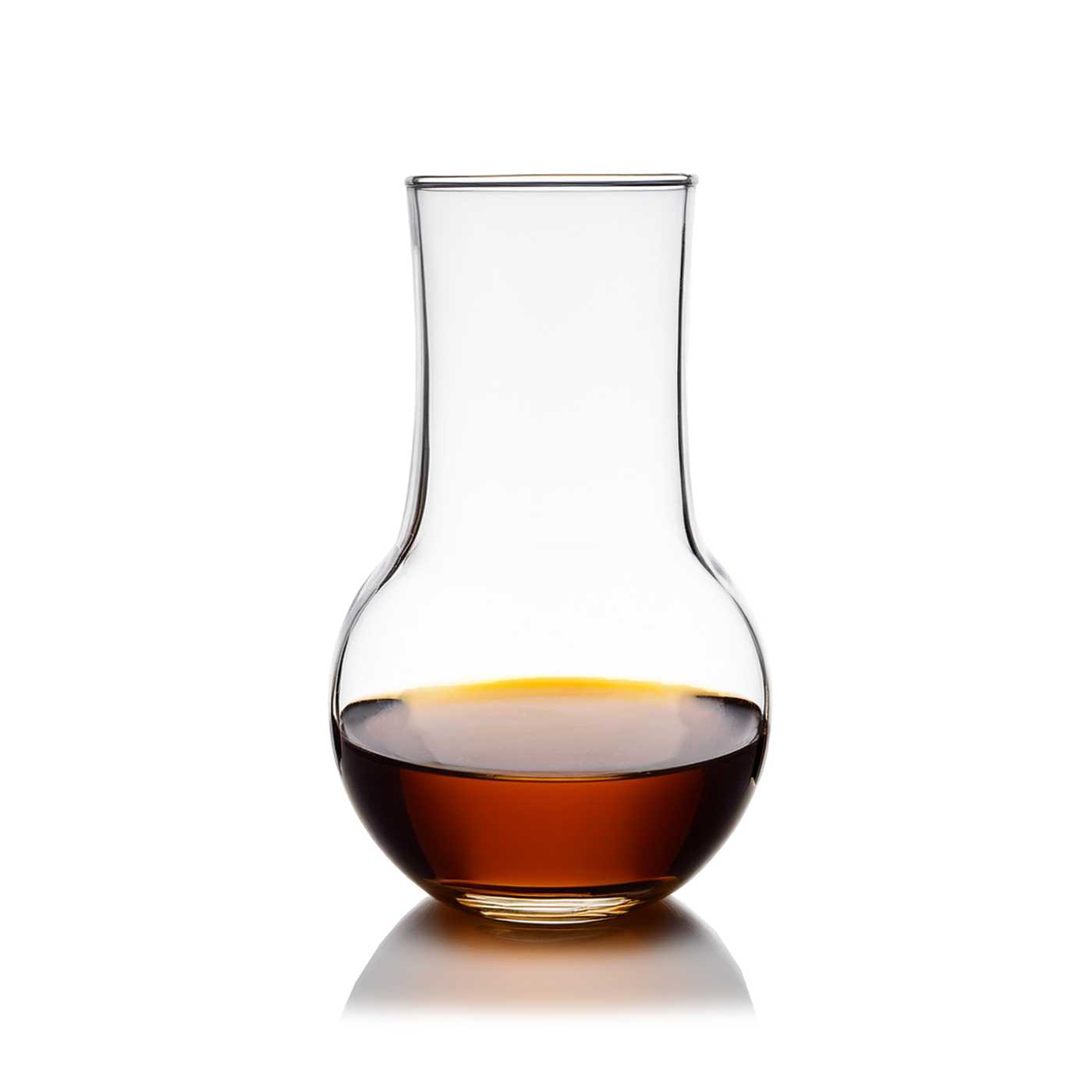
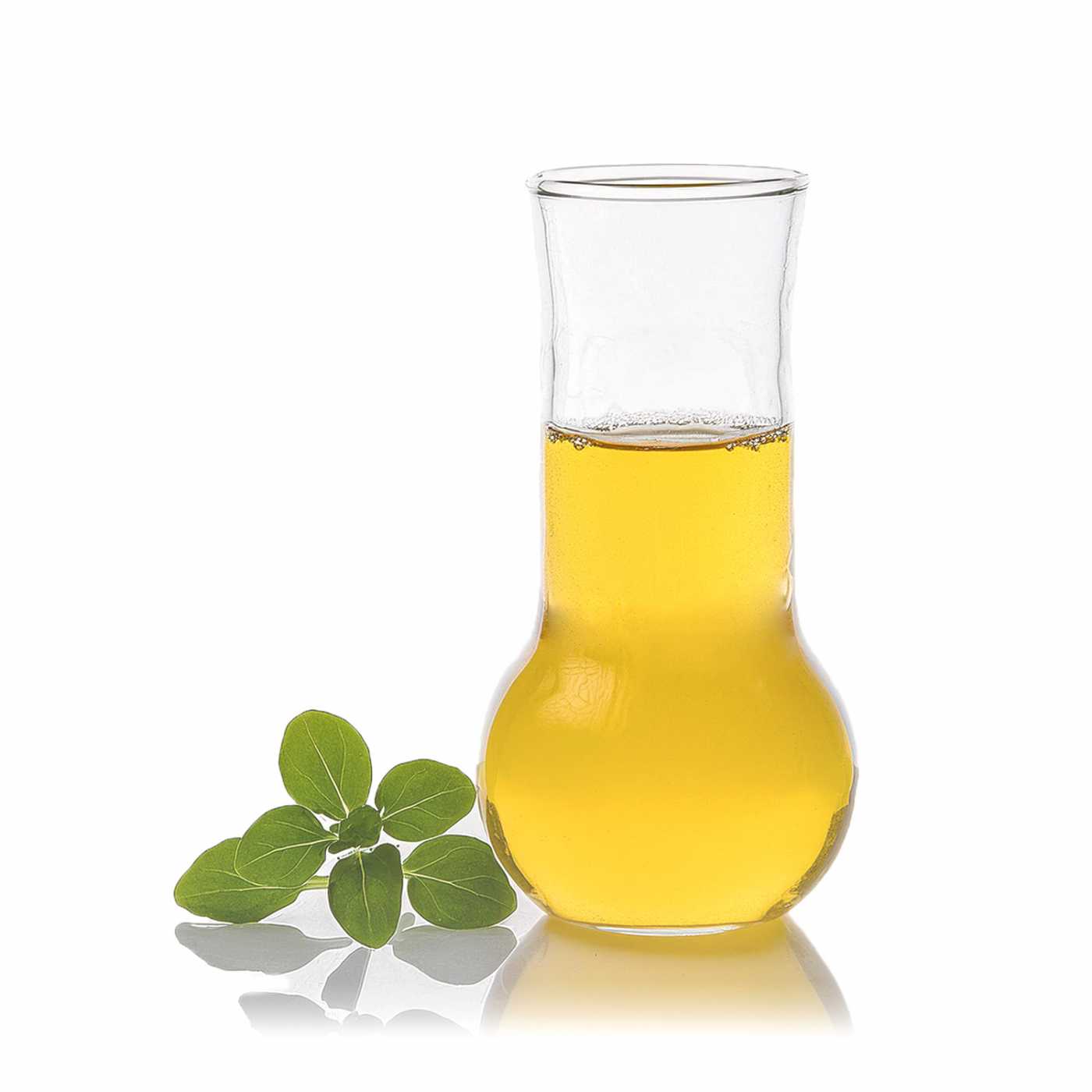
The concentrate is a dark brown viscous liquid with a faint characteristic odour. In light-coloured products, you need to allow for its dark colour and avoid exceeding the usage rate.

In the manufacturer’s in vitro study, the extract was active against 28 microorganisms at a concentration of 0.1% or lower. It was more effective against Gram-positive bacteria. For Gram-negative bacteria and fungi, the minimum inhibitory concentration was 5 to 10 times higher. The results come from laboratory tests, and the extract does not replace a preservative in products containing water.

The extract contains traces of fragrance allergens from Annex III of Regulation (EC) No 1223/2009: pinene (less than 0.3%), camphor (less than 0.2%), beta-caryophyllene and terpineol (less than 0.1%), limonene (less than 0.04%), linalool, alpha-terpinene and terpinolene (less than 0.02%). In leave-on products, an allergen must be listed in the ingredients when its concentration exceeds 0.001%. We recommend calculating the content according to the usage rate you choose. The residual ethanol content from extraction is less than 2%.

The concentrate is not intended for direct application to the skin and is used only as an ingredient of a product. Wear gloves and eye protection when handling it.


Frequently asked questions

Is organic rosemary CO2-to extract water-soluble?
No, rosemary CO2-to extract is insoluble in water and dissolves only in oils and fats. It is added to the oil phase or directly to an anhydrous product. In an aqueous environment, carnosic acid is almost completely degraded within a few days. The extract is not suitable for toners, gels and other purely aqueous products.
How much rosemary CO2-to extract should I add to an oil or butter?
For saturated fats and solid butters, add 0.05–0.1%, and for oils rich in polyunsaturated fatty acids, add 0.2–0.4%. Oils that turn rancid quickly, such as linseed, safflower or rosehip oil, need more. The overall recommended range in leave-on face and body products is 0.02–1%.
Does rosemary CO2-to extract replace a preservative?
No, rosemary CO2-to extract is an antioxidant and does not replace a preservative. It protects oils and butters from oxidation, that is, from turning rancid. The growth of bacteria, yeasts and moulds in products containing water must be stopped by a preservative. The antimicrobial activity of the extract has been recorded only in in vitro laboratory tests.
Can rosemary CO2-to extract be combined with vitamin E?
Yes, rosemary CO2-to extract and tocopherol (vitamin E) complement each other well. Carnosic acid is consumed during oxidation before tocopherols, which therefore stay active in the oil for longer. Both antioxidants are commonly combined in oil serums, face oils and balms.
Can solidified rosemary CO2-to extract still be used?
Yes, solidified rosemary CO2-to extract can be used, as thickening is common with this raw material. It occurs during cold storage or after standing for a longer time at room temperature. After warming to 40 °C, the extract becomes liquid again. Mix it thoroughly before weighing so that the antioxidant content is even throughout the whole pack.
Will rosemary CO2-to extract change the colour or fragrance of the product?
At usual usage rates, rosemary CO2-to extract does not normally affect the fragrance of the product, but it can change the colour. The concentrate is dark brown and has a faint characteristic odour. In white creams and light-coloured balms, you need to allow for a darker shade and avoid exceeding the usage rate.

Parameters

INCI
Rosmarinus Officinalis Leaf Extract, Helianthus Annuus Seed Oil
CAS No.
84604-14-8, 8001-21-6
EC number
283-291-9, 232-273-9
Product colour
Brown
Country of origin
Germany
Appearance
Oily liquid
Formulation phase
Oil phase
Function in formulation
Antioxidant
Application area
FaceBody
Recommended processing temperature
< 40 °C
Recommended usage rate
0,02 – 1 %
Application type
Leave-on
Certifications
Organic certification
Manufacturer's certificate
KosherCOSMOS Approved
Natural Index (NI ISO 16128)
1,00
Natural Origin Index (NOI ISO 16128)
1,00
Organic content
100 %
Renewable Carbon Content (RCC)
100 %
Volume
10 ml

Product documentation

CoACertificate of Analysis
batch 452213PDF ↓
batch 452212PDF ↓
batch 452211PDF ↓
batch 562109PDF ↓
TDSTechnical Data Sheet
Physical parameters and processingPDF ↓
IFRAIFRA Certificate
batch 452212PDF ↓
batch 452213PDF ↓
batch 562109PDF ↓
AllergensAllergen Declaration
batch 562109PDF ↓
SDSSafety Data Sheet
Available for purchased products —
Download all (ZIP)

9 PDF files in one archive

Learn how to work with it

From our blog
Kalliopi R.22 Oct 2026EN

Verified purchase

Slávka S.8 Oct 2026SK

Verified purchase

Variant: Rozmarínový CO2-to extrakt BIO, 50 ml
Katarína S.18 Sept 2026SK

Verified purchase

(3 reviews)