+421 950 333 113info@handymade.storeHandymade Days: −10 % on all ready-made productsShop now

ACTIVE INGREDIENTS

Hydrolysed collagen, powder, 1 kg

Pack size100 g500 g1 kg

Hydrolysed collagen powder consists of short collagen peptides that bind water on the skin and hair and leave a thin film. full description

AvailabilityIn stock · 6 packs
Product codeAD064_1000
Batch240006857
Best before04/2028
€35.27incl. VAT€35.27/kg

Lowest price in the last 30 days: €35.27

Product description

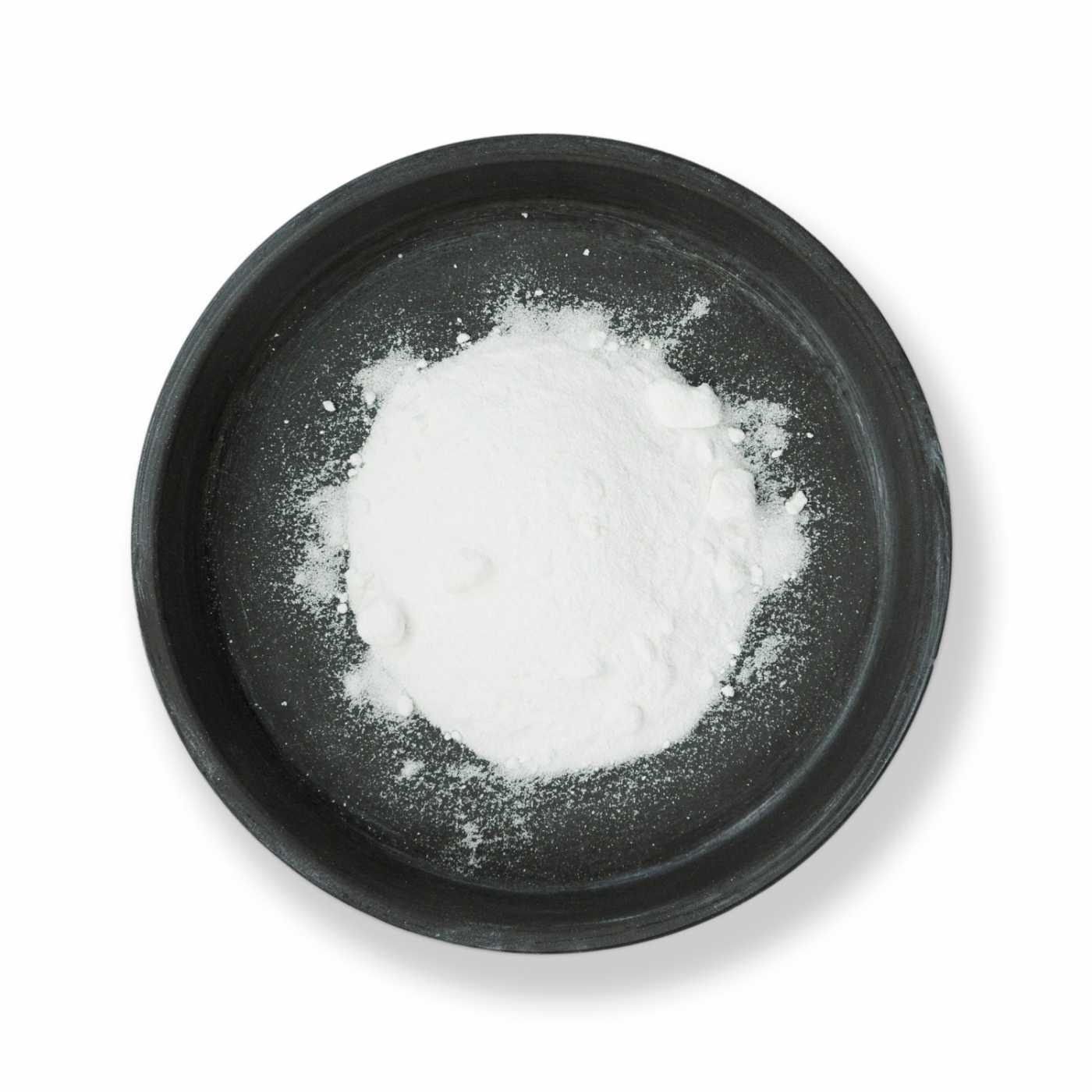
Hydrolysed collagen powder consists of short collagen peptides that bind water on the skin and hair and leave a thin film. Afterwards the skin is hydrated and smoother to the touch, and hair is easier to comb and feels more supple.

It is added to the formulation without heating, even to a finished, cooled emulsion. This raw material of European origin belongs in products for dry and mature skin and in care products for dry or damaged hair.


How it works on skin and hair

Collagen is a protein with long fibres that do not dissolve in water. Hydrolysis breaks them into short sections, peptides, and these are water-soluble. In this raw material the chains are up to 5 000 Da long and are obtained enzymatically from collagen of porcine origin.

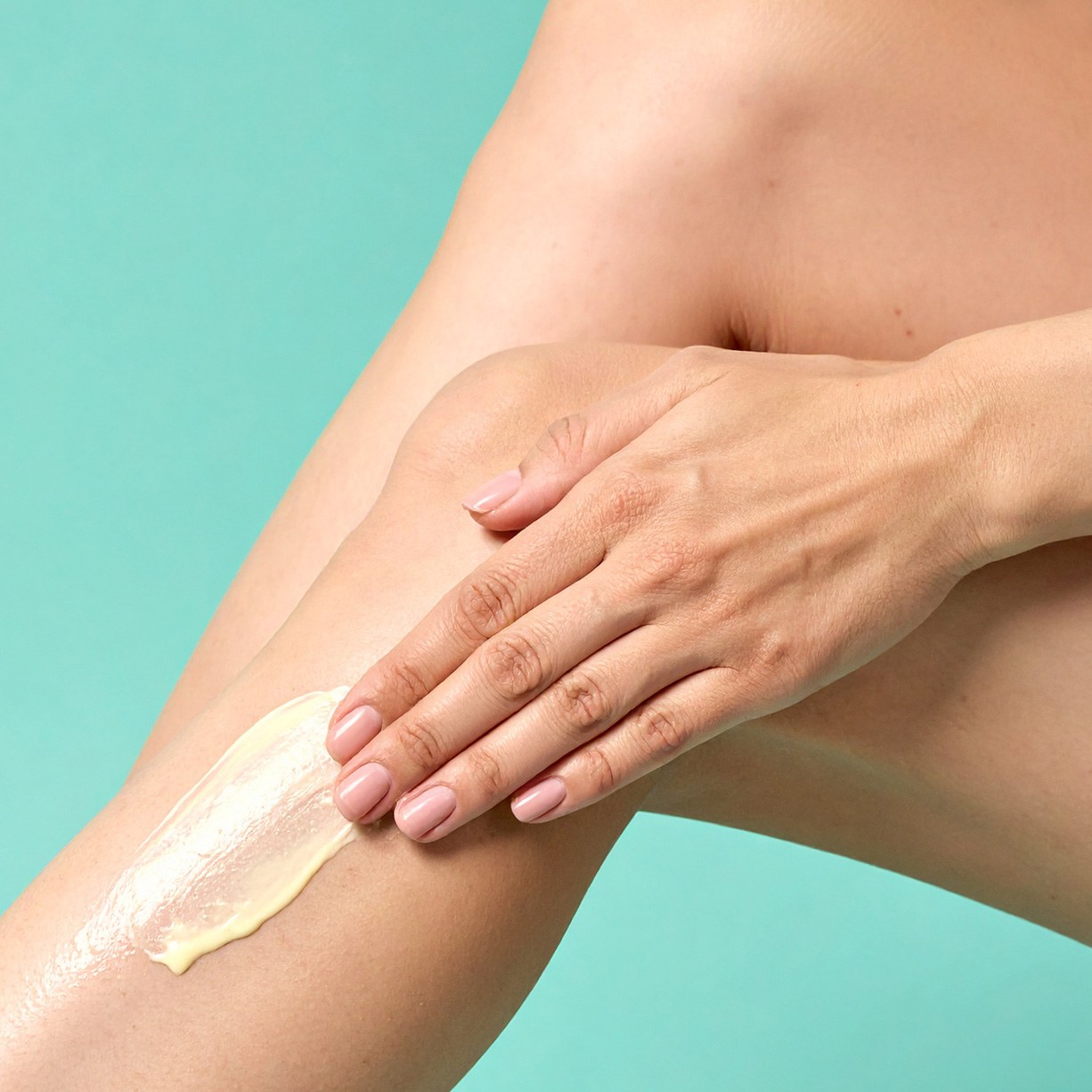
On the skin it works as a humectant and a film-forming agent. The peptides bind water, and once dry they form a thin film on the surface that slows its evaporation. The skin stays hydrated for longer and feels smoother and more supple to the touch. The effect stays on the surface; the raw material does not replenish the skin’s own collagen.

On hair it has a conditioning effect. The peptides cling to the surface of the hair and smooth it. Hair is then easier to comb and looks fuller. The raw material is suitable for both rinse-off and leave-on products.


Key benefits

  • Hydration – binds water on the surface of the skin and limits its evaporation with a film.
  • Smoother and more supple skin surface – the film evens out dry, rough skin, which is especially beneficial for dry and mature skin and for the skin of the hands.
  • Hair conditioning – makes combing easier and improves the feel of dry and damaged hair.
  • No effect on viscosity or fragrance – solutions are thin and foam little, and the powder is odourless.

Use in formulations

The powder dissolves completely in cold water. It disperses very quickly and without clumping, also in salt solutions. It does not thicken the product; viscosity must be adjusted with another raw material.

Add the powder to the water phase or afterwards to the cool-down phase at a temperature below 40 °C.

A ten percent solution has a pH of 5.5–6.5. The raw material is suitable for products with both acidic and neutral pH.

In cosmetics, hydrolysed collagen is generally used at up to 5%, and at this use level it has been assessed as safe. In a hair conditioner the usage rate can be higher; in the hair conditioner recipe it is 10%. There it is combined with betaine and hydrolysed milk protein, which complement the hydrating and conditioning effect.


Suitable for products such as

  • hydrating serums, toners and facial gels
  • creams and body lotions for dry and mature skin
  • hand creams
  • shampoos and conditioners for dry and damaged hair
  • hair masks, leave-in conditioners and sprays
  • scalp products

How it differs from gelatine

Both raw materials are made from collagen and differ in chain length. Gelatine has long chains, dissolves only in warm water and sets into a gel as it cools. Hydrolysed collagen is broken down into short peptides and does not form a gel. It can be added to cosmetics without changing the consistency of the product.


Good to know

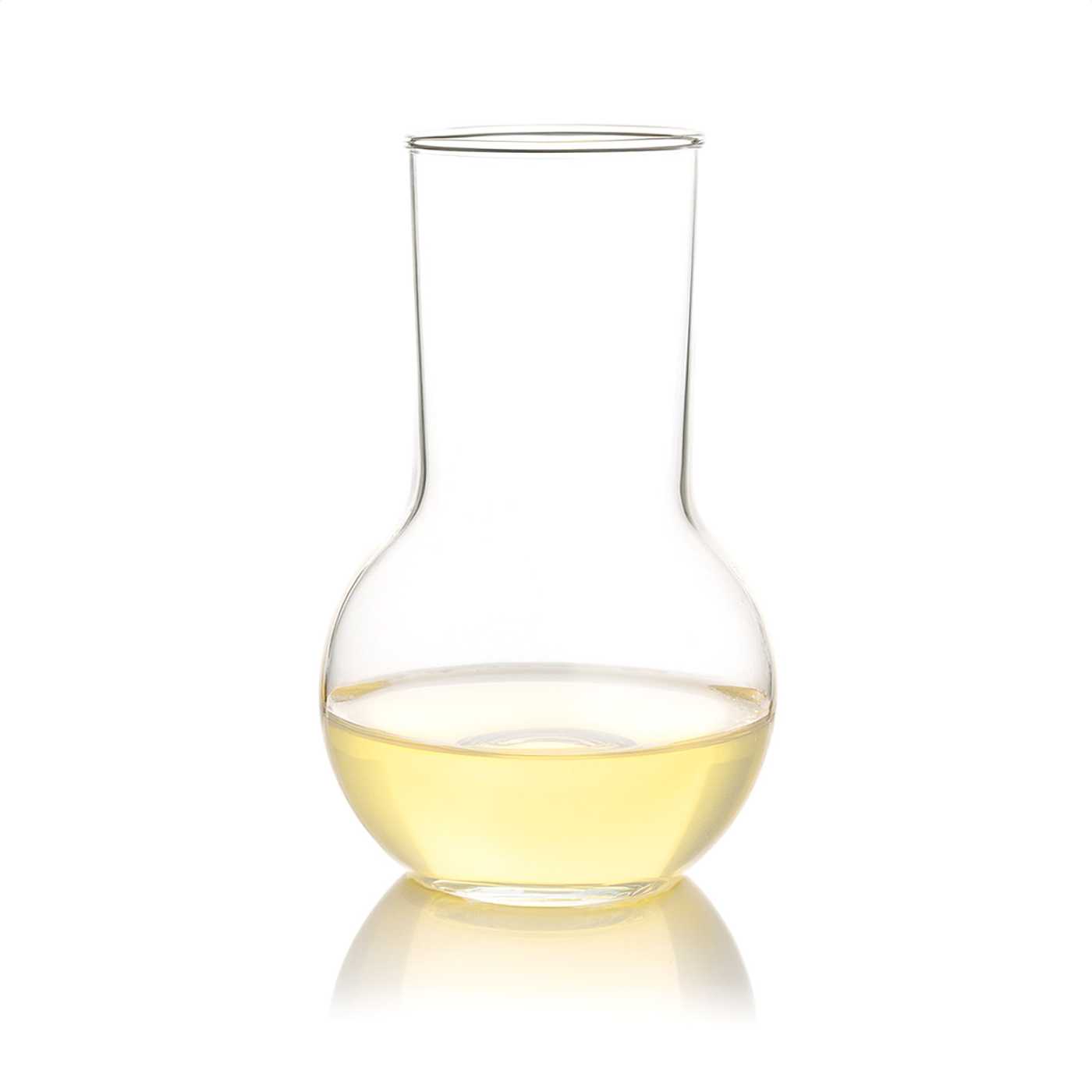
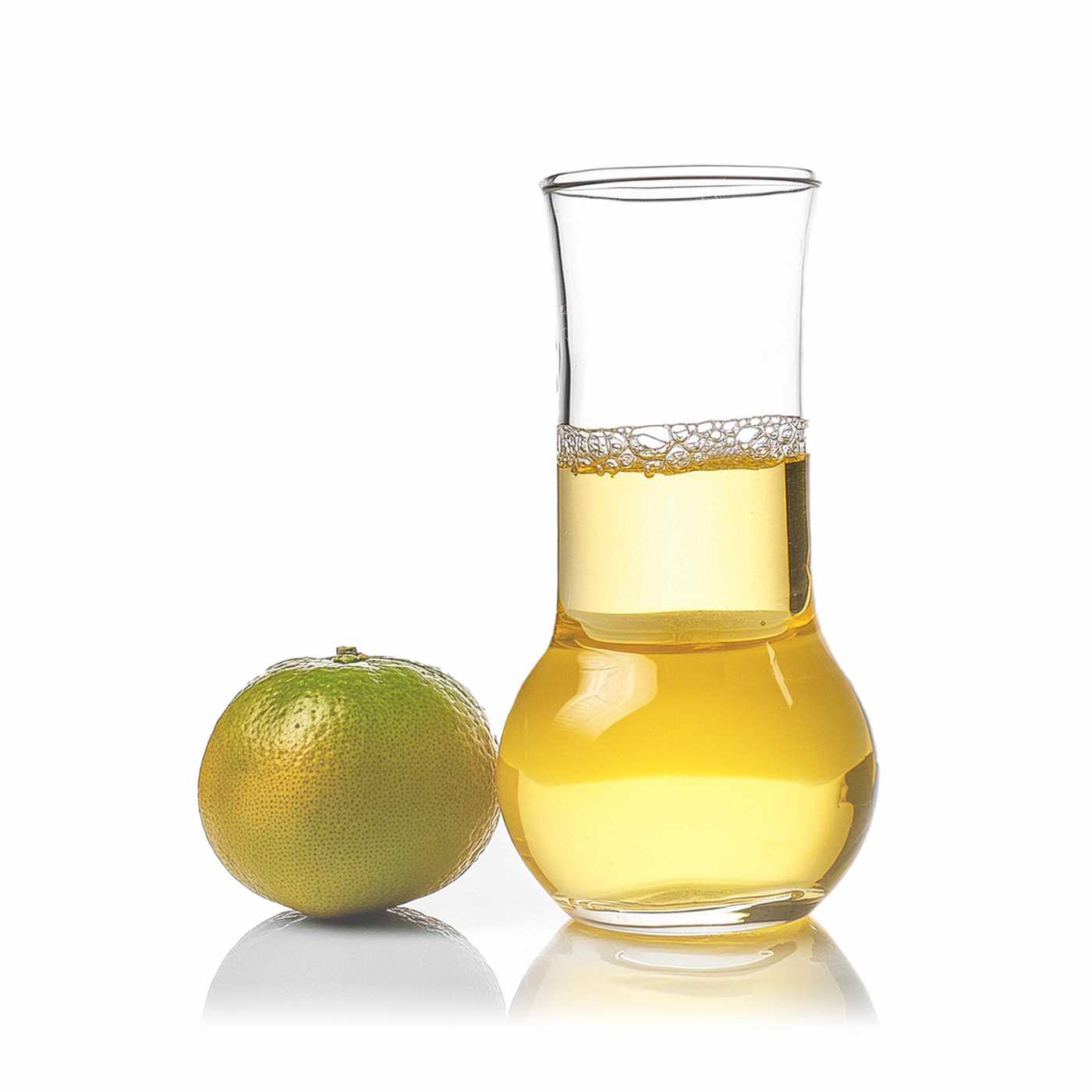
The solution is naturally slightly cloudy. This is not a defect of the raw material or a sign of spoilage. In clear toners and gels, a slight haze should be expected.

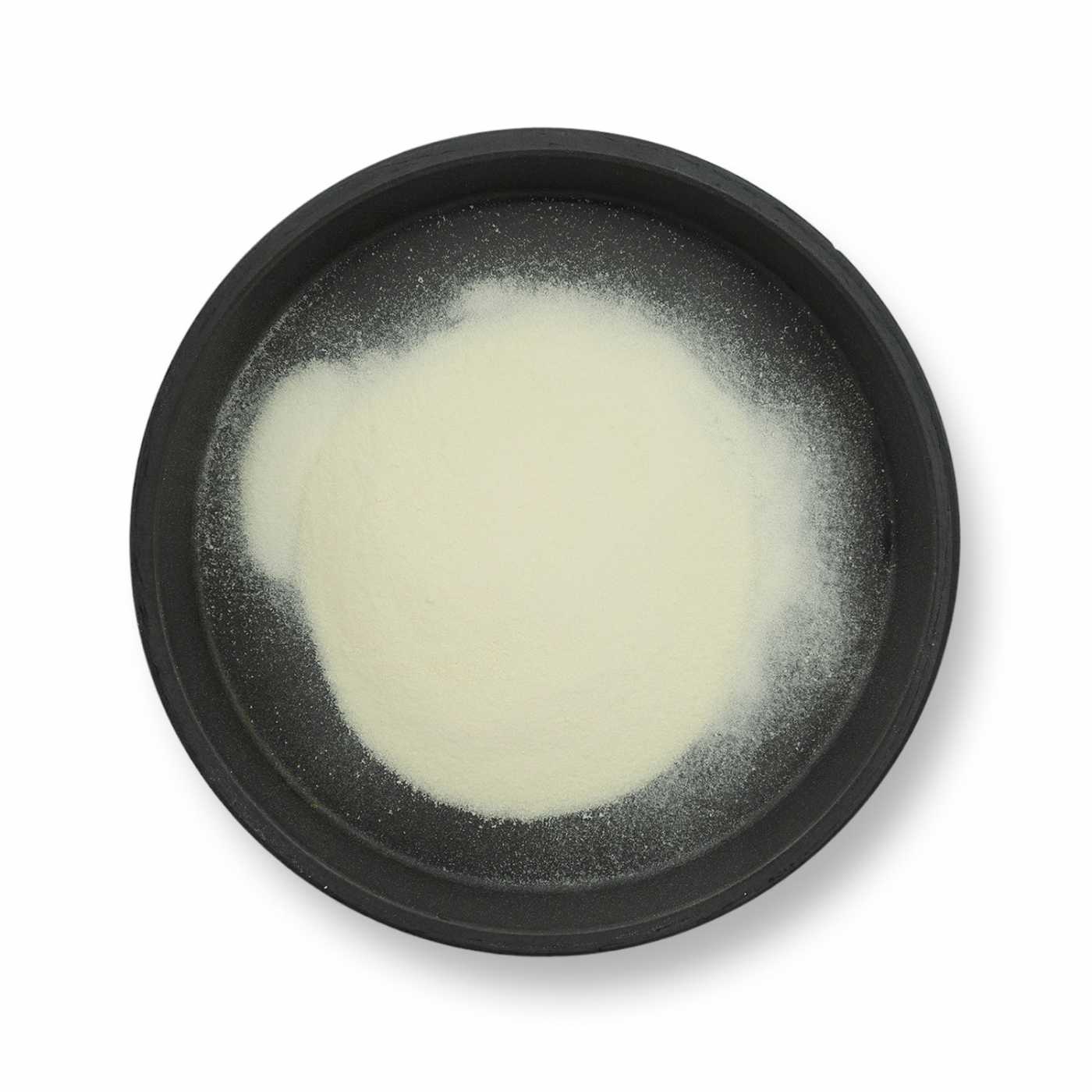
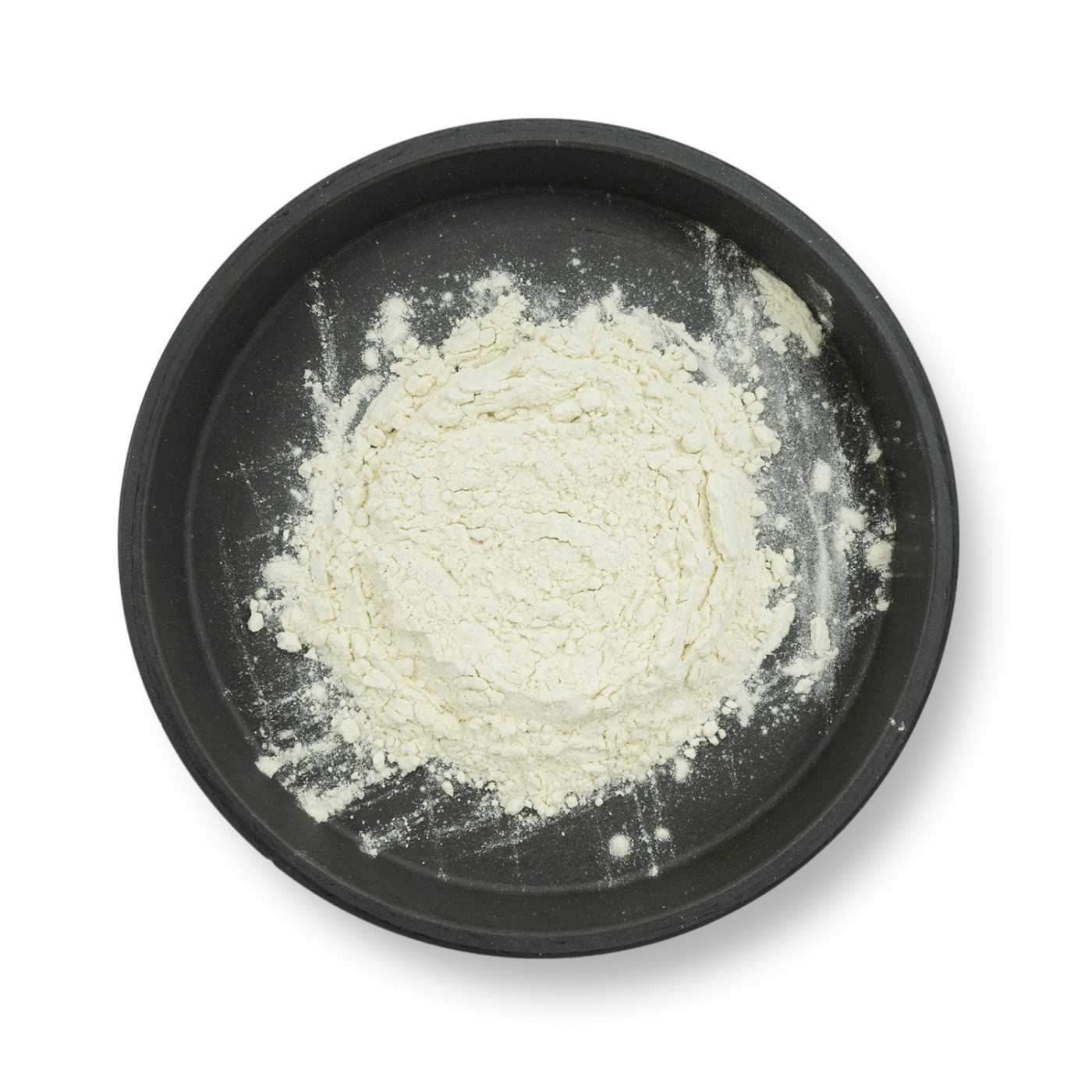
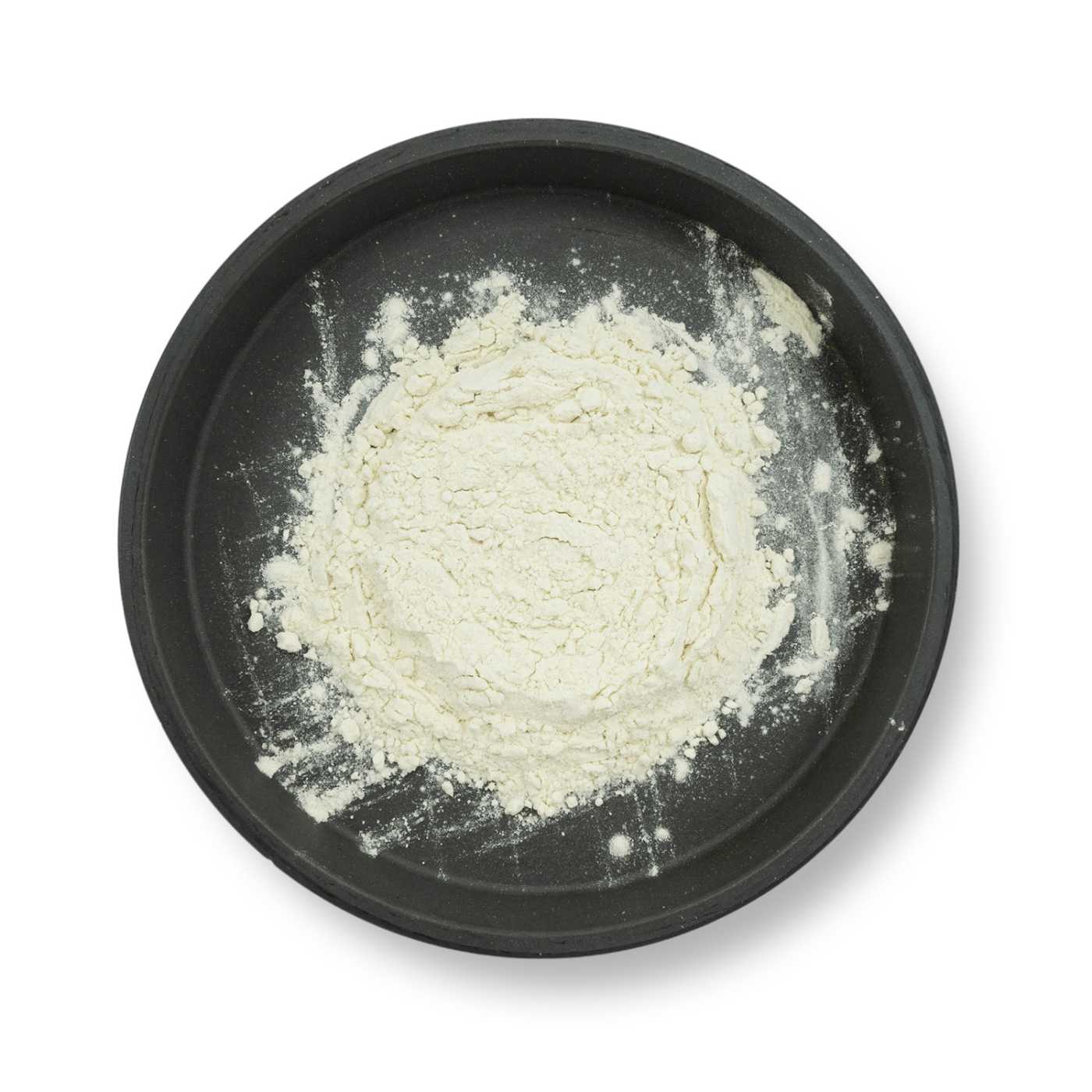
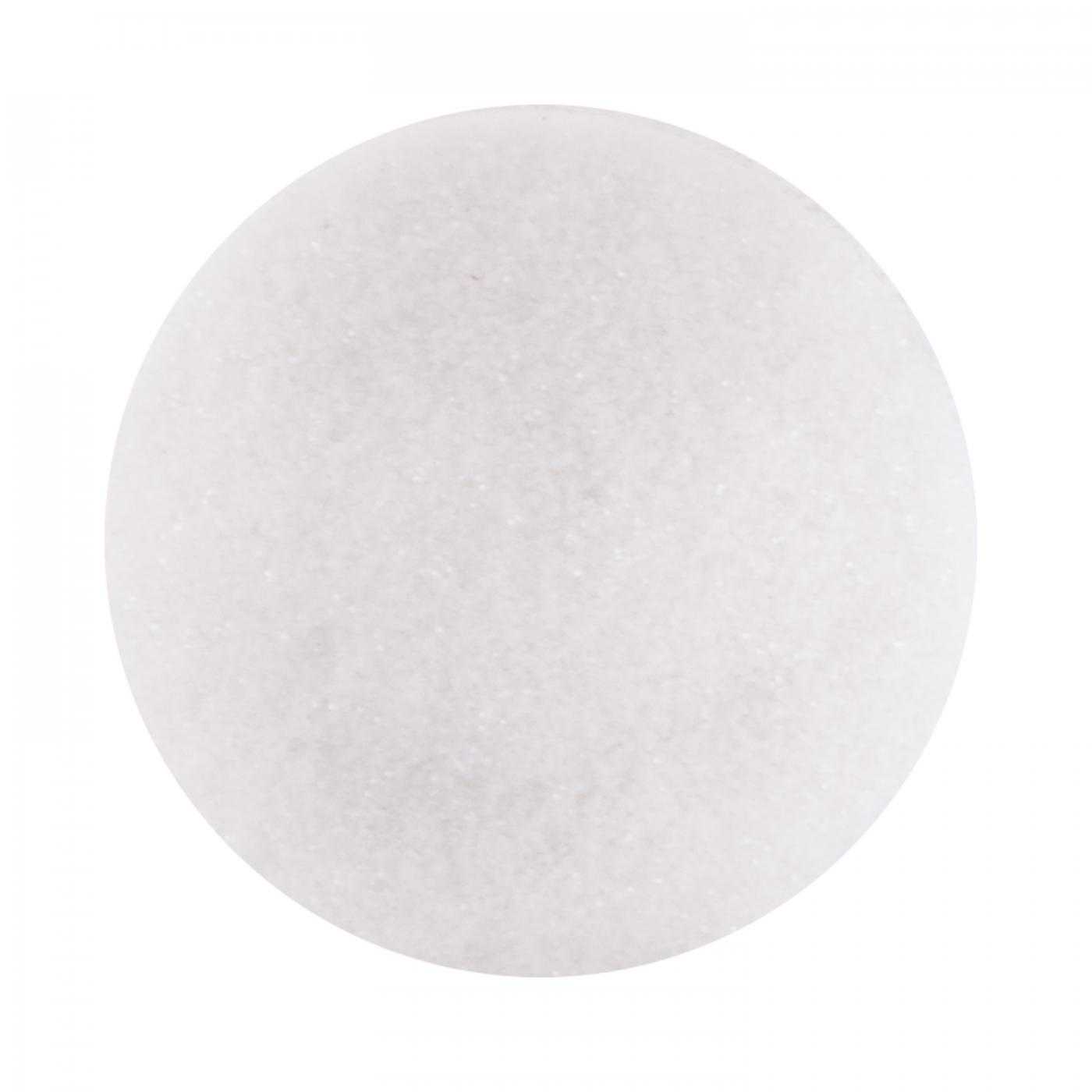
The powder is ivory in colour, tasteless and odourless, so it should not affect the fragrance of the product.

The powder is hygroscopic and deteriorates in humid air. Close the packaging tightly straight after each use.

The raw material is 100% of porcine origin and is not suitable for vegan products. It contains material of animal origin, and the presence of BSE/TSE cannot be ruled out. It is not classified as hazardous under CLP, does not contain food allergens and was not made from GMOs. It is readily biodegradable.

It is supplied in cosmetic grade and in food grade. Among its amino acids, glycine, proline and hydroxyproline predominate, which are typical of collagen.


Frequently asked questions

Is hydrolysed collagen soluble in water?
Yes, hydrolysed collagen powder dissolves completely in water, even cold water. It disperses very quickly and does not form lumps, so it does not need to be heated. It also dissolves in salt solutions. The solution is thin, foams little and is slightly cloudy. Unlike gelatine, it does not set into a gel as it cools.
How much hydrolysed collagen should go into a cream or conditioner?
In cosmetics, hydrolysed collagen is generally used at up to 5%. In facial creams, serums and toners the usage rate falls within this range. In hair conditioners it can be higher; in the hair conditioner recipe it is 10%, together with betaine and hydrolysed milk protein. The usage rate is indicative and we recommend verifying it on a sample.
When is hydrolysed collagen added to an emulsion?
Hydrolysed collagen is added to the water phase or afterwards to the cool-down phase at a temperature below 40 °C. It does not need heating because it dissolves in cold water. It is suitable for products with both acidic and neutral pH, and its ten percent solution has a pH of 5.5–6.5. It does not thicken the emulsion, as the solutions have a low viscosity.
Will hydrolysed collagen make a toner or gel cloudy?
Yes, a hydrolysed collagen solution is naturally slightly cloudy, so a clear toner or gel containing it will not remain perfectly transparent. The haze is a property of the raw material and does not mean a defect or spoilage. The raw material should not affect the fragrance of the product, as the powder is odourless.
Is hydrolysed collagen suitable for vegan cosmetics?
No, this hydrolysed collagen is 100% of porcine origin and is not suitable for vegan products. It is obtained by enzymatic cleavage of animal collagen followed by drying. The origin of the raw materials is traceable. As it contains material of animal origin, the presence of BSE/TSE cannot be ruled out.
Does hydrolysed collagen in a cream replenish collagen in the skin?
No, in cosmetics hydrolysed collagen works on the surface of the skin and does not replenish its own collagen. The peptides bind water and form a thin film that slows its evaporation. Afterwards the skin is hydrated and feels smoother and more supple to the touch, which is most noticeable on dry and mature skin.

Parameters

INCI
Hydrolyzed Collagen
CAS No.
92113-31-0
EC number
295-635-5
Product colour
BeigeWhite
Country of origin
Spain
Appearance
Powder
Application area
FaceHairScalpBodyHands
Recommended processing temperature
< 40 °C
Solubility
Water-soluble
Application type
Leave-onRinse-off
Biodegradability
Readily biodegradable

Product documentation

CoACertificate of Analysis
batch 240006857PDF ↓
TDSTechnical Data Sheet
Physical parameters and processingPDF ↓
SDSSafety Data Sheet
Available for purchased products —
Download all (ZIP)

2 PDF files in one archive

Learn how to work with it

From our blog
Renya T.20 Nov 2026EN

Verified purchase

simona S.6 Oct 2026EN

Verified purchase

Variant: Hydrolyzovaný kolagén, prášok, 100 g