


Spend over €100 for discounted shipping!

+421 950 333 113[email protected]

PRESERVATIVES

Cosgard, Preservative, 10 ml

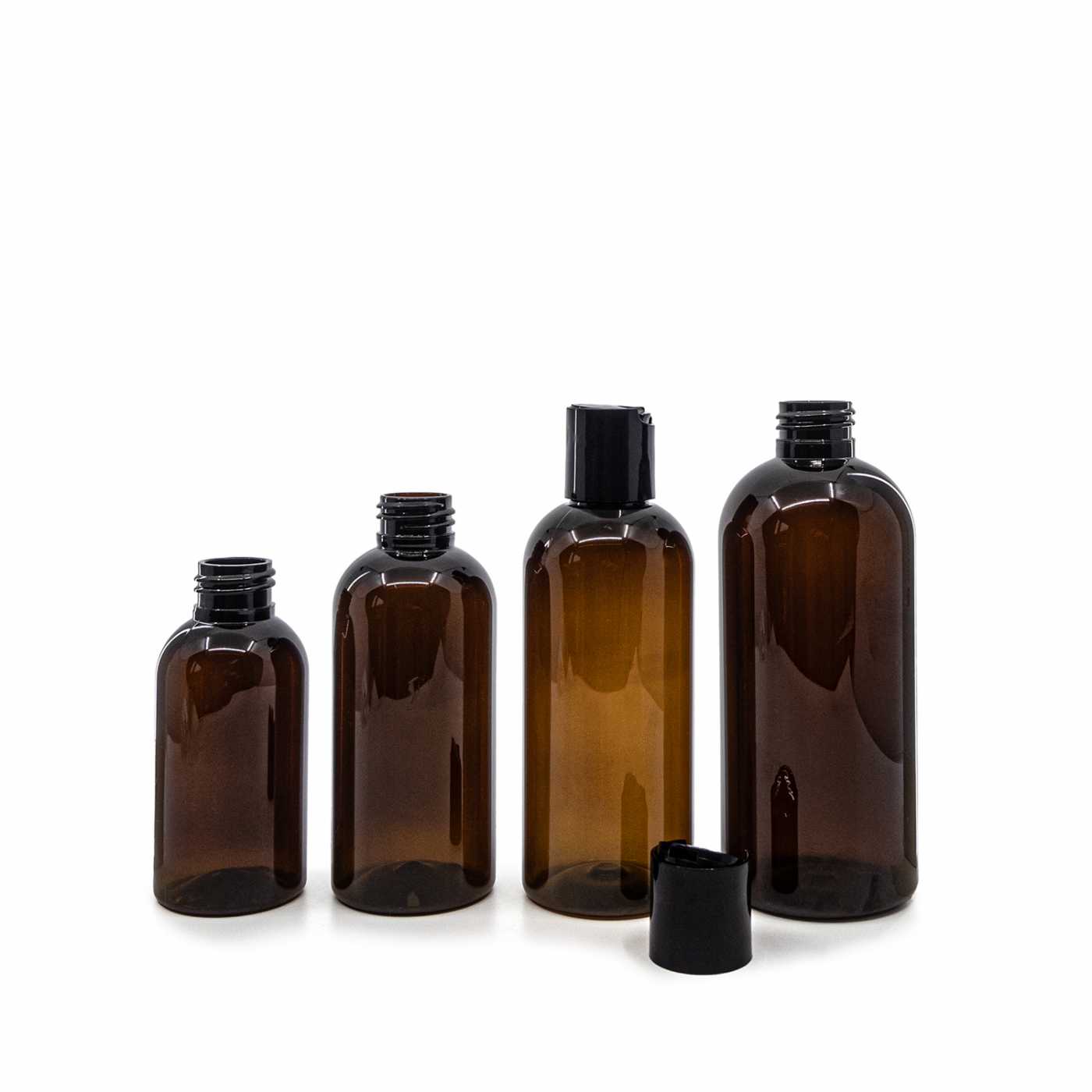
Pack size10 ml50 ml100 ml1 l10 l

Cosgard is a broad-spectrum preservative for water-phase cosmetics, approved for natural cosmetics to the COSMOS standard. full description

AvailabilityIn stock · 13,549 packs
Product codeKON100_10
BatchIB260242
Best before03/2028
€1.98incl. VAT€198.00/l

Lowest price in the last 30 days: €1.98

Product description

Cosgard is a broad-spectrum preservative for water-phase cosmetics, approved for natural cosmetics to the COSMOS standard. It protects creams, serums, tonics and shampoos against bacteria, yeasts and moulds at a use level from 0.6 %. It is widely used in home and small-batch production because it is easy to dose, requires no special processing and works within the typical pH range of skin-care formulations.

The efficacy is provided by a combination of benzyl alcohol and dehydroacetic acid. Benzyl alcohol acts primarily against bacteria, while dehydroacetic acid adds protection against moulds and yeasts. A single preservative thus covers the full spectrum of microorganisms a cosmetics manufacturer typically encounters. The blend contains no parabens, formaldehyde or its donors, EDTA or PEG, and is readily biodegradable.


Key properties

  • Broad spectrum of action – effective against bacteria, yeasts and moulds, so in most formulations there is no need to combine multiple preservatives.
  • Natural cosmetics – the preservative is COSMOS Approved and vegan, making it suitable for products prepared according to natural certification standards.
  • Low use level – the recommended range is 0.6 – 1 %, which in typical formulations means 6 – 10 g per kilogram of product.
  • Simple processing – the liquid is added to the finished product during cool-down, without dissolving or heating.
  • Rinse-off and leave-on products – suitable for products that are washed off as well as those that remain on the skin.

Use in formulation

The preservative is added in the cool-down phase at a temperature below 80 °C, together with other heat-sensitive ingredients. It dissolves in alcohol and glycols, and only partially in water. In emulsions it disperses without problems at a use level up to 1 %. In clear aqueous products such as tonics or hydrolat sprays, pre-disperse it in a small amount of glycerin, propanediol or ethanol before adding to the water phase to prevent haziness.

The decisive parameter is the pH of the finished product. The preservative works reliably in the range of pH 3 – 6, where dehydroacetic acid is in its effective, undissociated form. Above pH 6 its efficacy declines and protection relies on benzyl alcohol alone. The pH is therefore adjusted before or immediately after adding the preservative and always verified in the finished blend.

For facial creams and serums, targeting pH 5.0 – 5.5 has proved reliable. This value is close to the natural pH of the skin and at the same time lies safely below the threshold where the preservative loses efficacy against moulds.

The blend is compatible with anionic, amphoteric and non-ionic surfactants, so it can be used in shampoos, shower gels and other wash-off products with pH in the recommended range. For products with a higher content of proteins, starches or botanical extracts, the dose is chosen at the upper end of the range.


Suitable for products such as

  • Facial and body creams, lotions and balms with an aqueous phase
  • Serums, moisturising gels and tonics
  • Shampoos, conditioners and hair masks
  • Shower gels, foams and intimate hygiene products
  • Children's cosmetics with an aqueous phase, provided pH and dosage are observed
  • Decorative cosmetics on a water or emulsion base

The preservative is not added to anhydrous products (massage oils, balms, body butters). They lack the water in which microorganisms would grow.


Good to know

Benzyl alcohol is among the skin allergens that must be listed on the label according to the cosmetics regulation when their content exceeds the specified limit. At the recommended dosage of Cosgard this limit is practically always exceeded, so Benzyl Alcohol is included in the ingredient list on the packaging. This fact is also taken into account when assessing the safety of the product for sensitive skin.

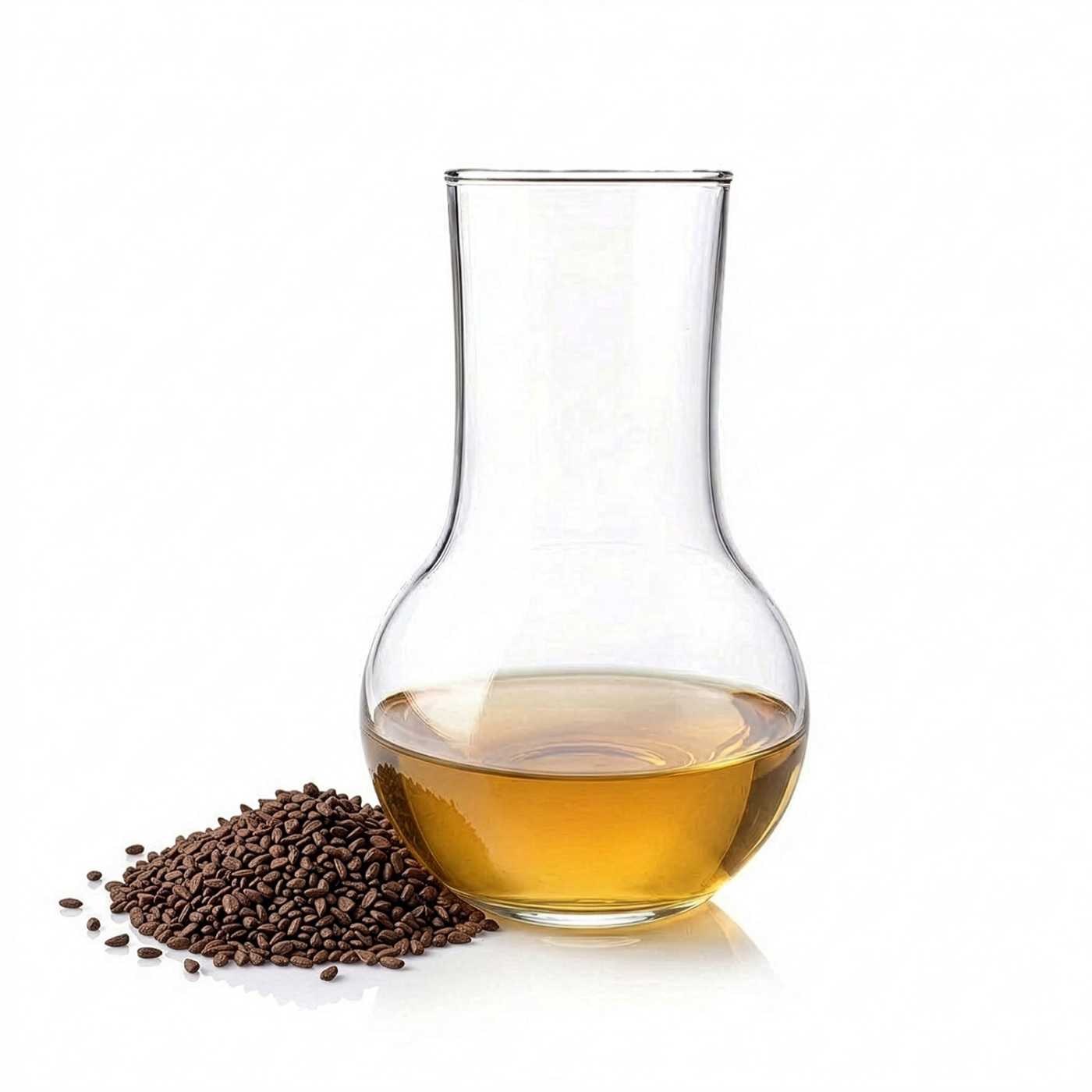
The preservative has the characteristic, slightly sweet scent of benzyl alcohol. In fragranced products it is undetectable; in unscented cosmetics it may be faintly perceptible at a 1 % use level. The brown colour of the raw material does not show in the product at typical use levels; with completely white or clear products it is worth testing a small sample first.

The preservative protects the finished product; it does not replace manufacturing hygiene. Clean containers, sanitised tools and distilled or boiled water are the foundation. Even the correct dose cannot save a product that was already contaminated during preparation.

The efficacy of preservation in a specific formulation is verified by a challenge test. For products intended for sale this test is part of the safety assessment report. For home use, at least monitor changes in scent, colour, consistency and appearance of the product during the first weeks of use.


Frequently asked questions

Is Cosgard water-soluble?
Cosgard is only partially soluble in water. At a use level up to 1 % it disperses well in emulsions and gel products, but in plain water or hydrolat it may cause slight haziness. It dissolves better in alcohol and glycols; for clear aqueous products it is therefore first mixed with glycerin, propanediol or ethanol and only then incorporated into the water phase.
At what pH does Cosgard work?
Cosgard works in the pH range of 3 to 6. Within this range dehydroacetic acid is effective against moulds and yeasts, while benzyl alcohol covers bacteria. Above pH 6 the efficacy against moulds decreases significantly, so the product pH is adjusted with lactic acid or citric acid to the range 5 – 5.5 and checked again after the preservative has been added.
How much Cosgard is added to a cream?
0.6 – 1 % of the total weight is added to a cream, meaning 0.6 – 1 g per 100 g of product. The lower dose is sufficient for simple emulsions with a small amount of extracts. The upper limit is chosen for products containing hydrolats, botanical extracts, proteins or starches, which provide microorganisms with more readily available nutrients.
Is Cosgard suitable for anhydrous products?
No, Cosgard is not added to anhydrous products. Oils, balms and body butters without an aqueous phase do not need a preservative because microorganisms do not grow without water. Instead, protection against oxidation is addressed in such products — for example with vitamin E. However, when a hydrolat or aqueous extract is added to an anhydrous product, preservation becomes necessary.
What is the difference between Cosgard and a benzoate/sorbate-based preservative?
The main difference lies in the pH range and spectrum of action. Blends of sodium benzoate and potassium sorbate require a more acidic environment and provide weaker protection against moulds. Cosgard works up to pH 6 and, thanks to dehydroacetic acid, covers moulds and yeasts without any additional ingredient. Benzoate and sorbate, on the other hand, are odourless and do not contain a declared skin allergen.
Can Cosgard be used in children's cosmetics?
Yes, according to the manufacturer's data Cosgard is suitable for use in children's cosmetics with an aqueous phase. For products intended for children, the dosage is kept at the lower end of the range, pH around 5, and it is taken into account that benzyl alcohol is a declared allergen. The safety of a specific formulation for children is always assessed in the product safety report.

Parameters

INCI
Dehydroacetic Acid, Benzyl Alcohol, Aqua
CAS No.
520-45-6, 100-51-6, 7732-18-5
EC number
208-293-9, 202-859-9
Product color
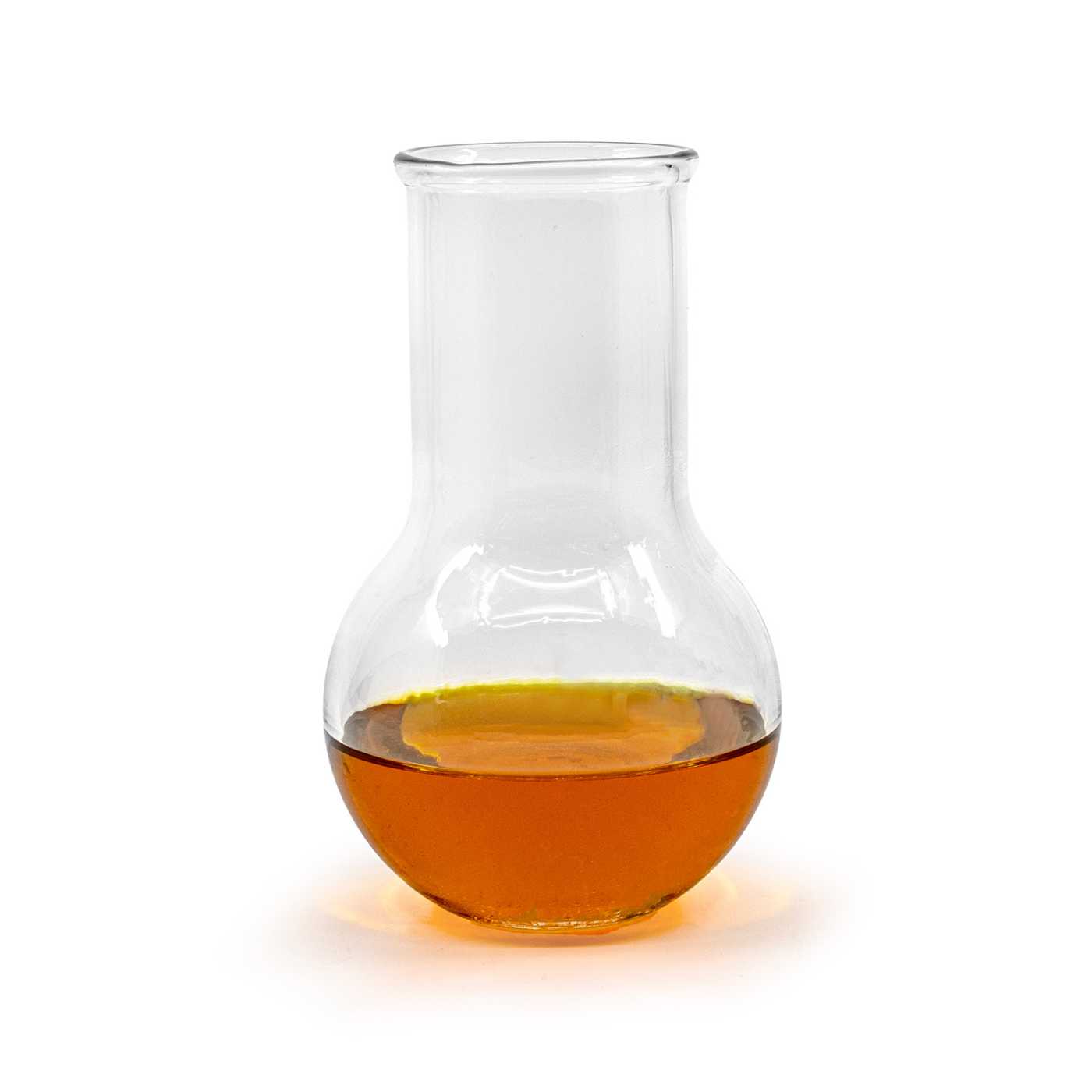
Amber
Appearance
Liquid
Formulation phase
Cool-down phase
Function in formulation
Preservative
Recommended processing temperature
< 80 °C
Recommended dosage range
0,6 – 1 %
Recommended formulation pH range
3 – 6
Application type
Leave-onRinse-off
Suitable for
All skin types
Certifications
Vegan
Manufacturer's certificate
COSMOS Approved
Natural Index (NI ISO 16128)
0,05
Natural Origin Index (NOI ISO 16128)
0,05
Volume
10 ml

Product documentation

CoACertificate of Analysis
batch IB260953PDF ↓
batch IP13485APDF ↓
batch IP13485PDF ↓
batch IB260242PDF ↓
TDSTechnical Data Sheet
Physical parameters and processingPDF ↓
MSDSSafety Data Sheet
Available for purchased products —
Download all (ZIP)

5 PDF files in one archive

Learn how to work with it

From our blog
Drahomíra S.18 Sept 2026CS

Verified purchase

I don't know, my daughter took it from me, saying she absolutely needs it for her creations

Translated automatically

Drahomíra20 Aug 2026CS

Verified purchase

Preservative — It's very easy to work with, it's "universal" for beginners, suitable for various types of products.

Translated automatically

Waldemar P.17 Oct 2026EN

Verified purchase

María15 Oct 2026ES

Verified purchase

Variant: Cosgard, konzervant, 50 ml
Alena K.30 Sept 2026SK

Verified purchase

Variant: Cosgard, konzervant, 50 ml
(7 reviews)