Curcuma Longa CO2-to Extract, Organic, 10 ml
Pre-order€4.99(€499.00/l)

EMULGATORS
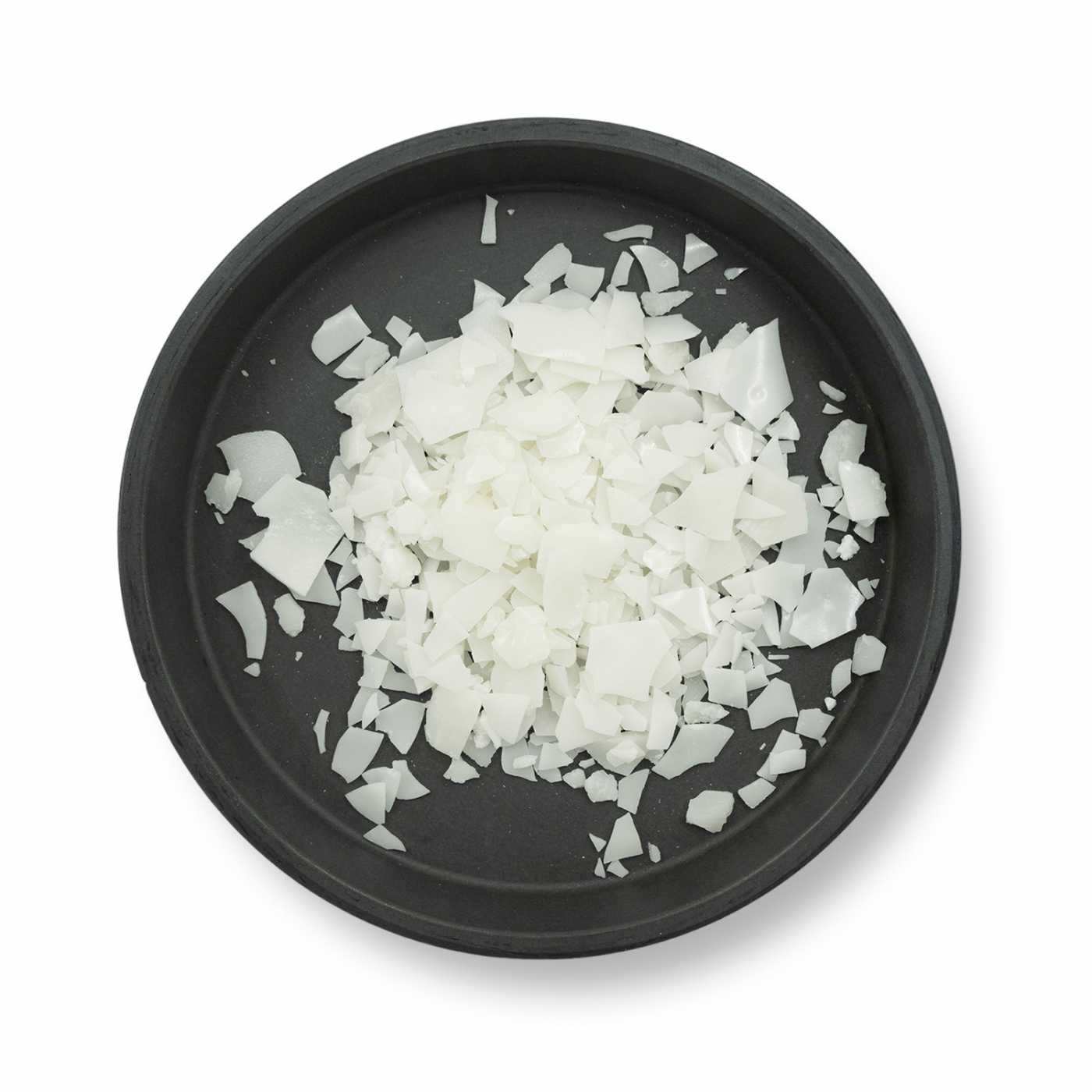
Cetyl alcohol gives creams and lotions body and holds them together. In a formulation it works as a co-emulsifier , emollient and emulsion stabiliser : it thickens the oil phase, supports the main emulsifier and leaves… full description
Lowest price in the last 30 days: €3.29
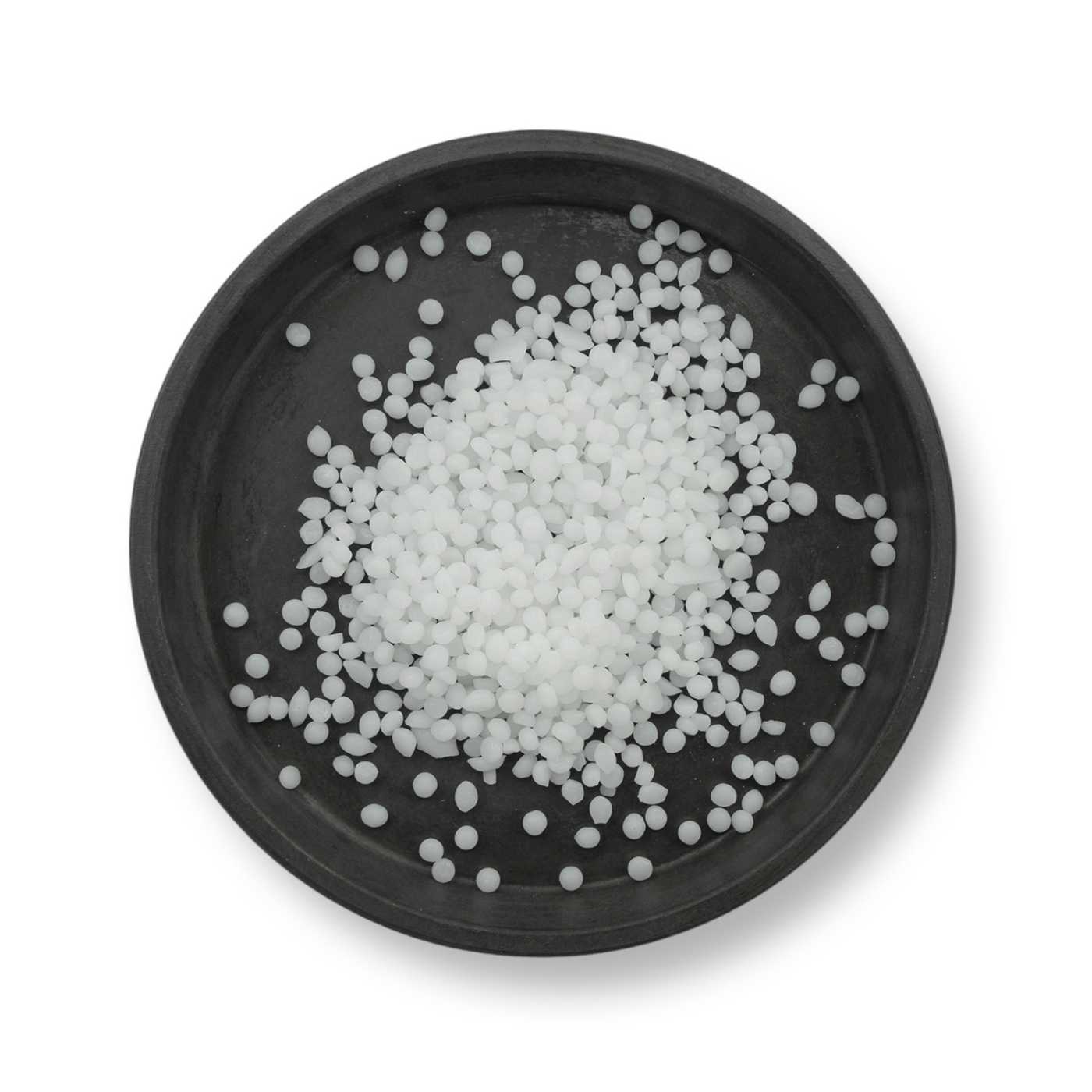
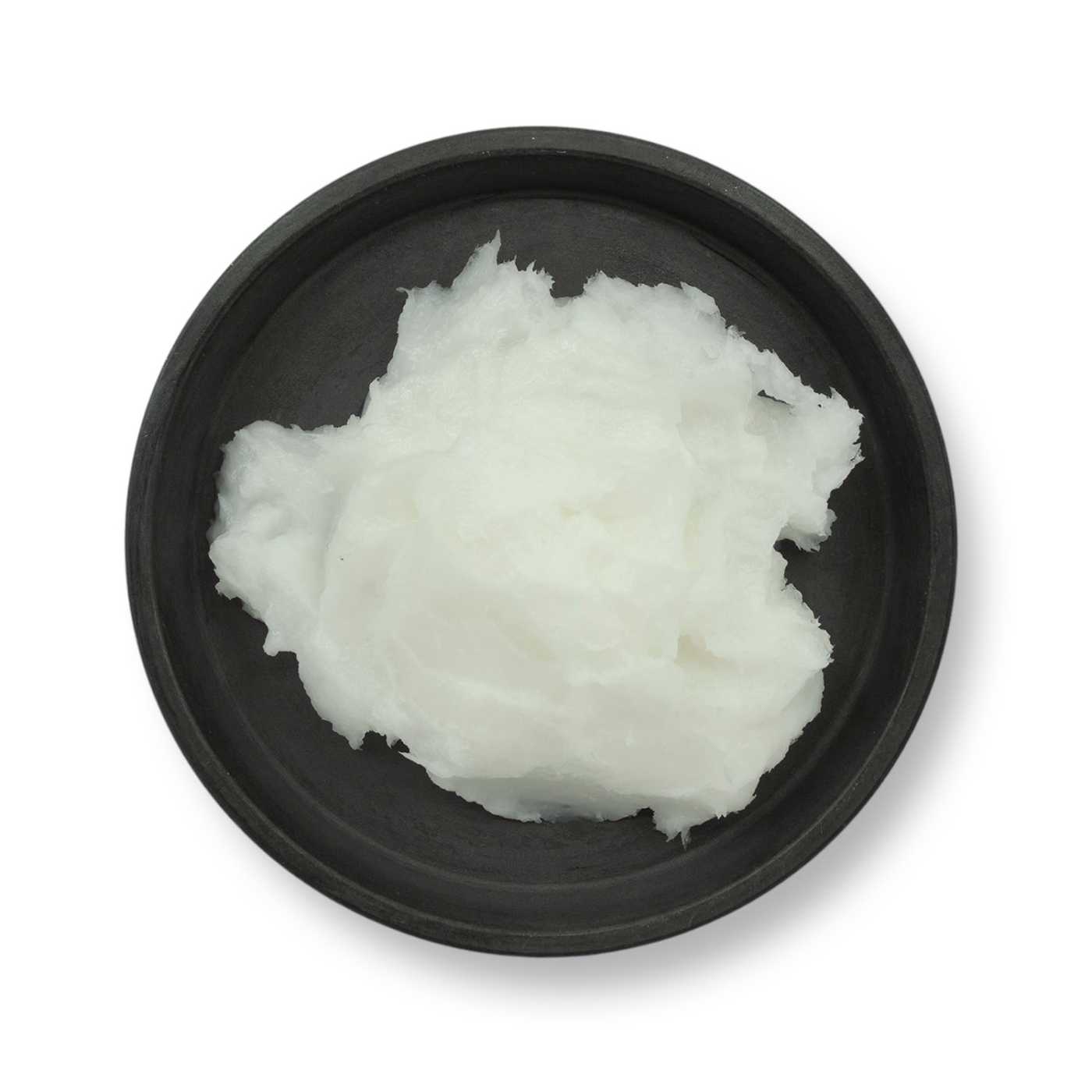
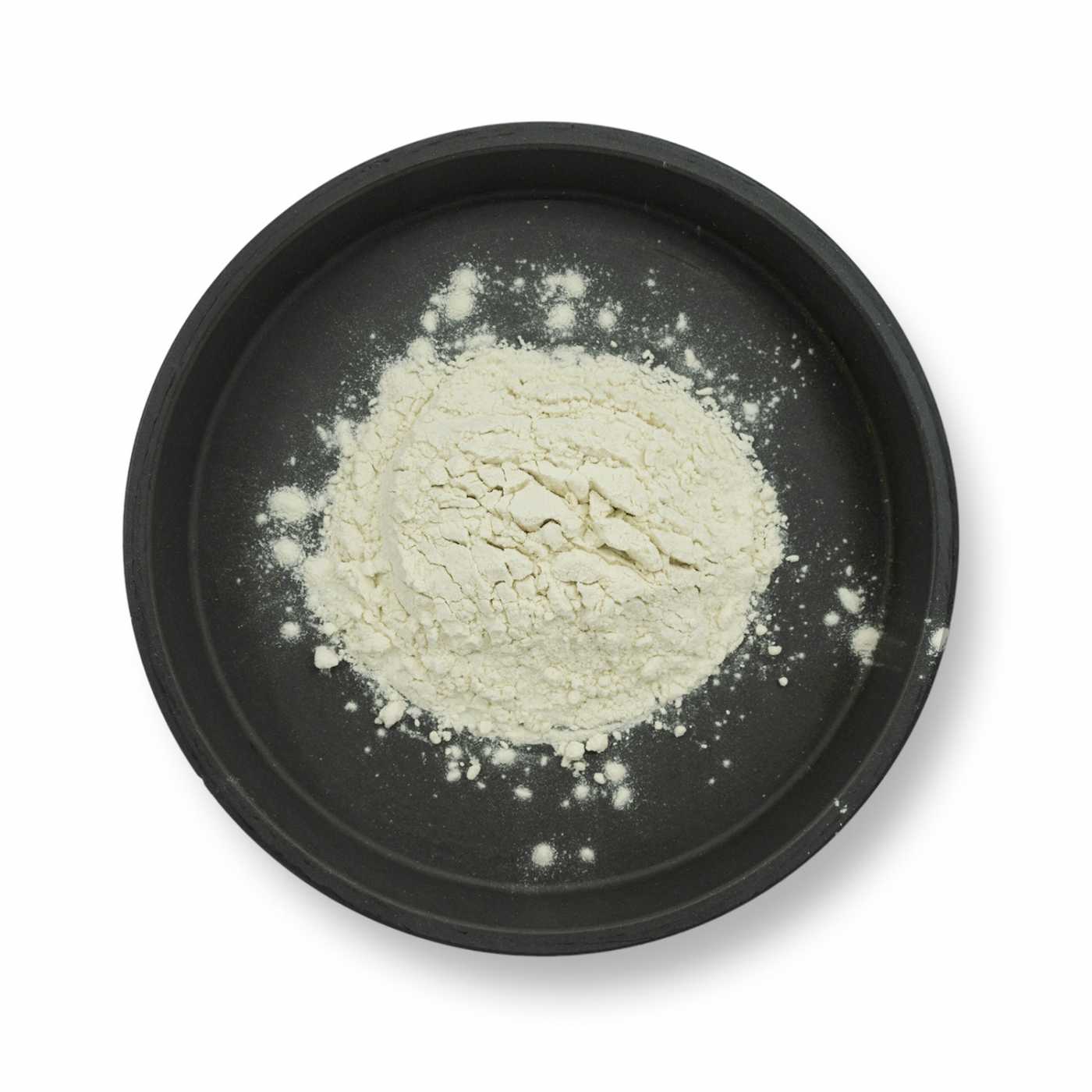
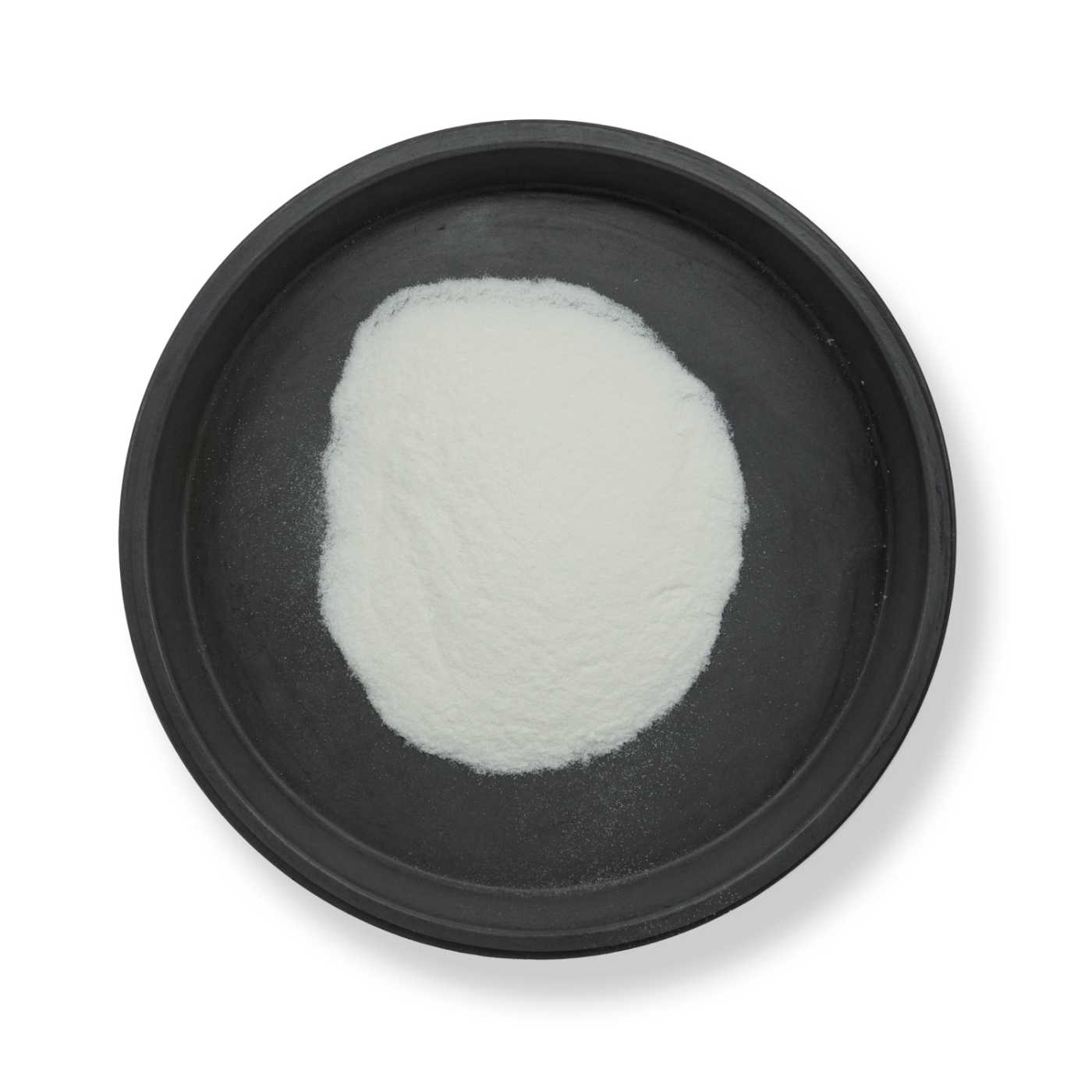
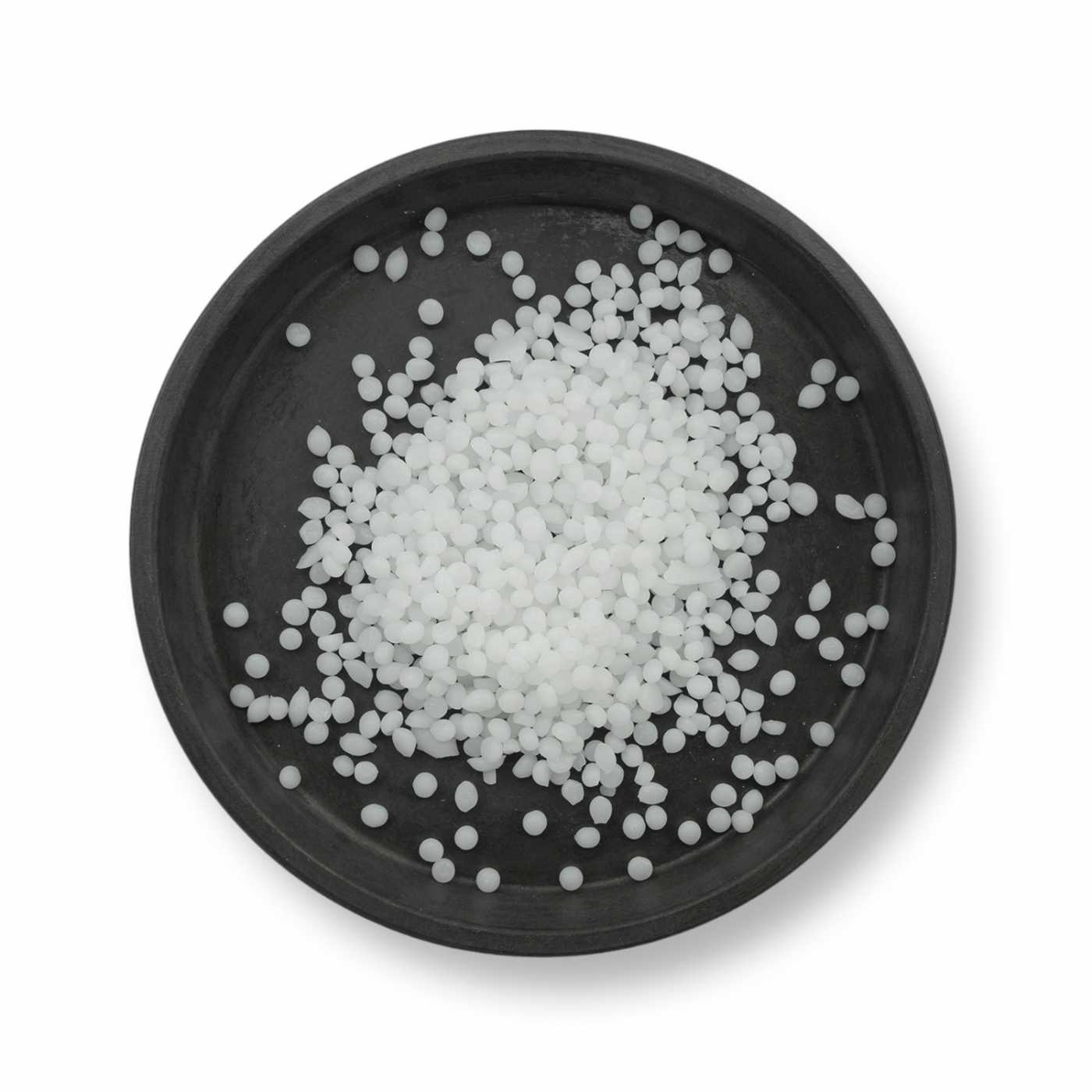
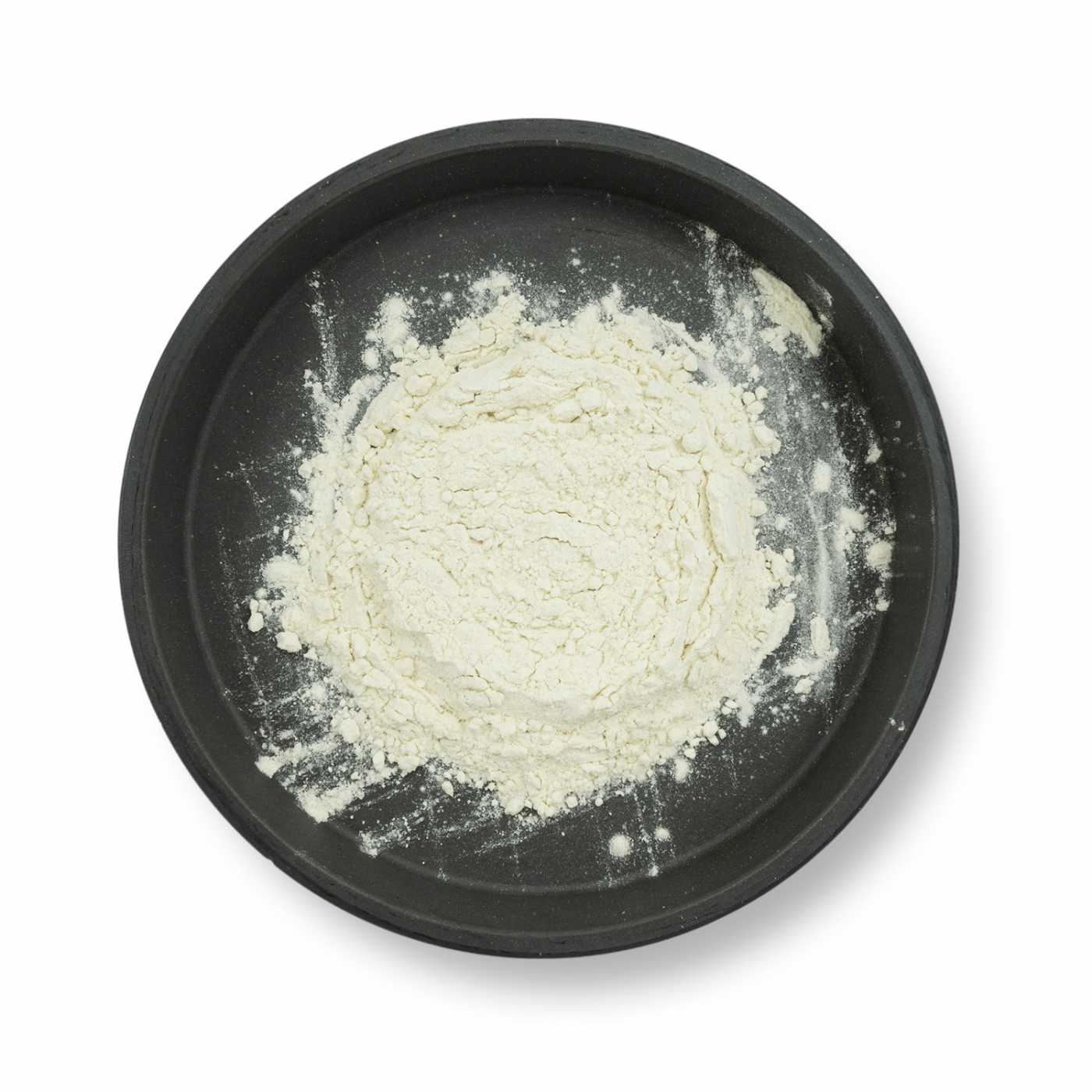
Cetyl alcohol gives creams and lotions body and holds them together. In a formulation it works as a co-emulsifier, emollient and emulsion stabiliser: it thickens the oil phase, supports the main emulsifier and leaves a smooth feeling on the skin without a heavy greasy sensation. It belongs to the fatty alcohols – it shares only the name with ethanol and does not dry out the skin.
When heated it melts and blends completely with oils, butters and waxes. Depending on the amount, it changes the texture from a light lotion to a rich cream, which is why it is a staple in the production of emulsions and anhydrous balms.
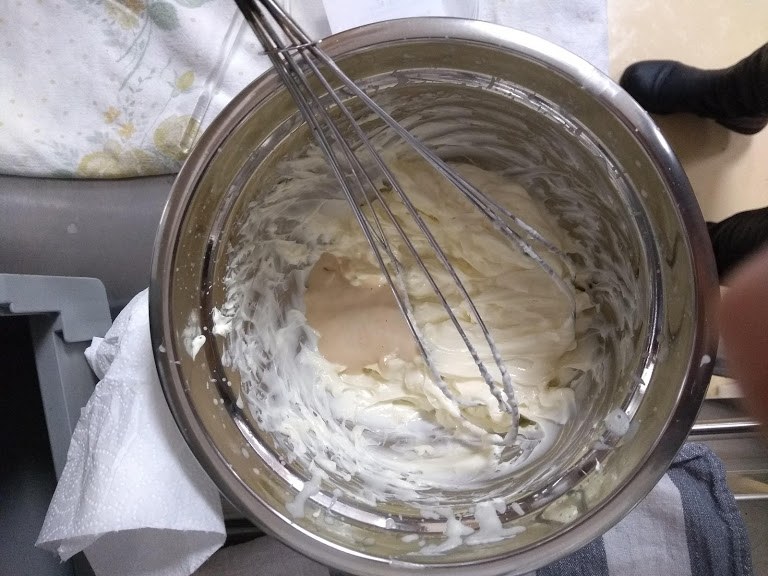
It is added to the oil phase and processed hot at above 50 °C, until it is completely melted together with the oils, butters and emulsifier. The water phase is heated to a similar temperature, both phases are combined with constant stirring, and the emulsion is then left to cool with slow stirring. It is insoluble in water, miscible with oils and only partially soluble in alcohol. It is therefore not suitable for purely aqueous products, tonics or sprays.
The recommended usage level is 1 – 10 % of the total weight of the formula. Lower levels will only slightly refine the texture and support the stability of a light lotion. Higher levels will noticeably thicken the emulsion and are suitable for firmer creams, conditioners and colour cosmetics.
Adjust the density of the emulsion with cetyl alcohol rather than adding more oil. You will get a more stable cream without a heavier feel on the skin. Assess the final viscosity only after the product has cooled completely.
In anhydrous products – balms, sticks and whipped butters – it adds firmness and a smooth slip to the blend. It dissolves directly in the melted butters and waxes.
Allow the oil phase to melt completely and become clear at above 50 °C before combining it with the water phase. Cool the emulsion slowly with constant stirring.
Cetyl alcohol does not preserve. Every emulsion with a water phase needs its own preservation system. The substance is not classified as hazardous under the CLP Regulation and is readily biodegradable. Compatibility is listed without restrictions; it is nevertheless advisable to verify the stability of a specific formula in the finished product, particularly at higher levels.

quality product — I'm happy with the product, I add it when making body cream
Translated automatically

Variant: Cetyl alkohol, 200 g