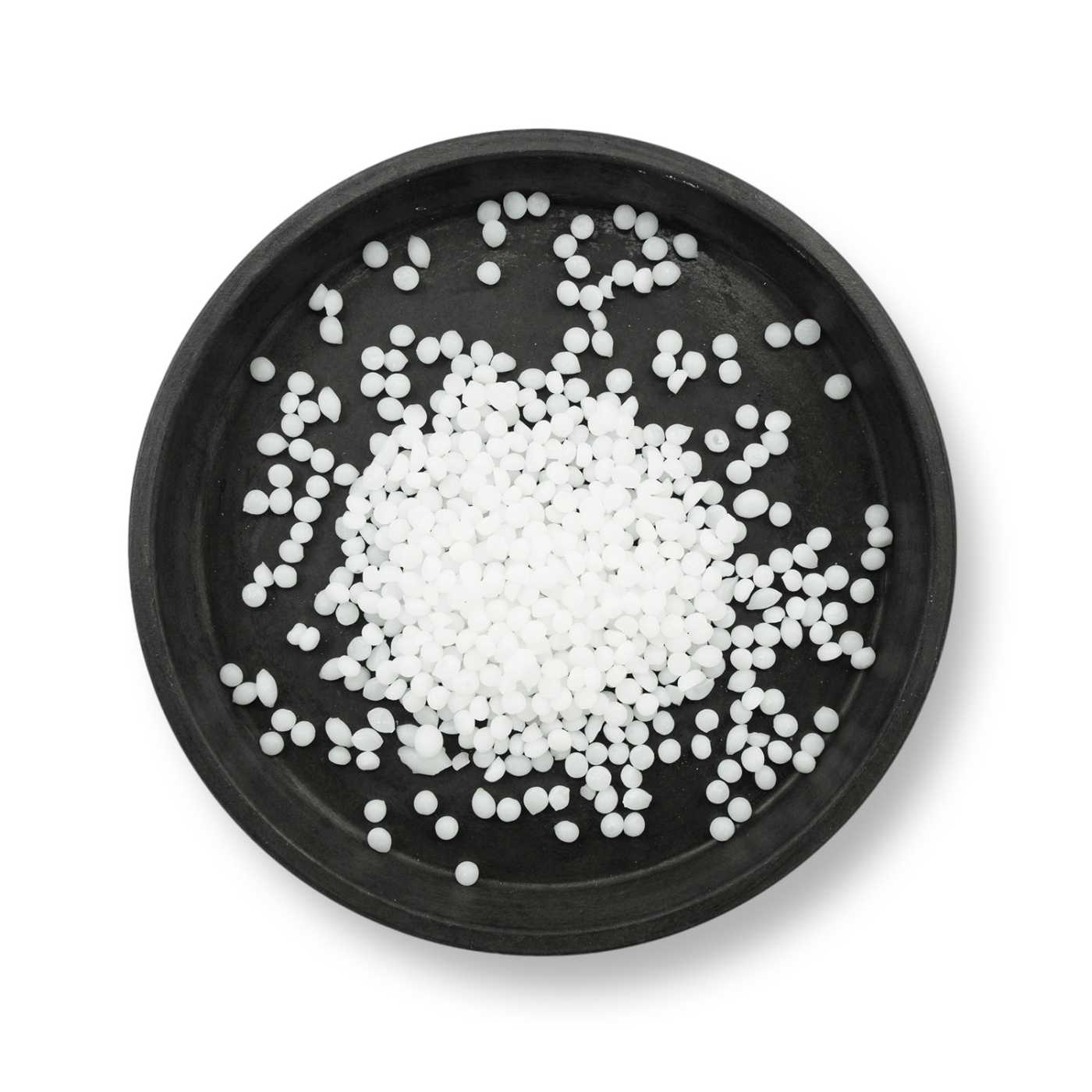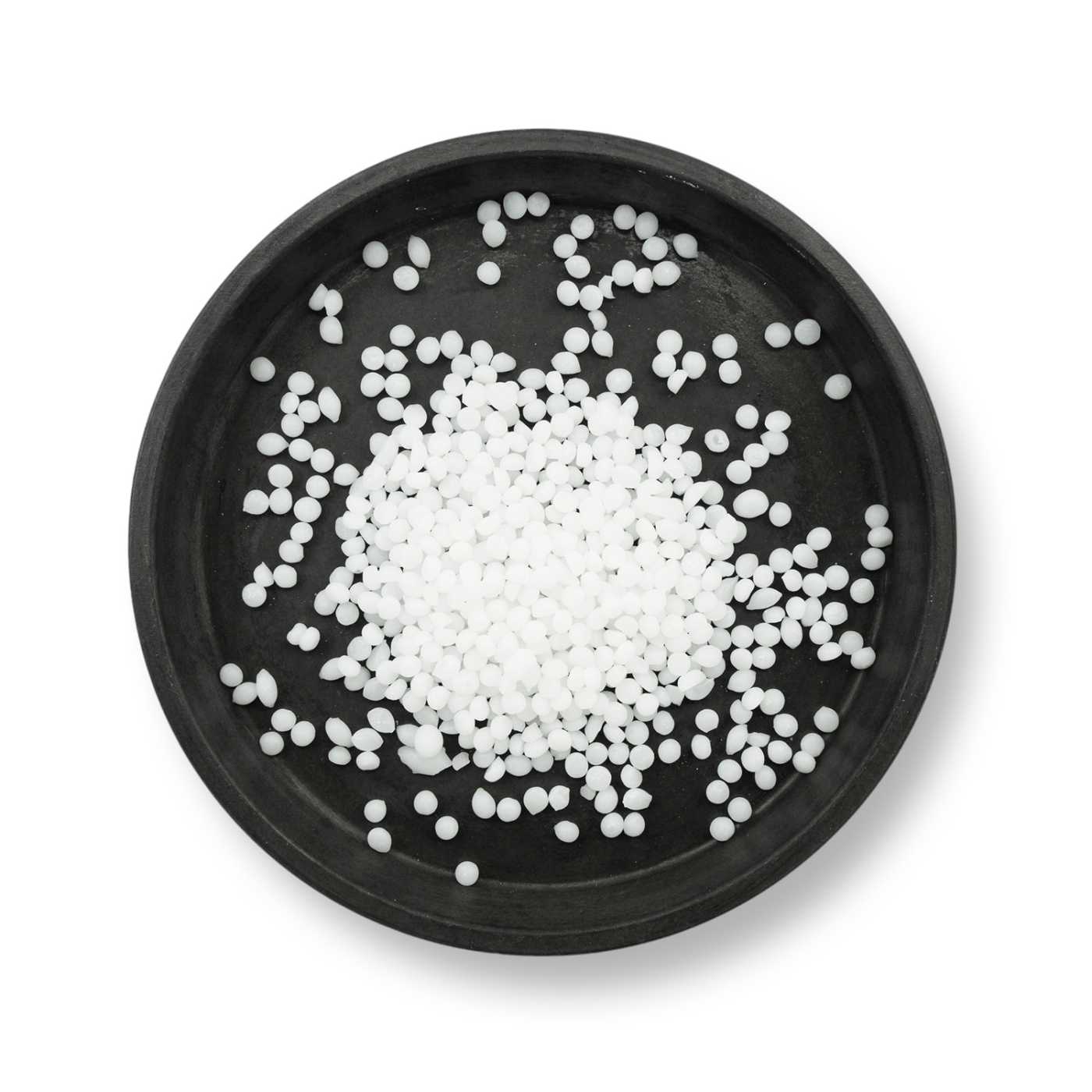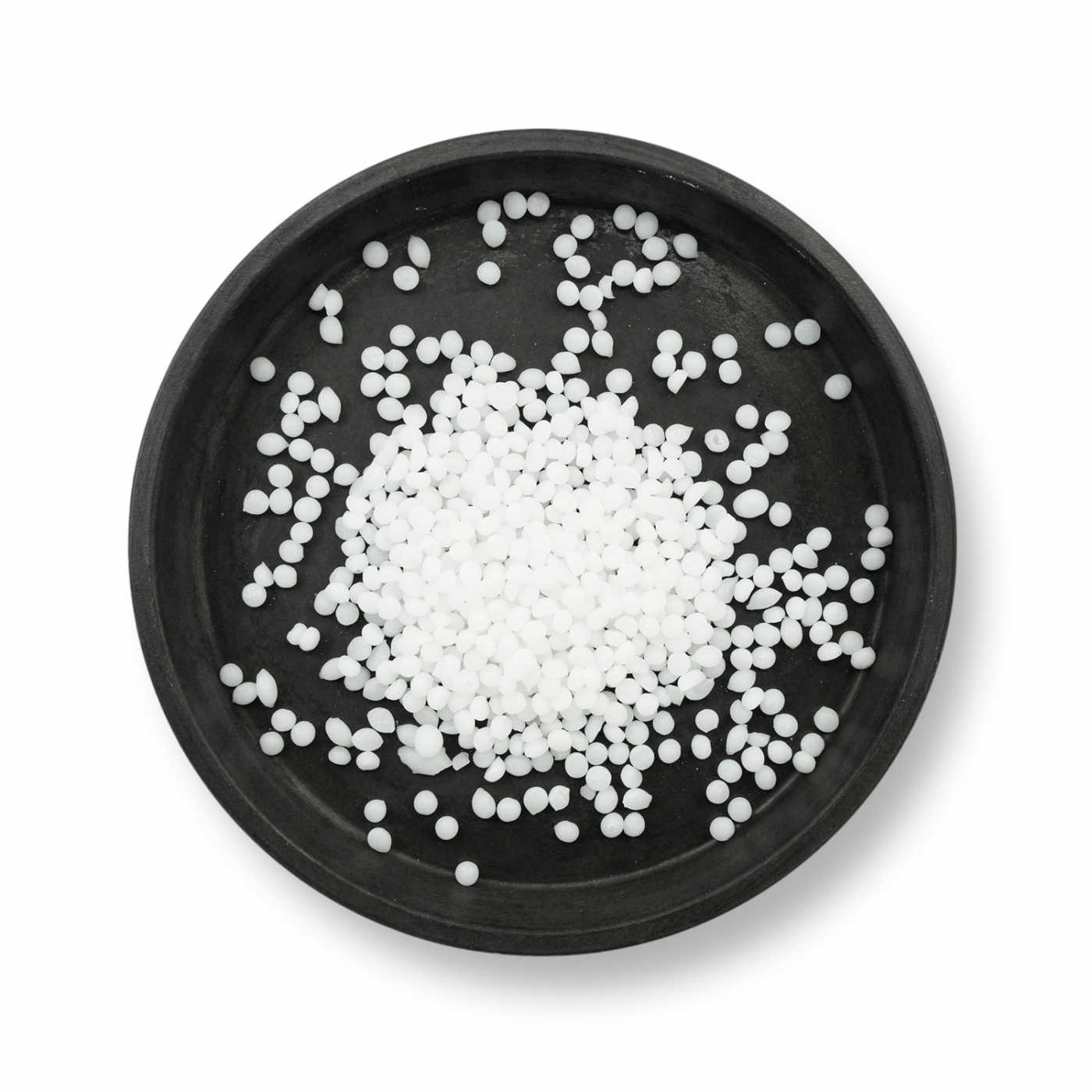
Sodium Hydroxide, Pearls, 1 kg
Pre-order€4.89(€4.89/kg)

3 in stock now
4.9 out of 5 · 667 ratings
Documentation for every product
5 products in this category
Showing 5 of 5 products
Hydroxide is the raw material that turns fats into soap. During saponification it reacts with oils and butters and converts them into soap and glycerine — which is why no free hydroxide is left in a finished, correctly calculated soap. We stock both forms: sodium hydroxide in micropearls (1 kg, 5 kg and 25 kg) and pure potassium hydroxide (750 g and 25 kg).
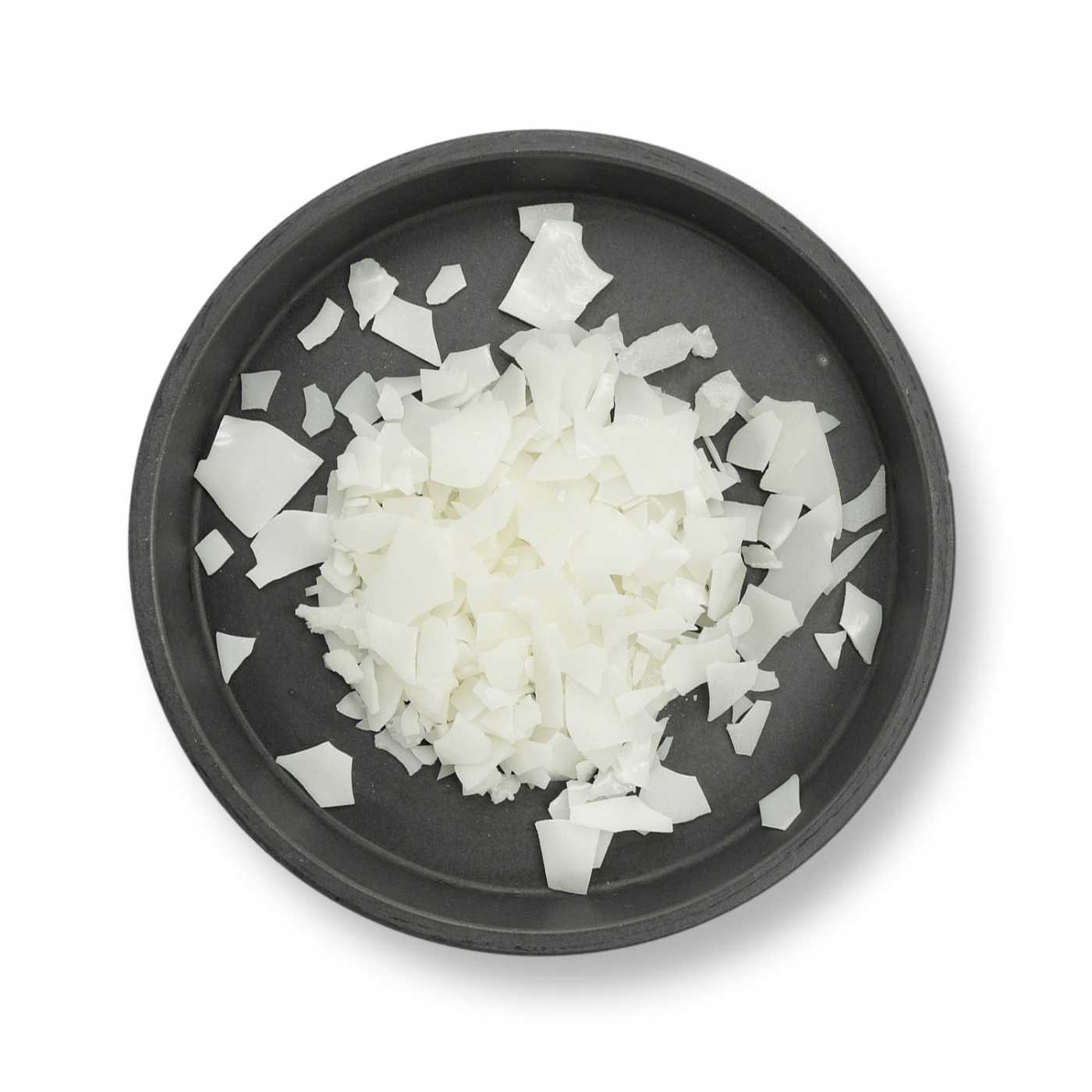
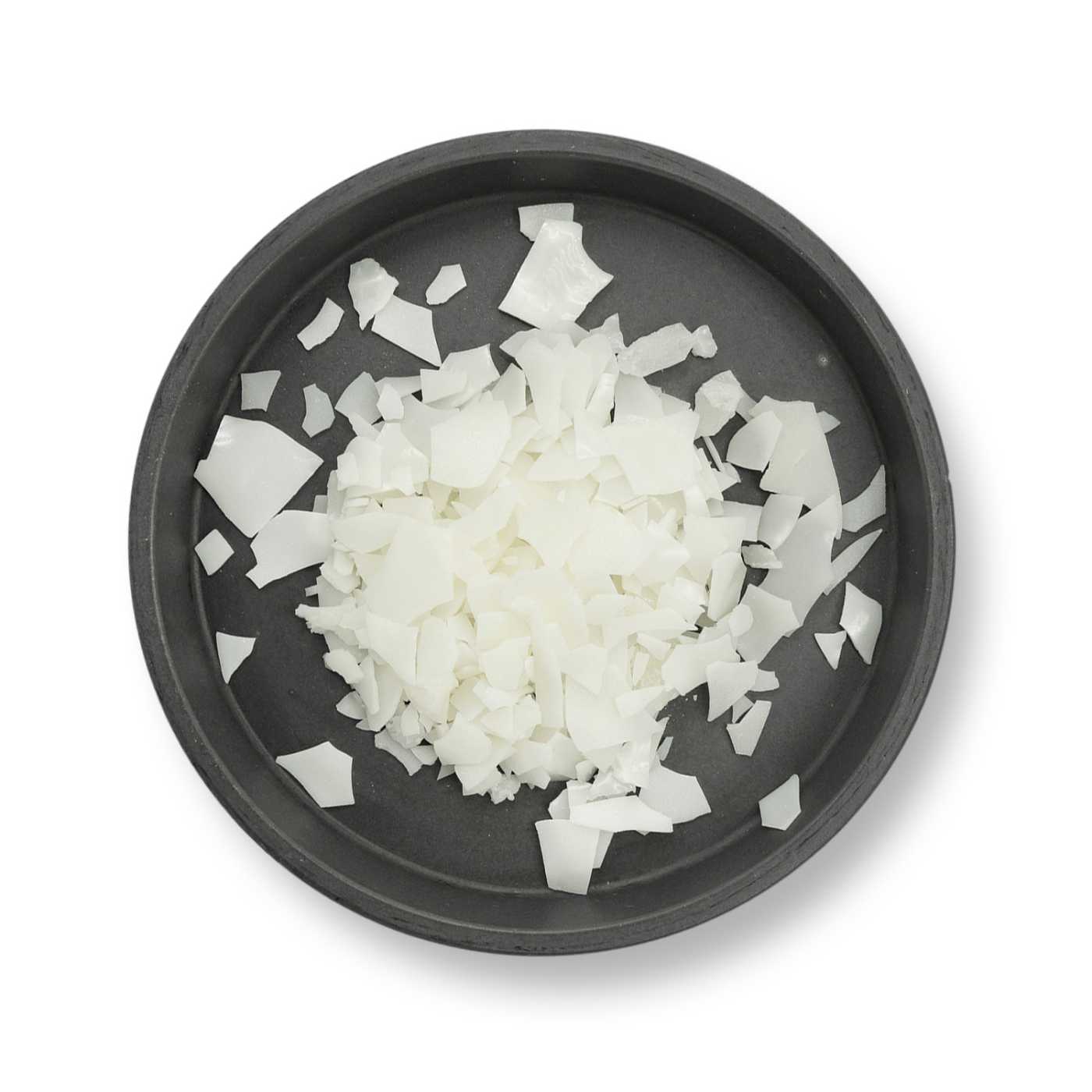
Sodium hydroxide (NaOH) produces firm sodium soaps — it is the basis of the classic cold and hot process alike. Micropearls weigh out more precisely than flakes, create less dust and dissolve quickly in solution. Potassium hydroxide (KOH) produces soft potassium soaps, which are diluted into liquid soaps, shampoos or a shaving base. Always work the amount out in a soap calculator from the saponification values of the particular fats — roughly 120–145 g of NaOH per kilogram of oils — and allow for a 5–8 % superfat. You will find suitable fats in the Oils and Butters categories.
Hydroxide is a strong caustic to be handled with respect rather than fear. Always pour the hydroxide into cold water, never the other way round — the solution heats up close to boiling point. Wear goggles, gloves and long sleeves, and mix in a well-ventilated room in a vessel made of PP plastic, stainless steel or glass, never aluminium. Store it in its original tightly closed packaging out of reach of children; micropearls are hygroscopic and take up moisture from the air. The safety data sheet (SDS) is available to download with every pack.
There is no single figure — every fat has its own saponification value. In practice you will be somewhere around 120–145 g of NaOH per kilogram of fats, but always calculate the exact amount in a soap calculator for the particular recipe and deduct a 5–8 % superfat. Too much hydroxide means an irritating soap, so never estimate the weight or take it from a recipe with different oils.
Sodium hydroxide (NaOH) produces solid soaps — bars from the cold or hot process. Potassium hydroxide (KOH) gives soft, readily soluble soaps that are diluted into liquid soaps and shampoos. They are not interchangeable at the same weight: KOH has a different molecular weight, which is why calculators handle each hydroxide separately.
Goggles, gloves, long sleeves and a ventilated room are the minimum. Pour the hydroxide into cold water in portions (never water into hydroxide), mix in a vessel made of PP plastic, stainless steel or glass, and leave the solution to cool out of reach of children and animals. If it reaches the skin, rinse under running water and follow the SDS you will find with every pack.
Soap does not come about entirely without hydroxide — but you do not have to handle it yourself. Melt-and-pour soap bases are already saponified: you simply melt them, colour them, add fragrance and pour them into a mould. For beginners and for crafting with children they are the safest route to your own soap; leave hydroxide for later, when you want to build your own recipe from scratch.