Sunflower Oil, High Oleic, 10 l
Pre-order€43.11(€4.31/l)

HYDROXIDE
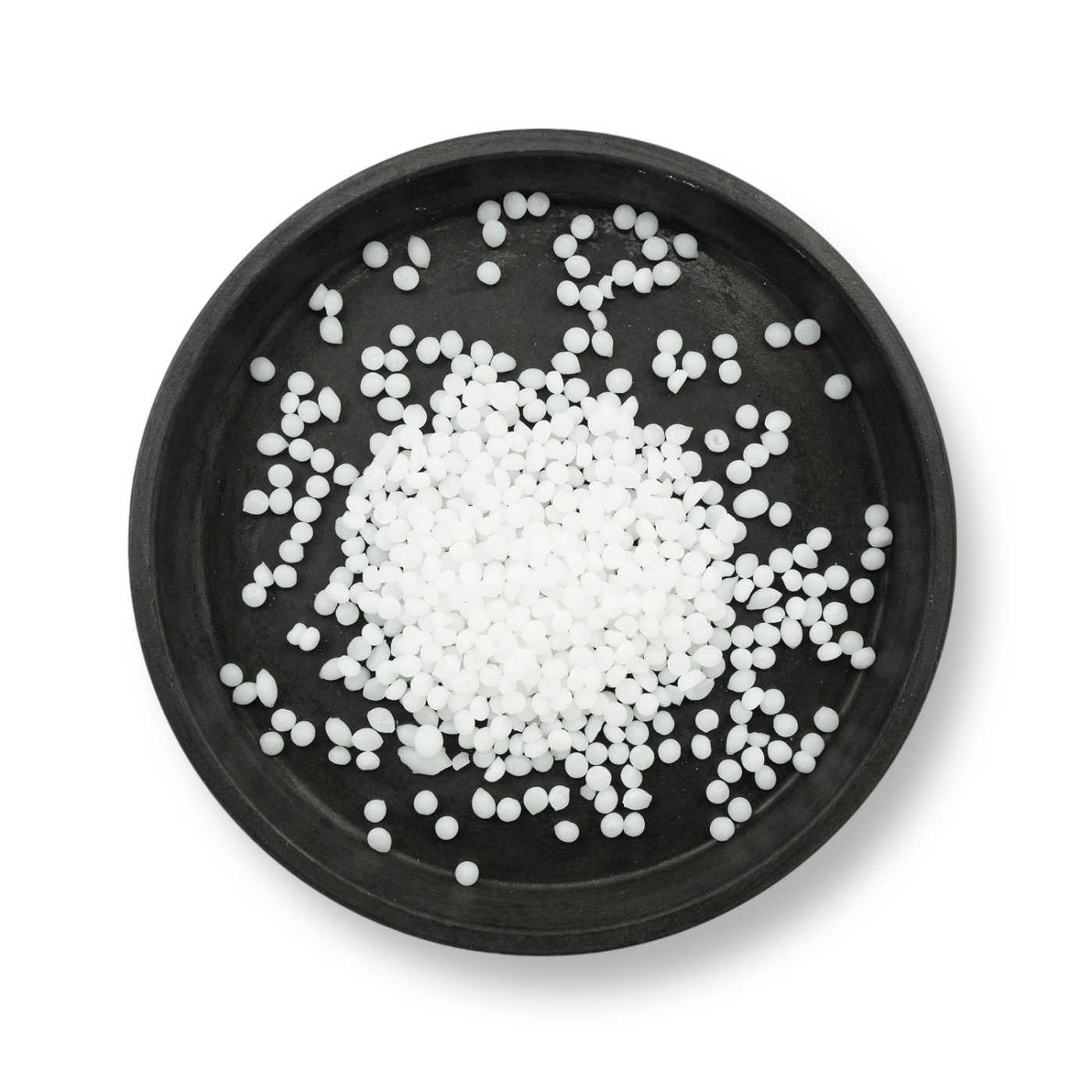
Pack size5 kg25 kg
Sodium hydroxide , also known as lye, is a strong alkali, and solid soap cannot be made without it. During saponification it reacts with oils and fats and turns them into soap. In cosmetics it has a second role. full description
Lowest price in the last 30 days: €50.00
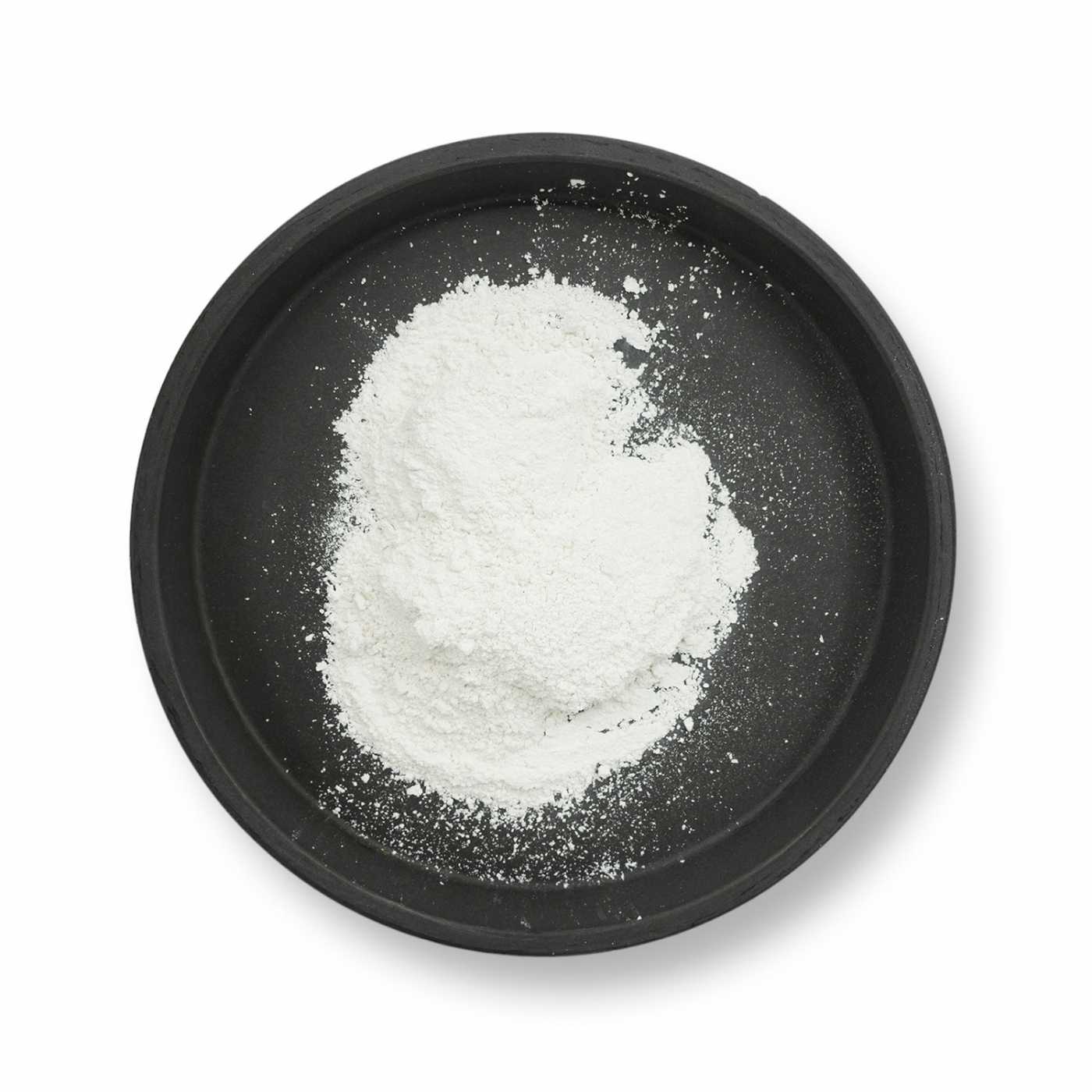
Sodium hydroxide, also known as lye, is a strong alkali, and solid soap cannot be made without it. During saponification it reacts with oils and fats and turns them into soap.
In cosmetics it has a second role. A diluted solution is used to raise the pH of creams, gels and other products with a water phase, and to neutralise thickeners and acidic active ingredients.
In soap, sodium hydroxide is the main reactive ingredient. It is dissolved in water and the resulting solution is mixed with oils and fats. During saponification the fatty acids turn into soap, and glycerine forms as a by-product.
The amount is always calculated according to the recipe. Each oil and fat needs a different amount of hydroxide for saponification. The dose is determined from the saponification value of each fat, most often in a soap calculator, and it is weighed precisely.
The purity of the raw material is at least 99%. It contains at most 0.8% sodium carbonate, 0.1% sodium chloride and 50 ppm iron. Hydroxide from a drugstore contains impurities, so it does not belong in soap or cosmetics.
Sodium hydroxide is added to creams, gels and serums in a tiny amount to move the pH upwards. The recommended usage rate of the solid is 0.01–0.5%.
For pH adjustment, the solid pearls are not added to the product directly. A diluted solution is prepared in distilled water, most often 10% in recipes, sometimes 18% or 30%, and it is added drop by drop.
The pH is fine-tuned only at the end of production. The solution is added slowly and with constant stirring to the whole batch, not to a sample taken for measuring, and the pH is checked continuously. In creams the target is usually pH 5.0–5.5, in repellent lotions 6.5–7. The target must always be adjusted to the preservation system.
A common reason for using it is neutralisation. Carbomer and acrylate copolymers only thicken once they are neutralised. With acidic active ingredients, for example azelaic acid, the solution is added to the water phase, where it neutralises the acid and improves emulsification.
A sodium hydroxide solution absorbs carbon dioxide from the air and gradually turns into sodium carbonate. Therefore, keep the stock solution closed and prepare a fresh one regularly.
Sodium hydroxide is soluble in water and in alcohol. Dissolving it in water generates a lot of heat. The temperature of the solution must be monitored so that it does not rise too high.
Always pour the pearls slowly into the water and stir. Never pour water onto the hydroxide. The resulting solution is strongly corrosive.
The container matters too. Stainless steel or polyethylene is suitable. Aluminium, zinc, tin and light metal alloys are attacked by the hydroxide, and the reaction produces flammable hydrogen. Aluminium or galvanised containers must therefore not be used for dissolving or storing the solution.
Sodium hydroxide is a corrosive substance (GHS05, H314, H290): it burns skin and eyes and corrodes metals. Work with it wearing safety goggles, gloves and a protective coat, in a ventilated space and in a way that does not create dust. Do not pour it down the drain.
It reacts violently with acids and with water. Heat is released and the mixture may splash, so proceed carefully when neutralising acidic ingredients. It is also incompatible with ammonium salts, halogenated hydrocarbons and strong oxidising agents.

Variant: Hydroxid sodný, mikroperle, 5 kg