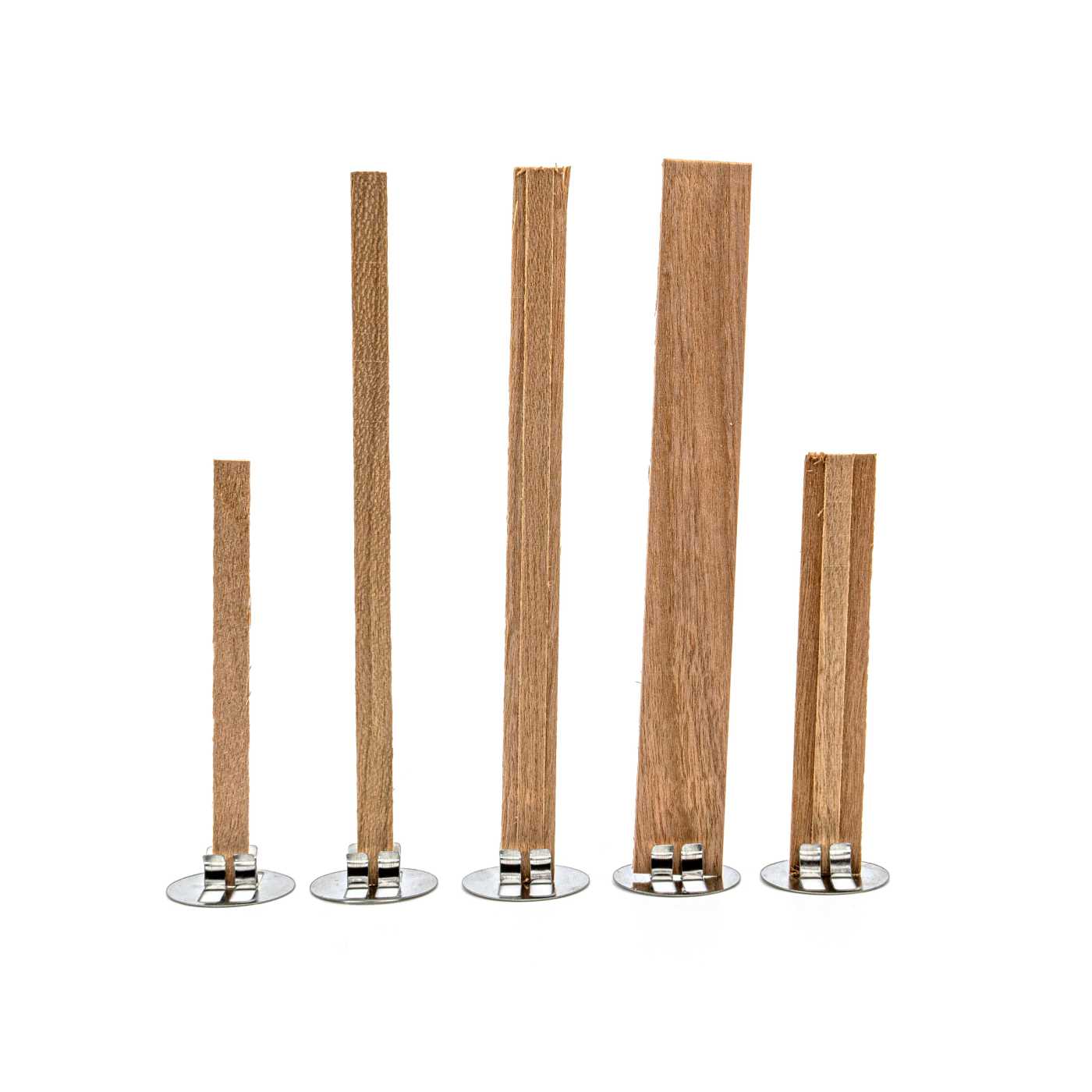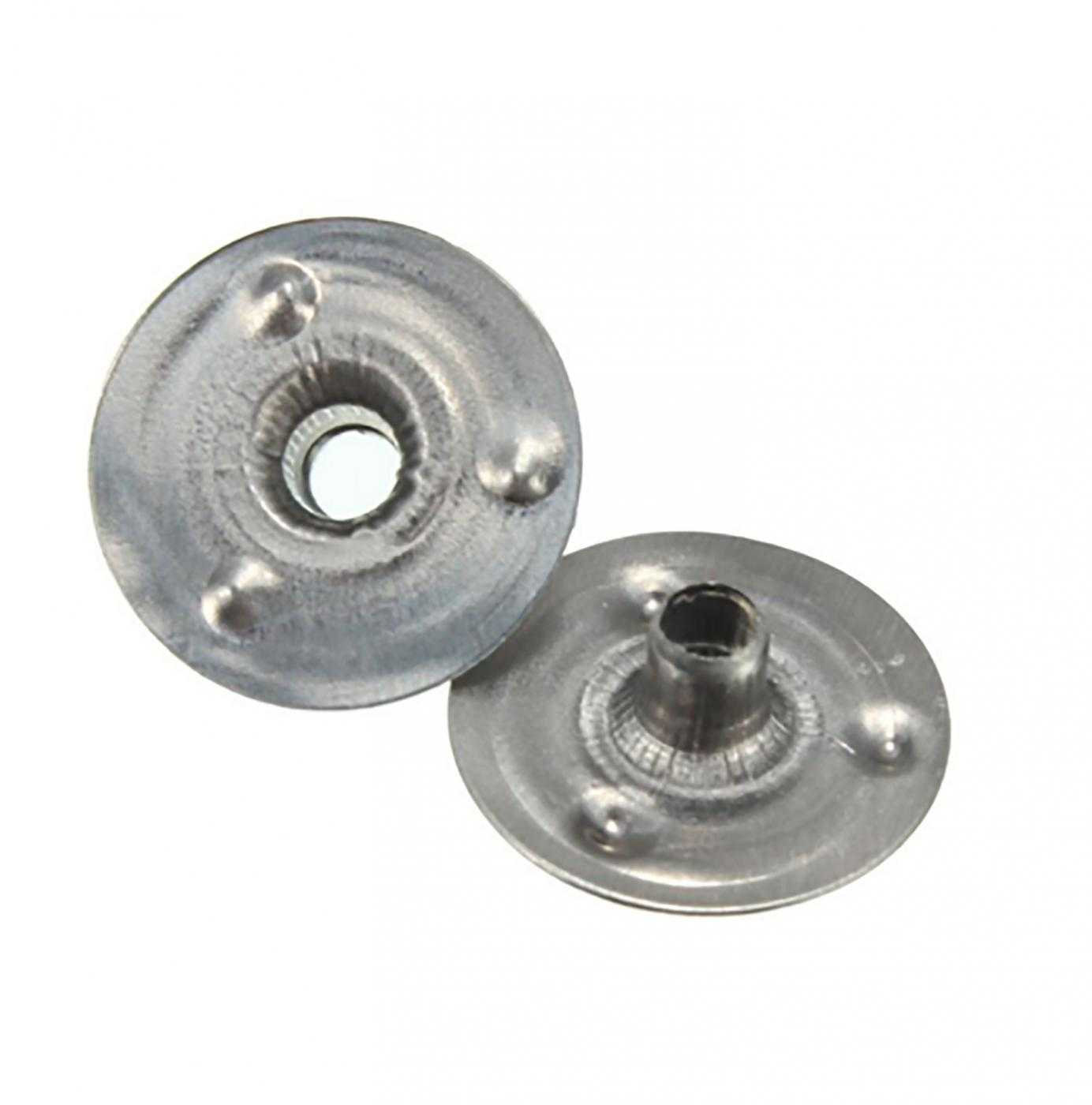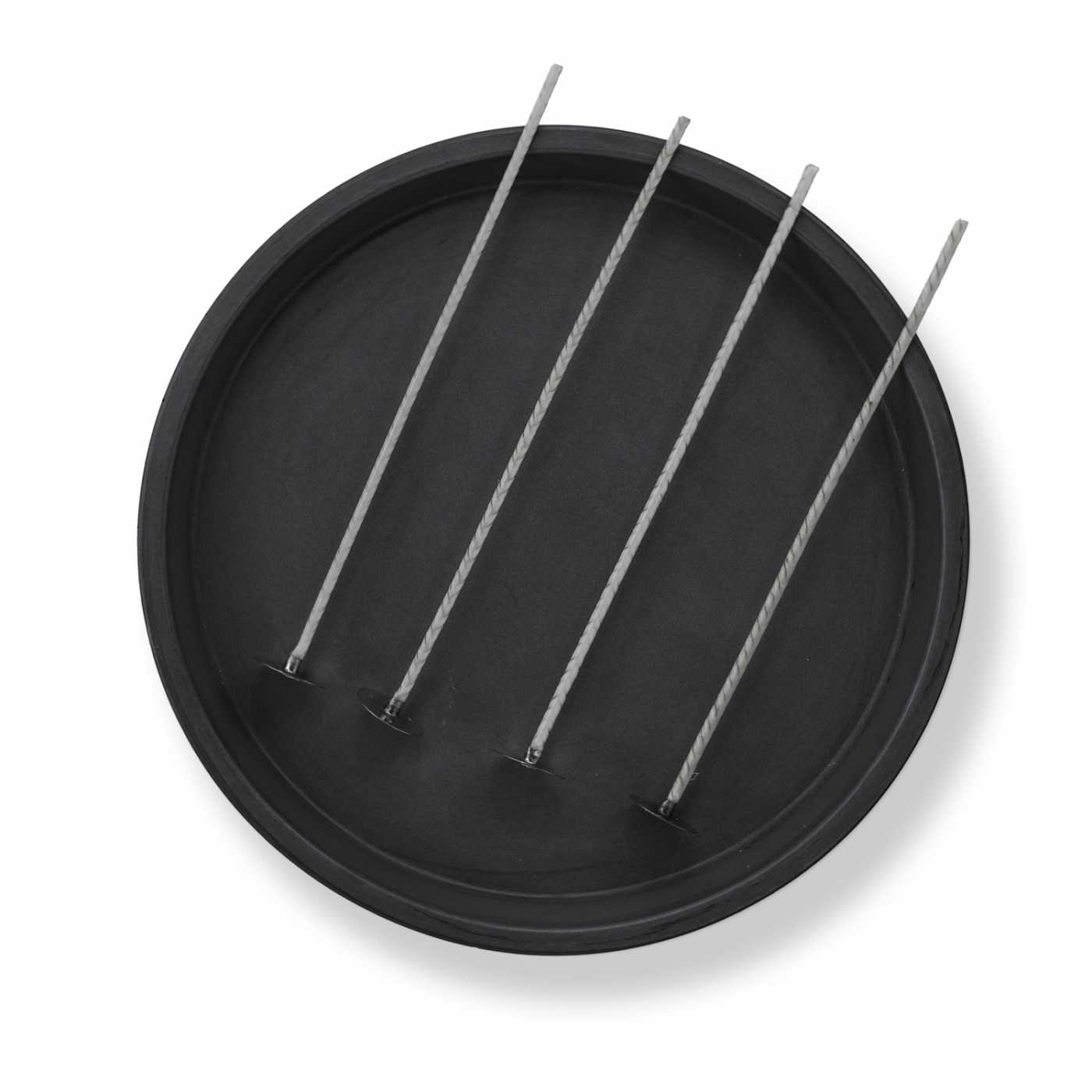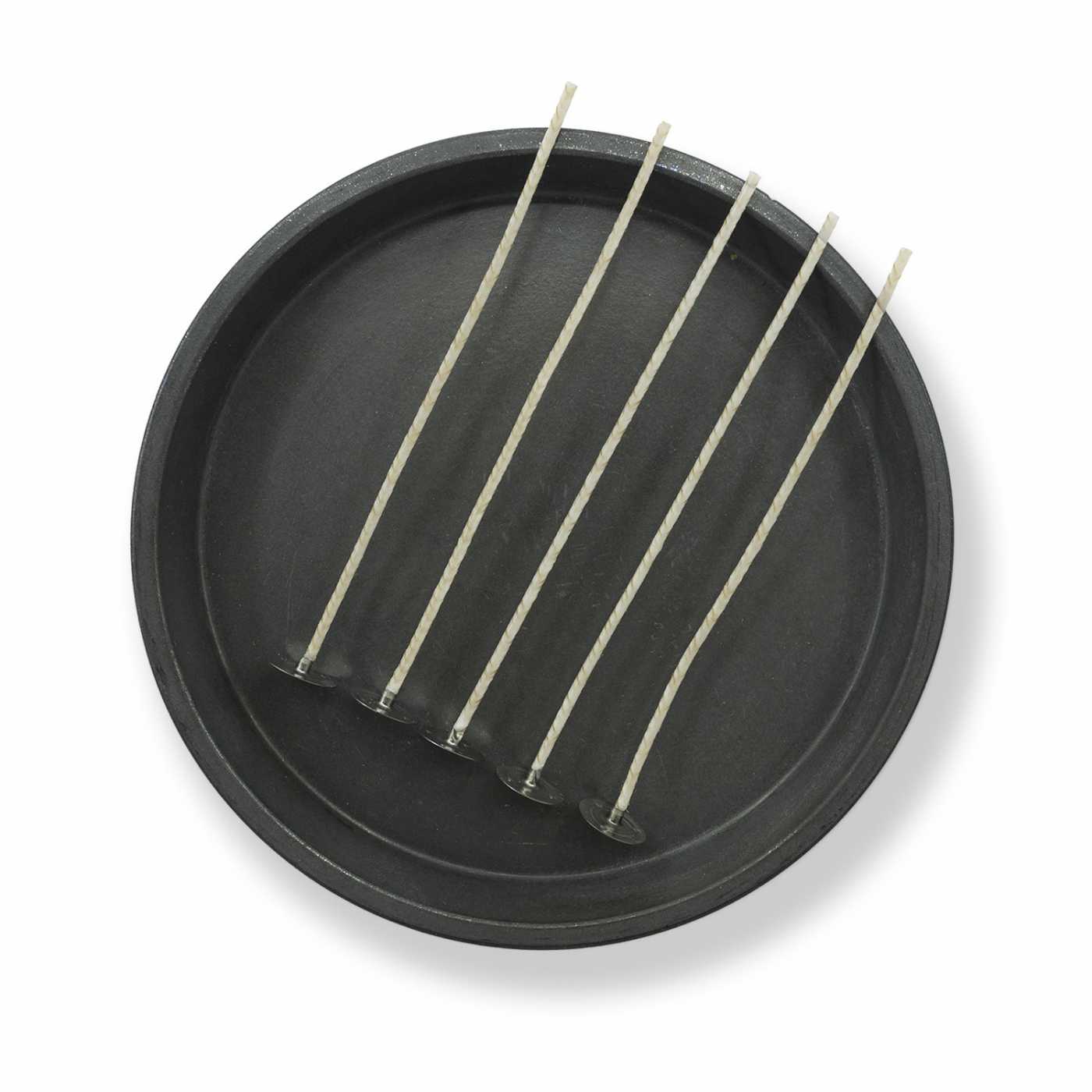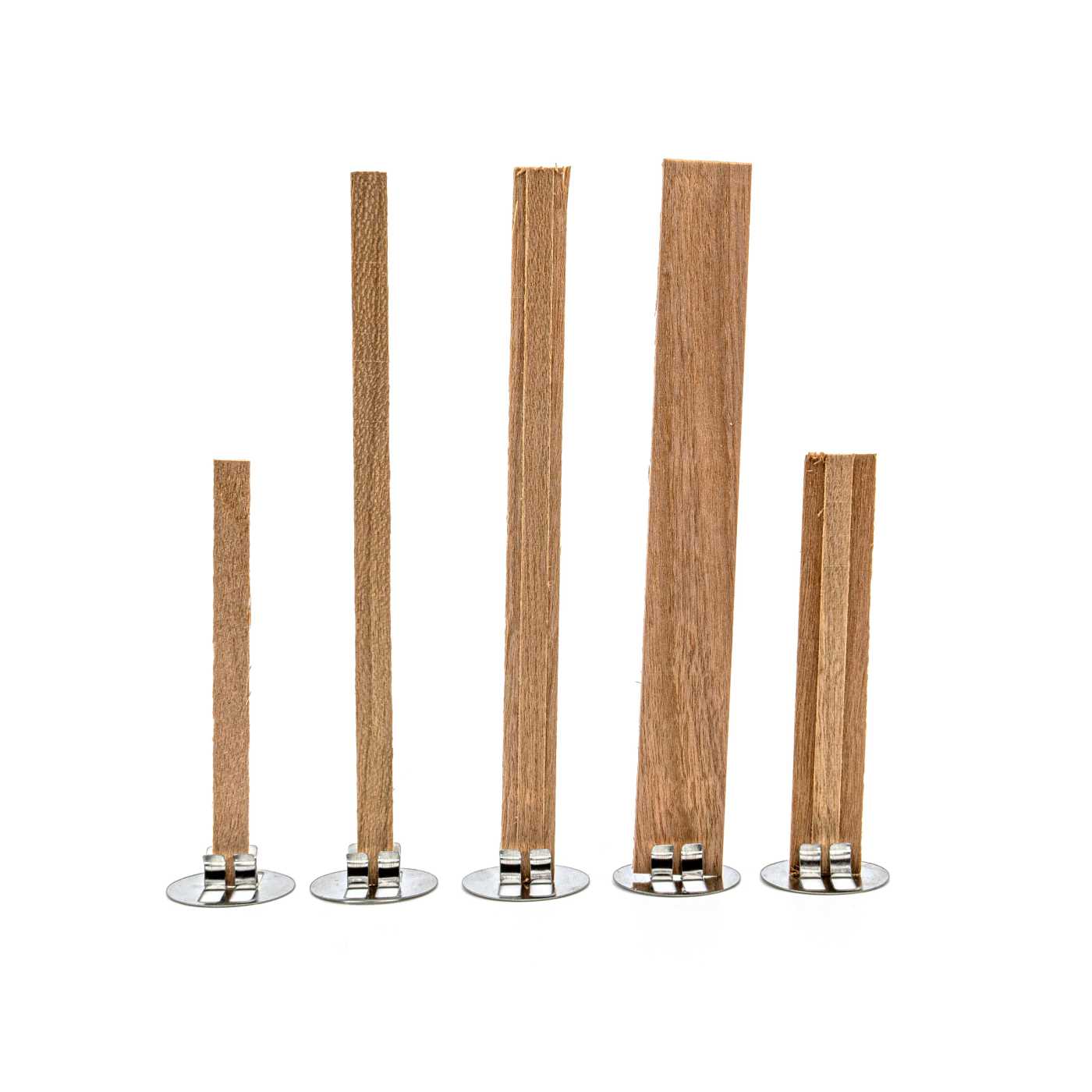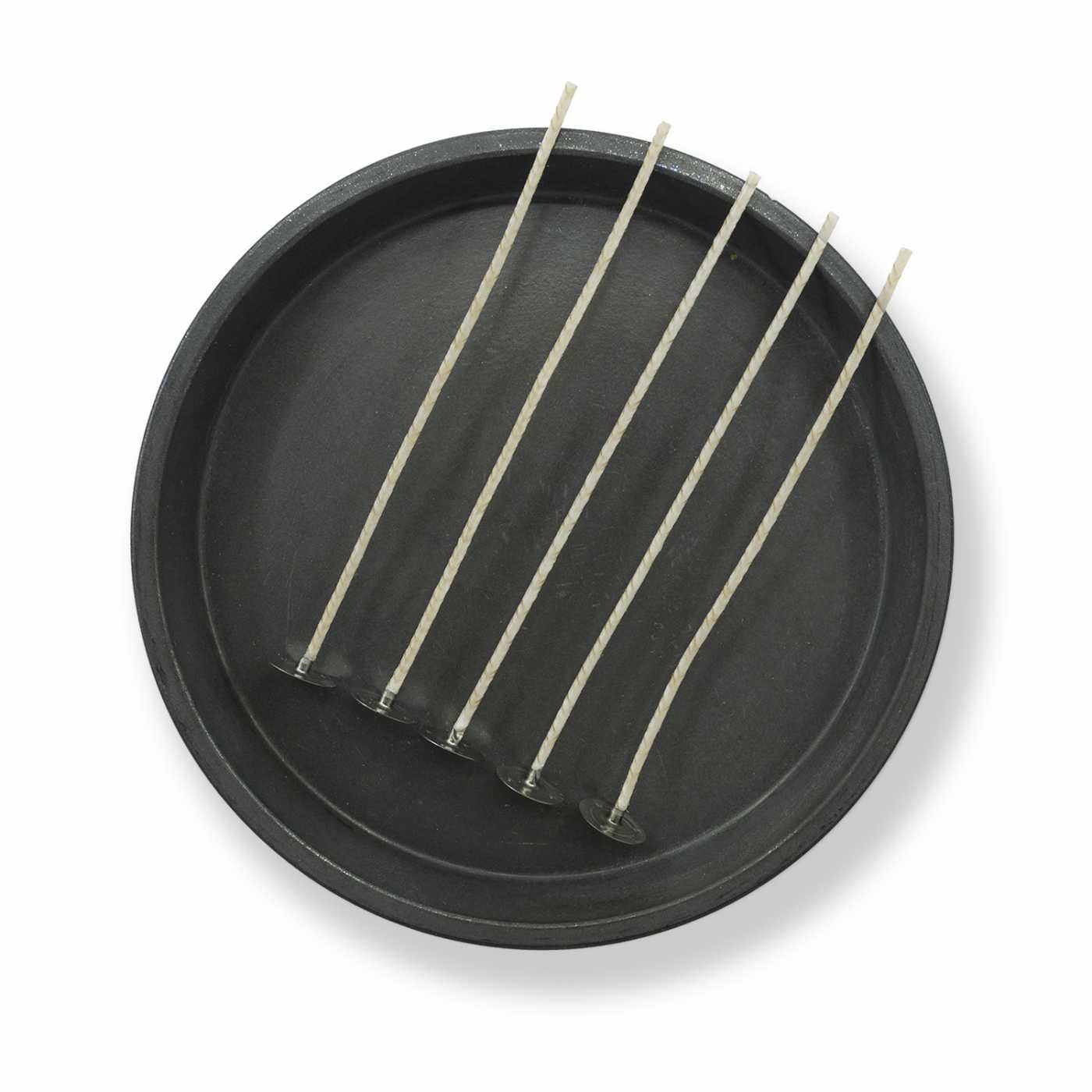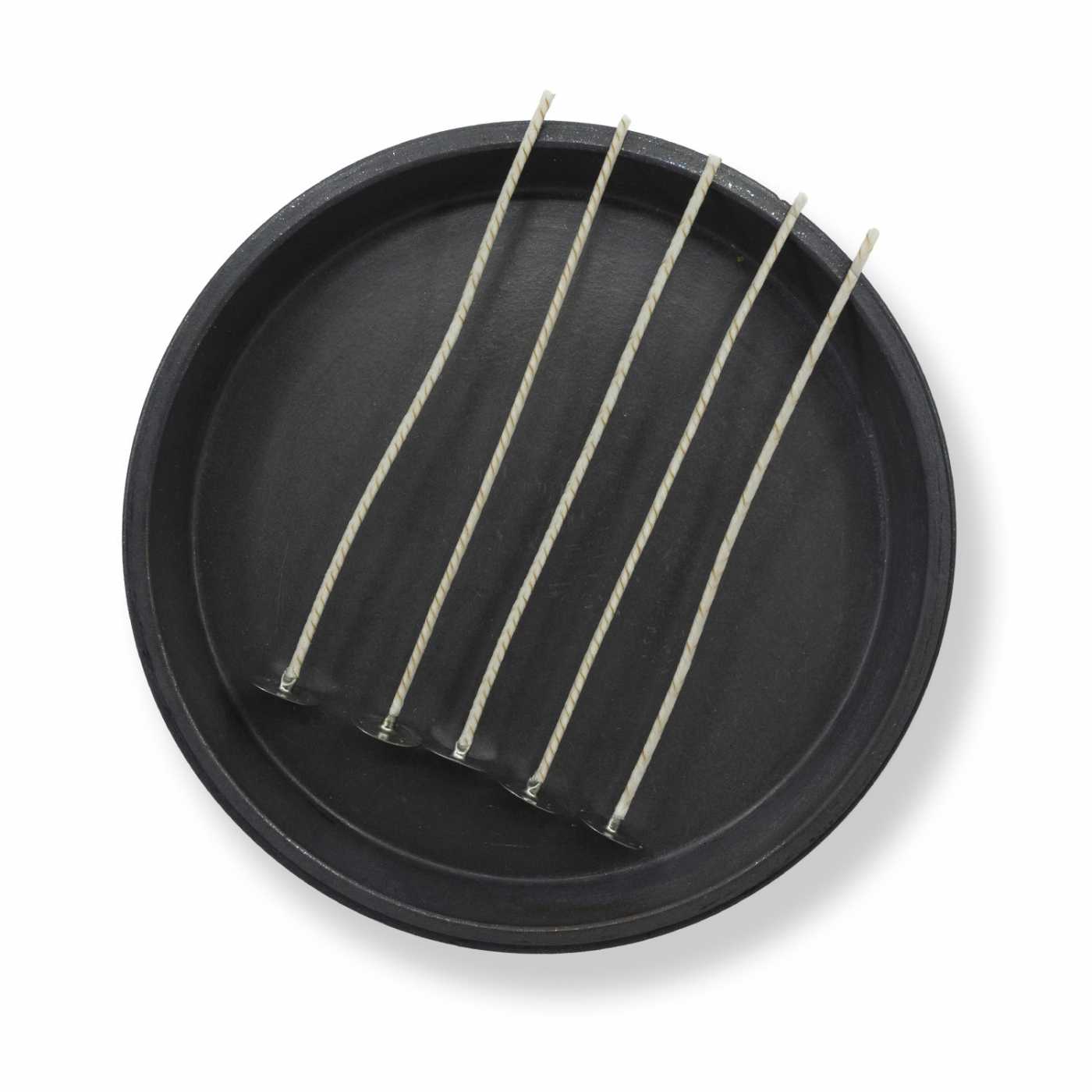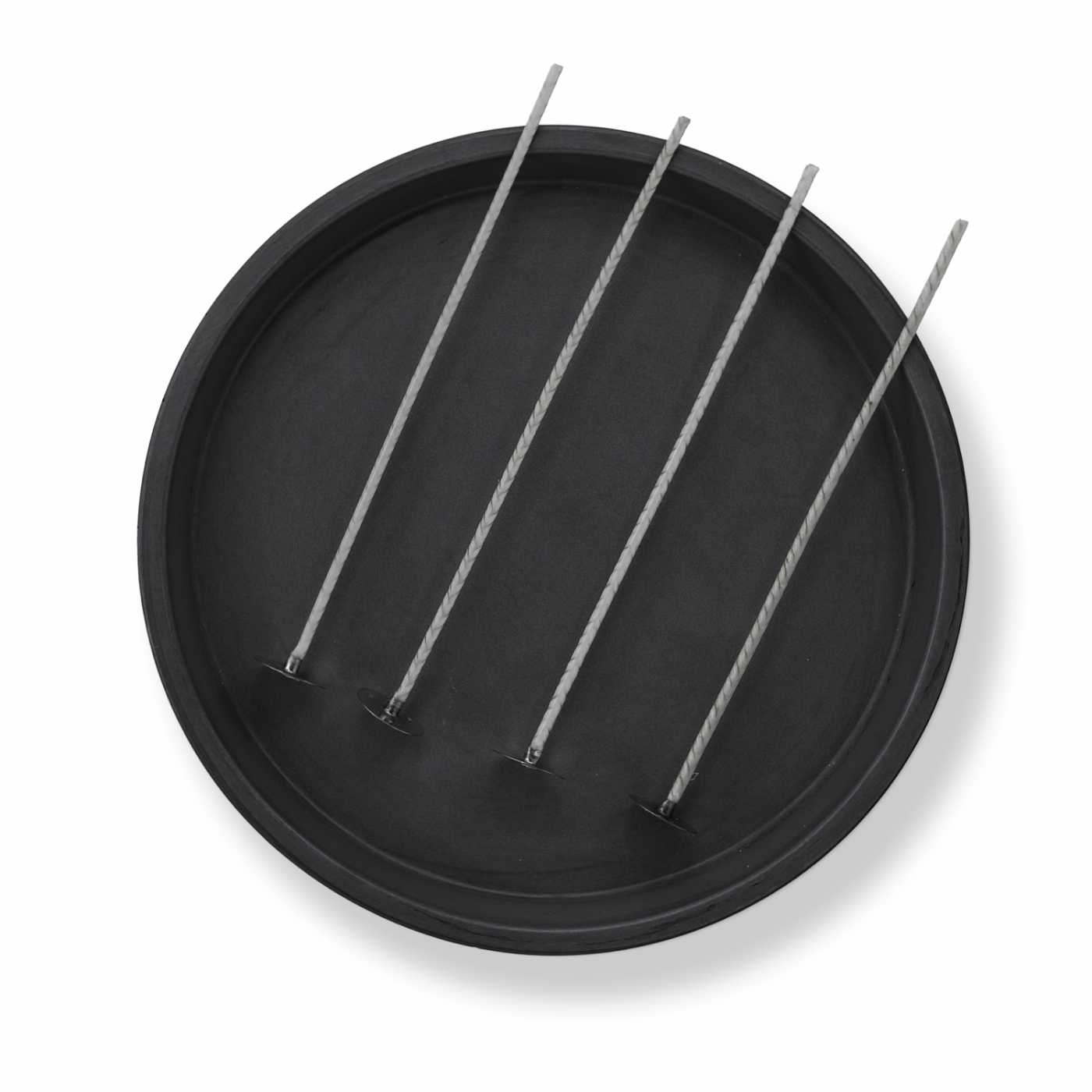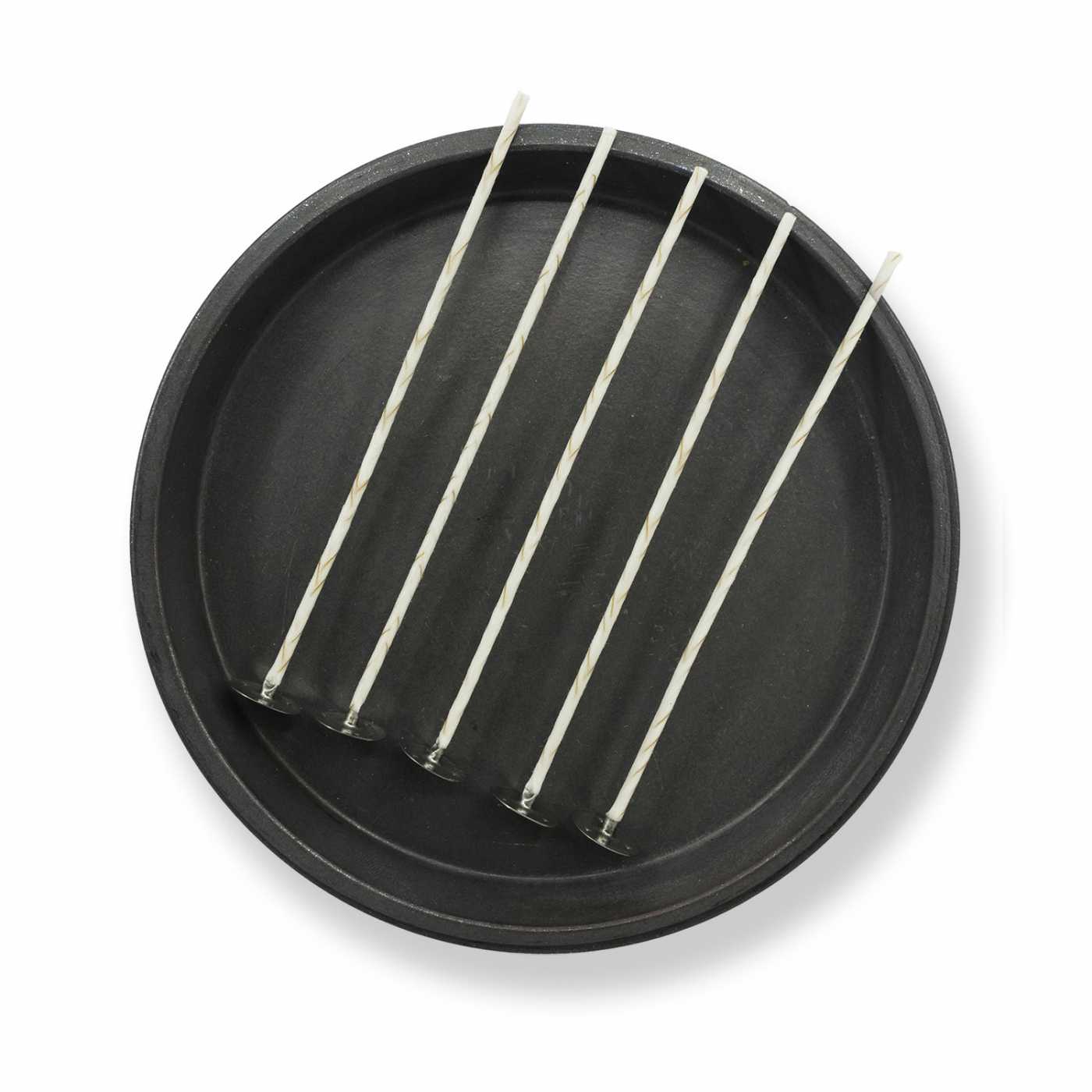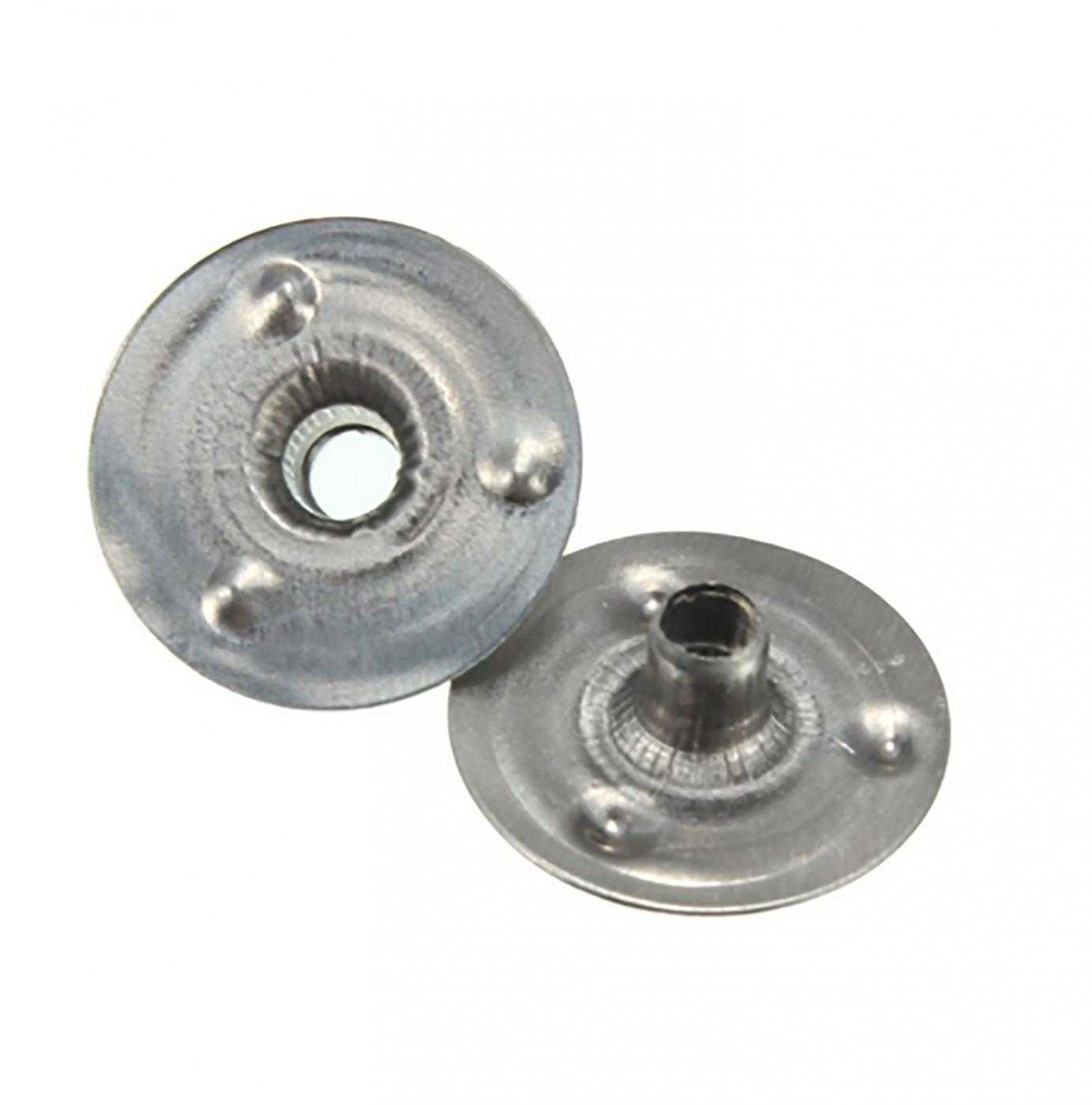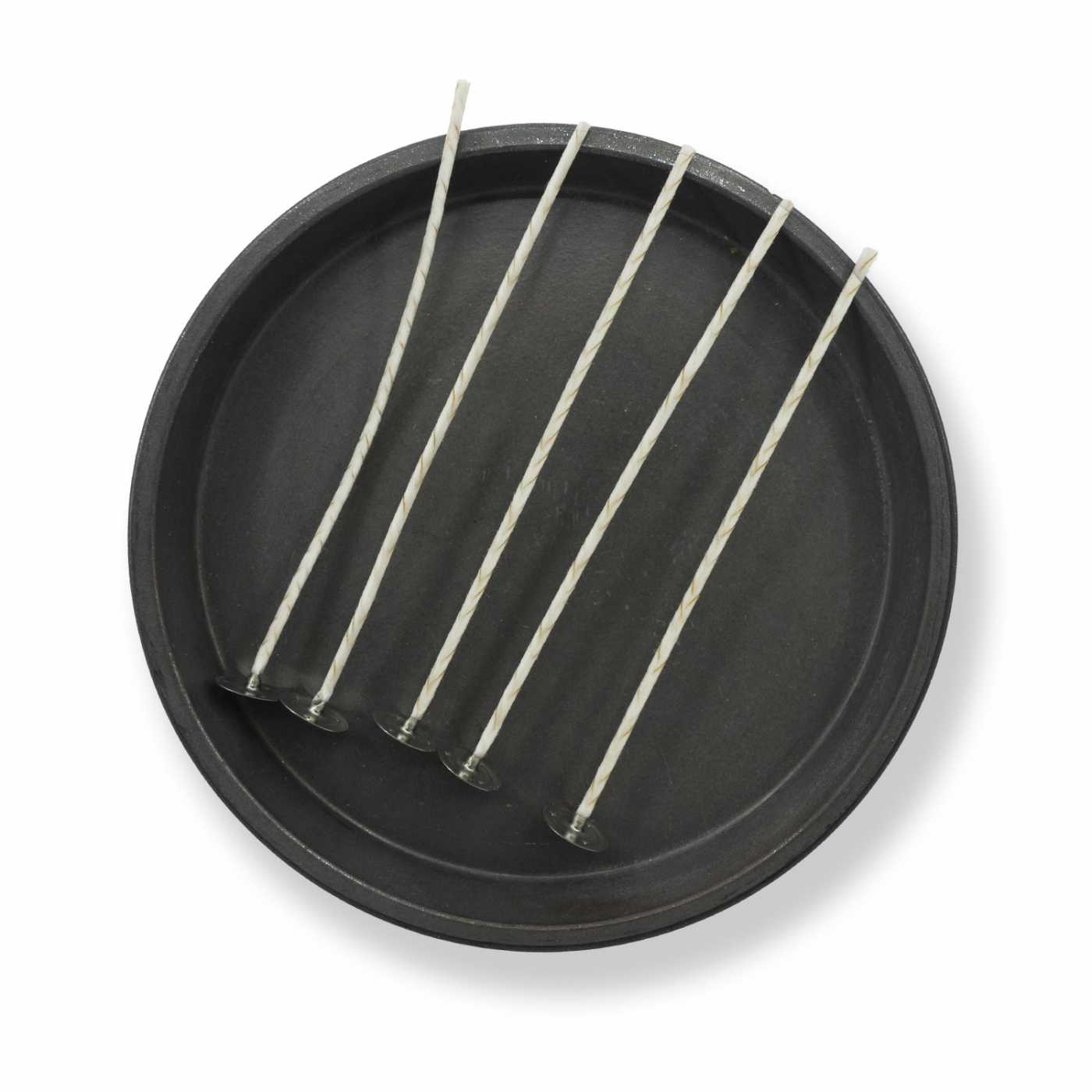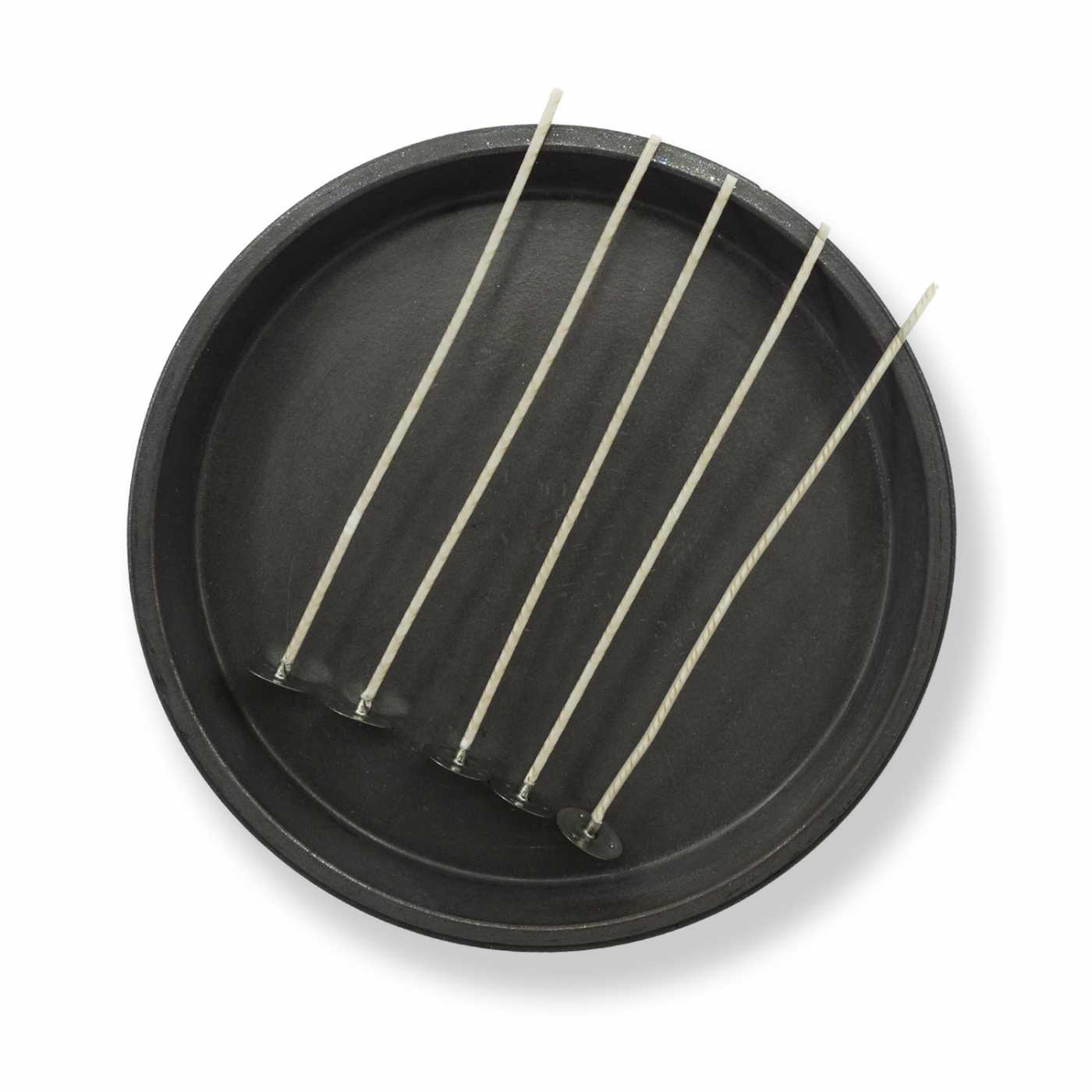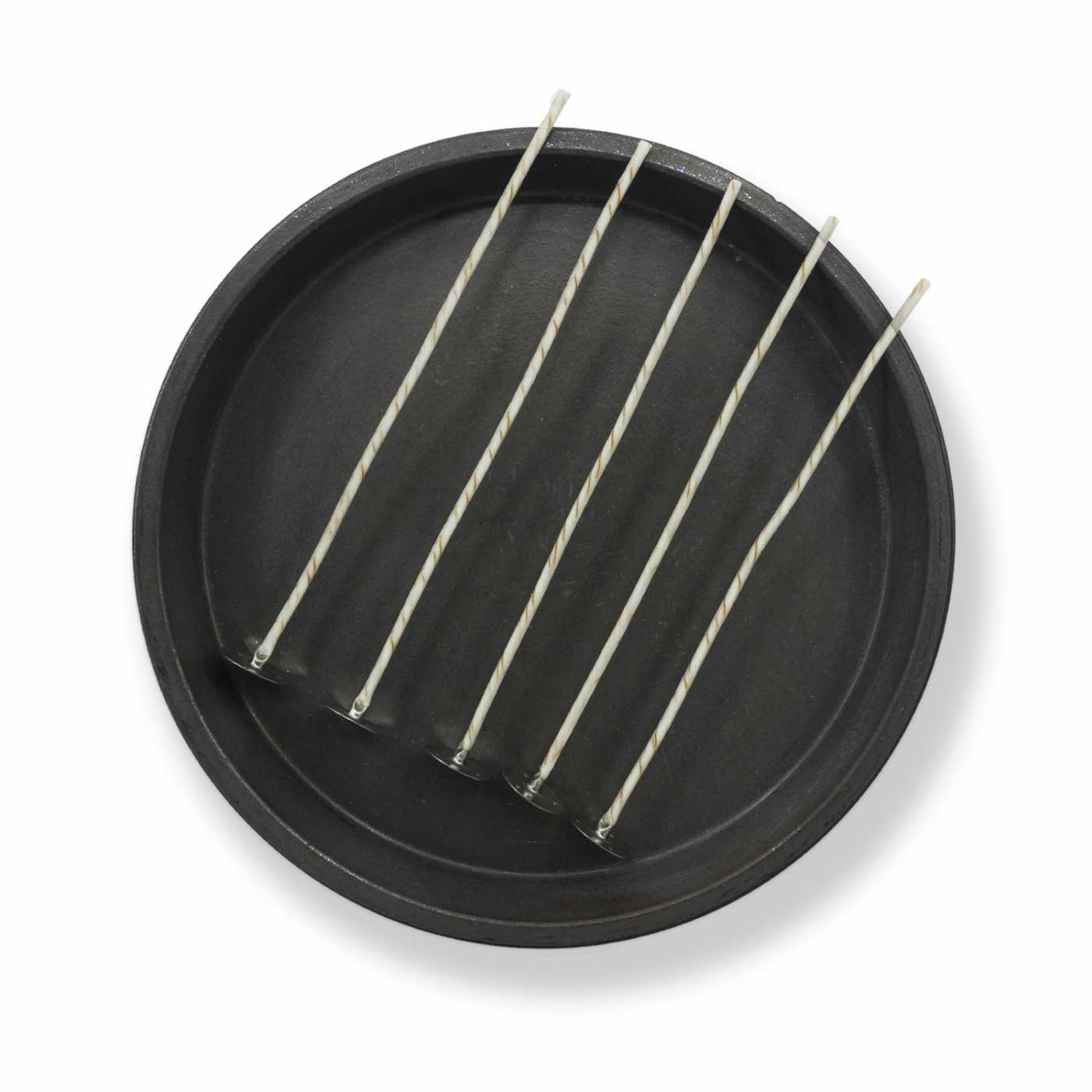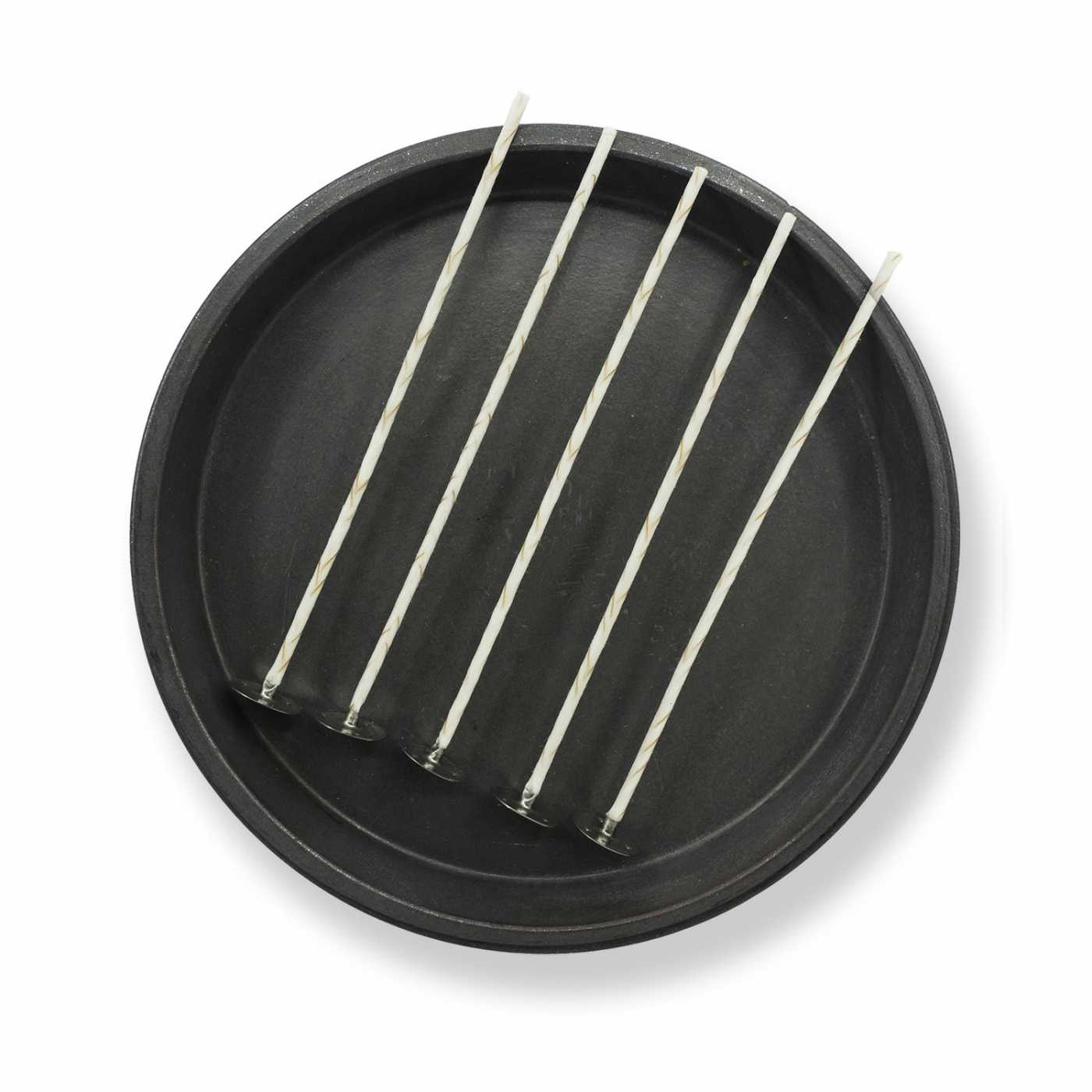
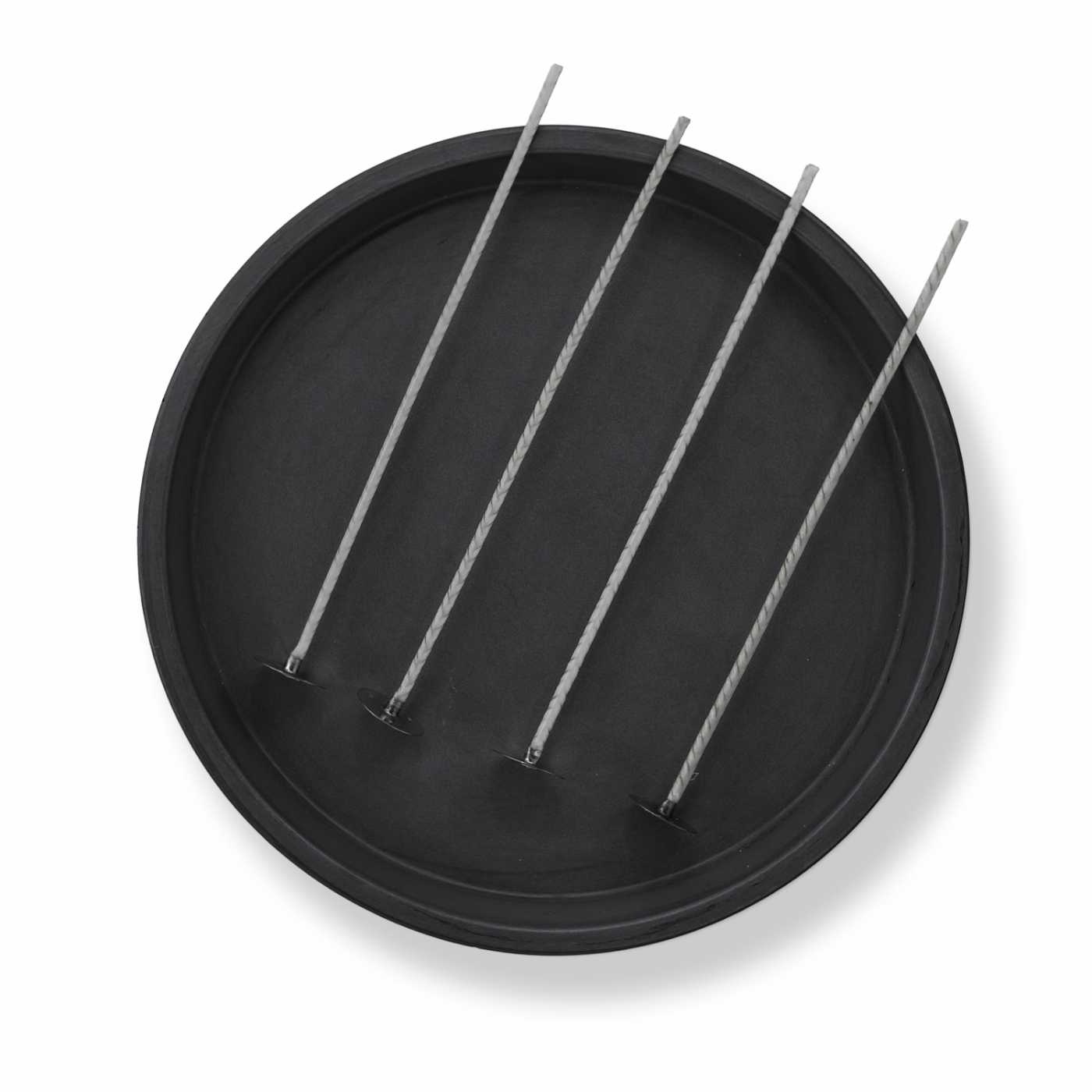
WEDO Wick, Stabilo 8, 1000 pcs
Pre-order€114.45

Candle waxes
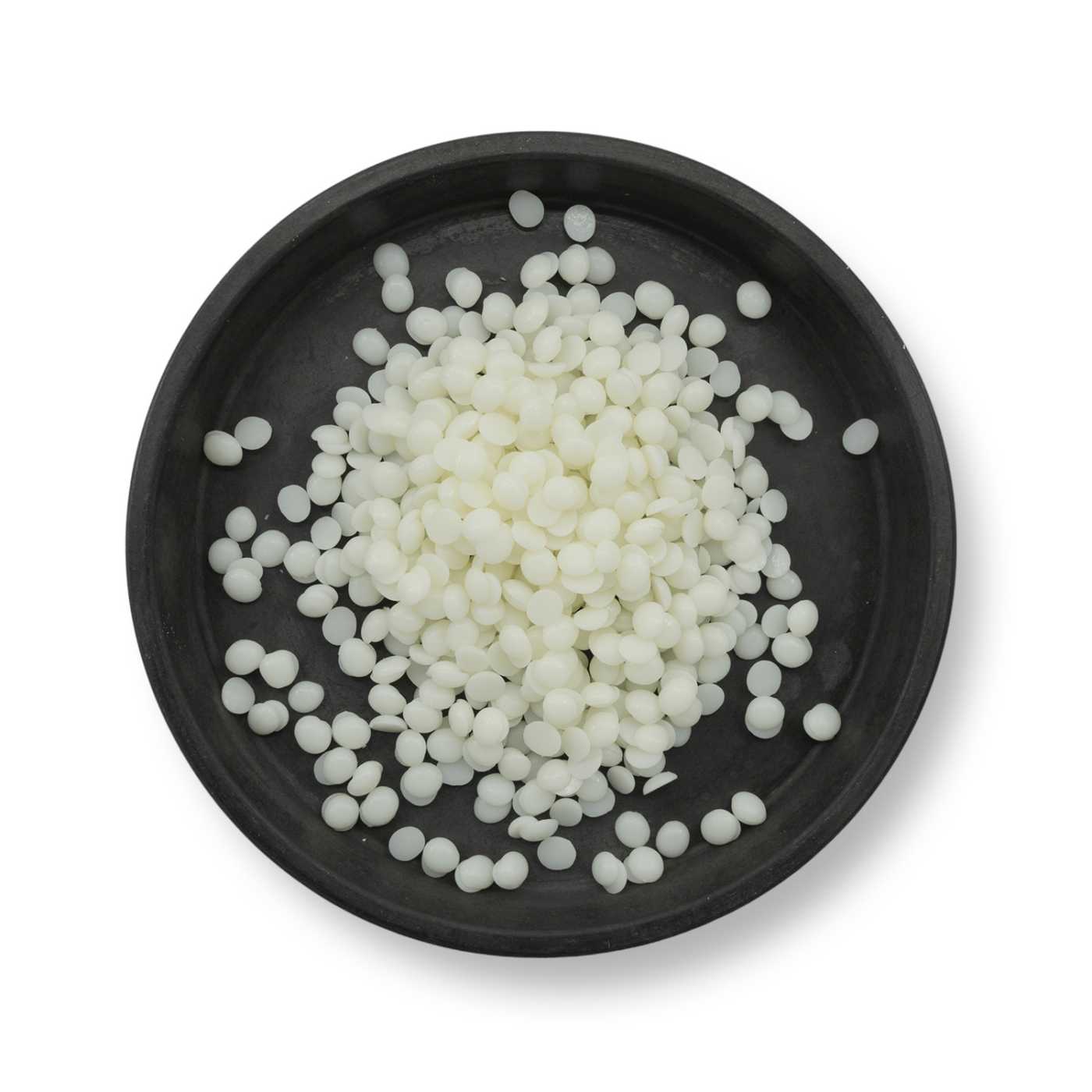
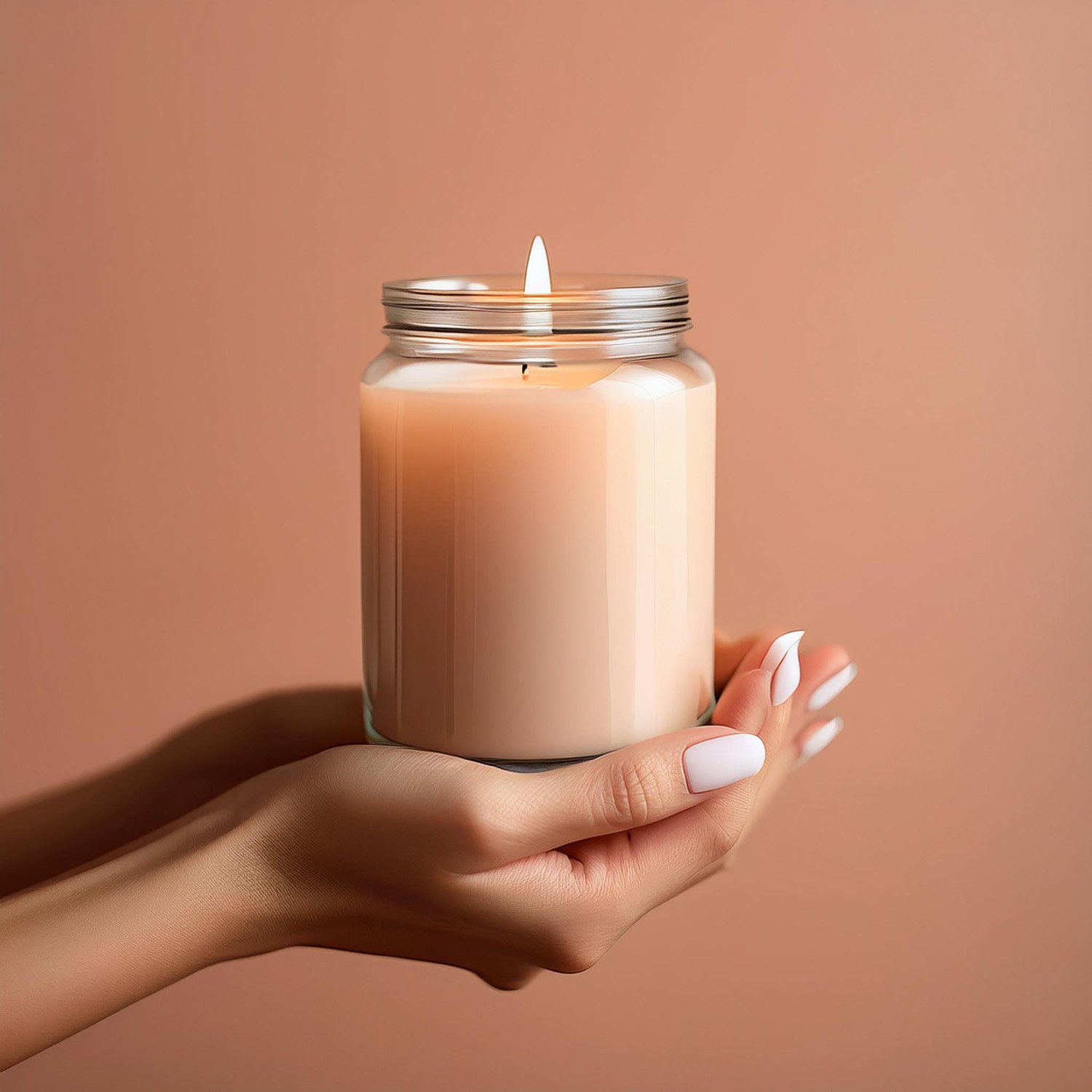
KeraSoy container 4130 soy wax is a ready-made blend of hydrogenated soybean oil designed for candles in jars . It contains no paraffin and, apart from fragrance and dye, no other additives need to be added. full description
Lowest price in the last 30 days: €179.21
KeraSoy container 4130 soy wax is a ready-made blend of hydrogenated soybean oil designed for candles in jars. It contains no paraffin and, apart from fragrance and dye, no other additives need to be added. In most jars a single pour is enough.
The wax is of plant origin and is Vegan certified. It is coloured with oil-soluble dyes and does not dissolve in water.
Melt the wax at 80–85 °C while stirring constantly. Brief heating up to 90 °C will not harm it, provided it is cooled quickly afterwards. At a higher temperature or with prolonged heating, it may change colour.
A stainless steel container, or an ordinary steel one, is suitable for melting. It is safer to measure the temperature with a digital thermometer than with a mercury one.
Containers containing copper and zinc accelerate the yellowing of the wax. When working with hot wax, protect your eyes with safety glasses, use impermeable gloves and do not inhale the fumes.
Most forms of dye can be used for colouring: powder, liquid, flakes and blocks. Powder dye is added to wax heated to approximately 75 °C and stirred until completely dissolved. Alternatively, dissolve it in the fragrance beforehand and add it to the wax only once it has dissolved completely. For liquid dyes, blocks, flakes or an uncoloured candle, it is enough to heat the wax to 70 °C. You can achieve a richer, darker shade with a drop of black dye.
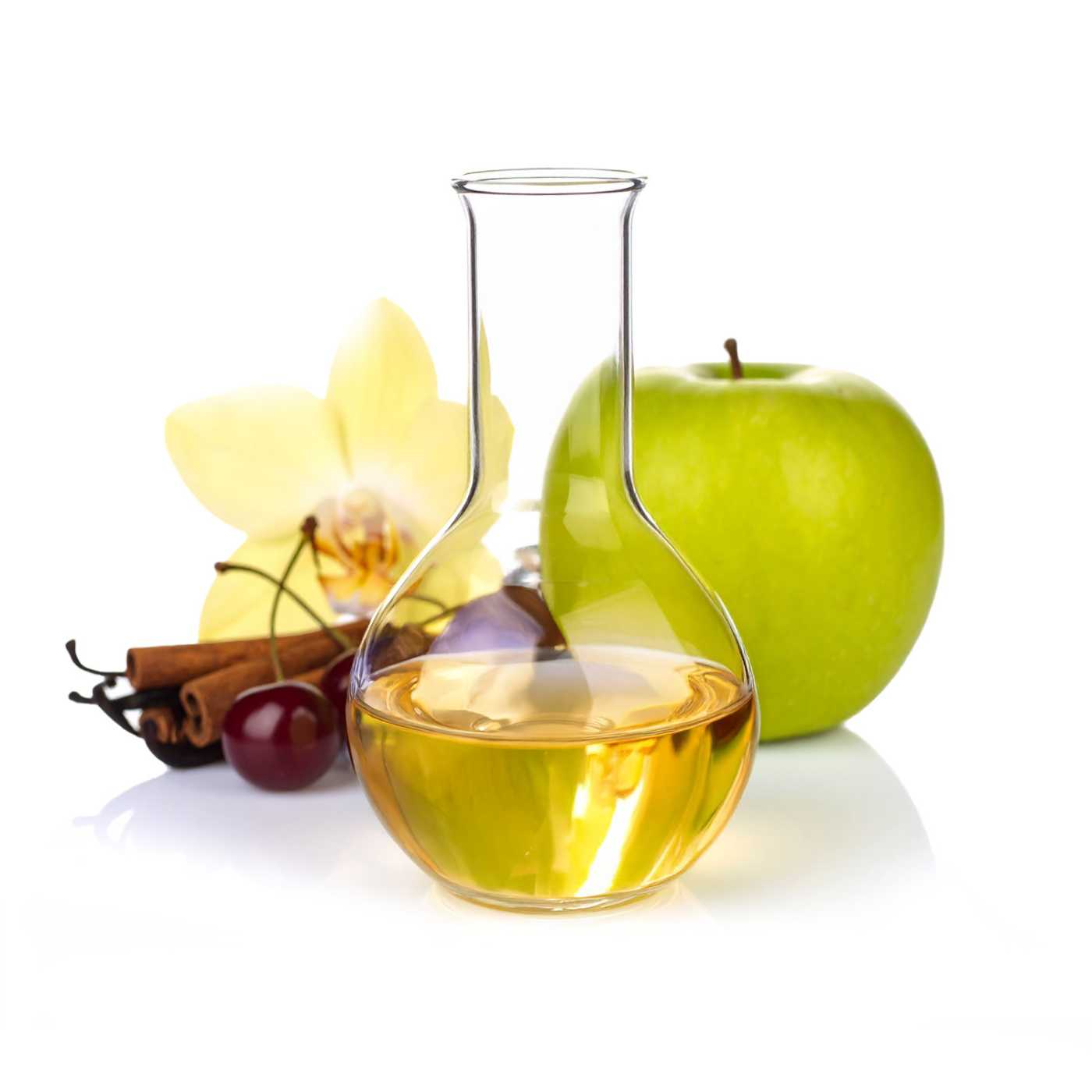
The wax can hold up to 10–12% fragrance. Add it only once the wax has cooled to pouring temperature. Mix it in thoroughly and pour the candle as soon as possible.
Fragrances developed for natural waxes work best. Compositions designed for paraffin are more likely to cause fragrance sweating on the surface, an unsightly finish or a poorer flame.
The strength of the scent when burning depends mainly on the diameter and depth of the melt pool. These are determined by the wick. With a poorly chosen wick, even a higher fragrance dose will not help.
Choose the pouring temperature according to the jar, fragrance and dye. The wax adheres better to the walls of the jar when poured close to its solidification point, at approximately 45–55 °C. The jars should be clean and at least at room temperature.
Hydrogenated soybean oil adheres to glass less well than paraffin. If the wax pulls away from the walls, preheat the jars to 45–50 °C and adjust the pouring temperature up or down in steps of 5–10 °C.
Large jars may need a top-up pour to give the candle a good-looking surface. A small amount of wax, slightly warmer than for the first pour, is added while the candle has not yet cooled completely. A top-up pour onto a cold candle will worsen adhesion to the jar.
Candles cool undisturbed at a room temperature of around 25 °C. A test burn only makes sense 48 hours after pouring.
Natural waxes need a larger wick than paraffin. The choice is also affected by the fragrance, dye and shape of the candle.
During the test burn, observe the diameter of the melt pool and the end of the wick. Mushrooming at the end of the wick causes soot and an unpleasant smell. Keep the wick trimmed to approximately 6 mm.
Plant waxes crystallise in several forms. The crystals formed during cooling rearrange over time and with temperature fluctuations, which shows up as white frosting on the surface or as cracking. A stable temperature during cooling and storage of finished candles helps.
Wax leftovers and unsuccessful candles can be remelted and reused. Even when remelting, the wax should not exceed 85 °C or be heated for longer than necessary.
The flash point of the wax is above 150 °C.
Each combination of jar, wax, dye, fragrance and wick must be tested separately.
Only customers with a delivered order can write reviews.