+421 950 333 113info@handymade.store−10 %Shop now

ACTIVE INGREDIENTS

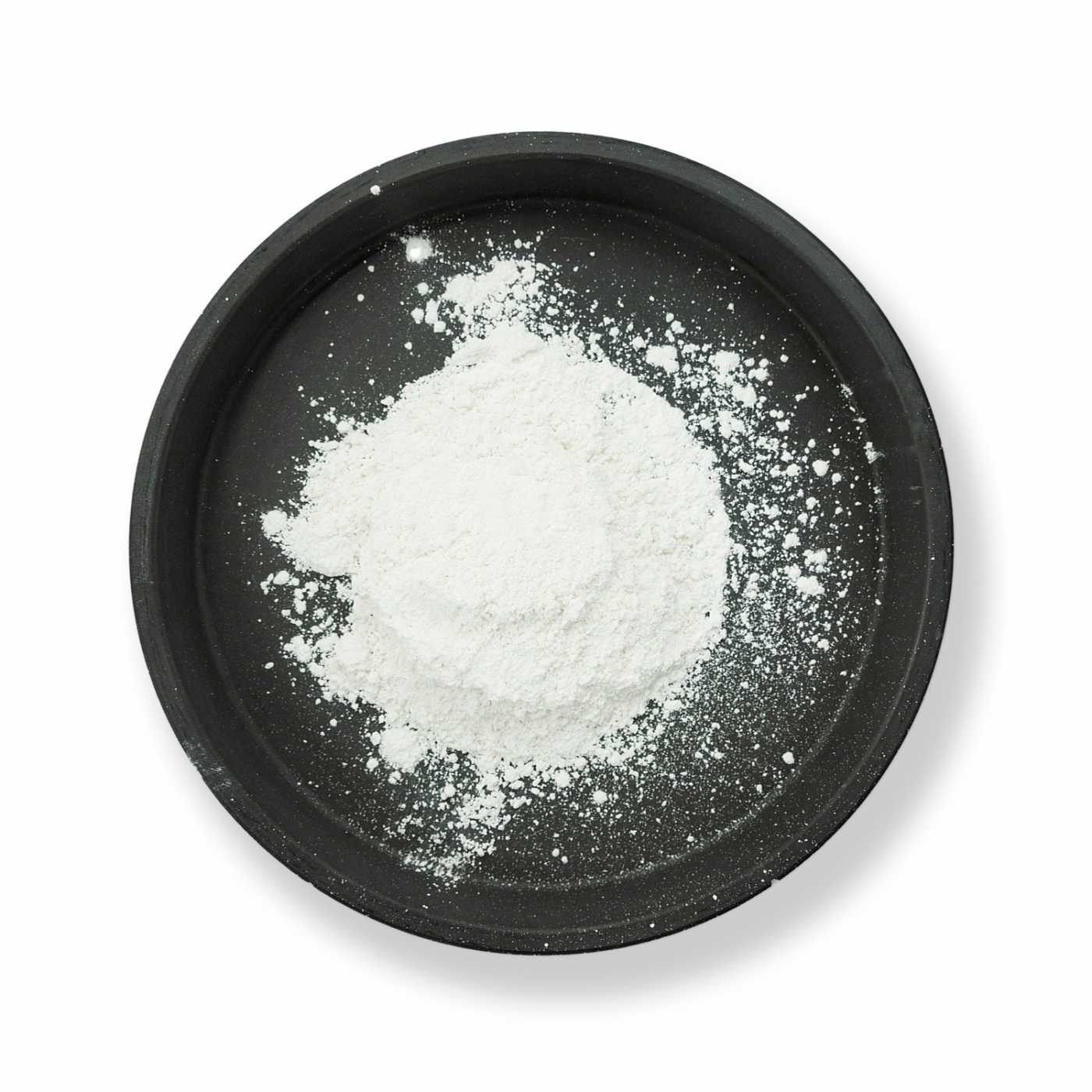
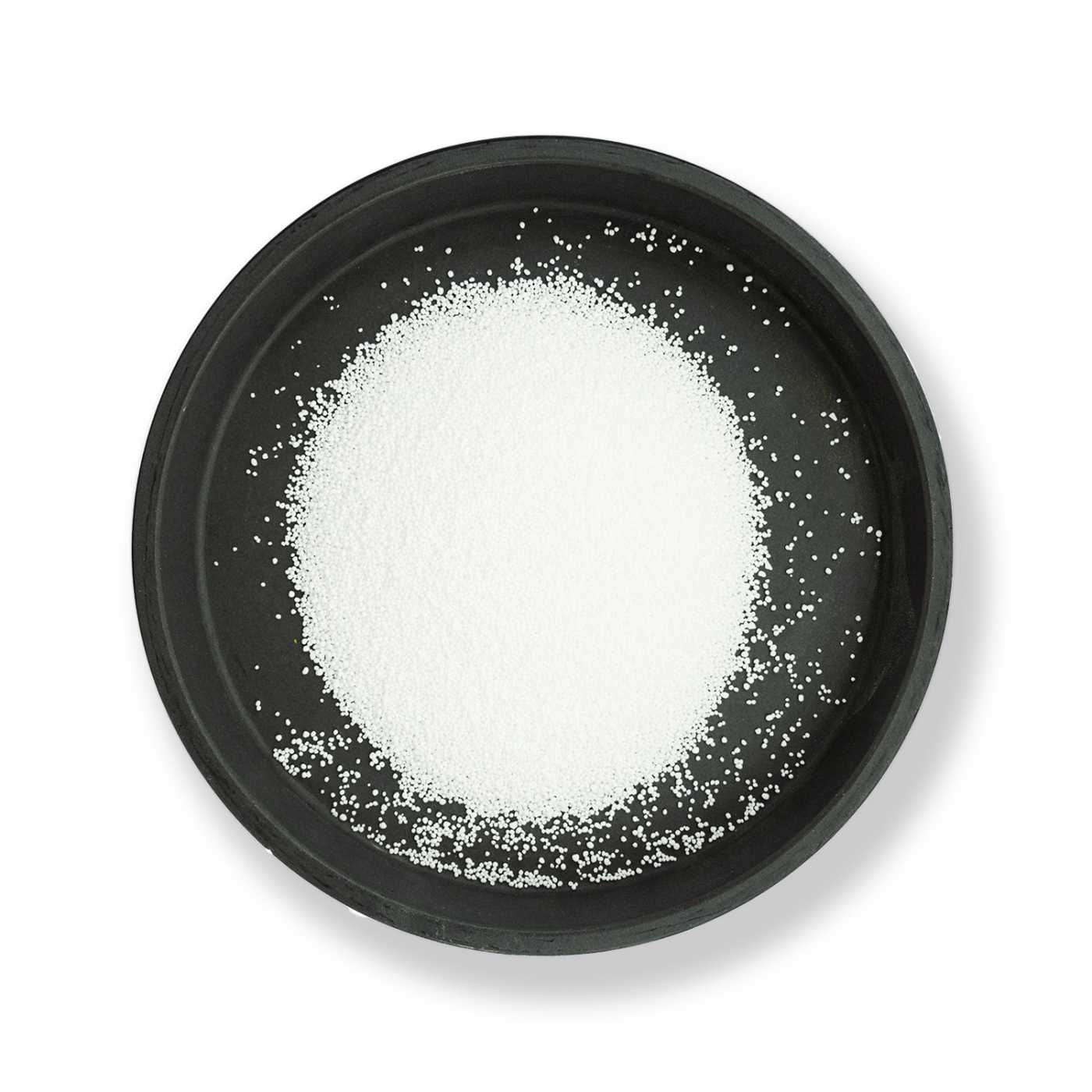
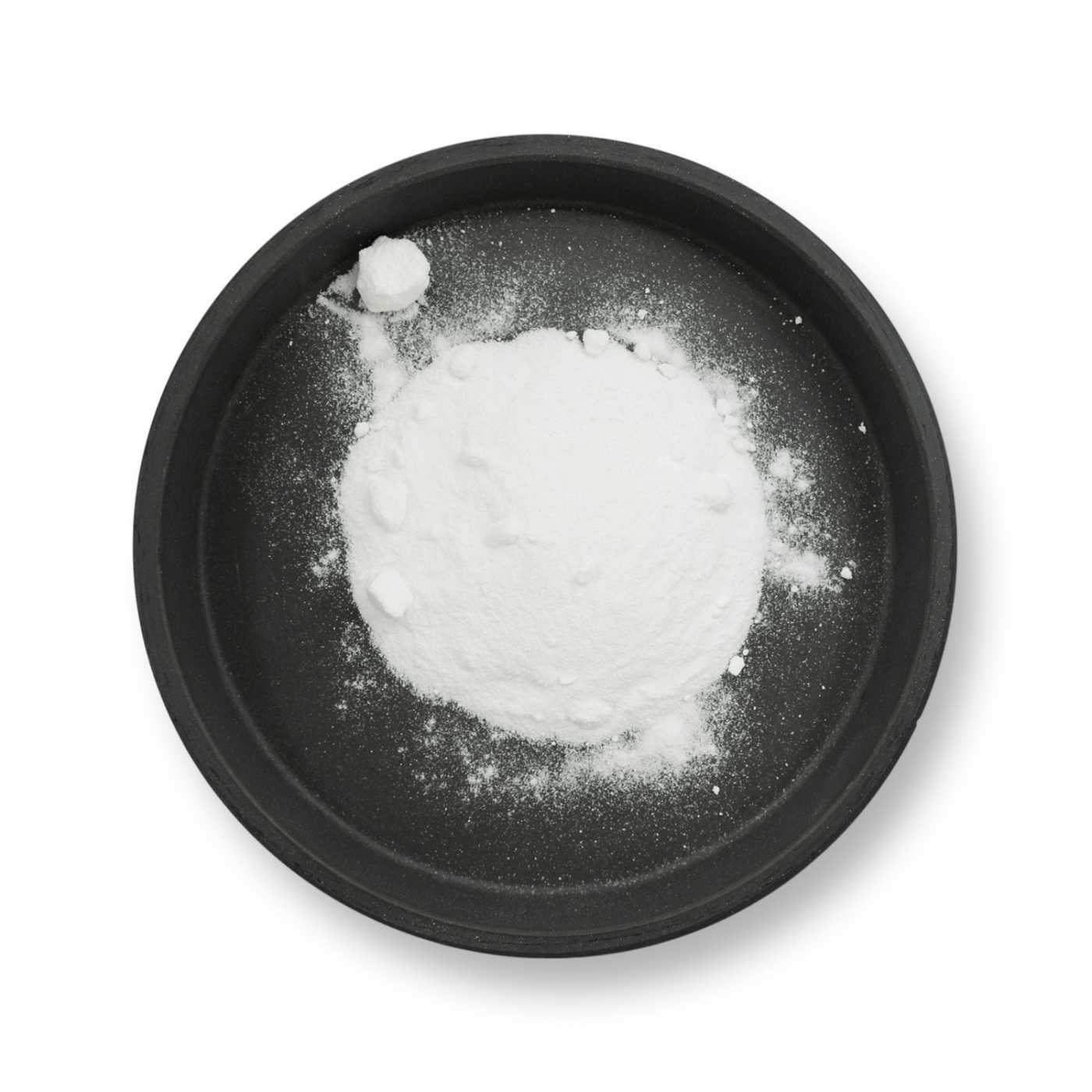
L-Arginine, Powder, 50 g

Pack size10 g50 g100 g1 kg

L-arginine is an alkaline amino acid that serves two purposes in cosmetics. In hair products it conditions the hair and makes it easier to detangle , and on the skin it supports hydration. full description

AvailabilityIn stock · 317 packs
Product codeAD602_50
Batch60824
Best before08/2027
€5.59incl. VAT€111.80/kg

Lowest price in the last 30 days: €5.59

Product description

L-arginine is an alkaline amino acid that serves two purposes in cosmetics. In hair products it conditions the hair and makes it easier to detangle, and on the skin it supports hydration. It also raises the pH of a product, even in a small amount.

It is produced by fermentation and contains no materials of animal origin. It is used in leave-on and rinse-off products for the skin, body, hair and eye area.


What it does in a product

  • Hair conditioning – the amino acids cling to the hair and stay on it even after rinsing. Hair is easier to detangle after washing, which damaged hair benefits from most.
  • Hair colour protection – in shampoos, conditioners and masks for coloured hair it helps to maintain the colour.
  • Skin hydration – amino acids bind water and are among the substances the skin uses to keep itself naturally moisturised. In creams and serums, arginine hydrates and supports the skin barrier function.
  • pH adjustment – it is usually added to a formulation for exactly this purpose. The hydrating or conditioning effect is an added benefit.

Adjusting pH with arginine

Arginine is strongly alkaline. A solution of 1 g in 20 ml of water has a pH of 10.5–12.0. Compared with sodium hydroxide or baking soda, it is milder and easier to work with.

It has an advantage in products with AHA acids. When their pH is raised with arginine, the stinging on the skin is reduced and the effectiveness of the acids is not lost.

The pH is adjusted at the end of production. If the formulation contains a preservative that is sensitive to low pH, the pH is raised before the preservative is added.

To adjust the pH, prepare a 10% arginine solution in distilled water. Add it in small portions and measure the pH after each one.


Use in formulations

The powder dissolves in the water phase. At 20 °C, approximately 14.8 g dissolves in 100 g of water, and the solution is clear and colourless. It is processed at a temperature below 80 °C.

The recommended usage rate is 0.05–1%. The finished product should have a pH in the range of 4–7.5. Even when arginine is meant to hydrate or condition in the product, it is added gradually and the pH is measured continuously.

It is compatible with anionic, cationic and non-ionic surfactants and works in both acidic and alkaline environments. This means it can be used in a shampoo as well as in a conditioner. Do not combine it with strong oxidising agents.


Suitable for products such as

  • shampoos, conditioners and masks for damaged and coloured hair
  • leave-on hair care and smoothing hair creams
  • face creams, serums and toners, including products for the eye area
  • body lotions and creams
  • sun care emulsions and emulsions with SPF, where it adjusts the pH
  • products with AHA acids in which the pH needs to be raised

Good to know

With magnesium salts, the pH must be adjusted carefully. In solutions with a high magnesium salt content, the pH should be raised slowly and in small steps. If the pH rises sharply, the magnesium flocculates and the solution is spoiled.

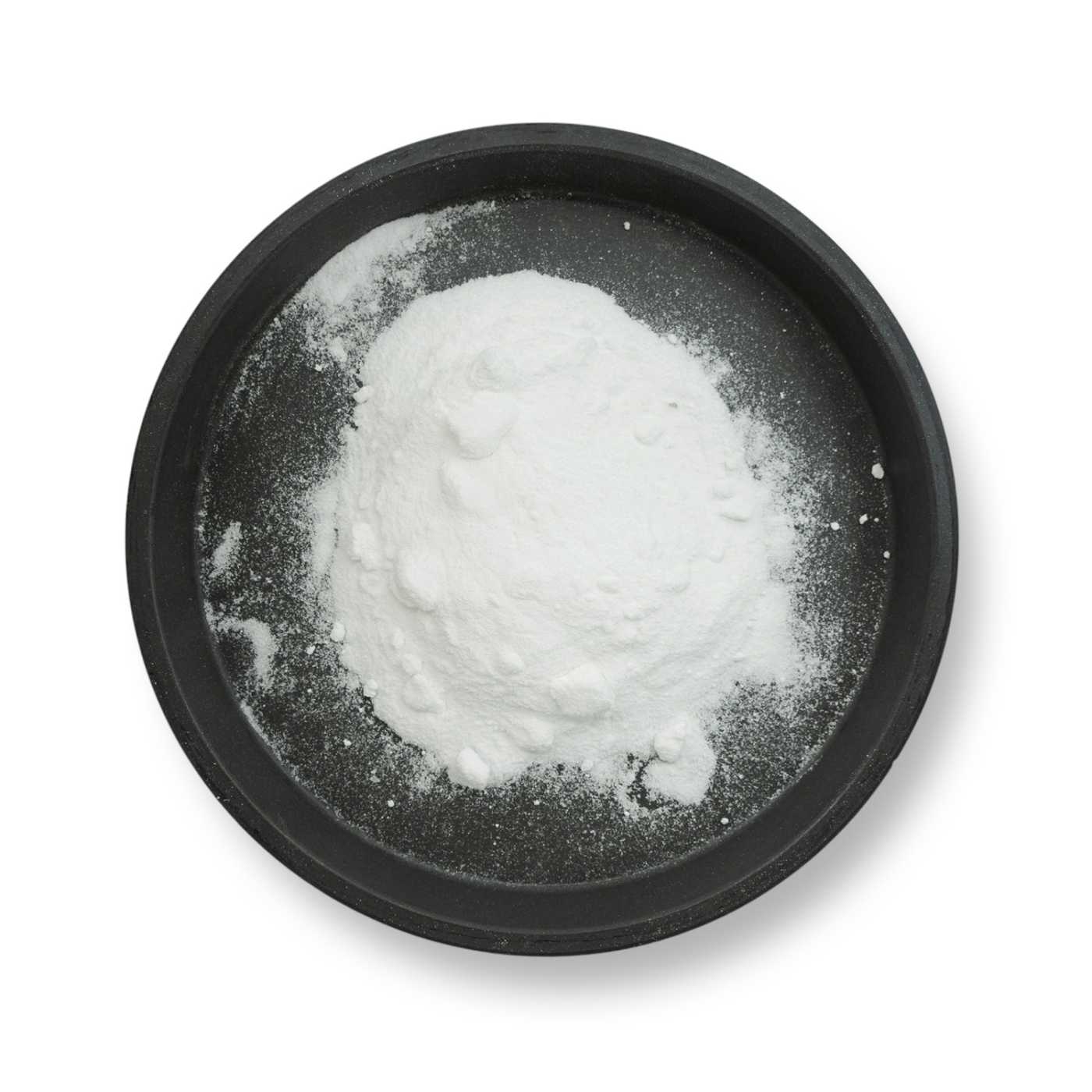
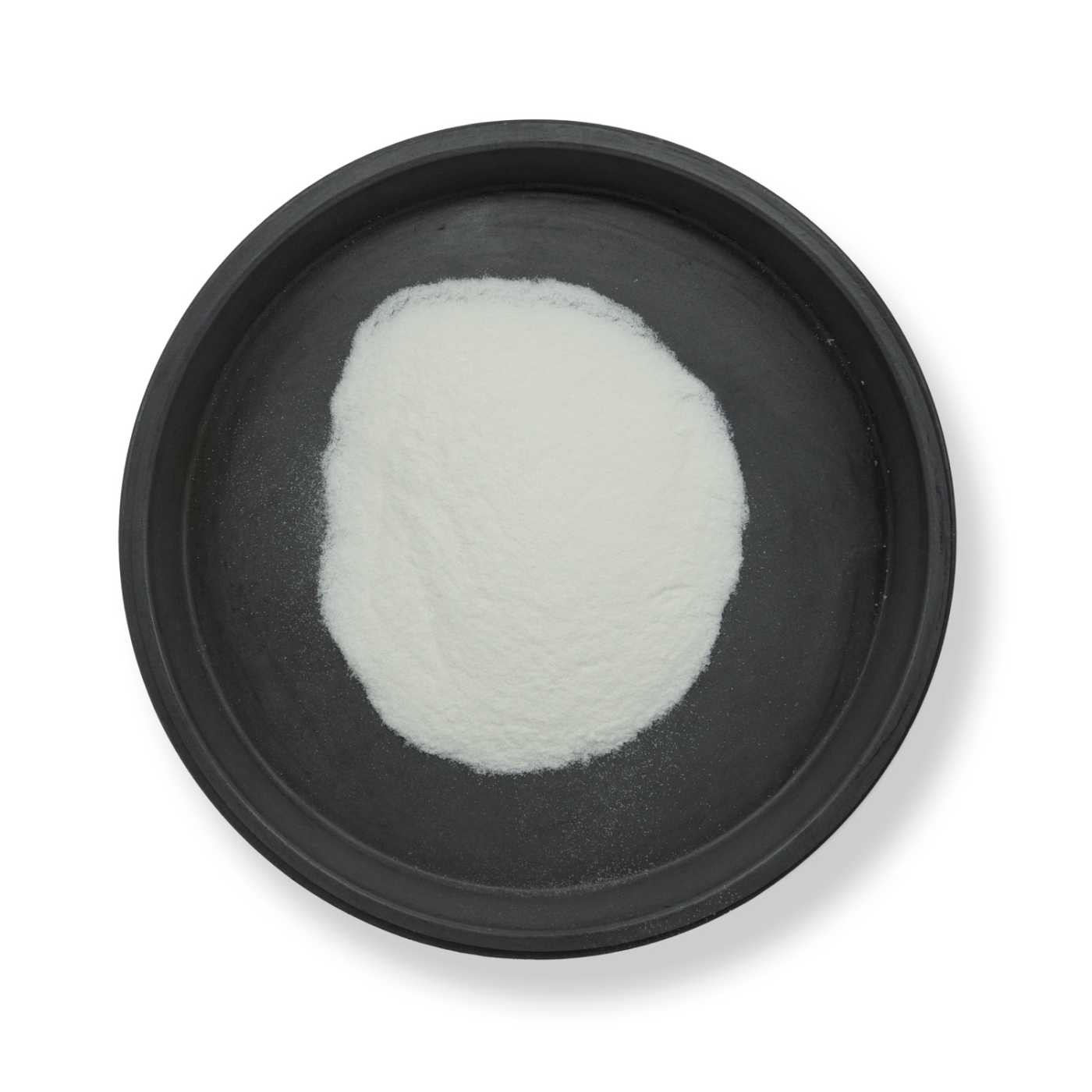
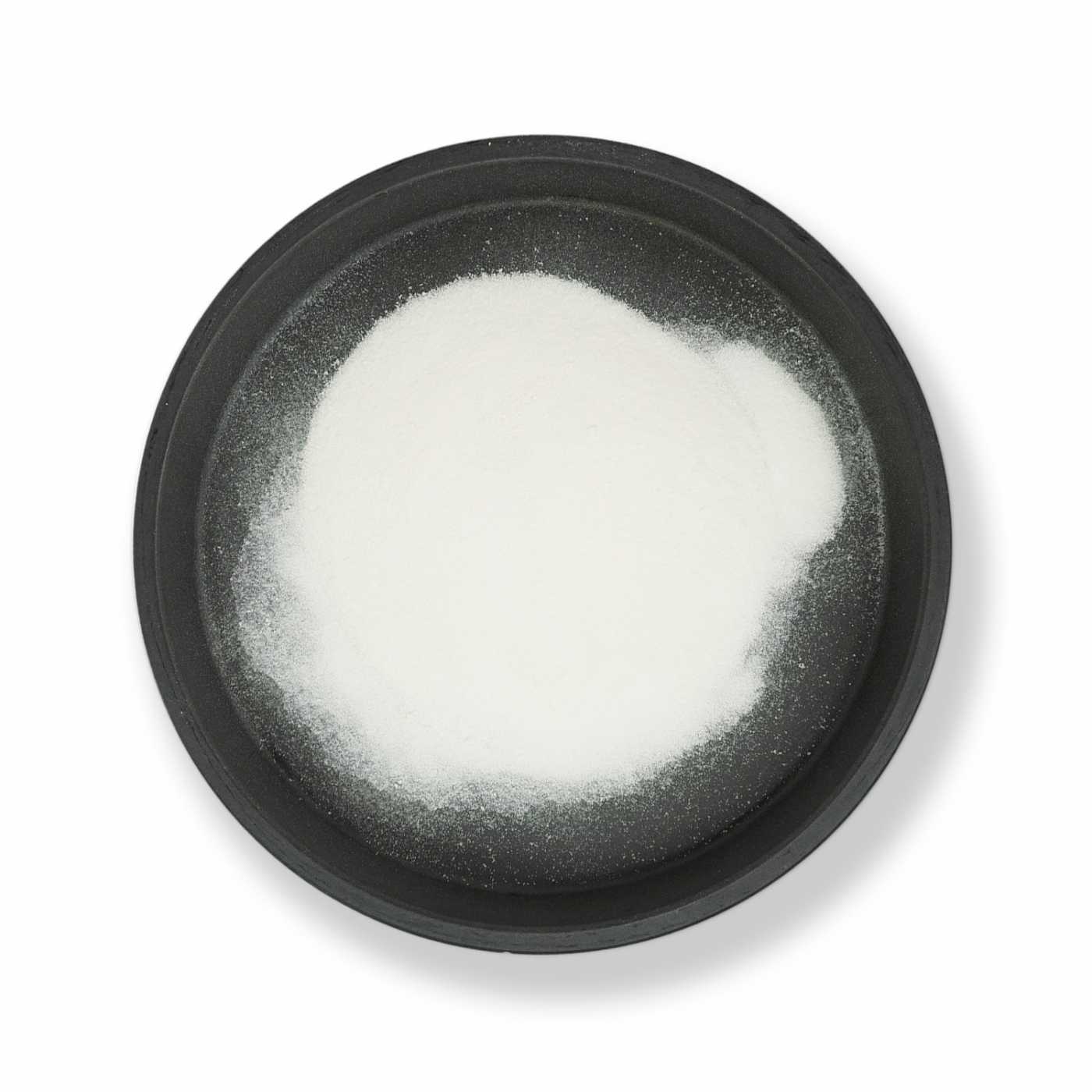
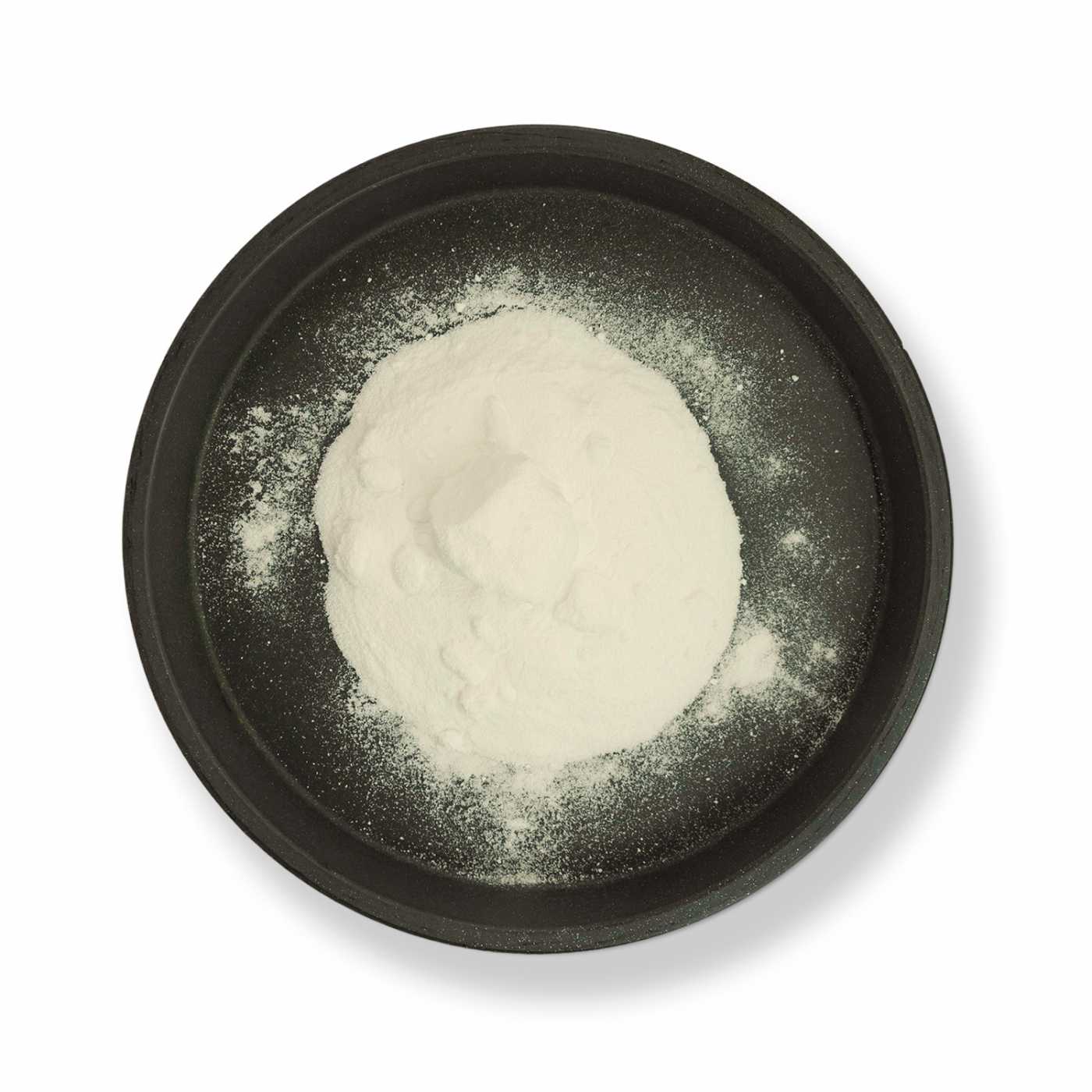
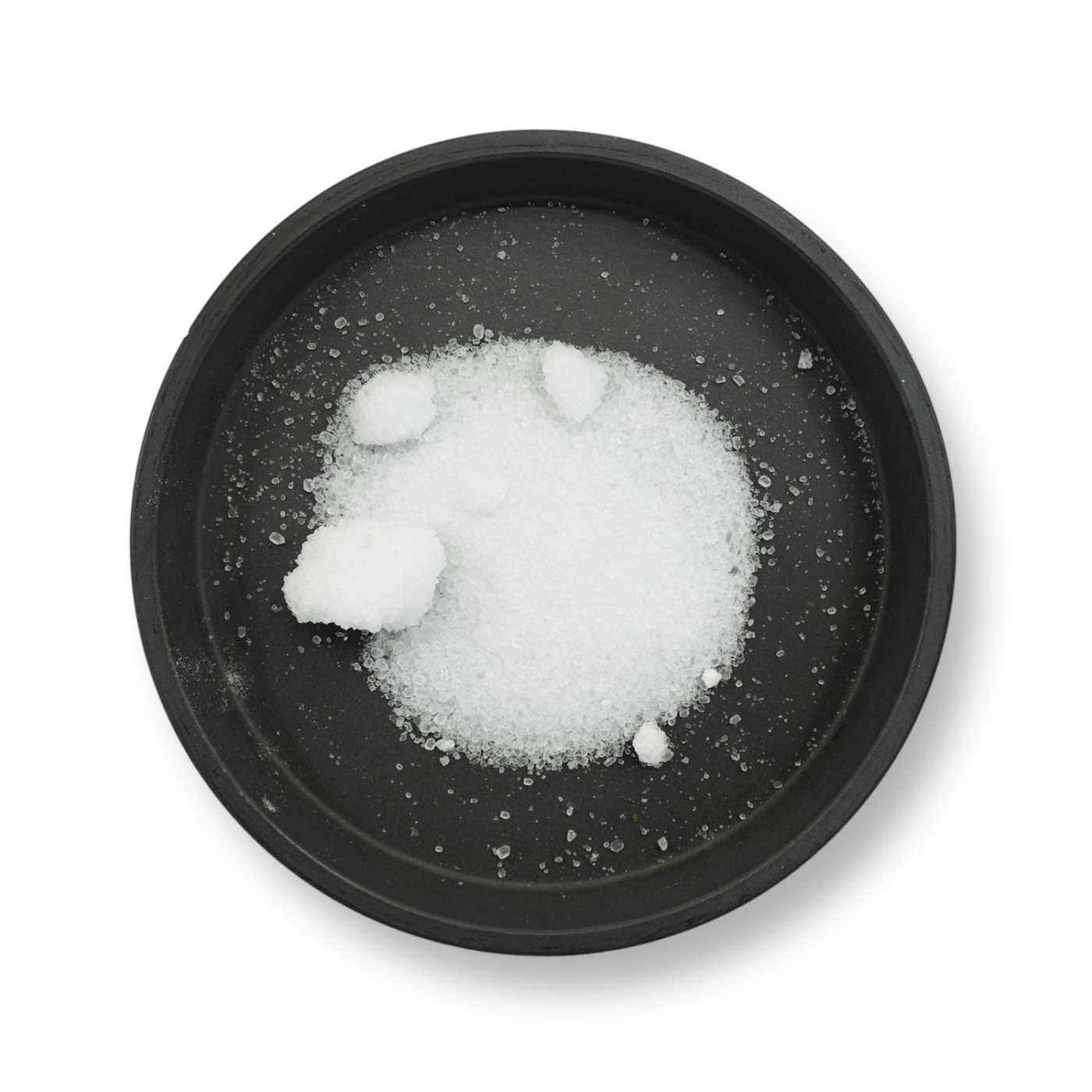
The raw material consists of white crystals or a crystalline powder with a faint characteristic odour. In dry matter it contains 99.0–101.0% L-arginine. It is supplied in cosmetic, food and pharmaceutical grade and is readily biodegradable.

With dihydroxyacetone in self-tanning products and with similar sugars, arginine may turn brown. The reaction is accelerated by a higher temperature and a higher pH, so store such products in a cool place.

The raw material is classified under CLP and labelled with the GHS05 (corrosive) pictogram. When handling the powder and the concentrated solution, use gloves and eye protection.


Frequently asked questions

Is L-arginine soluble in water?
Yes, L-arginine is soluble in water and is added to the water phase. At 20 °C, approximately 14.8 g dissolves in 100 g of water, forming a clear, colourless solution. It is not used in anhydrous products such as oil serums, balms or butters. It is processed at a temperature below 80 °C.
How do you raise the pH of a cream or serum with L-arginine?
The pH is raised with a 10% solution of L-arginine in distilled water, which is added in small portions. The pH is measured after each portion. The adjustment is made at the end of production, or before a preservative that is sensitive to low pH is added. The finished product should have a pH of 4–7.5.
What is the usage rate of L-arginine in cosmetics?
L-arginine is used in cosmetic products at a rate of 0.05–1%. When adjusting pH, the exact amount depends on the acidity of the formulation, so it is added gradually and the pH is measured continuously. In formulations it is most often found in hair products such as conditioners and smoothing creams, and in sun care emulsions and emulsions with SPF.
What is the difference between L-arginine and sodium hydroxide for pH adjustment?
Both raise the pH, but L-arginine is a milder alkali and is easier to work with than sodium hydroxide. Besides adjusting the pH of the product, it hydrates the skin and conditions the hair, whereas sodium hydroxide serves only as a pH regulator. In products with AHA acids, arginine reduces stinging without a loss of the acids’ effectiveness.
Is L-arginine suitable for shampoo and conditioner?
Yes, L-arginine is suitable for shampoos, conditioners and hair masks. It is compatible with anionic, cationic and non-ionic surfactants and works in both acidic and alkaline environments. It conditions the hair, makes it easier to detangle and helps to protect the colour. It is used mainly in products for damaged and coloured hair.
Can L-arginine be used in self-tanning creams with DHA?
Combining L-arginine with dihydroxyacetone is possible, but the product may turn brown over time. Amino acids react with DHA and similar sugars, and the reaction is accelerated by a higher temperature and a higher pH. Arginine turns brown significantly less than lysine or histidine. Such products should be stored in a cool place.

Parameters

Chemical name
(2S)-2-Amino-5-Guanidinopentanoic acid
CAS No.
74-79-3
EC number
200-811-1
Product colour
White
Country of origin
Brazil
Processing method
Fermentation
Appearance
Powder
Free from
parabens
Formulation phase
Water phase
Application area
Eye areaHairBody
Recommended processing temperature
< 80 °C
Recommended usage rate
0,05 – 1 %
Recommended formulation pH range
4 – 7,5
Solubility
Water-soluble
Application type
Leave-onRinse-off
Biodegradability
Readily biodegradable

Product documentation

CoACertificate of Analysis
batch 60824PDF ↓
TDSTechnical Data Sheet
Physical parameters and processingPDF ↓
SDSSafety Data Sheet
Available for purchased products —
Download all (ZIP)

2 PDF files in one archive

Learn how to work with it

From our blog
Dany9 Aug 2026CS

Verified purchase

A classic for adjusting pH, but excellent as an active too.

Translated automatically

Natalja R.16 Oct 2026DE

Verified purchase

Variant: L- Arginín, prášok, 100 g