
Lipstick made from natural ingredients is something you can try making right at home. Are you among the lovers of decorative cosmetics, but your favourite lipstick shade is not always available, or would you like to make one according to your own ideas? We bring you instructions for making a lipstick that provides intense colour and strong coverage thanks to the combination of colour pigments with titanium dioxide to enhance the colour and ensure long wear after application.
About this recipe
This great step-by-step tutorial was created for us by Ivana Jačalová. Making lipstick consists of two steps. First, it is necessary to prepare the colourless lipstick base, which is composed of oils, fats and waxes. This base is then mixed with pigments in a suitable ratio and melted again. Thanks to this, you can prepare a base for lipstick making in advance, or make several shades at once.
Main benefits
- Intense colour and strong coverage
The combination of colour pigments with titanium dioxide enhances the colour and ensures long wear after application.
- A shade to match your own ideas
Red iron oxide provides an intense red colour without shimmer; for pink, orange or other shades you can combine mica powders in various ways.
- A base to keep in stock
Thanks to the two-step procedure, you can prepare a colourless base in advance or make several shades at once.
- No preservative
The product does not contain water, so it is not necessary to add a preservative.
- Natural composition
The base is made up of oils, fats and waxes, complemented by mineral pigments and mica powders.
Product properties
Key raw materials in the recipe
Below we will introduce the individual raw materials used to make the lipstick. Whether they are oils, waxes or pigments – you will learn more about their properties, alternatives or dosage adjustments.
Castor oil
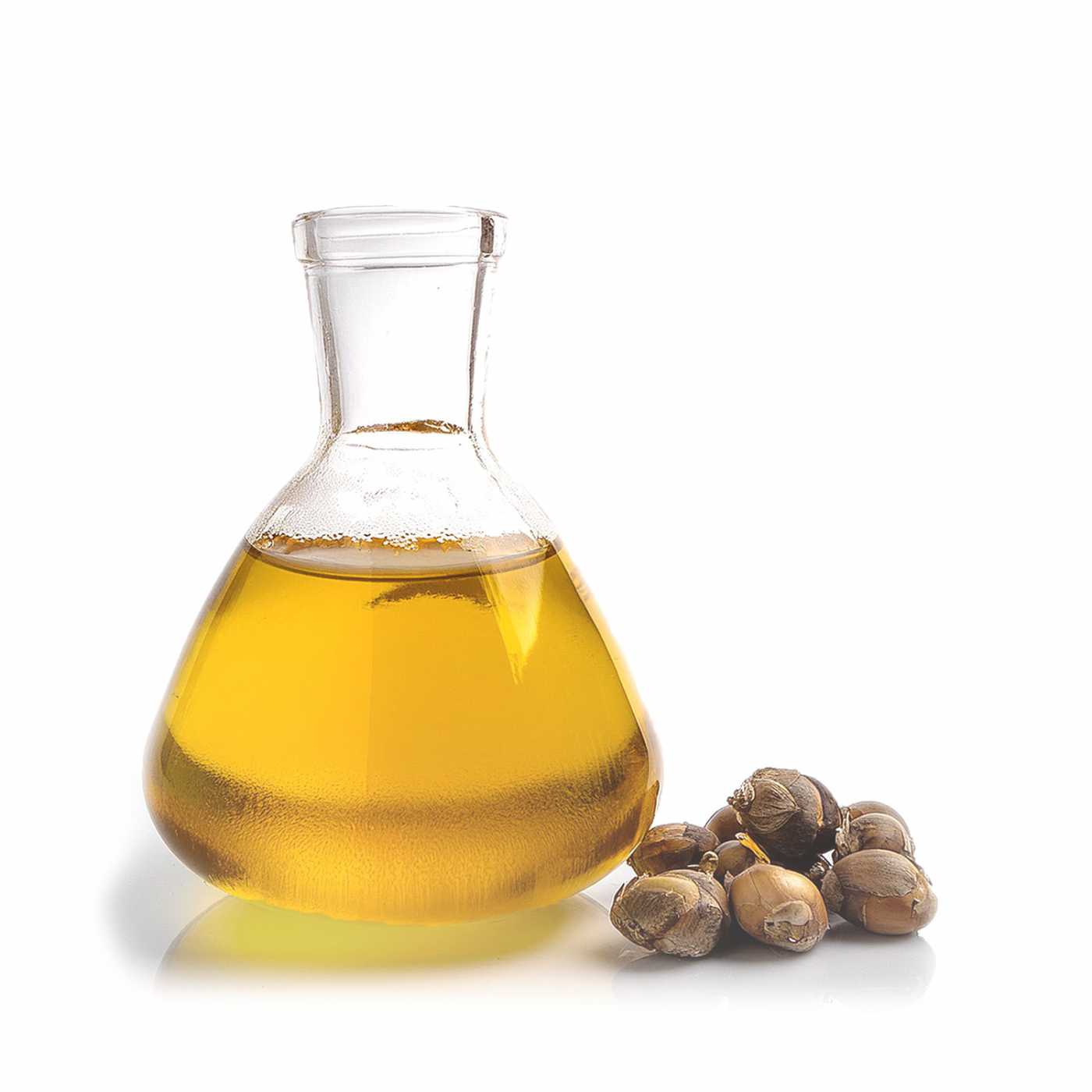
Castor oil is a very popular oil for making decorative cosmetics, because it gives products smoothness and a great texture that makes them easier to apply to the skin. At the same time, it has a relatively high viscosity and thus also thickens products. This oil can be replaced by other vegetable oils, but due to its unique properties in terms of viscosity and skin feel, the final product may have a different texture.
If your lipstick seems too hard and you want a slightly creamier product, increase the castor oil content by 0.5-1 % at the expense of waxes, and vice versa if you want a firmer lipstick that will not melt even at higher temperatures (for example in summer).
Cetearyl alcohol
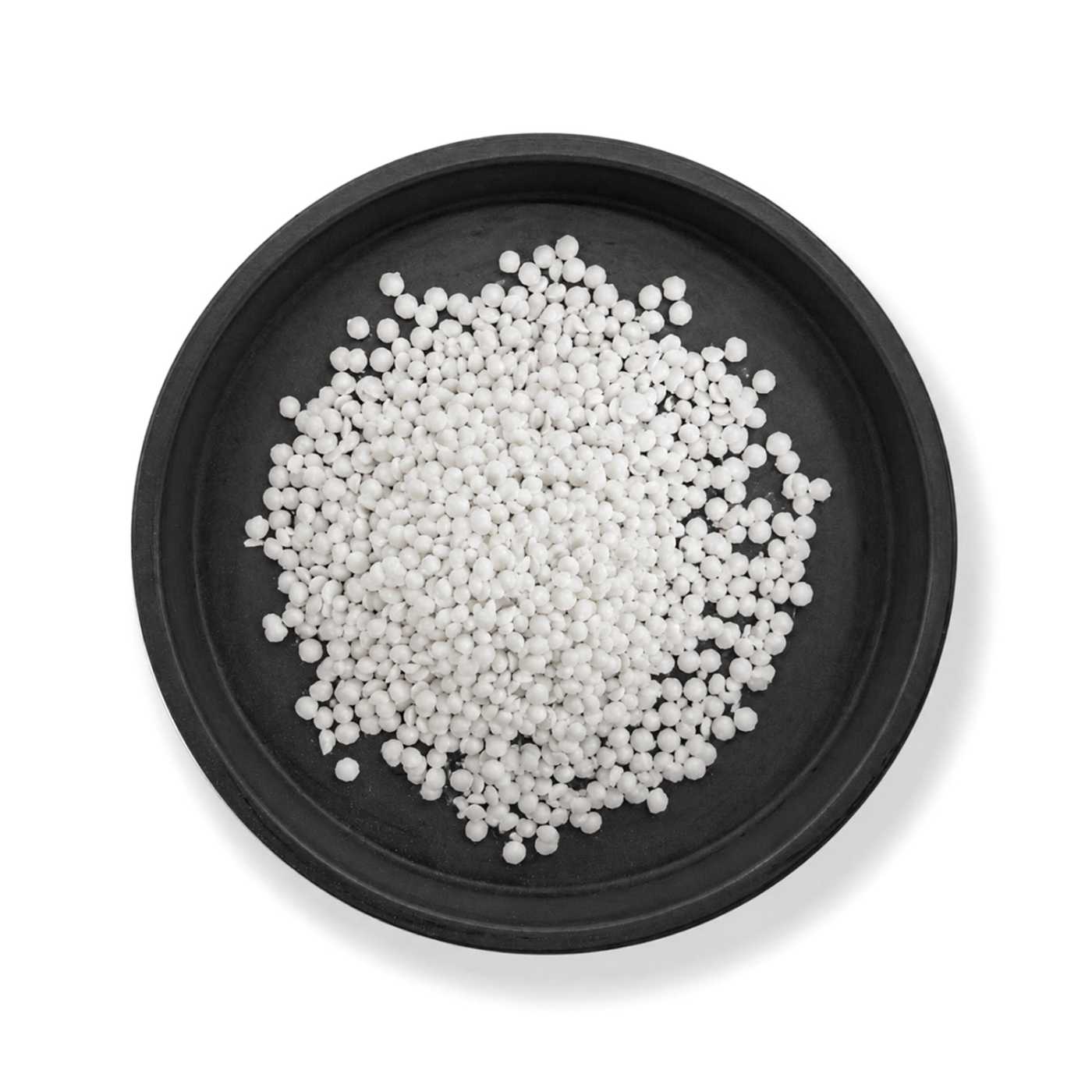
The firmness of the finished lipstick is provided by cetearyl alcohol. This alcohol has the character of a wax and is supplied in the form of white pellets. As a result, it ensures that the lipstick is solid and can be used in a stick container for lip balm. If you omitted cetearyl alcohol, the lipstick would probably break during application to the lips.
Cetearyl alcohol can be replaced by a similar alcohol, namely cetyl alcohol. Replacement by a wax is also possible, but this may result in a change in the firmness of the finished lipstick. Therefore, if you replace cetearyl alcohol with a wax (whether beeswax or another), check that this wax has similar hardness and melting point to cetearyl alcohol.
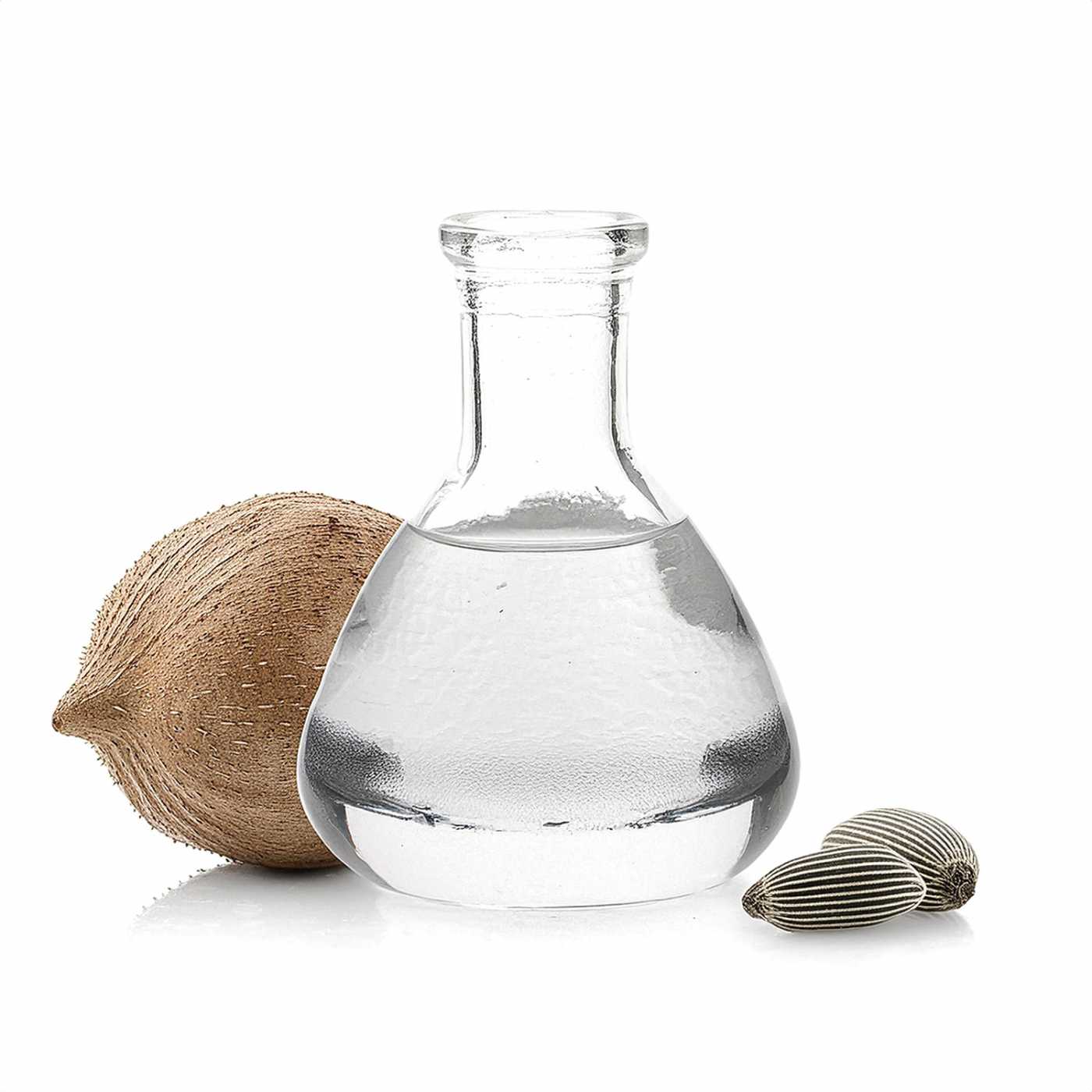
MCT Caprylis
Neutral oil or MCT Caprylis is the name for an oily raw material with the INCI name caprylic/capric triglyceride. This compound replaces oils very well because it is colourless and has lower viscosity. In addition, it is highly resistant to oxidation, so thanks to MCT Caprylis your lipstick will last longer. MCT Caprylis also has no scent or colour that would interfere with the final appearance and feel of the product.
You can replace it for example with fractionated coconut oil, or also with jojoba oil. Other oils are also suitable, but choose those that are lighter so as not to affect the final colour of the product.
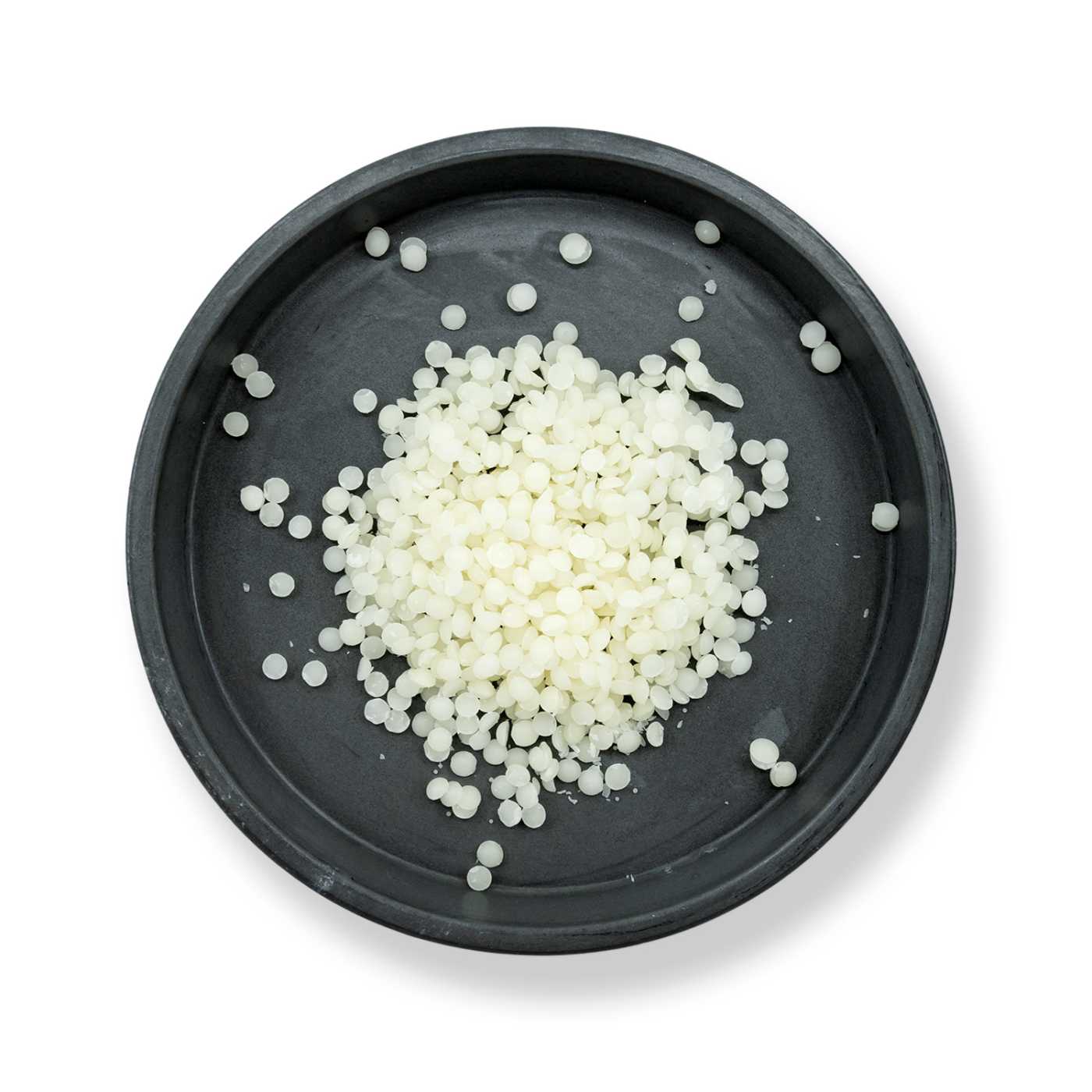
Beeswax
Beeswax, similar to cetearyl alcohol, adds hardness and strength to the finished product. The white refined version of this wax was chosen because it does not influence the final colour of the product or its scent. However, you can also reach for natural beeswax. A vegan alternative can be, for example, almond wax.
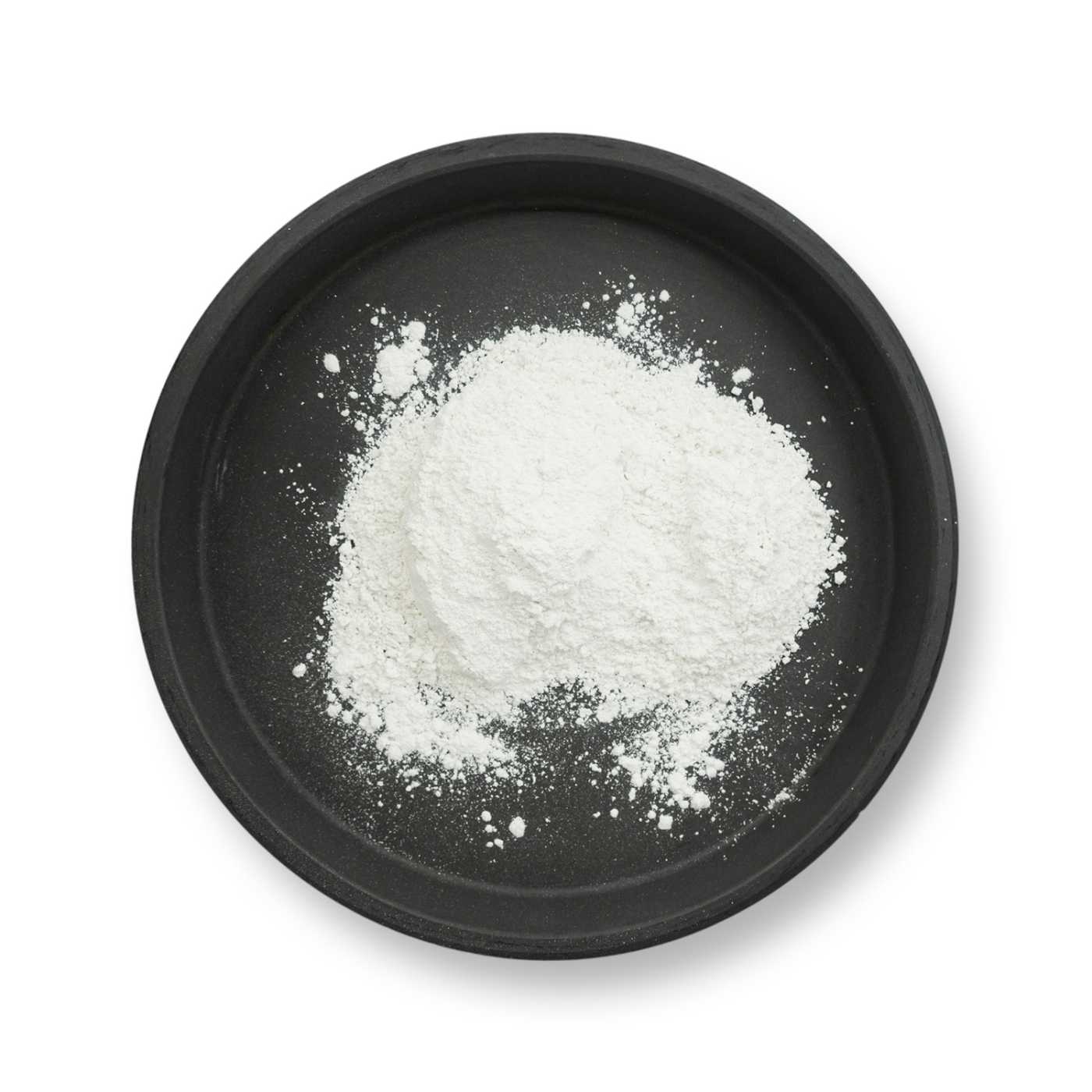
Titanium dioxide
Titanium dioxide is used to enhance the pigments in the product. Without this raw material, the final shade of the lipstick will be much softer after application and you will get a product more similar to a tinted lip balm than a lipstick. If possible, choose the version of titanium dioxide dispersible in oil rather than in water. It takes quite a long time for this raw material to disperse, so do not forget to mix the product thoroughly so that no residues of undispersed titanium dioxide remain in the finished lipstick.
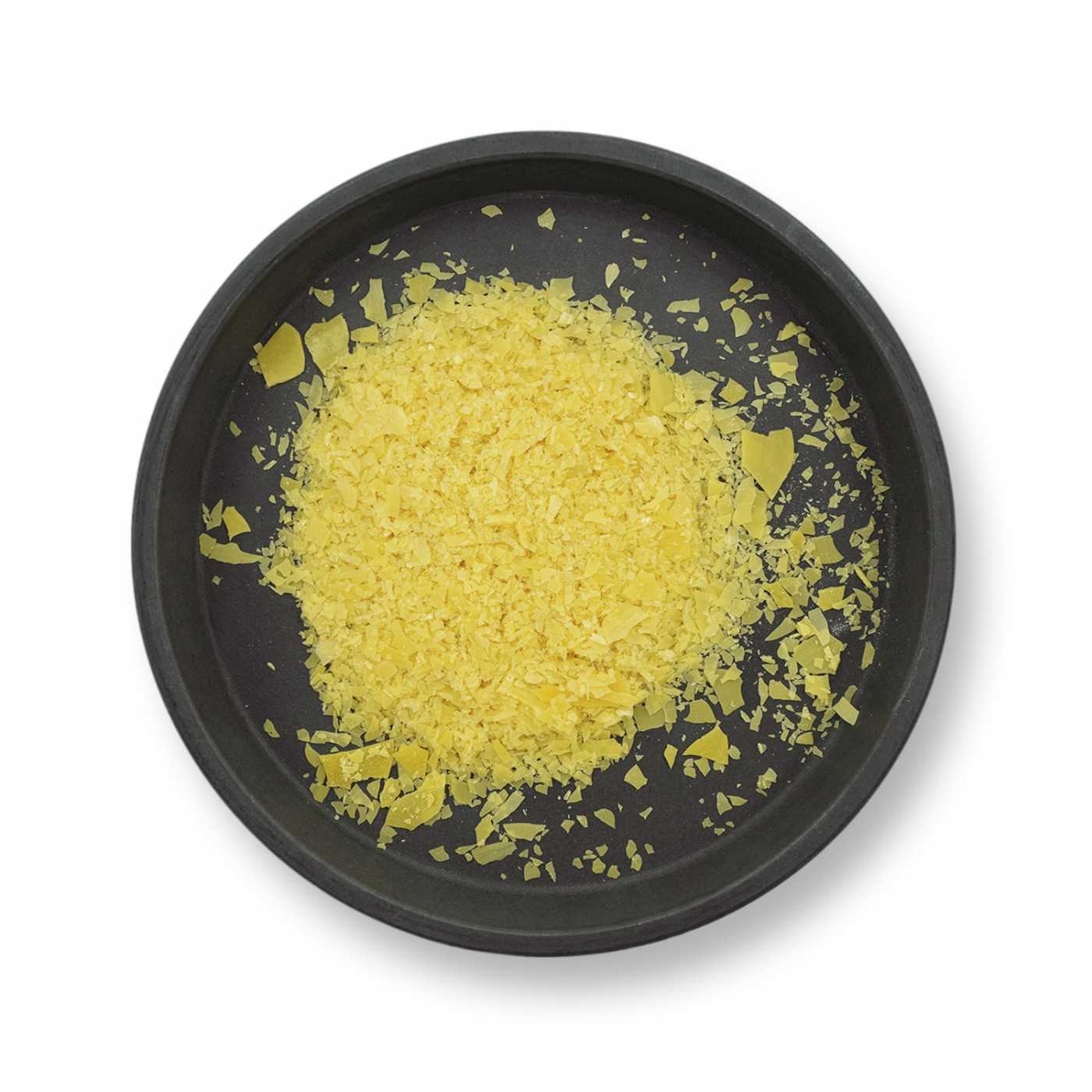
Carnauba wax
Another wax that provides strength and improves the texture of the final product is carnauba wax. This wax is a great addition to decorative cosmetics because it also acts as an emulsifier. Although the lipstick does not contain water, where the emulsifying function would be useful, an emulsifier can still make the application of the final product easier.
Carnauba wax can be replaced by candelilla wax. Other cosmetic waxes can also be used, but in that case there will be a significant change in the texture of the product.
Silk mica
This is a white, fine powder that leaves a silky feel on the skin. It is obtained from mica, so its microparticles scatter light and create a gentle sheen, which brightens the complexion and covers imperfections.
In lip products it is added to improve the consistency and texture and also to make the product easier to apply. In addition, the white colour of the mica powder lets the added pigments stand out.
Sunflower lecithin
To achieve easy application of the product and to give the lipstick creaminess, sunflower lecithin was chosen. This raw material is particularly suitable for lip products, because it hydrates them and leaves them soft. By increasing the proportion of lecithin, the lipstick becomes softer and more creamy. Conversely, a smaller amount will make the product harder. Soy lecithin is suitable for replacing sunflower lecithin.
Pigments
The main pigments chosen were mica powders and red iron oxide. It is iron oxide that provides an intense red colour without shimmer. So if you are looking for an intensely colouring red lipstick, this is the pigment for you.
For pink, orange or other shades, mica powders are ideal and can be combined with each other in various ways. If you are looking for a lipstick with a dark plum to burgundy colour, use either a mica powder or combine red iron oxide with ultramarine blue.
Formulation (100 g)
The raw material contents of the basic base are given in percentages by weight and correspond to a batch of 100 g of colourless base. After preparing your base, it is time to add the pigments. We recommend adding 0.3 g of titanium dioxide for every 25 g of finished base and up to 2.5 g of selected pigments. It can be a single shade, for example for a rich carmine colour, or you can combine different mica powders together. Do not increase the amount of pigment, as the resulting lipstick would be difficult to apply and too dry. The indicated amounts of pigments are calculated for 25 g of colourless base.
Basic lipstick base
Shop the ingredients for this recipe
Untick what you already have- Castor Oil, Refined, 100 mlrecipe uses 42.50 gsold outWatch availability€2.69
- TEGO Alkanol 1618 MB, Cetearyl Alcohol, 100 guses 21 gin stock€2.49
- Neutral Oil MCT Caprylis, 100 mlrecipe uses 10.00 gin stock€3.99
- White Beeswax, pellets, 100 guses 15 gin stock€4.19
 Carnauba Wax, 100 guses 3 gsold outWatch availability€6.29
 Mica Powder, Silk Mica, 10 guses 8 gin stock€2.29
 Sunflower Lecithin, Liquid, 100 guses 0.5 gsold outWatch availability€5.24
| Phase / raw material | Content |
|---|---|
| Phase A | |
| Castor oil | 42.50 % |
| Cetearyl alcohol | 21.00 % |
| MCT Caprylis neutral oil | 10.00 % |
| Beeswax, white | 15.00 % |
| Carnauba wax | 3.00 % |
| Silk mica | 8.00 % |
| Sunflower lecithin | 0.50 % |
Shade 1 (per 25 g of base)
Shop the ingredients for this recipe
Untick what you already have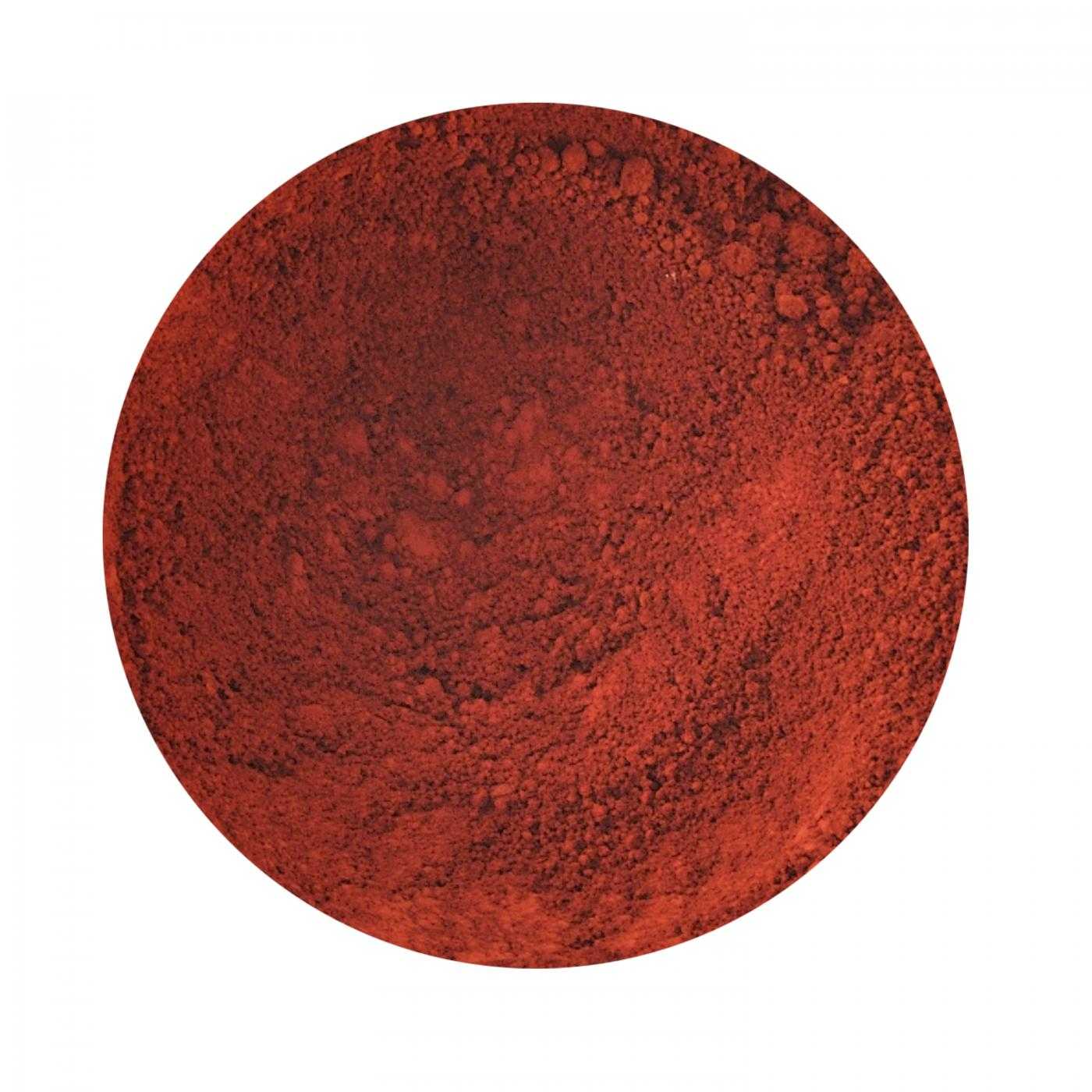 Iron Oxide, Red, 10 grecipe uses 2.50 gin stock€1.14
- Titanium Dioxide, Oil Dispersible, 50 grecipe uses 0.30 gin stock€2.30
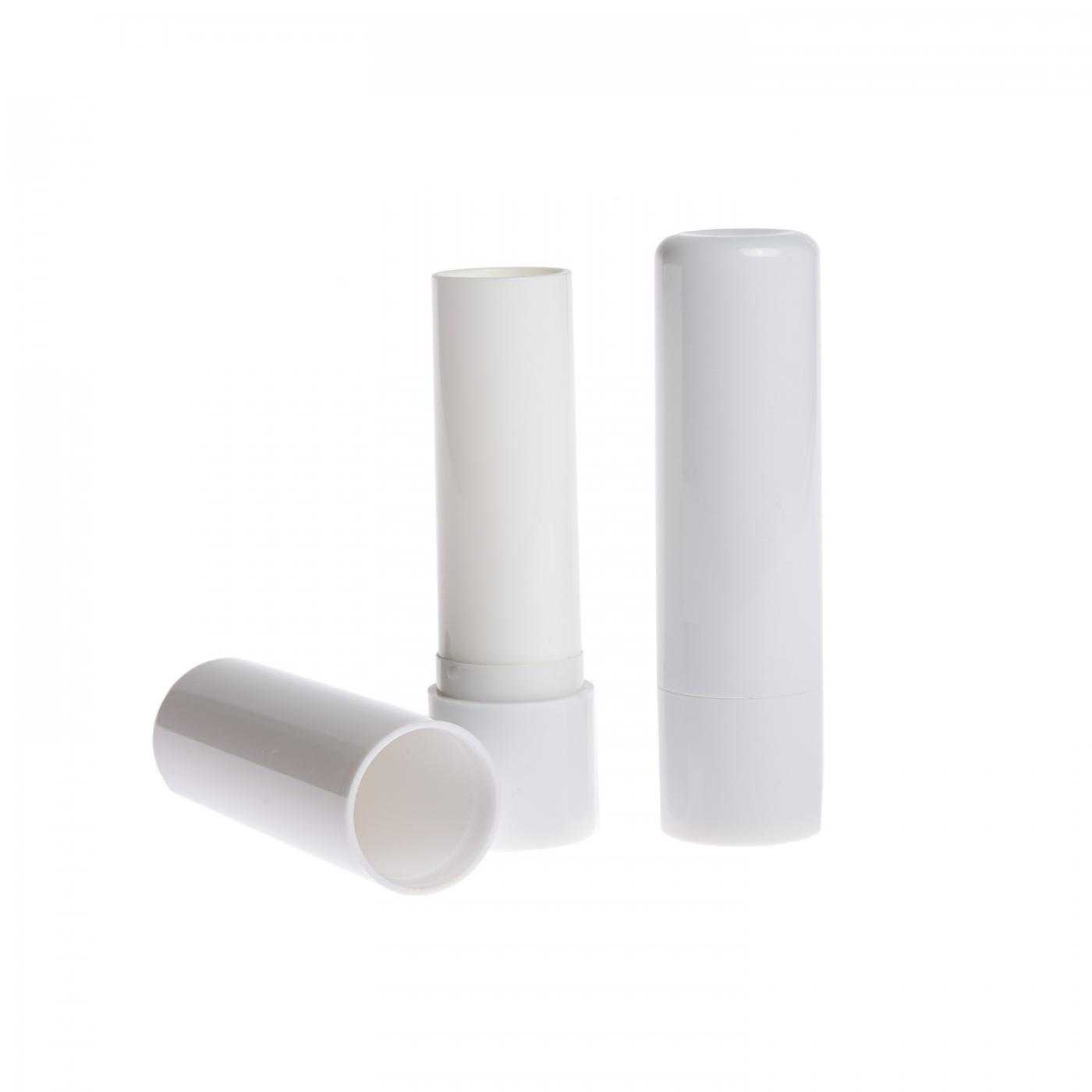 Lip balm tube, plastic, white, type 2in stock€0.90
| Phase / raw material | Content m (g) |
|---|---|
| Phase B | |
| Iron oxide, red | 2.50 |
| Titanium dioxide, oil | 0.30 |
| Tools | |
| Lip balm container, white | — |
Shade 2 (per 25 g of base)
Shop the ingredients for this recipe
Untick what you already have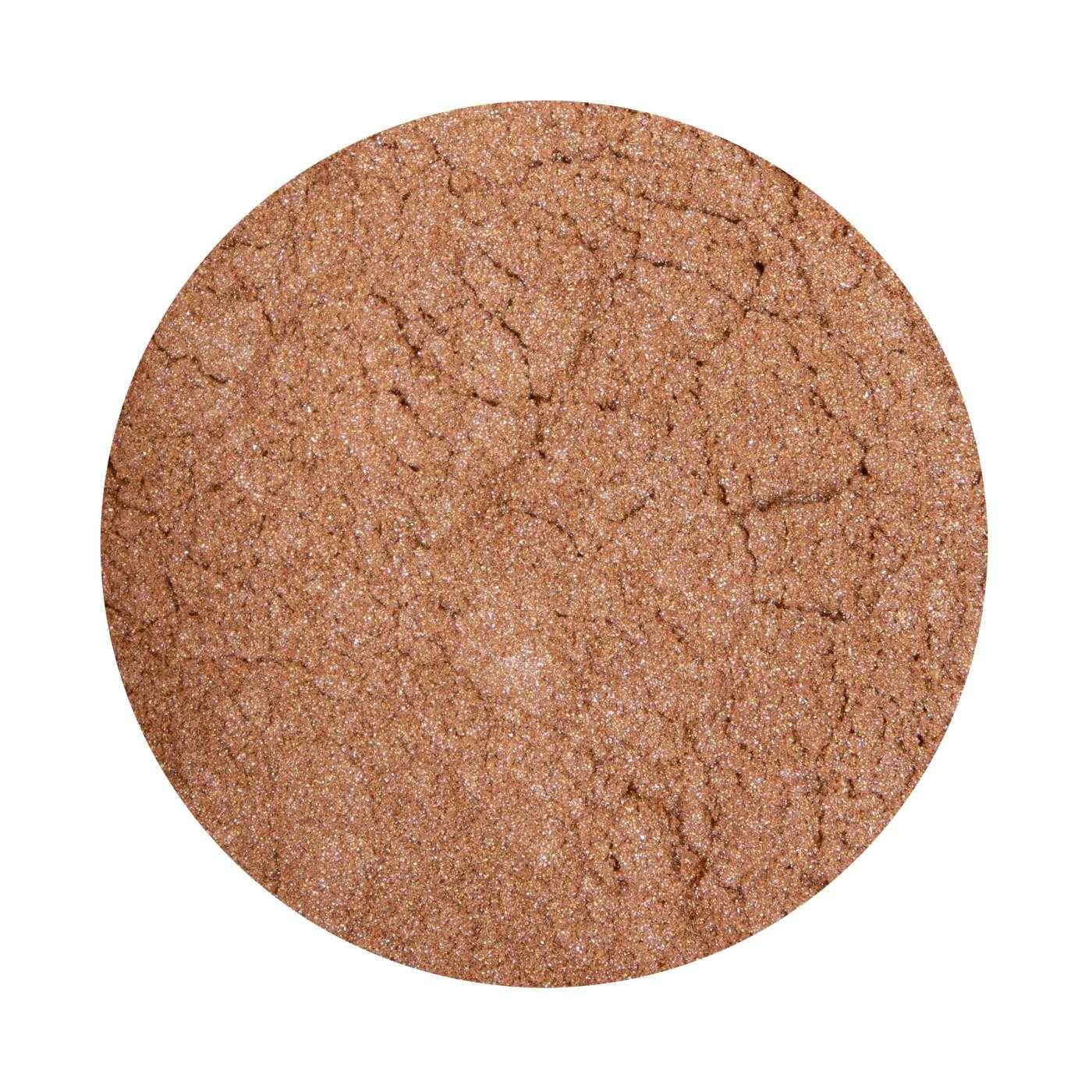 MICA Pigment Powder, Nearly Nude, 10 grecipe uses 0.40 gin stock€2.99
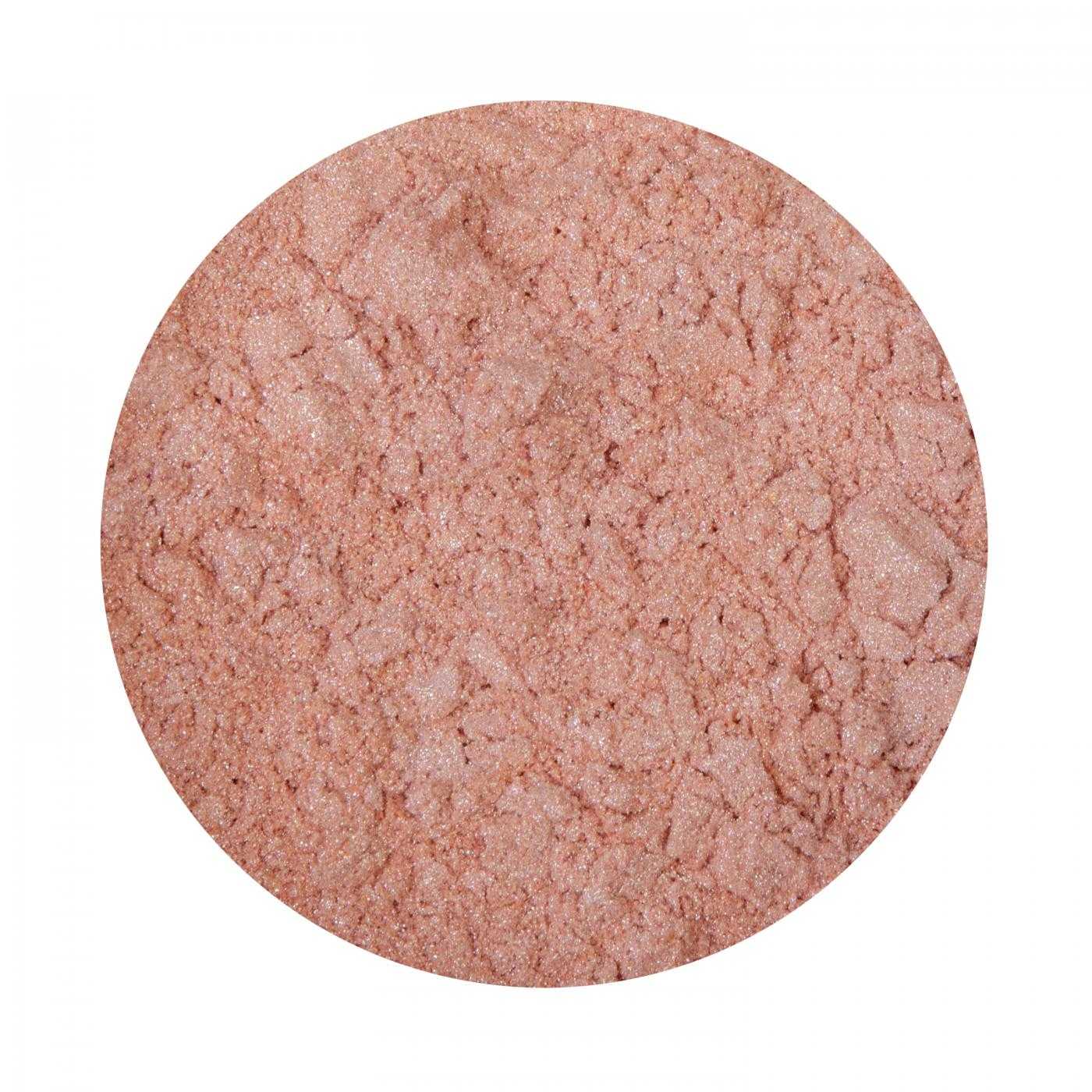 MICA Pigment Powder, Aphrodite, 10 grecipe uses 0.70 gin stock€2.99
- Iron Oxide, Red, 10 grecipe uses 0.20 gin stock€1.14
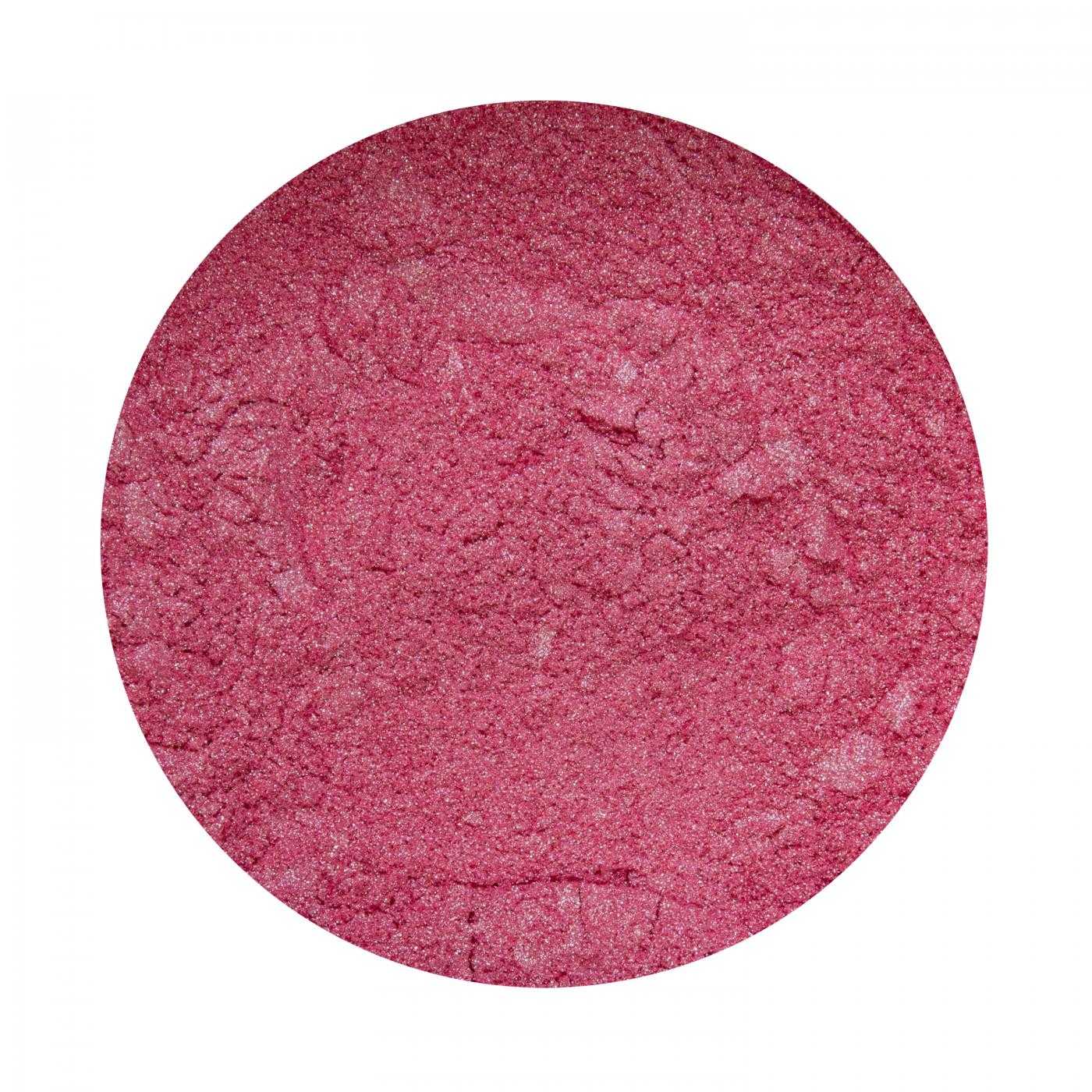 MICA Pigment Powder, Cool Pink, 10 grecipe uses 0.30 gin stock€2.99
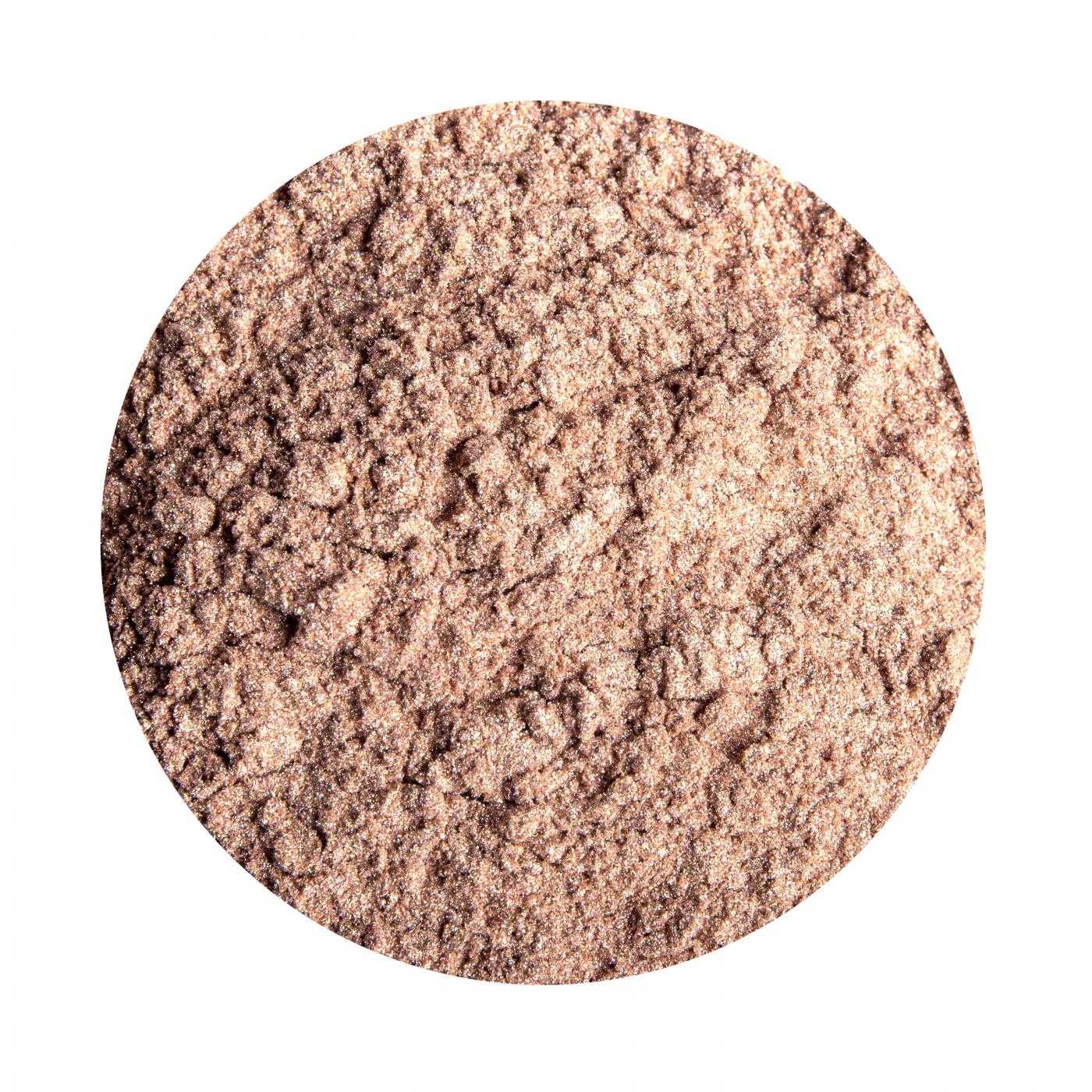 MICA, AquaPearls, Champagne, 10 grecipe uses 0.20 gin stock€3.29
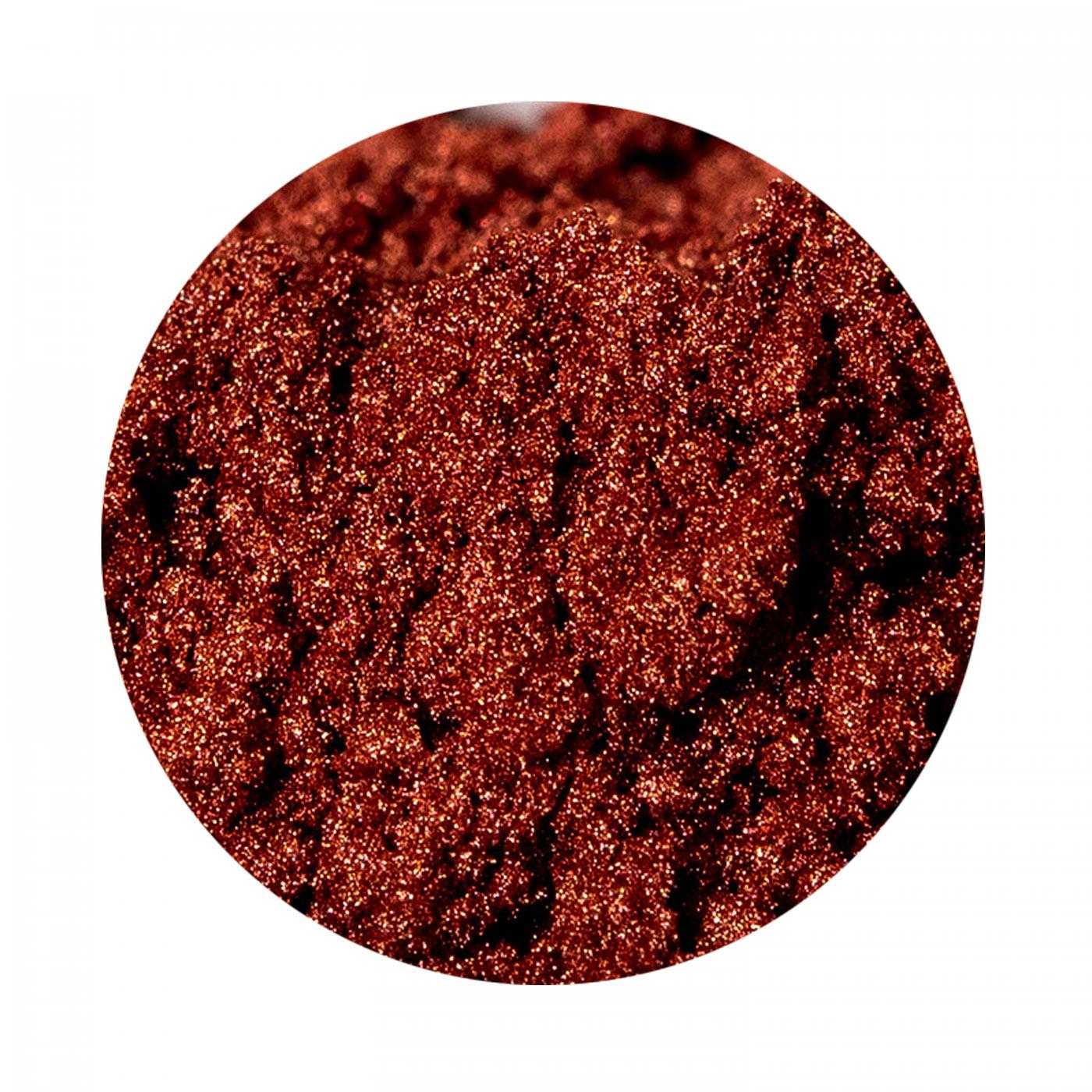 MICA Pigment Powder, Coppery Blush, 10 grecipe uses 0.10 gin stock€2.99
- Titanium Dioxide, Oil Dispersible, 50 grecipe uses 0.30 gin stock€2.30
- Lip balm tube, plastic, white, type 2in stock€0.90
| Phase / raw material | Content m (g) |
|---|---|
| Phase B | |
| Mica Nearly Nude | 0.40 |
| Mica Aphrodite | 0.70 |
| Iron oxide, red | 0.20 |
| Mica Cool Pink | 0.30 |
| Mica AquaPearls Champagne | 0.20 |
| Mica Coppery Blush | 0.10 |
| Titanium dioxide, oil | 0.30 |
| Tools | |
| Lip balm container, white | — |
Preparation procedure
Step 1 — the basic base
- Disinfection
Disinfect the tools, containers and packaging, for example with ethanol.
- Weighing the raw materialsPhase A
Weigh all the raw materials into a heat-resistant container.
- Water bathmax. 70 °C
Start heating the mixture in a water bath until the raw materials melt and combine well.
- Setting
Pour the finished mixture into a glass jar or another container with a wider neck and let it set.
Step 2 — adding the pigments
- Weighing the base
Into a heat-resistant container, weigh the chosen amount of solidified colourless lipstick base.
- Adding the pigmentsPhase B
Add the chosen amount of pigments in the indicated ratio (for 25 g of base you need 0.3 g of titanium dioxide and max. 2.5 g of colour pigments).
- Melting and stirring
Start heating the mixture in a water bath until the base melts. Then take a silicone spatula and stir the mixture thoroughly until all the titanium dioxide is perfectly dispersed.
- Thorough dispersionmin. 3-5 min
It will be necessary to stir the mixture for at least 3-5 minutes, until you no longer see white residues of undispersed titanium dioxide when running the spatula across the bottom of the container.
- Filling the tube
While still liquid, pour the mixture into the lipstick tube. Let it set.
Tips and tricks
Get inspired by our tips and tricks for making lipstick, which will also help you to make production easier and to prepare the finished product exactly according to your ideas.
When preparing the base for making lipstick, care must be taken that the temperature of the mixture does not exceed 70 °C. Above this temperature, the oils are exposed to excessive heat stress and may oxidise more quickly. If you want to delay oxidation, add during the cooling phase 0.5 % tocopheryl acetate (vitamin E), ideally at the lowest possible temperature; however, the mixture must still be sufficiently liquid so that the vitamin E can be incorporated into the product. Do not use tocopherol, which is less resistant to higher temperatures. Since the product does not contain water, it is not necessary to add a preservative.
The combination of the components of the base may take longer due to the sunflower lecithin, which requires a slightly longer time to dissolve completely. It is similar with titanium dioxide after adding the pigments. It will take quite a long time until all the titanium dioxide is worked into the mixture and you no longer see white residues of this pigment when running the spatula across the bottom of the container.
Do not pour the lipstick into the container until all the titanium dioxide has been dispersed – otherwise, when applying the lipstick, you could notice white spots caused by undispersed titanium dioxide. When pouring, it is suitable to hold the containers together with a rubber band or place them in a smaller glass – thanks to this, the containers will not tip over when pouring the lipstick.
Pour the lipstick into the tube right up to the top, because when setting, a small indentation may form in the middle of the lipstick. You can fill this indentation later by pouring in an additional amount of lipstick. For one tube you will use approximately 5-6 g of finished lipstick. It is ideal to have a little more lipstick prepared than you need; you can pour the surplus into a glass jar, store it for several weeks and use it again when making a new batch.
To achieve a slanted shape of the final lipstick stick, you can use moulds for making lipstick. An alternative is simply cutting off the end of the stick, but the lipstick may break during trimming.
Warning
As mentioned, you can experiment with homemade recipes to achieve the desired properties. However, the final result can be influenced by many factors, such as humidity, temperature, quality of raw materials or their storage.
Before using any raw material for the production of a cosmetic product, familiarise yourself with its properties, recommended dosage, storage conditions and safe handling. Each raw material can have the potential to trigger an allergic reaction in sensitive individuals, therefore, before using the product, we recommend checking whether you are allergic to any of the raw materials or to the overall product, for example by means of a skin test.
If you have very sensitive or very acne-prone skin, or if you have other skin and health issues, we recommend consulting a medical professional before applying a new product to your skin, whether it is a homemade cosmetic product, a pure raw material or a commercially available product.
Frequently asked questions about the recipe
Practical questions about making lipstick — preservation, consistency, shades and the amount used per tube.
Do I have to add a preservative to the lipstick?
No — the product does not contain water, so it is not necessary to add a preservative. If you want to delay the oxidation of the oils, add 0.5 % tocopheryl acetate (vitamin E) during the cooling phase, ideally at the lowest possible temperature, while the mixture is still sufficiently liquid. Do not use tocopherol, which is less resistant to higher temperatures.
What should I do if the lipstick is too hard or too soft?
If you want a creamier product, increase the castor oil content by 0.5-1 % at the expense of waxes — and vice versa if you want a firmer lipstick that will not melt even at higher temperatures. The consistency is also influenced by sunflower lecithin: by increasing its proportion the lipstick becomes softer and more creamy, while a smaller amount will make the product harder.
Why is there titanium dioxide in the recipe?
It serves to enhance the pigments used — without it the final shade will be much softer after application and you will get a product more similar to a tinted lip balm than a lipstick. Choose the version of titanium dioxide dispersible in oil and mix the product thoroughly so that no white residues of undispersed pigment remain in it.
How do I achieve a dark plum to burgundy colour?
Use either a mica powder or combine red iron oxide with ultramarine blue. For pink, orange or other shades, mica powders are ideal and can be combined with each other in various ways.
How much lipstick do I need for one tube?
For one tube you will use approximately 5-6 g of finished lipstick. It is ideal to have a little more prepared — you can pour the surplus into a glass jar, store it for several weeks and use it again when making a new batch.
Conclusion
Are you a lover of decorative cosmetics and do you use lipstick every day? Make a lipstick according to your own ideas and with a natural composition. Follow this great tutorial with step-by-step procedure, which was created for us by the wonderful Ivana Jačalová. Thank you.
If you have any questions, want to expand the tutorial with tricks and ideas or share your experiences, write to us at [email protected]. Until we meet again with another blog tutorial, stay creative.
The oxides, mica powders, oils and waxes from this recipe can all be found in the Handymade range of colourants and raw materials.