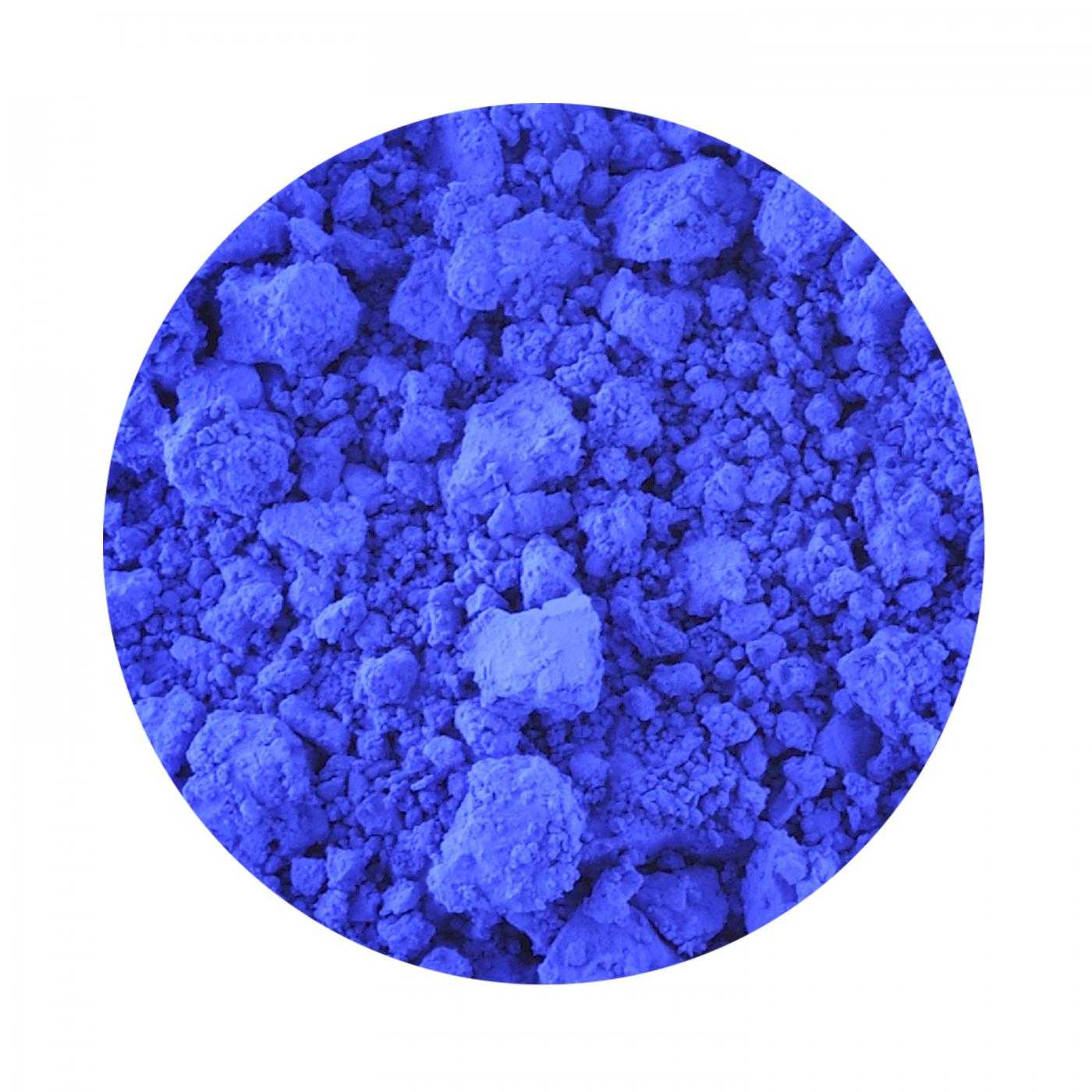
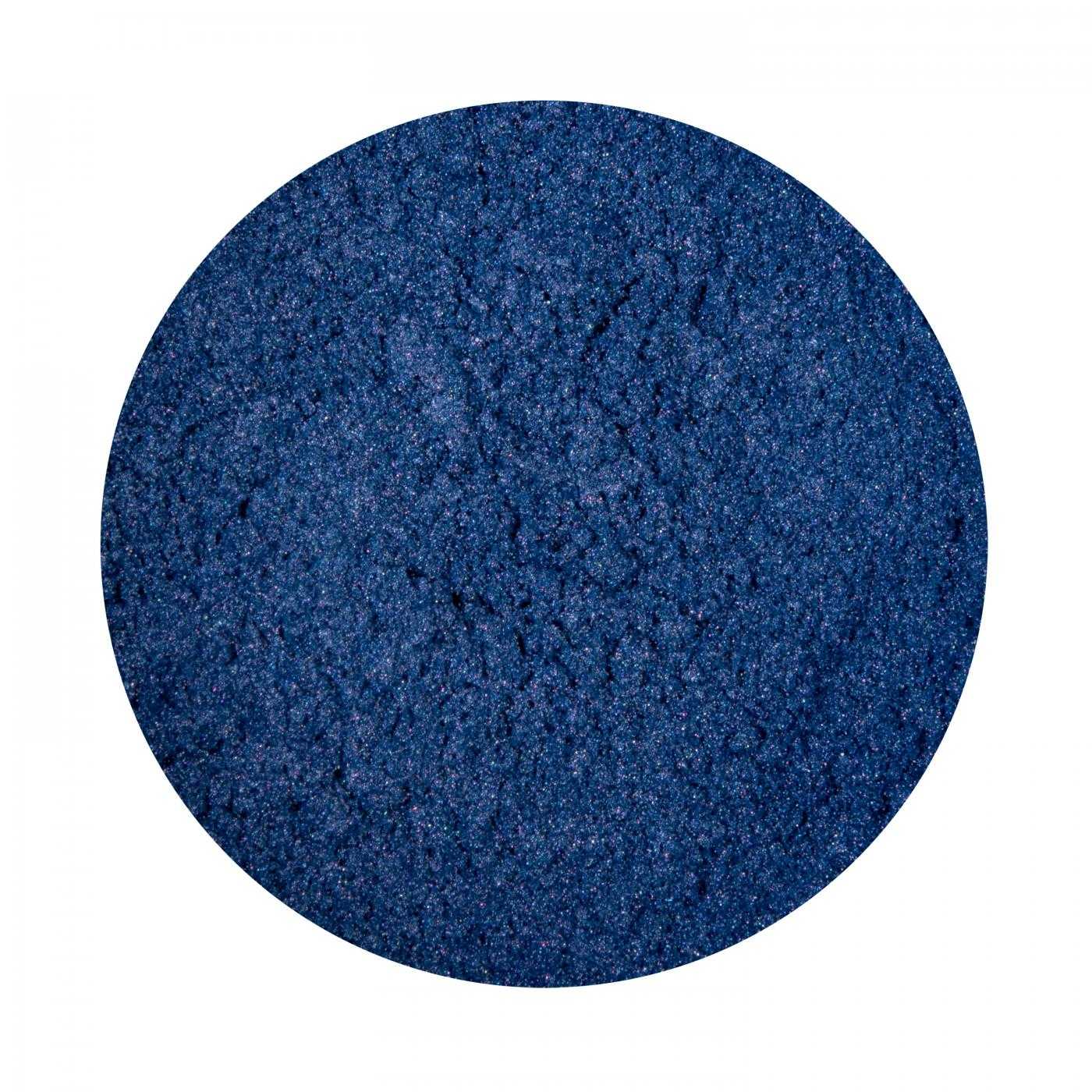
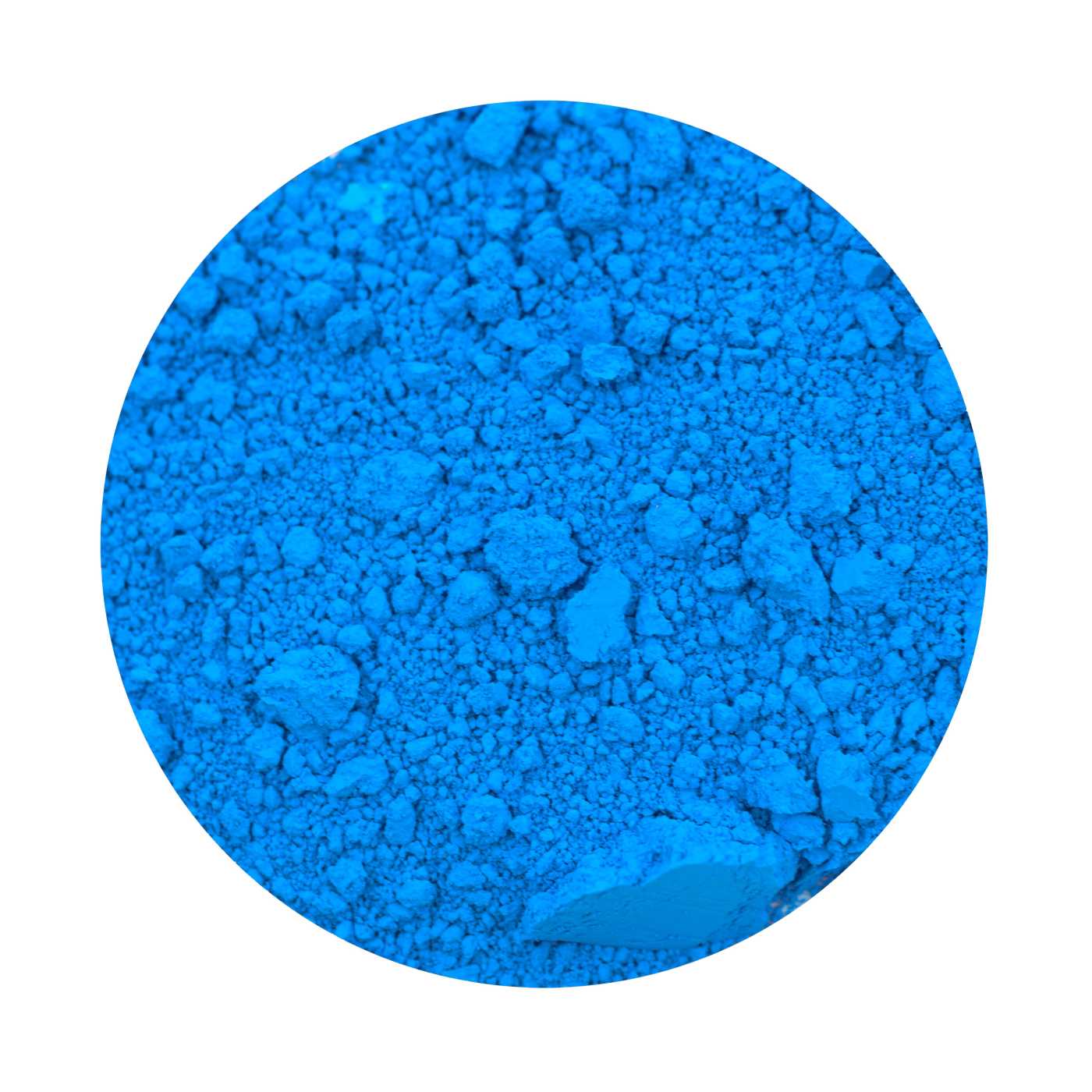
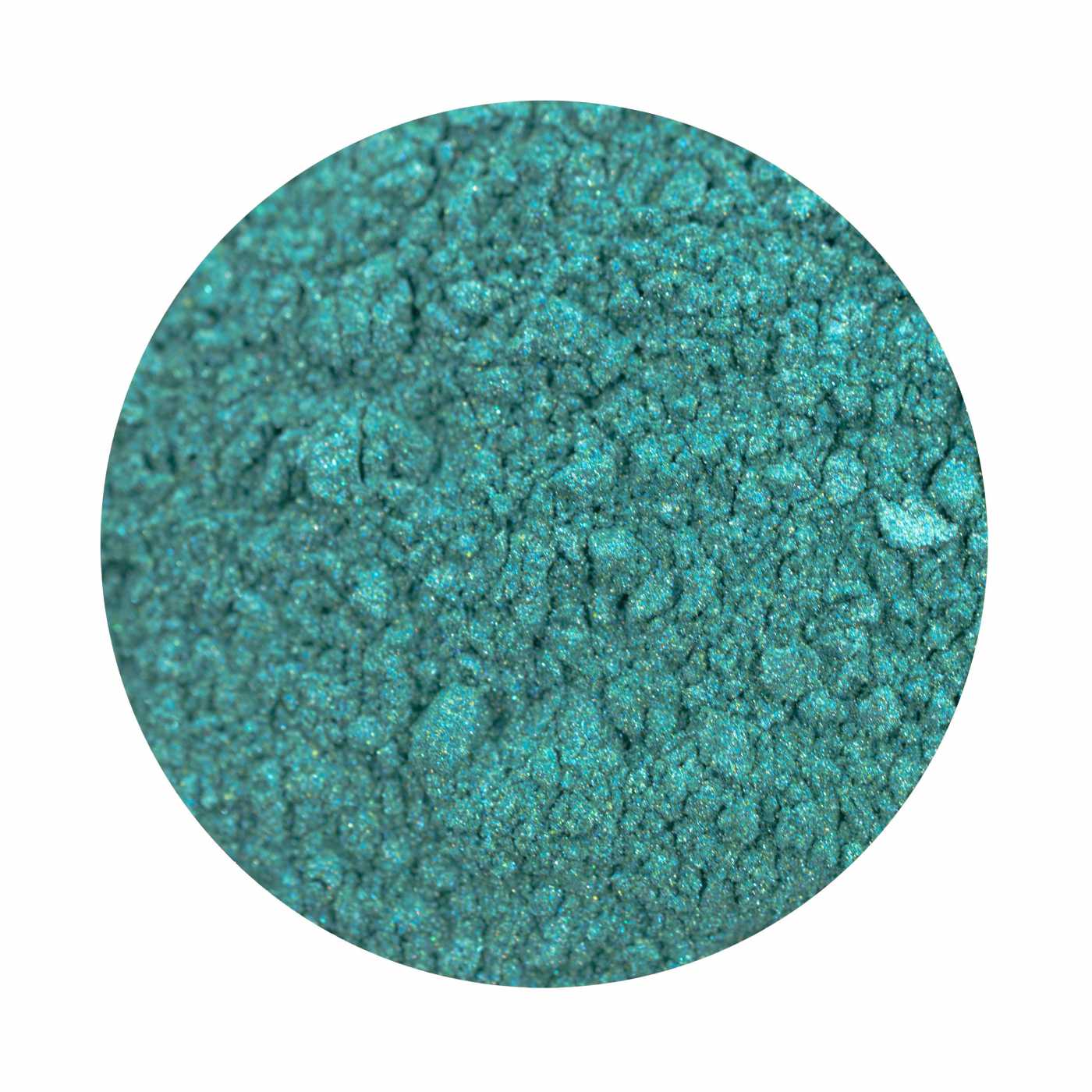
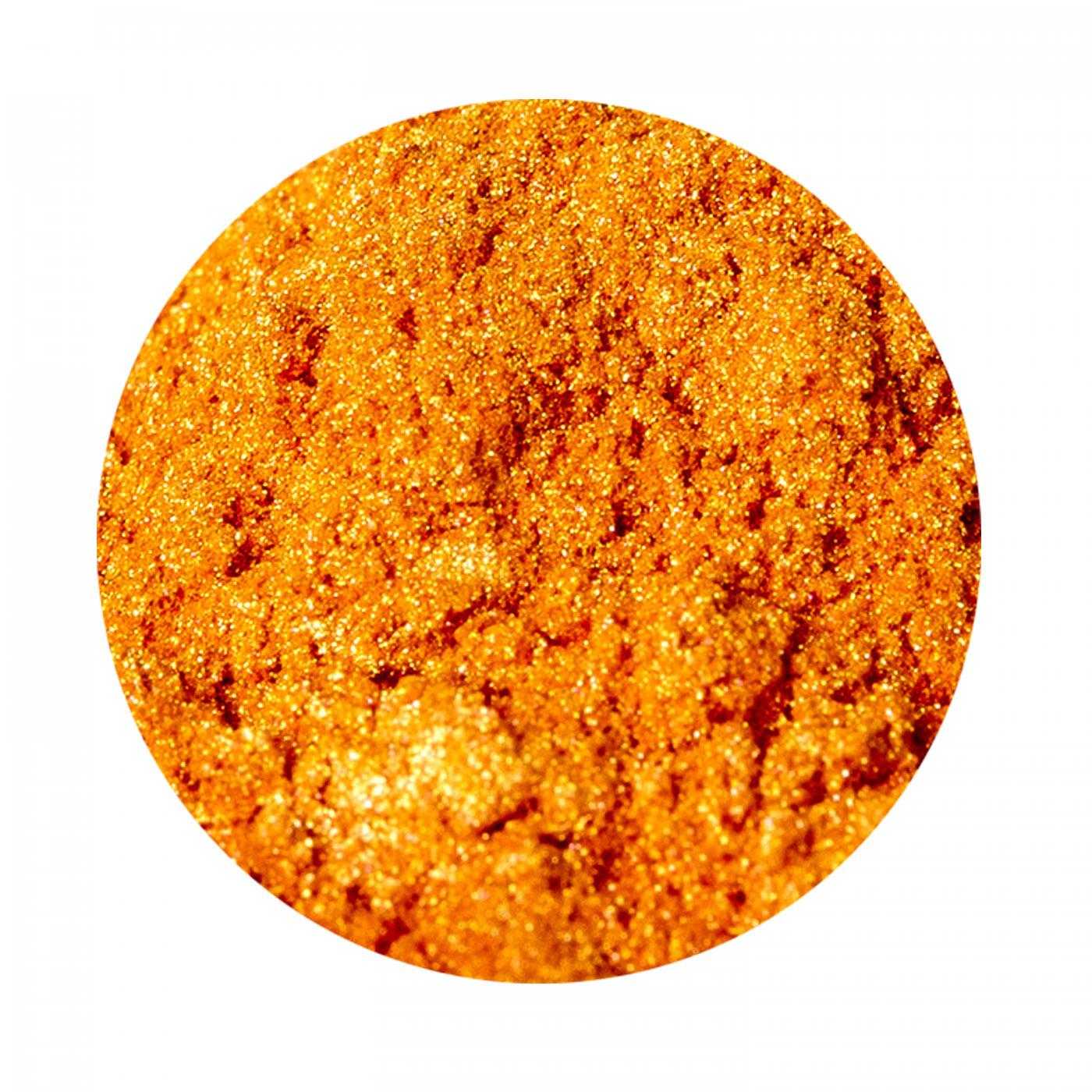
Blue ultramarine is a mineral pigment that gives decorative cosmetics a rich, vivid blue. Among mineral pigments, it is practically the only source of such a blue. It is used in products for the face and for the eye area.
It keeps its colour in an alkaline environment, in light and when heated. It can therefore also be used to colour soaps.
Origin and properties of the pigment
The blue from ultramarine was once obtained by grinding the semi-precious stone lapis lazuli. Today's pigment is made synthetically from kaolin, sulphur and coal, which are calcined, ground and dried. In cosmetics it is a colorant, CI 77007, in accordance with Annex IV of Regulation (EC) No 1223/2009.
It is supplied as a matte blue, odourless powder. The average particle size is approximately 2.1 µm and the oil absorption is 33%. It does not contain nanomaterials.
The pigment does not dissolve in water or in oil; it is dispersed in both. The product is coloured by the dispersed particles, and the intensity of the colour depends on the amount of pigment.
Key properties
- Vivid blue of mineral origin – it is processed in a similar way to iron oxides and can be combined with them.
- Lightfastness – on the Blue Wool Scale it reaches grade 7–8, which is excellent lightfastness.
- Heat resistance – it withstands temperatures above 350 °C, and heating during the production of cosmetics and soaps does not change the colour.
- Resistance in an alkaline environment – it is intended for formulations with a pH of 7–11.
- Use on the face and around the eyes – it is suitable for products for all skin types, including sensitive skin.
Use in a formulation
The pigment can be added to the water phase, to the oil phase or afterwards to the finished blend. In decorative cosmetics the usage rate is 1–30%, depending on how intense the colour should be. A smaller amount is enough for a subtle colour tone: in a highlighter stick made of waxes and oils, approximately 0.5% is used.
It is incorporated via a paste. The powder is first ground smooth with a small amount of oil or another liquid, and only this paste is then mixed into the rest.
Mix the pigment only until the paste is smooth. Intensive grinding, prolonged rubbing and strong high-shear mixing can damage the sulphur on the surface of the particles and release hydrogen sulphide.
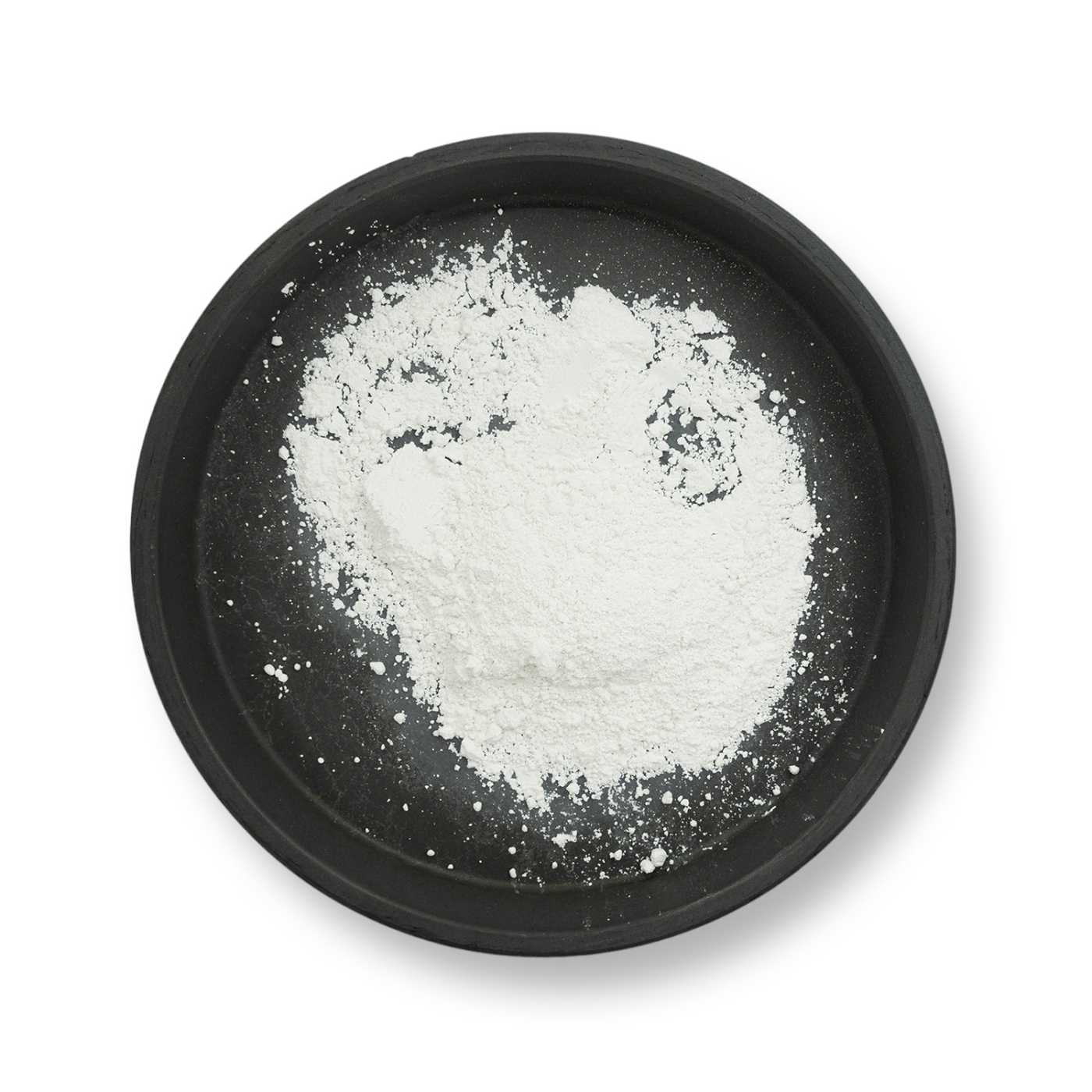
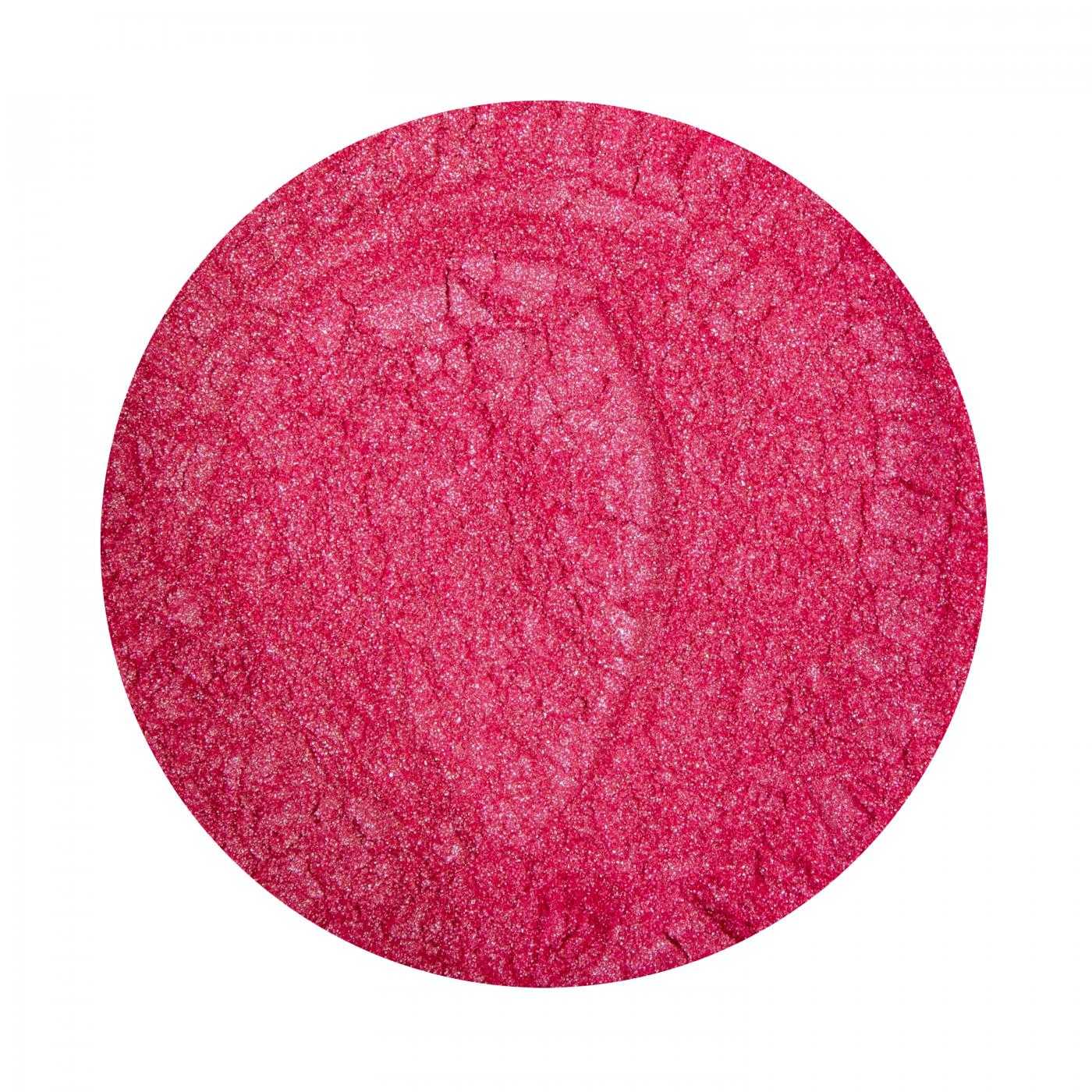
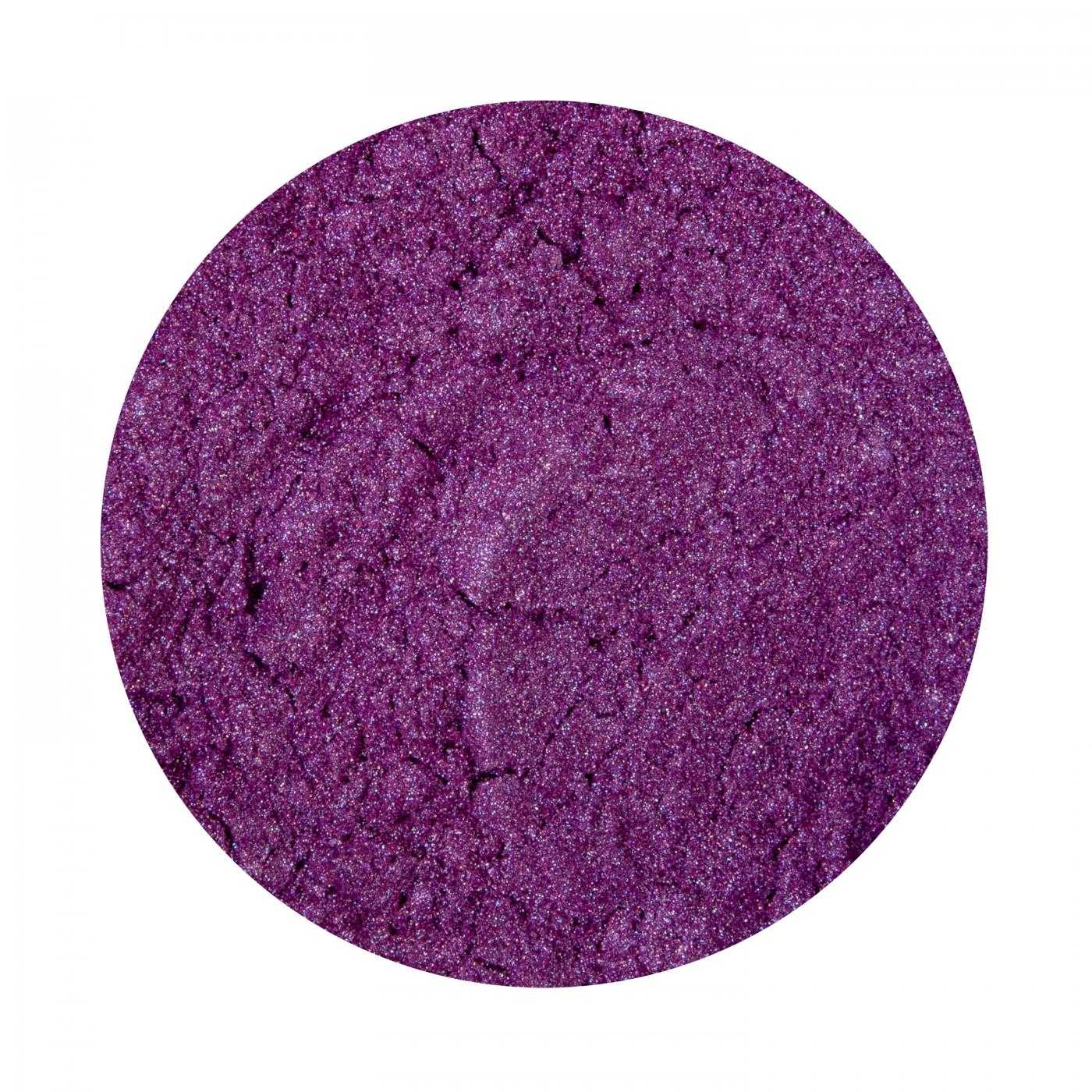
The shade is adjusted with other pigments. With titanium dioxide, lighter blue shades are created; with a red pigment, for example carmine, violet shades are created.
Suitable for products such as
- Eyeshadows – both loose and pressed, where the higher usage rate and the matte appearance of the pigment are put to use.
- Eyeliners and coloured cream eyeshadows – the pigment is incorporated into the oil phase.
- Mineral powders and foundations – for fine-tuning the shade together with iron oxides and titanium dioxide.
- Highlighter sticks – as a subtle colour tone in a base of waxes and oils.
- Soaps – the pigment tolerates the alkaline environment of the soap base.
Good to know
The weak point of ultramarine is acids. In an acidic environment it gradually decomposes, fades to white and releases hydrogen sulphide, which smells like rotten eggs. Even a weak acid, for example diluted vinegar, is enough for this.
Blue ultramarine does not belong in acidic products, toners containing acids or descaling cleaning products. For formulations with a water phase, check that the pH of the finished product does not fall below 7.
Protect yourself when working with the powder. The pigment is not classified as hazardous under the CLP Regulation, but do not inhale the dust. Use a respirator and eye protection, and wash your hands before and after work.
Frequently asked questions
Is blue ultramarine soluble in water or in oil?
No, blue ultramarine does not dissolve in water or in oil; it is only dispersed in both. The product is coloured by the dispersed pigment particles. It can be added to the water phase, to the oil phase or afterwards to the finished blend. The intensity of the colour depends on the amount of pigment.
Can blue ultramarine be used in eyeshadows?
Yes, blue ultramarine is intended for decorative cosmetics for the face and for the eye area. As the colorant CI 77007, it complies with Annex IV of Regulation (EC) No 1223/2009. The shade of eyeshadows can be lightened with titanium dioxide; with a red pigment, for example carmine, violet shades are created.
Is blue ultramarine suitable for soap?
Yes, blue ultramarine is suitable for neutral to alkaline products, including soaps. It is very resistant in an alkaline environment and withstands temperatures above 350 °C, so heating during soap production does not change the colour. Before it is added to the soap base, it is ground with a little oil into a smooth paste. The amount is chosen according to the desired shade.
Why must blue ultramarine not be used in acidic products?
Blue ultramarine decomposes in an acidic environment. The colour gradually fades to white and hydrogen sulphide is released, with a smell of rotten eggs. Even a weak acid, for example diluted vinegar, is enough for this. The pigment is used in formulations with a pH of 7–11, that is, in neutral to alkaline products.
What is the usage rate of blue ultramarine in decorative cosmetics?
Blue ultramarine is used at 1–30% in decorative cosmetics. Lower amounts give a subtle blue tone or serve to fine-tune the shade in a blend with other pigments, while higher amounts are used in strongly coloured eyeshadows. In a highlighter stick, approximately 0.5% is enough for a subtle colour tone.
Is blue ultramarine a natural pigment?
Blue ultramarine is a pigment of mineral origin that is made synthetically from kaolin, sulphur and coal. It is produced by calcination, grinding and drying. It replaces the blue that was once obtained by grinding the semi-precious stone lapis lazuli. It does not contain materials of animal origin or nanomaterials.