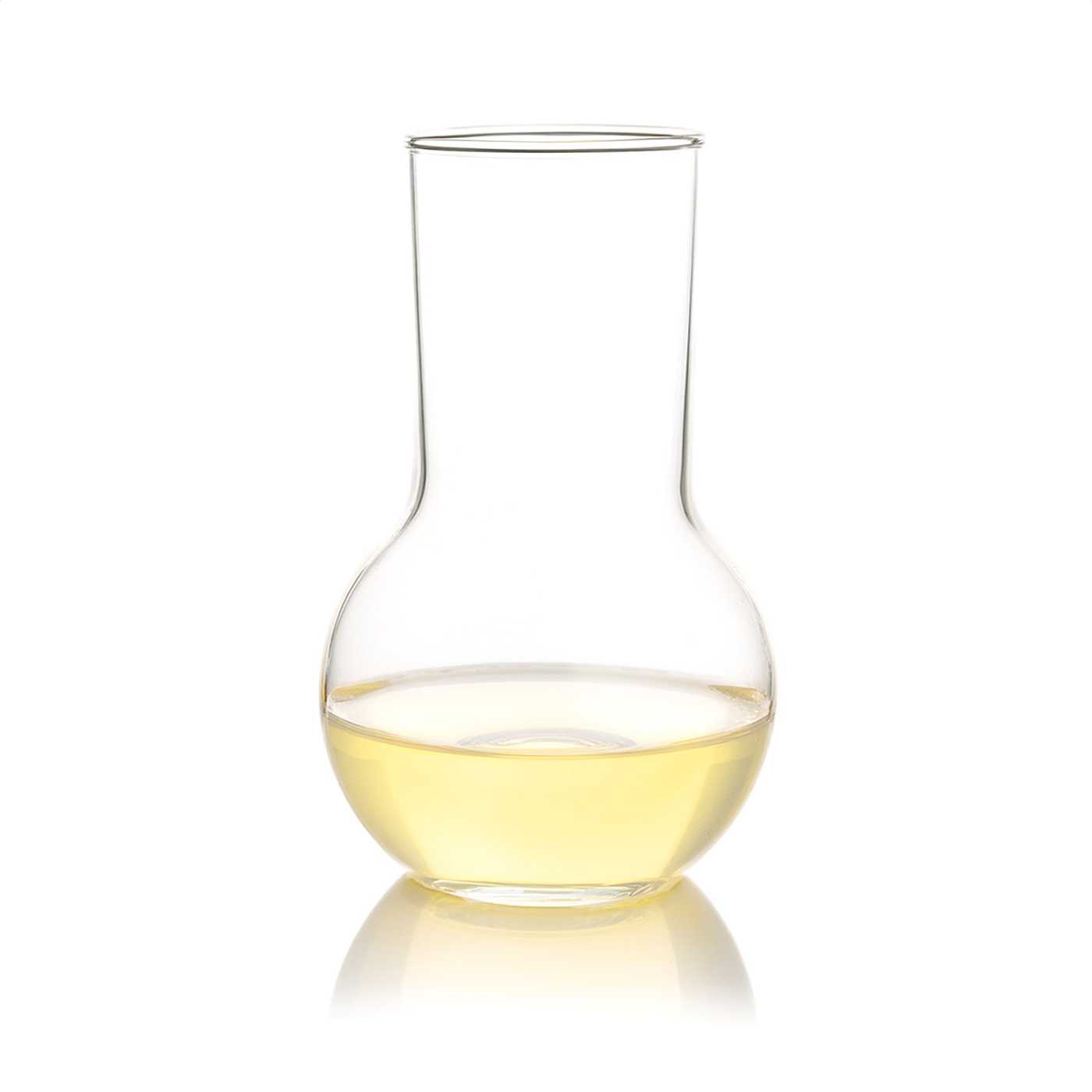
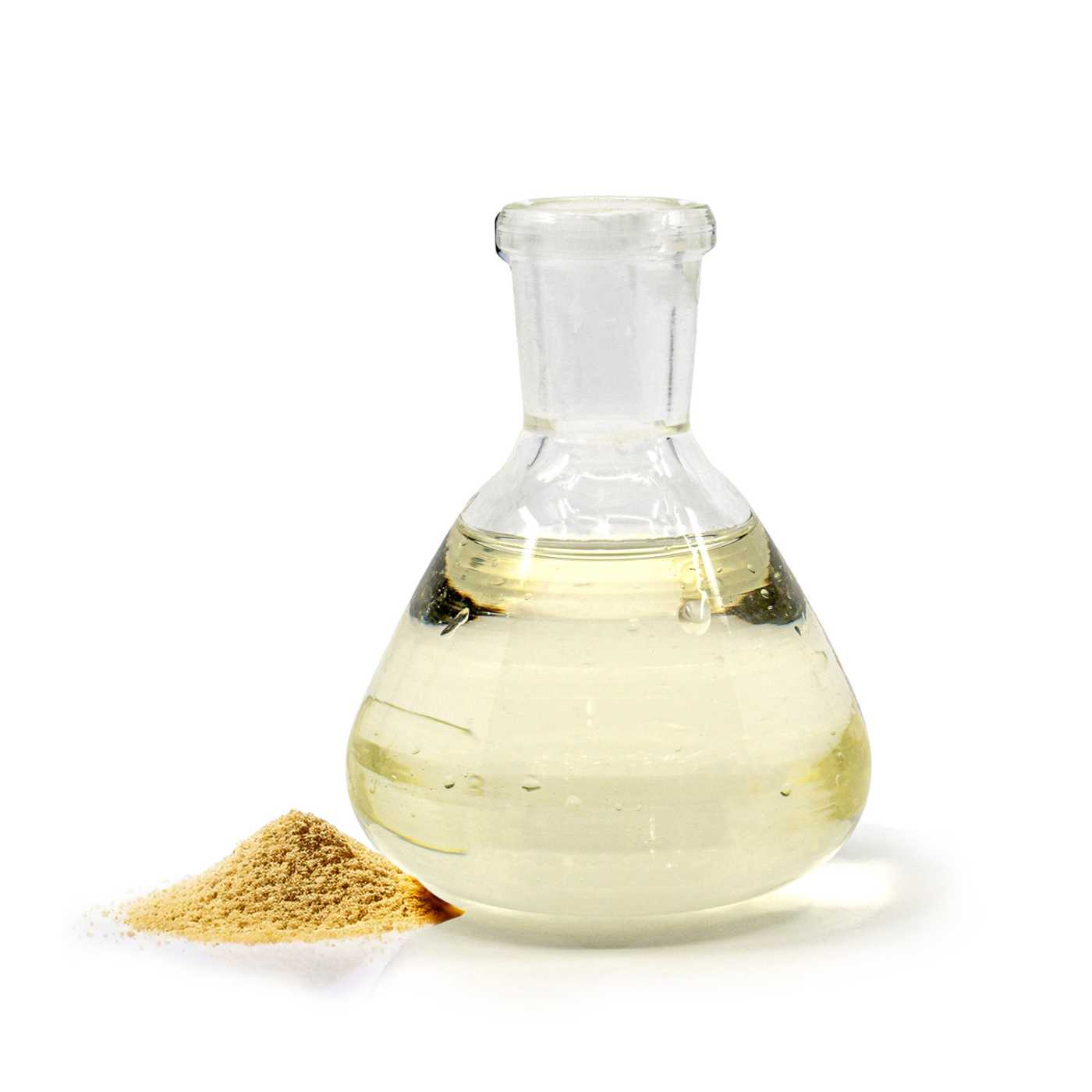
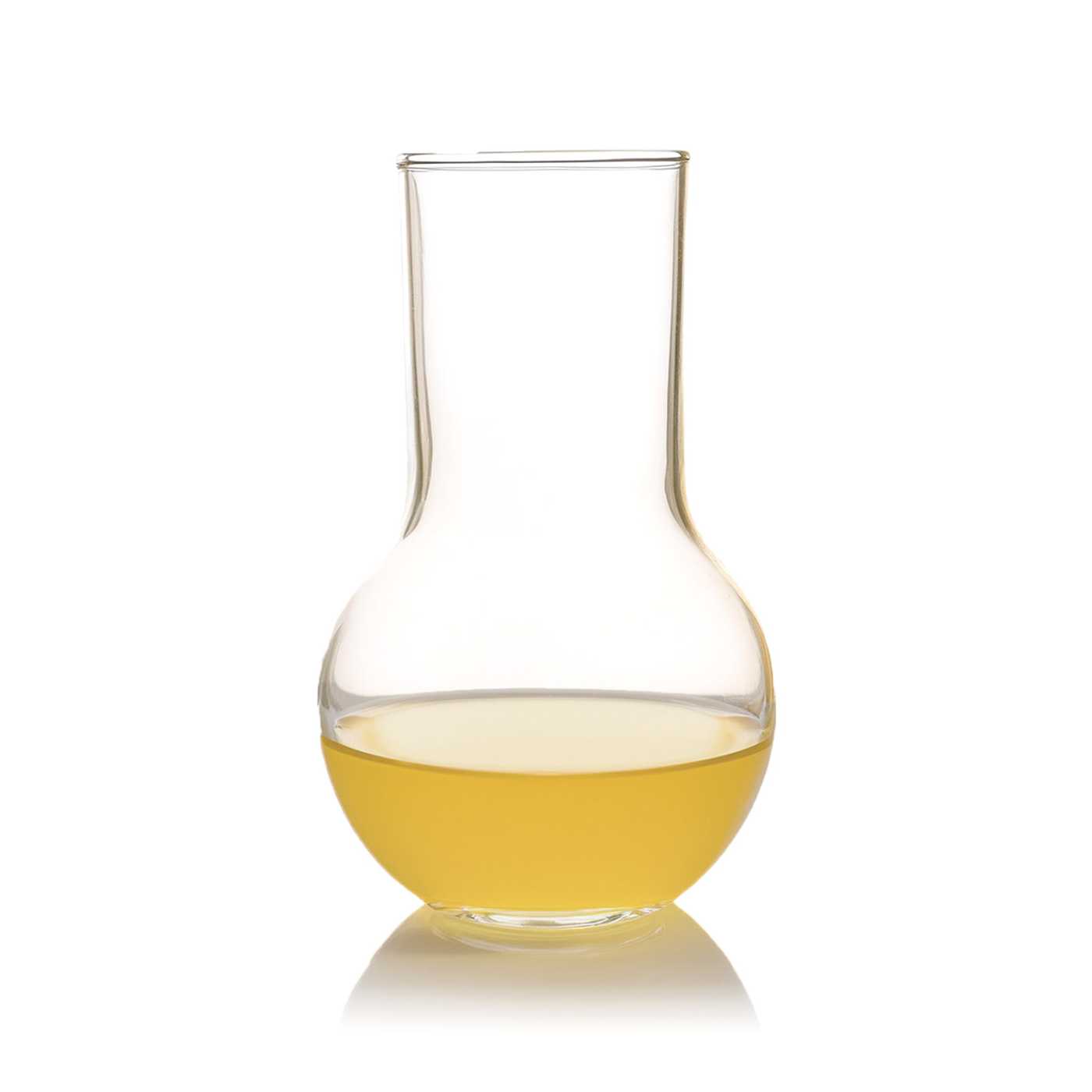
PRODEW 500 is an aqueous solution of amino acids, Sodium PCA and Sodium Lactate, developed by the manufacturer for hair cosmetics. According to their data, it helps hydrate hair, improve its strength and shine, and support colour retention after dyeing. In a formulation it functions as a humectant and conditioning ingredient without silicones, making it suitable for shampoos, conditioners and masks.
Besides Sodium PCA and lactate, it contains arginine, aspartic acid and a blend of further amino acids that the manufacturer formulated to mirror the proteins of the hair cell membrane complex (CMC). The manufacturer tested the effect of individual amino acids on multiply bleached hair and reports the results in their technical documentation.
What it does in hair and on skin
- Hydration – Sodium PCA and Sodium Lactate bind water and belong to the components of the natural moisturising factor of the skin. In a hair product they reduce the feeling of dryness; in facial cosmetics they work as a humectant.
- Conditioning – the manufacturer categorises the effect by amino acid type. According to their data, basic amino acids (arginine, histidine) improve strength and shine; neutral ones (glycine, alanine, serine, valine) improve combability and smoothness of dry hair; the acidic aspartic acid improves combability of wet hair.
- Colour retention – in the manufacturer's study, a conditioner with Sodium PCA applied after dyeing improved the development of the red shade of semi-permanent colour. According to the manufacturer, arginine supports the binding of PCA to the hair, which is why they are combined in the blend.
- Care for damaged hair – in the manufacturer's tests on quadruply bleached hair, alanine in the conditioner increased the hydrophobicity of the hair surface, and histidine with phenylalanine improved tensile strength in the wet state. These are results for individual amino acids, not a guarantee of the finished product's performance.
Use in formulation
It is added to the water phase. It is insoluble in oil and therefore does not belong in anhydrous products. It is a solution in which the dry matter accounts for approximately 50 %, so it disperses easily into the aqueous mixture of a shampoo, toner or spray. The manufacturer tested the blend in conditioners based on cationic surfactants (Cetrimonium Chloride, Steartrimonium Chloride) with cetyl alcohol, which corresponds to the standard base of rinse-out conditioners and masks.
Keep the target formulation pH in the range of 4.0 – 6.0. The ingredient itself has the same pH, so no significant adjustment is usually needed after adding it.
The manufacturer does not specify a binding dosage in their technical documents. Set it according to the product type and verify it in the finished formulation. The ingredient is designed for both rinse-out and leave-in products, so it can be used equally in a shampoo that is washed off and in a spray that stays on the hair.
The blend contains salts and amino acids, so it behaves as an electrolyte. With gels thickened by carbomer or other salt-sensitive polymers, verify that viscosity does not change after addition.
The combination of Sodium PCA with arginine in a single solution makes it possible to formulate a post-colour conditioner from a single ingredient. According to the manufacturer's data, arginine improves the binding of PCA to the hair.
Suitable for products such as
- Hair cosmetics – shampoos, conditioners, post-colour conditioners, masks, leave-in sprays and styling gels. This is where the manufacturer has the most data and where the amino acid profile of the blend performs best.
- Facial and body cosmetics – creams, facial milks, toners, cleansing gels and shower gels, where it acts primarily as a humectant.
- Sun care products – creams, milks and gels, where it complements the moisturising component.
- Decorative cosmetics – the manufacturer lists it as a possible area of use, for example in make-ups.
Good to know
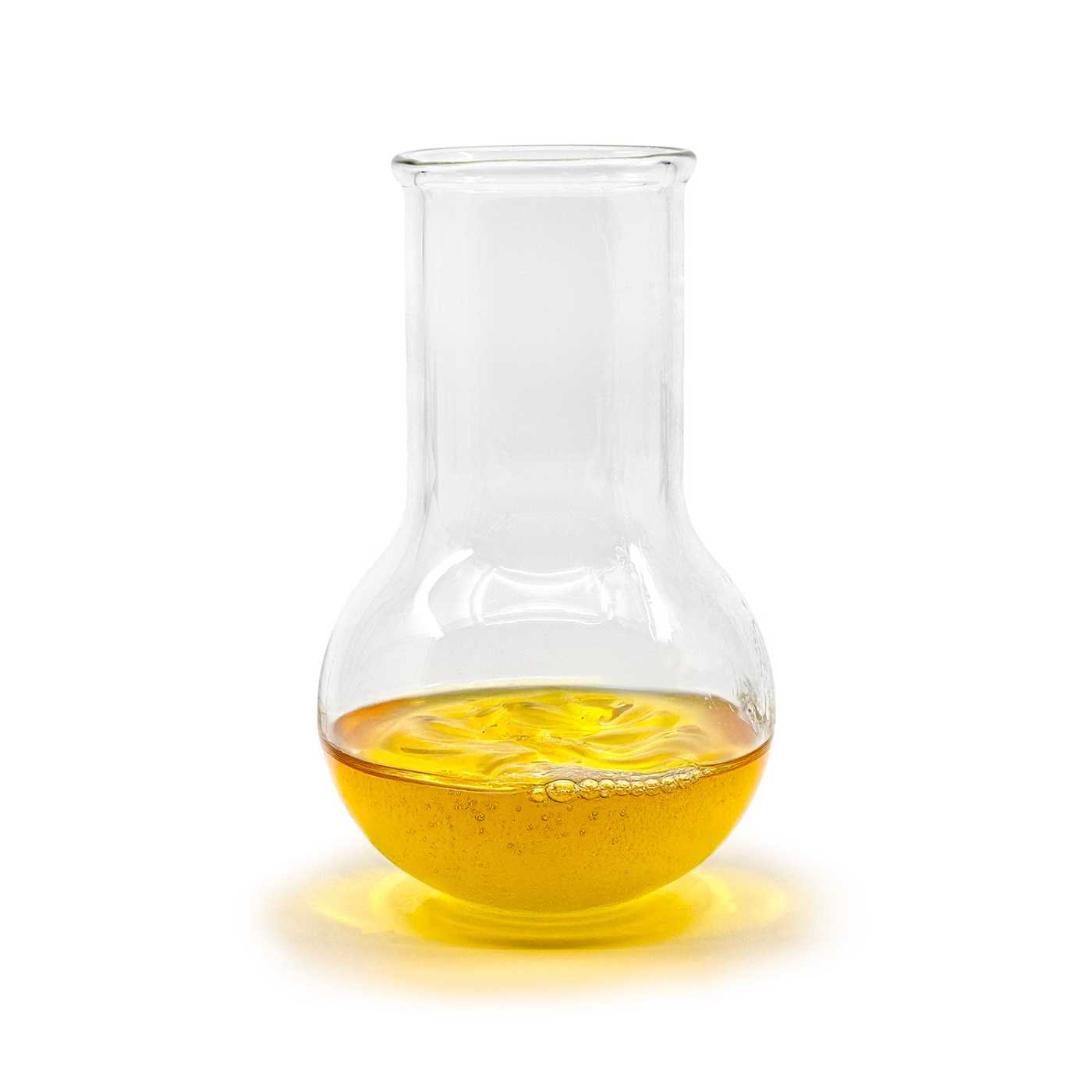
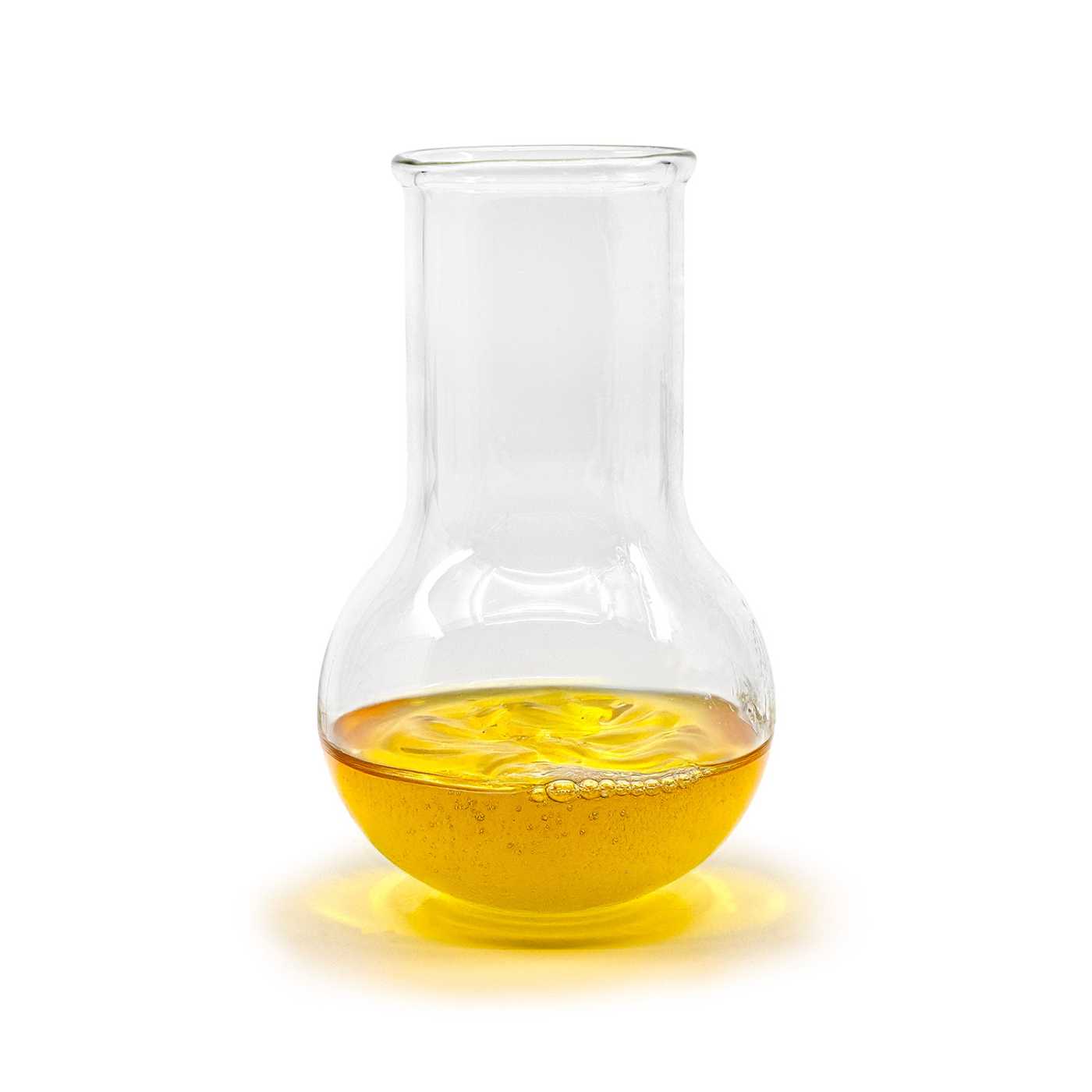
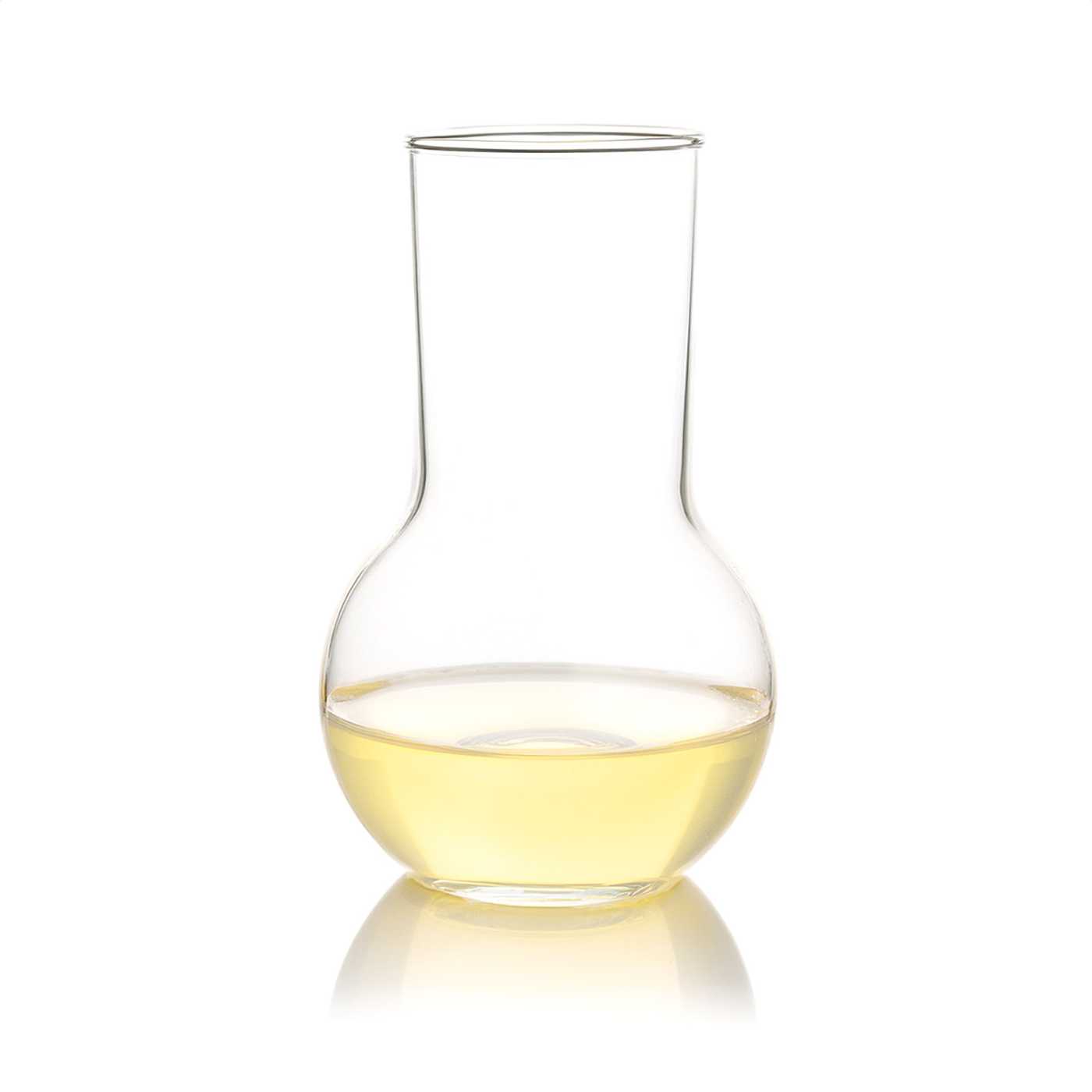
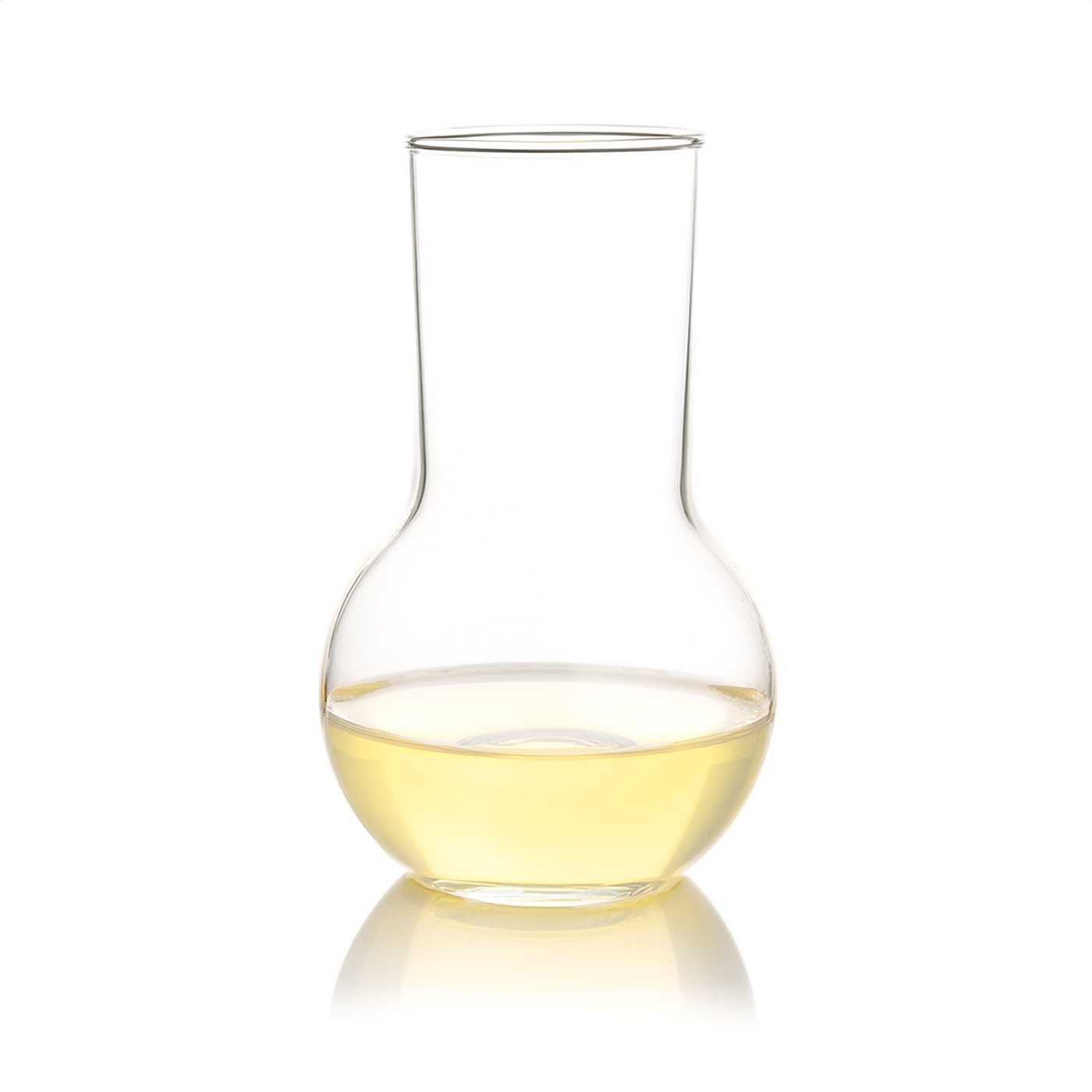
A finished product containing this ingredient always requires preservation, as it contains water and nutrients for microorganisms. The ingredient has a colourless to slightly yellow appearance and a faint characteristic odour. The substance is not classified as hazardous under the CLP regulation.
Frequently asked questions
Is PRODEW 500 water-soluble?
Yes, PRODEW 500 is an aqueous solution and dissolves in water. It is insoluble in oil and is therefore added exclusively to the water phase; it is not suitable for anhydrous products such as oil serums or balms. If you wish to use it in an emulsion, incorporate it into the water phase of the formulation.
How is PRODEW 500 added to a conditioner?
PRODEW 500 is added to the water phase of a conditioner. The manufacturer tested it in conditioners with cationic surfactants and cetyl alcohol, which is the standard base for rinse-out conditioners and masks. After adding it, check the pH of the finished product and keep it in the range of 4.0 – 6.0.
Does PRODEW 500 help retain colour in dyed hair?
According to the manufacturer's studies, yes. A conditioner with Sodium PCA, the largest component of the blend, improved the development of the red shade of semi-permanent colour after dyeing, and arginine in the blend supports the binding of PCA to the hair. The result in the finished product depends on the type of colour and the overall formulation, so we recommend verifying it with your own test.
Is PRODEW 500 also suitable for facial cosmetics?
Yes, PRODEW 500 can be used in creams, toners, cleansing and shower gels, where it acts as a humectant. The manufacturer also lists it for sun care products. However, the most data on its effects relate to hair, where the conditioning action of the amino acids is also relevant.
Can I use PRODEW 500 in a leave-in hair spray?
Yes, PRODEW 500 is designed for both leave-in and rinse-out products. It disperses easily into an aqueous spray. A spray containing this ingredient requires preservation and a pH in the range of 4.0 – 6.0; set and verify the dosage according to your own formulation.