PRESERVATIVES
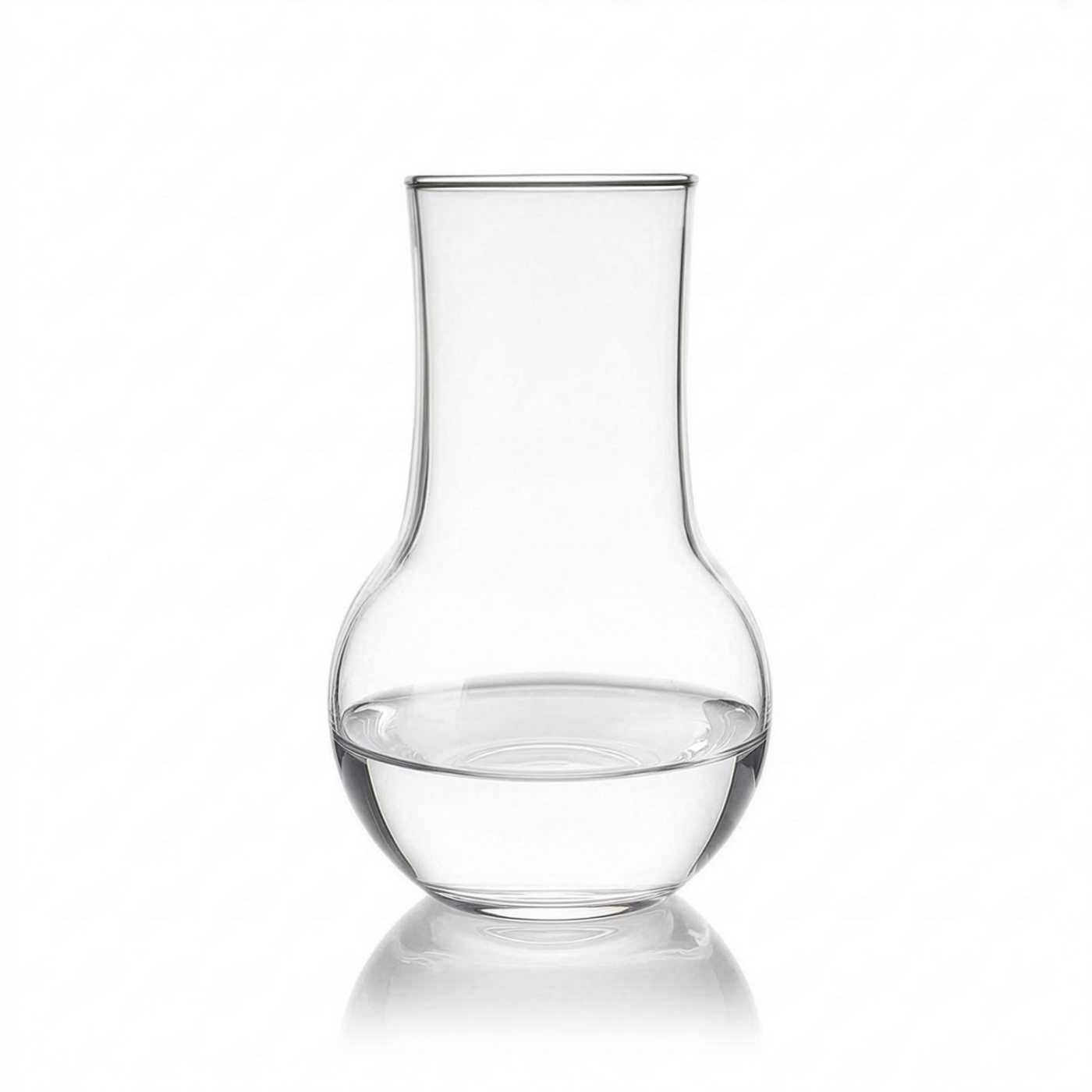
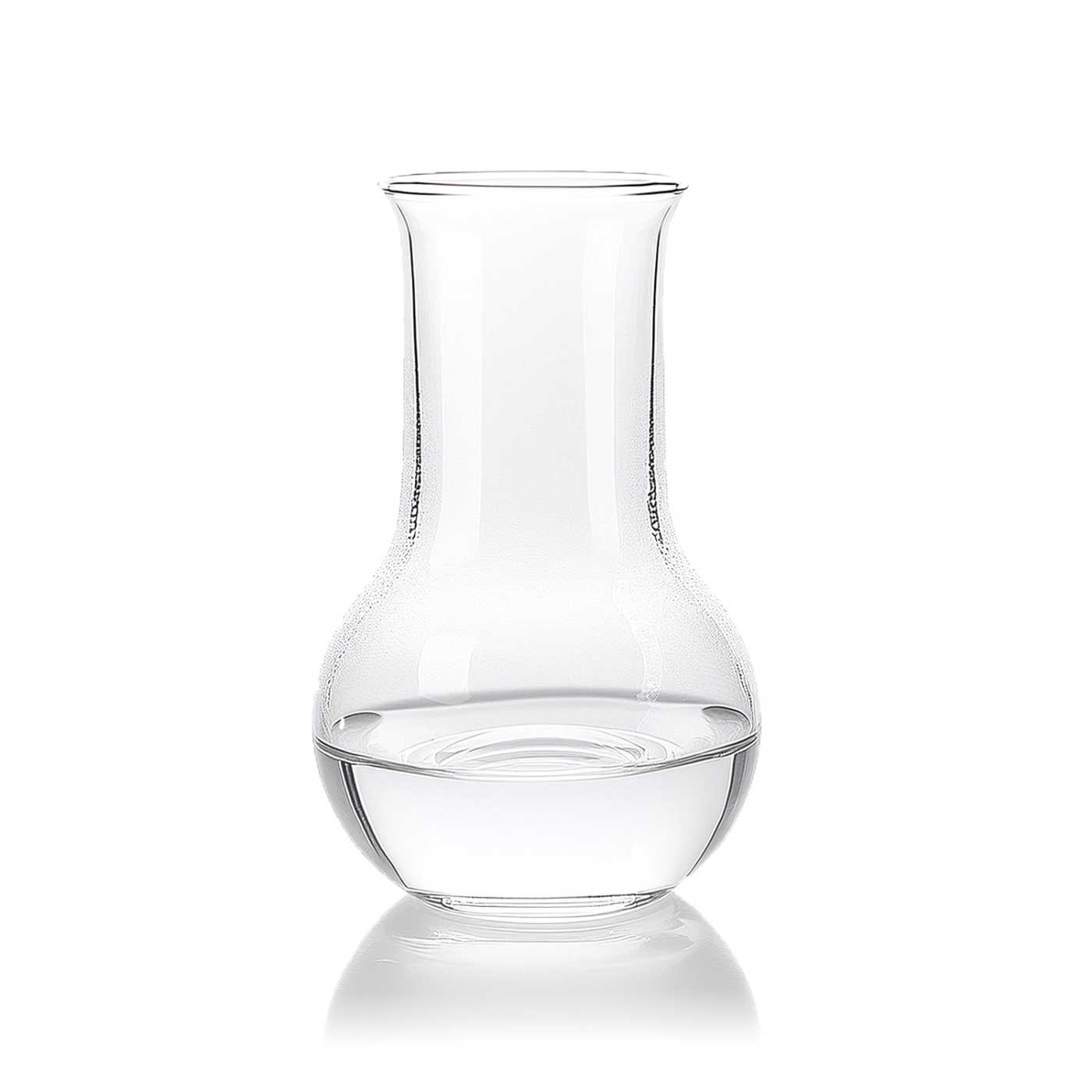
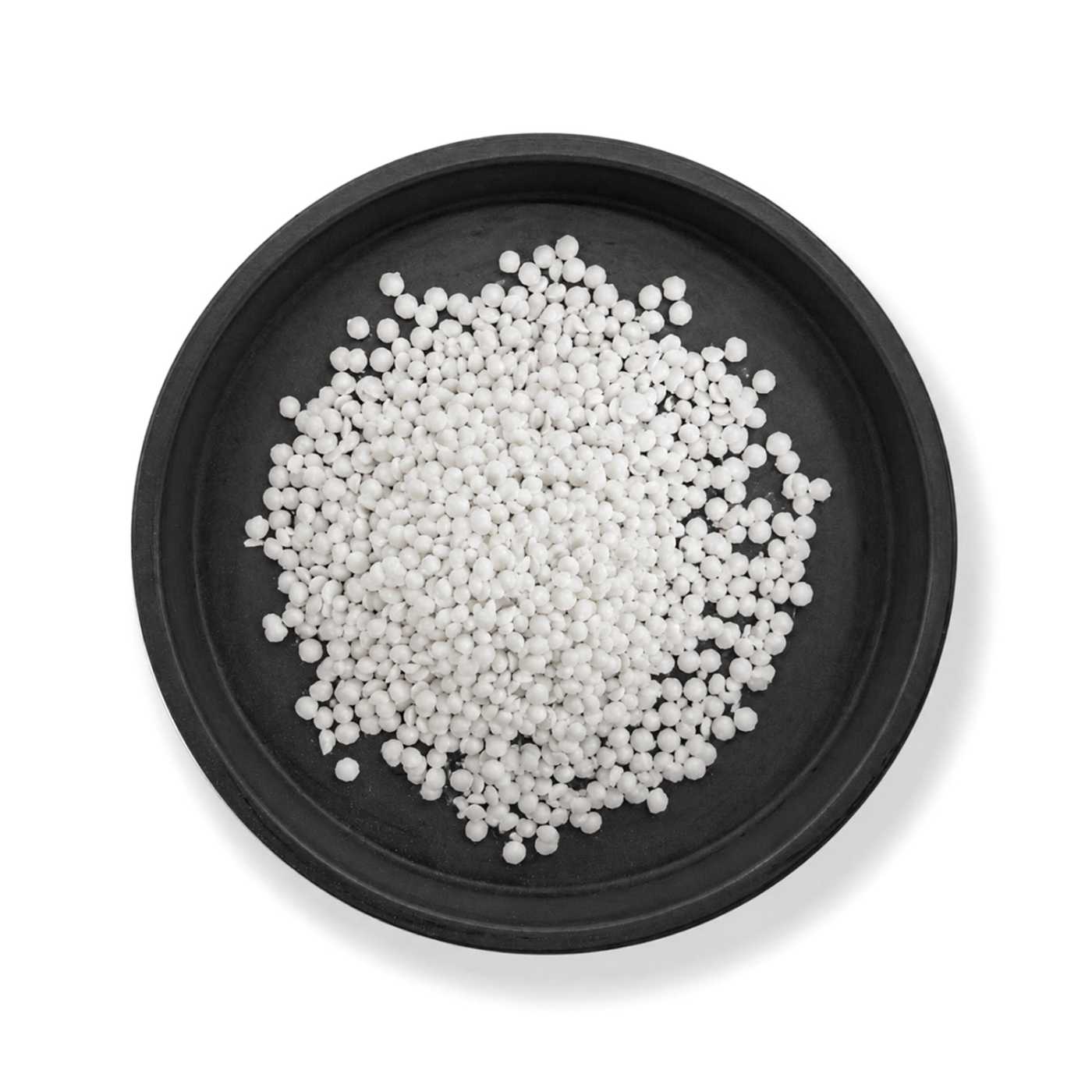
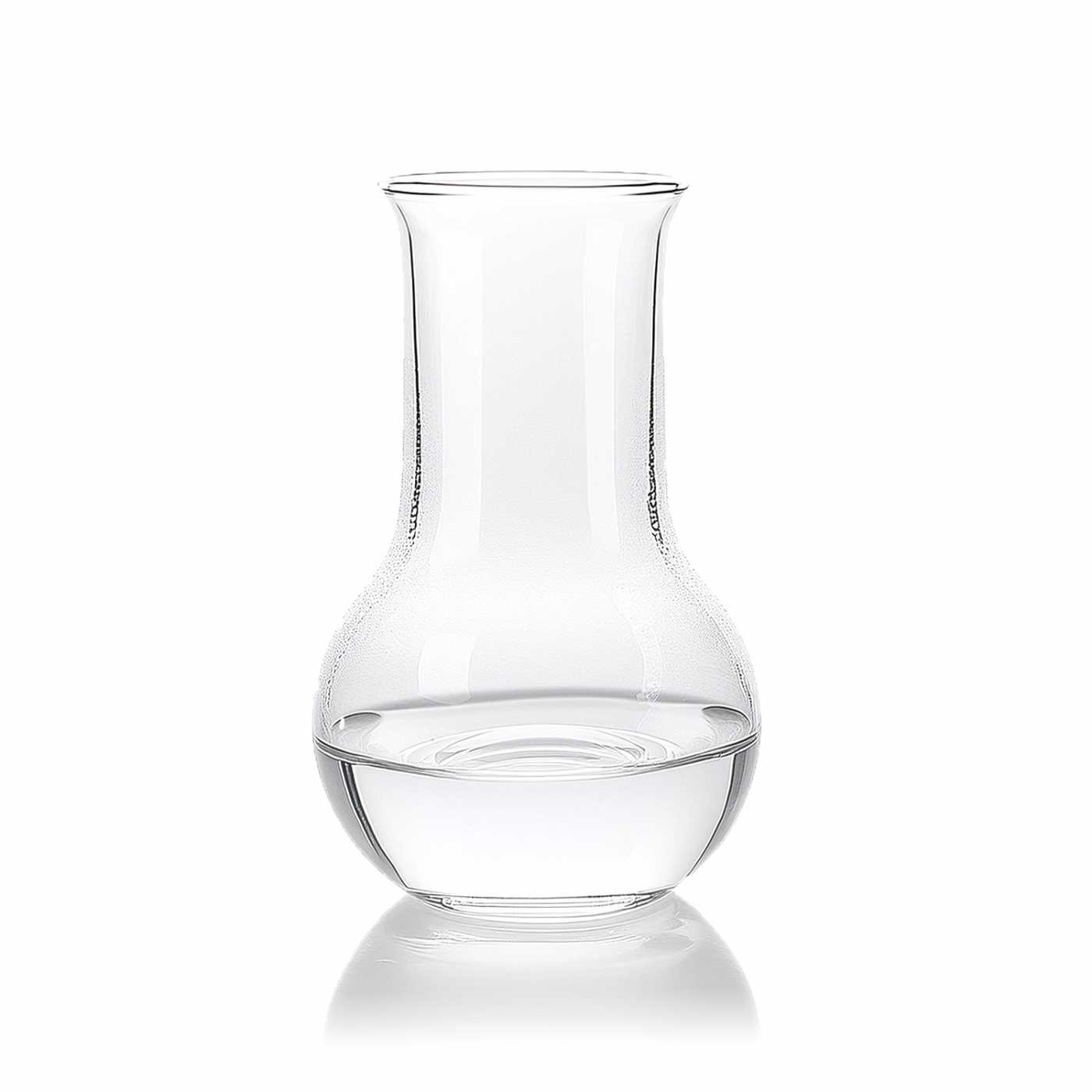
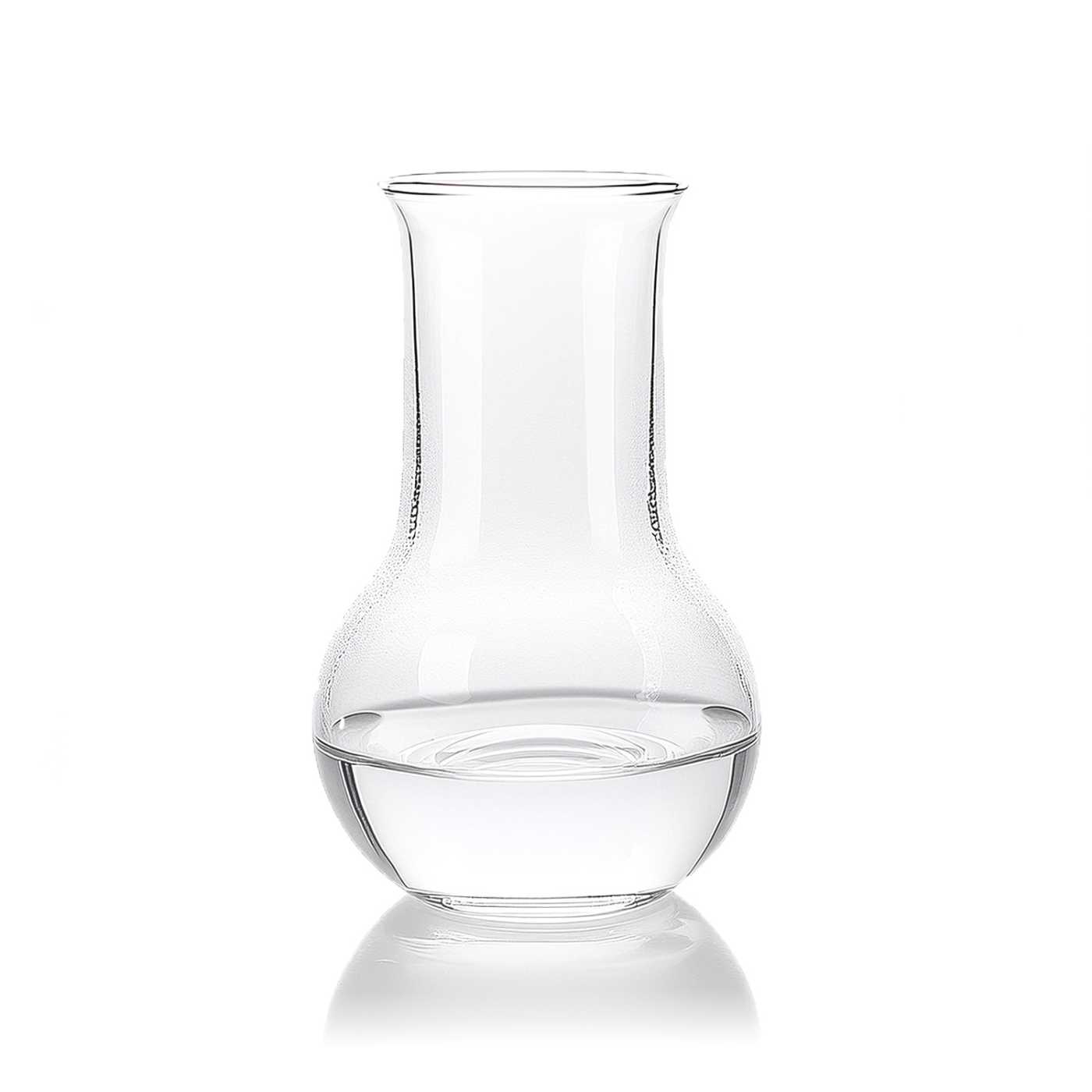
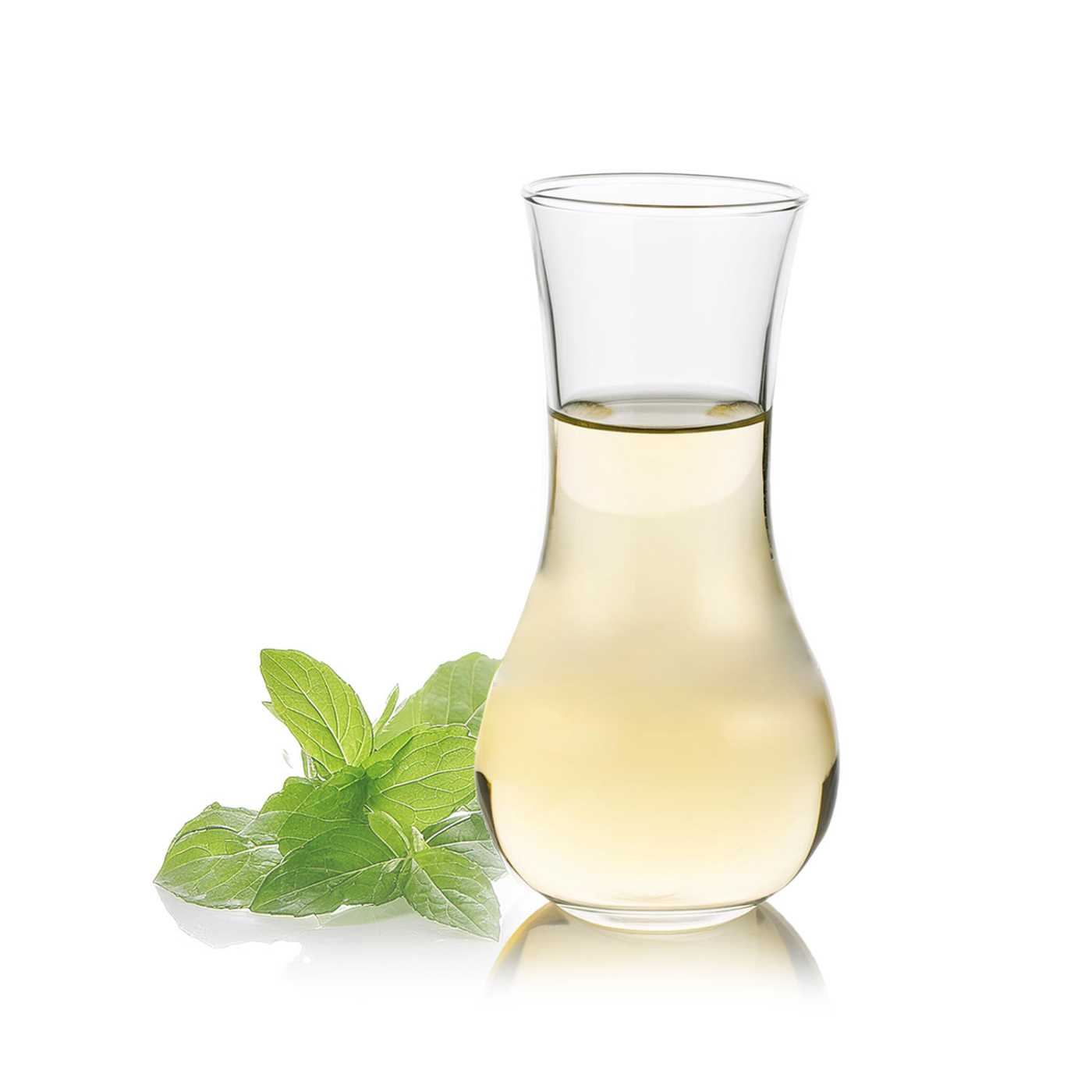
PEHG, Phenoxyethanol a Ethylhexylglycerin, 100 ml
Pack size10 ml100 ml500 ml1 l5 l
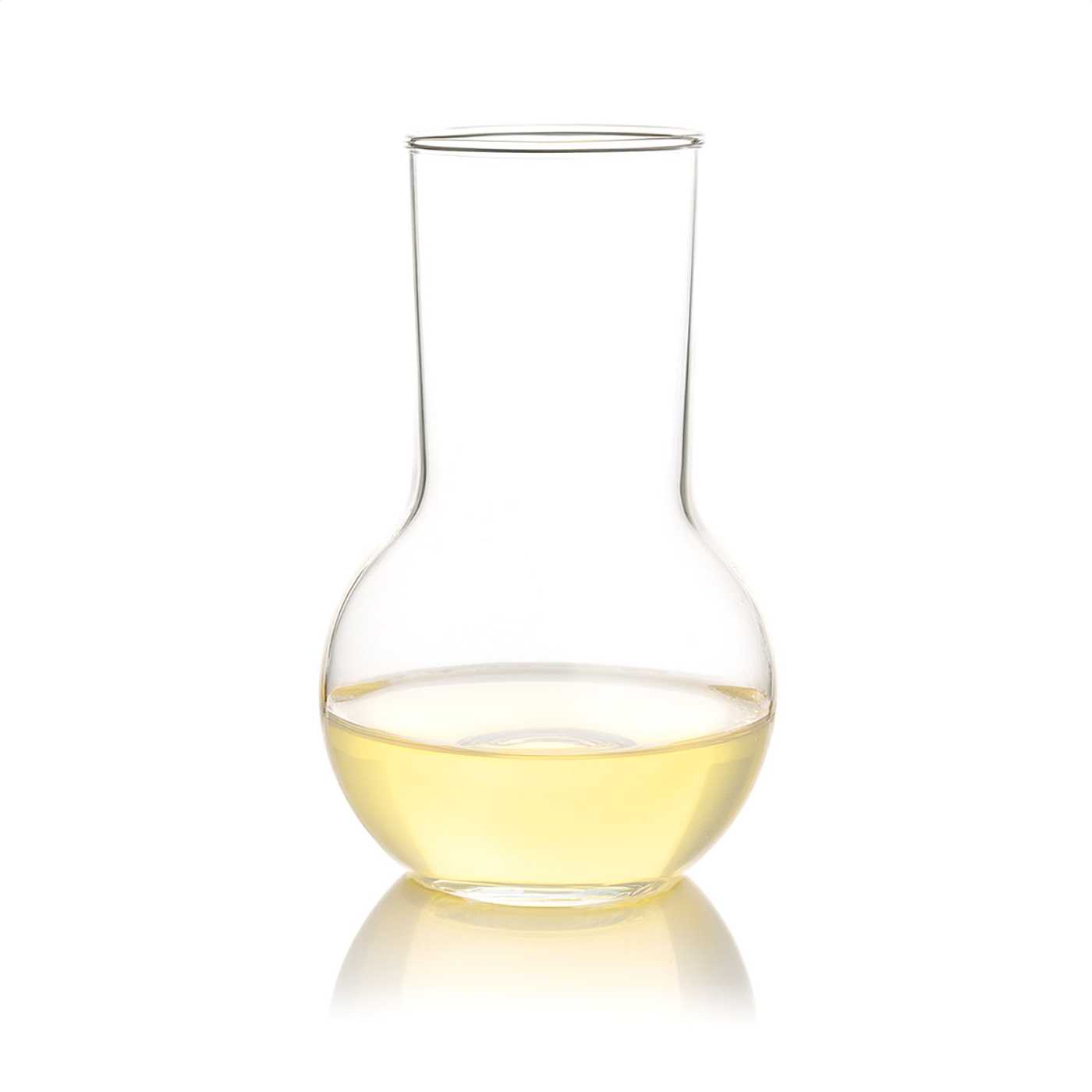
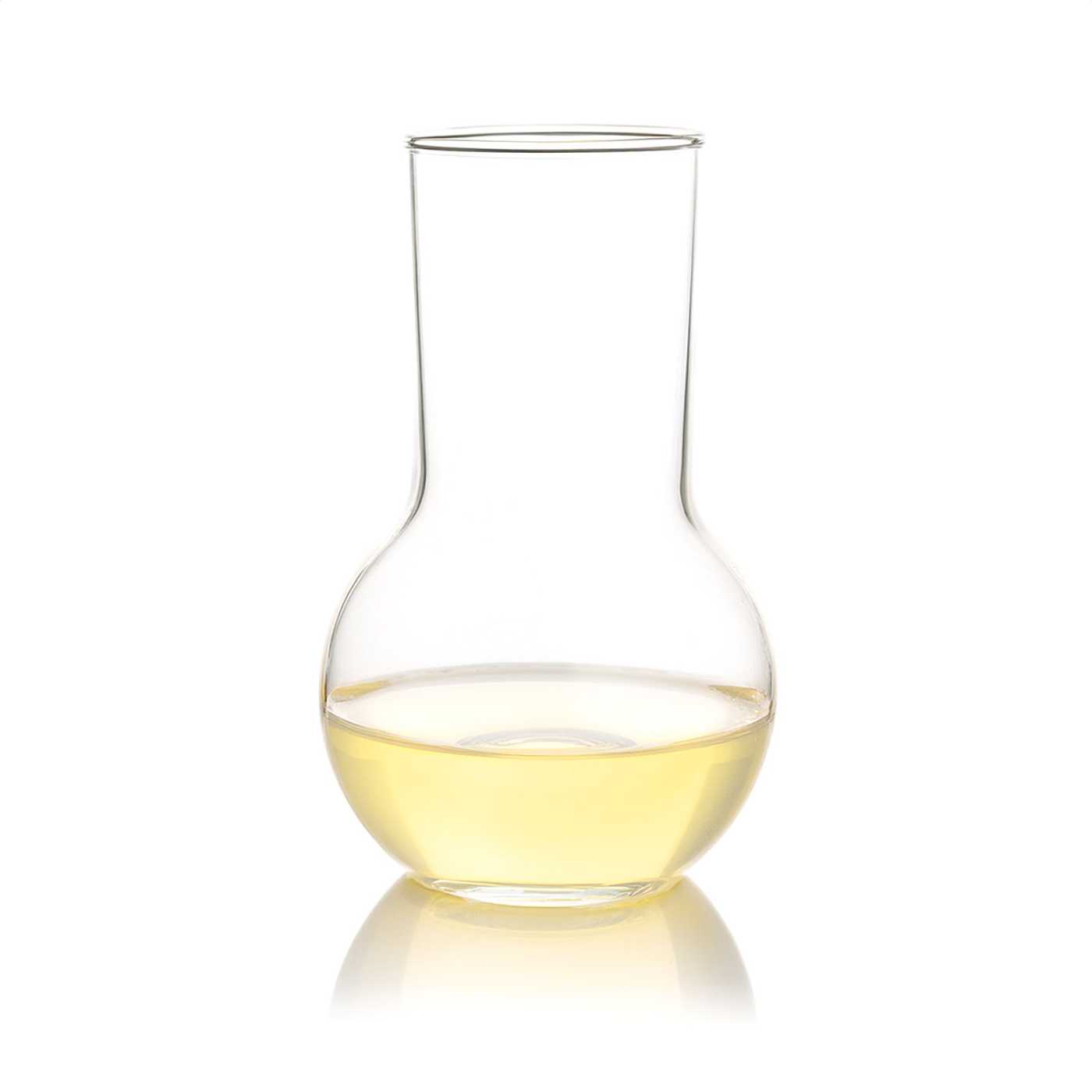
PEHG9010 Phenoxyethanol and Ethylhexylglycerin is a cosmetic preservative system composed of a combination of the substances Phenoxyethanol (90%) and Ethylhexylglycerin (10%). full description
Lowest price in the last 30 days: €6.49
Product description
This combination is particularly popular because it enables effective preservation of aqueous and emulsion-based cosmetic products at relatively low dosages. Ethylhexylglycerin supports the effect of phenoxyethanol, thereby helping to improve protection of the formula against bacteria, yeasts and molds. PEHG is suitable for modern cosmetic formulations in which stability, microbiological safety, good compatibility with raw materials and easy incorporation are important.
Key benefits
- Broad-spectrum antimicrobial protection – helps protect cosmetic products against bacteria, yeasts and molds.
- Synergistic combination of two components – ethylhexylglycerin increases the preservative efficacy of phenoxyethanol and supports formula stability.
- Suitable for leave-on and rinse-off products – can be used in both leave-on and rinse-off cosmetics.
- Effective over a wide pH range – the recommended effective range is approximately pH 3.0 – 9.0.
- Compatible with most cosmetic raw materials – suitable for aqueous, water-glycol and emulsion systems.
- Free from parabens, isothiazolinones and formaldehyde donors – suitable for formulations where you wish to avoid these preservative groups.
- Low impact on product sensorial properties – at proper dosage it usually does not significantly change the fragrance, colour or texture of the finished product.
Suitable for products such as
- facial creams, body lotions and O/W as well as W/O emulsions,
- serums, gels and aqueous cosmetic preparations,
- shampoos, shower gels and cleansing products,
- hair conditioners, masks and water-containing styling products,
- wet wipes and make-up removers,
- cosmetics for the eye area and lips, if suitability is confirmed by the overall safety documentation of the formula,
- baby and children’s cosmetics, provided applicable legislative limits are observed and the entire formulation has been evaluated.
Use in formulation
- The recommended dosage in cosmetic products is usually 0.7 – 1.0%.
- The maximum use level must be set so that the phenoxyethanol content in the finished cosmetic product does not exceed the permitted legislative limit of 1.0%.
- PEHG is compatible with most common cosmetic emulsifiers, surfactants, thickeners, humectants and active ingredients.
- It is miscible with glycols and many emulsion systems; it is well soluble in the glycol phase.
- It has limited solubility in water, therefore for purely aqueous formulations thorough mixing or pre-mixing with a suitable water-miscible co-component, for example glycerin or a glycol, is recommended according to the nature of the formula.
- In emulsions it can be added to the water phase or during the cooling phase, depending on the processing method and the stability of the other raw materials.
- For aqueous formulations, slight heating to approximately 40 °C may be required for complete dissolution.
- The maximum processing temperature for this blend is approximately 80 °C, however, for sensitive formulations it is advisable to add the preservative in a later stage of production.
- The efficacy of preservation always depends on the entire formula, pH, water content, packaging material, method of use and manufacturing hygiene.
- When manufacturing products intended for sale, it is recommended to verify the efficacy of the preservative system by a microbiological challenge test on the finished product.
Safety and storage
- Use only at the recommended dosage and in compliance with the applicable legislation for cosmetic products.
- Phenoxyethanol is permitted in the European Union as a preservative in cosmetics at a maximum concentration of 1.0% in the finished product.
- When working with the raw material, wear protective gloves and avoid contact of the undiluted substance with eyes and mucous membranes.
- Do not add it to the finished product by estimation; always weigh the preservative precisely according to the total weight of the formula.
- Store in a well-closed container, in a dry, cool place, away from direct sunlight and sources of heat.
- Keep out of reach of children and away from food.
FAQ
PEHG is often used in modern cosmetic formulas that seek to avoid parabens or formaldehyde donors, but it is not a raw material typical of certified natural cosmetics. For certified products it is necessary to follow the requirements of the specific certification standard.
No. The preservative helps protect the finished product, but it does not replace clean tools, disinfection of the work surface, appropriate packaging or a proper manufacturing procedure. Poor hygiene during production can overload even a correctly chosen preservative system.
Yes. Hydrolate is an aqueous component and therefore can support the growth of microorganisms. If it is part of a cream, gel, serum, toner or another product with an aqueous phase, the finished formula requires a suitable preservative system.
Anhydrous oils and balms usually do not require a classic preservative, as long as water does not get into them during use. However, if the product comes into contact with wet hands or is used in the shower, the entire formula, packaging and the real risk of contamination must be considered.
At typical dosage, PEHG has only a slight characteristic odour and in most formulas it does not significantly mask the fragrance or the scent of essential oils. For very delicately fragranced products it is advisable to produce a small trial batch.
pH affects not only preservation but also emulsion stability, the efficacy of active ingredients, skin comfort and compatibility with the packaging. Even though PEHG can be used over a wide pH range, the finished cosmetic product should have a pH suitable for the given product type and area of application.
If you want to learn more about the benefits and use of preservatives in cosmetics, read our article Konzervanty v kozmetike.
Also have a look at other Konzervanty available from Handymade.sk.
Parameters
- INCI
- Phenoxyethanol, Ethylhexylglycerin
- CAS No.
- 122-99-6, 70445-33-9
- EC number
- 204-589-7, 408-080-2
- Product color
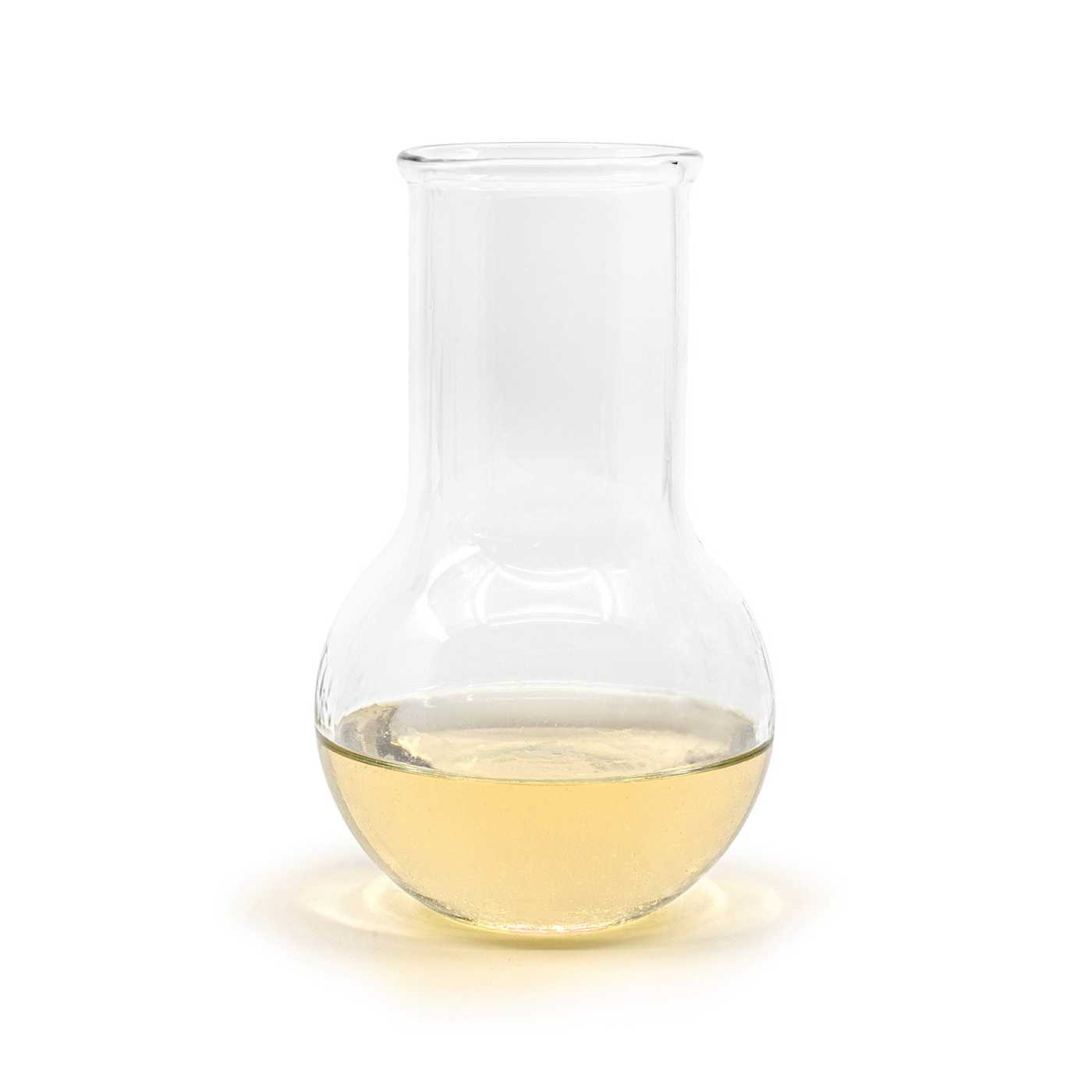
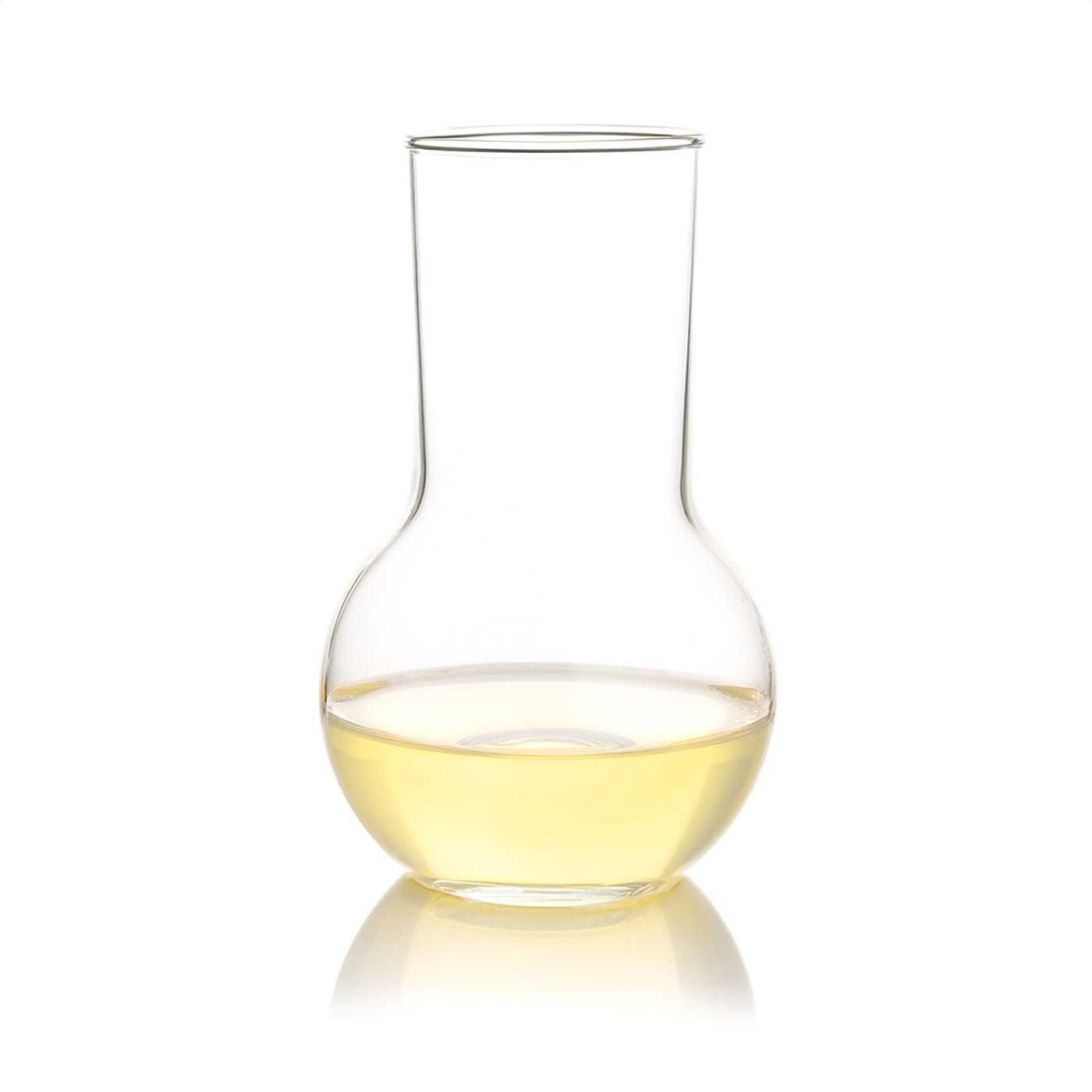
- Colorless
- Country of origin
- United Kingdom
- Grade
- Cosmetic Grade
- Processing method
- Chemical Reaction
- Odour
- Charakteristická
- Appearance
- Kvapalina
- Function in formulation
- Preservative
- Formulation phase
- Post-additionCool-down phase
- Recommended processing temperature (°C)
- < 80 °C
- Recommended dosage range (%)
- 0,7 – 1,0 % %
- Solubility
- Glycol-solublePartially soluble in water
- Effects
- Antimicrobial Effect
- Suitable for
- Sensitive skinDry skinMature skinBaby skin
- Recommended formulation pH range
- 3,0 – 9,0
- Biodegradability
- Easily Biodegradable (OECD 301)
- Natural Index (NI ISO 16128)
- 0,00
- Natural Origin Index (NOI ISO 16128)
- 0,00
- Certifications
- Vegan
- Organic content
- 0 %
- Volume
- 100 ml
Product documentation
- TDSTechnical Data Sheet
- PDF ↓
- MSDSSafety Data Sheet
Many thanks for supplying the data sheets I need! very professional and trustworthy!
Translated automatically