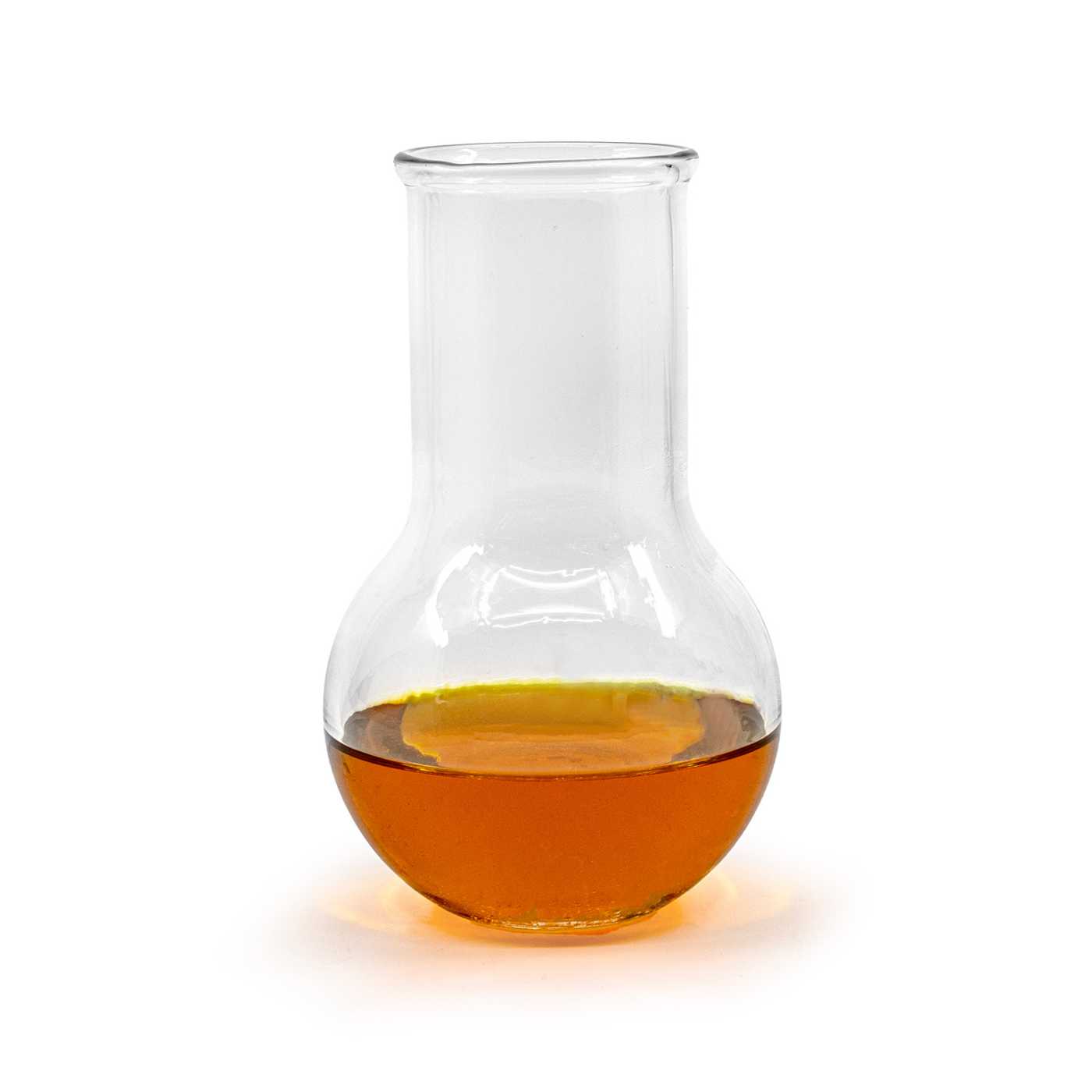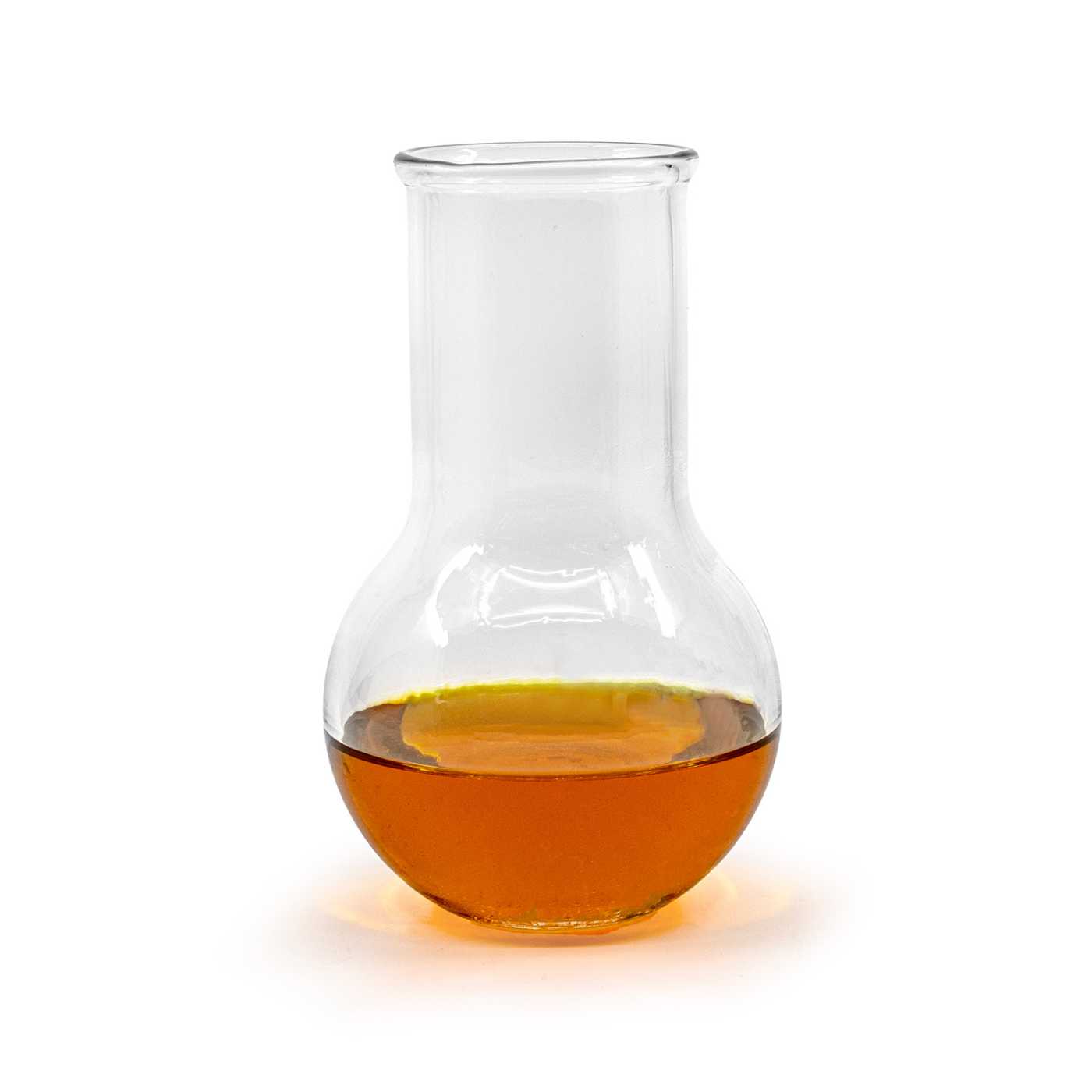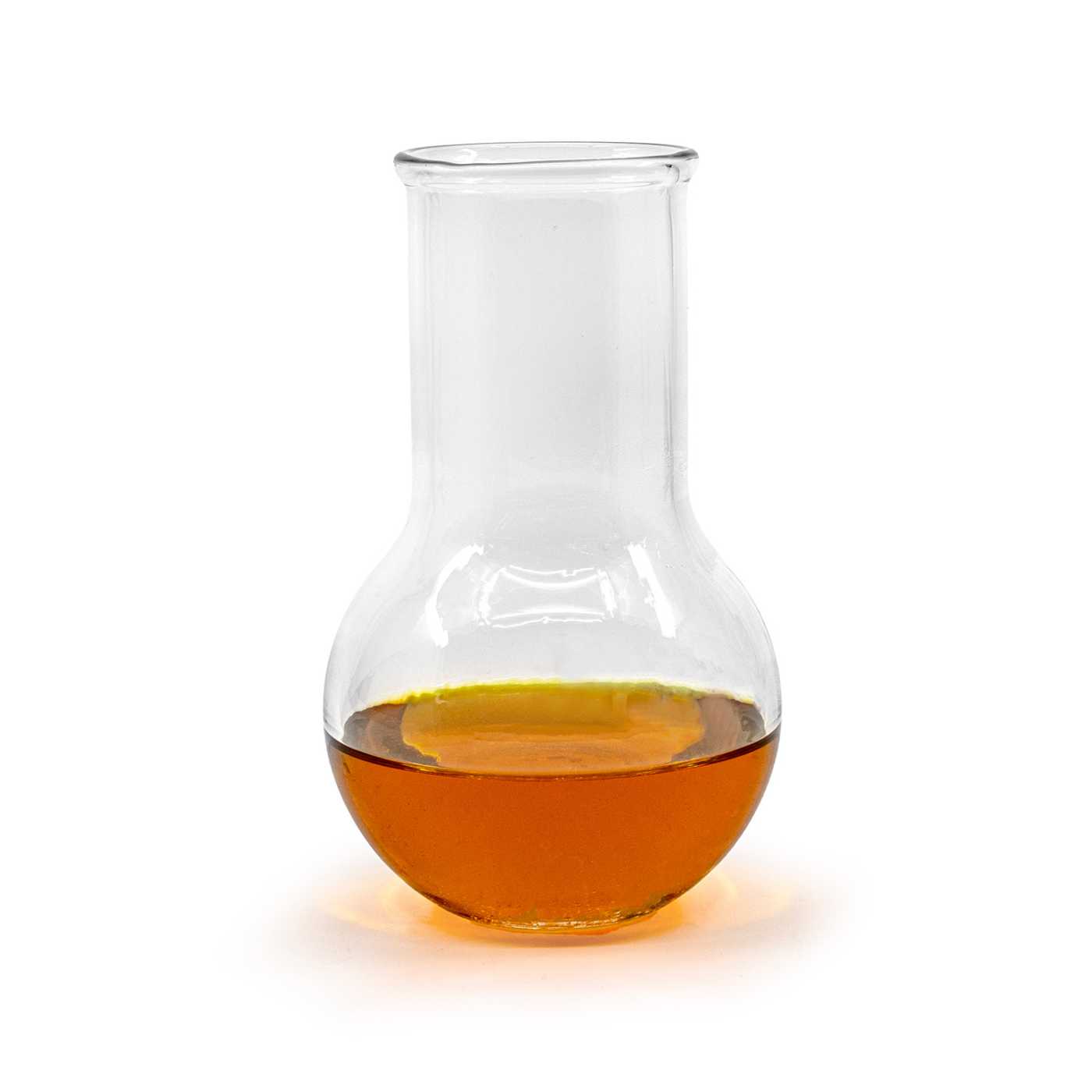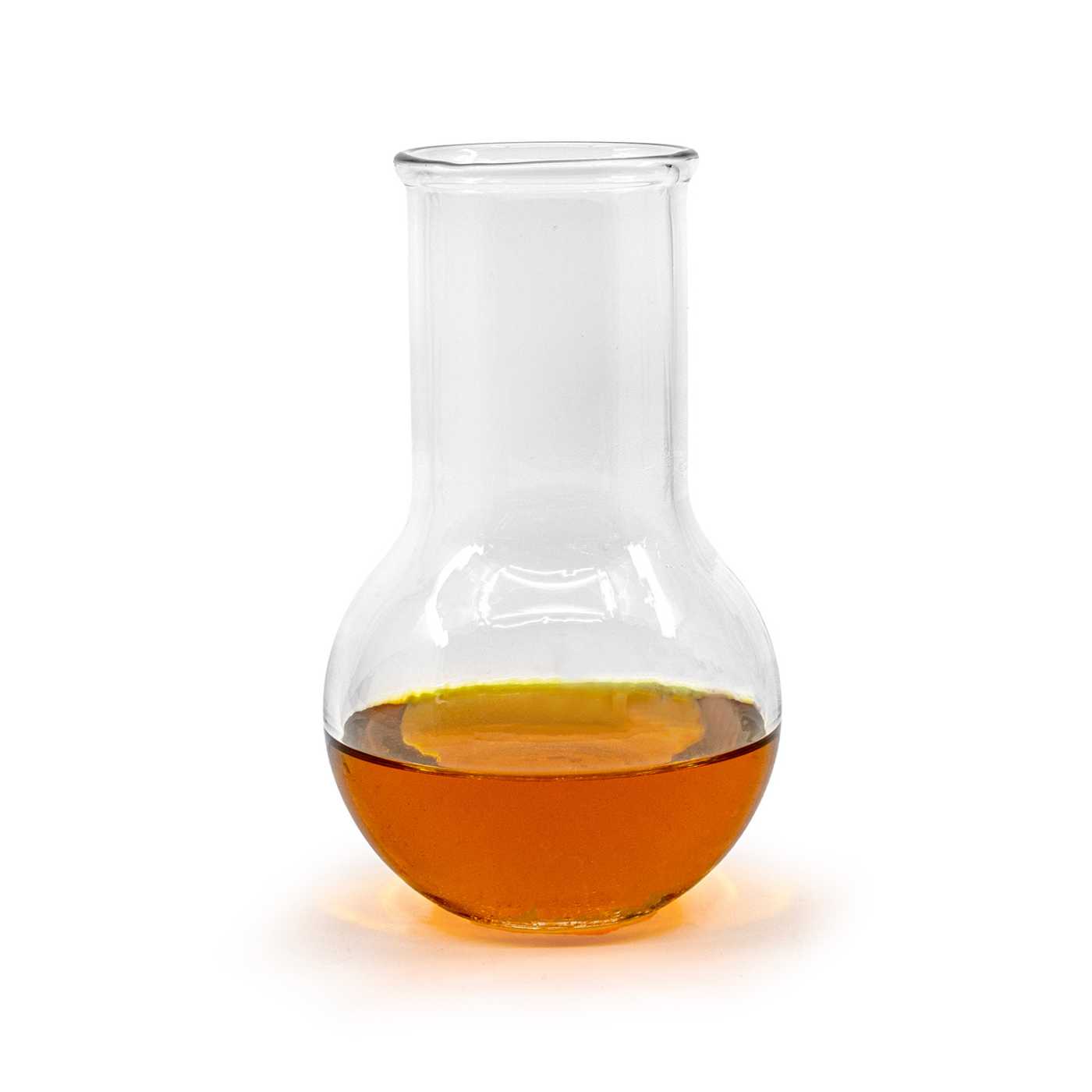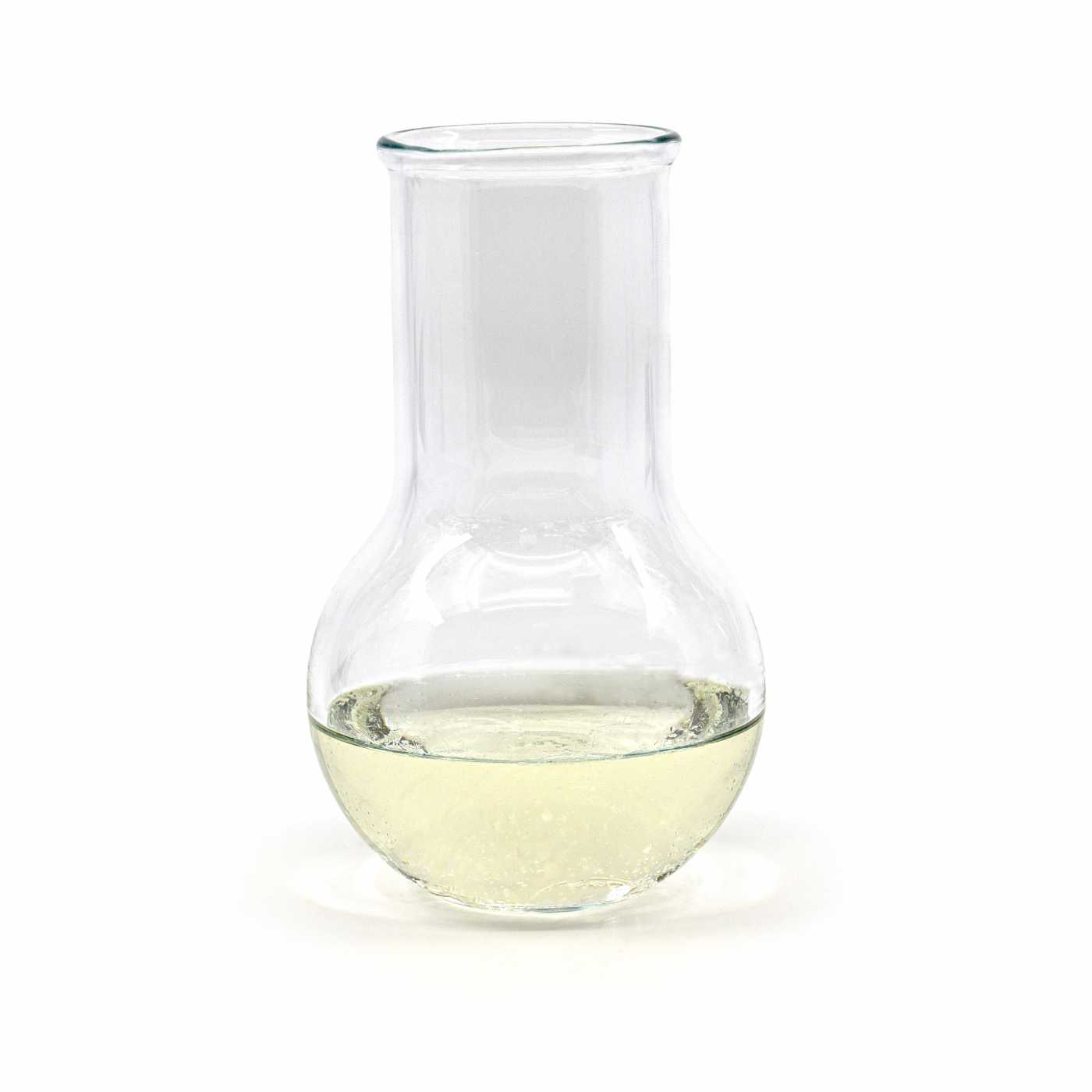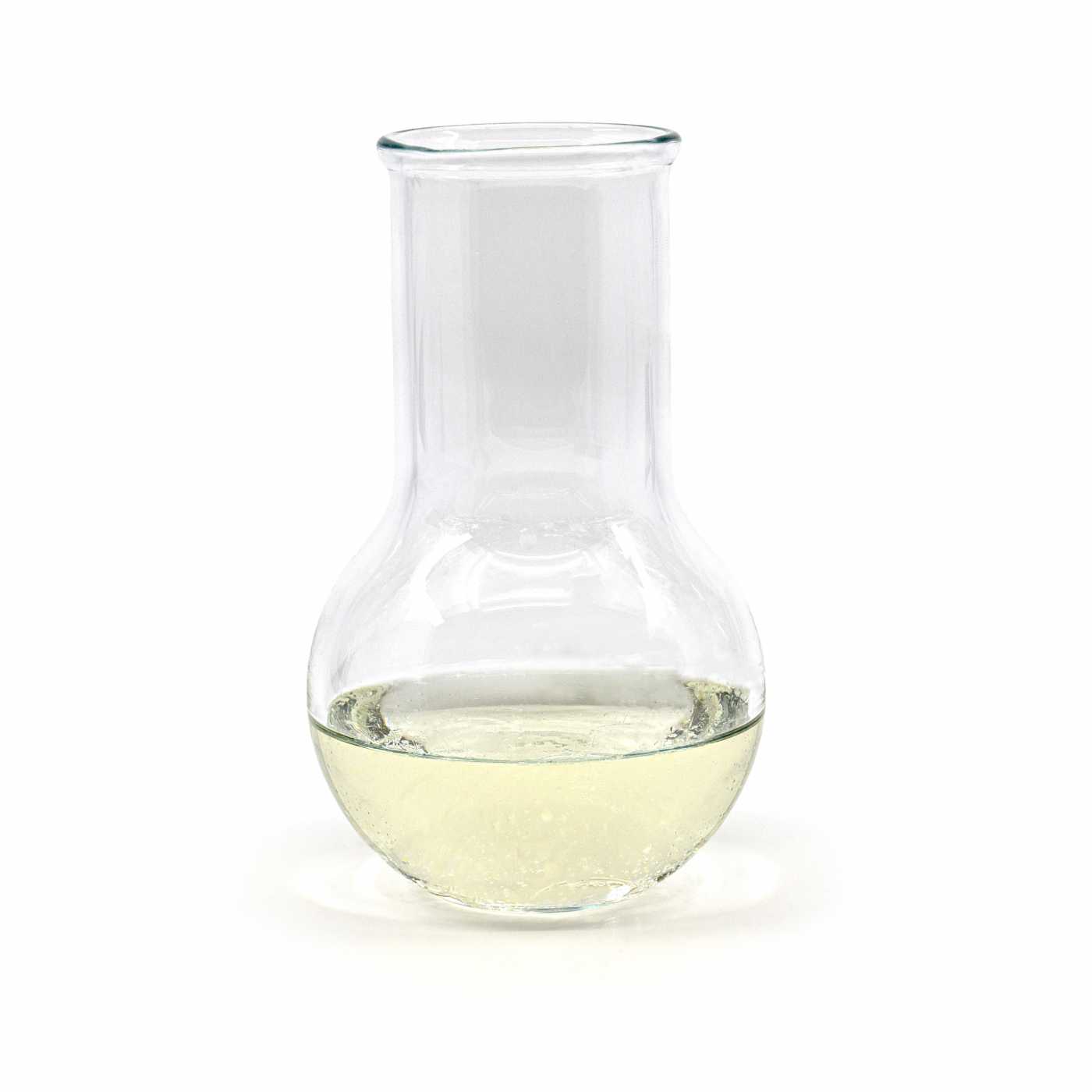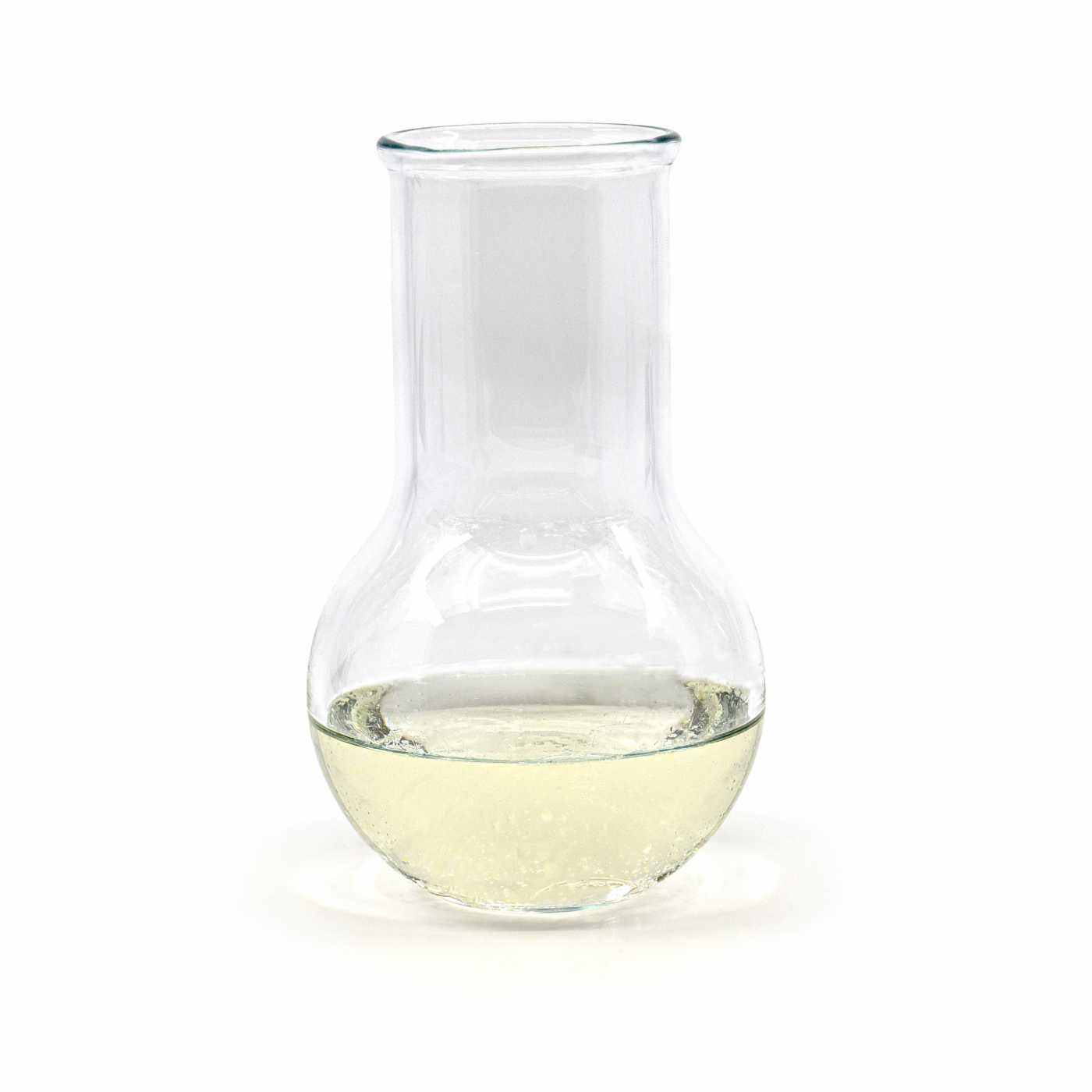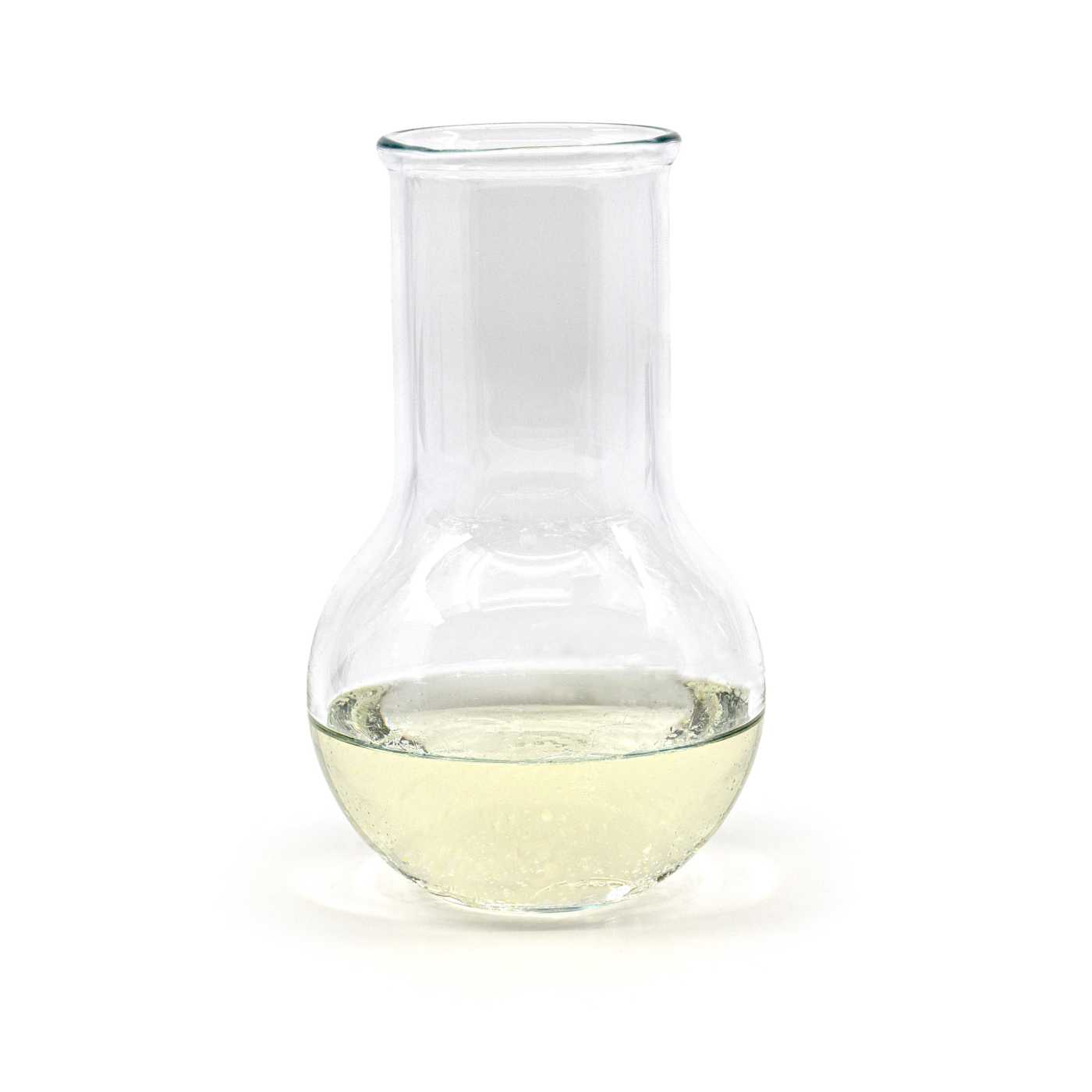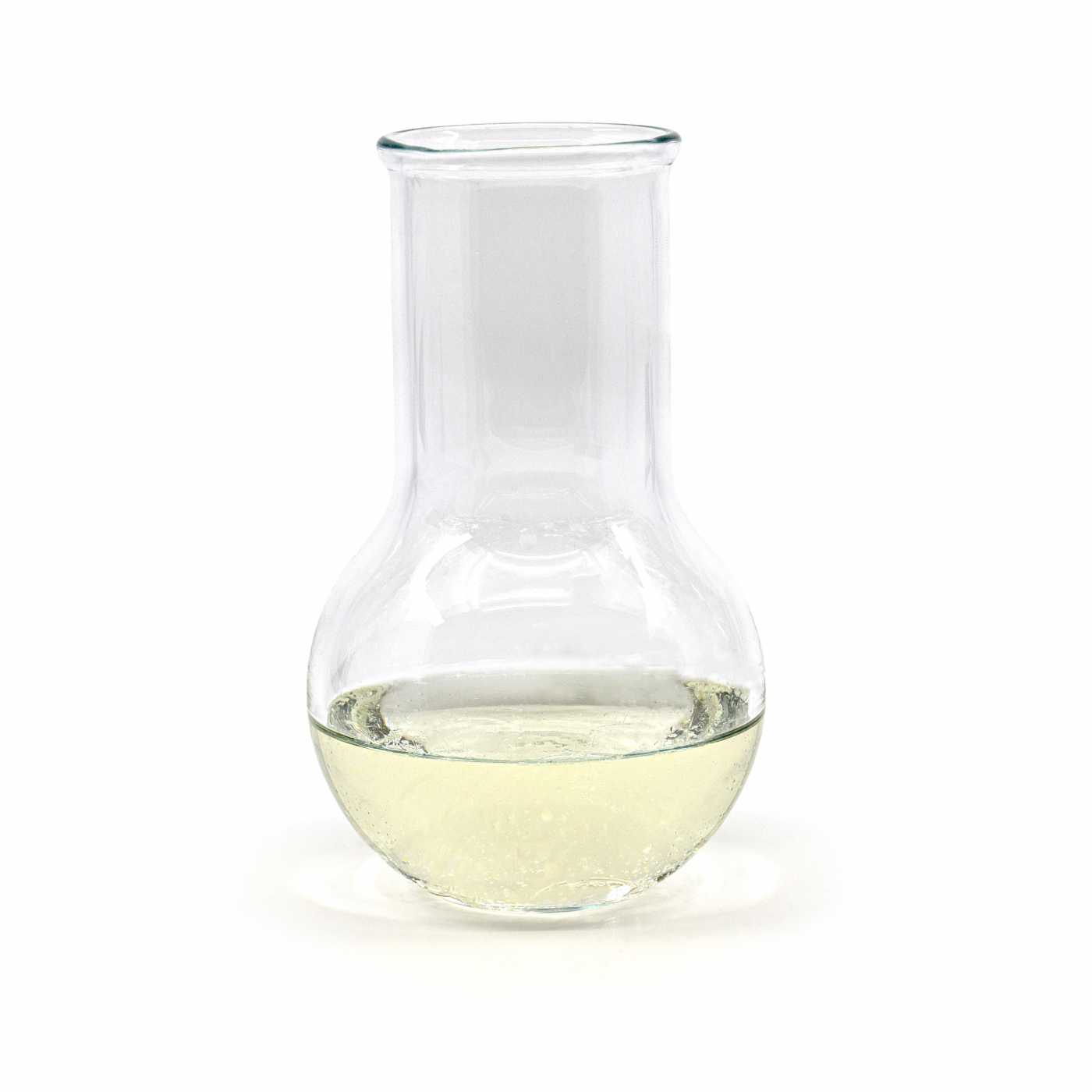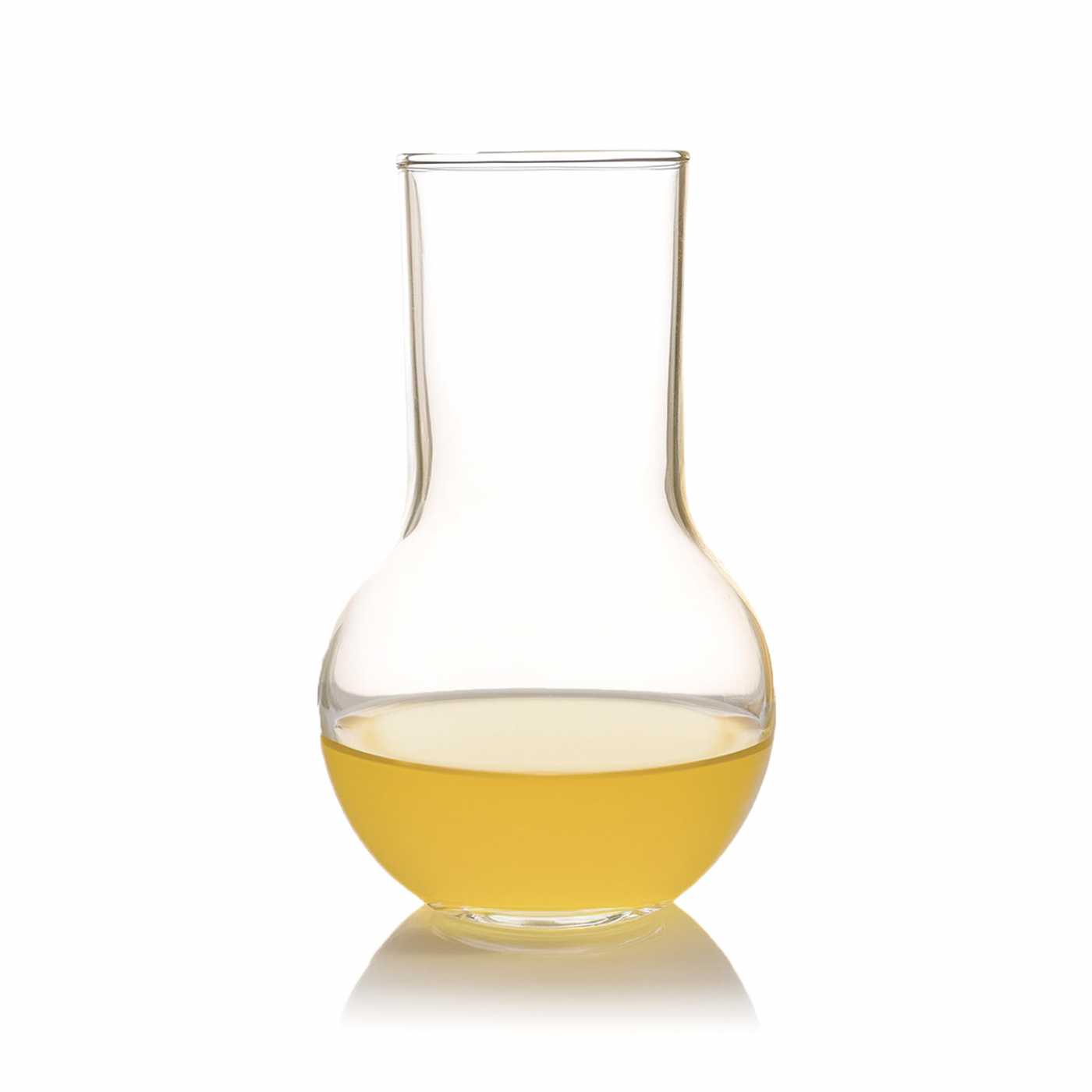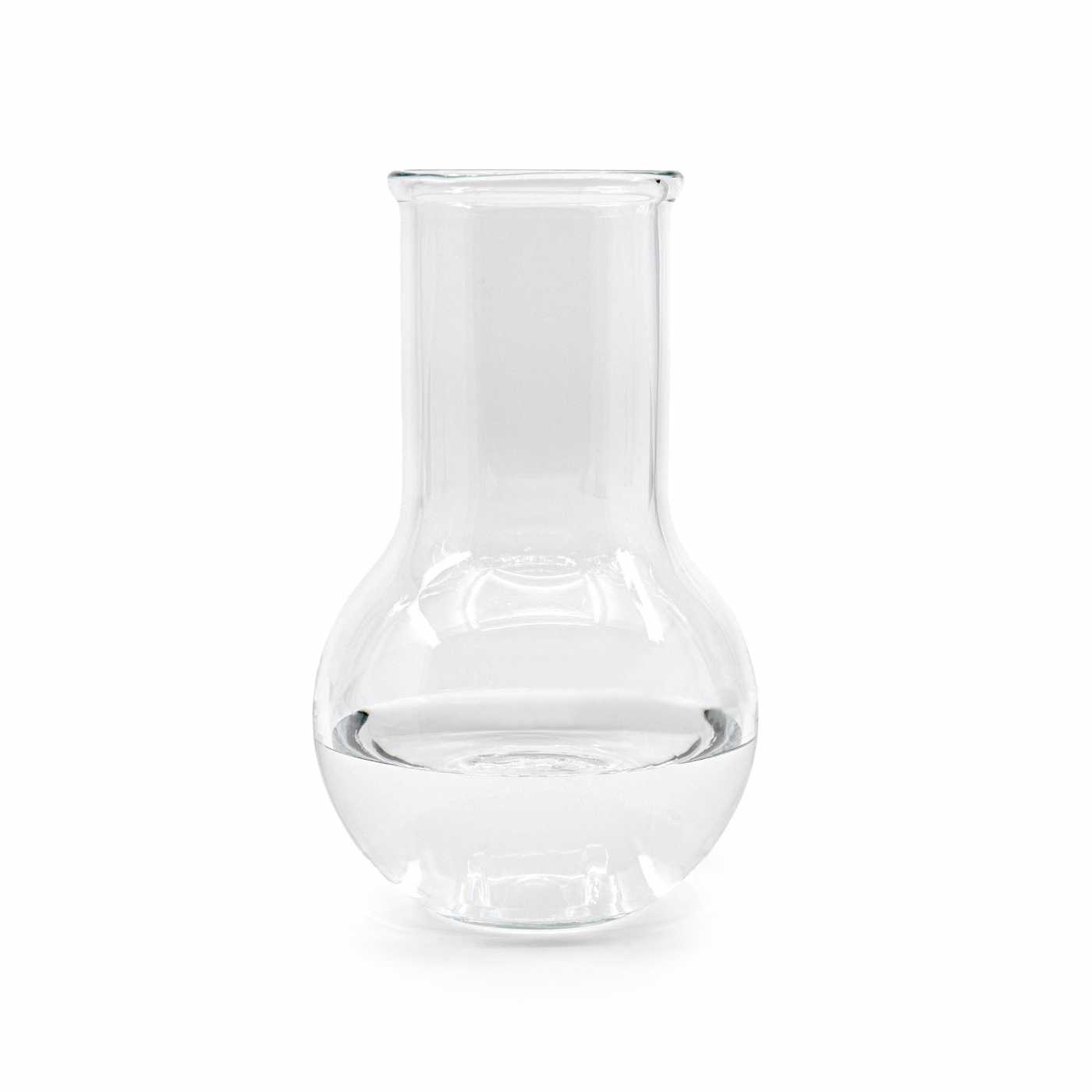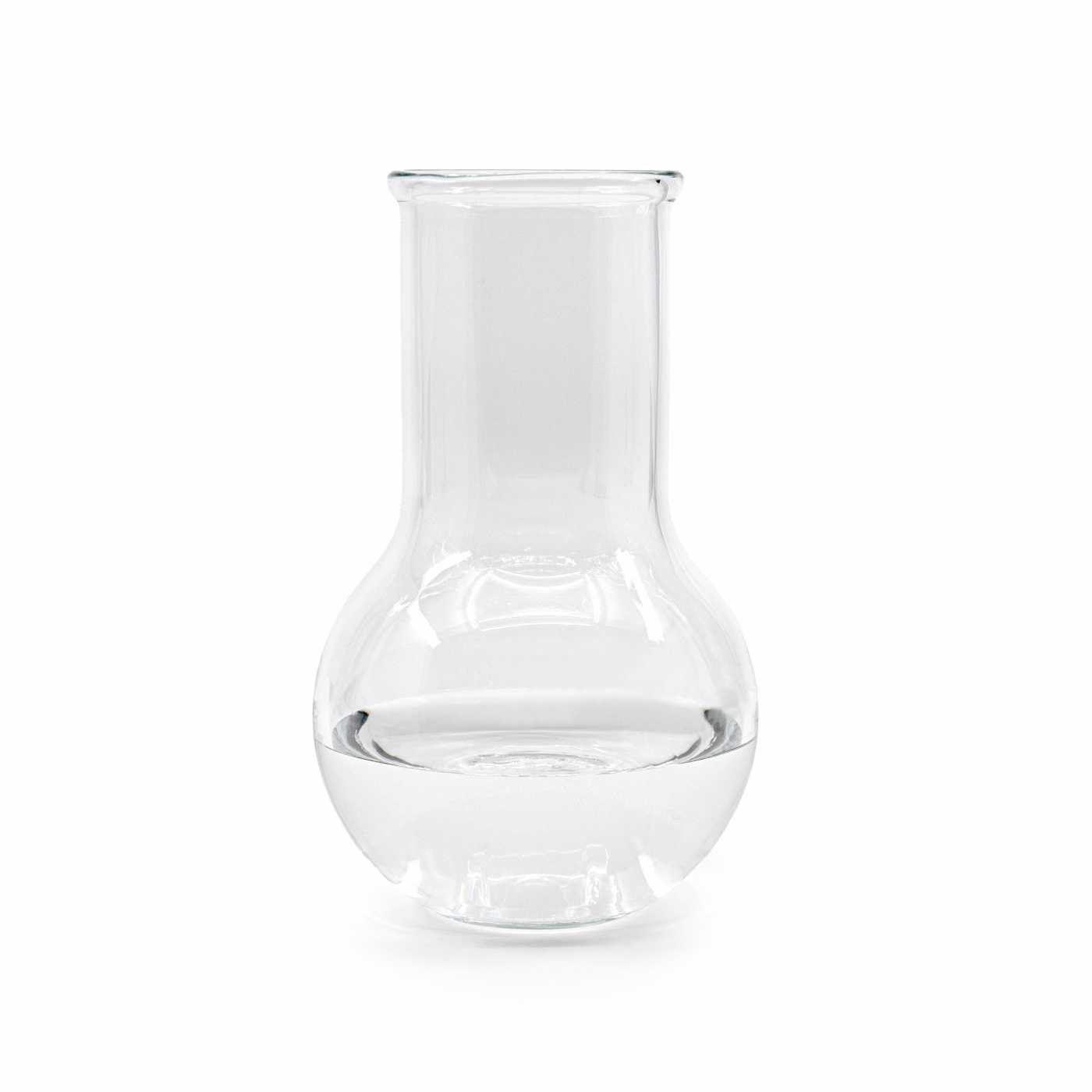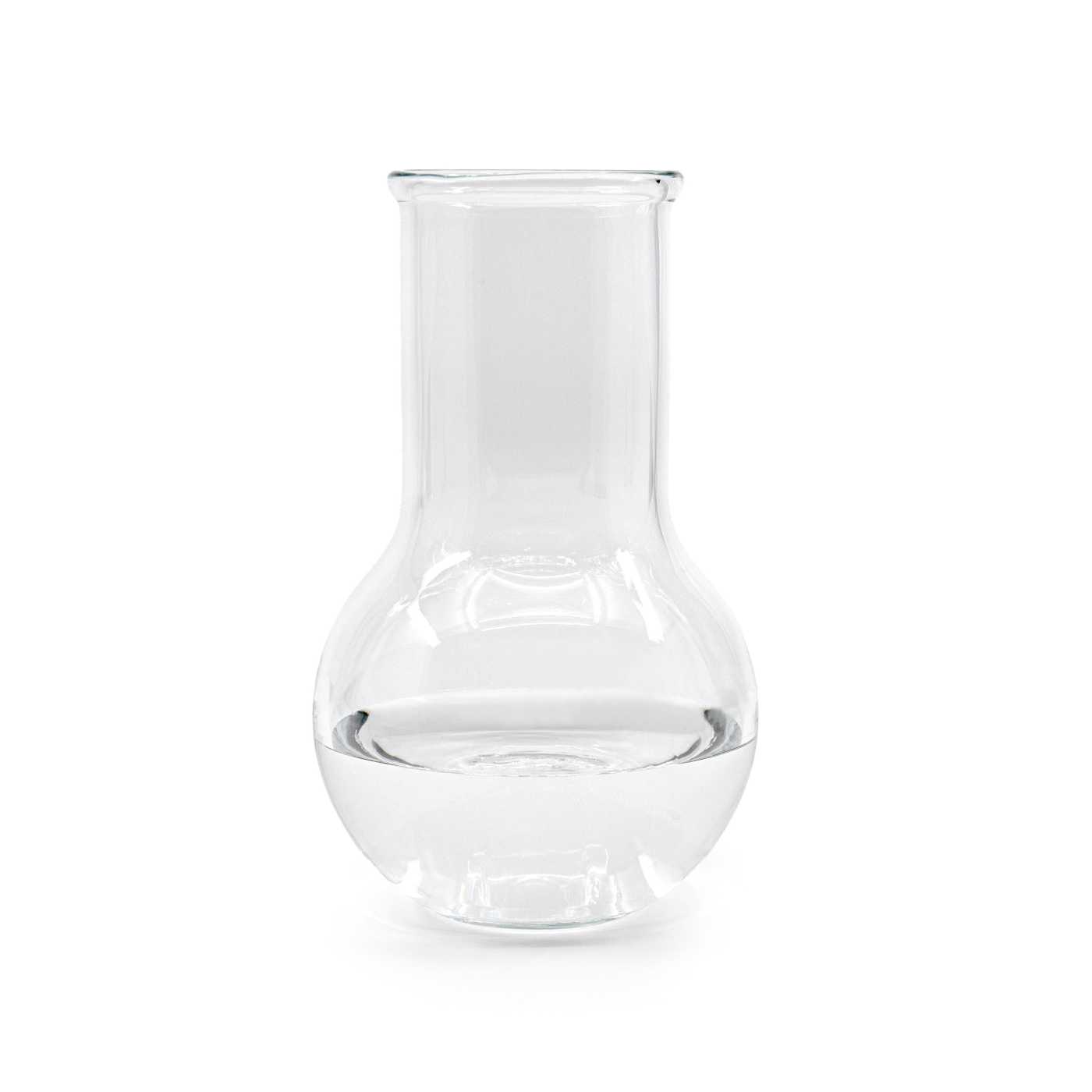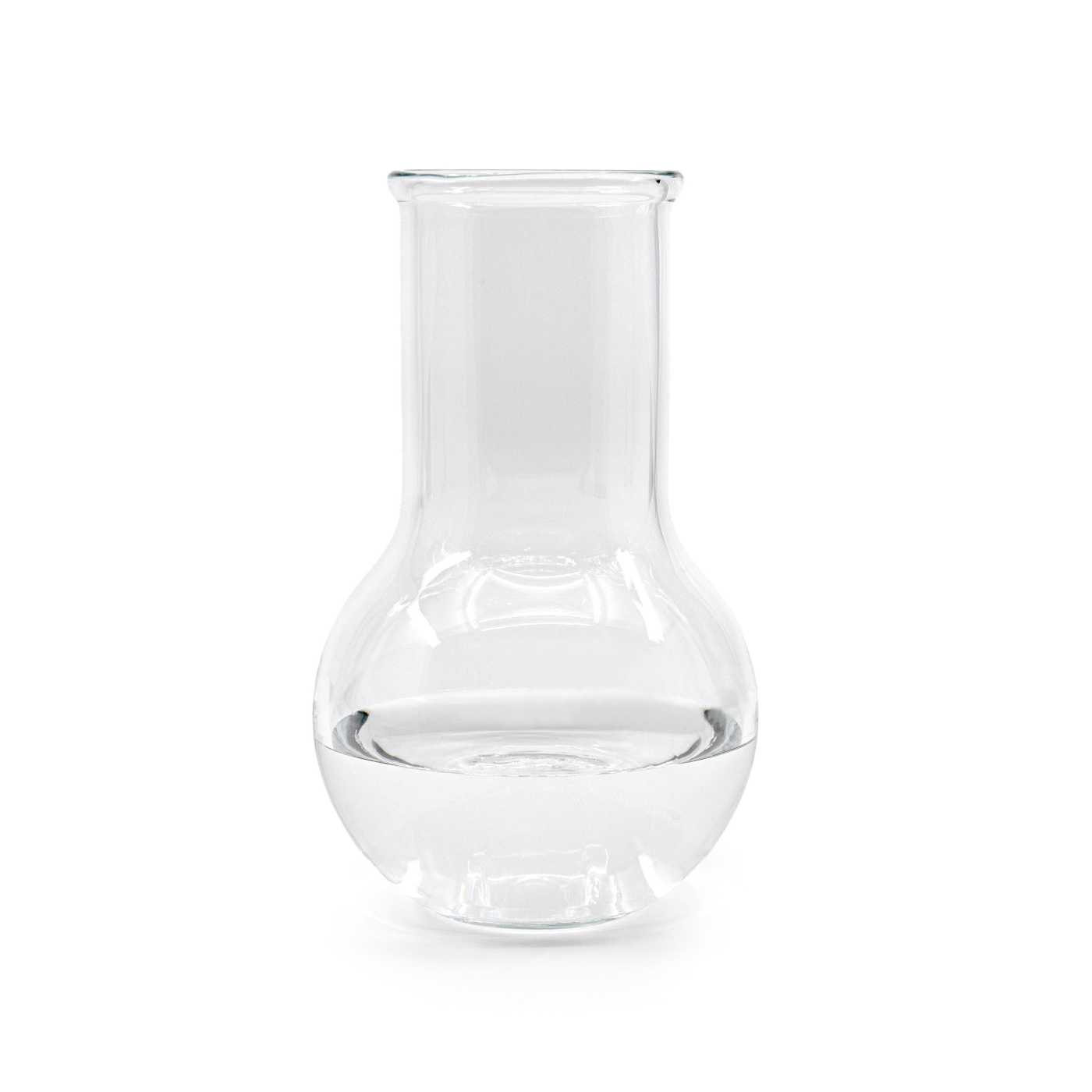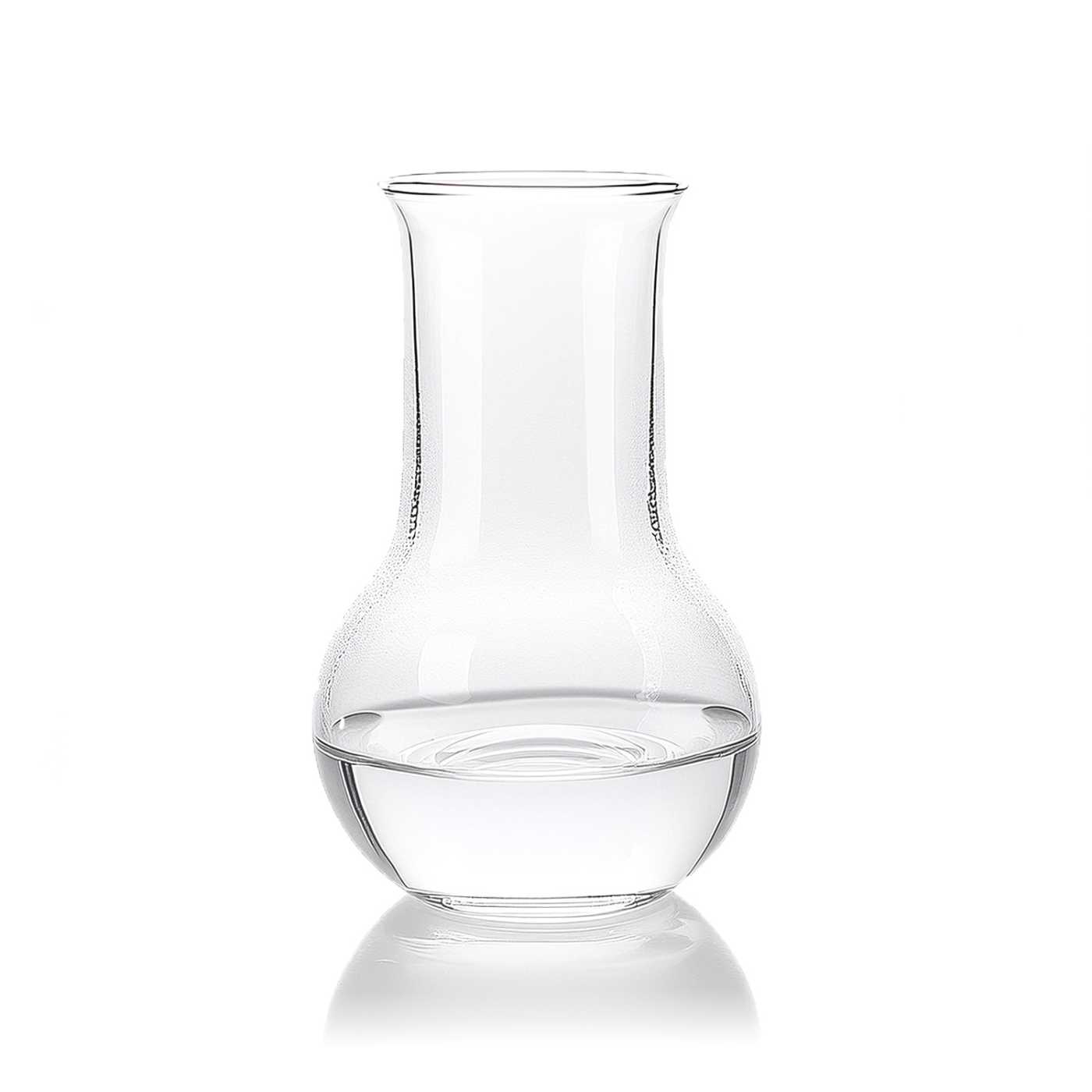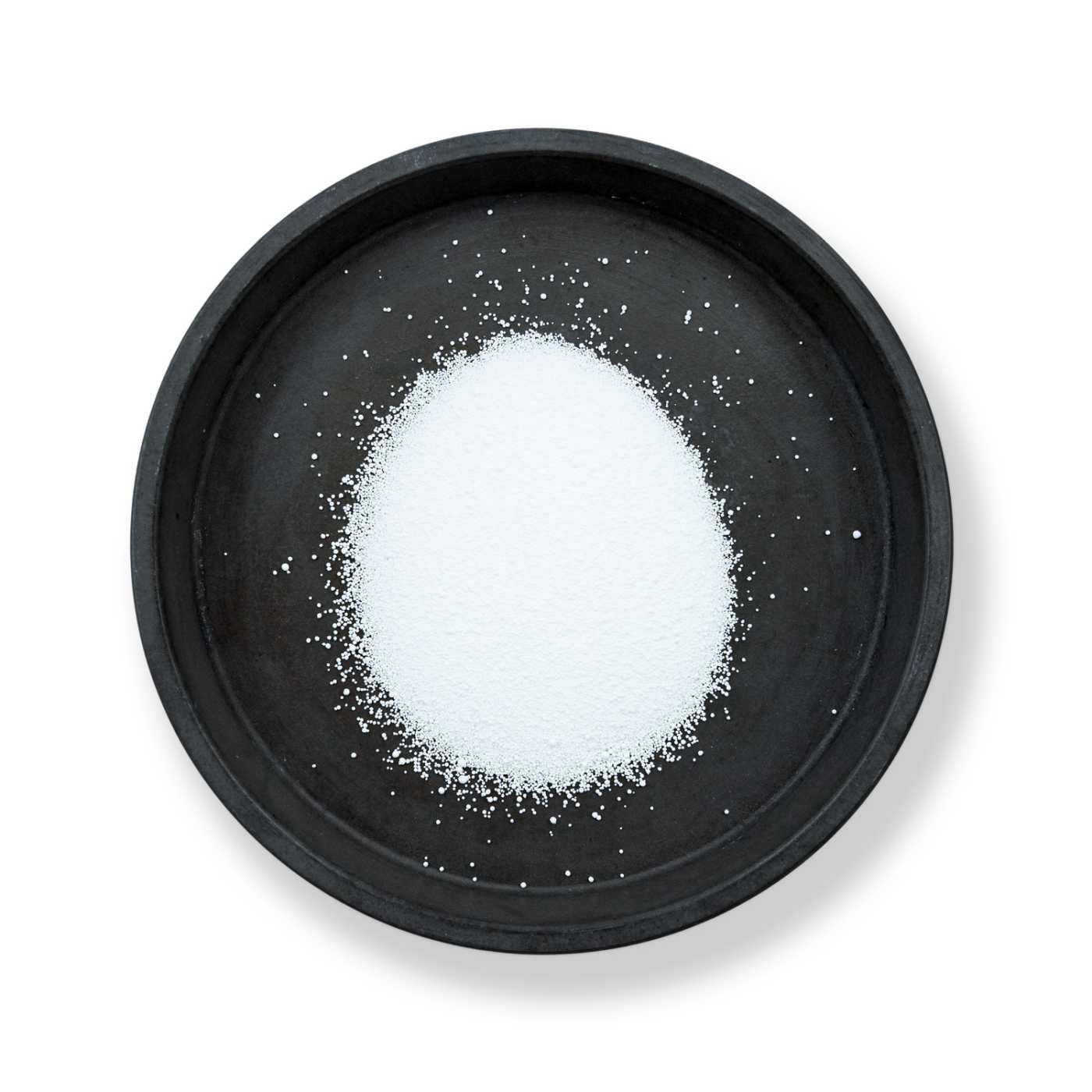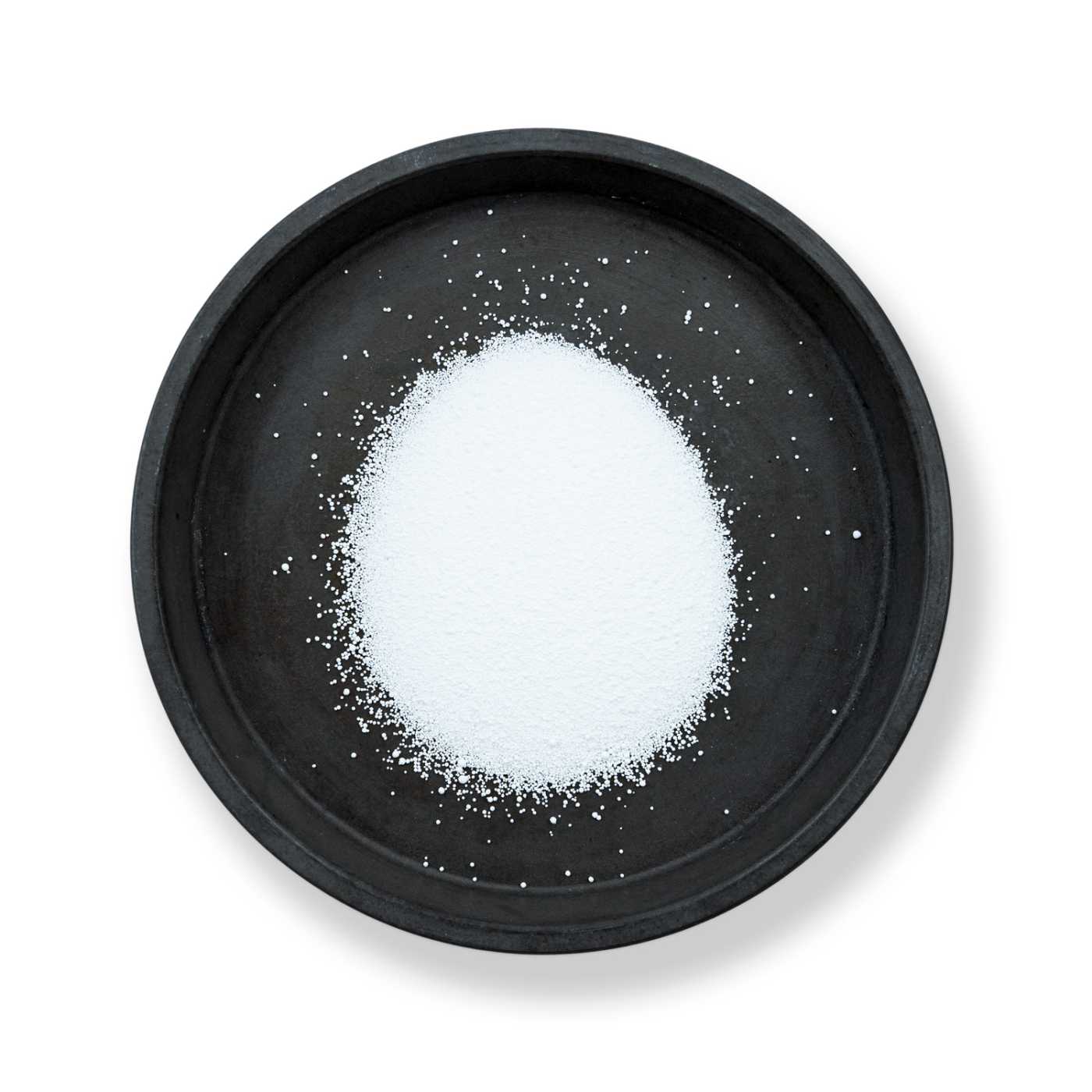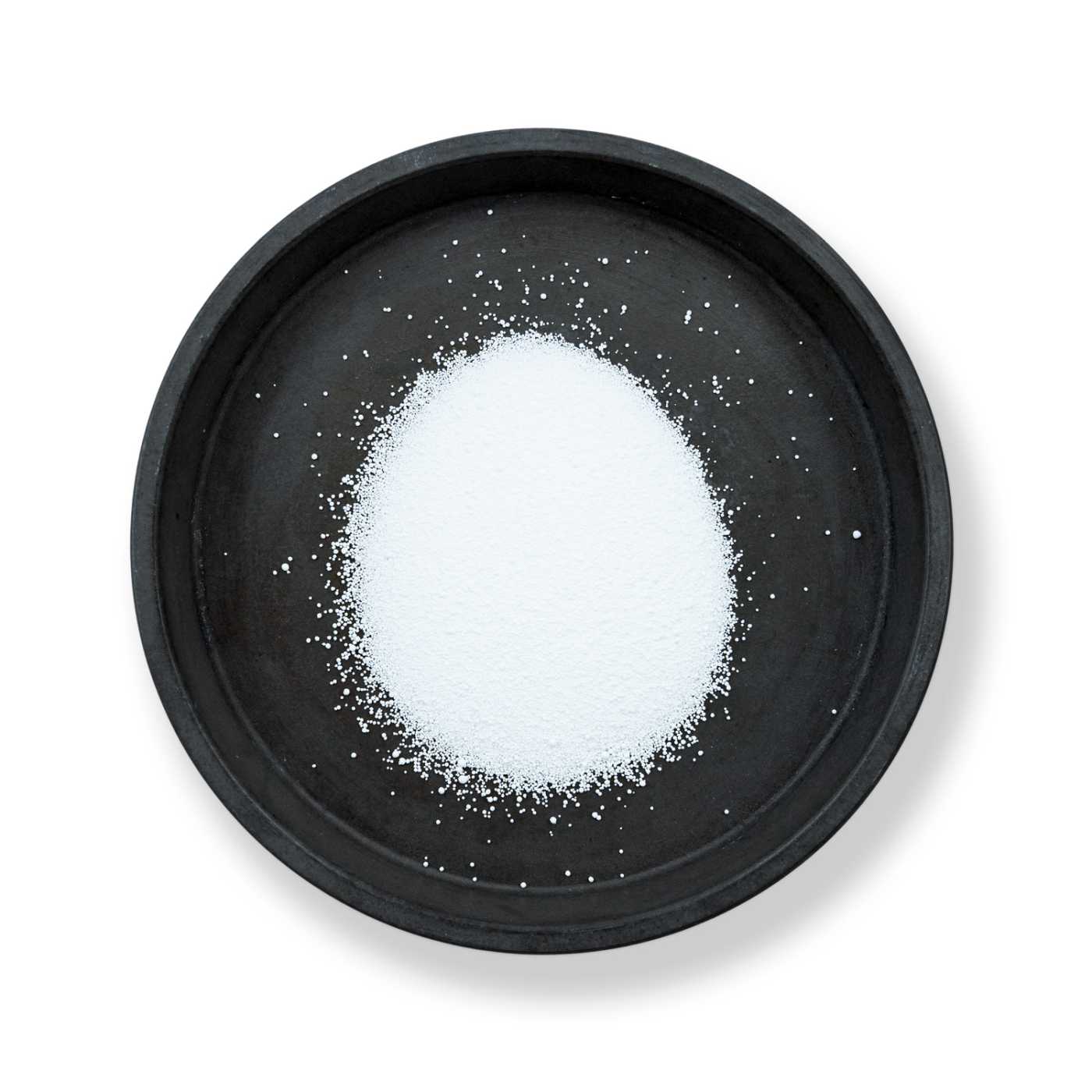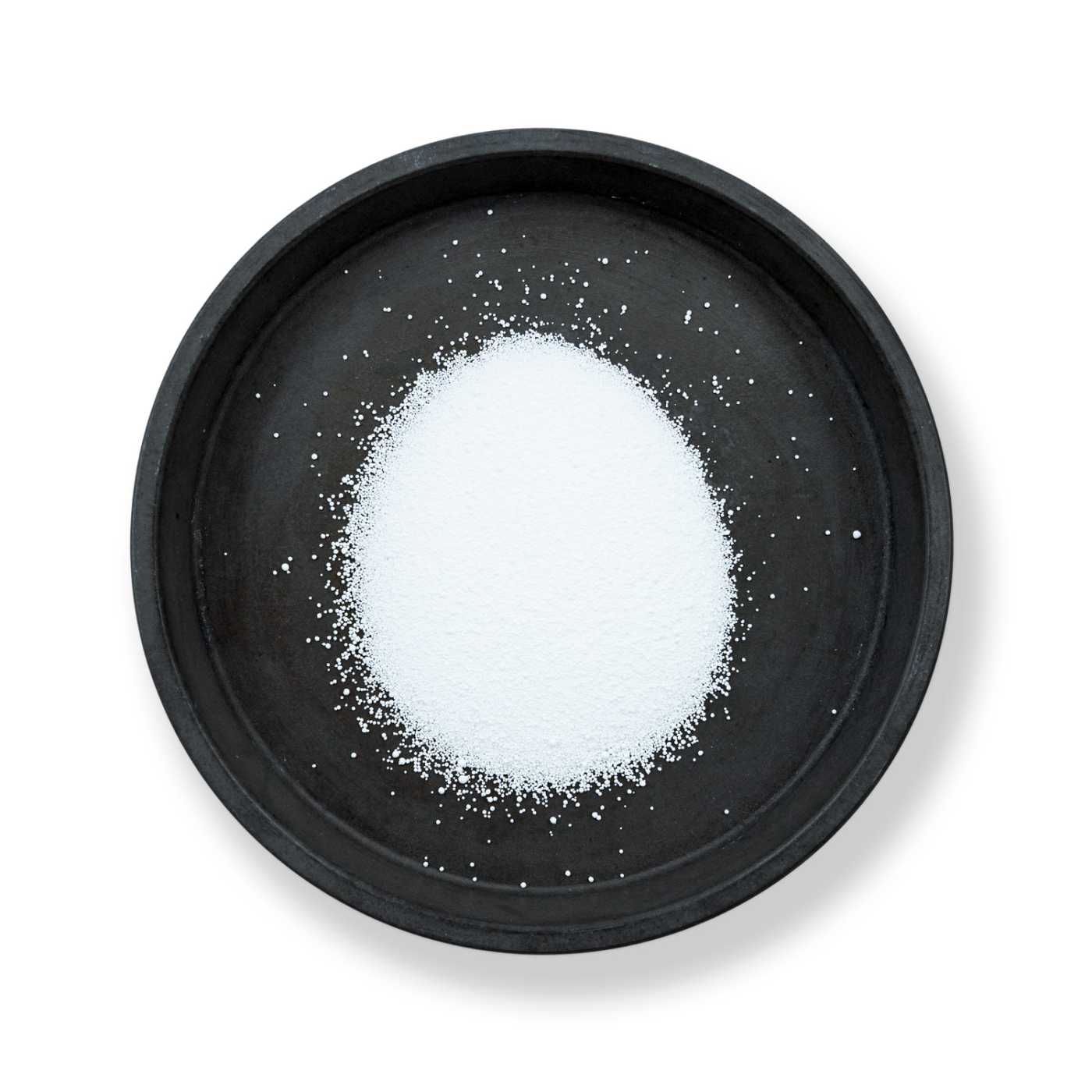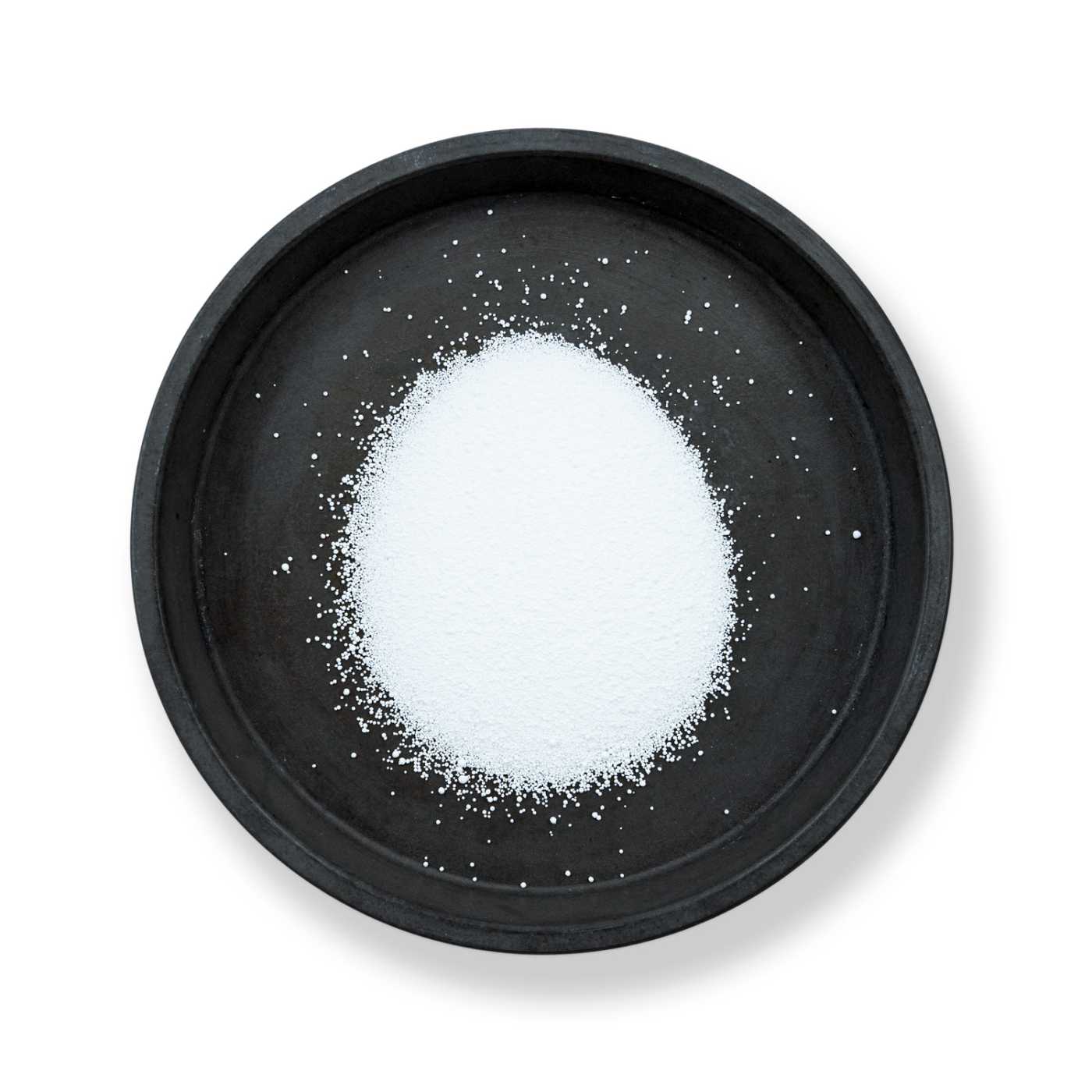
Aquaguard NK12, Sodium benzoate and potassium sorbate, 1 l
Pre-order€39.99(€39.99/l)

Documentation for every product
63 products in this category
53 in stock now
4.9 out of 5 · 661 ratings
Showing 60 of 63 products
The preservatives category covers ingredients that protect cosmetic products from the growth of bacteria, yeasts and moulds. Since most recipes contain a water phase, preservatives are an essential part of every formulation that is meant to stay safe, stable and pleasant to use throughout its life.
At Handymade.sk you will find broad-spectrum preservatives, natural alternatives that can be certified under COSMOS and ECOCERT and multifunctional ingredients with a preservative effect that combine performance with moisturising or softening properties. All products are of cosmetic grade and come with full technical documentation (SDS, COA and IFRA standards).
When choosing a preservative it is important to consider the pH of the formulation, the type of emulsion (O/W or W/O), the water content and the presence of surfactants or a chelating agent. The right combination of these factors guarantees long-term microbial stability without disturbing the texture or the fragrance.
Tip for makers: for natural cosmetics choose a combination of organic acids, glycols and plant-derived ingredients; for standard emulsions, a broad-spectrum system at a neutral pH is the optimal choice.
These systems provide complete protection against bacteria, moulds and yeasts. They are versatile and easy to use in most emulsions and gels. Popular examples are Cosgard and Euxyl PE 9010, which offer high stability at a low dosage (0.5 – 1.1 %). Cosgard is effective at pH 2 – 7, ideally below 5.5; Euxyl PE 9010 is practically pH-independent. Reliable protection with no effect on the appearance or the scent of the finished product.
Natural and bio-based alternatives to synthetic preservatives suit “clean beauty” products and cosmetics with a natural certification. The stand-outs in this group are Euxyl K712, Euxyl K903 and Iscaguard IAF – all of them gentle on the skin; Euxyl K712 is effective at a pH of up to 5.5, Euxyl K903 and Iscaguard IAF in the pH range 4 – 6. An ideal solution for moisturising creams, toners and masks.
Products such as 1388 Eco Plus and Pentylene Glycol ECO represent the modern “soft preservation” trend. They combine moisturising properties with antimicrobial activity and make it possible to formulate products without classic preservatives. They let you reduce the share of classic preservatives within a hurdle approach; always verify the efficacy with a challenge test, especially for products intended for children.
The new generation of preservatives, for example Spectrastat G2 Natural MB, offers high efficacy at low concentrations and excellent compatibility with active ingredients. It is stable across a wide pH range and compatible with emulsifying and foaming systems. High stability with minimal impact on the texture and the fragrance of the formulation.
Decide according to the pH of the formulation, the type of emulsion, the water content and the sensitivity of your target group. For standard emulsions and gels, broad-spectrum systems dosed at 0.5–1.1 % are suitable – Cosgard (effective at pH 2–7, ideally below 5.5) or Euxyl PE 9010, which is practically pH-independent; for natural products choose Euxyl K712 (pH up to 5.5), Iscaguard IAF (pH 4–6) or Spectrastat G2 Natural MB.
Organic acids and their salts work at an acidic pH of 3.5–5.5; Cosgard is effective at pH 2–7 (ideally below 5.5) and Euxyl PE 9010 is practically pH-independent. After emulsifying, always measure the pH of the finished product and acidify it slightly if needed – outside its range a preservative may not reach full efficacy.
Yes, it is recommended when launching a new product or when changing raw materials. The test verifies how the formulation resists microbial contamination and confirms the efficacy of the chosen preservative system in the actual recipe – this matters especially with natural preservatives, whose efficacy always has to be verified in the specific formulation.
Yes, a combination of organic acids, glycols and a chelating agent widens the spectrum of activity and makes it possible to lower the total dosage of active preservatives. Correctly set pH and the addition of a chelating agent (Dermofeel PA-3) increase stability further. Always verify compatibility and stability in a stress test, and do not forget production hygiene.