−15 % with codePre-orderSold out
Surfinesse Cleanse, Gentle Natural Olive-Based Surfactant, 100 g
€13.99(€139.90/kg)

PRESERVATIVES
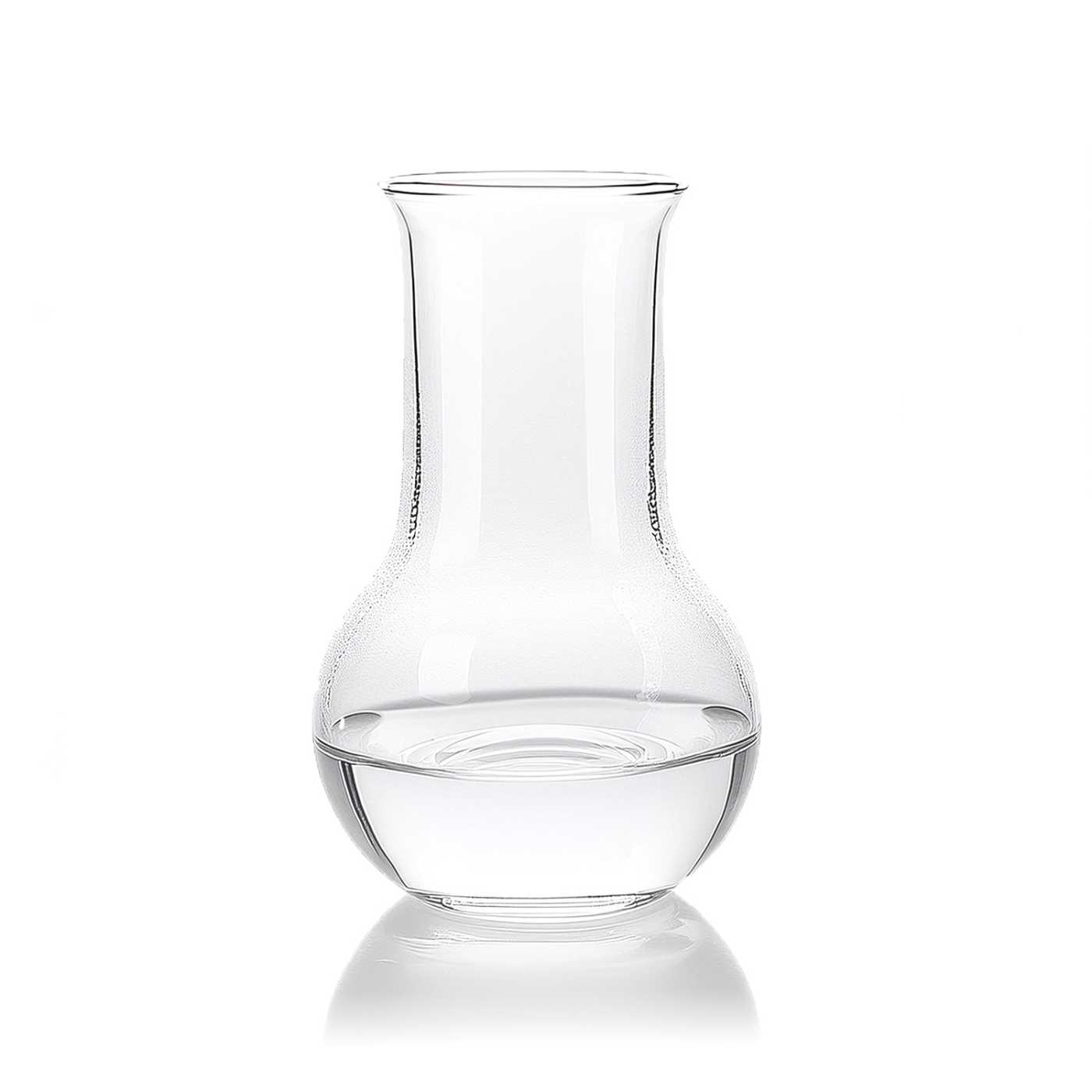
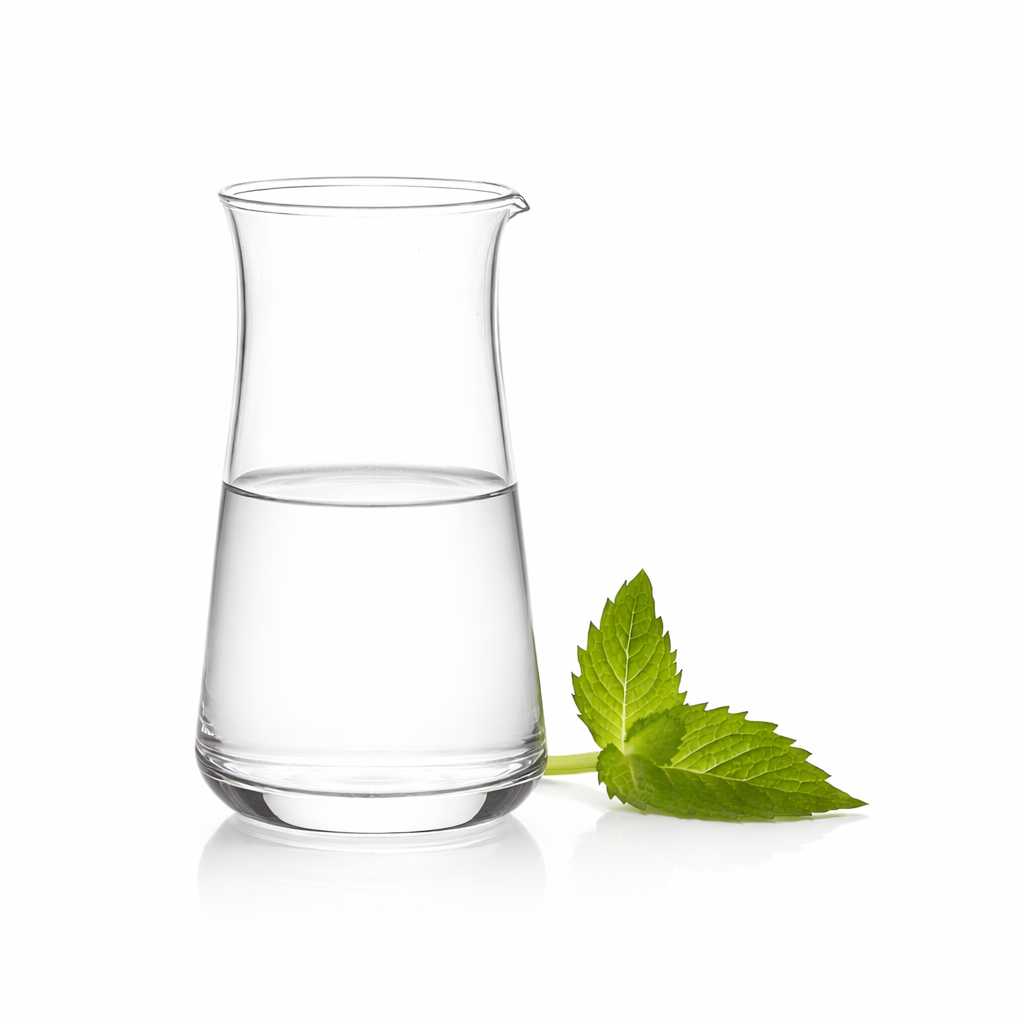
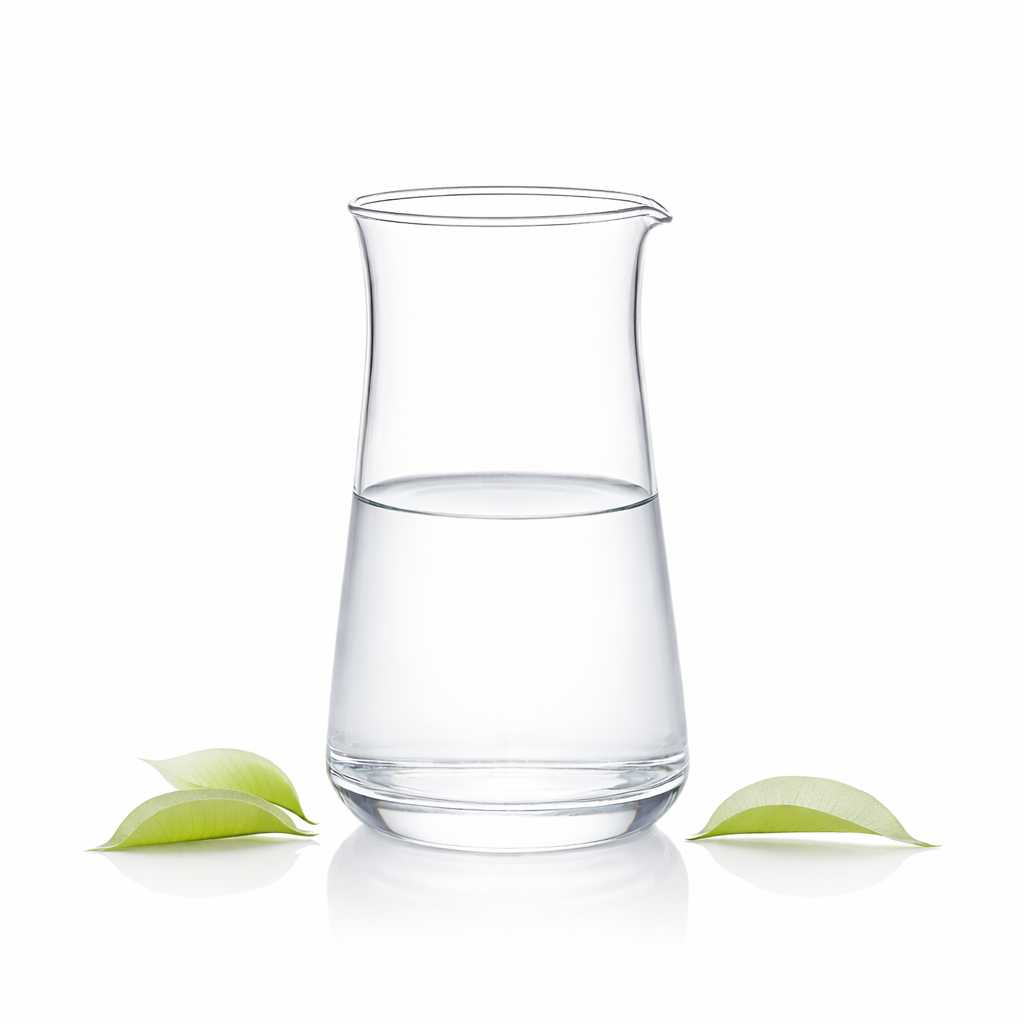
Phenethyl Alcohol is an aromatic alcohol with antimicrobial action that strengthens the preservative system in cosmetics. In simple water-based products, such as micellar water, it can preserve on its own. full description
Lowest price in the last 30 days: €2.99
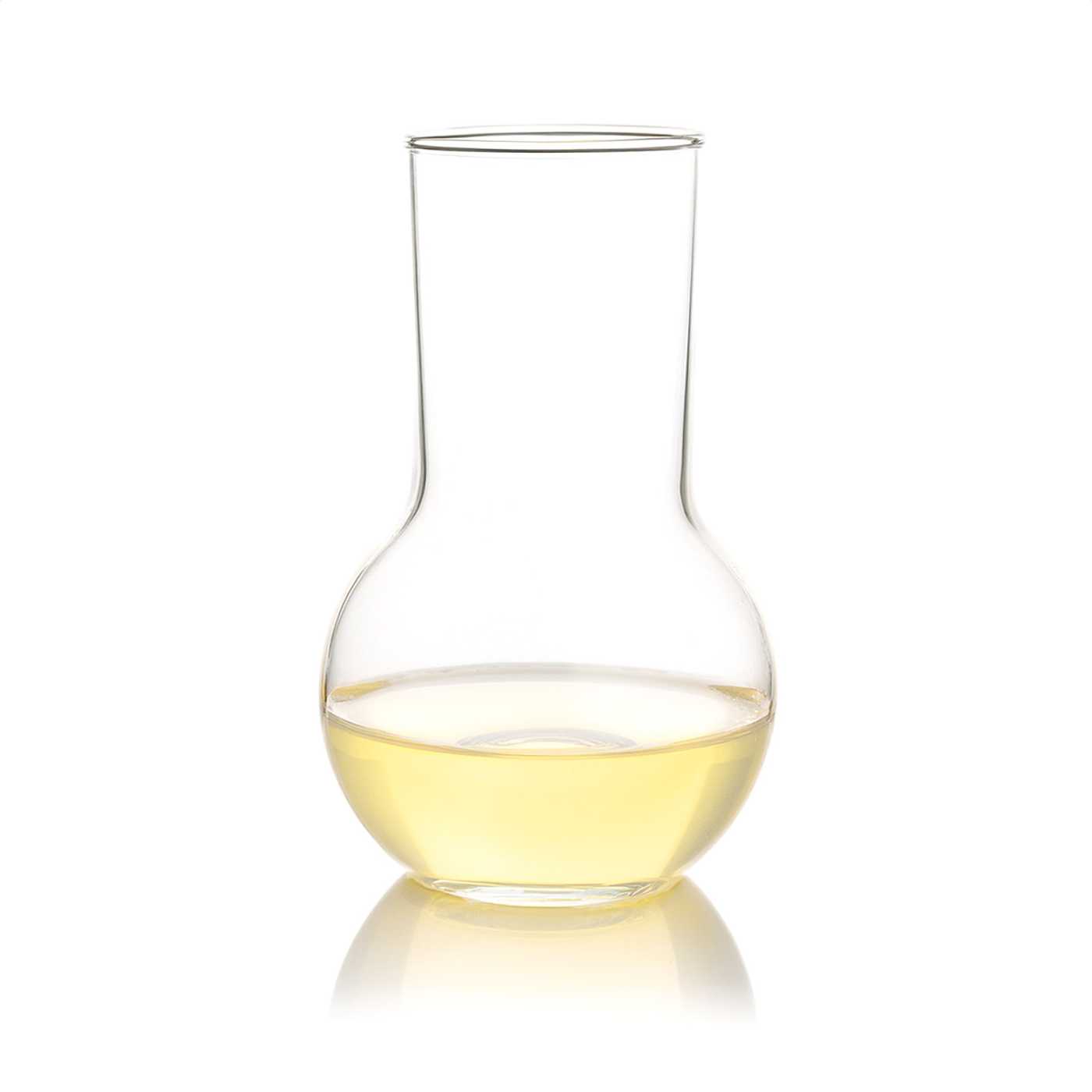
Phenethyl Alcohol is an aromatic alcohol with antimicrobial action that strengthens the preservative system in cosmetics. In simple water-based products, such as micellar water, it can preserve on its own. It works at any pH of the product. It also brings a faint rose scent to the formulation, which masks the odour of some raw materials.
In nature it is the main component of rose absolute and it is also found in rose hydrosol. This raw material is of natural origin, produced by fermentation and purified by distillation and filtration. It is readily biodegradable.
Aromatic alcohols act on microorganisms from two sides. On the outside, they disrupt the functions of the cell membrane; inside the cell, they suppress the enzymes that the microorganism needs to survive. This is related to their structure: one part of the molecule has an affinity for water and another part for fats.
It performs best against Gram-negative bacteria and moulds, which are among the common problems in cosmetic preservation. Its spectrum is narrower than that of benzyl alcohol, because the effectiveness of aromatic alcohols decreases with chain length. In emulsions and more complex products, it is combined with another preservative that covers the rest of the spectrum.
The recommended usage rate is 0.5–1%. The lower end applies to products where Phenethyl Alcohol complements another preservative. A rate of 1% is used where it preserves on its own. In formulations it also appears from 0.3%, but most often at around 1%, mainly in face creams and body lotions.
In shampoos, micellar waters and emulsions with a high proportion of emulsifier, do not choose the lowest usage rate. A large amount of non-ionic surfactants or emulsifiers can weaken the effect of preservatives, so verify the result with a preservative efficacy test (PET).
It is added to the water phase. It is heat stable, so it tolerates heating. In formulations, however, it is most often added only while the emulsion is cooling.
Approximately 20 g/l dissolves in water at 20 °C, which is about 2%. The recommended usage rate therefore dissolves completely in the water phase. The raw material itself has a pH of 6–7 in a 2% aqueous solution.
The pH of the finished product does not matter for its preservative action. It suits acidic preparations as well as formulations with a neutral or higher pH, where organic acids lose their effect.
In emulsions, part of the preservative moves into the oil. Phenethyl Alcohol is also partially soluble in oils. The more oil a product contains, the less of it remains in the water, where it is needed most. Always verify products with a high proportion of oil phase by testing.
Its own scent needs to be taken into account when adding fragrance. At a higher usage rate, the rose note is noticeable in the product and will affect the final fragrance. In unscented formulations, it helps to mask the odour of the raw materials.
In formulations, it is paired with glycerine, betaine, cetearyl alcohol, glyceryl stearate and polyglyceryl emulsifiers. Among thickeners, it is complemented by xanthan gum or gellan gum.
The raw material is subject to CLP and carries the GHS07 pictogram. The pure substance causes serious eye irritation (H319); wear goggles and gloves when handling it and do not inhale the vapours. In concentrated form, do not mix it with strong acids, bases or oxidising agents, as it reacts exothermically with them.
It is used in rinse-off and leave-on products.

Variant: Phenethyl alkohol, konzervant, 100 ml