Resveratrol is added to serums and creams as an antioxidant and active ingredient for mature skin. It helps protect the skin against free radicals caused by UV radiation, smoke or polluted air.
This plant polyphenol occurs naturally in grape skins. The ingredient is of European origin and is obtained by extraction and crystallisation from Japanese knotweed (Polygonum cuspidatum). It contains pure trans-resveratrol and is Vegan certified.
Besides its antioxidant action, the manufacturer has also tested it for skin firmness and pigment formation. It is therefore used mainly in products for mature skin and uneven skin tone. It can be used on the face, including the eye area, on the body, and in hair and scalp care.
Effects on the skin
The effects listed are based on studies and tests carried out by the manufacturer of the ingredient. The result in a finished product depends on the usage rate and the whole formulation.
- Antioxidant protection – in tests, resveratrol directly neutralised free radicals, limited lipid oxidation and supported the activity of the skin’s antioxidant enzymes (SOD, glutathione peroxidase, catalase). The manufacturer rates it as a more effective antioxidant than α-tocopherol and vitamin C.
- Firmness and elasticity – it reduces the activity of elastase and MMP enzymes, which damage elastin and collagen fibres. It is therefore added to products for skin that is losing firmness.
- More even skin tone – the manufacturer reports inhibition of tyrosinase and reduced melanin formation. In its tests, resveratrol was more effective than arbutin, even at lower rates. It is suitable for brightening products and for the care of skin with pigment spots.
- Protection during exposure to UV radiation – in tests, it protected skin cells and limited UV-induced damage to their DNA. It does not replace a UV filter.
- Soothing the skin – it reduces the release of substances that accompany irritation, which is expected to result in less redness.
- Facial contours – the manufacturer also describes an effect on fat cells in the skin (their number, size and fat storage) and links it to smoother and firmer facial contours.
Use in formulations
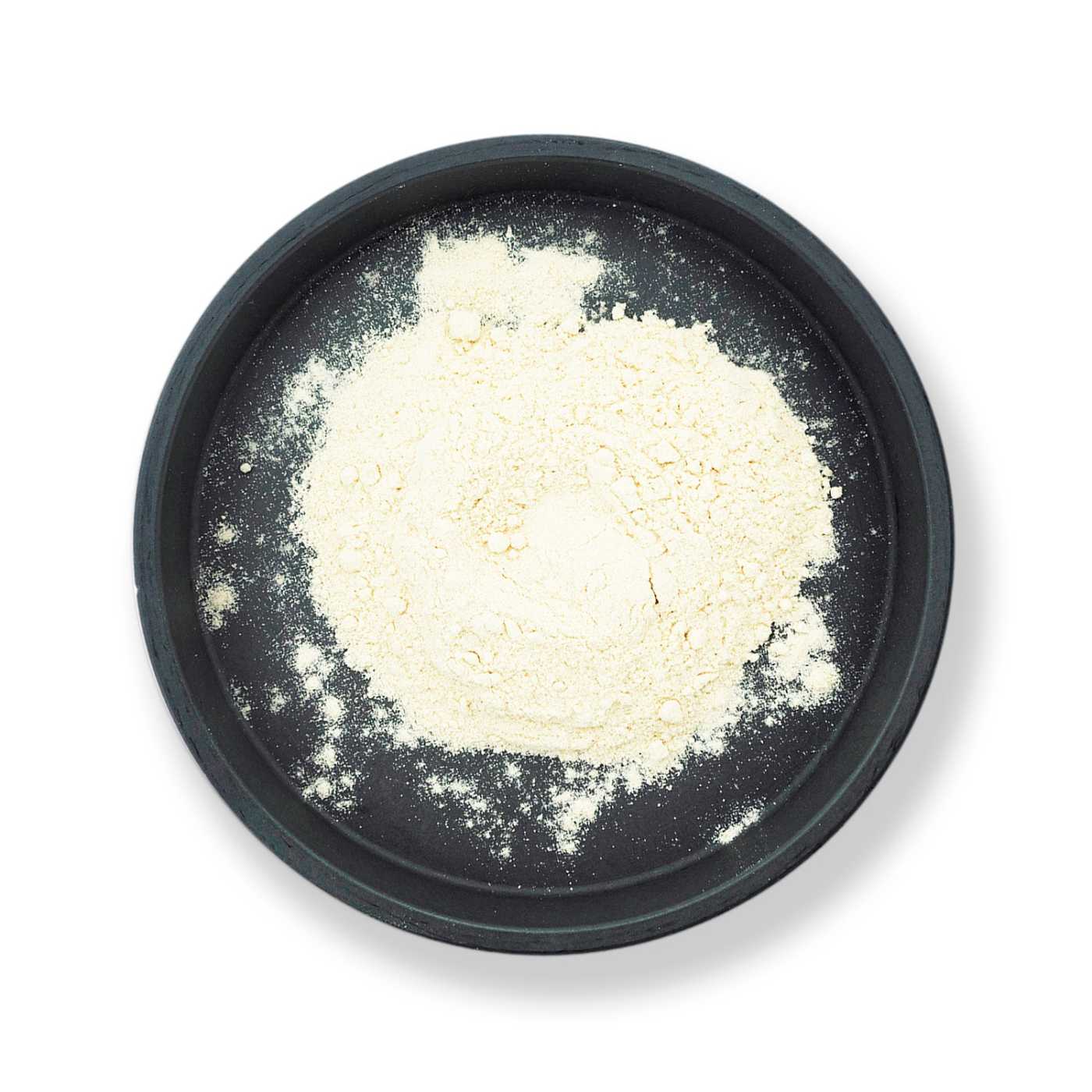
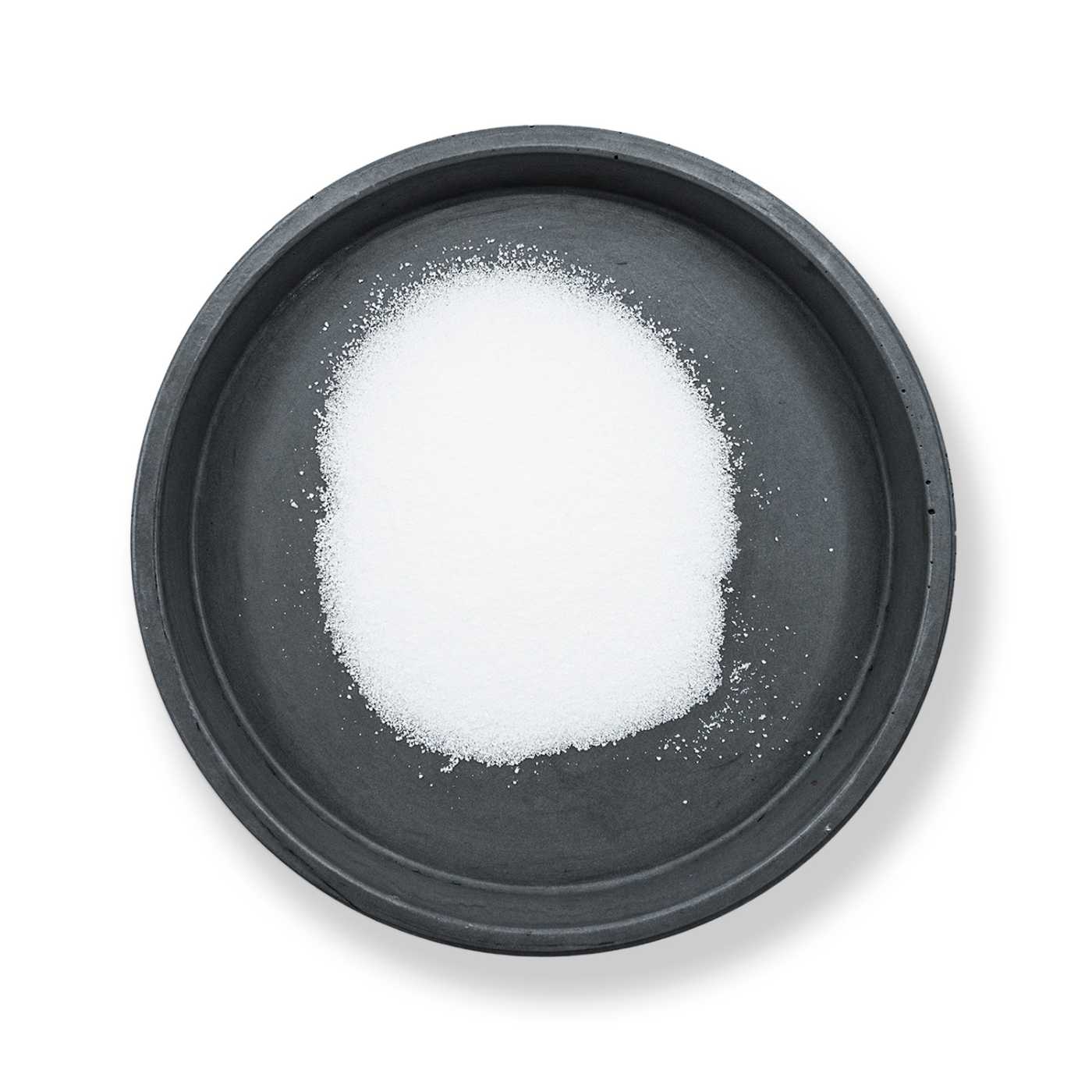
It is supplied as a pure powder, white to beige in colour. It dissolves in alcohol and only partially in water. It can therefore be dissolved beforehand in a small amount of alcohol, and the solution gradually mixed into the base.
In emulsions, it is added in the cooling phase, when the temperature drops below 40 °C. In serums and toners, it is incorporated into the water phase cold. It is also suitable for adding to a finished base afterwards, provided the pH of the base is within the recommended range.
The recommended usage rate is 0.1–1%, with a formulation pH of 3–7.
For your first trial, start at the lower end of the usage rate and check whether the powder has dissolved completely in your chosen base. Only then increase the amount.
Suitable for products such as
- Serums and creams for mature skin – the main use, combining antioxidant protection with support for skin firmness.
- Eye creams and serums – the ingredient is also intended for the eye area.
- Brightening products – serums and emulsions for uneven skin tone and pigment spots.
- Day creams – as an antioxidant component alongside UV filters.
- Hair tonics and scalp serums – the powder dissolves more easily in an alcohol-based formulation.
- Body lotions and creams – added after the emulsion has cooled.
It can be used in both leave-on and rinse-off products.
Good to know
Resveratrol dissolves only partially in water. A small test batch will show whether a serum or toner stays clear at your chosen usage rate.
No data on solubility in oils is available, so incorporation into anhydrous oil-based products should be tested beforehand.
After adding the ingredient, measure the pH of the finished product and adjust it if necessary. Check the stability of colour and appearance in your specific formulation with a stability test.
The manufacturer also reports antimicrobial activity of resveratrol. In a formulation, however, the ingredient acts as an antioxidant and active ingredient, so products containing a water phase are preserved in the usual way.
The ingredient is classified under the CLP Regulation and marked with the GHS07 pictogram. When weighing and handling the powder, follow the safety data sheet.
Frequently asked questions
Is resveratrol soluble in water?
Resveratrol is only partially soluble in water; it dissolves in alcohol. For water-based and emulsion products, it can therefore be added pre-dissolved in a small amount of alcohol. For clear serums and toners, a small test batch will show whether the whole amount dissolves at your chosen usage rate and the product stays clear.
What is the usage rate of resveratrol in a cream or serum?
The recommended usage rate of resveratrol is 0.1–1%. For your first trials, it is worth starting at the lower end, because it dissolves only partially in water and at a higher rate it may not dissolve completely in some bases. Increase the amount only after checking that the product is homogeneous.
How do I add resveratrol to a cream?
Resveratrol is added to a cream in the cooling phase, when the emulsion is below 40 °C. The powder can be dissolved beforehand in a small amount of alcohol, and the solution mixed into the emulsion while stirring continuously. Finally, measure the pH of the finished cream, which should be in the range of 3–7, that is, acidic to neutral.
Does resveratrol replace a UV filter?
No, resveratrol does not replace a UV filter. In the manufacturer’s tests, it limited UV-induced damage to skin cells, but in a formulation it acts as an antioxidant and active ingredient. In day creams, it is therefore used together with UV filters, which provide the actual sun protection.
Is resveratrol suitable for sensitive skin?
Yes, resveratrol is suitable for all skin types, including sensitive and mature skin. It is also used in products for the eye area. The manufacturer reports a soothing effect on irritated skin, which is expected to result in less redness. However, how well the finished product is tolerated depends on the whole formulation.