Resveratrol is a plant polyphenol and a well-known antioxidant in mature skin care. It protects the skin from free radicals formed by UV radiation, smoke and air pollution, and helps even out and brighten the skin tone.
It is obtained by extraction and crystallisation from Japanese knotweed (Polygonum cuspidatum). It is supplied as a pure substance without a carrier, so you simply weigh it into the formulation and do not need to recalculate the content of the active ingredient. It is used in products for the face, the eye area and the body, as well as in hair care, in both leave-on and rinse-off products. The ingredient is vegan.
How it works on the skin
Plants produce resveratrol as a protective substance in response to stress, injury or fungal attack. In cosmetics, it is used mainly for its ability to scavenge free radicals, which underlies most of its other effects.
- Antioxidant protection – in the manufacturer’s studies, resveratrol directly neutralised free radicals, reduced lipid oxidation and supported the skin’s own protective enzymes (SOD, glutathione peroxidase and catalase). In these tests, it was more effective than α-tocopherol and vitamin C.
- Firmness and elasticity of the skin – the manufacturer’s studies showed lower activity of elastase and MMP enzymes, which damage collagen and elastin fibres. Resveratrol thus supports the firmness and density of the skin.
- More even skin tone – resveratrol reduces the activity of tyrosinase, an enzyme required for melanin production. In the manufacturer’s study, it acted more strongly than arbutin, and at much lower doses. The skin looks brighter and more even in colour.
- Protection from the effects of sun exposure – in the manufacturer’s studies, it protected skin cells from UV damage and reduced the skin’s reaction to the sun. It does not replace the UV filter in a sun care product.
- Soothing the skin – in the manufacturer’s studies, it reduced the release of substances that accompany irritation. It is also suitable for products for sensitive skin prone to redness.
- Facial contours – in the manufacturer’s studies, it limited the formation, size and activity of fat cells in the skin, which is utilised in products for firming contours.
Use in formulations
The usage rate is 0.1–1%. In face lotion recipes for mature skin, 1% is used.
Solubility needs to be planned in advance. Resveratrol is only partially soluble in water and dissolves well in alcohol. Powder sprinkled directly into water leaves undissolved particles and sediment.
First mix the weighed resveratrol in a small amount of ethanol, propylene glycol or glycerine, and only then stir this mixture into the product.
It is easiest to incorporate into an emulsion. In a cream or face lotion, it stays evenly dispersed, whereas a purely aqueous toner without a solvent tends to become cloudy and settle. Do not prepare an aqueous solution in advance for storage.
It is added at the end of production. The recommended processing temperature is below 40 °C, that is, during the cooling phase or added afterwards to the finished base. Pre-dissolved, it can also be added to the water phase.
The finished product should have a pH of 3–7. In an alkaline environment, resveratrol decomposes quickly and is not suitable for alkaline products. It is also incompatible with strong acids, alkalis and oxidising agents.
Sensitivity to light
Light is a greater risk for resveratrol than heat. In light, it decomposes quickly and converts to the less desirable cis form, while normal temperatures do not harm it. During production, work without unnecessary lighting.
Adding vitamin C or BHT does not significantly improve its stability. It is best protected by packaging that does not let light through.
Fill products with resveratrol into opaque packaging that protects against UV radiation.
Suitable for products such as
- Creams and face lotions for mature skin – the antioxidant complements care for skin firmness.
- Serums and emulsion fluids – for skin with an uneven tone and pigment spots.
- Eye creams – the eye area is one of the areas the ingredient is intended for.
- Body lotions and creams – antioxidant care for the skin of the body.
- Hair care and scalp care – leave-on and rinse-off products with an acidic to neutral pH.
Good to know
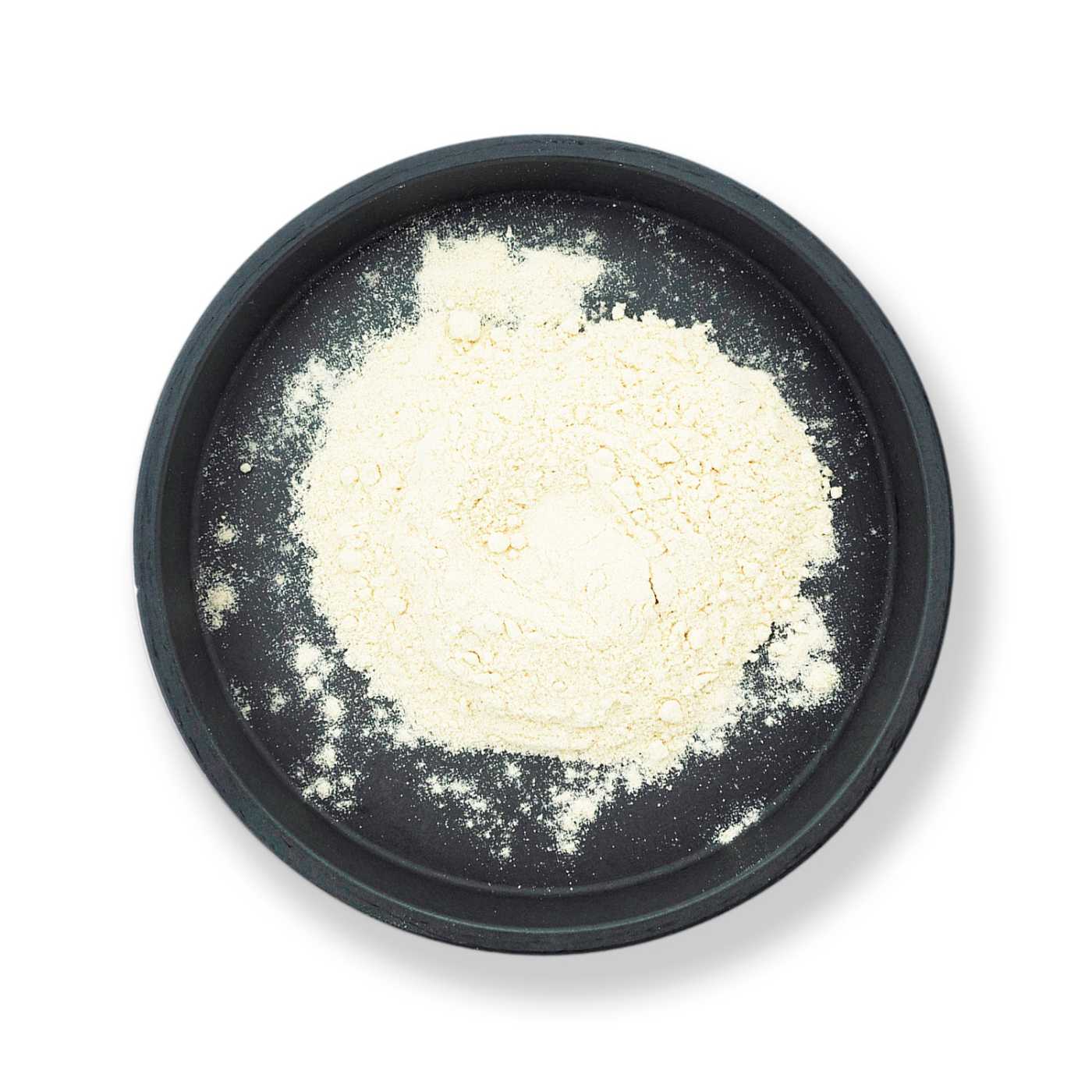
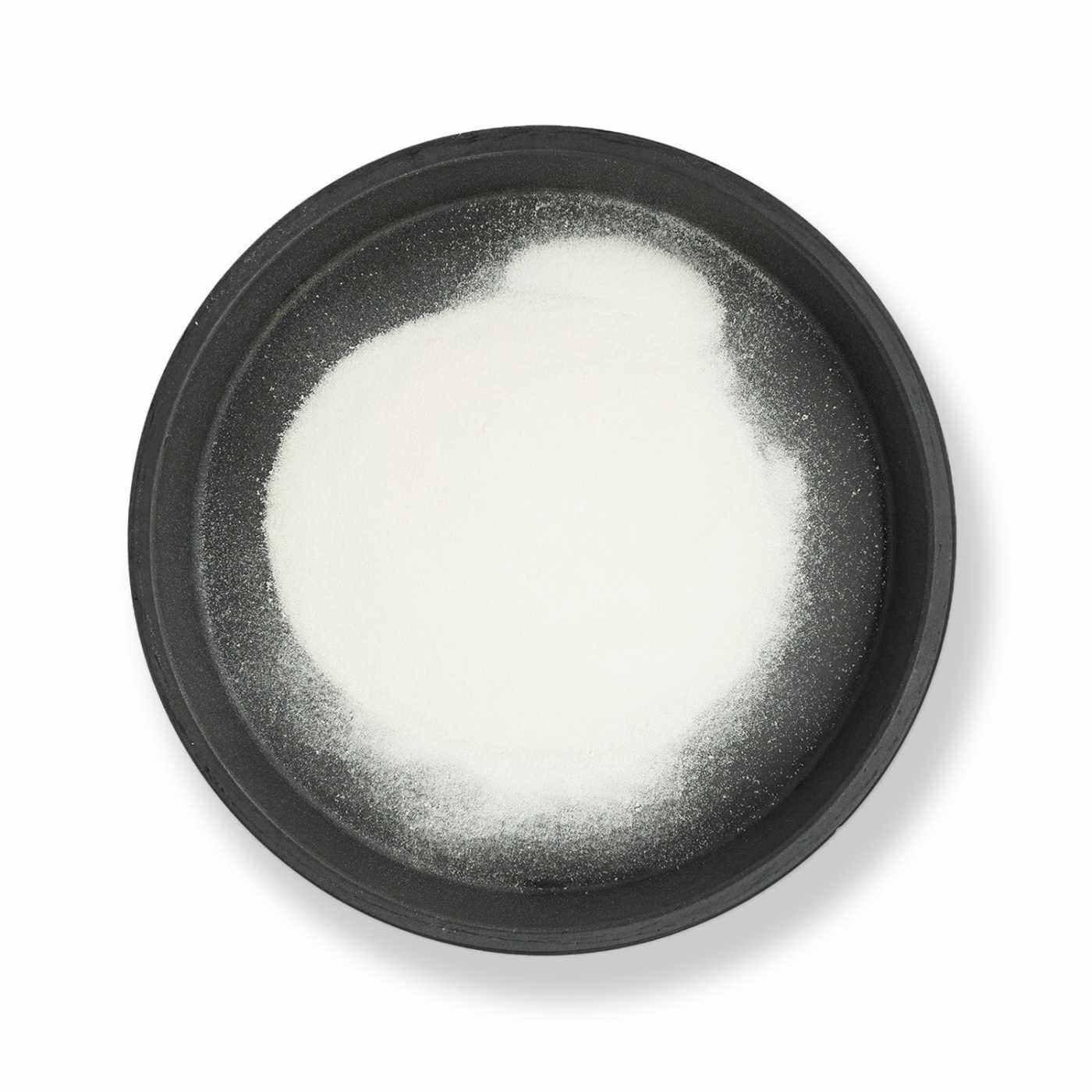
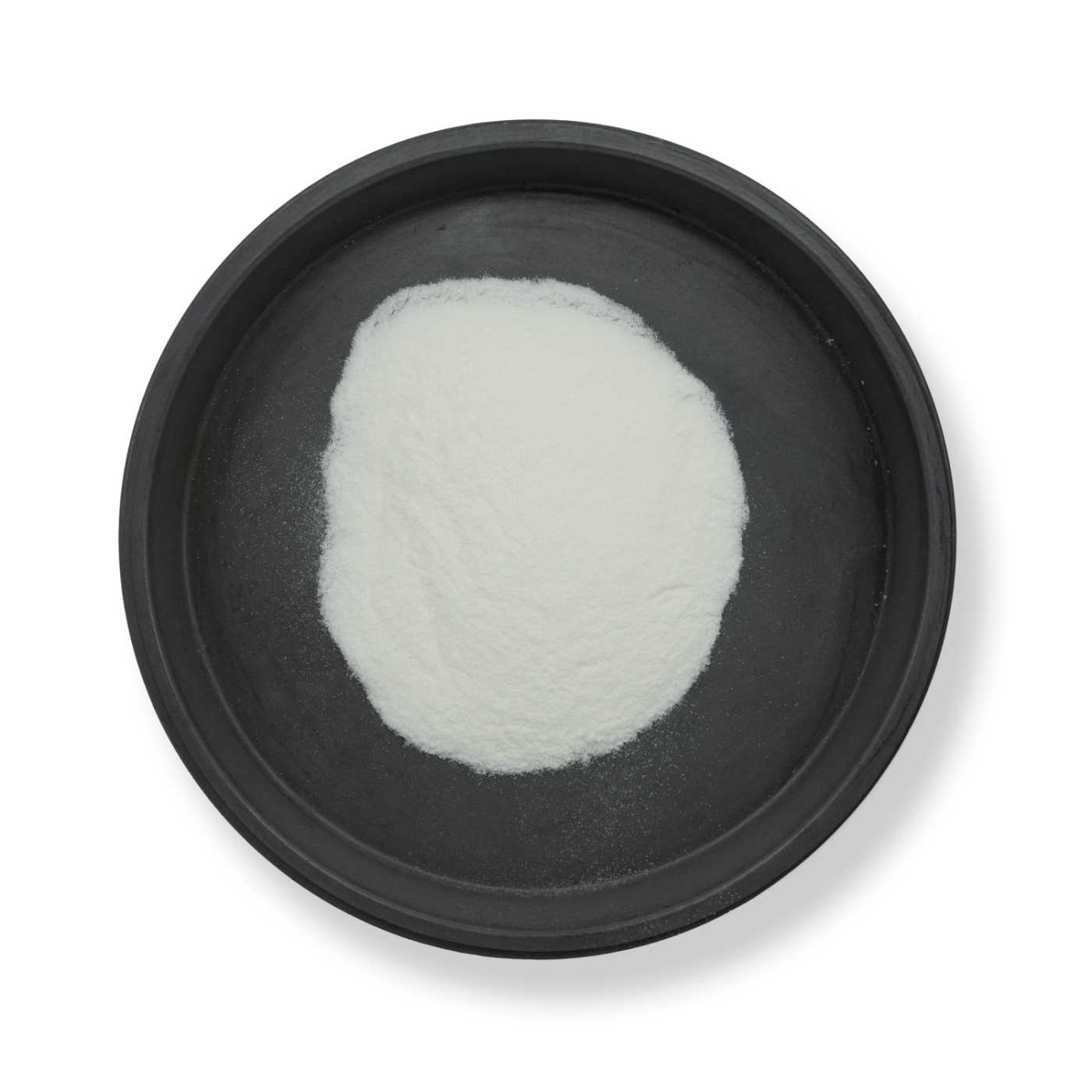
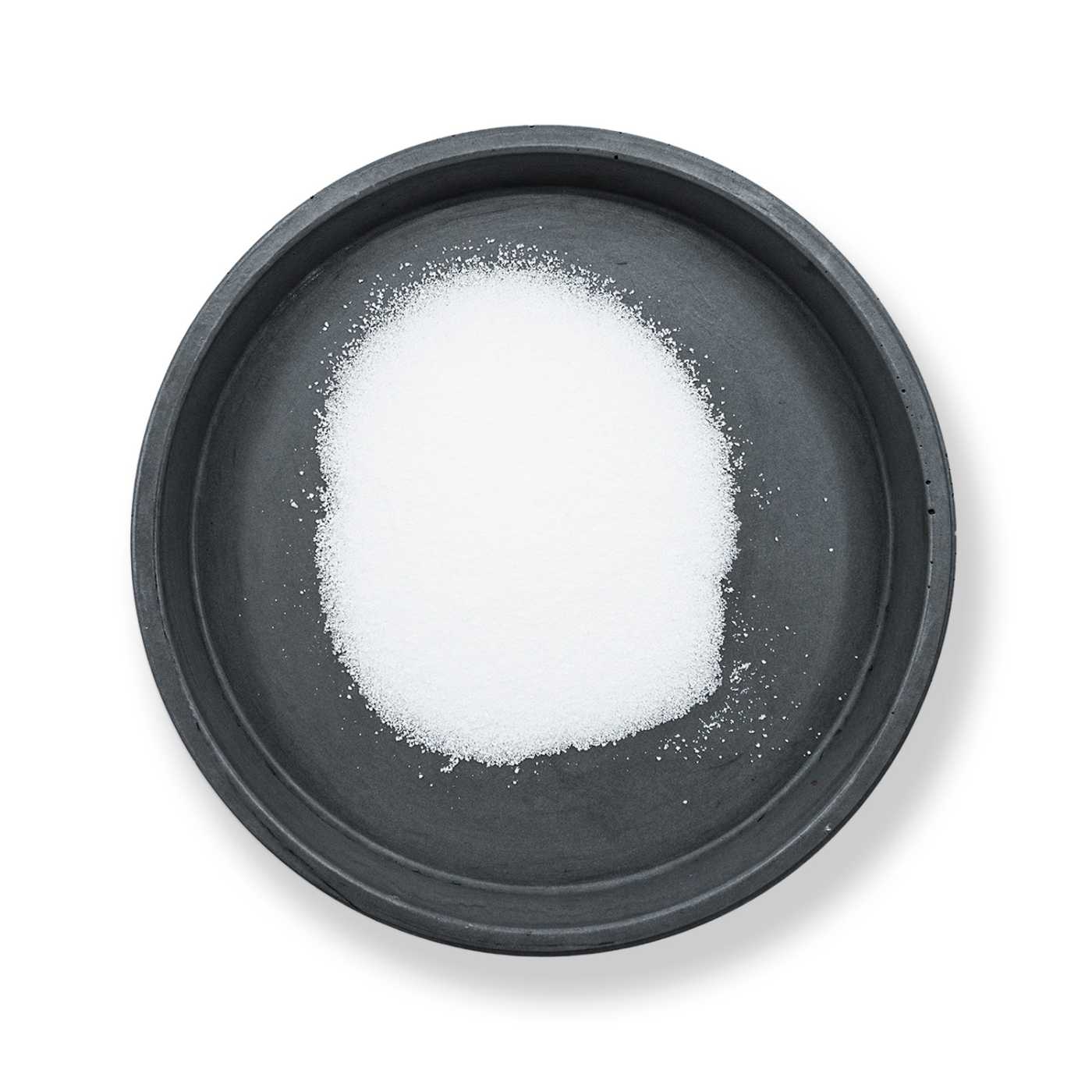
The powder contains at least 98% resveratrol. It is white to beige and has a characteristic odour. Slight differences in shade between batches within this range are not a defect.
In emulsions for mature and dehydrated skin, resveratrol is combined with niacinamide, squalane, rice germ oil and ceramides.
In the manufacturer’s studies, it also inhibited the growth of bacteria and moulds. However, it does not replace a preservative, and a product with a water phase must be preserved as usual.
The ingredient is subject to the CLP Regulation and is labelled with the GHS07 pictogram. When handling the powder, avoid contact with the skin and eyes, use protective equipment and wash your hands after work.
Frequently asked questions
Is resveratrol soluble in water?
Resveratrol is only partially soluble in water and dissolves well in alcohol. Powder sprinkled directly into water leaves undissolved particles and sediment. Before adding it to a product, first dissolve or disperse it in ethanol, propylene glycol or glycerine. It is easiest to process in an emulsion, for example in a cream or face lotion.
How do you add resveratrol to a cream?
Resveratrol is added to a cream at the end of production, once the emulsion has cooled below 40 °C. Mix the powder in advance in a small amount of glycerine, propylene glycol or ethanol, and stir this mixture into the finished emulsion. The finished cream should have a pH in the range of 3–7, as resveratrol decomposes quickly in an alkaline environment.
What is the usage rate of resveratrol in cosmetics?
The recommended usage rate of resveratrol is 0.1–1% of the product weight. In face lotion recipes for mature skin, 1% is used. The powder contains at least 98% resveratrol and has no carrier, so for 100 g of cream you weigh in 0.1 to 1 g of the ingredient.
Why does resveratrol need to be protected from light?
Resveratrol decomposes quickly in light and converts to the less desirable cis form. During production, work without unnecessary lighting and fill the finished product into opaque packaging that protects against UV radiation. Adding vitamin C or BHT does not significantly improve its stability. Heat does not harm it during normal processing.
Can resveratrol replace a preservative?
No, resveratrol does not replace a preservative. In the manufacturer’s studies, it did limit the growth of some bacteria and moulds, but this is not enough for the microbiological protection of the finished product. Creams, lotions and serums with a water phase must be preserved in the same way as without it.
What can resveratrol be combined with?
In emulsions for mature and dehydrated skin, resveratrol is combined with niacinamide, squalane, rice germ oil and ceramides. It tolerates an acidic to neutral environment. It is not suitable for alkaline products or for formulations with strong acids, alkalis and oxidising agents.