+421 950 333 113info@handymade.store−10 %Shop now

Candle fragrance oils

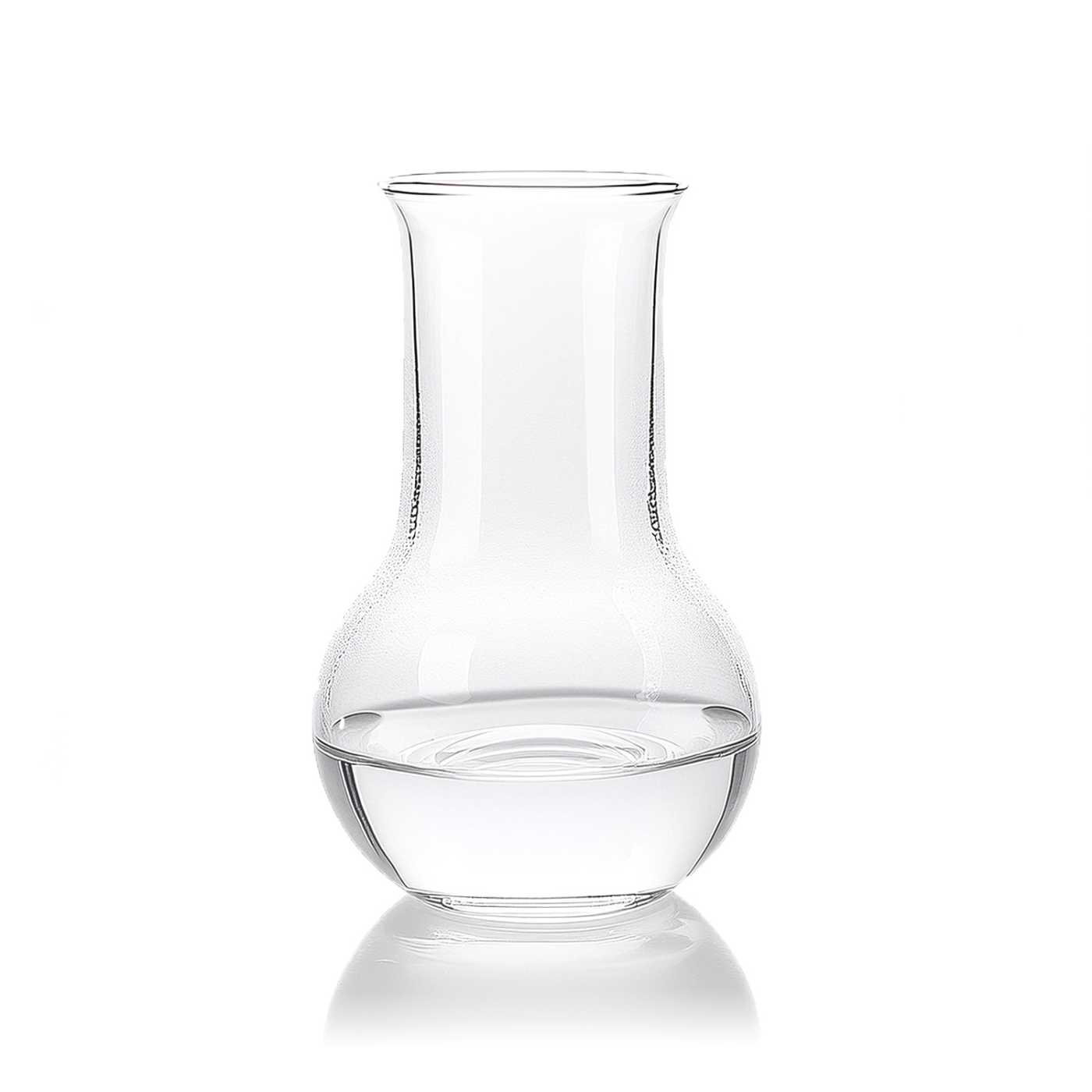
Rosa centifolia Essential Oil 100 %, 5 ml

The scent of rose in distilled form, free of solvents and carriers. Cabbage rose essential oil is obtained by hydrodistillation of the flowers of Rosa x centifolia, known in perfumery as Rose de Mai, and is supplied as… full description

AvailabilityIn stock · 6 packs
Product codeEON111_5
Batch25-RK-RDEMAIEO-0825
Best before08/2028
€69.99incl. VAT€13,998.00/l

Lowest price in the last 30 days: €69.99

Product description

The scent of rose in distilled form, free of solvents and carriers. Cabbage rose essential oil is obtained by hydrodistillation of the flowers of Rosa x centifolia, known in perfumery as Rose de Mai, and is supplied as a 100% pure oil of plant origin from North Africa. It is used where a rose fragrance is meant to replace a synthetic fragrance composition or to complement care for mature and dry skin: in face creams, body oils, natural-based perfumes, bath salts, soaps or in a diffuser.

The fragrance profile is sweet, fresh, warm and distinctly rosy-floral, with a light ethereal touch. In a composition it behaves as a middle to top note, so it appears fairly soon after application, and its impression lasts longer when combined with heavier base notes.


Key properties

  • Care for mature skin – rose is a traditional ingredient in products for skin that is losing elasticity and freshness. The oil is added to night creams, face oils and serums, where it complements the effect of the main active ingredients and gives the product its characteristic fragrance.
  • Toning and soothing – in formulations for dry and normal skin, rose is credited with a refreshing and soothing effect, used mainly in face toners and light emulsions.
  • Antioxidant action – the essential oil helps protect the oil phase and the skin from oxidative stress. However, it does not replace an antioxidant intended to stabilise vegetable oils, such as Tocopherol.
  • Antimicrobial effect – this is stated for rose just as for most essential oils. In a product it acts only as a supplement and does not replace the preservative system in water-based and emulsion formulations.
  • Regeneration – in body oils and in hand or lip balms, it supports the normal renewal of the skin.

Use in formulations

The oil is soluble in alcohol and in vegetable oils and does not dissolve in water. In anhydrous products (body oil, balm, massage oil), it is enough to stir it into the oil phase at room temperature. In emulsions, it is added only in the cooling phase, when the mixture is below 40 °C, or it can be worked into the finished cream afterwards by brief stirring. At a higher temperature, part of the volatile components would evaporate and the fragrance would weaken.

For toners, facial waters and water-based sprays, it must first be dissolved in alcohol or in a solubiliser, otherwise it will float on the surface and the dose on the skin will not be even. In bath salts and bath bombs, it is mixed into the dry blend so that it is distributed evenly.

The scent of rose is intense and easily overpowers the other ingredients in a blend. When building a composition, start with a smaller share and fine-tune the usage rate after leaving it to rest for a few days, once the fragrances have blended.

In candles and diffusers, the scent impression is what matters most. In candle wax, it is added as late as possible before pouring, at the lowest possible temperature, so that as little as possible evaporates from it. Soap bars are also among the suitable uses.


Suitable for products such as

  • Face creams, serums and oils for mature and dry skin.
  • Face toners and hydrating facial products.
  • Body oils, lotions, hand creams and lip balms.
  • Natural-based perfumes, colognes and solid perfumes.
  • Bath salts, bath bombs, shower gels and soap bars.
  • Hair products and scalp products.
  • Intimate hygiene products and children’s cosmetics within the relevant IFRA categories.
  • Candles, diffusers and aromatherapy blends.

Good to know

The usage rate in cosmetics is governed by the IFRA limits for the specific product category. The limits differ, for example, between a lip balm, a face cream and a rinse-off shampoo, so before formulating, check the value for the category your product belongs to. The oil contains fragrance allergens listed in Annex III of the Cosmetics Regulation, so take their content into account when composing the ingredient list of the finished product.

The substance is classified under the CLP Regulation and contains hazardous components. You will find details on classification and safe handling in the safety data sheet for the product. The essential oil must never be applied to the skin undiluted.


Difference from similar raw materials

Rose essential oil and rose absolute come from the same flowers, but they differ in processing. The essential oil is produced by hydrodistillation, the absolute by solvent extraction. The absolute has a fuller and sweeter fragrance, while the distilled oil is lighter, fresher and free of solvent residues. Rose hydrosol is the water phase from the same distillation: it contains only traces of fragrance components, mixes with water and is used as a water phase or a toner, not as a fragrance. Cabbage rose (Rosa x centifolia) is a different botanical species from damask rose (Rosa damascena), so the two oils differ in fragrance profile.


Frequently asked questions

Is cabbage rose essential oil soluble in water?
No, it does not dissolve in water. It dissolves in alcohol and in vegetable oils, so it is added to toners and facial waters via ethanol or a solubiliser, and to emulsions via the oil phase. Without these steps, it will stay on the surface of a water-based product in droplets.
At what temperature is cabbage rose essential oil added to a cream?
It is added at a temperature below 40 °C, that is, in the cooling phase of the emulsion or afterwards into the finished cream. The essential oil is a mixture of volatile components that are lost on heating, which changes the fragrance profile. Work it in only after the emulsion has formed and stir briefly.
Can I apply cabbage rose essential oil to the skin undiluted?
No, rose essential oil is always applied to the skin diluted in a carrier oil or in a finished product. It contains fragrance allergens and is classified under the CLP Regulation. Each product type has its own IFRA limit, which sets the highest safe usage rate.
What is the difference between rose essential oil and rose absolute?
The essential oil is produced by hydrodistillation of the flowers, the absolute by solvent extraction. The distilled oil has a fresher, lighter fragrance and is also suitable for cosmetics where a raw material free of solvent residues is required. The absolute is richer and sweeter in scent and is used mainly in perfumery.
Will cabbage rose essential oil replace a preservative in a water-based formulation?
No. The antimicrobial effect of rose is stated as a supplementary property, but at the usual low usage rate of a fragrance component it will not protect a water-based or emulsion product. Creams, toners and gels with a water phase need a preservative system, and we recommend verifying its efficacy with a challenge test.
Is cabbage rose essential oil suitable for candles and diffusers?
Yes, candles and diffusers are among the recommended uses. In candle wax, it is added as late as possible before pouring and at the lowest possible temperature, so that as little as possible evaporates from it. In a diffuser and in aromatherapy blends, its sweet, fresh and distinctly rosy fragrance with a middle to top note comes into its own.

Parameters

INCI
Rosa Centifolia Flower Oil
CAS No.
84604-12-6
EC number
283-289-8
Product colour
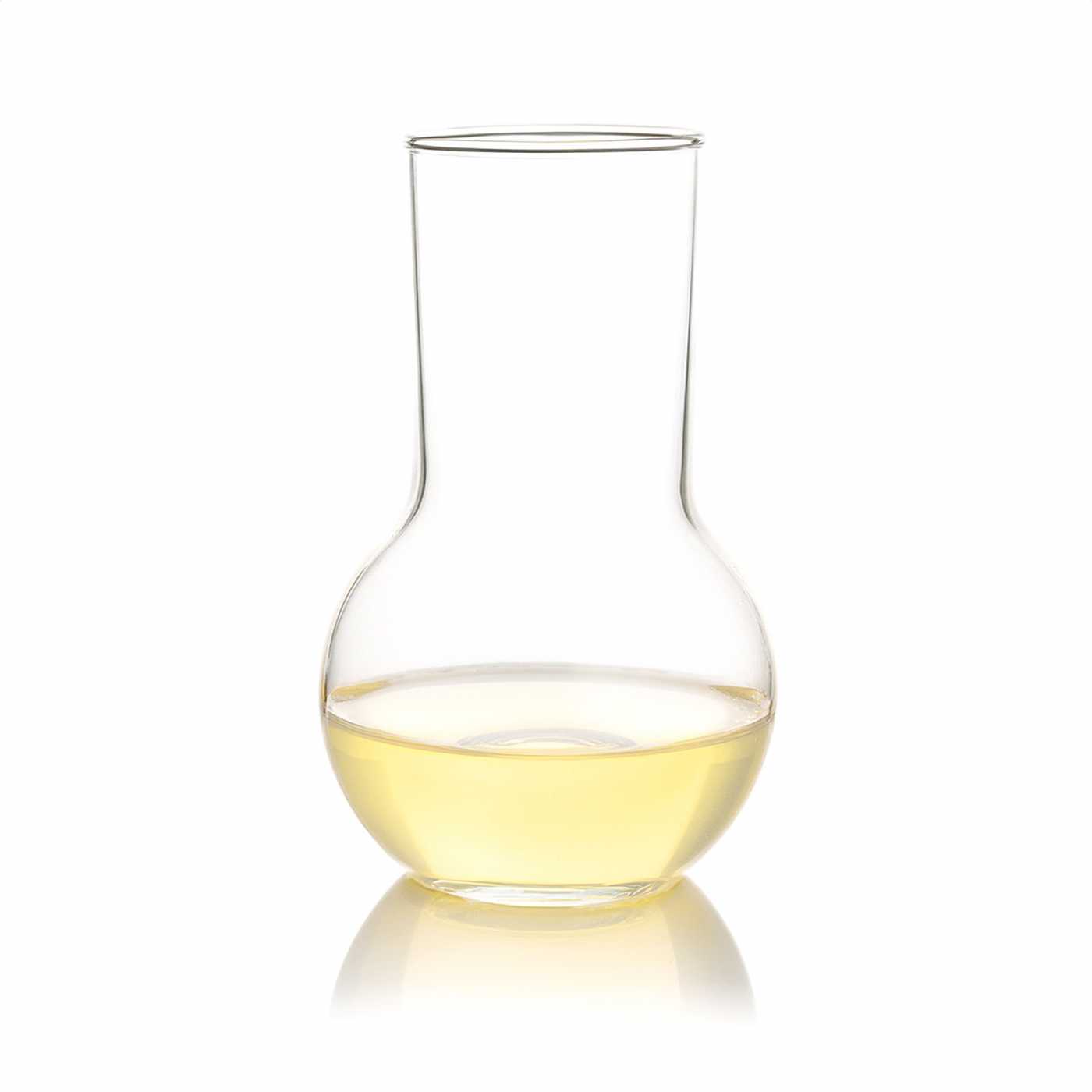
Yellow
Country of origin
Morocco
Processing method
Hydrodistillation
Odour
Floral
Appearance
Liquid
Recommended processing temperature
< 40 °C
Application type
Leave-onRinse-off
Biodegradability
Readily biodegradable
Natural Index (NI ISO 16128)
1,00
Natural Origin Index (NOI ISO 16128)
1,00
Volume
5 ml

Product documentation

CoACertificate of Analysis
batch 25RKRDEMAIEO0825PDF ↓
TDSTechnical Data Sheet
Physical parameters and processingPDF ↓
AllergensAllergen Declaration
batch 25RKRDEMAIEO0825PDF ↓
SDSSafety Data Sheet
Available for purchased products —
Download all (ZIP)

3 PDF files in one archive

REVIEWS

Verified by customers.

No reviews yet.

Only customers with a delivered order can write reviews.