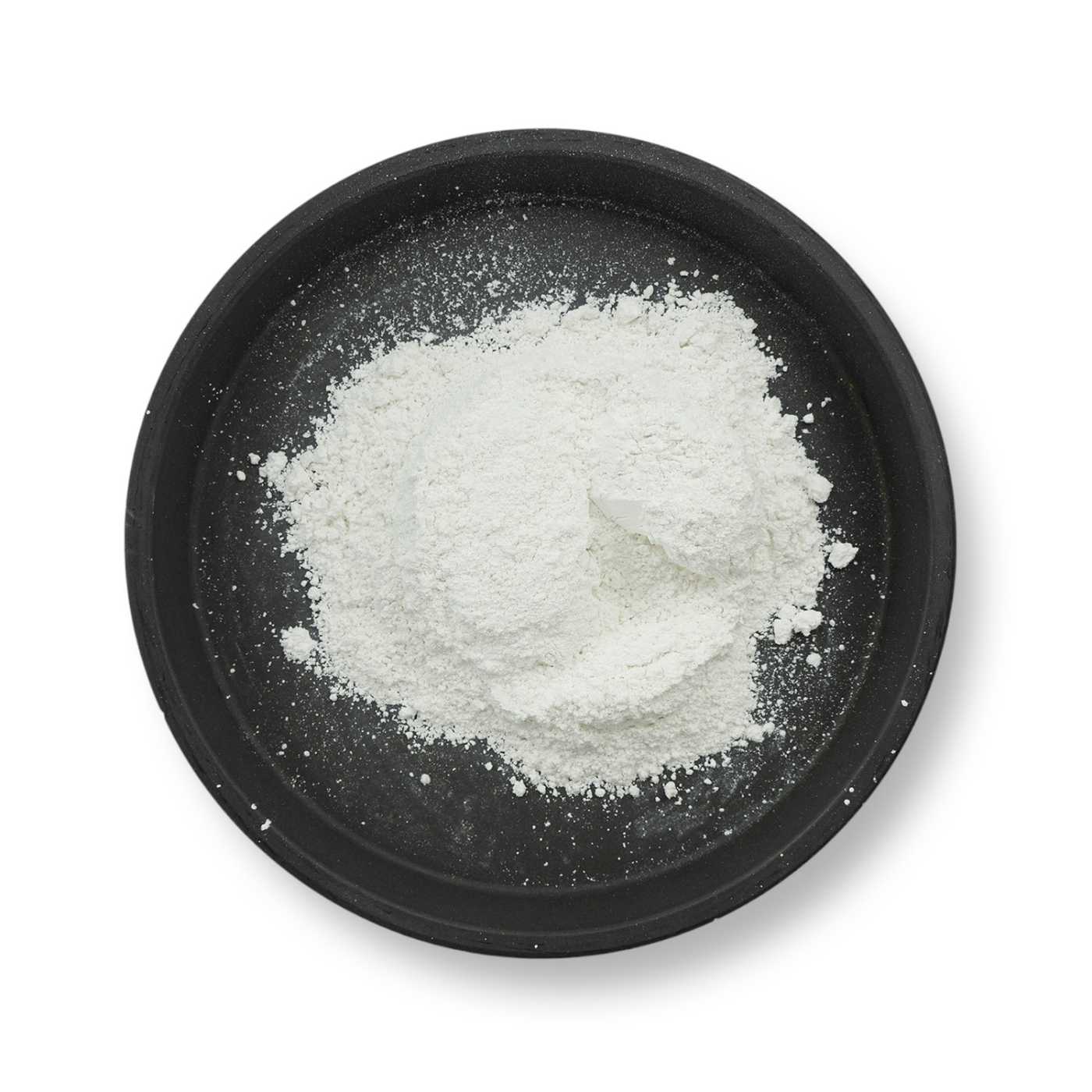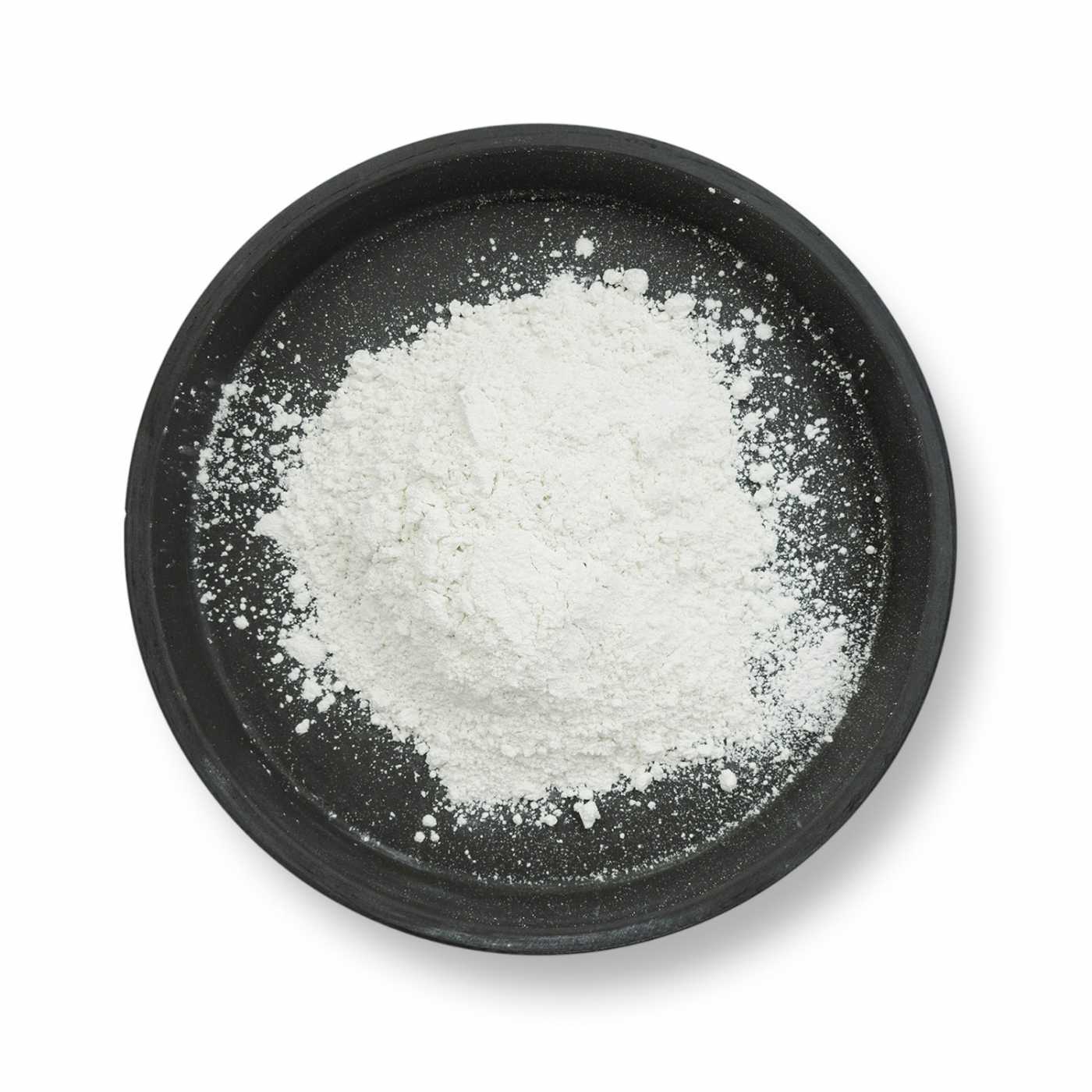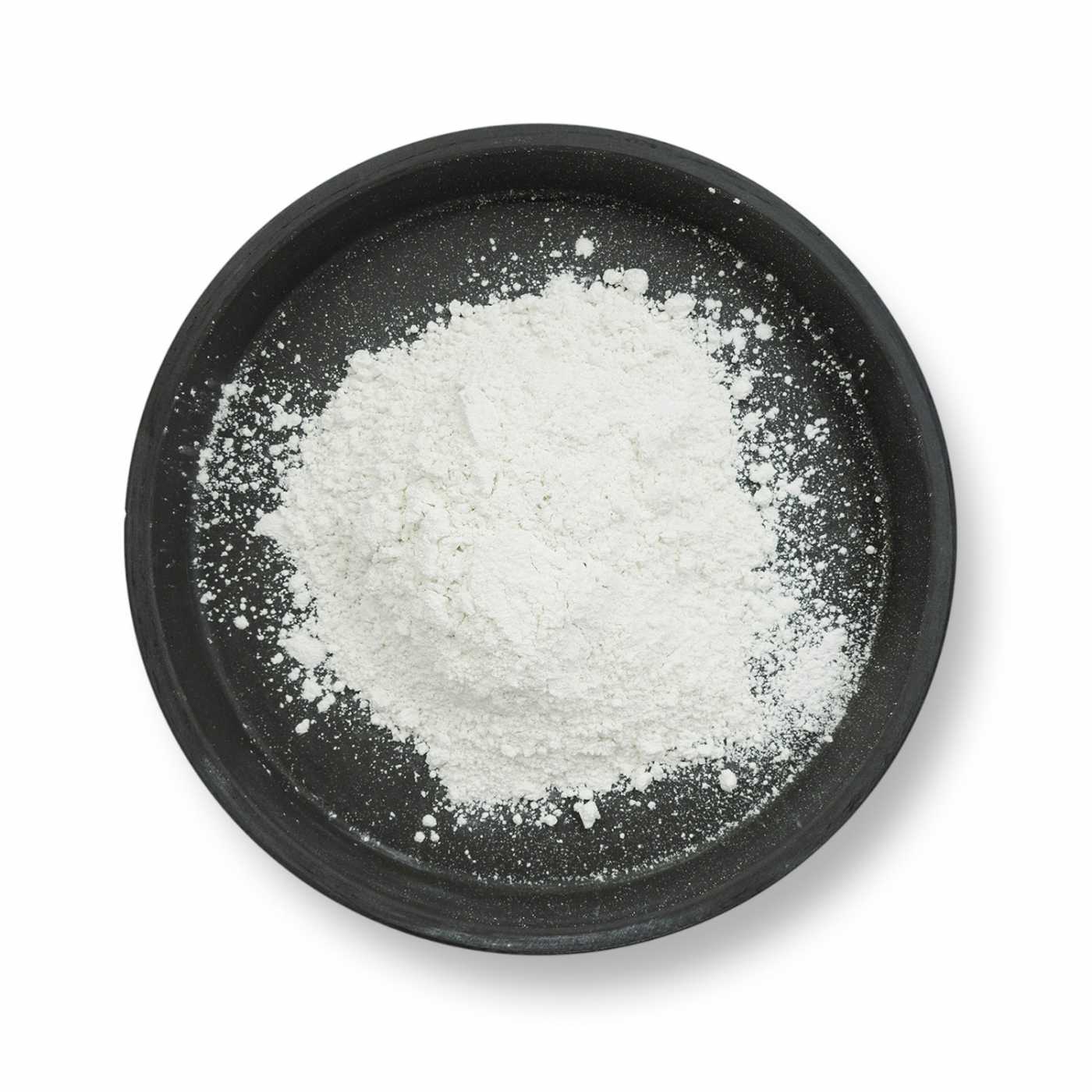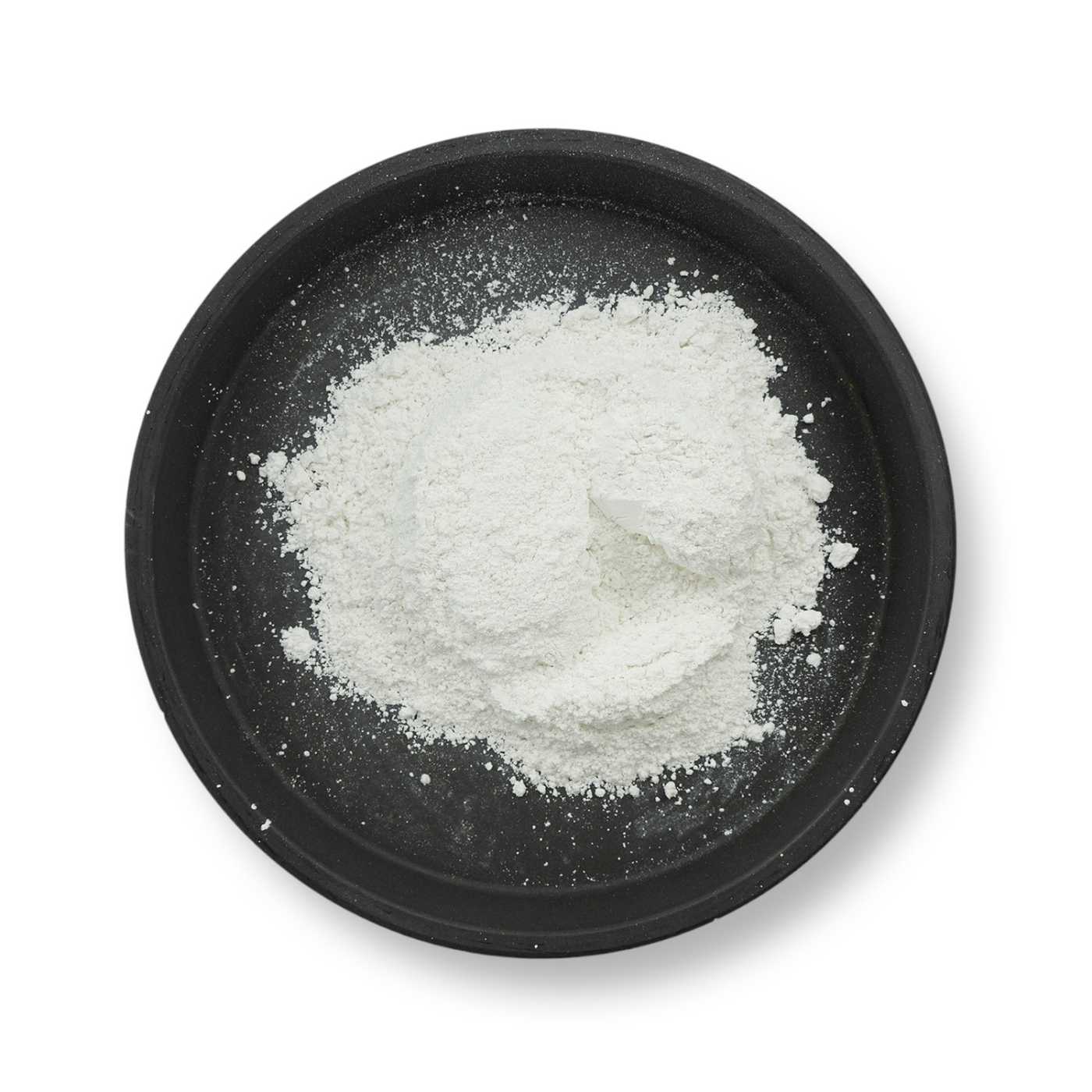
Maize Starch, 1 kg
Pre-order€7.99(€7.99/kg)

6 in stock now
4.9 out of 5 · 496 ratings
Documentation for every product
6 products in this category
Showing 6 of 6 products
Sugars and starches are natural polysaccharides with two main jobs in homemade cosmetics: sugar works as a gentle exfoliant in scrubs, while starches absorb sebum and moisture, thicken blends and give powder products a velvety texture. The range offers two cosmetic-grade starches in packs from a 100 g trial size to a 25 kg sack.
Pure rice starch is an ultra-fine powder that absorbs sebum and moisture and reduces skin shine. It is the backbone of loose powders, dry shampoos and deodorants, and even sensitive skin handles it well — it leaves a smooth, silky feel without irritation. Choose a 100 g, 500 g or 1 kg pack; for blending powders to match a skin tone exactly, have a look at the mineral make-up section too.
Corn starch binds oil and grease, helps shape blends and improves spreadability — which is why, alongside bicarbonate of soda and citric acid, it is the third ingredient of bath bombs, firming them up and softening their texture. You will also use it in baby powders, face powders and body butters to tame an oily film. Packs of 1 kg, 5 kg and 25 kg cover home crafting and production alike.
Rice starch is finer and leaves a silky, matte feel on the skin — which is why it rules loose powders, dry shampoos and deodorants. Corn starch absorbs oils better and helps shape blends, making it the first choice for bath bombs, dusting powders and powder products that need their texture held together.
Bicarbonate of soda and citric acid provide the fizz; the starch takes care of the rest: it softens and firms the bomb's texture so it presses well into the mould, and it binds the oils added during making. Corn starch is used most often — it is easy to get and fine enough.
Yes, they are among the gentlest powder raw materials there are. Both rice and corn starch absorb excess sebum without drying and leave a matte, smooth surface without any irritation — which is why they are traditionally used in baby powders, gentle face powders and dry shampoos, even on very sensitive skin.
In a dry, dark place at room temperature, always in a tightly closed container. Starches readily attract moisture from the air, which makes them clump and spoil — so never scoop the powder with wet hands, and decant larger packs into a well-sealing container or tin after opening.