Tinted lip balm — combine a caring lip balm and your favourite colours and create it with us. The resulting colour effect is very natural, this is not a highly pigmented product like lipsticks, and at the same time making a coloured lip balm is truly manageable for everyone.
About this recipe
We thank the excellent Ivana Jačalová for this procedure for making a coloured lip balm.
Are you tired of classic lip balms? Do you want to make their production more special by adding coloured mica powders or other pigments? We offer you a variation on the classic caring lip balm with the addition of mica powders. The balm is intended for creating a stick balm — it is applied directly from the tube.
Main benefits
- Natural colour effect
This is not a highly pigmented product like lipstick — the result is subtle, comparable to lip glosses.
- Easy for everyone to make
Making a coloured lip balm is truly manageable for everyone.
- Caring base
A basic blend of waxes, butters and oils — beeswax forms a protective film on the skin that prevents lips from drying out.
- A shade tailored to you
You can combine the pigments freely and mix a shade exactly tailored to your needs; a smaller amount of pigment gives a less intensely colouring product.
- No preservative
The balm contains no water and no water-based raw materials, therefore no preservative is needed.
Product properties
Key raw materials in the recipe
To make a coloured lip balm you need a basic blend of waxes, butters and oils. Sunflower lecithin is added to soften the balm. Mica powders were chosen as the colour pigment, but you can also reach for red iron oxide. Below you will find an overview of the raw materials together with an explanation of their dosage in the recipe, as well as possible substitutions and ways to tailor the product to your needs.
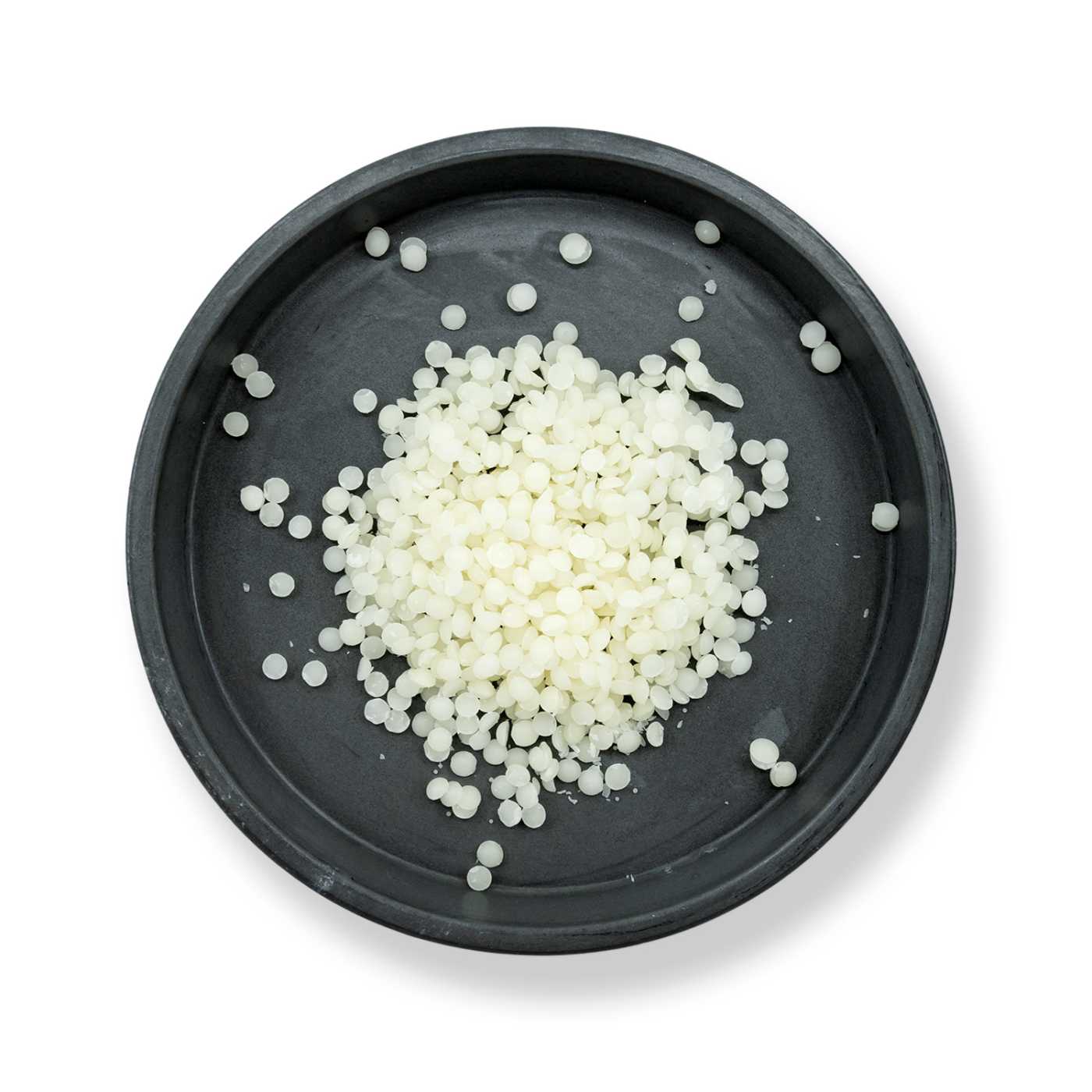
White beeswax
Wax · Hardness and protective film
An excellent basic raw material for making lip balms is beeswax. This wax provides the resulting stick balm with hardness (that is why a larger amount of it is used than in the case of a balm that is to be applied with fingers). At the same time, beeswax forms a protective film on the skin that prevents lips from drying out. We chose white refined wax, as it is free of colour and scent, and thus the pigments used, or the flavour for the balm if you decide to add it, can stand out.
Beeswax can be replaced with its natural version. For a vegan version of the coloured lip balm, almond wax is suitable, which has a similar hardness to beeswax. Alternatively, you can choose another wax for cosmetic production (do not use waxes intended only for candle making), however each wax has a slightly different melting point and hardness, which can affect the firmness of the stick balm and its application.
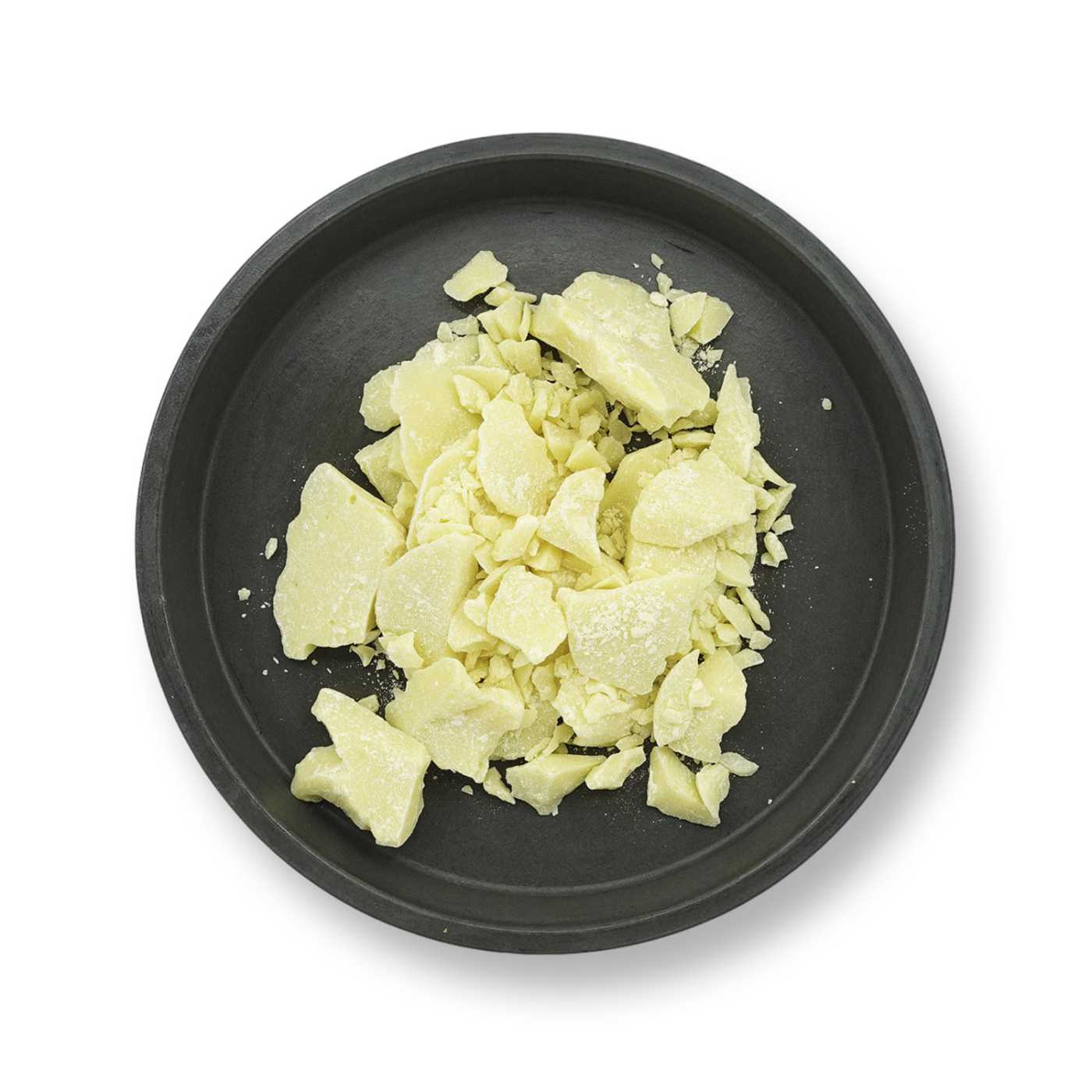
Cocoa butter, unrefined
Butter · Melts at skin temperature
Do you know why cocoa butter is popular in lip products? The secret is hidden in its melting temperature, which is close to skin temperature. Thanks to this, the coloured balm starts to melt slightly upon contact with the lips and is easier to apply.
Cocoa butter can be replaced with other harder butters, but this will result in a change in the firmness and stiffness of the resulting balm.
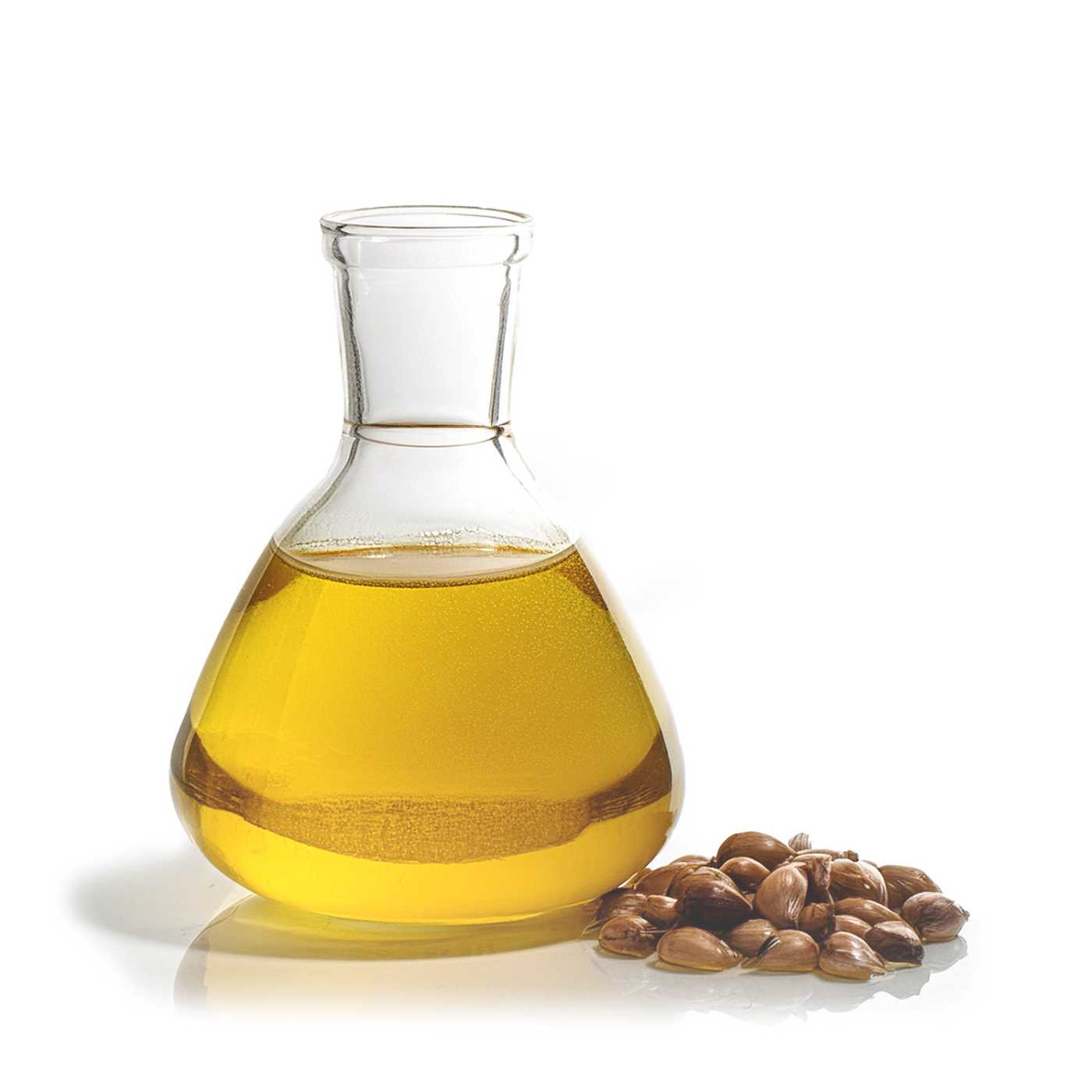
Jojoba oil
Oil · Care and texture
Caring jojoba oil combines very well with the other raw materials used in the recipe for the coloured lip balm. You will like this oil for its light colour and neutral scent. It can be replaced with other vegetable oils, or you can play with its proportion — a higher oil content will create a softer lip balm with a creamier texture.
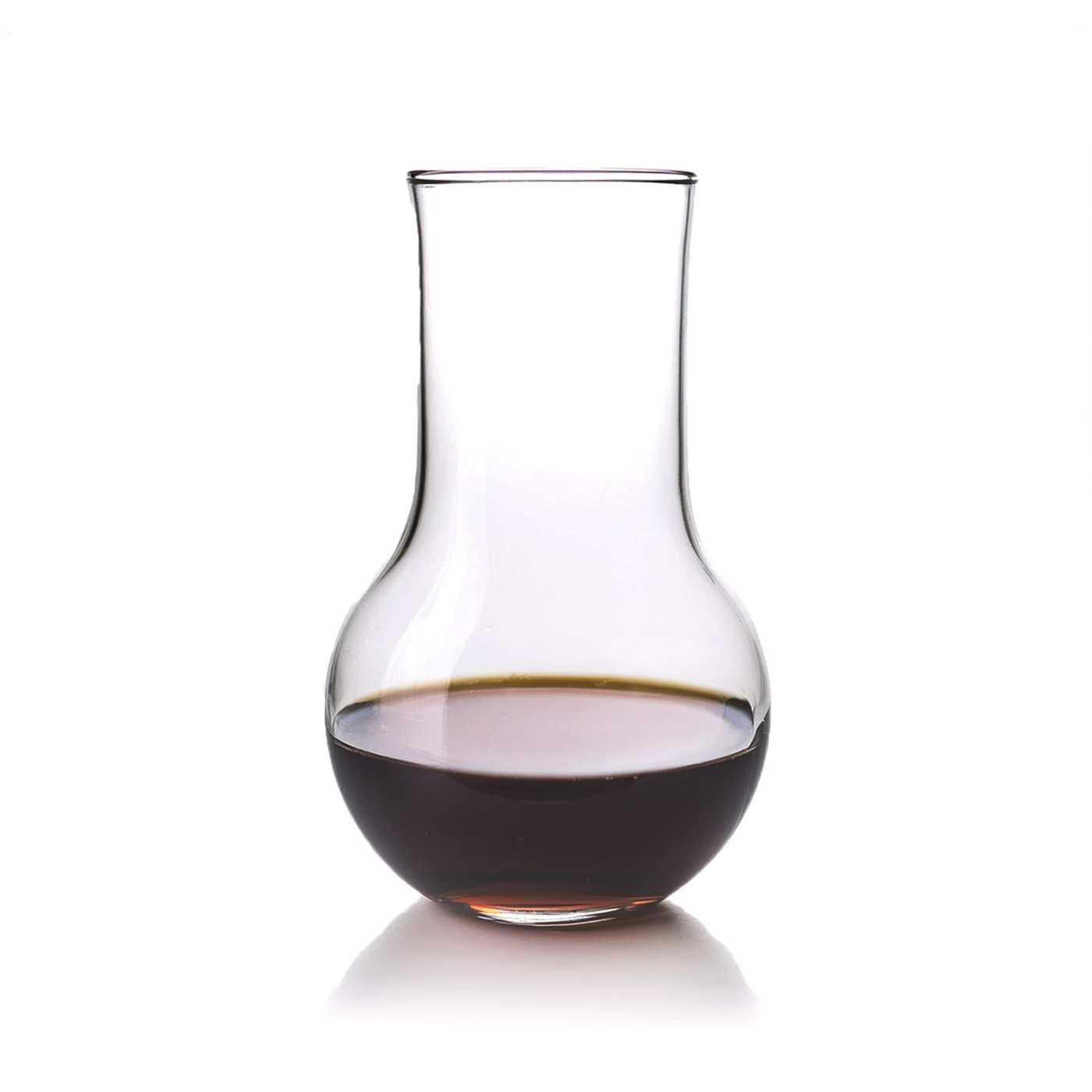
Sunflower lecithin
Caring ingredient · Smoother texture
A caring raw material that provides protection to the skin of the lips and at the same time facilitates application on the lips is sunflower lecithin. This raw material is not an essential part of the recipe, you can also omit it, but thanks to it the products have a smoother texture, and lecithin helps to hydrate the lips and leave them soft. An alternative to this raw material is soy lecithin.
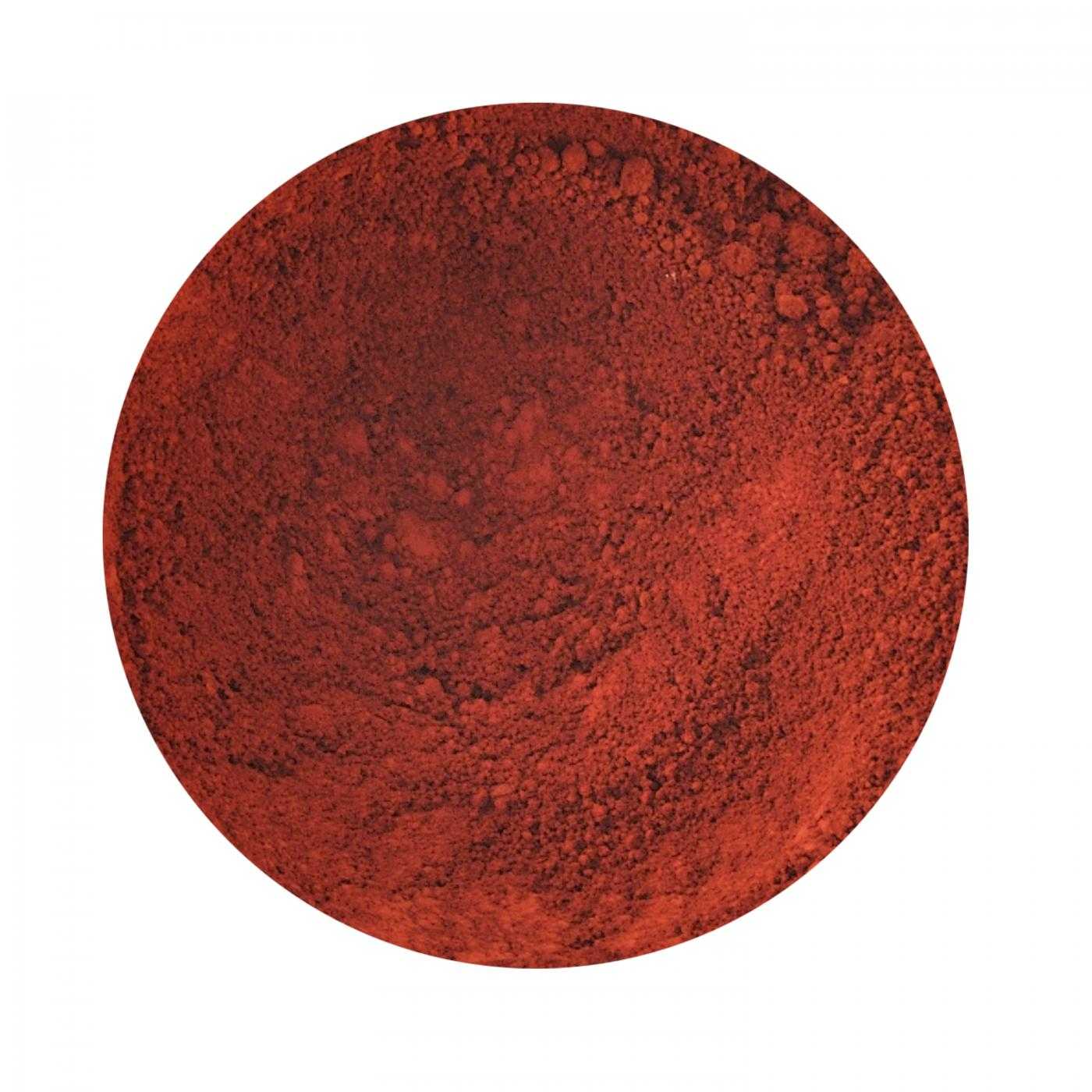
Pigment
Mica powders and oxides · Colour shade
To obtain a coloured lip balm, it is necessary to add a pigment. This can be, for example, a mica powder or iron oxide. You do not have to use only one type of pigment, feel free to combine several and mix a shade exactly tailored to your needs.
In our case, we used three different pigments to make the lip balm, namely the mica powder Frosty Rose Petal, Coppery Blush and red iron oxide. After application of each of the prepared balms, the colour result is subtle, these are not highly pigmented products like lipstick. However, iron oxide provided a slightly more intense colour after applying the balm than the mica powders, but it was still a weaker colour effect, comparable to lip glosses.
Formulation (100 g)
The formulation is given in percentages by weight — with a basic batch of 100 g, the percentages correspond directly to grams. All the raw materials form a single phase A, which is melted and mixed in a water bath. A standard lip balm tube holds approximately 5 g of the finished product.
Shop the ingredients for this recipe
Untick what you already have- White Beeswax, pellets, 100 guses 19.95 gin stock€4.19
- Cocoa Butter, Natural Unrefined, 100 guses 33.75 gsold outWatch availability€6.99
- Jojoba Oil, Cold Pressed, Organic, 100 mluses 42.55 gin stock€7.34
- Sunflower Lecithin, Liquid, 100 guses 1.75 gsold outWatch availability€5.24
- Iron Oxide, Red, 10 guses 2 gin stock€1.14
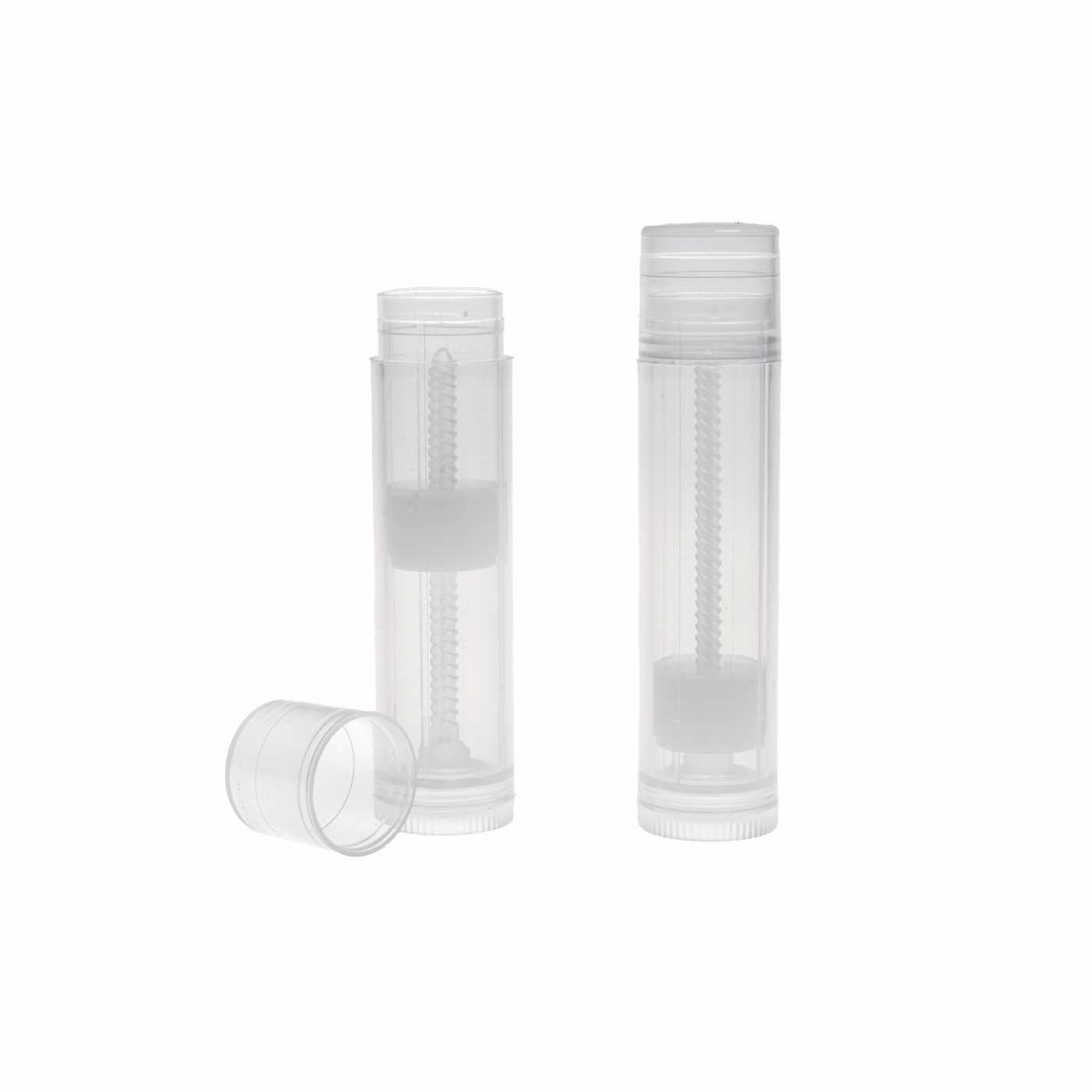 Lip Balm Tube, plastic, clearrecipe uses 1 ksin stock€0.62
| Phase / raw material | Content |
|---|---|
| Phase A | |
| Beeswax, white | 19,95 % |
| Cocoa butter, unrefined | 33,75 % |
| Jojoba oil | 42,55 % |
| Sunflower lecithin | 1,75 % |
| Mica powder / red iron oxide | 2,00 % |
| Packaging | |
| Lip balm container, transparent | 1 pc |
Method
- Disinfection
Before use, disinfect all tools, containers and vessels, for example by spraying with ethanol.
- Weighing out the raw materials
Weigh out all the raw materials into a heat-resistant vessel.
Phase A - Melting in a water bath
Place the vessel into a water bath and heat until the waxes are melted and all the raw materials are thoroughly mixed.
water bath - Filling and setting
Pour the still liquid mixture into the prepared containers for lip balms. Leave to set (ideally for 24 hours).
24 hours - Done
The product is ready for use.
Tips and tricks
Below you will find a few pieces of advice and tips on how to make the production of a coloured lip balm easier or more special. Let our advice inspire you and make a balm exactly according to your ideas.
When making a coloured lip balm, you can reach for any mica powder. You can also change its amount — if you want a less intensely colouring product, add a smaller amount and vice versa.
If your coloured lip balm seems too soft or melts during hot days, you can increase the proportion of wax. Conversely, if you want a softer balm, add 1–2 % jojoba oil at the expense of beeswax. If you want to make a vegan product, reach for example for almond wax.
When pouring, you can tie the lip balm tubes together with an elastic band or place them in a smaller glass so that they do not tip over during pouring. Pour the coloured balm completely to the top — during cooling, a small cavity can form in the middle of the balm. You can also cover this later by topping it up with a small amount of balm.
It is advantageous to work with amounts of at least around 15 g to make pouring and weighing easier. Alternatively, you can prepare a balm base without pigment and then take from this base as needed and melt it again in a water bath together with the selected pigment.
In the coloured balm we do not use water or any water-based raw materials, therefore no preservative is needed. If you want to extend the shelf life of the oils and butters, add 0,5 % tocopheryl acetate (vitamin E) before pouring into the tube. Do not use tocopherol, as it has poorer tolerance to higher temperatures and can decompose.
You can also add flavours to lip balms (in the amount recommended by the manufacturer). Add them only at the end, just before pouring into the tube. Avoid fragrance oils and use only essential oils that are explicitly indicated as suitable for use on lips. You can find the information in the IFRA standard for the individual oils.
Before washing the tools and vessels used for the production, try to wipe off as much as possible of the remnants of the coloured balm using a paper towel. Then wash the tools in a dishwasher or by hand with a common dishwashing detergent.
Packaging and storage
As packaging, tubes for stick lip balms are suitable. Do not use jars — the balm will be too hard to apply with fingers, it is intended for creating a stick balm. A standard lip balm tube holds approximately 5 g of the finished product.
Do not leave the finished coloured lip balm in direct sunlight. If the balm changes colour or scent, the oils and fats in it have probably oxidised. Throw away such a balm, it is no longer suitable for use, while the tube can be washed in a dishwasher.
Warning
As mentioned, you can experiment with homemade recipes to achieve the desired properties. However, the final result can be influenced by many factors, such as humidity, temperature, quality of the raw materials or their storage.
Before you use any raw material to make a cosmetic product, familiarise yourself with its properties, recommended dosage, storage conditions and safe handling. Each raw material can have the potential to trigger an allergic reaction in sensitive individuals, therefore before using the product we recommend finding out whether you are allergic to any of the raw materials or to the overall product, for example by means of a skin test.
If you have very sensitive or very acne-prone skin, or if you have other skin and health problems, we recommend that you consult a medical professional before applying a new product to the skin, whether it is a homemade cosmetic product, a pure raw material or a commercially available product.
Frequently asked questions about the recipe
Practical questions about the coloured lip balm — choosing a pigment, colour intensity, preservation, a vegan version and adjusting the hardness.
Which pigment can I use?
You can reach for any mica powder or iron oxide. You do not have to use only one type of pigment — feel free to combine several and mix a shade exactly tailored to your needs. In our case, we used the mica powders Frosty Rose Petal and Coppery Blush and red iron oxide.
Will the balm colour the lips strongly?
No — the colour result is subtle and natural, these are not highly pigmented products like lipstick. Iron oxide provided a slightly more intense colour after application than the mica powders, but it was still a weaker colour effect, comparable to lip glosses. If you want a less intensely colouring product, add a smaller amount of pigment and vice versa.
Does the coloured balm need a preservative?
No — the balm contains no water and no water-based raw materials, therefore no preservative is needed. If you want to extend the shelf life of the oils and butters, add 0,5 % tocopheryl acetate (vitamin E) before pouring into the tube. Do not use tocopherol, as it has poorer tolerance to higher temperatures and can decompose.
How do I make a vegan version of the balm?
Instead of beeswax, reach for example for almond wax, which has a similar hardness. Alternatively, choose another wax for cosmetic production (not waxes intended only for candle making) — however, each wax has a slightly different melting point and hardness, which can affect the firmness of the stick balm.
What if the balm is too hard or too soft?
If the balm seems too soft to you or melts during hot days, increase the proportion of wax. Conversely, if you want a softer balm with a creamier texture, add 1–2 % jojoba oil at the expense of beeswax.
Can I add a scent or a flavour?
Yes — you can add flavours to lip balms in the amount recommended by the manufacturer; add them only at the end, just before pouring into the tube. Avoid fragrance oils and use only essential oils explicitly indicated as suitable for use on lips — you can find the information in the IFRA standard for the individual oils.
How much balm fits into one tube?
A standard lip balm tube holds approximately 5 g of the finished product. It is advantageous to work with amounts of at least around 15 g to make pouring and weighing easier — alternatively, prepare a base without pigment and melt it with the selected pigment as needed.
Coloured lips simply suit the coming summer. Hydrated, juicy and gently highlighted — exactly the kind you will fall in love with. You will find all the raw materials from this recipe in the Handymade.sk range — powder colourants, waxes, butters and oils.