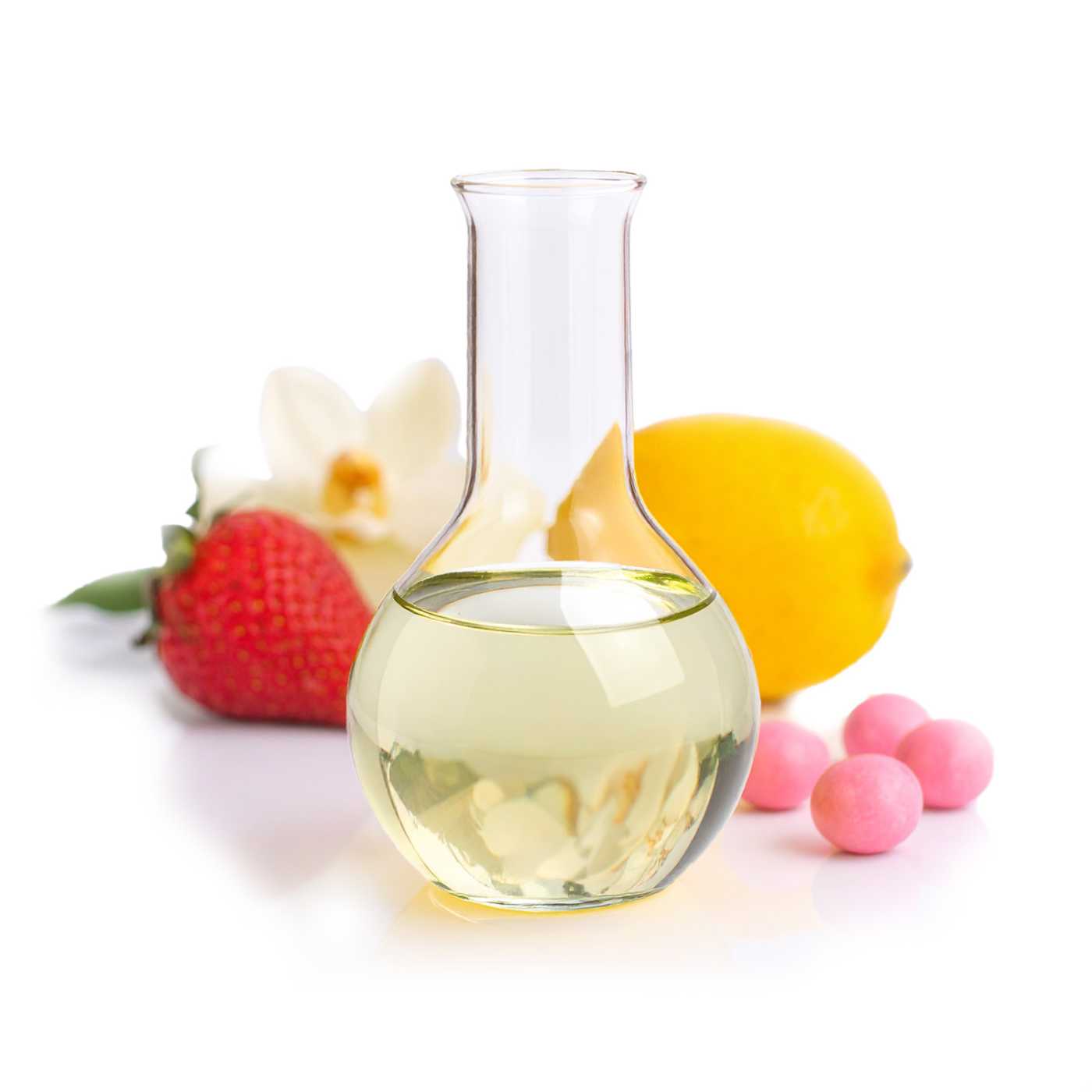
Juicy Bubblegum Fragrance Oil, 10 ml
Pre-order€1.61(€161.00/l)

FRAGRANCE OILS SUITABLE FOR LIP BALMS
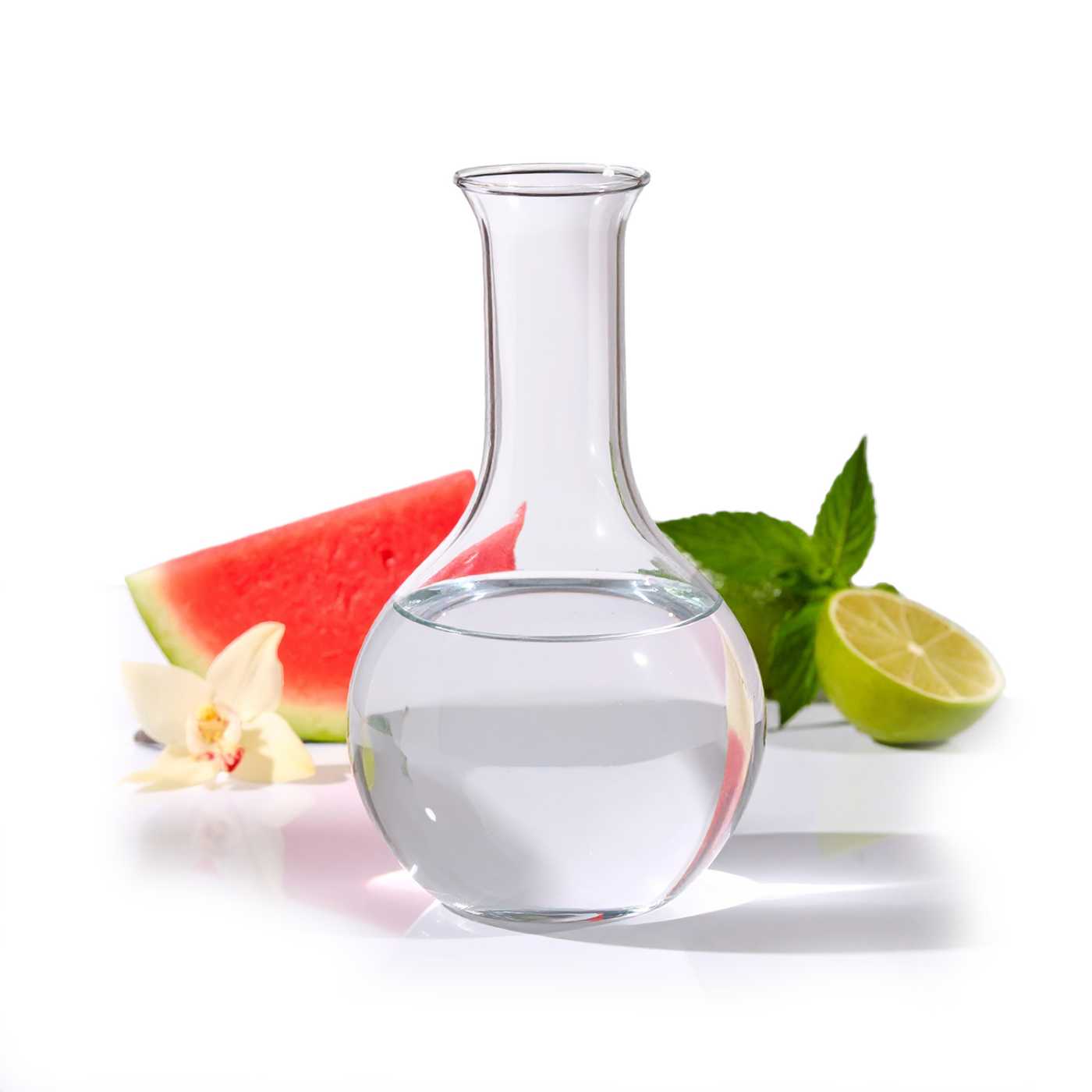
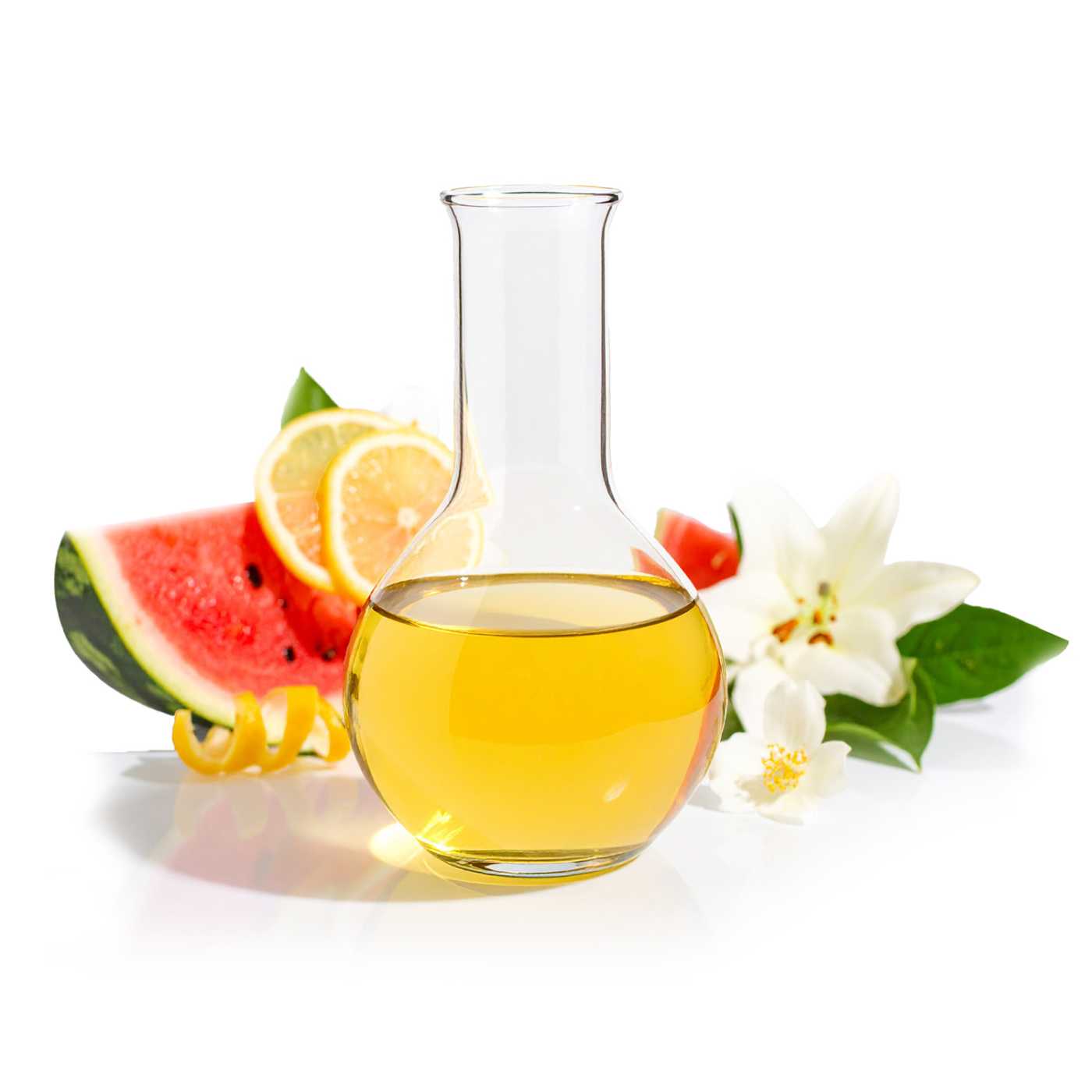
Fragrance oil, melon crush The melon crush fragrance oil is a fragrance composition designed for scenting cosmetic and household formulations – it gives them a fresh, juicy melon note that feels summery and fruity. full description
Lowest price in the last 30 days: €108.24
The melon crush fragrance oil is a fragrance composition designed for scenting cosmetic and household formulations – it gives them a fresh, juicy melon note that feels summery and fruity. Choose it when you want to give a product a clear, recognisable scent without having to build a composition from individual essential oils. In a formulation it has a single but important role – it is the fragrance component that determines the final sensory impression of the product.
It is an oil-soluble raw material, so it is naturally incorporated into the oil phase and anhydrous systems. It does not dissolve in water, which is key when working with it and determines how and when to add it to the formulation.
Fragrance oil is added only in the cooling phase or as a final addition to an almost finished product, once the temperature drops below 40 °C. A higher temperature would evaporate some of the volatile fragrance components and the scent would be weaker or distorted after cooling.
As the raw material is oil-soluble and water-insoluble, it is incorporated directly and evenly into anhydrous products (body oils, balms, ointments, bath oils). In emulsions it belongs in the oil phase or is added cold after the phases are combined. If you need to scent a water-based or clear system (toners, shower gels, bubble baths), use a solubiliser, otherwise the fragrance will separate and the product will turn cloudy.
The maximum usage rate is determined by the IFRA category of the finished product. You will find the limits for all categories, including lip products (category 1), in the IFRA certificate in the Product documentation section.
The exact usage rate varies depending on the scent intensity you want to achieve and the product you are adding the raw material to. As a guide, fragrance compositions are added at low single-digit percentages; the upper limit set by the IFRA category is always decisive.
Also suitable for lip balms. The fragrance is permitted in IFRA category 1, which covers lip products. Follow the limit of this category for the usage rate in a balm; you will find it in the IFRA certificate in the Product documentation section. A small amount is enough for lips, so start with a low dose.
You will find other fragrances that can also be used in lip products in the category Fragrance oils suitable for lip balms.
The raw material contains one or more fragrance allergens listed in Annex III to the Cosmetic Products Regulation. If the threshold values are exceeded in the finished product, they must be stated in the list of ingredients, so calculate their content in advance according to the usage rate.
Always add the fragrance cold and mix the product thoroughly after incorporating it. With hot processing, some of the fragrance components evaporate and the resulting scent will be weaker than you expected.
When working with colour-sensitive or clear formulations, we recommend carrying out a small stability test – to check that the fragrance does not change the shade, transparency or viscosity of the finished product.
Only customers with a delivered order can write reviews.