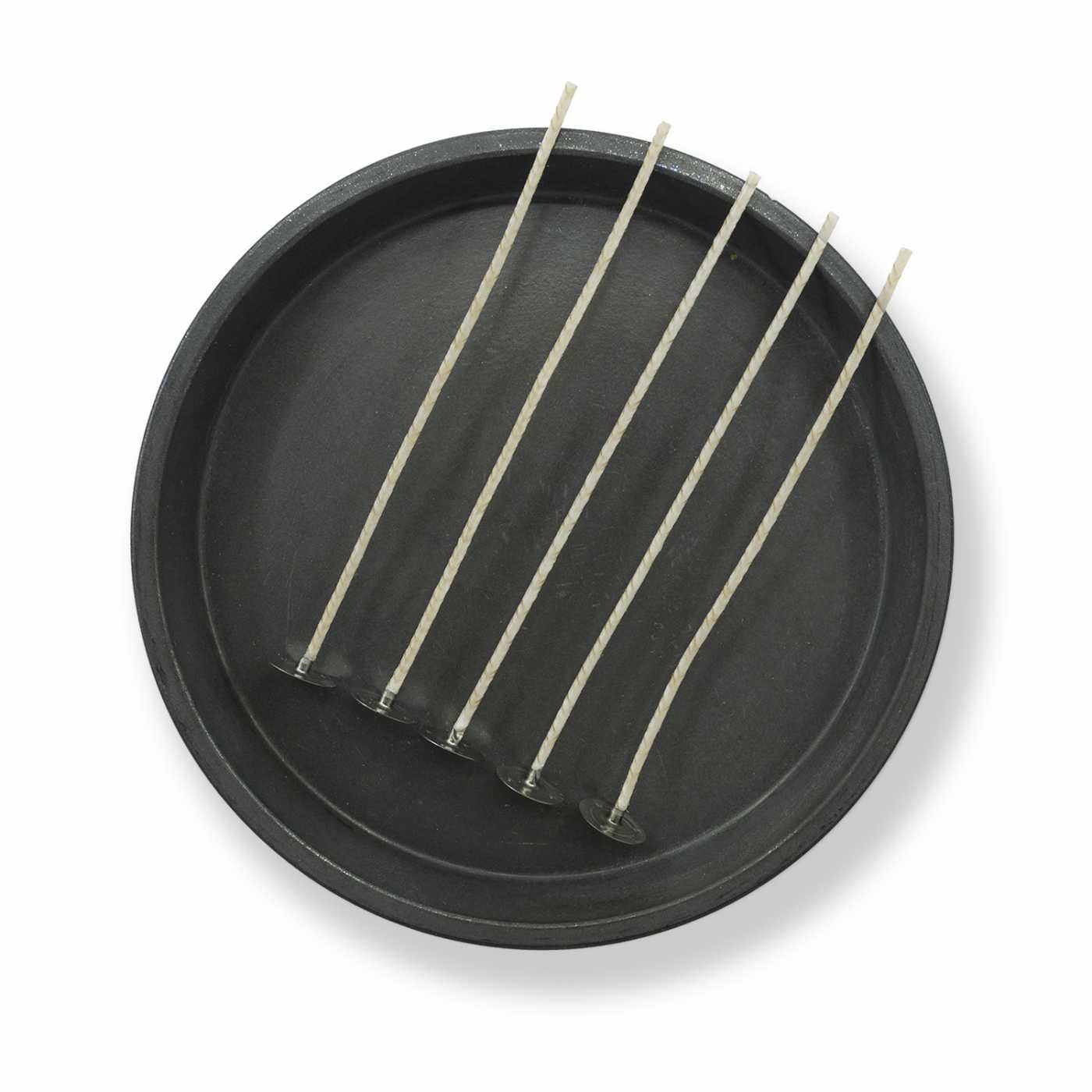
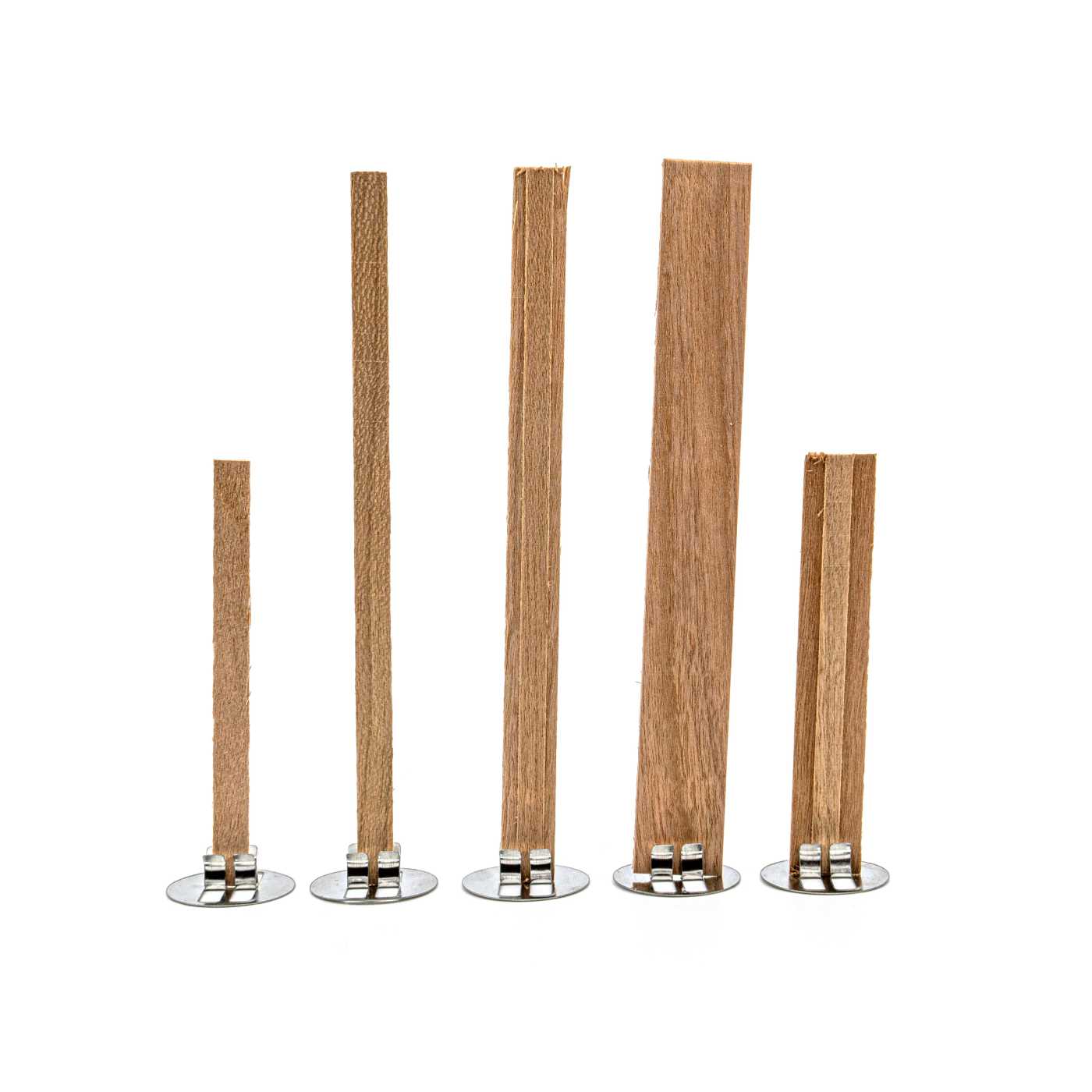
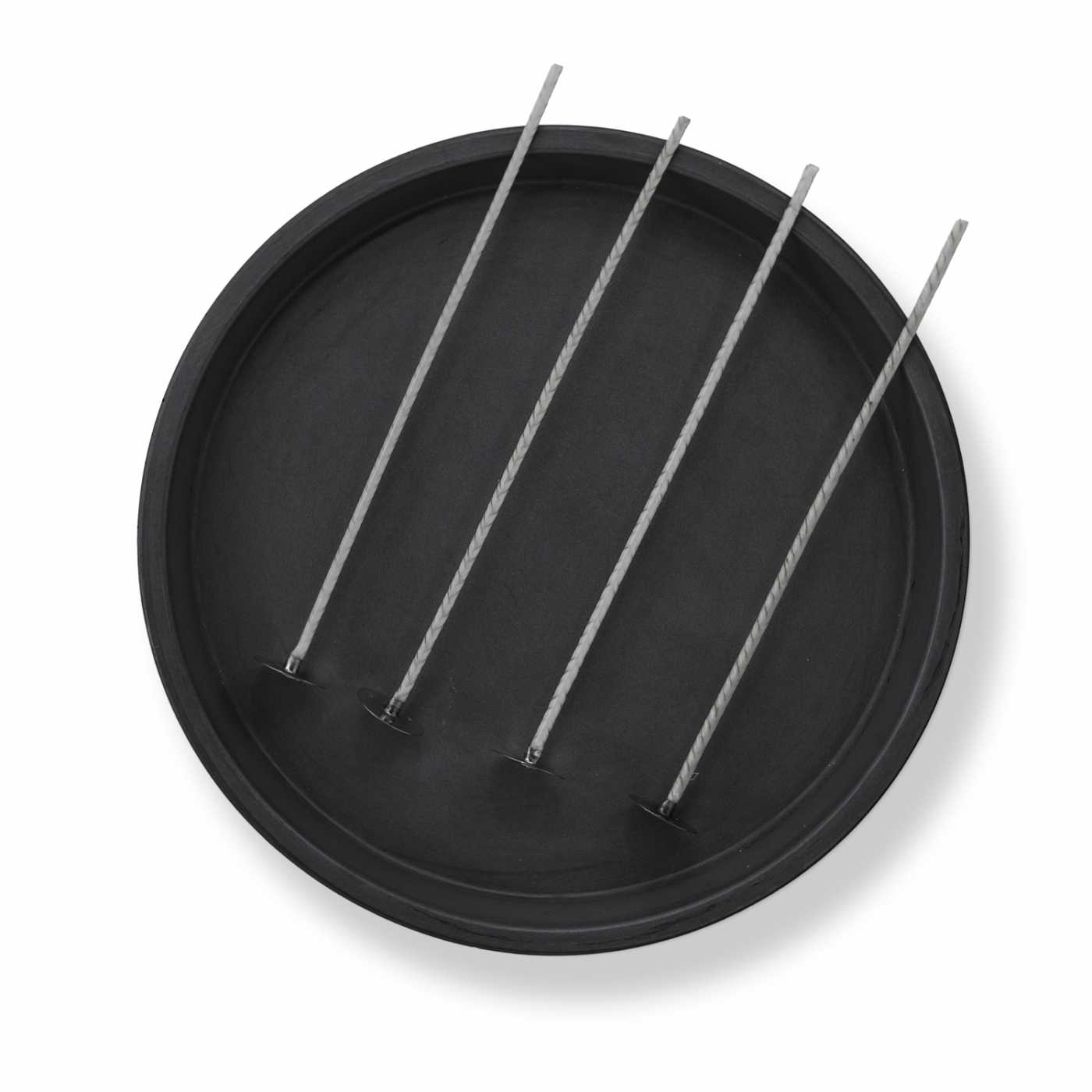
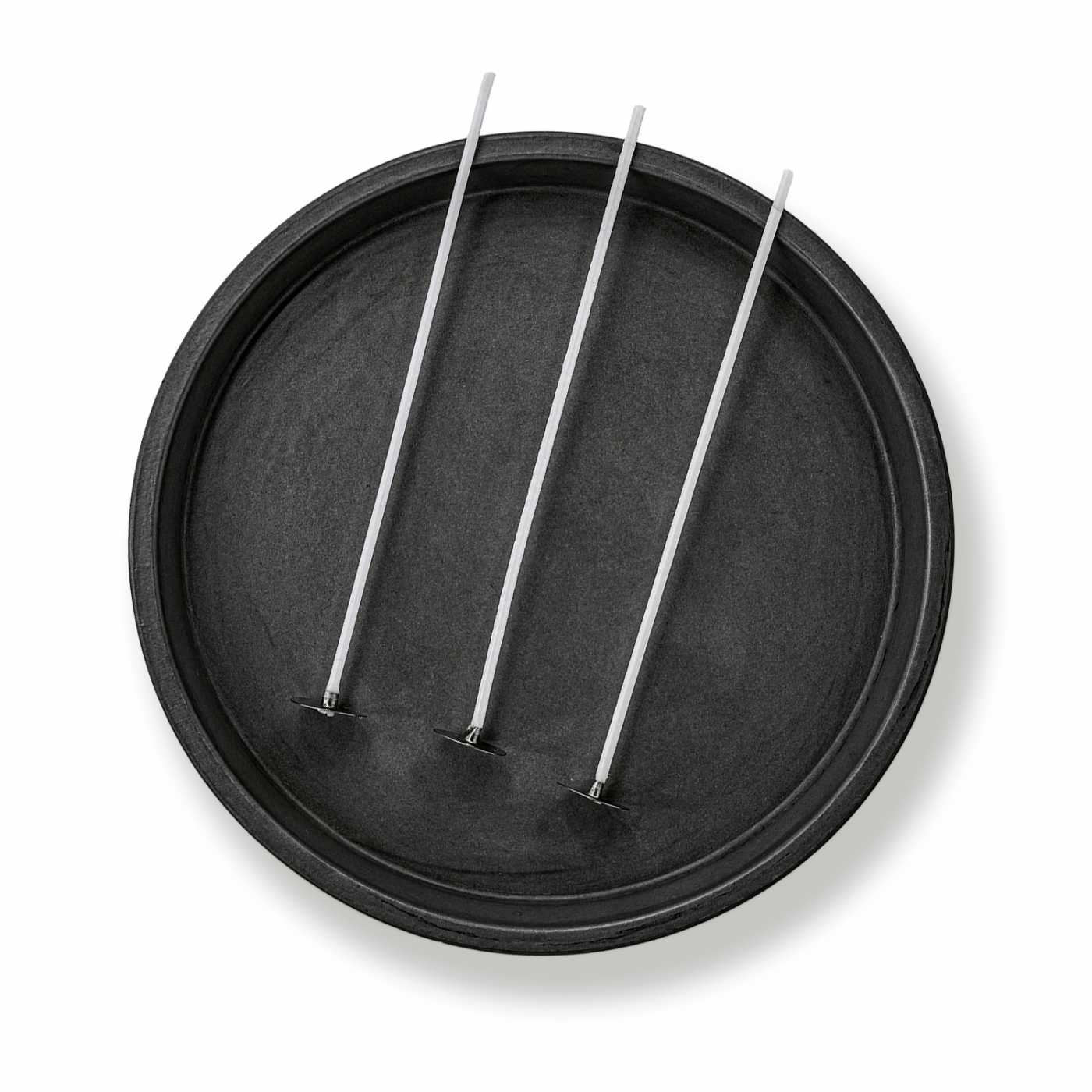
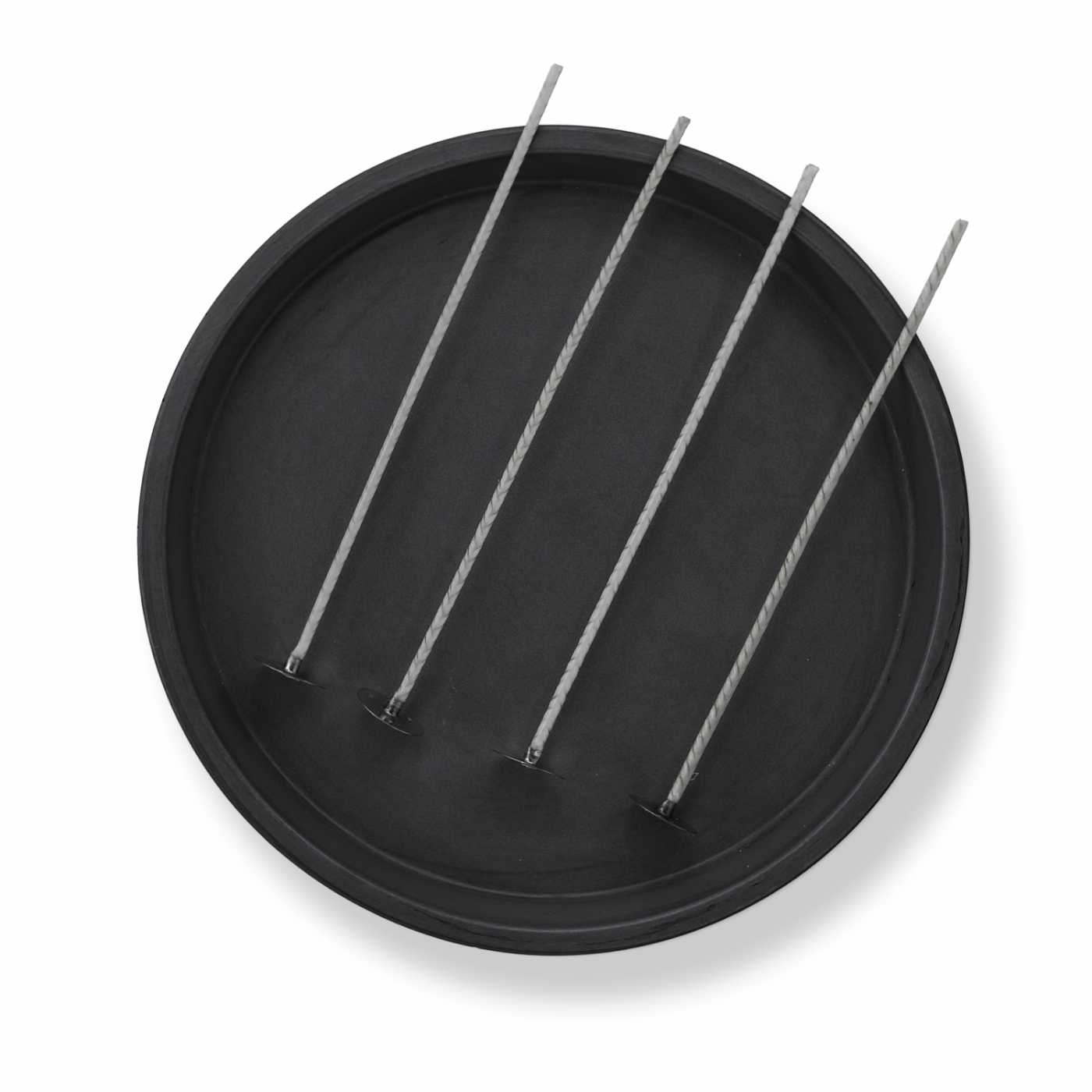
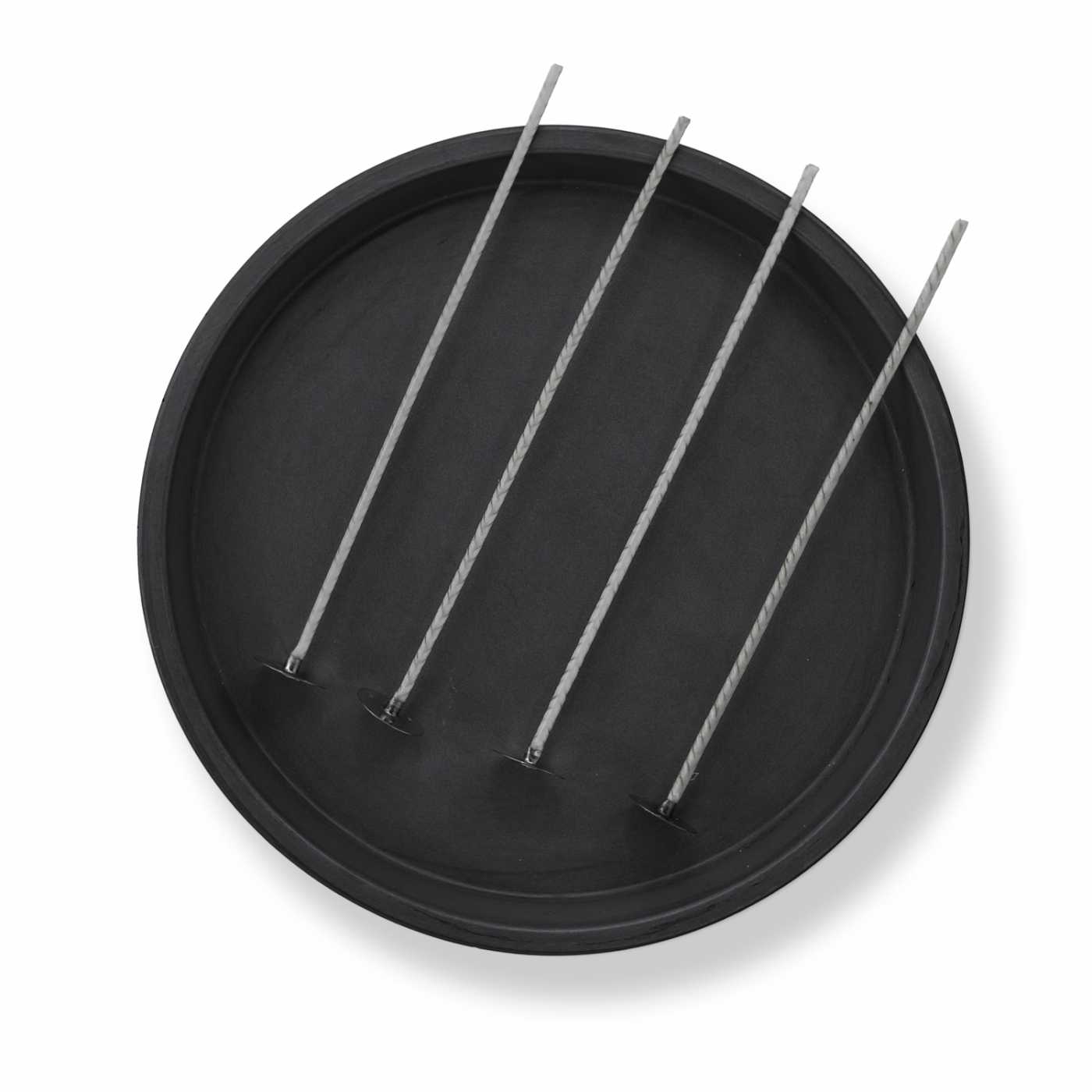
The Eko-4 cotton wick is a flat braided wick from the Eko series, designed primarily for candles made from vegetable waxes – soy, rapeseed or coconut – in glasses and jars of smaller diameter. It is one of the thinner sizes in the range and the one to choose when you need a calm, stable flame in a small candle, without sooting and without excessive mushrooming at the tip. The wick is sold by the piece and, when matched to a suitable candle diameter, it produces an even melt pool of wax all the way to the edge of the jar.
Why choose a wick from the Eko series
- Stable burning in natural waxes – vegetable waxes have a lower melting point than paraffin and their melted wax is thicker. They therefore need a wick that draws well and holds the flame even at higher viscosity. The Eko series is designed specifically for these waxes.
- Limited mushrooming – paper fibres are woven into the cotton braid to reinforce the wick. During burning the tip curls slightly into the flame and burns off, so less carbon builds up on it and the candle soots less.
- No metal core – the wick holds its shape thanks to the structure of the braid and the paper reinforcement, not a wire. No metal residue is produced during burning.
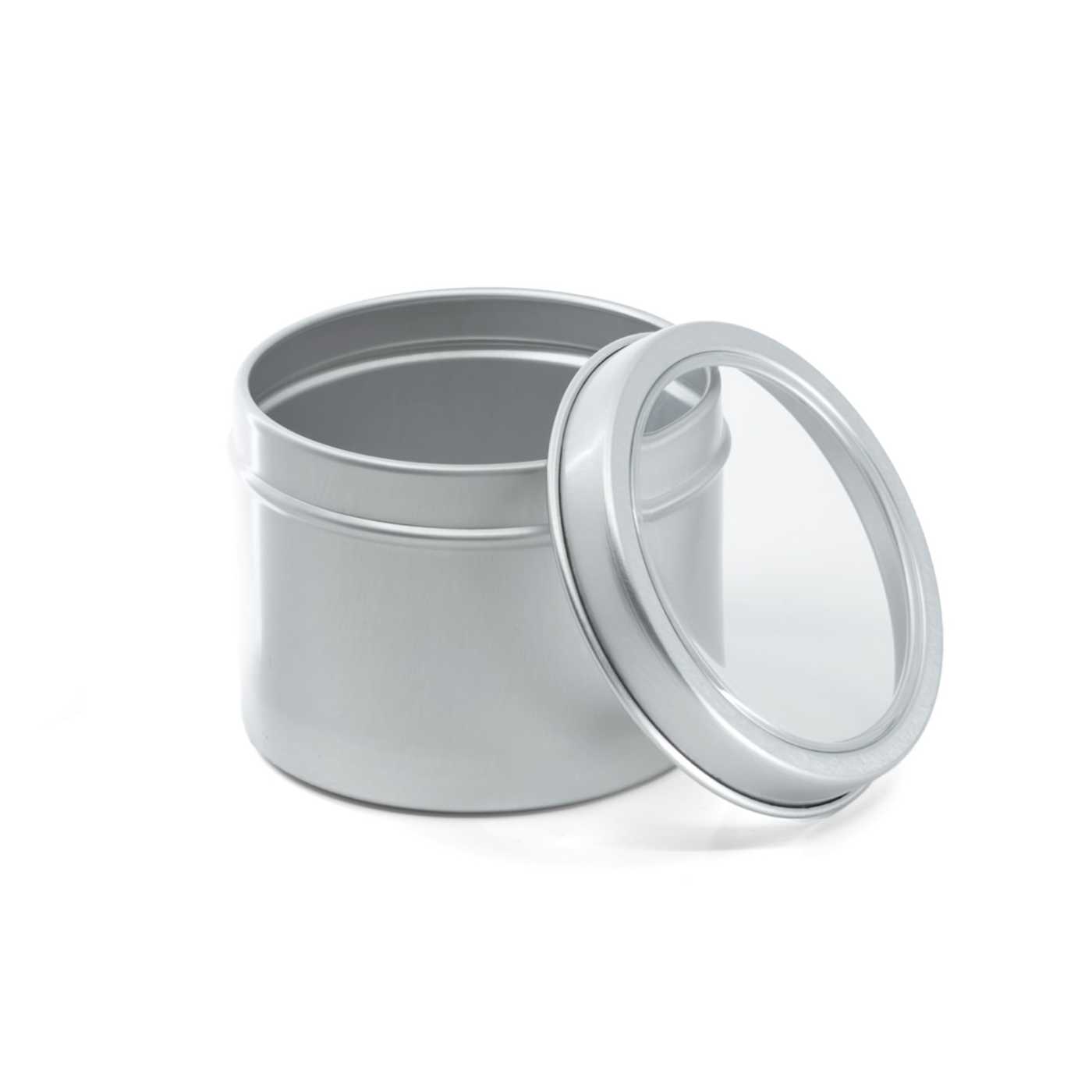
- Small diameters without tunnelling – a thinner wick in a small jar does not produce an overly large flame, yet with the right choice it melts the wax across the full width of the candle.
Use in candle making
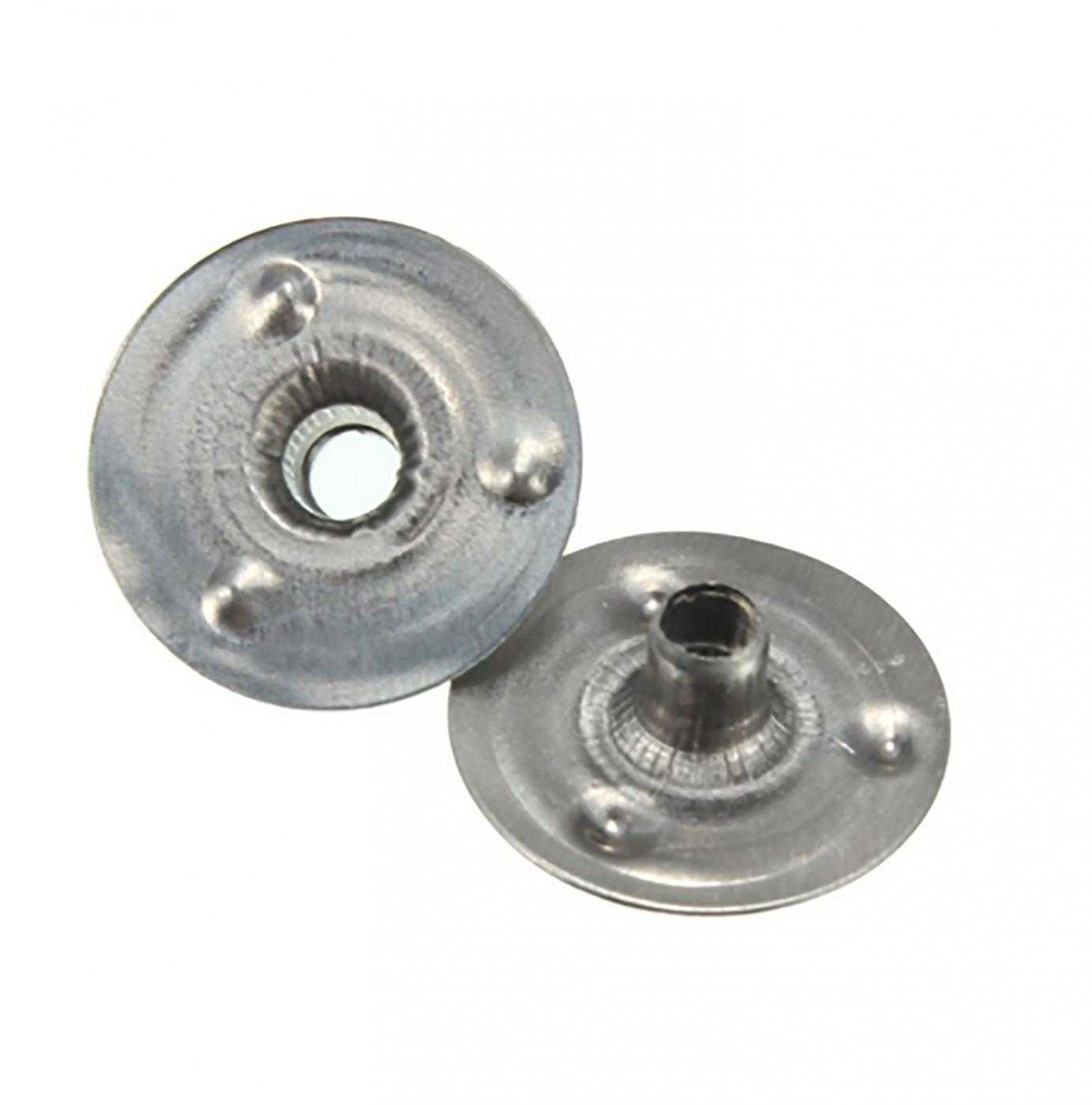
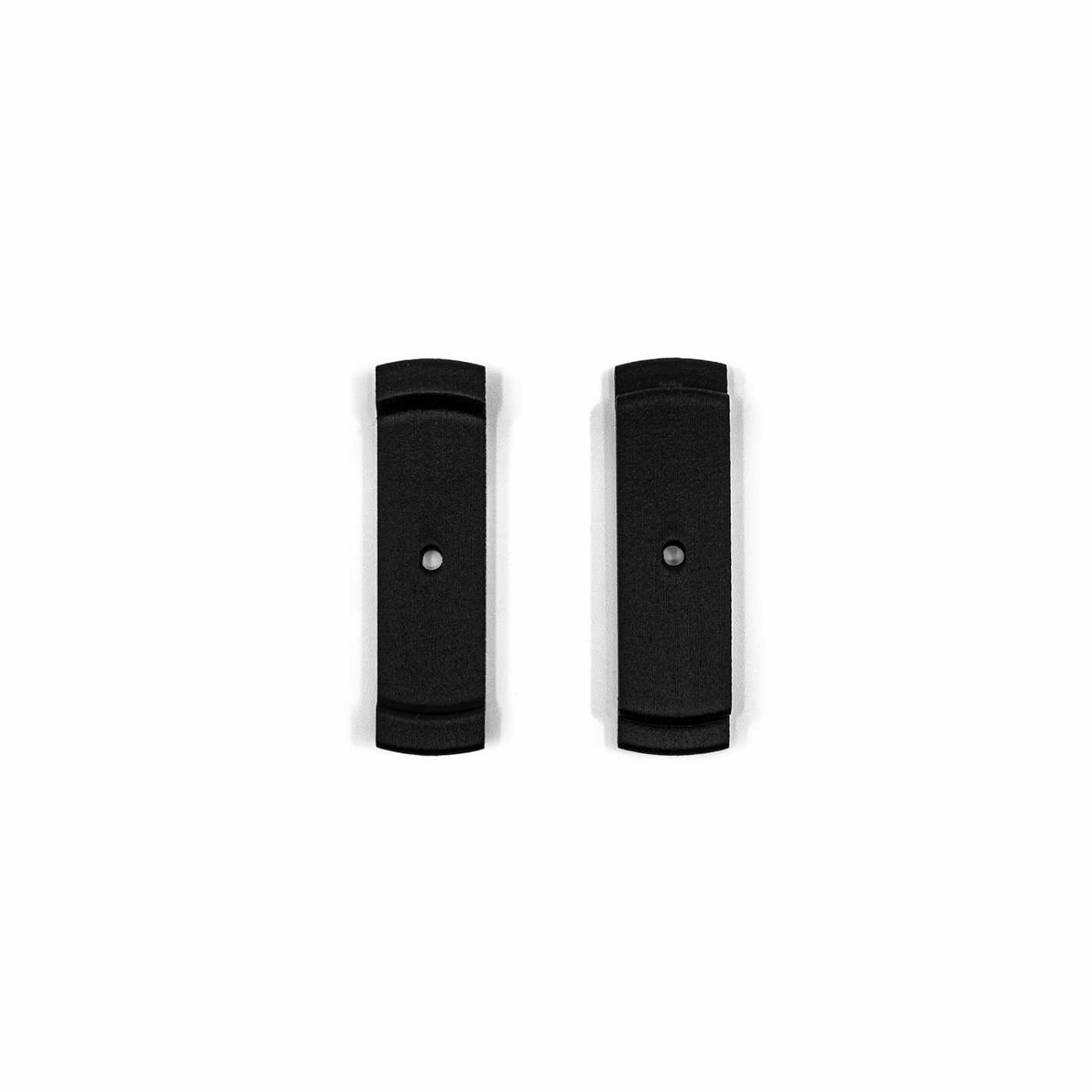
The wick is anchored to the bottom of the jar using a metal wick sustainer and an adhesive pad or a drop of melted wax. It is then pulled taut and secured at the top with a wick holder so that it stays in the centre while the wax sets. Pour the wax at the temperature recommended for the given type of wax. Wax that is too hot can loosen the sustainer, while wax that is too cold does not adhere to the wick well.
If the wick is not pre-waxed, we recommend briefly dipping it in melted wax of the same type as the one the candle will be poured from, and letting it set. A waxed wick draws better, lights more easily and does not produce a weak, “floating” flame when first lit.
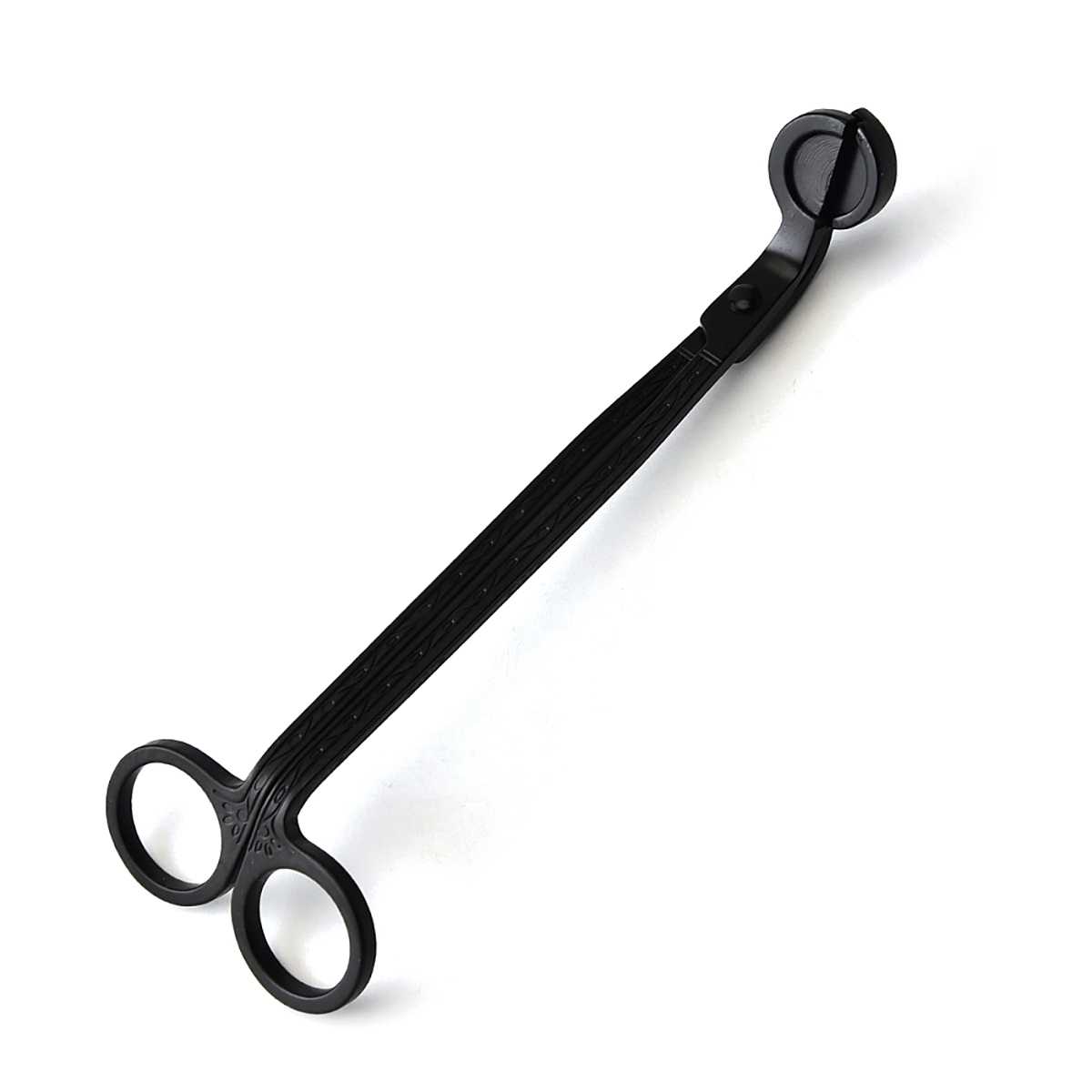
Candles made from vegetable waxes should cure before the first burn – as a guide, at least several days, and ideally longer for candles with fragrance oils, so that the fragrance has time to bind evenly to the wax. Before each burn, trim the wick to approximately 5–6 mm.
The recommended candle diameter for Eko-4 is not universal – it depends on the type of wax, the fragrance oil content, the dye and the shape of the jar. Always carry out a test burn: if the melt pool reaches the edge of the jar within a few hours and the flame is calm, the wick size is right.
What affects wick behaviour
Choosing a wick size is not only a matter of jar diameter. Several variables come into play, and their effects add up:
- Fragrance oil – a higher proportion of fragrance composition increases the viscosity of the melted wax and slows down burning. Strongly scented candles often need a wick one size thicker than unscented ones.
- Dyes and additives – pigments, glitter or a larger proportion of beeswax clog the wick and make the flame smaller. Liquid dyes and dye chips intended for candles usually do not cause this problem.
- Wax hardness – harder blends (for example vegetable waxes with added stearin or harder coconut-soy blends) need more heat to melt, and the wick must be correspondingly strong.
- Jar – glass with a thick base or a narrow neck conducts heat differently from a thin glass. The same wick can behave differently in two jars of the same diameter.
A wick that is too thin shows itself through tunnelling – the candle burns only in the centre and unused wax remains on the walls. A wick that is too thick, on the other hand, produces a tall, flickering flame and soot on the glass, and it is used up quickly. Both cases are most reliably revealed by a test burn of the whole candle, not just the first hour.
Cotton wick versus wood wick
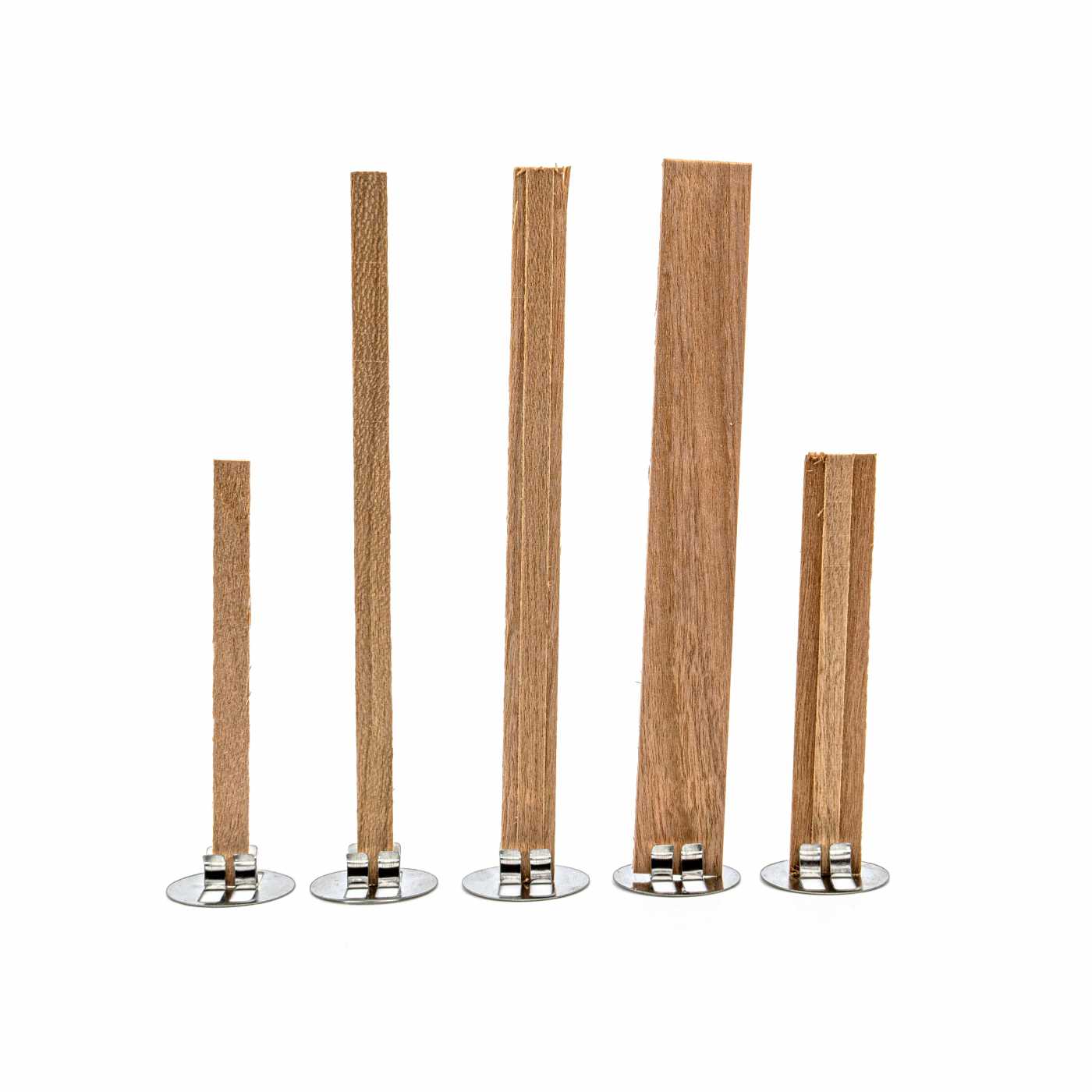
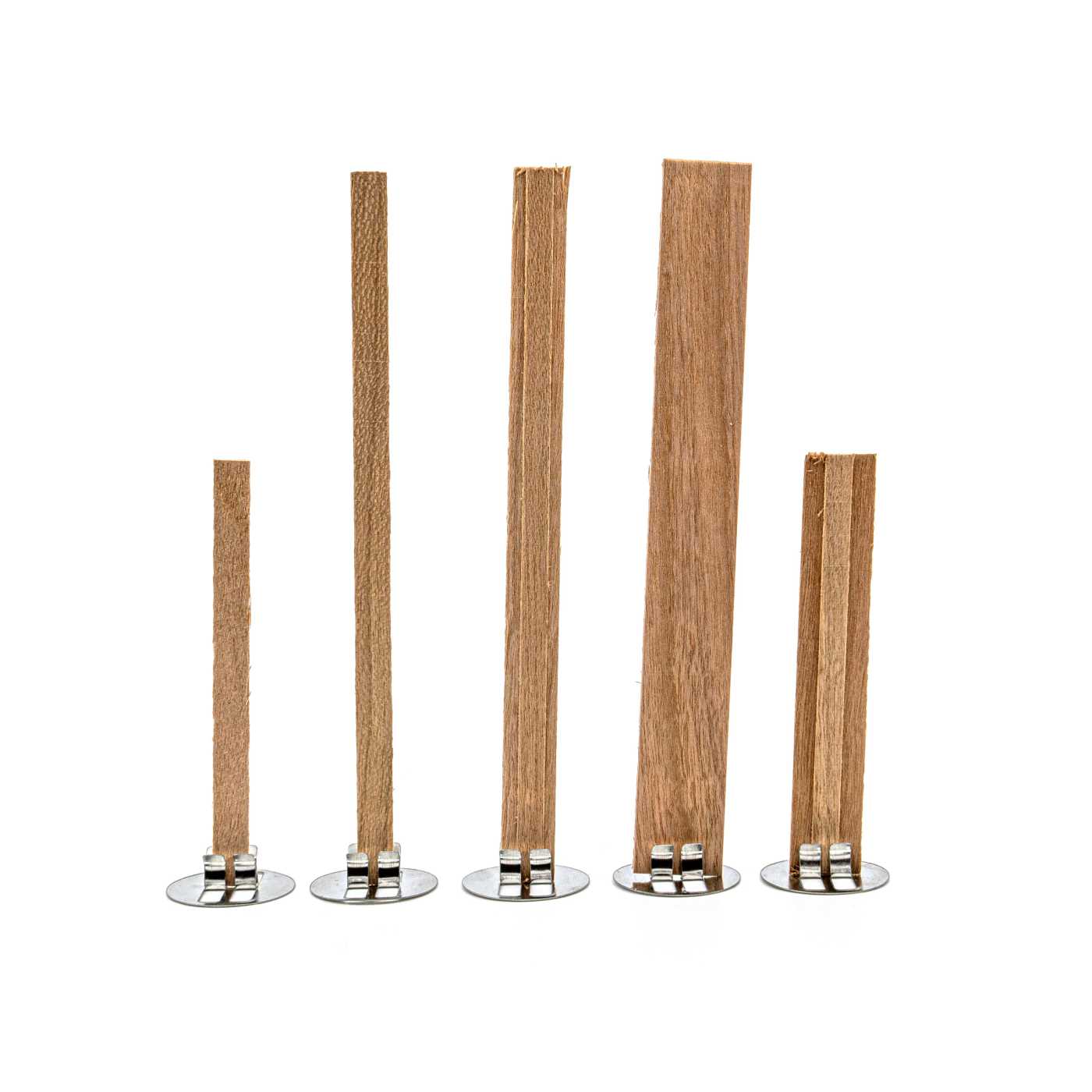
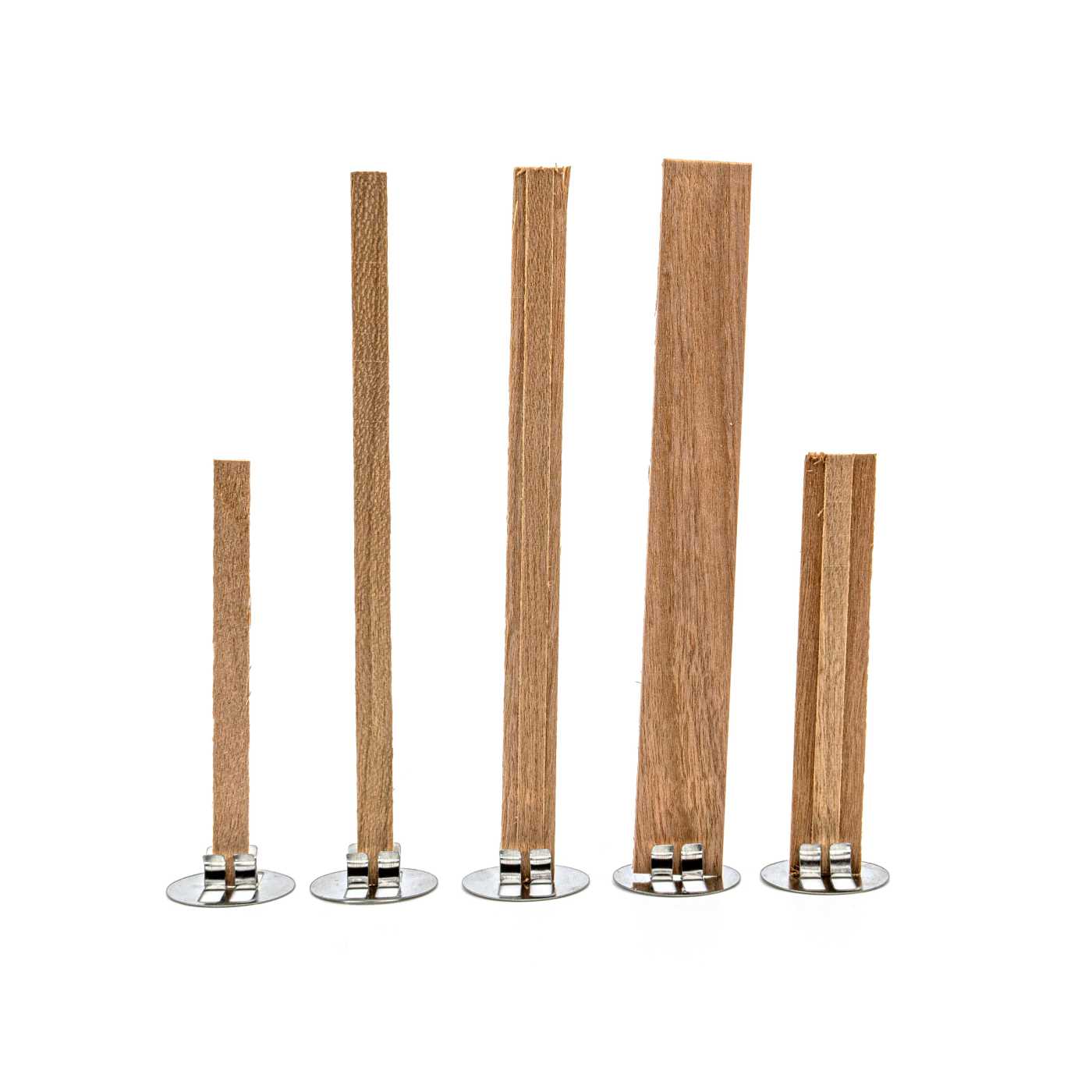
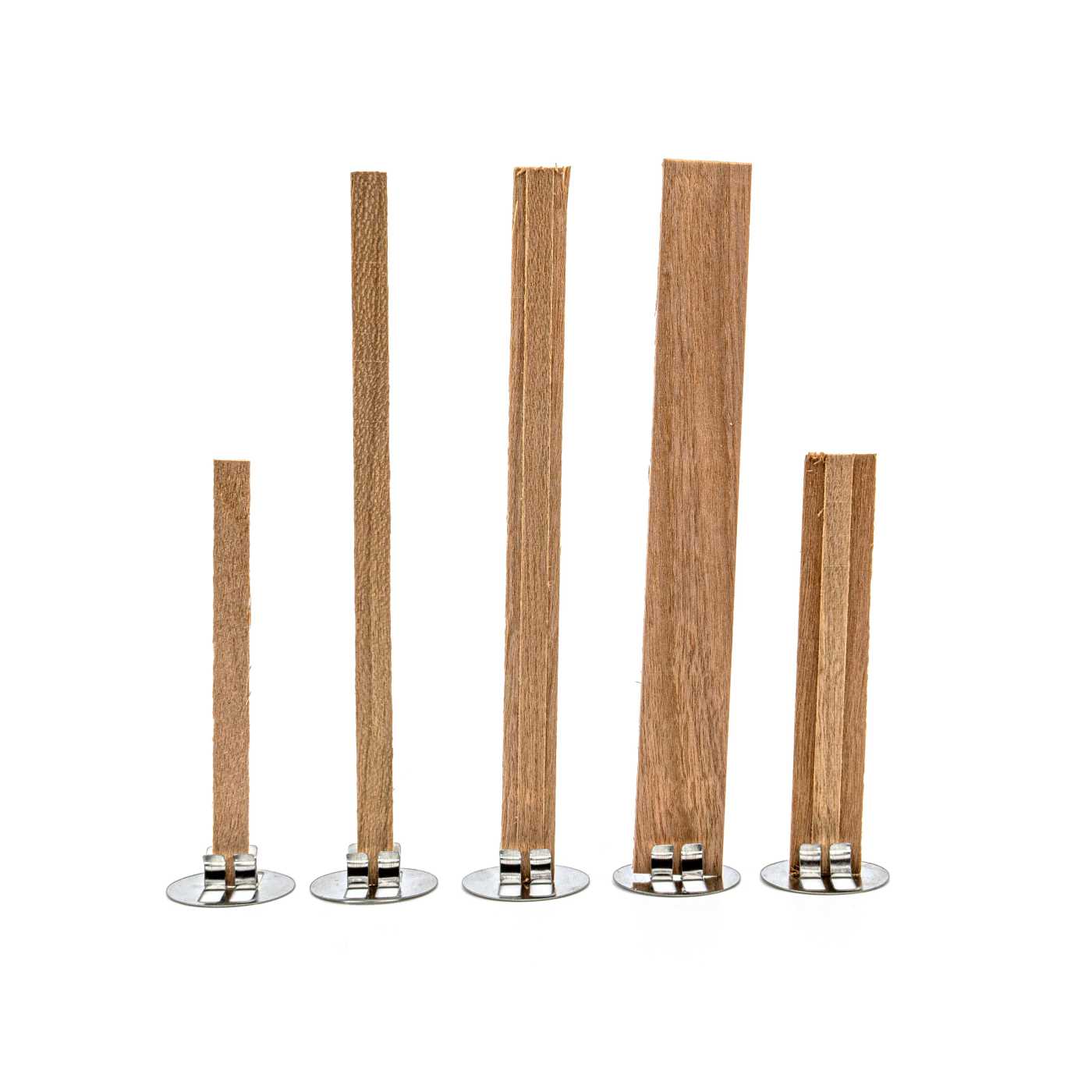
A braided cotton wick is predictable, easy to work with and can be scaled precisely according to the size of the candle, so it also suits beginners. A wood wick gives a wide, low flame with a quiet crackling sound, but it is more sensitive to the type of wax and the fragrance oil content, and it more often needs adjusting. For small candles in jars, a cotton wick is usually the simpler and more stable choice.
Good to know
- Store the wick in a dry place – damp cotton draws less well and the candle is harder to light.
- When pouring several candles from one batch of wax, use the same wick size and the same jars. A difference in diameter of just a few millimetres can change the behaviour of the flame.
- If the flame flickers or smokes during a test burn, first check the length of the wick and any draughts. Only then change the wick size.
- Candles without a container (poured into moulds) need a different type of wick from container candles. The Eko series is designed primarily for glasses and jars.
Frequently asked questions
Is the Eko-4 wick suitable for soy wax?
Yes, wicks from the Eko series are intended mainly for candles made from vegetable waxes, including soy wax. The cotton braid with paper reinforcement draws the thicker melted wax of vegetable waxes well and keeps the flame calm. Size 4 is one of the thinner ones, so it suits soy candles of smaller diameter. Check its suitability for your specific case with a test burn using your wax and fragrance oil.
What candle diameter is the Eko-4 suitable for?
Eko-4 is one of the thinner sizes in the series and is intended for candles with a small diameter. The exact diameter is not a universal value, because it depends on the type of wax, the fragrance oil content, the dye and the shape of the jar. A test burn will confirm the right size – the melted wax should reach the edge of the jar within a few hours without sooting.
Why does a candle with an Eko-4 wick tunnel?
Tunnelling means that the wick is too thin for the given candle or that the candle was burned for too short a time. The melt pool does not reach the edge of the jar and wax remains on the walls. The solution is to let the candle burn all the way to the edge each time, reduce the fragrance oil content, or choose a wick one size thicker from the same series.
Does a cotton wick need to be waxed before use?
If the wick is not pre-waxed, we recommend dipping it in melted wax of the same type as the one the candle is poured from, and letting it set. A waxed wick draws better, the candle lights more reliably and the flame settles from the very start. An unwaxed wick does work, but the first lighting tends to be weaker and the tip can come loose when hot wax is poured in.
How can I prevent mushrooming on the wick?
Mushrooming (a carbon head on the wick) occurs when the wick draws up more wax than the flame can burn. The construction of the Eko series limits this, but does not remove it completely. It helps to trim the wick to approximately 5–6 mm before each burn, not to raise the fragrance oil content above the wax manufacturer’s recommendation, and to choose a thinner wick if mushrooming keeps recurring.
Does the Eko-4 wick contain a metal core?
No, it is a braided cotton wick with paper reinforcement and no metal core. It holds its shape thanks to the structure of the braid and the paper fibres, not a wire. No metal residue is produced during burning, and the wick is suitable for ordinary home candles as well as small candles for sale.