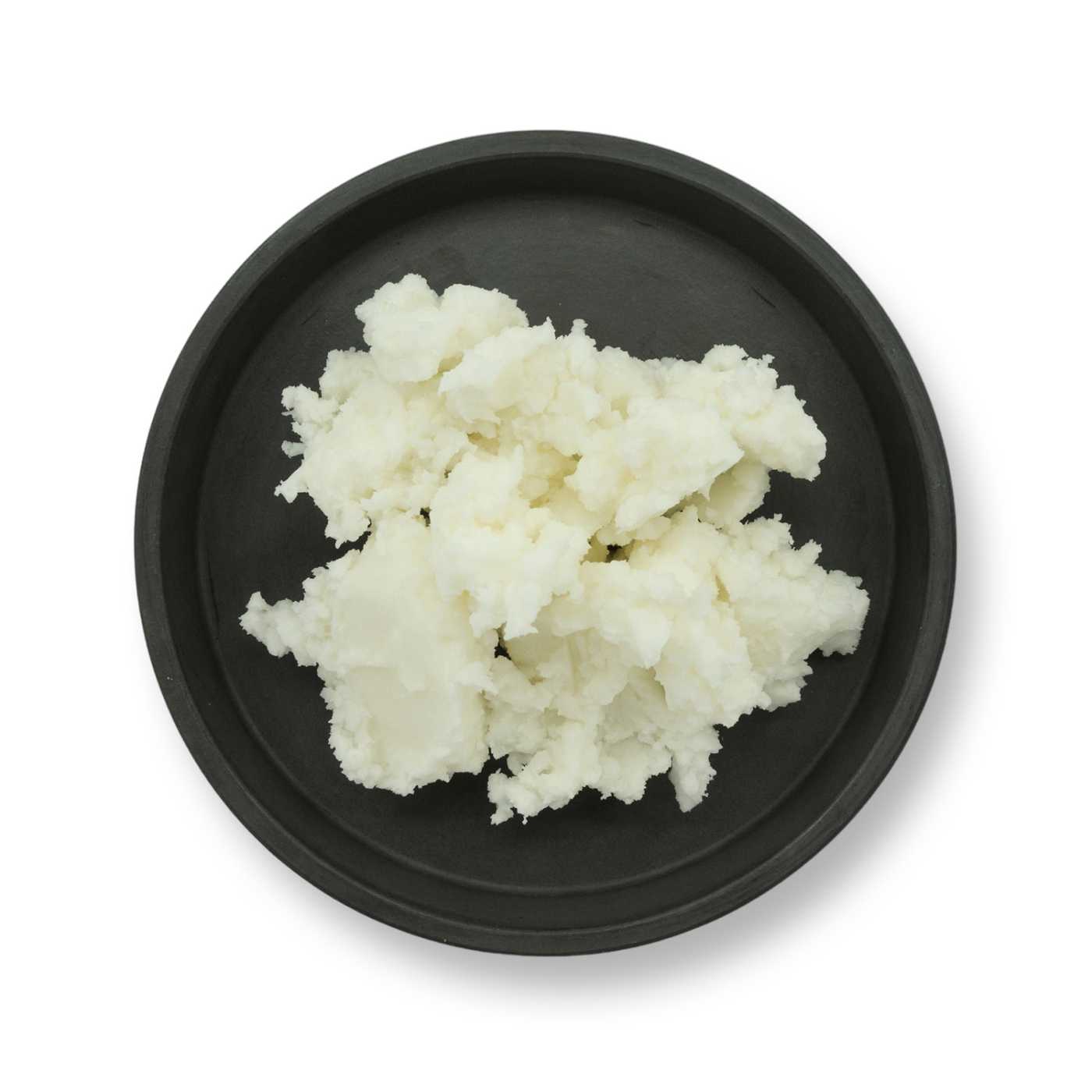
Jojoba Butter, Refined, 100 g
Pre-order€8.99(€89.90/kg)

CLEANING & WASHING
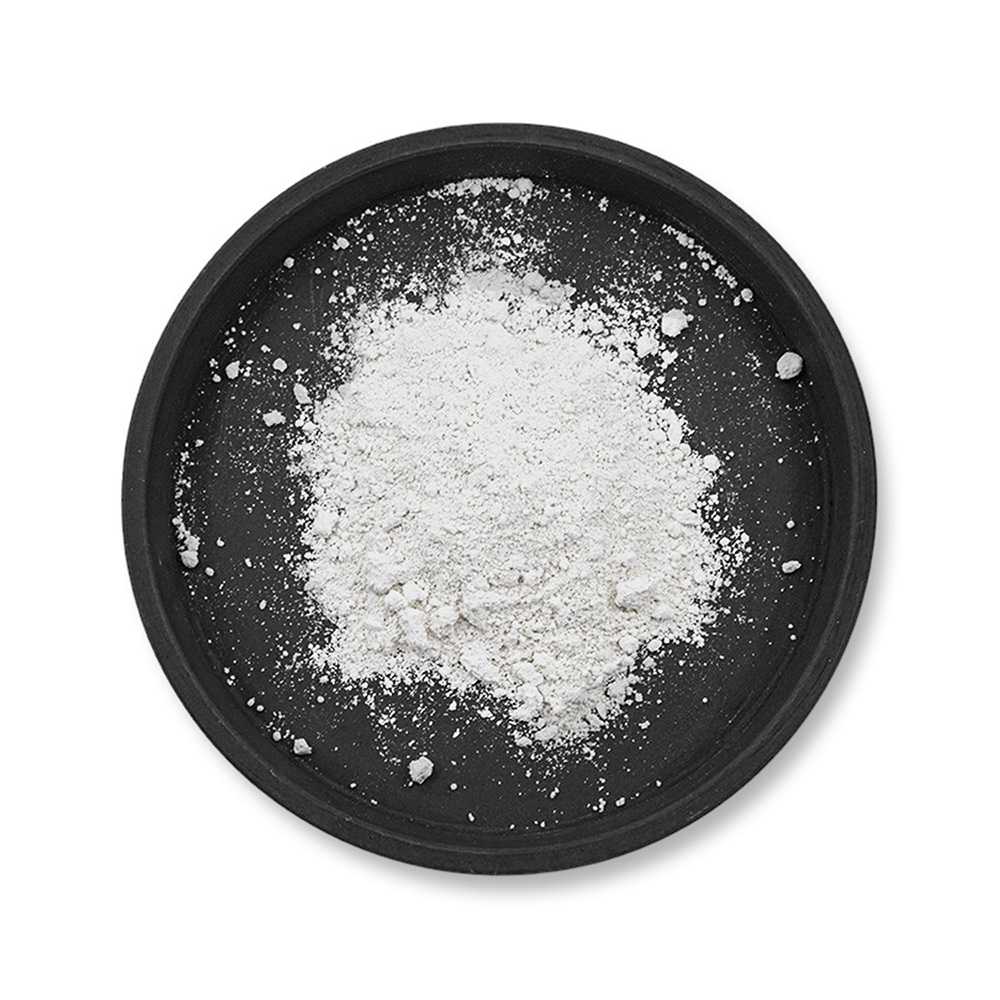
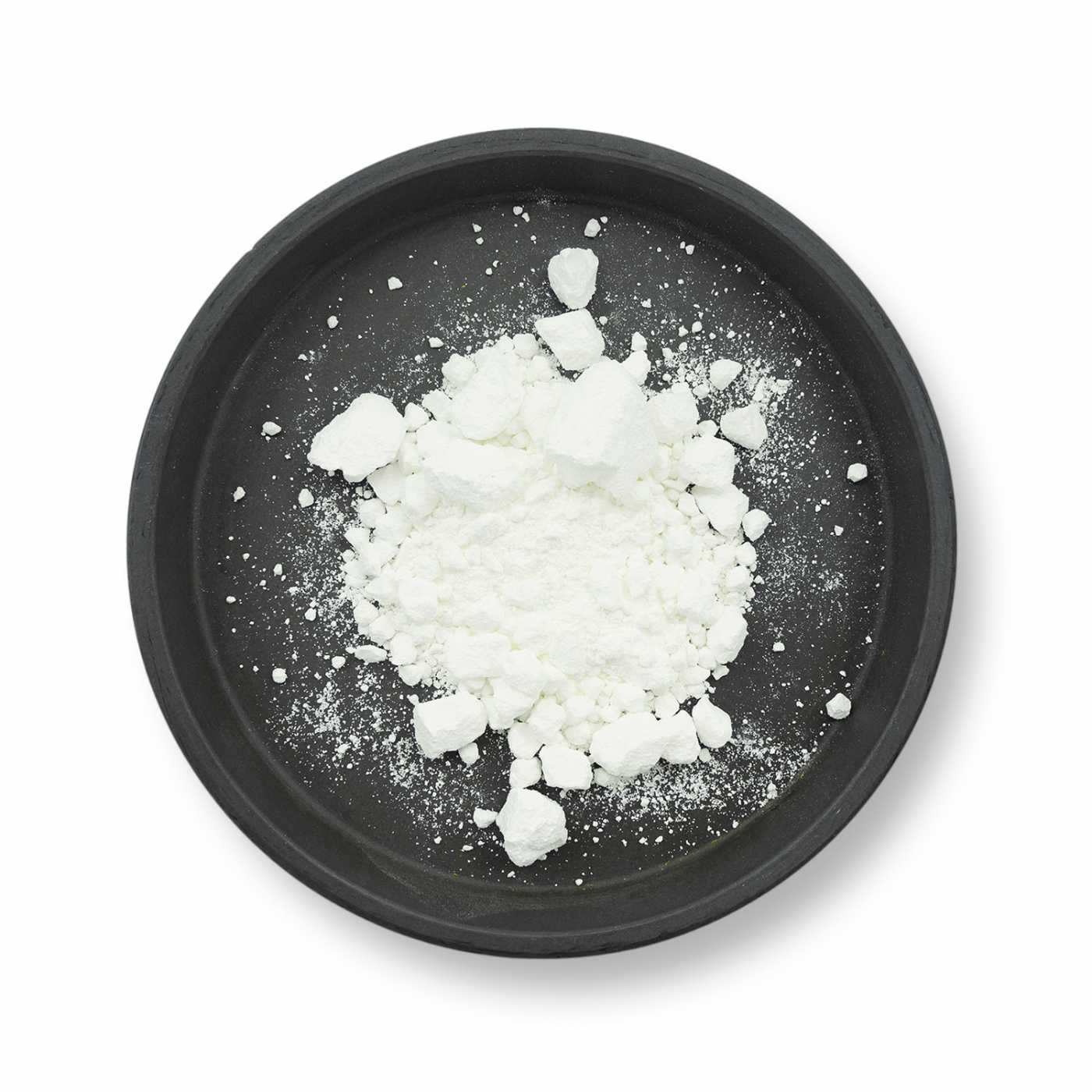
White kaolin is a soft mineral clay that absorbs sebum, moisture and odours in cosmetics, thickens, and gives a product an opaque white appearance. full description
Lowest price in the last 30 days: €9.89
White kaolin is a soft mineral clay that absorbs sebum, moisture and odours in cosmetics, thickens, and gives a product an opaque white appearance. It is the mildest of the clays and cleanses the skin without drying it out.
It forms the base of clay masks and loose powders. In smaller amounts it is added to creams, cleansing products, deodorants and shampoos. This raw material is technical grade.
The main component of kaolin is the mineral kaolinite, an aluminium silicate formed by the long-term weathering of granite rock. Once dried and ground, it becomes a fine white powder, also known as china clay.
On the skin it works as an absorbent. The particles bind sebum and moisture from the skin surface. When a mask or cleansing product is rinsed off, they act as a mild abrasive that helps remove dead cells. Kaolin absorbs less than other clays, which suits dry and sensitive skin.
It also changes the texture and appearance of a formulation. It thickens water bases and emulsions and adjusts their flow, and it opacifies clear systems. In decorative cosmetics it serves as a covering ingredient, and in powder blends it reduces caking.
Kaolin is insoluble in water, oil and alcohol. In water it only disperses, and the particles stay suspended in it. It is incorporated into the water phase or added afterwards to the finished base, and mixed until the blend is uniform and free of lumps. It is used in both rinse-off and leave-on products.
The usage rate depends on the type of product and is typically around 5%:
In powder blends, the clays are first weighed together and mixed dry. When combining with bentonite, the order matters. The bentonite is left to hydrate in water, and the water phase is thickened with xanthan gum pre-mixed in glycerine. The kaolin is added only afterwards, together with the other powders and with constant stirring.
For very oily skin, kaolin alone may be too weak. Combine it with a more strongly absorbing clay, for example bentonite or rhassoul.
In formulations, kaolin is often paired with glycerine, xanthan gum, cellulose, betaine, cetearyl alcohol, sunflower oil and sunflower wax. It is complemented by other clays and by starches.
The composition of kaolin differs depending on the deposit. The content of accompanying minerals, such as quartz and mica, varies, and heavy metals occur in kaolin in very different amounts. For the technical grade, we recommend checking the certificate of purity of the specific batch before using it on the skin. This kaolin comes from Italy and its manufacturer holds an ISO 9001 certificate.
Products containing water and kaolin must always be preserved. Clay binds microorganisms.
When working with kaolin, do not inhale the dust. Long-term inhalation causes a lung disease (kaolinosis). Use a mask when weighing and mixing, and avoid creating dust.
Only customers with a delivered order can write reviews.