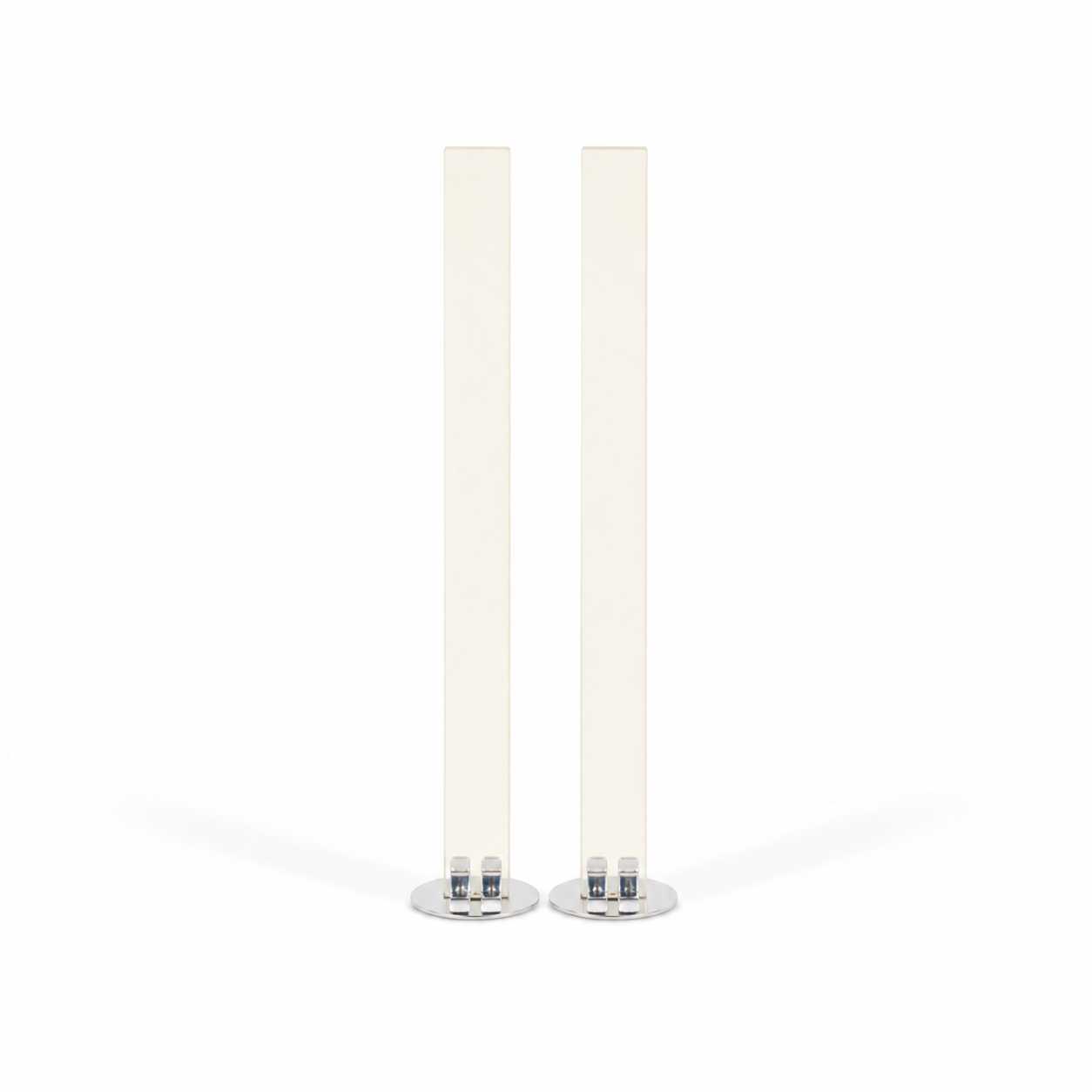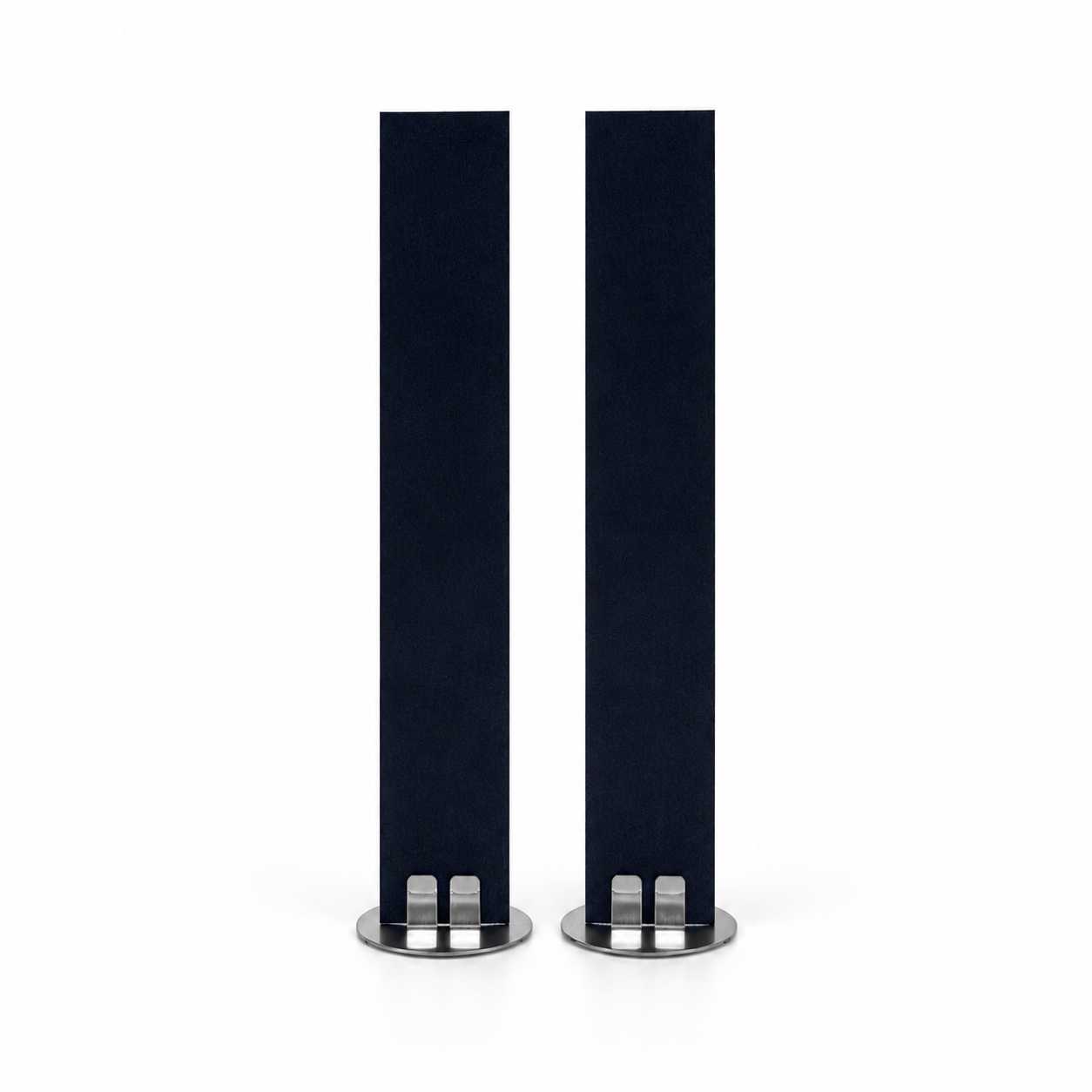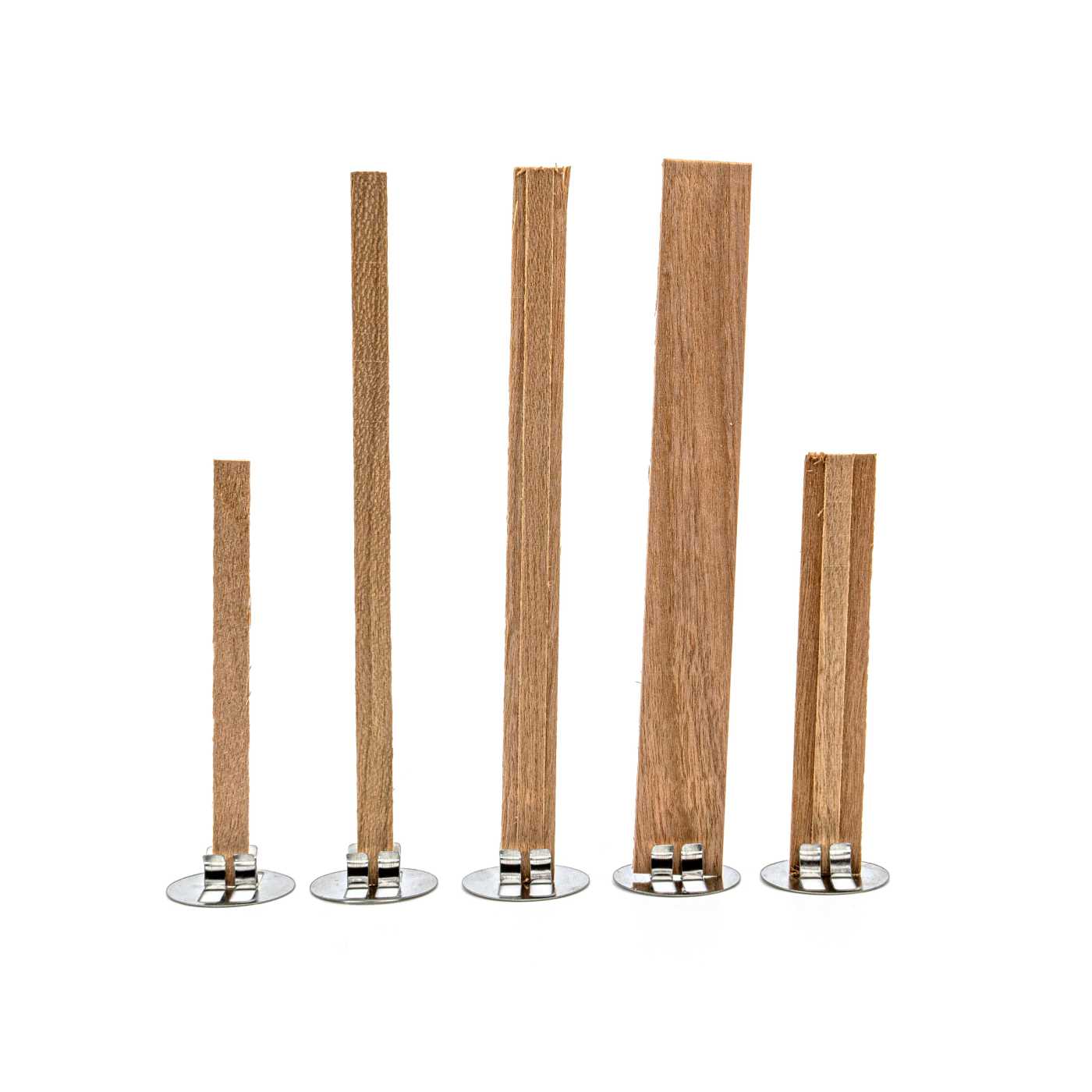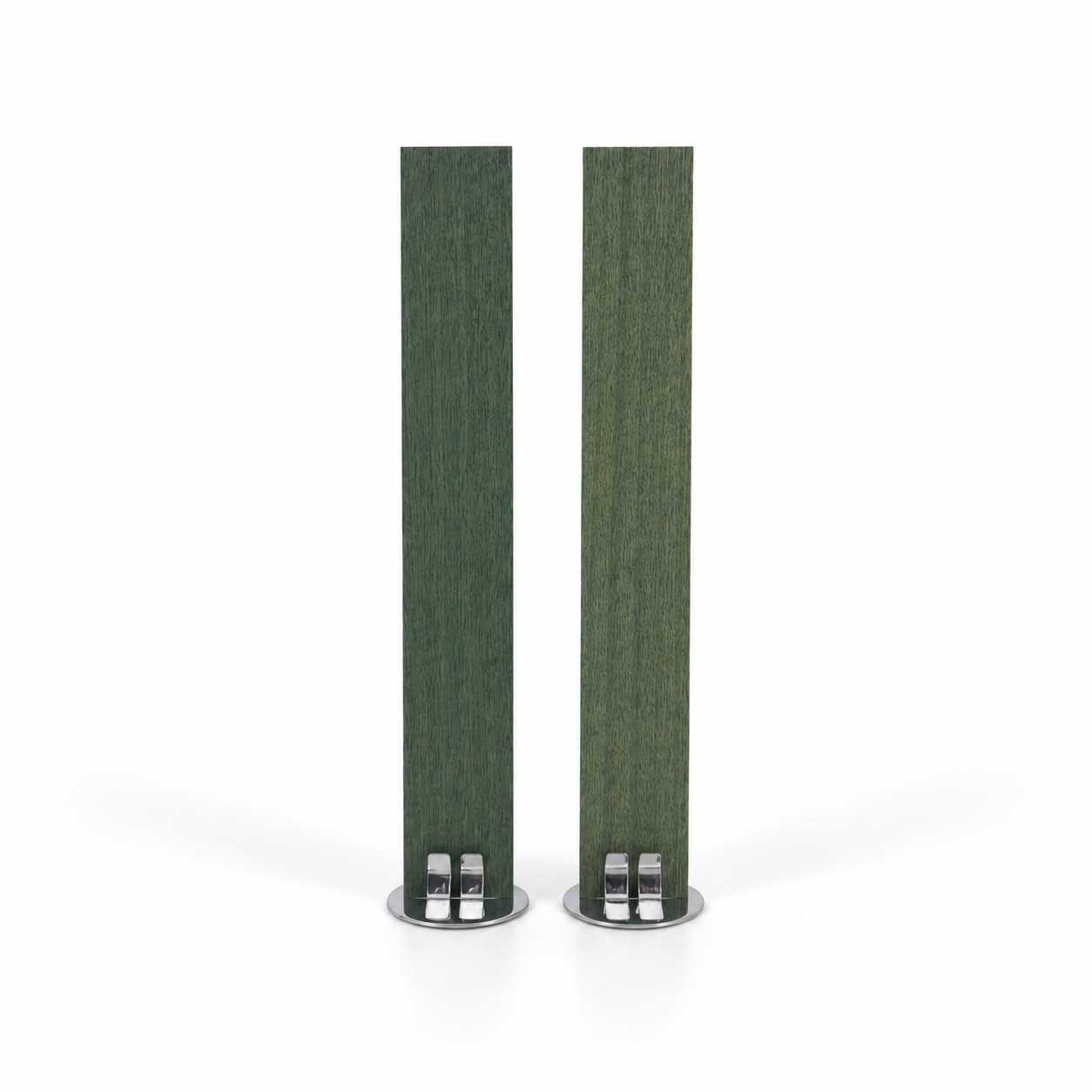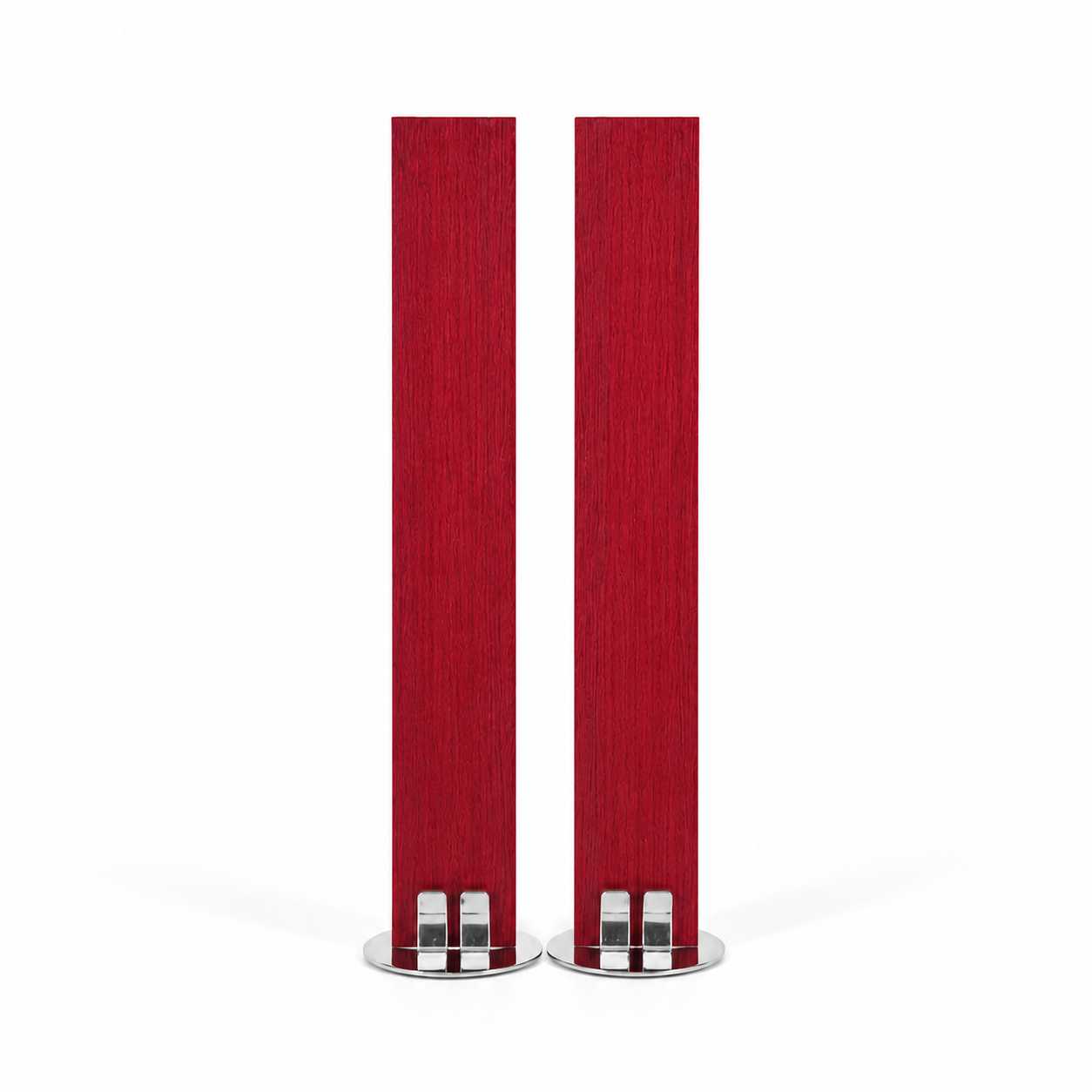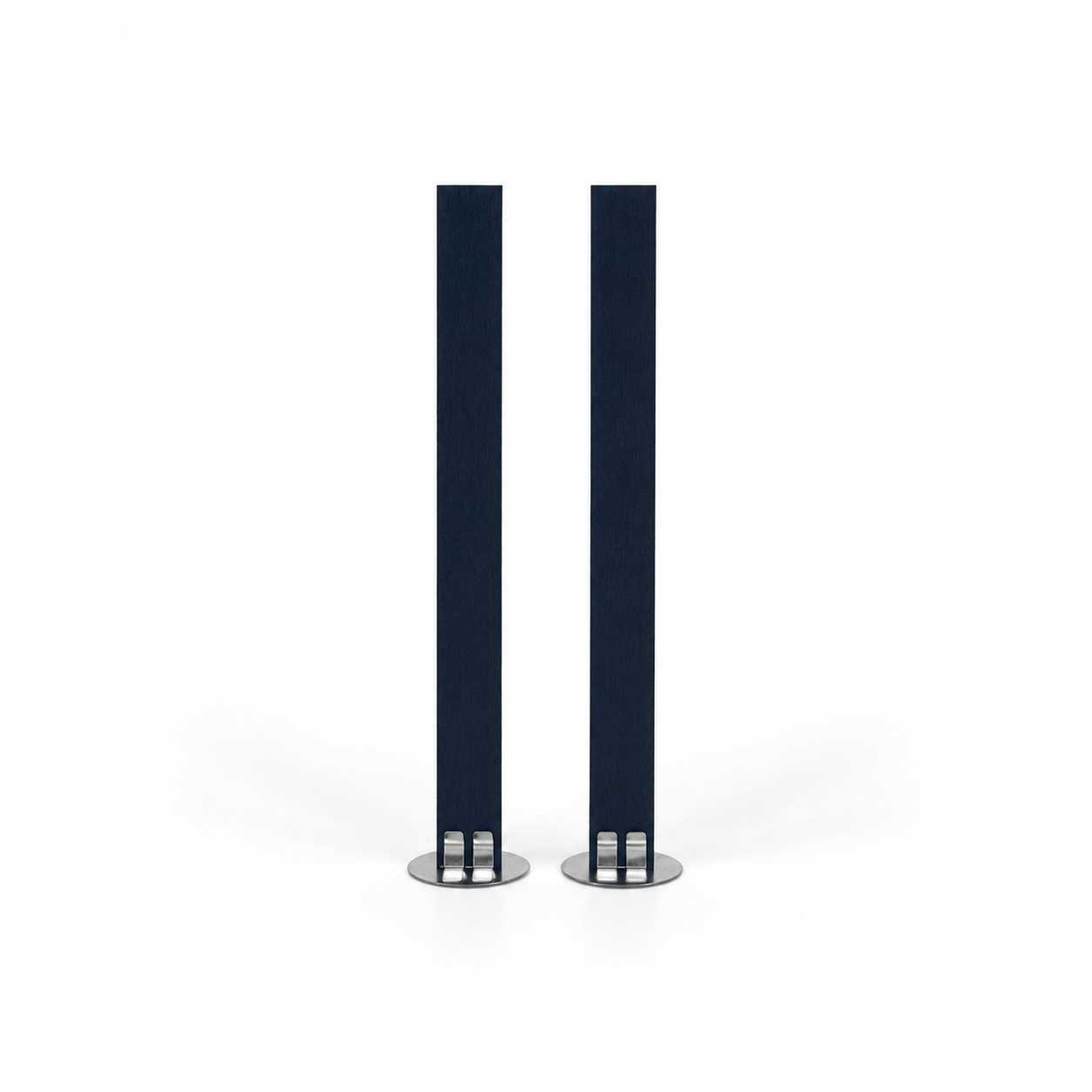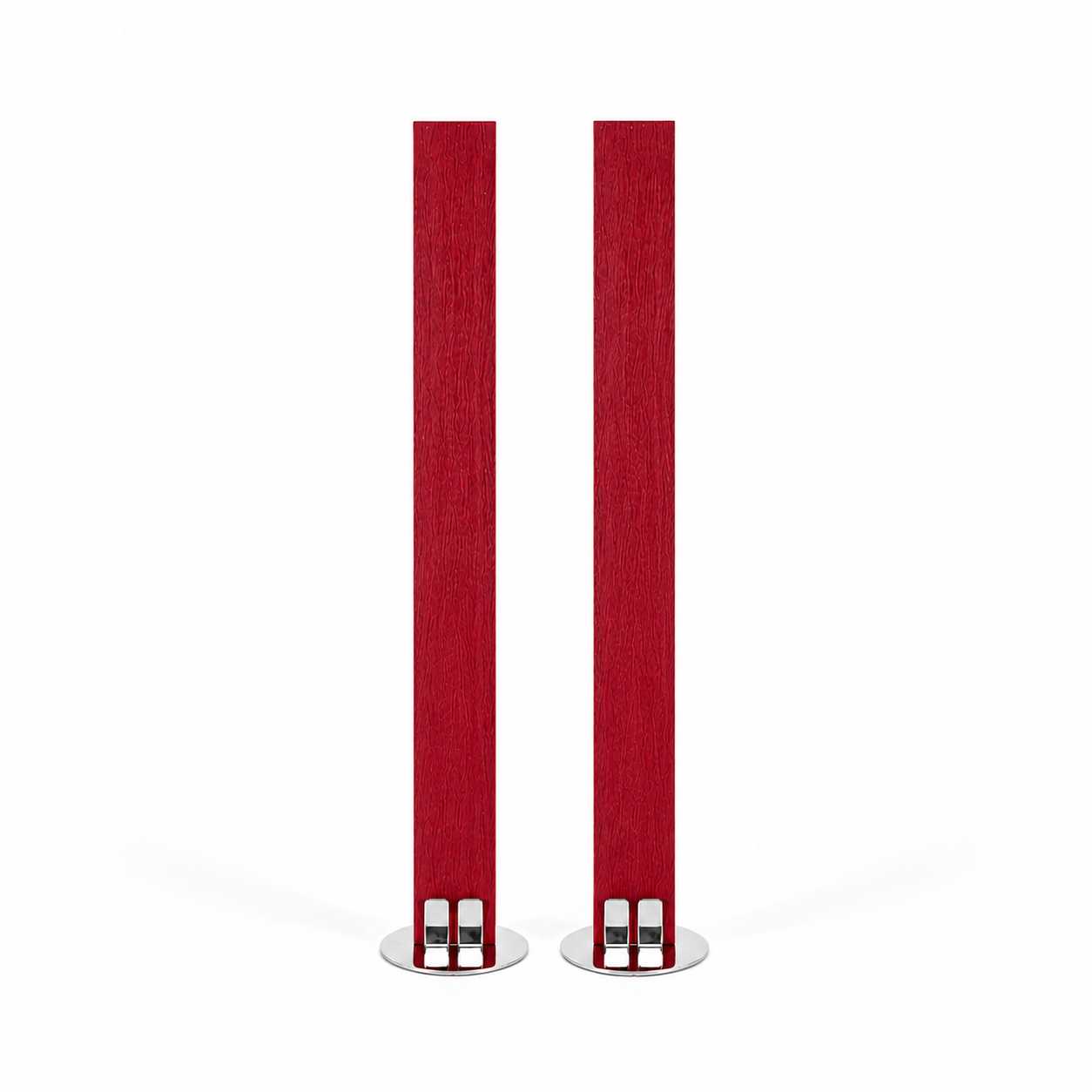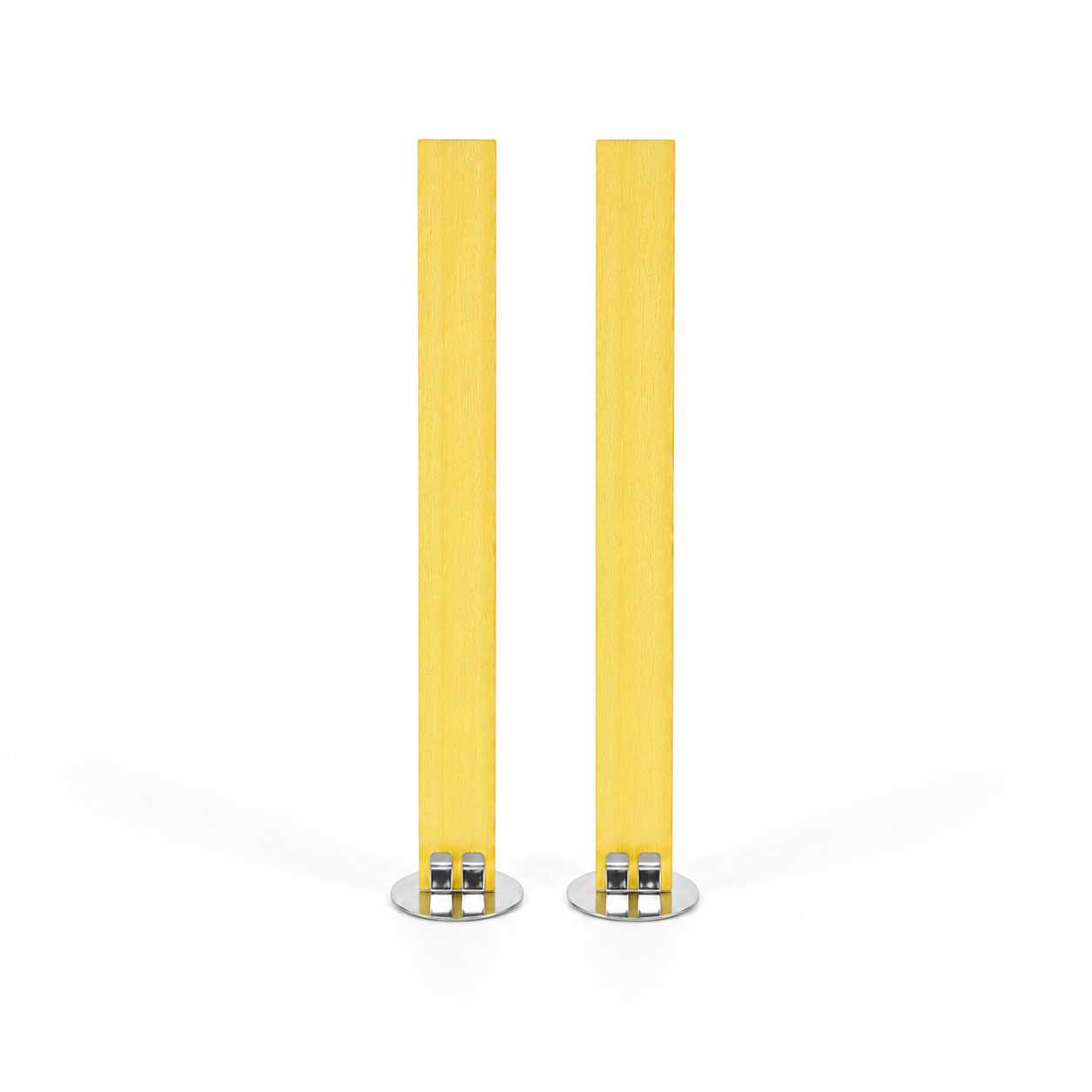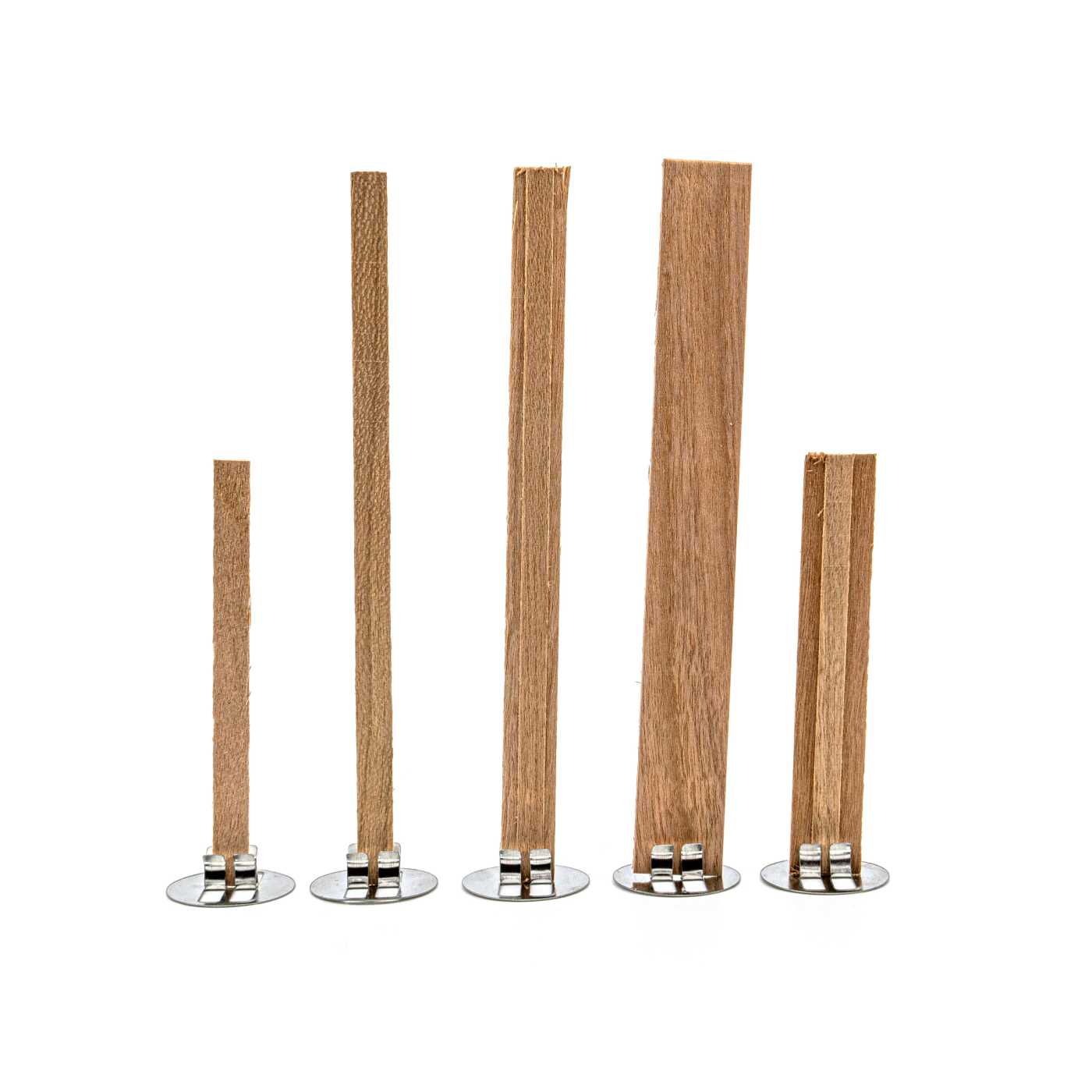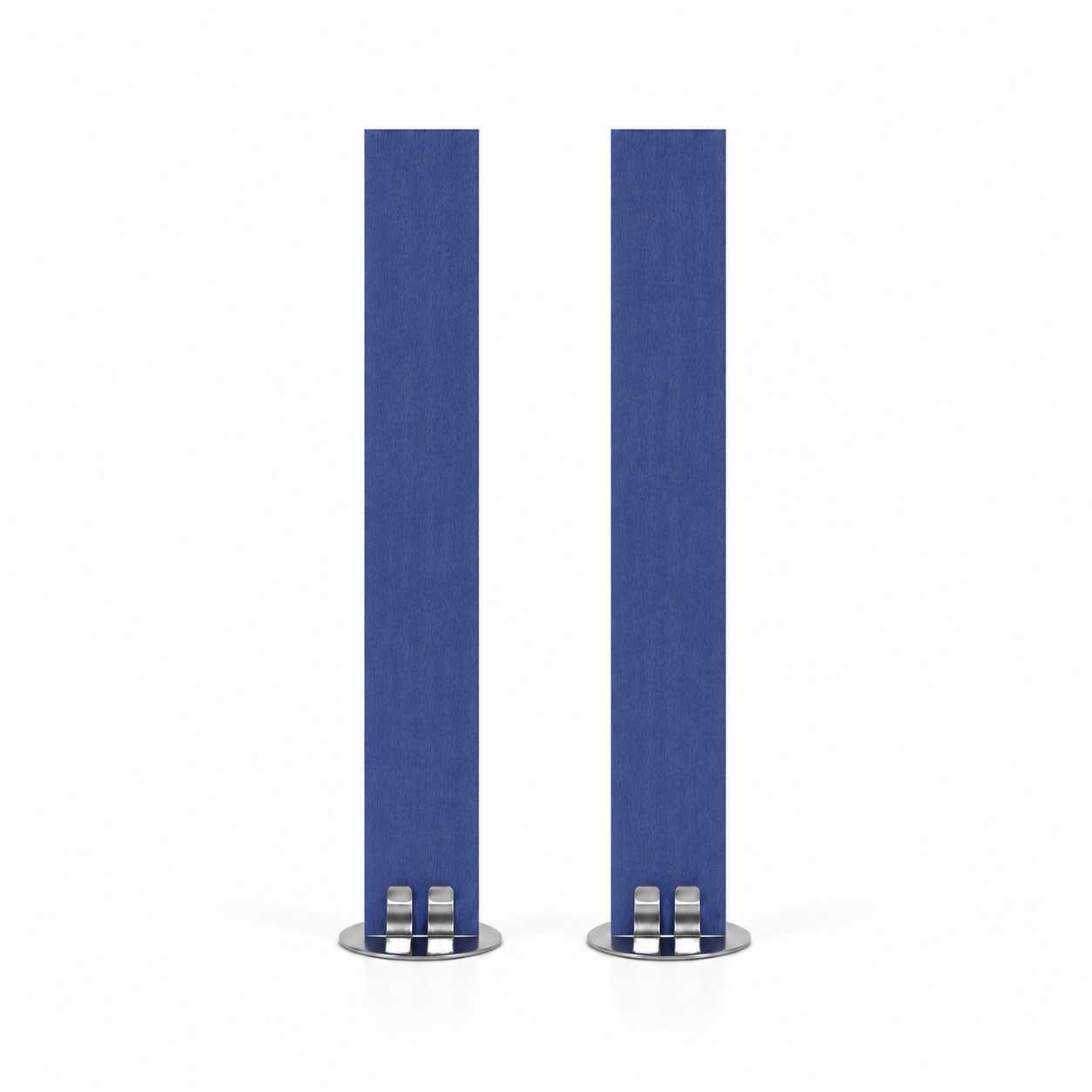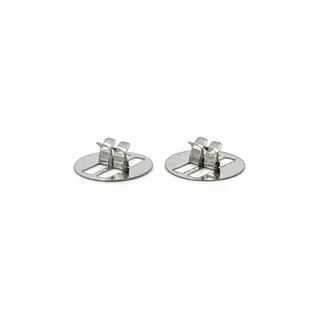
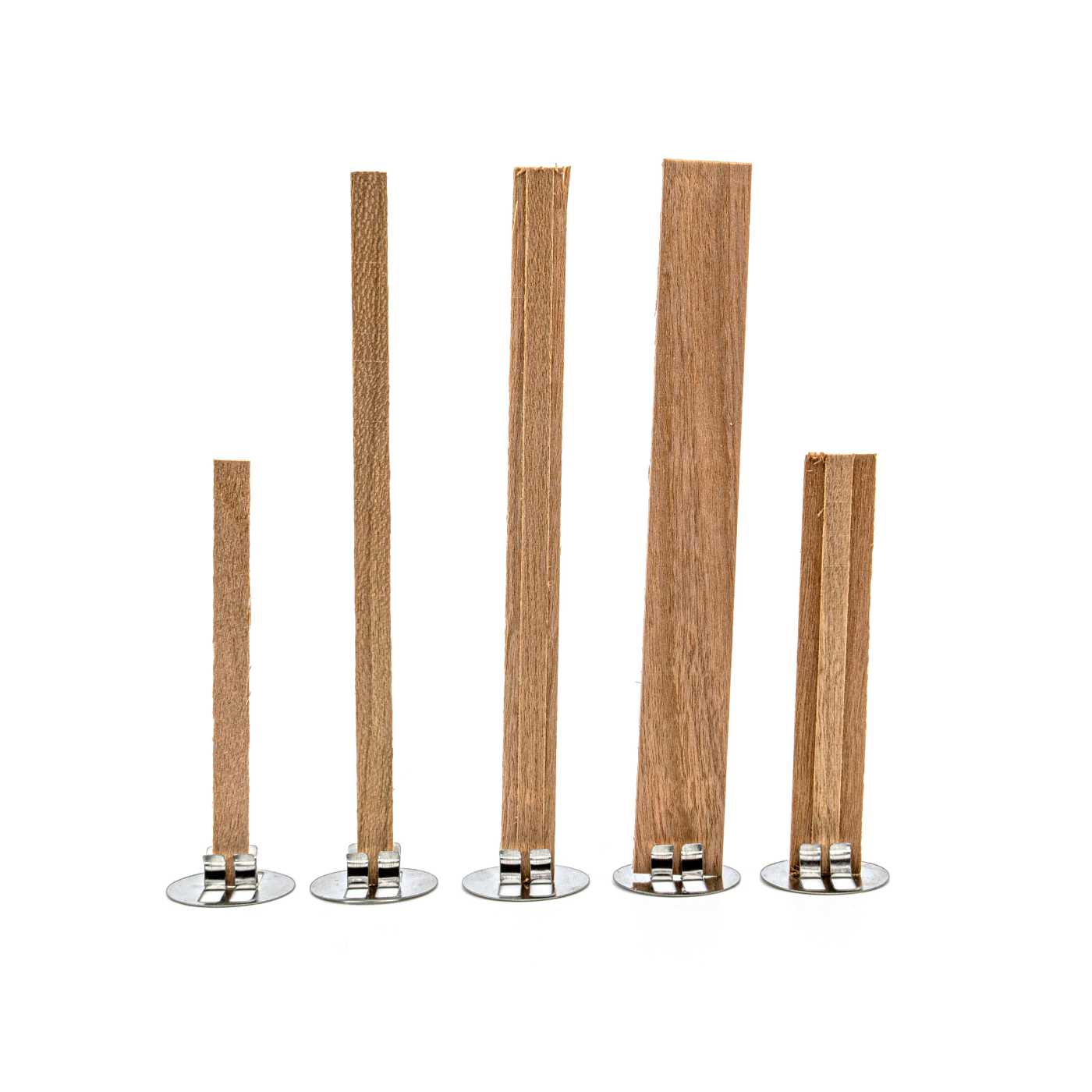
Wooden Wick .04 Ultimate, 19,1 mm
Pre-order€1.39

Wooden wicks
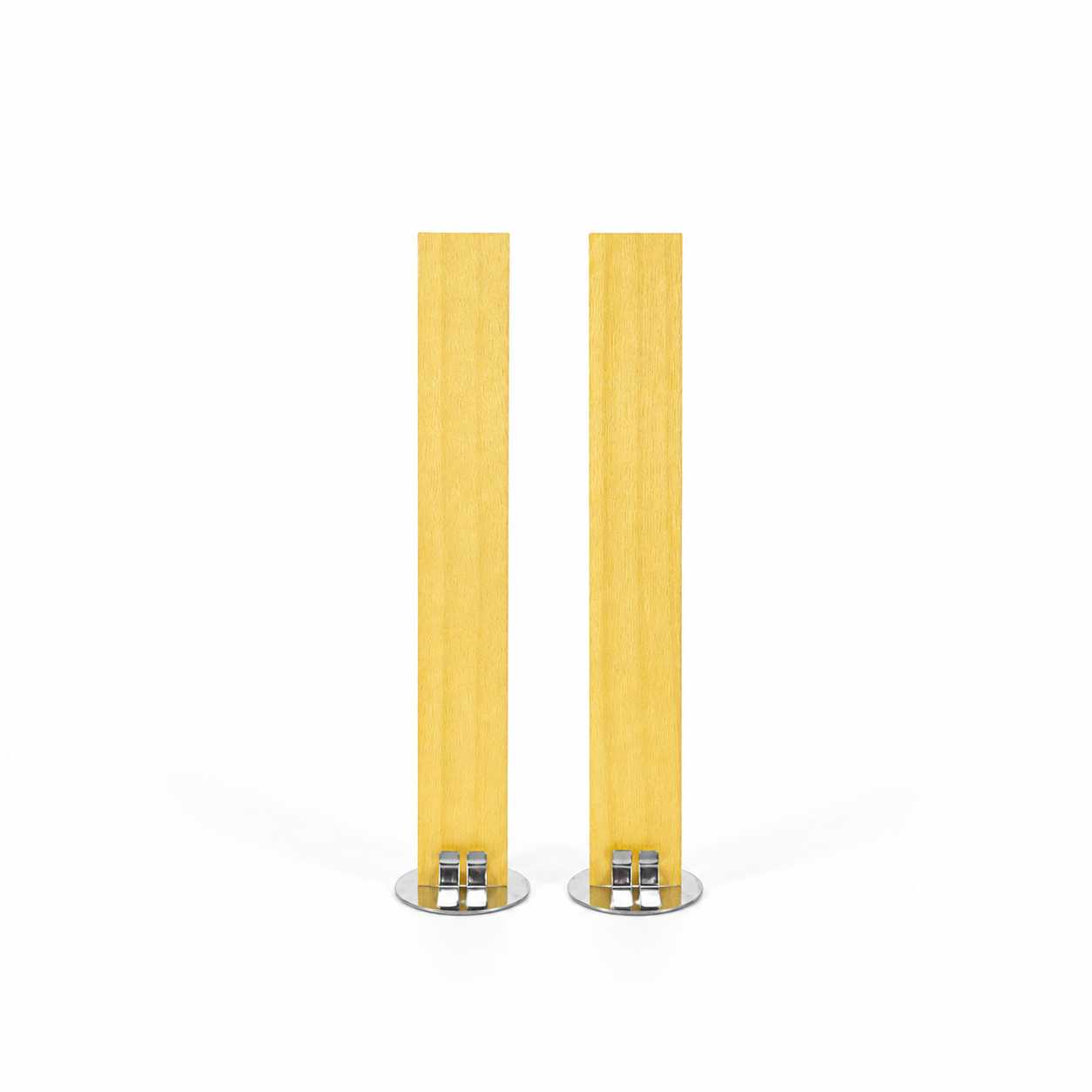
The wooden wick represents a modern and aesthetically impressive component for candle making, in which it serves as the “packaging” carrier part of the flame – it stabilizes burning, ensures even evaporation of the wax… full description
Lowest price in the last 30 days: €1.39
The wooden wick represents a modern and aesthetically impressive component for candle making, in which it serves as the “packaging” carrier part of the flame – it stabilizes burning, ensures even evaporation of the wax and contributes to safer use of the finished product. Thanks to its construction from high-quality wood, it is suitable for preparing candles in various types of containers, such as glass jars, glasses, cups or other decorative containers intended for poured candles. Carefully selected material and dimensions allow for optimal flame draw and efficient heat transfer to the area around the wick, which is important for consistent burning and comfortable user properties.
Choose the size of the wooden wick primarily according to the container diameter and the type of wax used. A narrower packaging (smaller diameter) requires a narrower wick, for wider jars a more robust wick or a combination of several wicks is needed. Before serial production we recommend making a test pour and testing the burning – the flame should be stable, without excessive smoking and the wax should melt evenly up to the edges of the container.
The wooden wick is intended for single use within one candle, however, the glass jar, bottle or cup can, in compliance with hygiene principles, be reused for new candles or other projects. Before the next filling, it is necessary to thoroughly clean the container from wax residues and then clean and disinfect it with a suitable agent, for example isopropyl alcohol or ethanol. For this purpose you can use the products IPA 99 – isopropyl alcohol or ethanol 96 % denatured, plant-based. After thorough drying, the container is ready for further use.
If you decide not to reuse the container after the candle has burned out, we recommend recycling it according to the material specified in the parameters of the specific packaging. Glass bottles, jars and vials belong in the glass container after removing wax residues and metal or wooden parts. Plastic components (e.g. caps or wick holders) are sorted into the appropriate bins according to the plastic type. For each packaging, follow the recycling symbols and the information in the product description so that recycling is as effective as possible.
The simplest solution is to use the advanced filter in the packaging category. After clicking on the selected category (for example bottles, jars or cups), you will find at the top of the page the option to filter according to several parameters – neck, size, colour or material. This allows you to quickly narrow down the selection to packaging that will best suit your type of candle or other product and more easily match the container with the wick, closure or other accessories.
With a new formulation it is important to monitor several parameters at the same time: container diameter, type and ratio of waxes, amount of fragrance and the behavior of the wick during burning. After pouring the candle, observe the recommended wax curing time, then light the candle and monitor the flame, the length of the rising ember and the rate of wax melting. The flame should not smoke excessively, the wax should, after a certain time, melt evenly up to the edges of the container and the wick should not form excessive carbon buildup. If the burning needs adjustment, it is possible to choose a different wick size or modify the wax composition.
Only customers with a delivered order can write reviews.