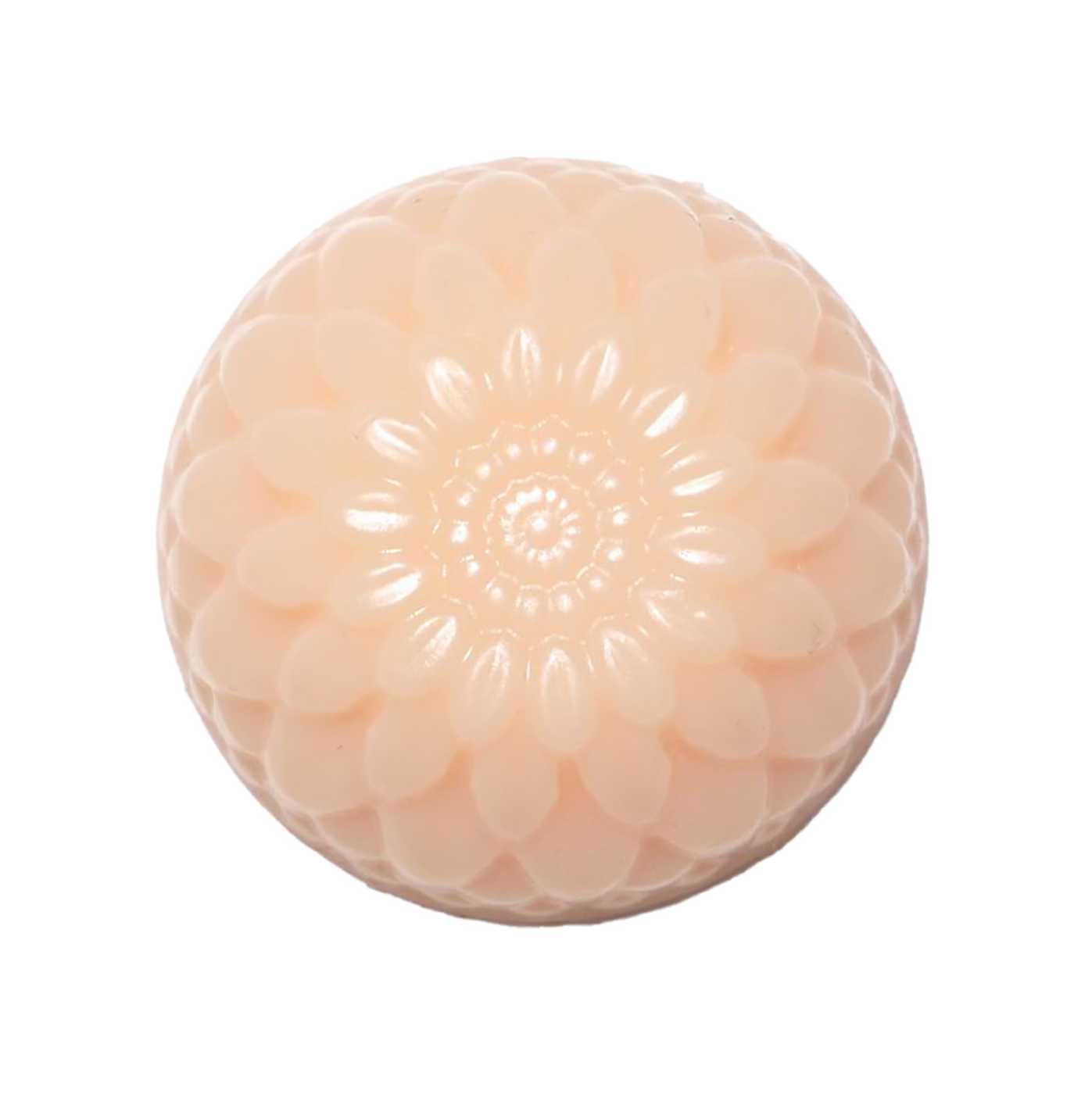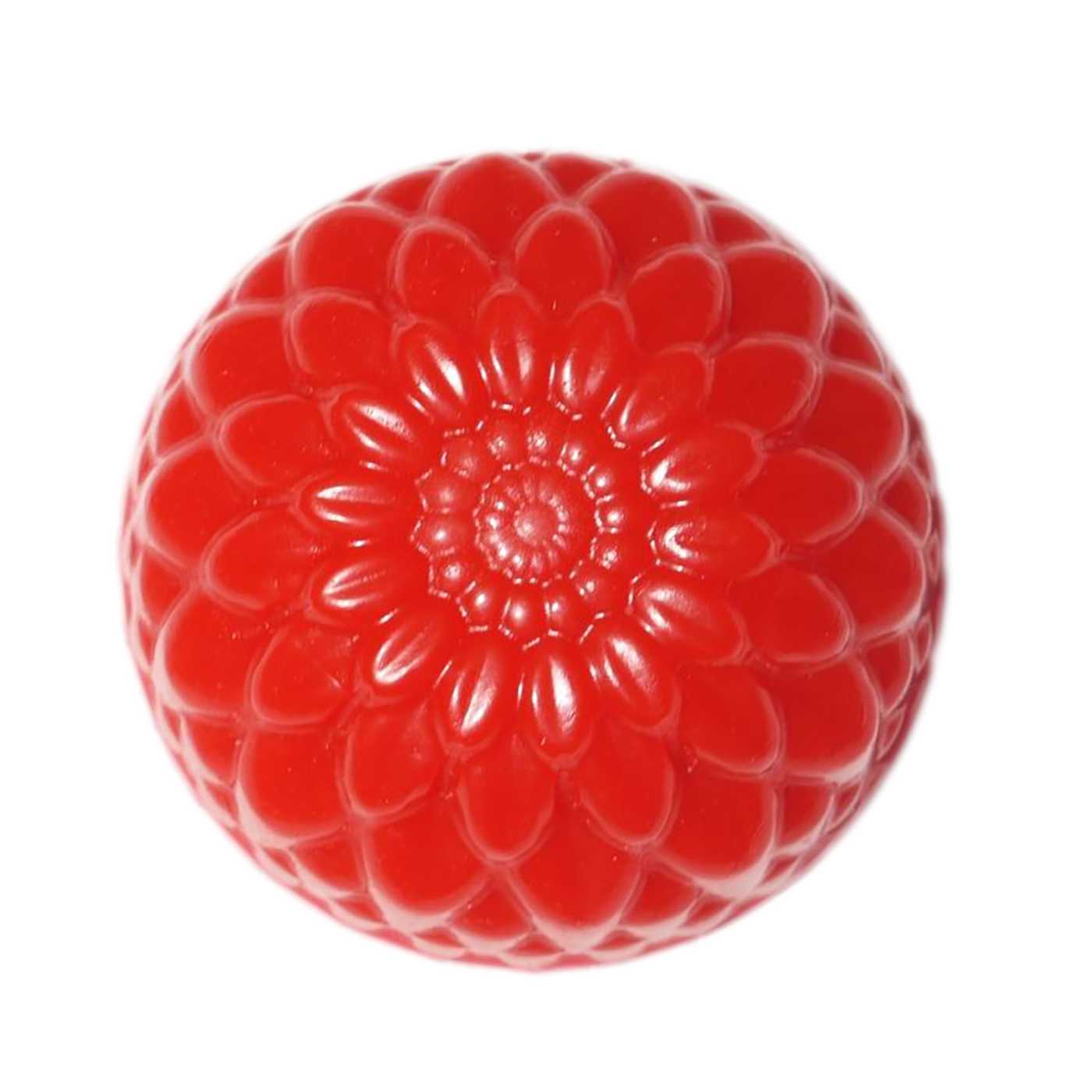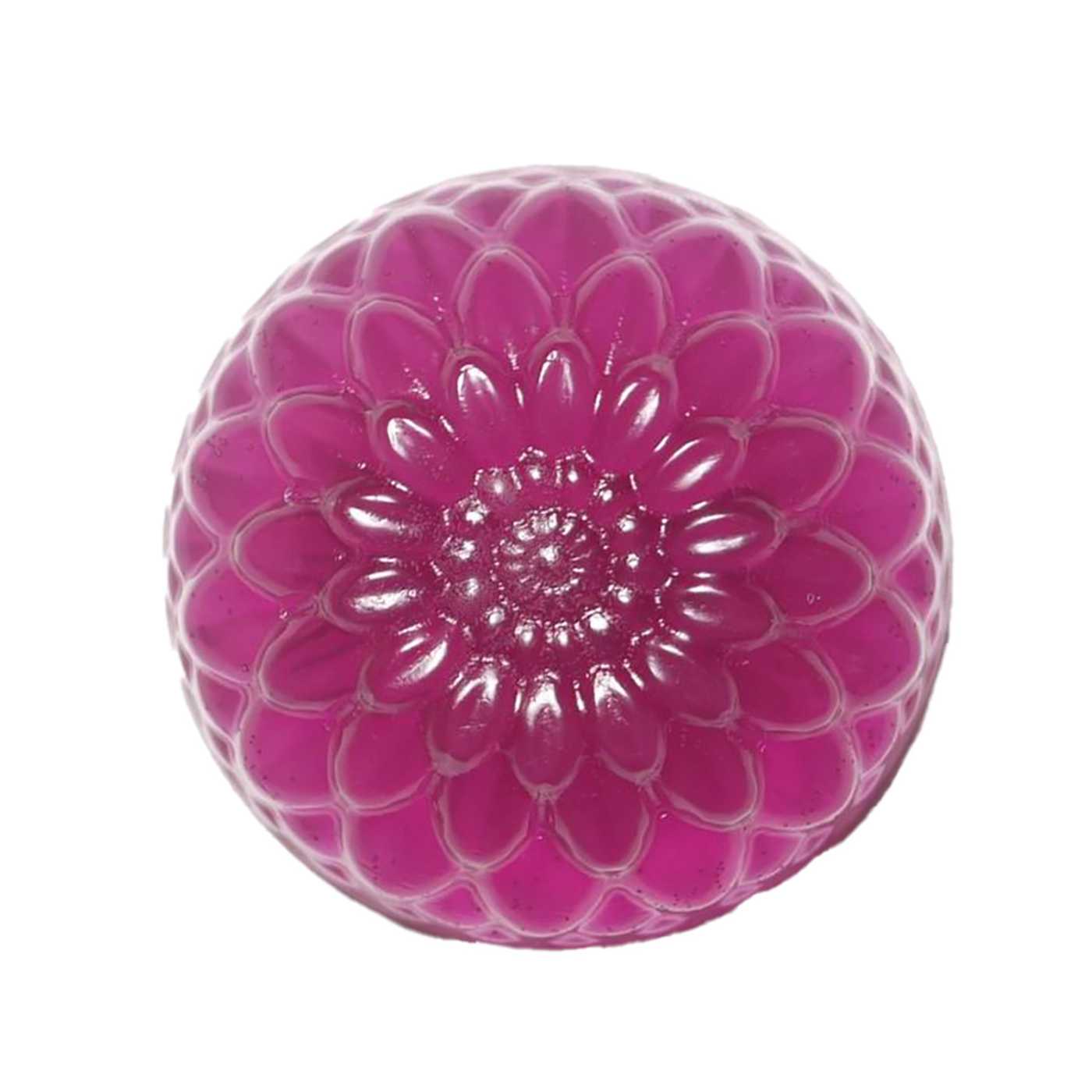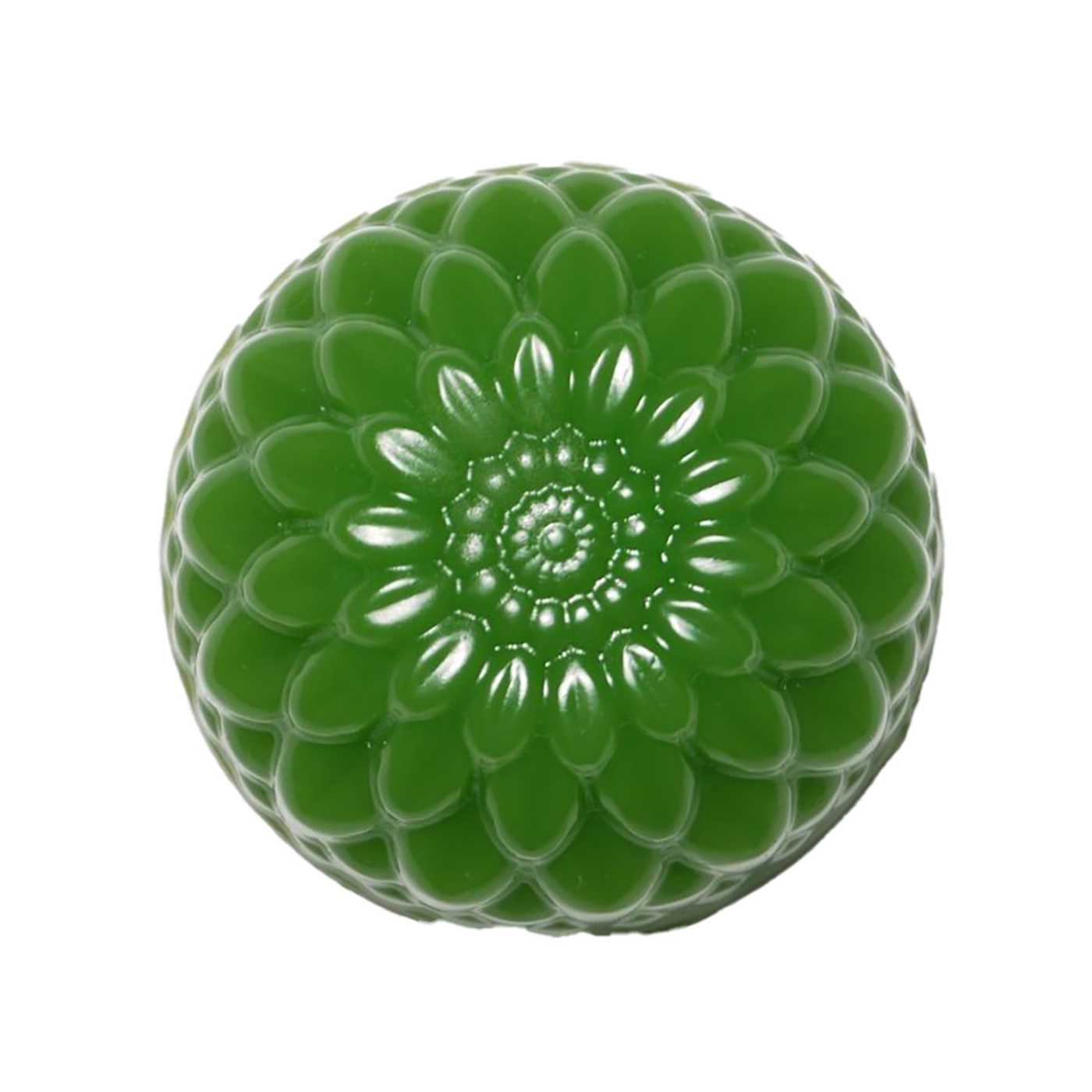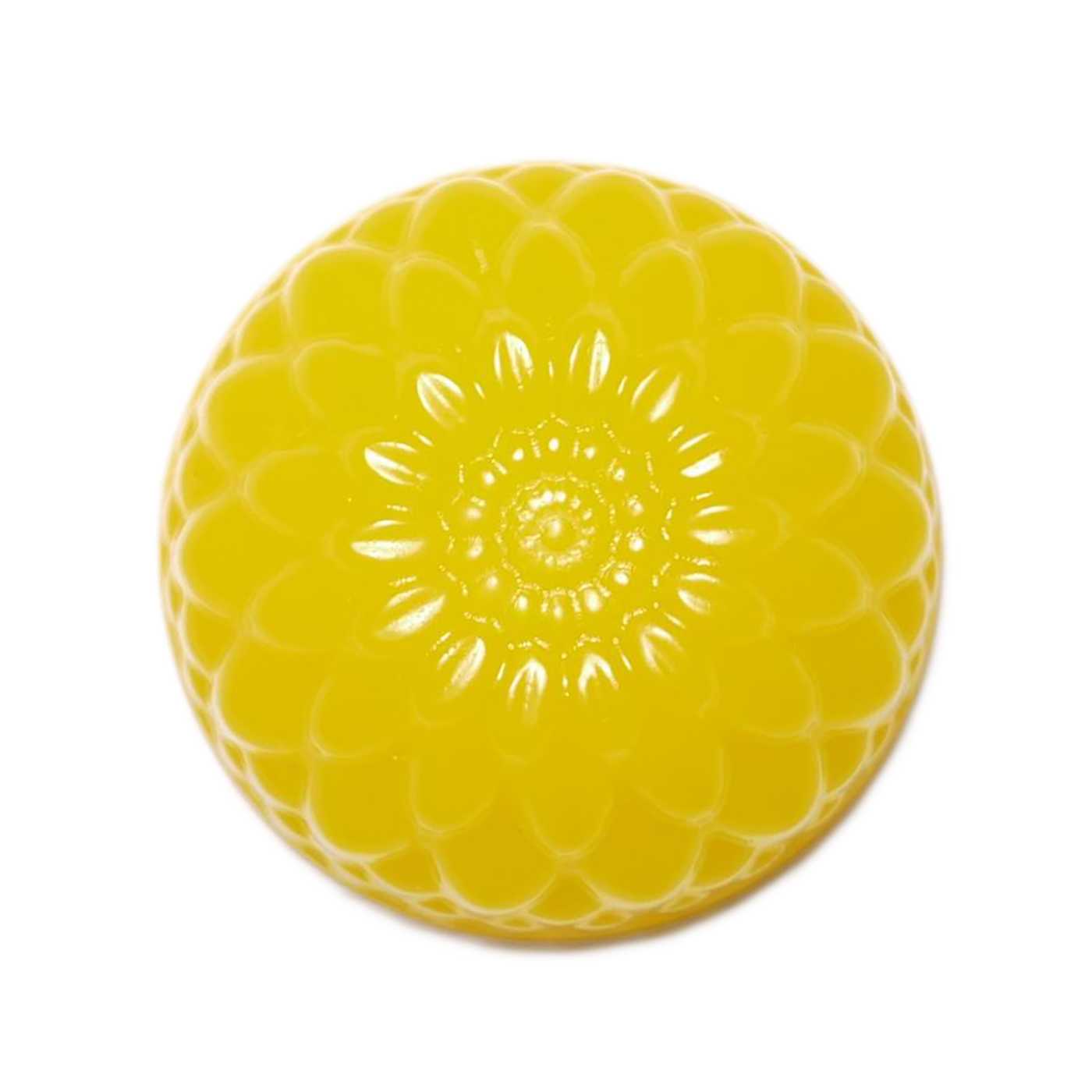
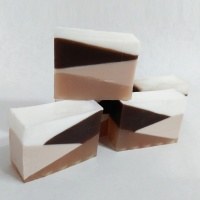
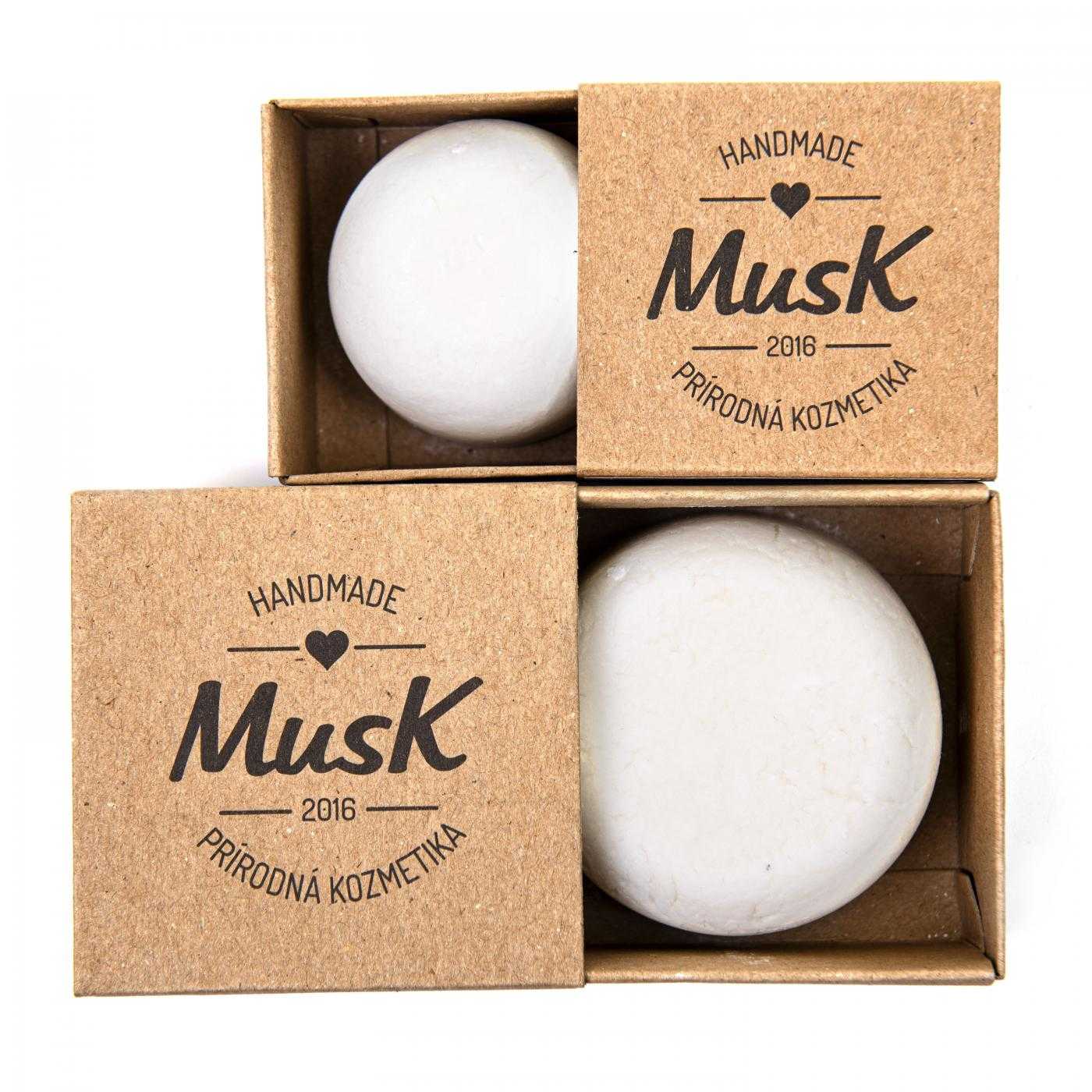
Solid shampoo, Jemný Dotyk, 40 g
Pre-order€5.25(€131.25/kg)

SOAP BASES 1 kg
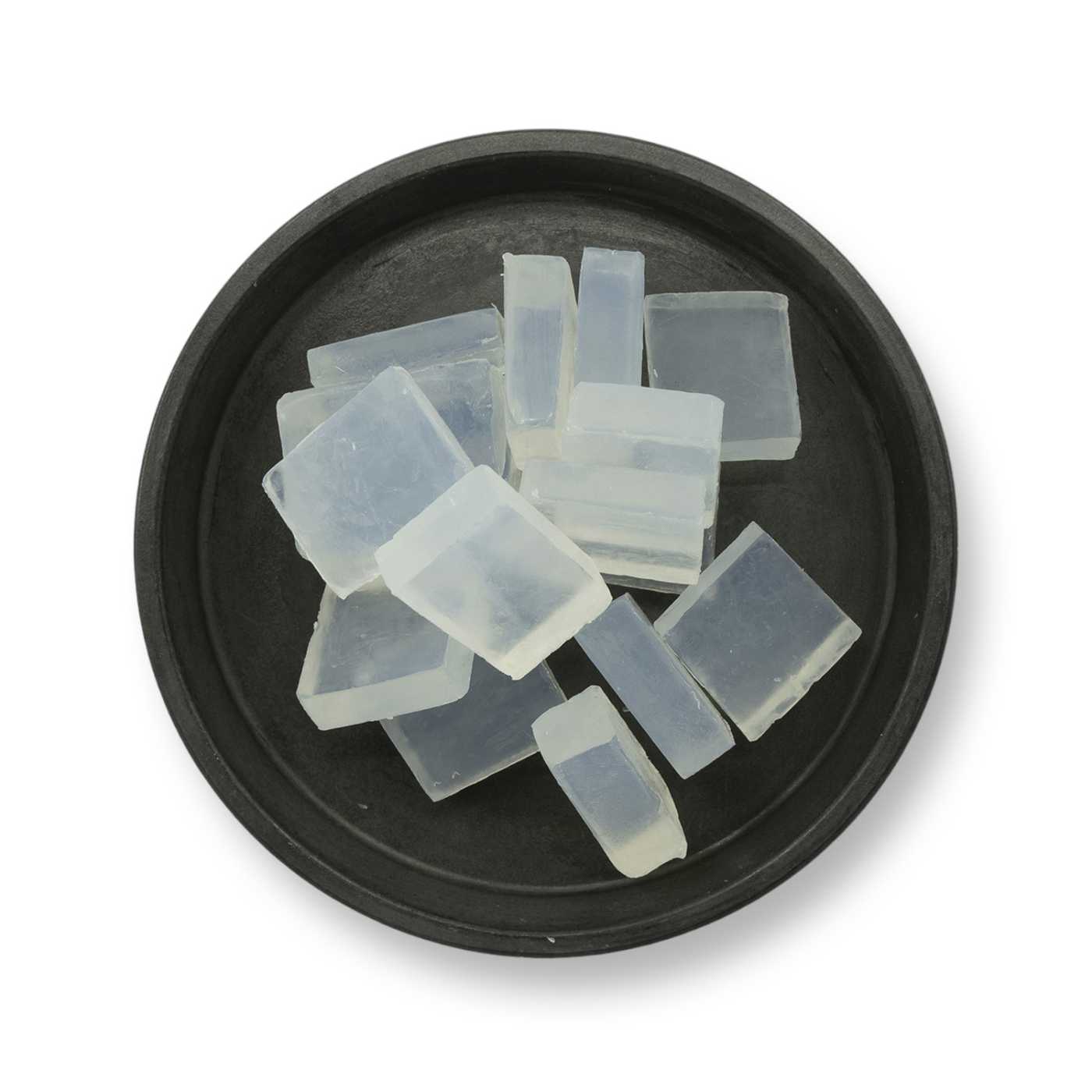
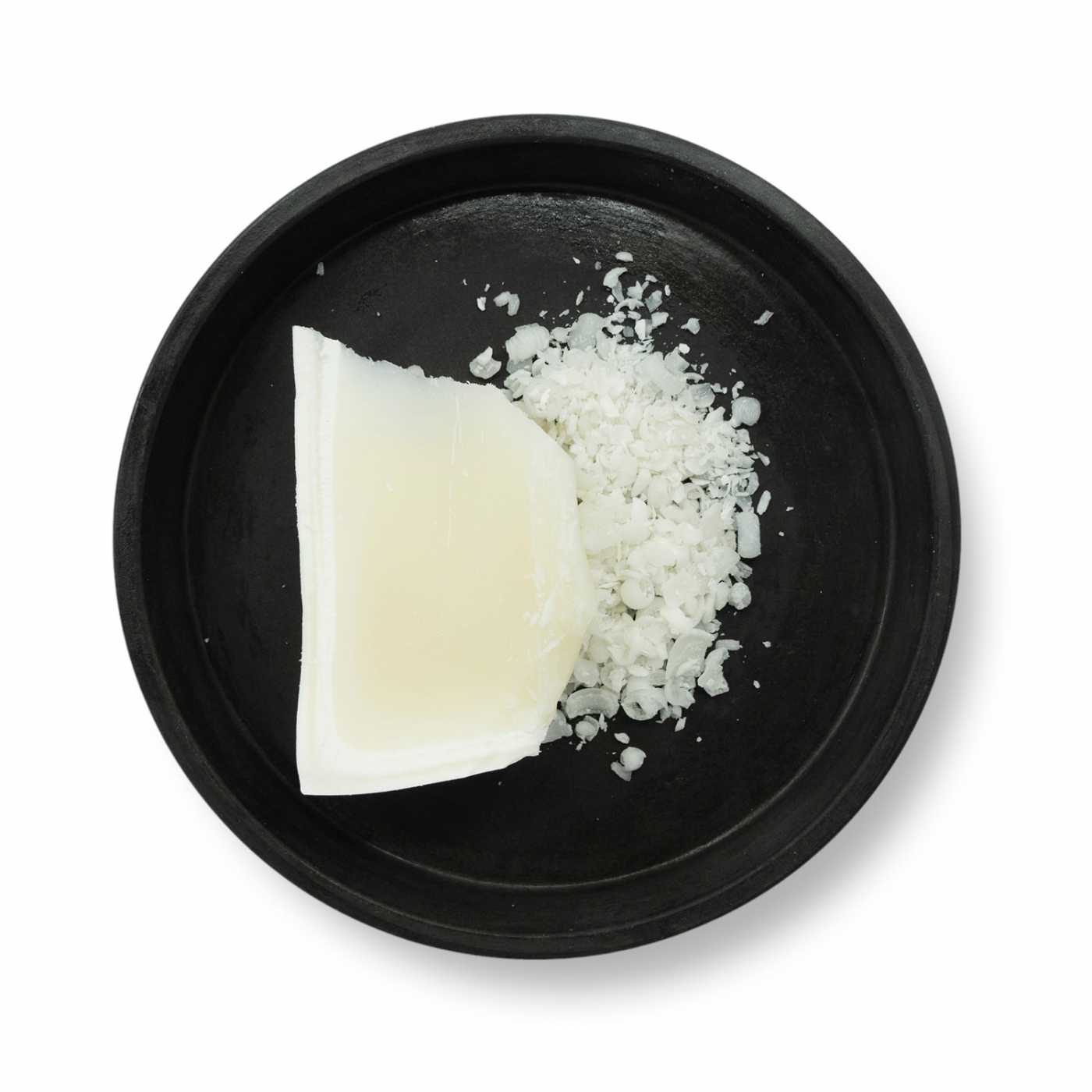
The transparent ZENISOAPBASE MAXI soap base is a ready-made foundation for soap making using the melt and pour method. You melt it, add color and fragrance, and pour it into a mold. full description
Lowest price in the last 30 days: €7.49
The transparent ZENISOAPBASE MAXI soap base is a ready-made foundation for soap making using the melt and pour method. You melt it, add color and fragrance, and pour it into a mold. No lye is required and the soap does not need to cure — once cooled and removed from the mold, it is ready to use. Suitable for solid soaps for hands, body and face for all skin types.
The term non-sweating means that the finished soap does not form moisture droplets on its surface under normal conditions, unlike standard glycerin bases. Soaps remain dry and clear even when displayed on a stand and do not need to be wrapped in film immediately after setting. The base contains no alcohol, silicones, parabens or formaldehyde and its donors. Supplied in a 1 kg package.
Cut the block into smaller cubes — they melt faster and more evenly. Melt in a double boiler or in a microwave in short intervals with occasional stirring. The recommended processing temperature is 65 – 75 °C. The melted base is colored, scented and immediately poured into silicone or plastic molds. Surface bubbles can be eliminated by spritzing with isopropyl alcohol. The soap sets at room temperature within a few hours; thinner pieces set sooner, leave larger blocks overnight.
After melting, cover the container with plastic wrap or a lid. This reduces water evaporation and the base retains its weight and an even consistency when pouring.
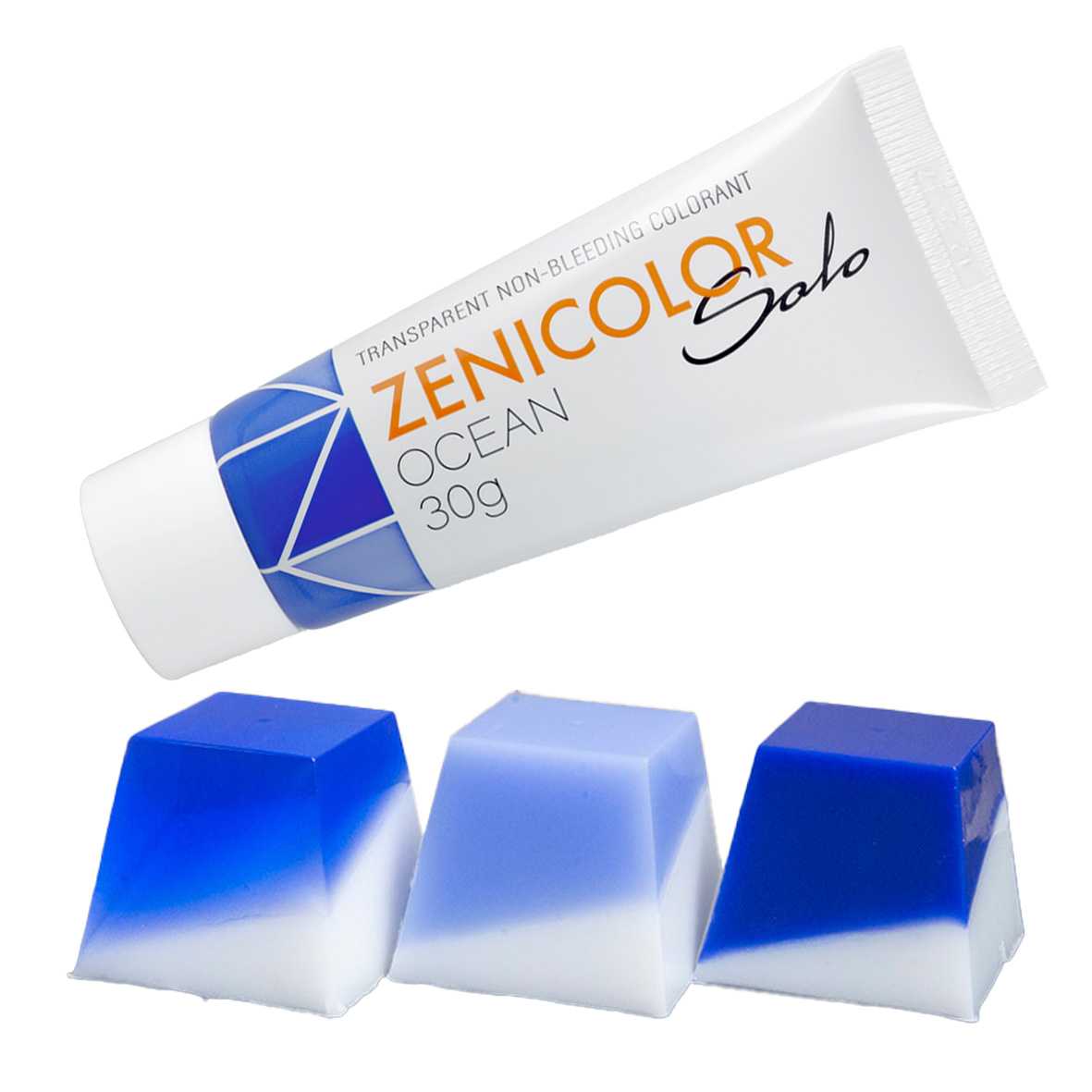
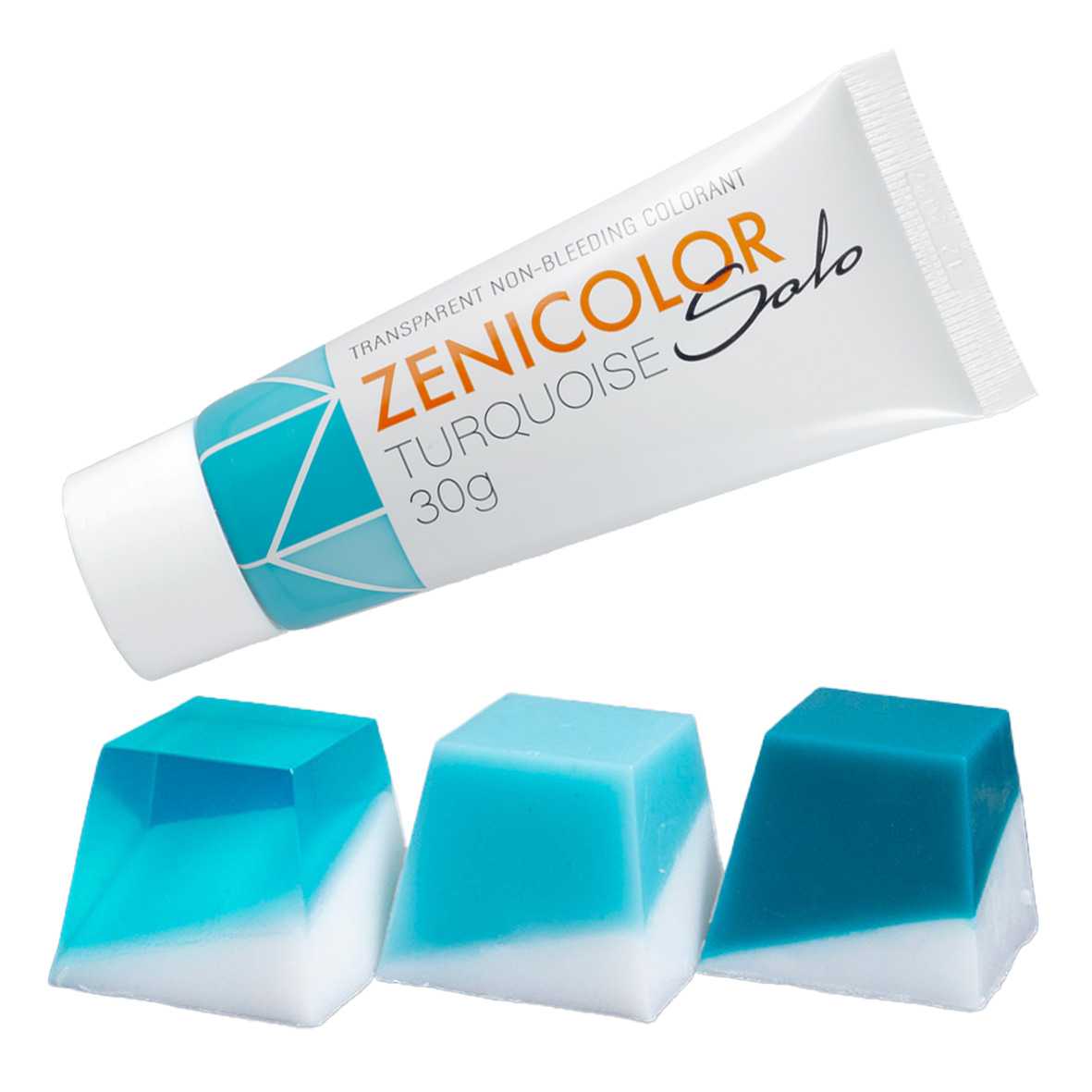
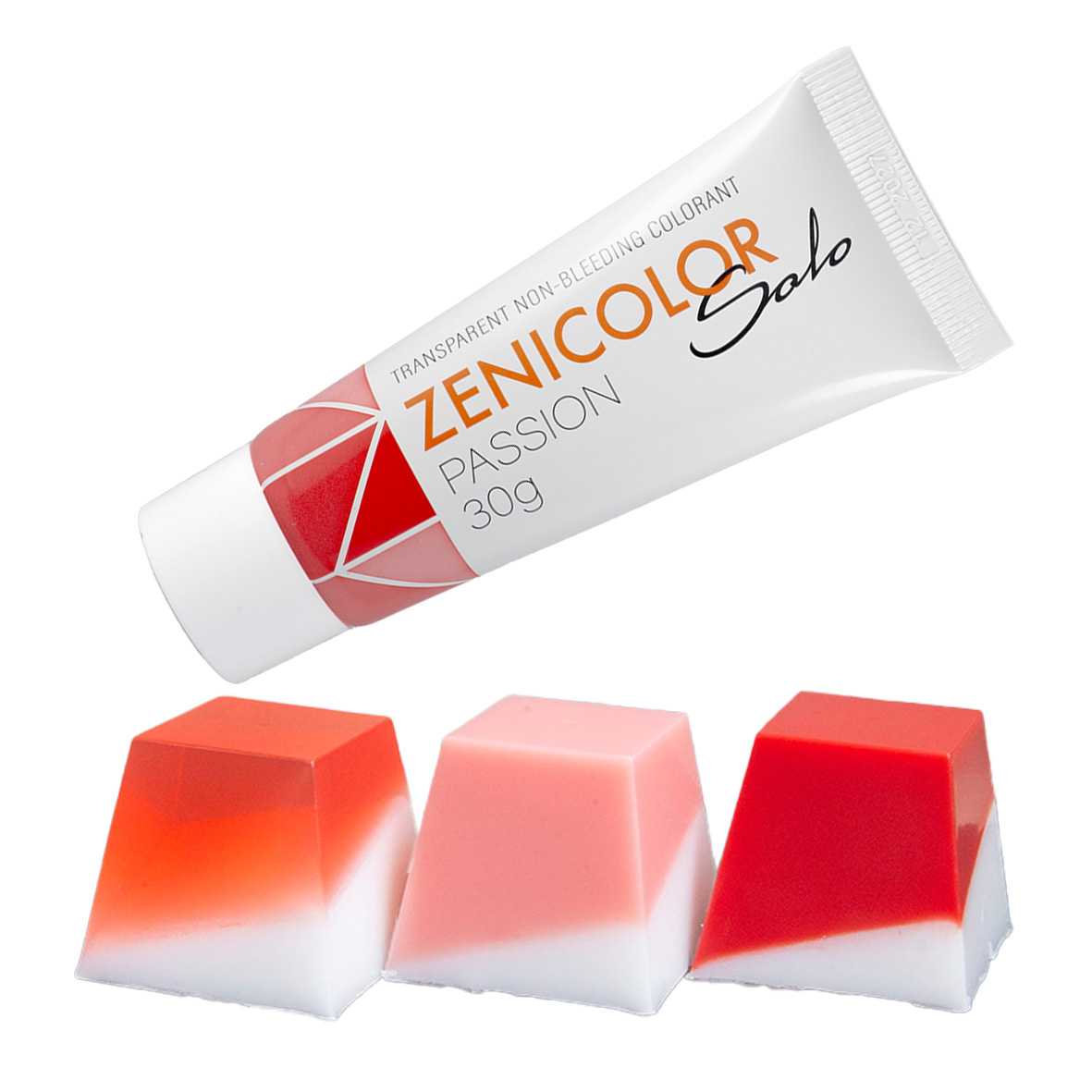
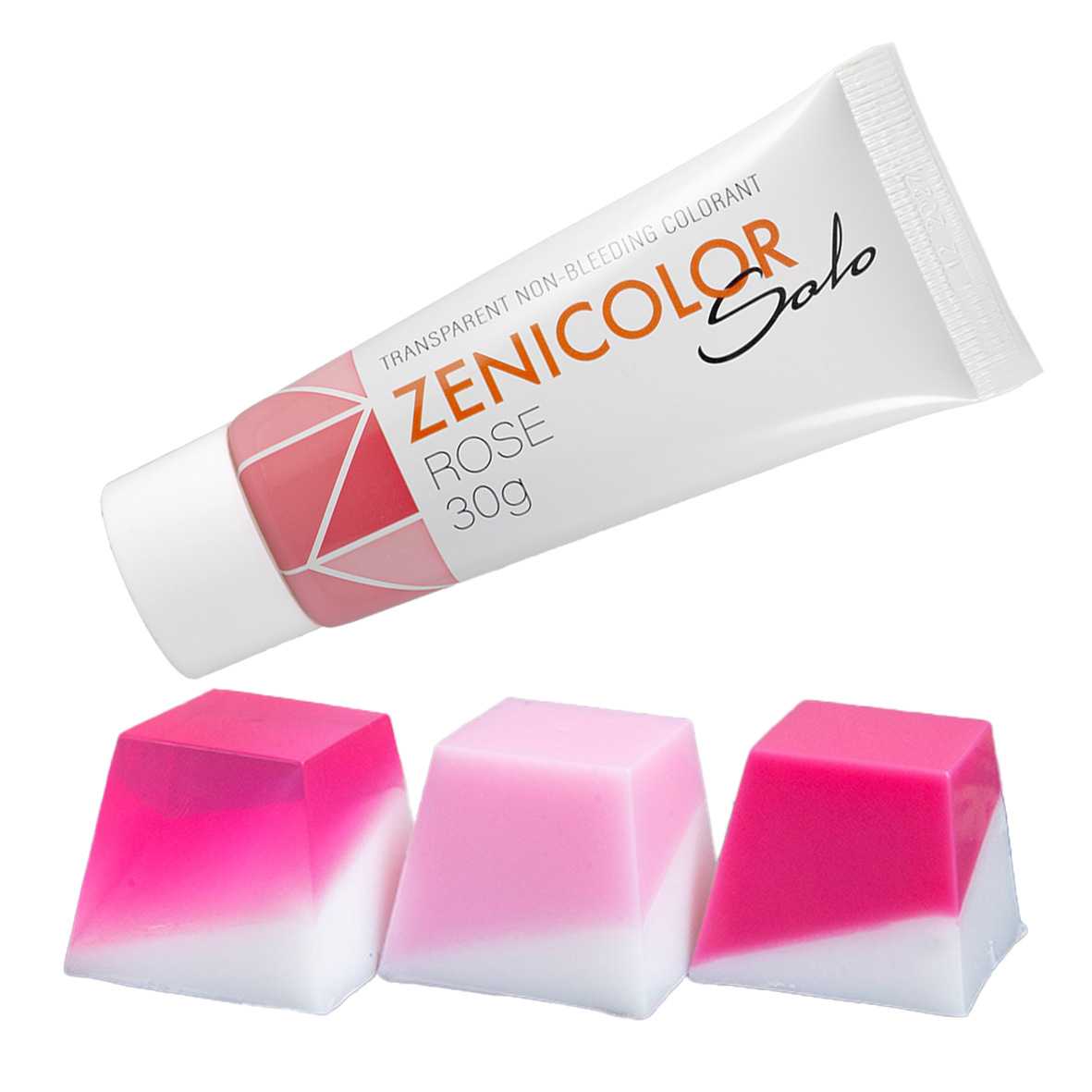
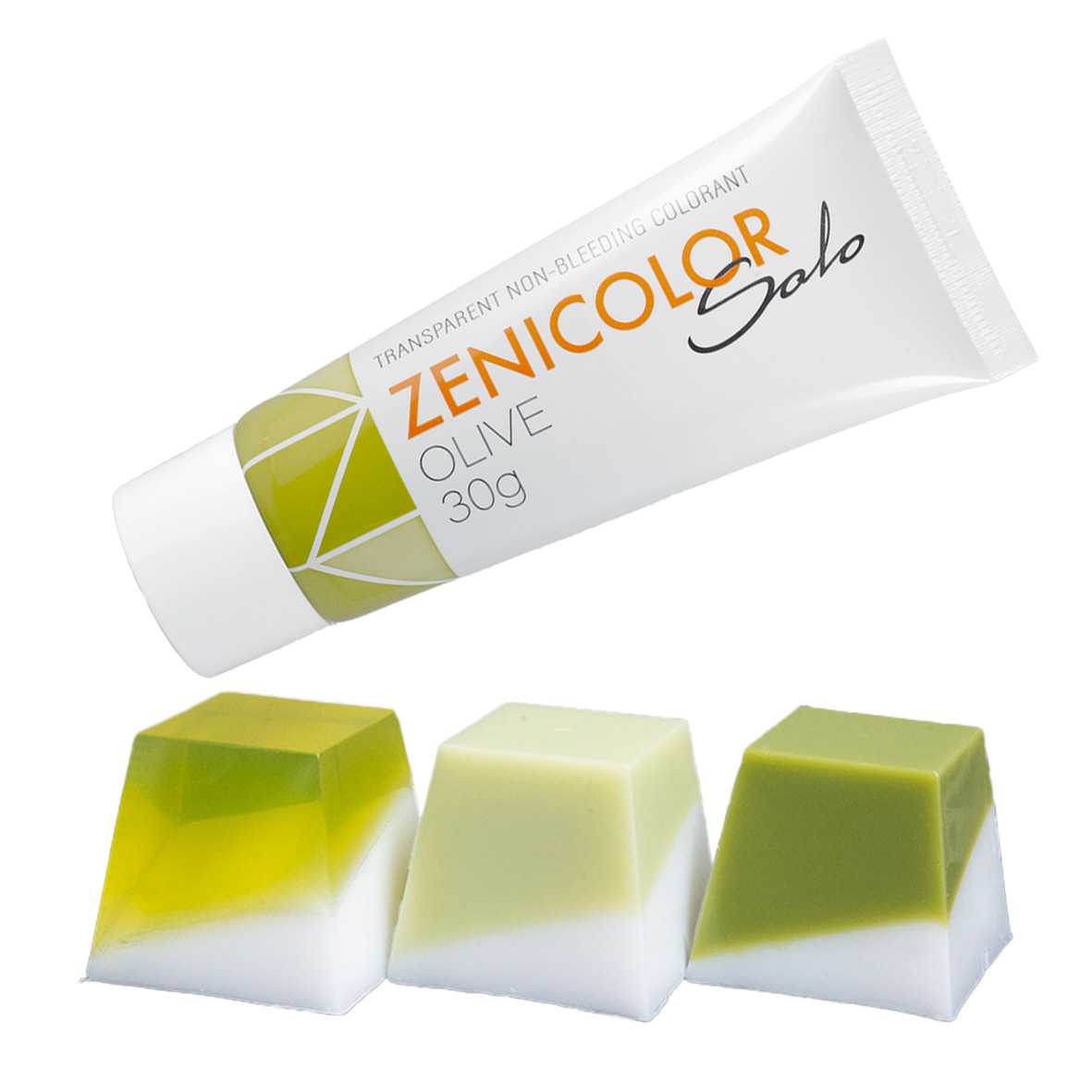
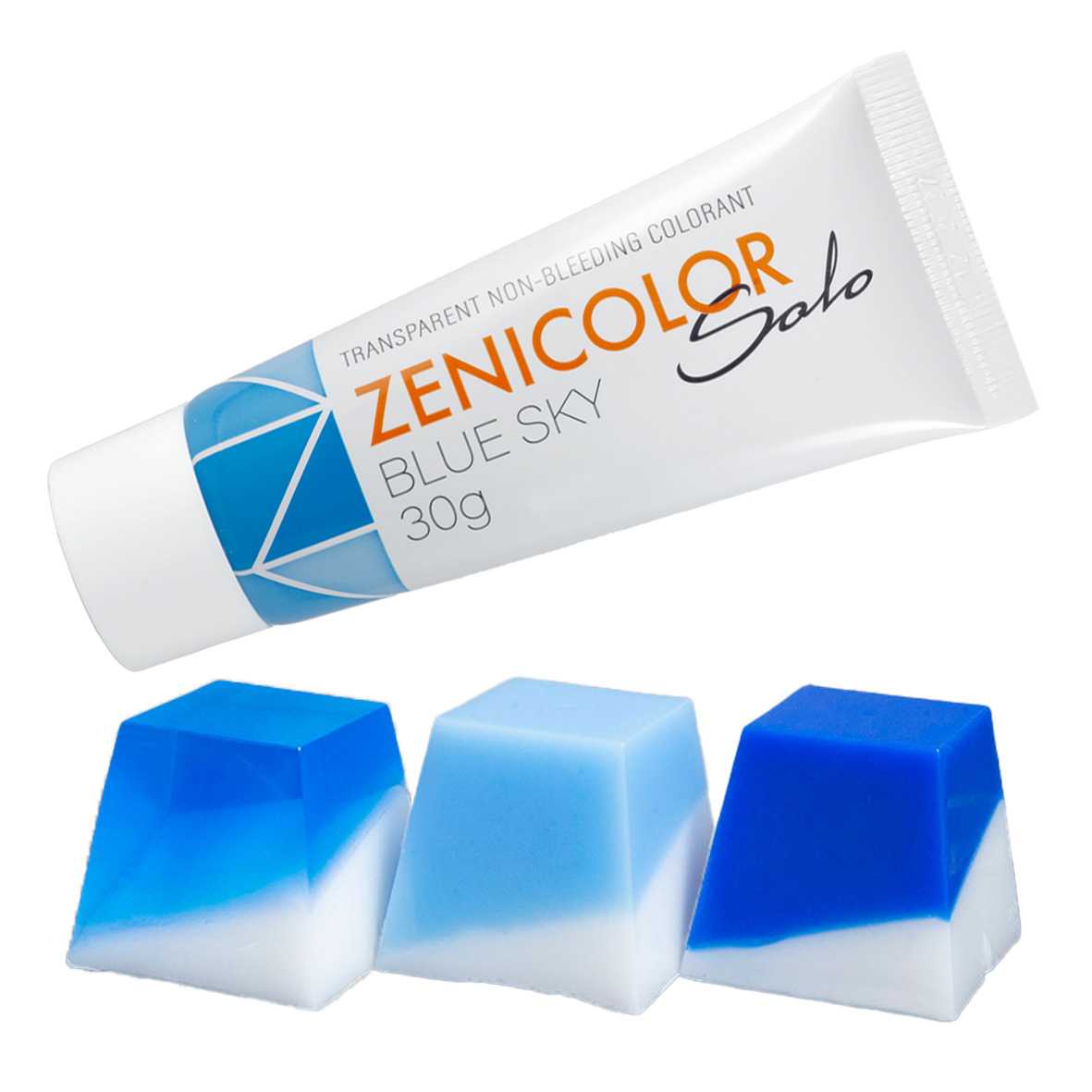
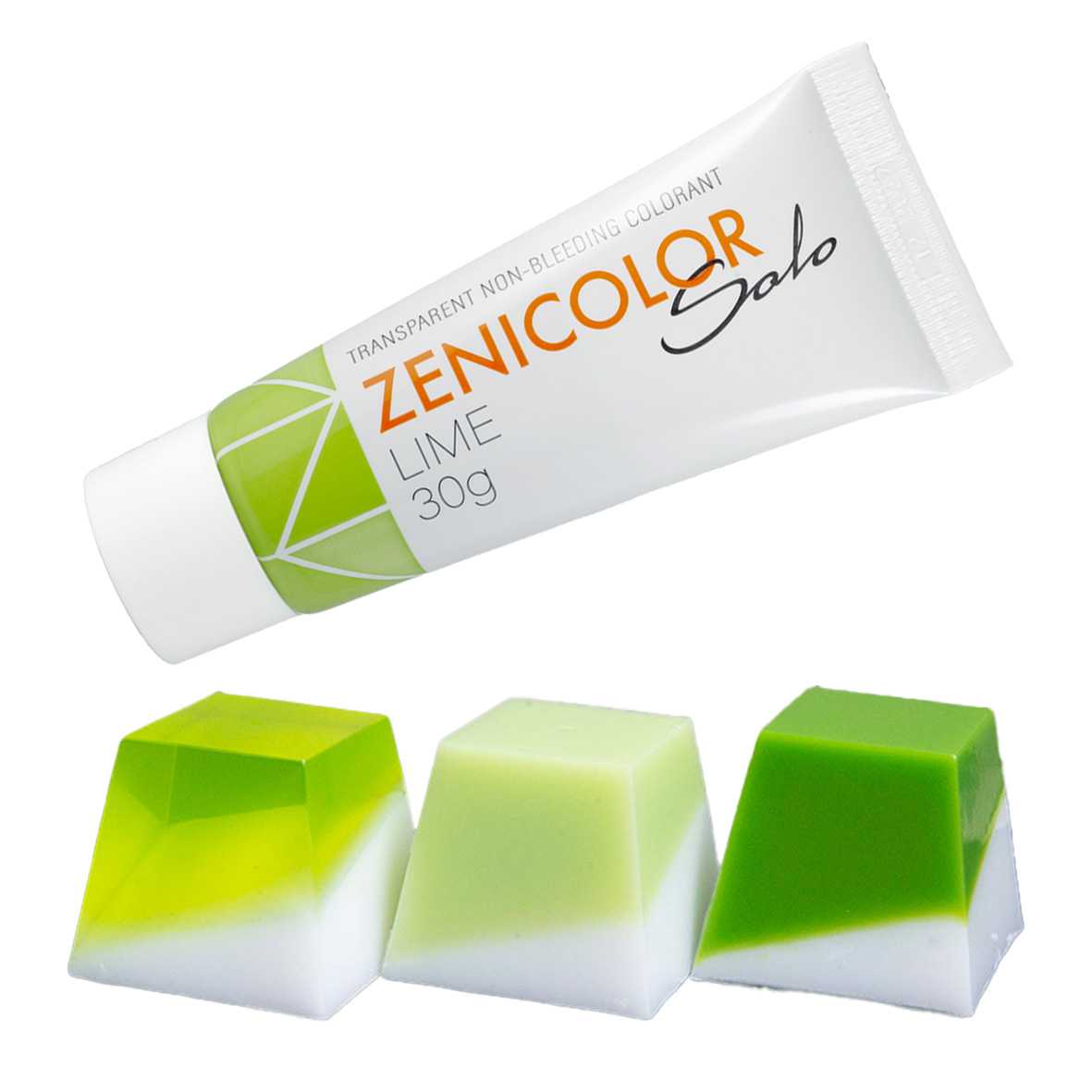
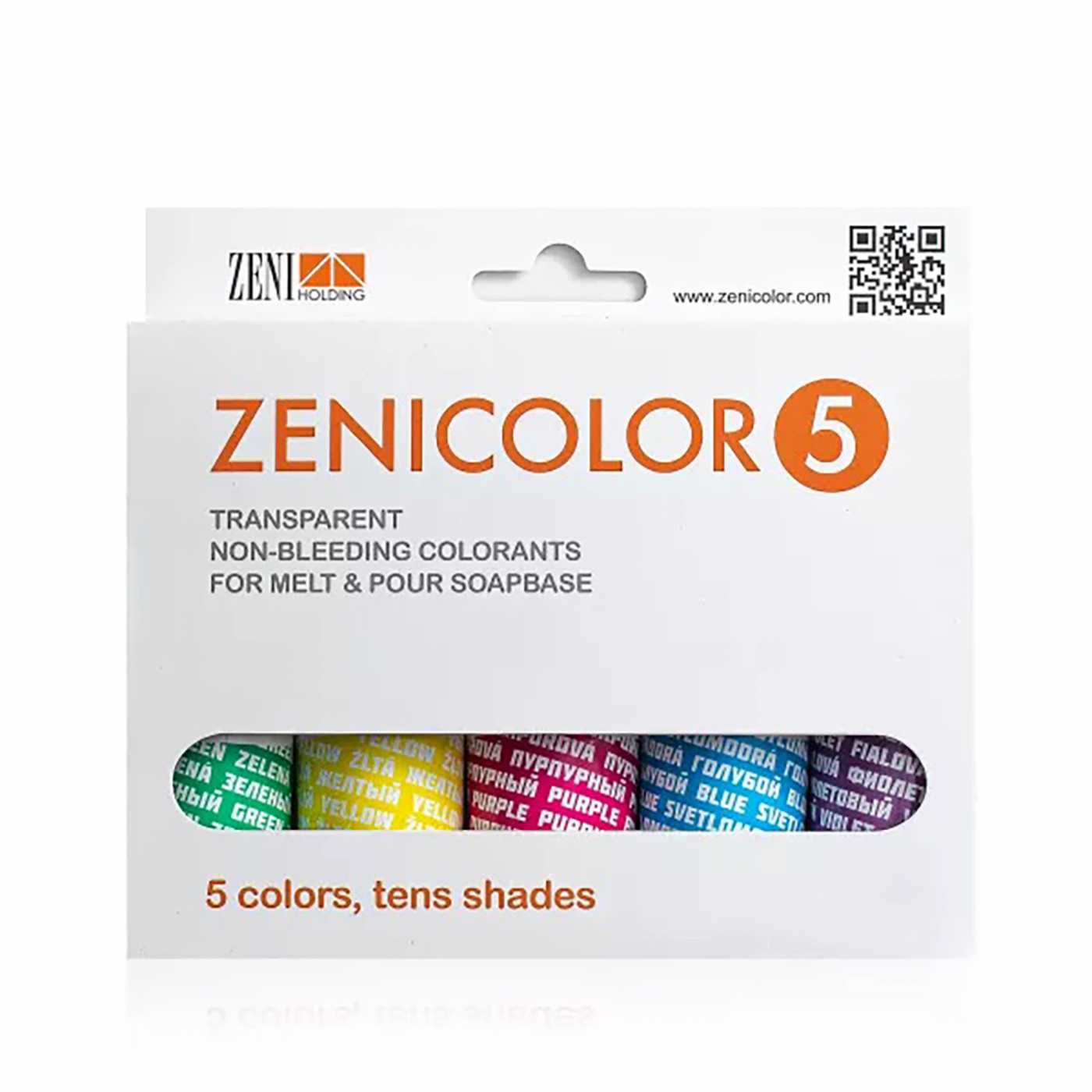
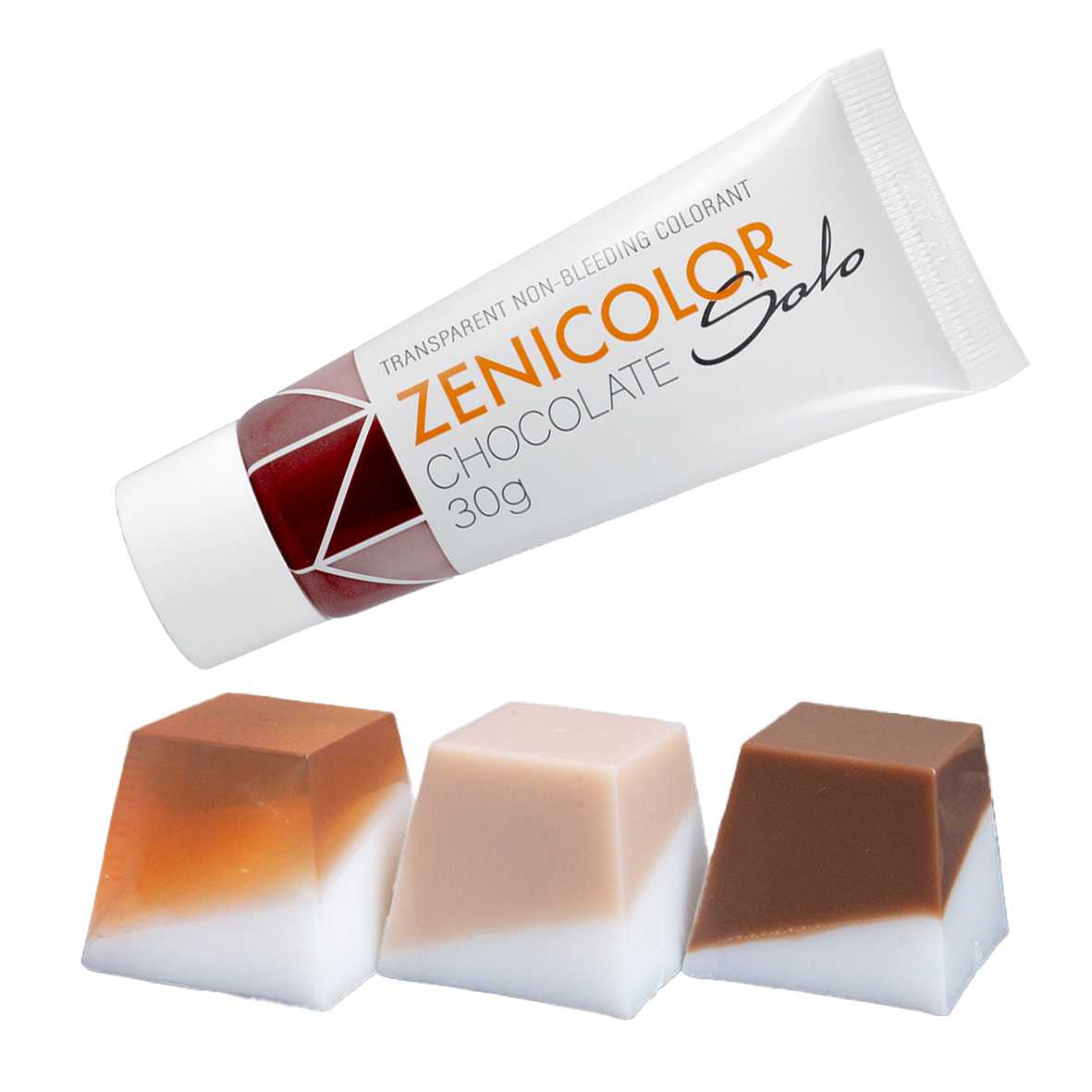
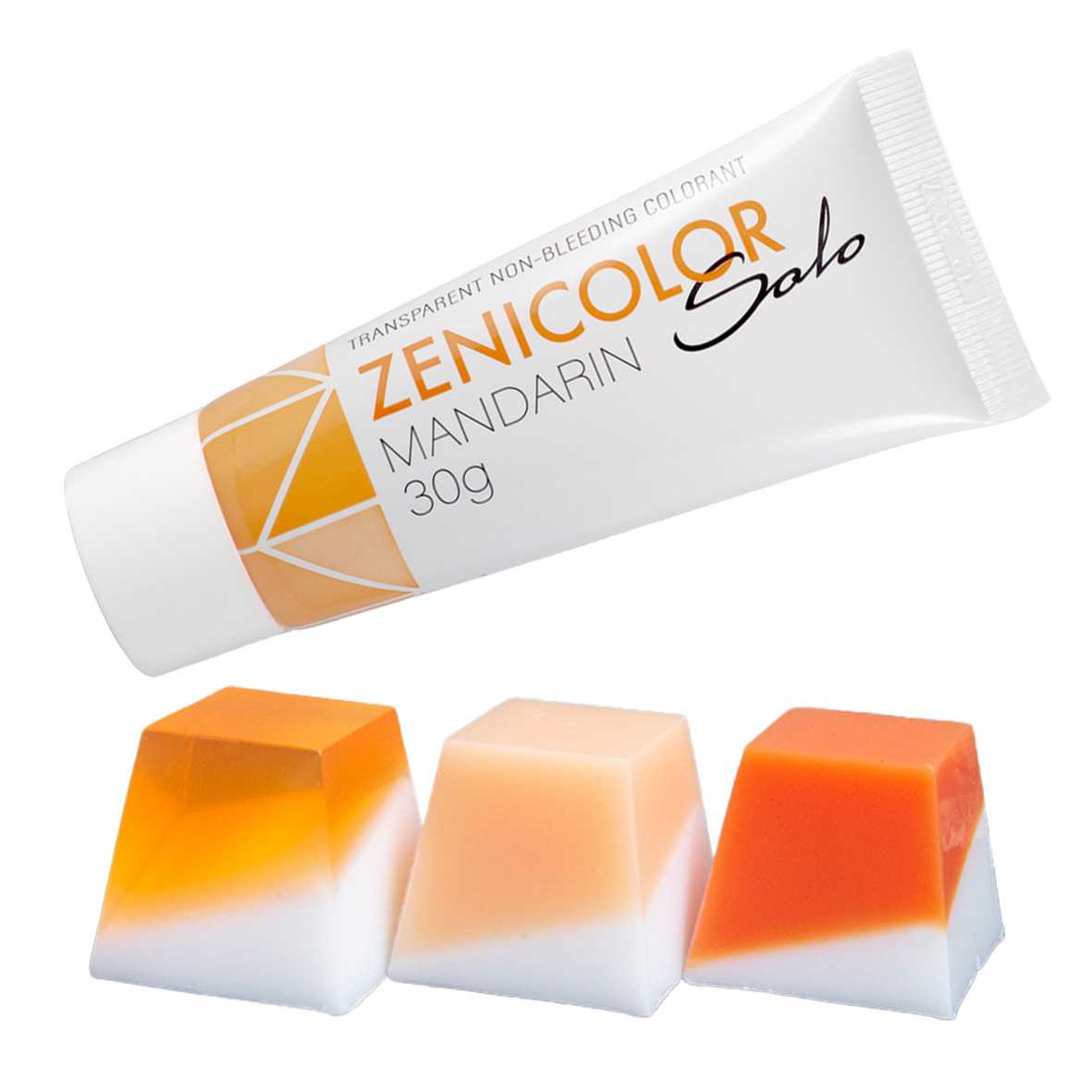
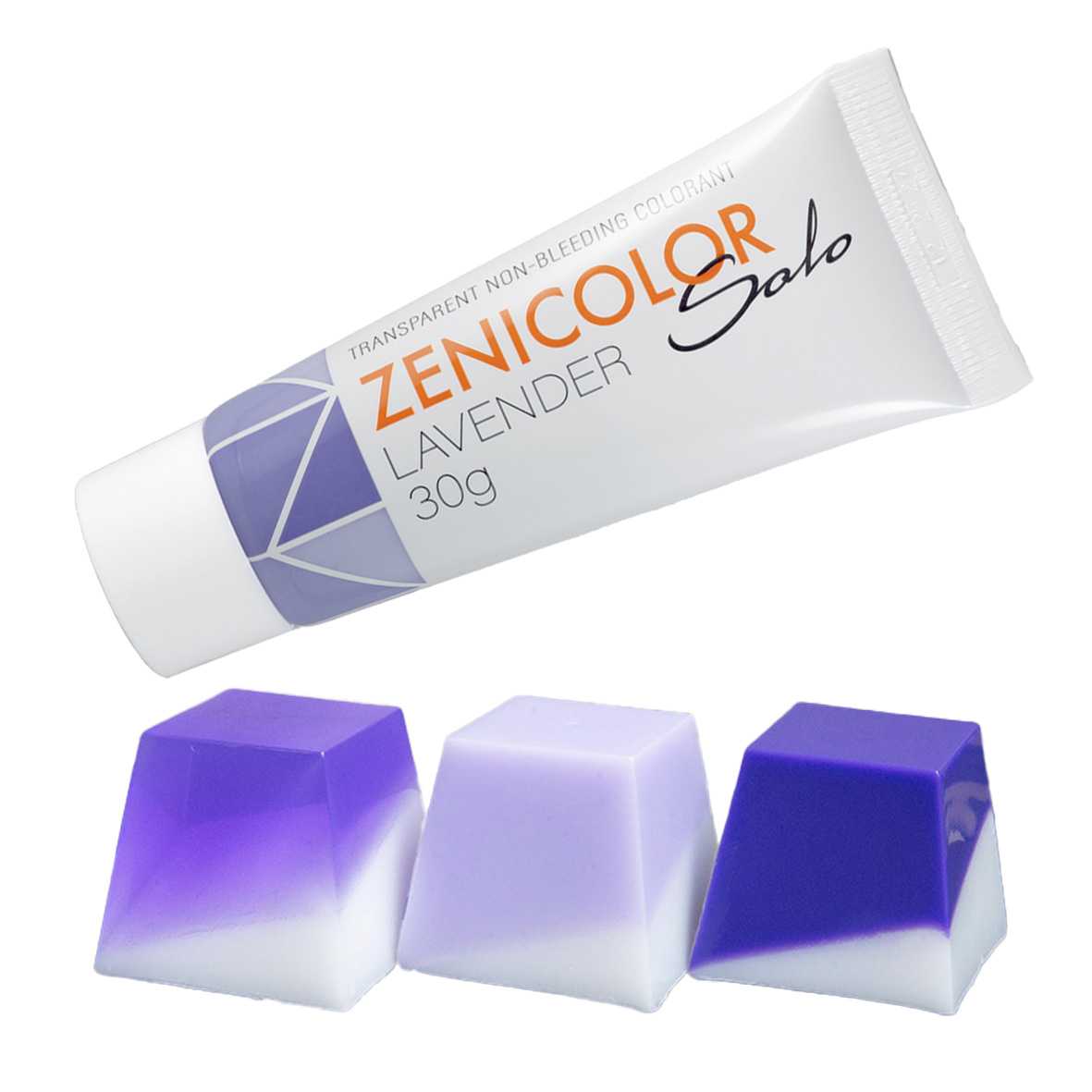
Water-soluble dyes work best in the transparent base, giving clean, glass-like shades; pearlescent micas sparkle visibly in the clear base. Water-insoluble pigments will cloud the base. Add fragrance to the melted and slightly cooled base shortly before pouring to prevent unnecessary evaporation. The amount of fragrance or essential oil is governed by the manufacturer's recommendation and IFRA limits for rinse-off products. When making layered soaps, pour the next layer only after the surface of the previous layer has set. Spritzing with isopropyl alcohol before pouring improves adhesion between layers.
Oils, butters, hydrosols or larger amounts of water do not belong in the base. They impair firmness, reduce lather and cloud the transparent base. Dried herbs, coffee or poppy seed in small amounts may be added just before pouring into the slightly thickened base; otherwise they will sink to the bottom.
Never boil the base. Above 75 °C water evaporates, the base thickens and pours poorly. An overheated base is better rescued by adding a fresh piece of base than by adding water.
The base is intended for rinse-off products. It has an anionic character, tolerates anionic surfactants and alkaline pH, which is consistent with standard soap formulations. Cationic ingredients, such as conditioning polymers, are not typical for this type of base — verify their behavior on a test piece.
Production is possible even in small batches. Weigh the cut base according to the mold volume; leftovers can be remelted, but each additional heating cycle means water loss and reduced flow. The base is not classified as hazardous under CLP regulations. When working with hot base, protect your hands from burns.

REALLY TRANSPERENT — The base is very clear. It foams nicely and it is easy to use. A bit pricy though!