+421 950 333 113info@handymade.storeHandymade Days: −10 % on all ready-made productsShop now

SOAP BASES 10 kg

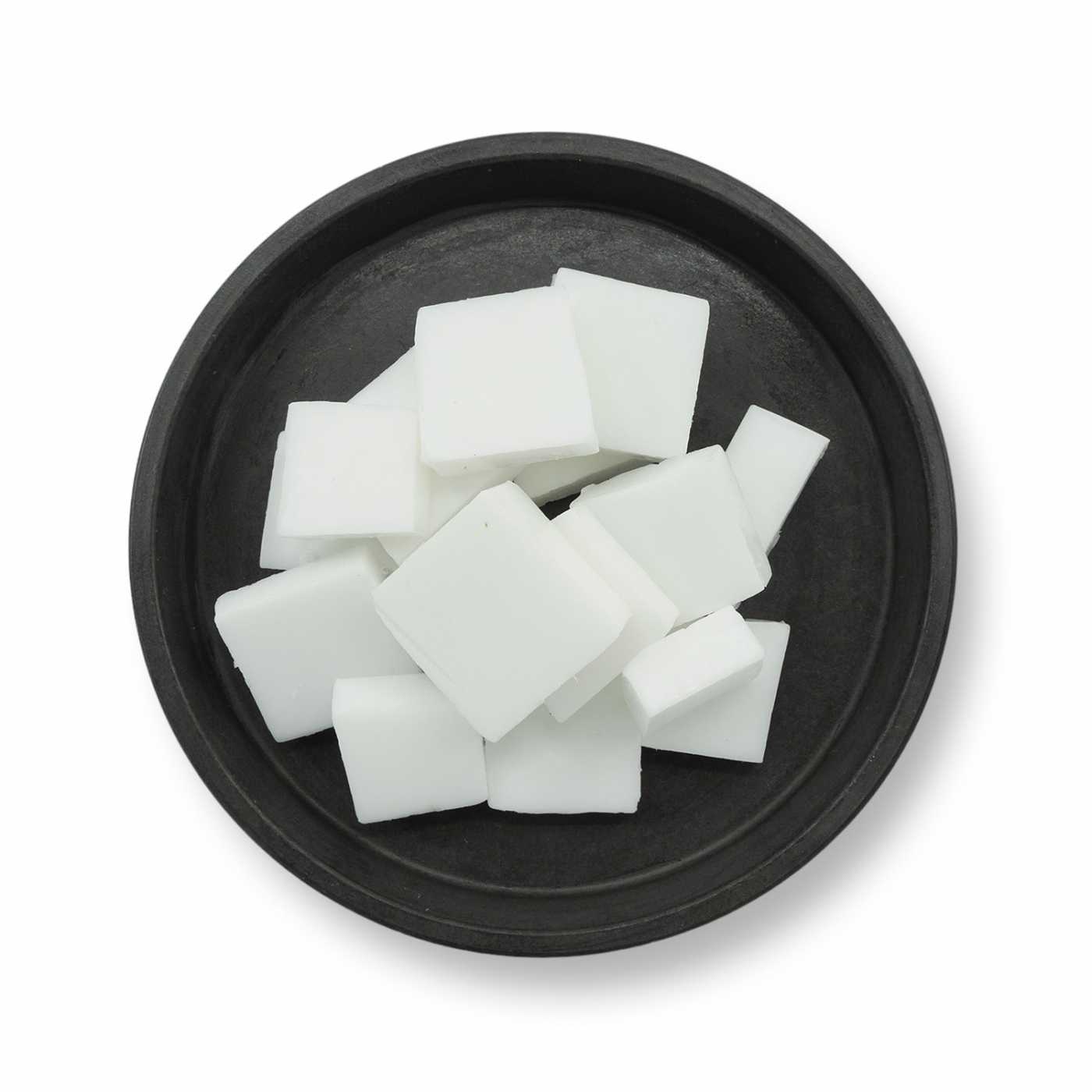
ZENISOAPBASE Melt & Pour, No Sweat, White, 10 kg

ZENISOAPBASE MAXI non-sweating soap base is a ready-made white glycerine base for making soap by the melt and pour method: you melt it, colour it, add fragrance and pour it into a mould. full description

AvailabilityIn stock · 4 pcs
Product codeMH110_10
Batch20260808
Best before08/2028
€68.73incl. VAT€6.87/kg

Lowest price in the last 30 days: €61.85

Product description

ZENISOAPBASE MAXI non-sweating soap base is a ready-made white glycerine base for making soap by the melt and pour method: you melt it, colour it, add fragrance and pour it into a mould. Saponification has already taken place during production, so no sodium hydroxide is used in the process and the finished soap does not need weeks of curing. The formulation is adjusted so that the soaps sweat less in the air, which makes them easier to store, pack and sell. The 10 kg pack is intended for producers who make soaps in batches, for workshops, courses and larger orders.

The base consists of sodium salts of fatty acids, supplemented with surfactants that support foam formation. Glycerine, sorbitol and propylene glycol act as humectants in the base, while titanium dioxide gives the base an opaque white colour. The base has only a faint scent of its own, so you determine the final fragrance yourself.


Key features

  • Non-sweating formulation – glycerine soaps attract water in a humid environment and droplets form on their surface. This base is formulated to limit sweating, so the soaps are easier to store on open shelves and stay neat-looking for longer.
  • White opaque base – on this base, dyes produce pastel to rich opaque shades, depending on the amount of pigment. When layered with a clear soap base, it creates a striking contrast.
  • Foam and cleansing effect – the soap base is supplemented with the surfactants Sodium Laureth Sulfate and Disodium Laureth Sulfosuccinate, which support foam formation when washing hands, body and face.
  • Humectants directly in the base – glycerine and sorbitol bind water and support skin hydration during washing.
  • Not subject to CLP classification – the base is not classified as a hazardous mixture.

Working with the soap base

The base is supplied as a solid white paste, which you cut into smaller cubes before melting. Melt it in a water bath or in a microwave oven in short intervals, stirring occasionally. The melting point is approximately 68 °C, so the base softens with gentle heating and does not need to be brought to the boil.

Melt the base only until it has completely melted and do not leave it at a high temperature for long. Overheated base loses water, thickens and pours less easily. For larger batches, it works well to melt only the amount needed for one set of moulds; the rest can be melted again, but each further heating changes the consistency.

Once melted, stir the dyes and fragrance oil into the liquid base, mix briefly and pour it into a mould. Remove bubbles on the surface with a spray of isopropyl alcohol. When the soap has set completely, remove it from the mould and it is ready to use.

When layering, let each layer set, spray it with alcohol and only then pour the next one, so that the layers bond. Embedded objects, for example flowers or small toys, are placed into partially set base, otherwise they sink to the bottom.

The base is water-soluble and oil-insoluble. A larger amount of oil or butter will not dissolve in it, may separate and weaken the foam. We recommend adding additives sparingly and checking the behaviour of the finished soap on a small sample.

The non-sweating formulation limits sweating, but does not eliminate it completely. Once the finished soaps have set and cooled, wrap them in film or store them in sealed packaging, especially in humid rooms.


Suitable for making

  • Moulded soaps – silicone and plastic moulds, soaps with a relief, where the white base captures detail well.
  • Layered and embedded soaps – in combination with a clear soap base, coloured stripes, soaps with embedded objects.
  • Pastel and richly coloured soaps – the white base gives colours an opaque, solid tone.
  • Soaps for hands, body and face – for normal, combination and oily skin.

Good to know

The base is intended for rinse-off products, that is, solid soaps that are washed off with water after use. It is not intended for leave-on cosmetic products.

The amount of fragrance oil and dye follows the recommendation of their manufacturer. Add fragrance oils to the melted base just before pouring, so that they do not evaporate from the hot liquid base.


Frequently asked questions

What does it mean that ZENISOAPBASE MAXI soap base is non-sweating?
A non-sweating soap base is formulated so that water droplets do not form on the surface of the finished soap in a humid environment. Glycerine soaps attract moisture from the air, and an ordinary base looks sweaty after a while. With this formulation the effect is limited, but we still recommend wrapping the soaps once they have set, especially if they are stored in a humid environment.
How do you melt ZENISOAPBASE MAXI soap base?
Melt the base in a water bath or in a microwave oven in short intervals, stirring occasionally, until it has completely melted. The melting point is approximately 68 °C, so the base does not need to be boiled. Once melted, add the dyes and fragrance and pour the base into a mould.
Can you add oil or butter to ZENISOAPBASE MAXI soap base?
Yes, but only in a small amount, because the base is oil-insoluble. A larger proportion of oil or butter will not dissolve in it, may separate and reduce foam formation. We recommend testing additives on a small sample first and letting the finished soap set completely before assessing it.
Does soap made from ZENISOAPBASE MAXI soap base need to be cured?
No, soap made from this base does not need curing. Saponification has already taken place during the production of the base, so the soap can be used as soon as it has set and been removed from the mould. Curing is only necessary for cold process soap made from oils and a lye solution.
How do you colour ZENISOAPBASE MAXI white soap base?
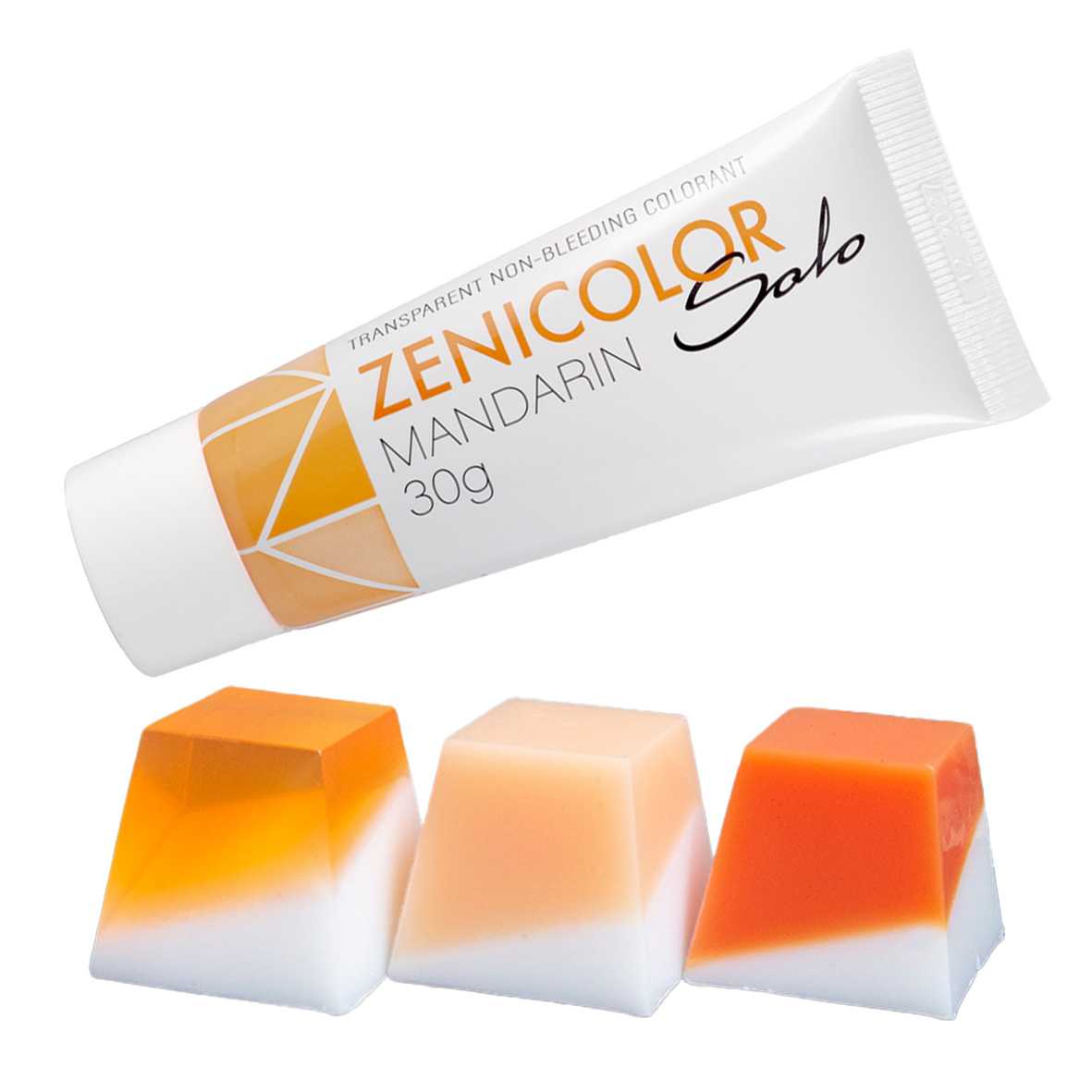
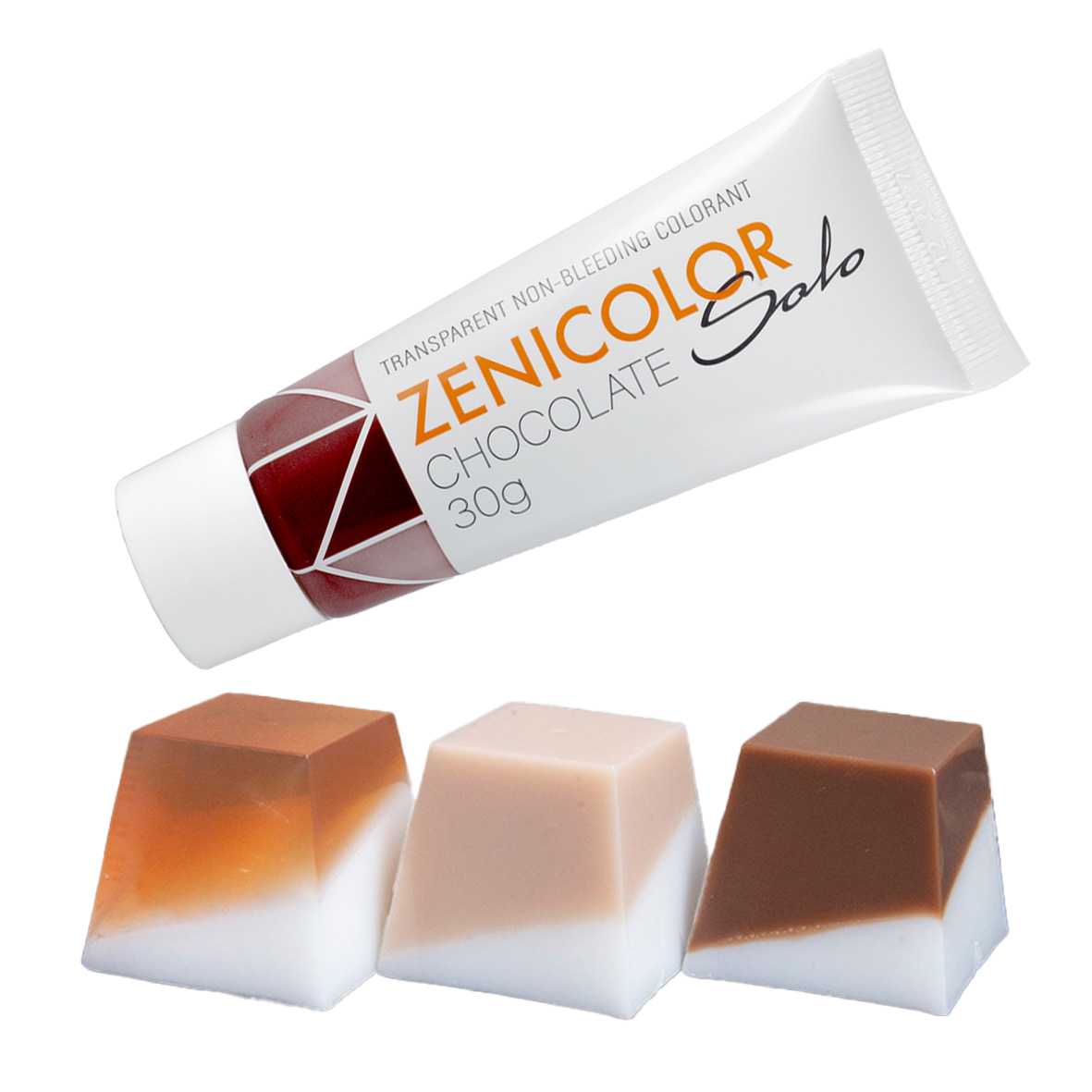
The white base is coloured with cosmetic dyes and pigments intended for soap, which you stir into the melted base before pouring. On the white base you get opaque pastel shades, and with a higher amount of pigment also rich opaque colours. Layering with a clear soap base creates contrasting stripes.
Is soap made from ZENISOAPBASE MAXI soap base suitable for the face?
Yes, the base is intended for rinse-off soaps for hands, body and face and suits normal, combination and oily skin. The foam is created by a combination of sodium salts of fatty acids and surfactants. Rinse the soap off thoroughly with water after washing.

Parameters

INCI
Aqua, Glycerin, Sodium Stearate, Propylene Glycol, Sucrose, Sodium Laurate, Sodium Laureth Sulfate, Sorbitol, Disodium Laureth Sulfosuccinate, Titanium Dioxide, Sodium Chloride, Tetrasodium EDTA
CAS No.
7732-18-5, 56-81-5, 822-16-2, 57-55-6, 57-50-1, 629-25-4, 3088-31-1 / 9004-82-4 / 68891-38-3 / 1335-72-4 / 68585-34-2 / 91648-56-5, 50-70-4 / 1259528-21-6, 39354-45-5 / 40754-59-4 / 42016-08-0 / 58450-52-5 / 68815-56-5, 13463-67-7 / 1317-70-0 / 1317-80-2, 7647-14-5, 64-02-8
EC number
231-791-2, 200-289-5, 212-490-5, 200-338-0, 200-334-9, 211-082-4, 221-416-0 / 500-234-8 / 500-223-8 / 293-918-8, 200-061-5, 255-062-3, 236-675-5 / 215-280-1 / 215-282-2, 231-598-3, 200-573-9
Product colour
White
Country of origin
European Union
Processing method
BlendingSaponification
Application area
FaceBodyHands
Application type
Rinse-off

Product documentation

CoACertificate of Analysis
batch 20260808PDF ↓
TDSTechnical Data Sheet
Physical parameters and processingPDF ↓
SDSSafety Data Sheet
Available for purchased products —
Download all (ZIP)

2 PDF files in one archive

REVIEWS

Verified by customers.

No reviews yet.

Only customers with a delivered order can write reviews.