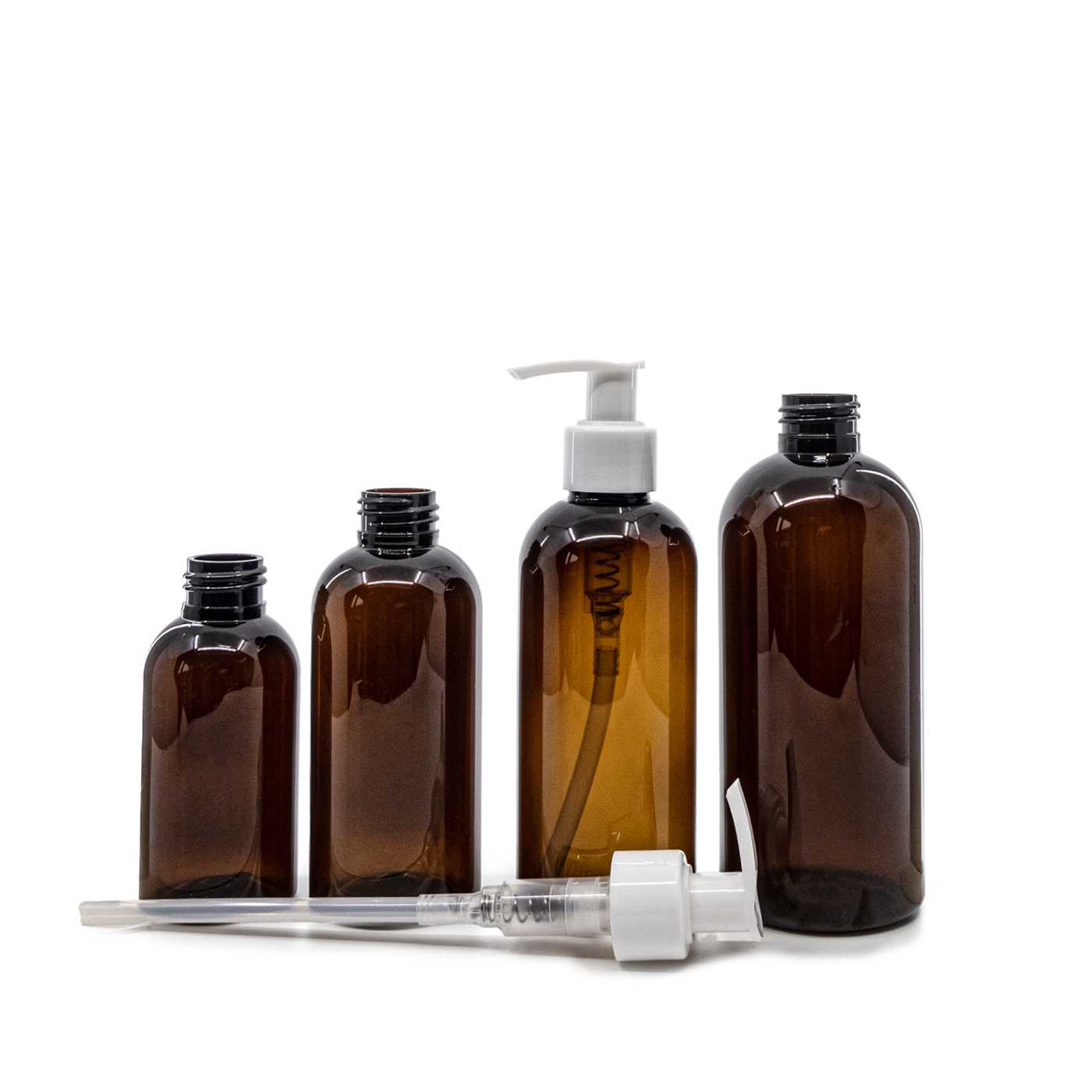
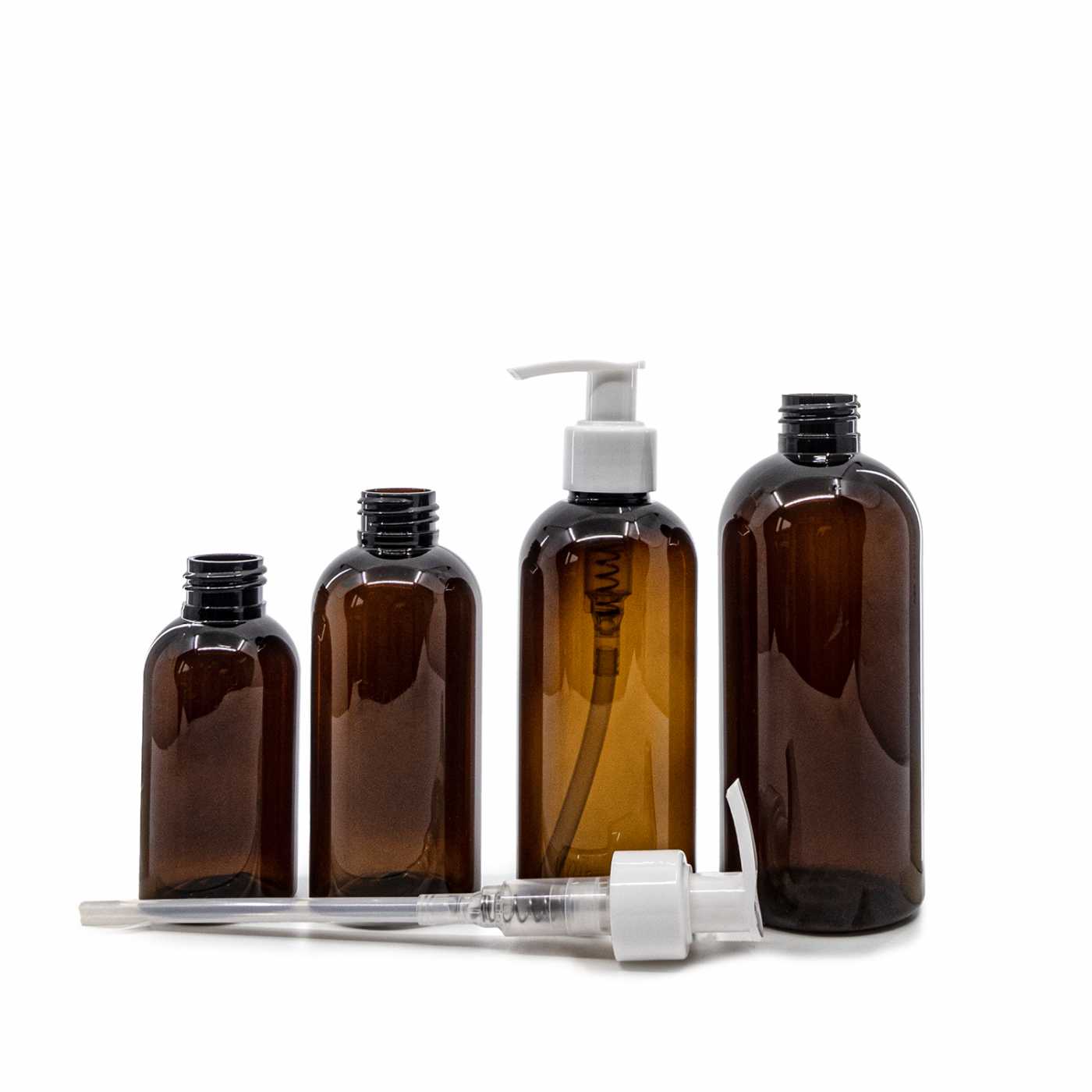
Amber Plastic Bottle, White Pump, 100 ml
Pre-order€0.77

ACTIVE INGREDIENTS
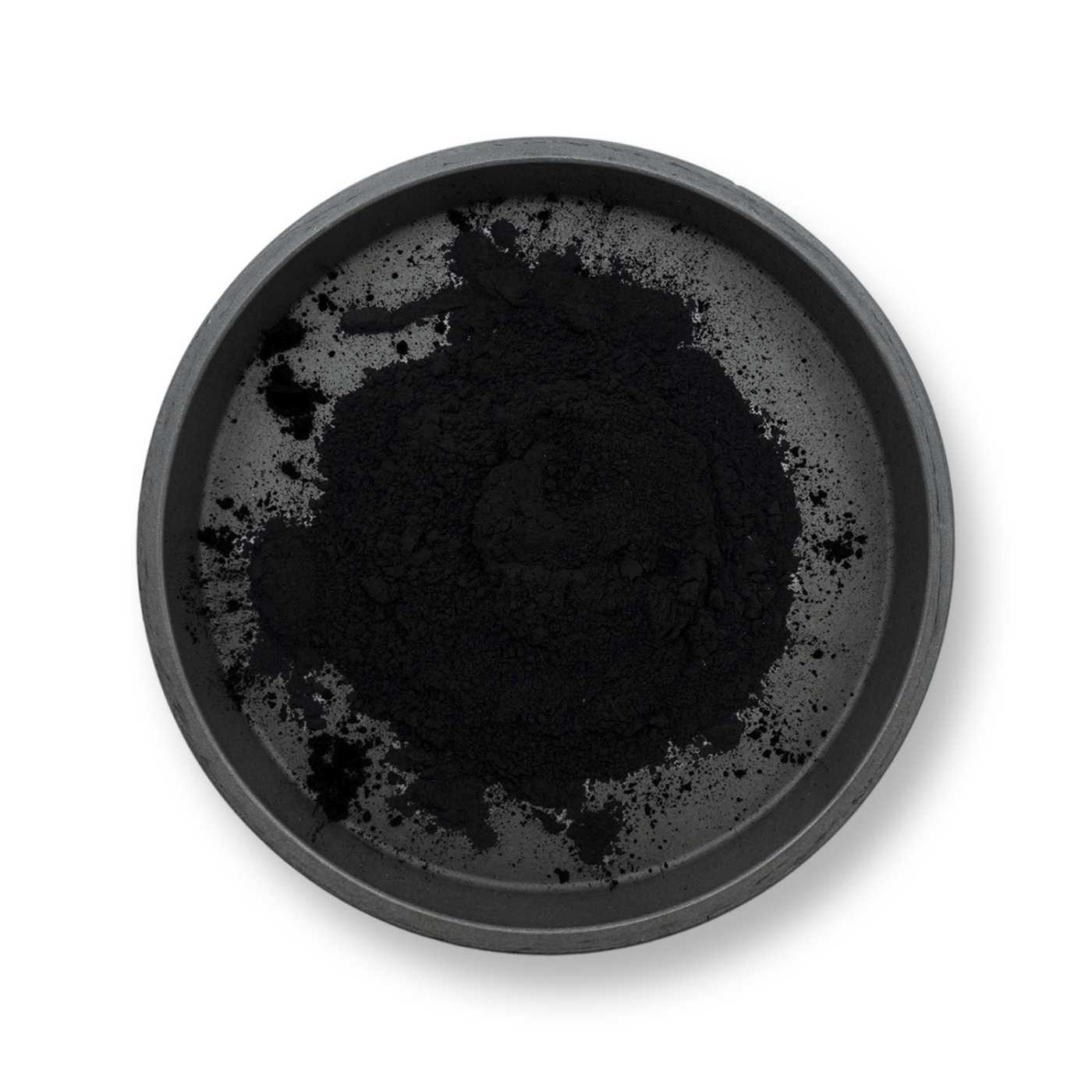
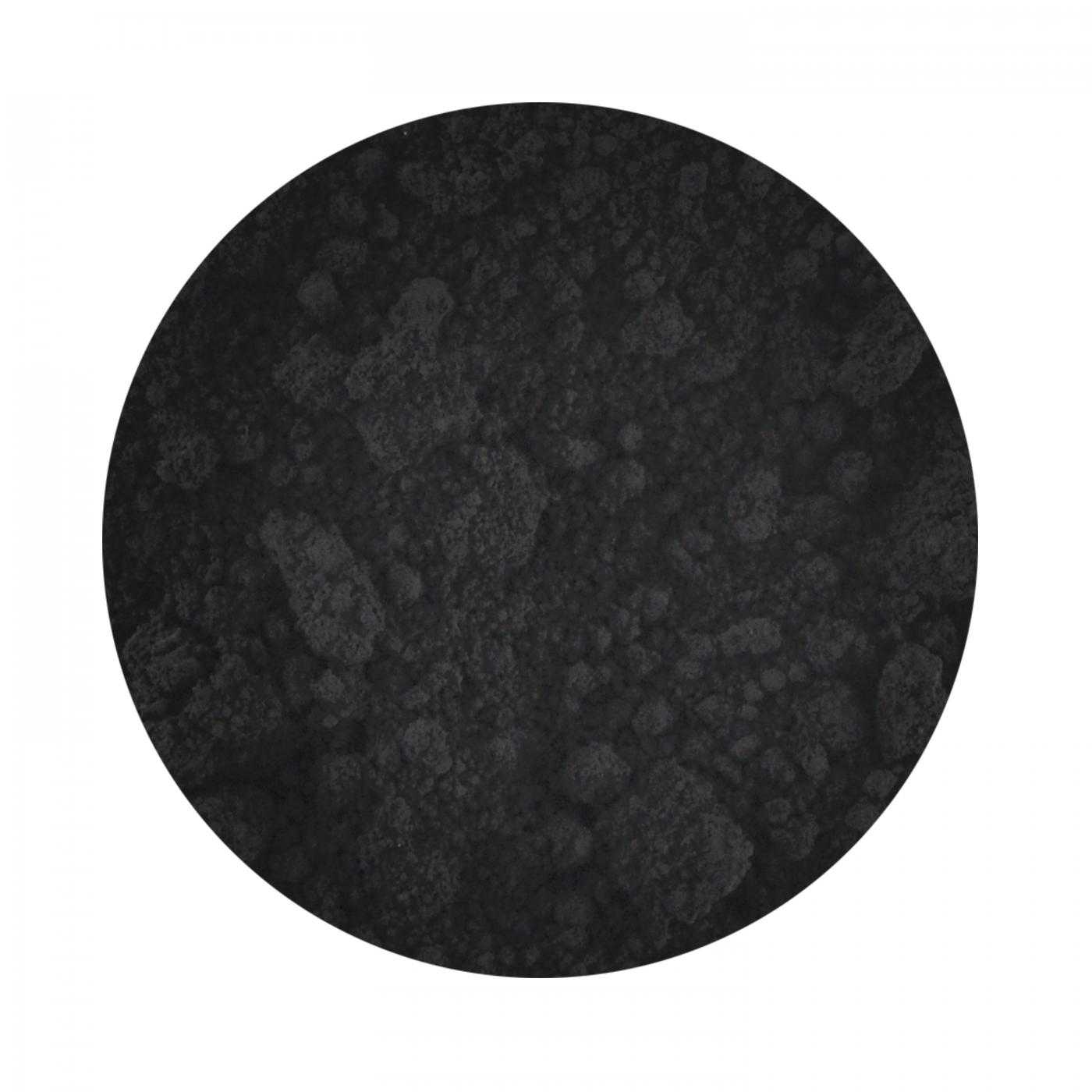
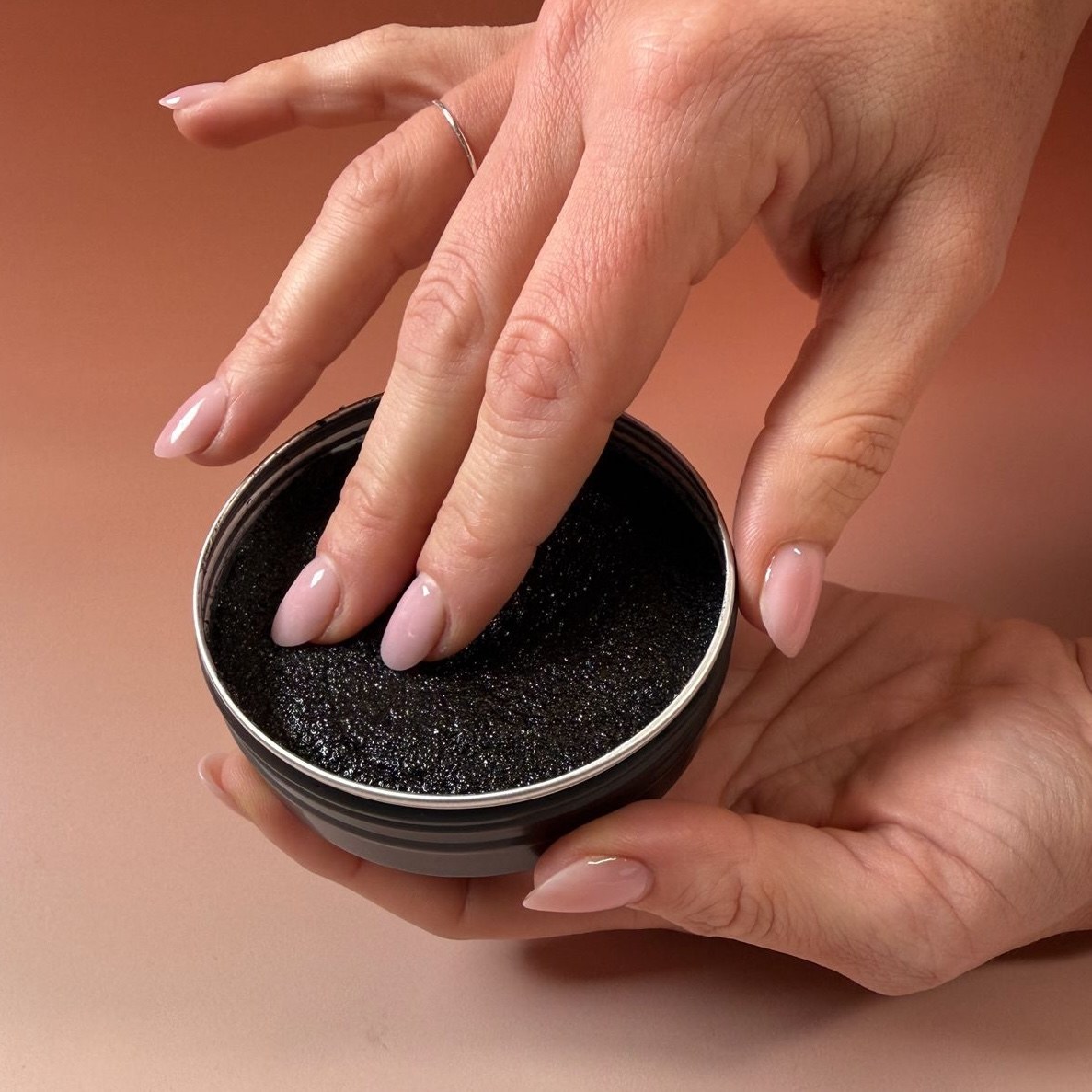
Activated charcoal is added to cosmetics for two properties that can be used at the same time: it absorbs odours and it also colours. full description
Lowest price in the last 30 days: €4.99
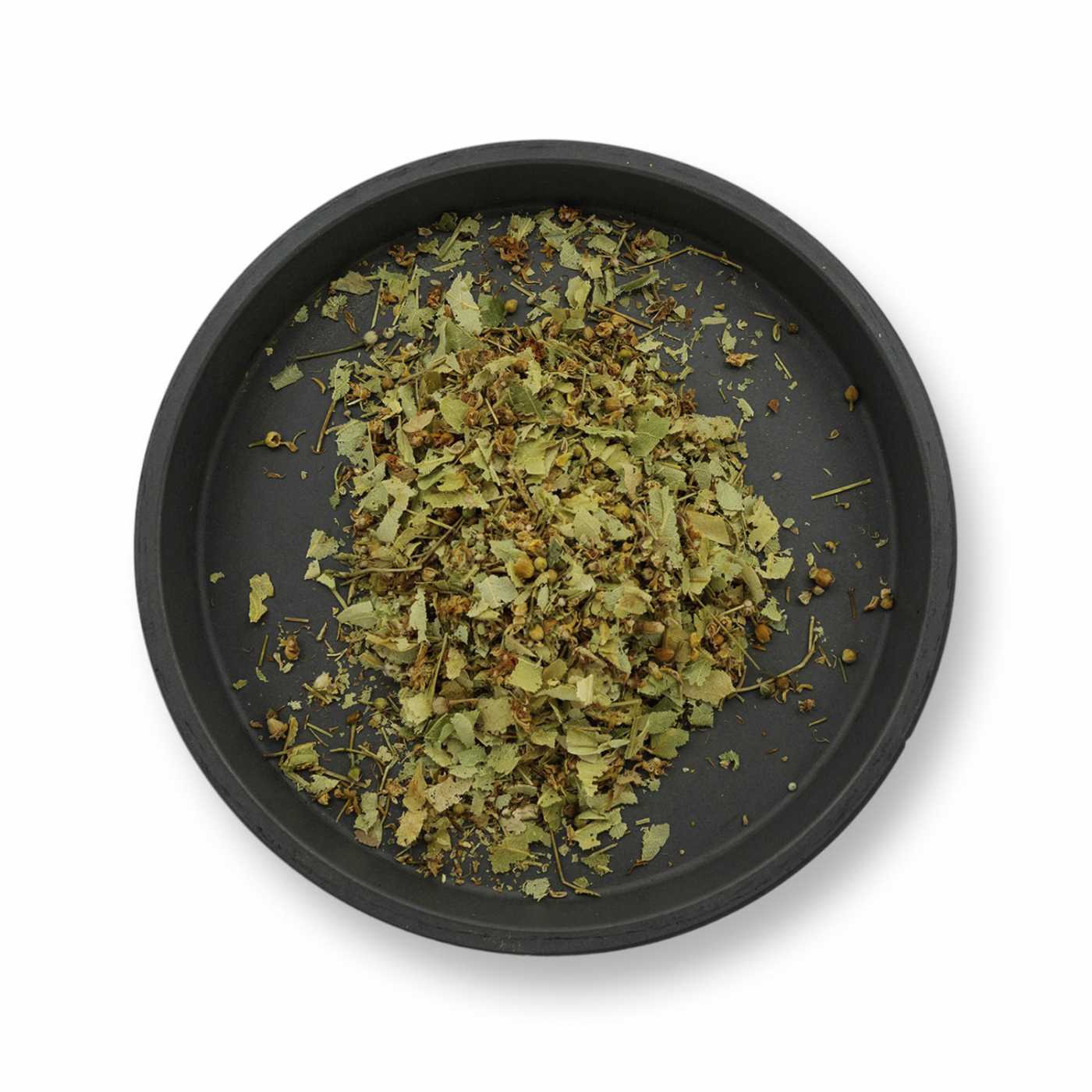
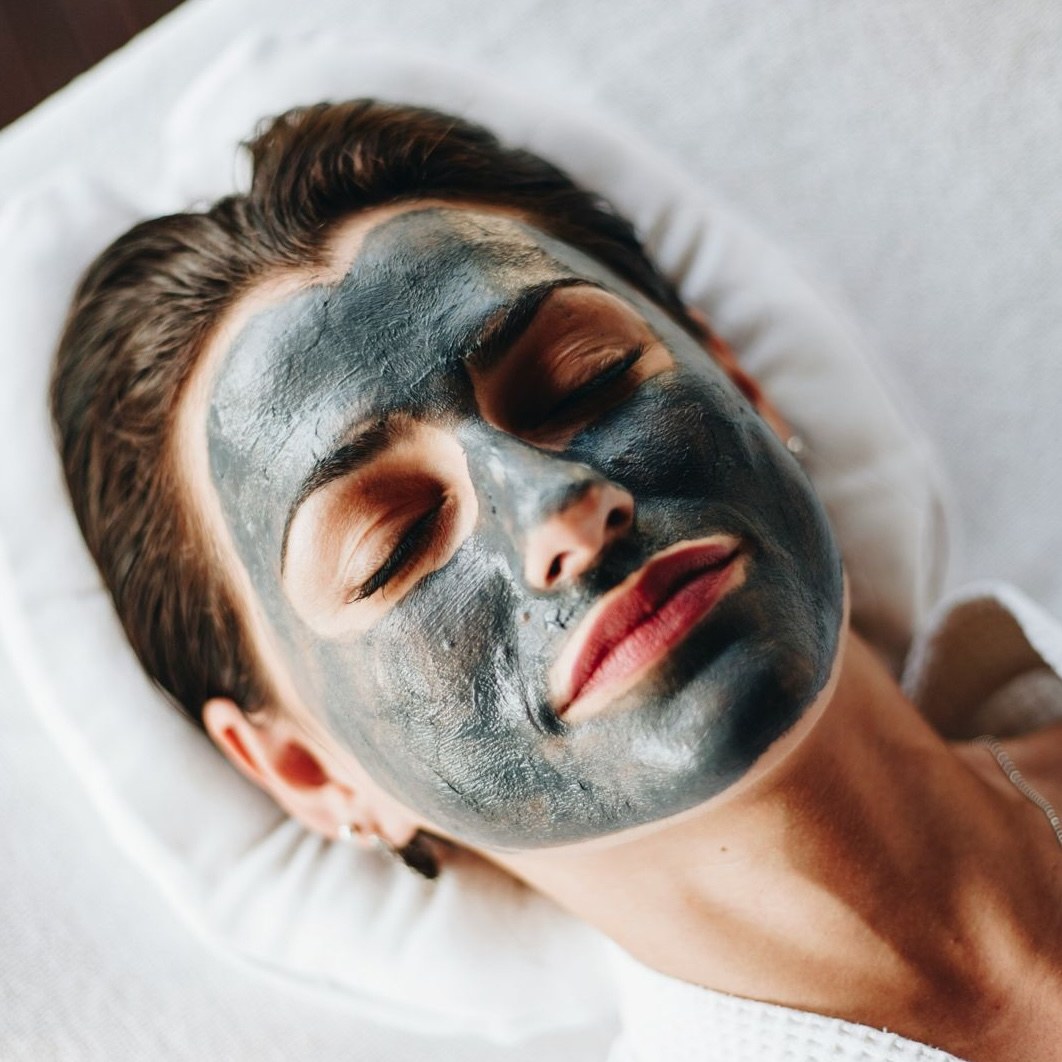
Activated charcoal is added to cosmetics for two properties that can be used at the same time: it absorbs odours and it also colours. In cleansing masks, soaps and products for oily or acne-prone skin, it acts as a cleansing ingredient that helps remove excess sebum and impurities from the skin surface and from the pores. In soaps, toothpastes and decorative cosmetics, it serves as a black dye of plant origin, which, depending on the usage rate, gives the product a shade from grey to deep black. This raw material of European origin is produced by calcining plant material and then grinding it.
Activated charcoal is insoluble: it does not mix with the water phase or the oil phase, it is only dispersed in it. It is added in the cooling phase or incorporated afterwards into the finished base, at a temperature below 80 °C. The recommended usage rate is 1–10%, depending on whether the charcoal is mainly meant to cleanse or only to colour the product. For a grey shade, the lower end of the range is enough; for a deep black mask or soap, use a higher rate. Compatibility with common raw materials is unrestricted, but it is still advisable to check the behaviour in your specific recipe on a test sample.
Before adding it to the mixture, mix the powder with a small amount of water, glycerine or oil from the recipe into a smooth paste. Dry powder poured directly into an emulsion or soap base forms lumps and black specks that are difficult to break up afterwards.
In soaps, it is used as a dye and a cleansing ingredient at the same time. The charcoal paste is added to the base before pouring into the mould and stirred in evenly, otherwise light streaks will remain in the soap.
At a higher usage rate in leave-on products, charcoal may leave grey marks on the skin, towels and clothing. For this reason, use it sparingly in creams and other leave-on products, and check the result on both skin and fabric.
In liquid products such as gels or toners, charcoal settles to the bottom over time. If it is to stay evenly dispersed, the formulation needs sufficient viscosity or a thickener that keeps the particles in suspension. Clear products lose their clarity once charcoal is added and take on a grey to black colour.
Charcoal has no preservative function. Products with a water phase to which it is added need a preservative like any other water-based cosmetics. When working with the powder, we recommend protecting your work surface and clothing, as the fine black dust spreads easily and leaves marks on light surfaces.

Variant: Aktívne uhlie, 50 g
A great pore cleanser, with a little glycerin.
Translated automatically

Variant: Aktívne uhlie, 100 g