+421 950 333 113info@handymade.storeBlack Weekend: −13% on everything with code SAT13Shop now

Cold pressed oils 1 l +

Black Cumin Seed Oil, Cold Pressed, 25 l

Pack size100 ml500 ml1 l5 l25 l

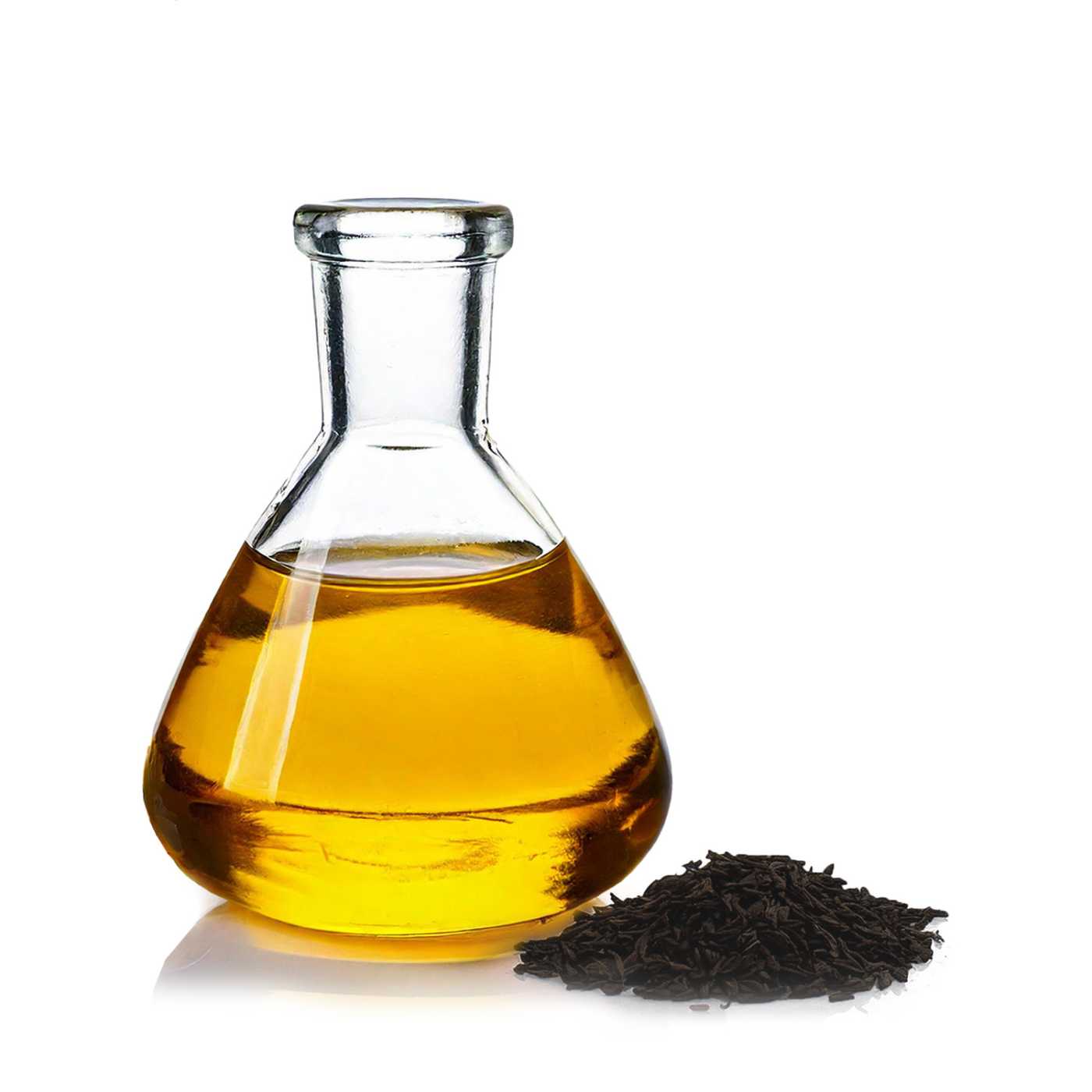
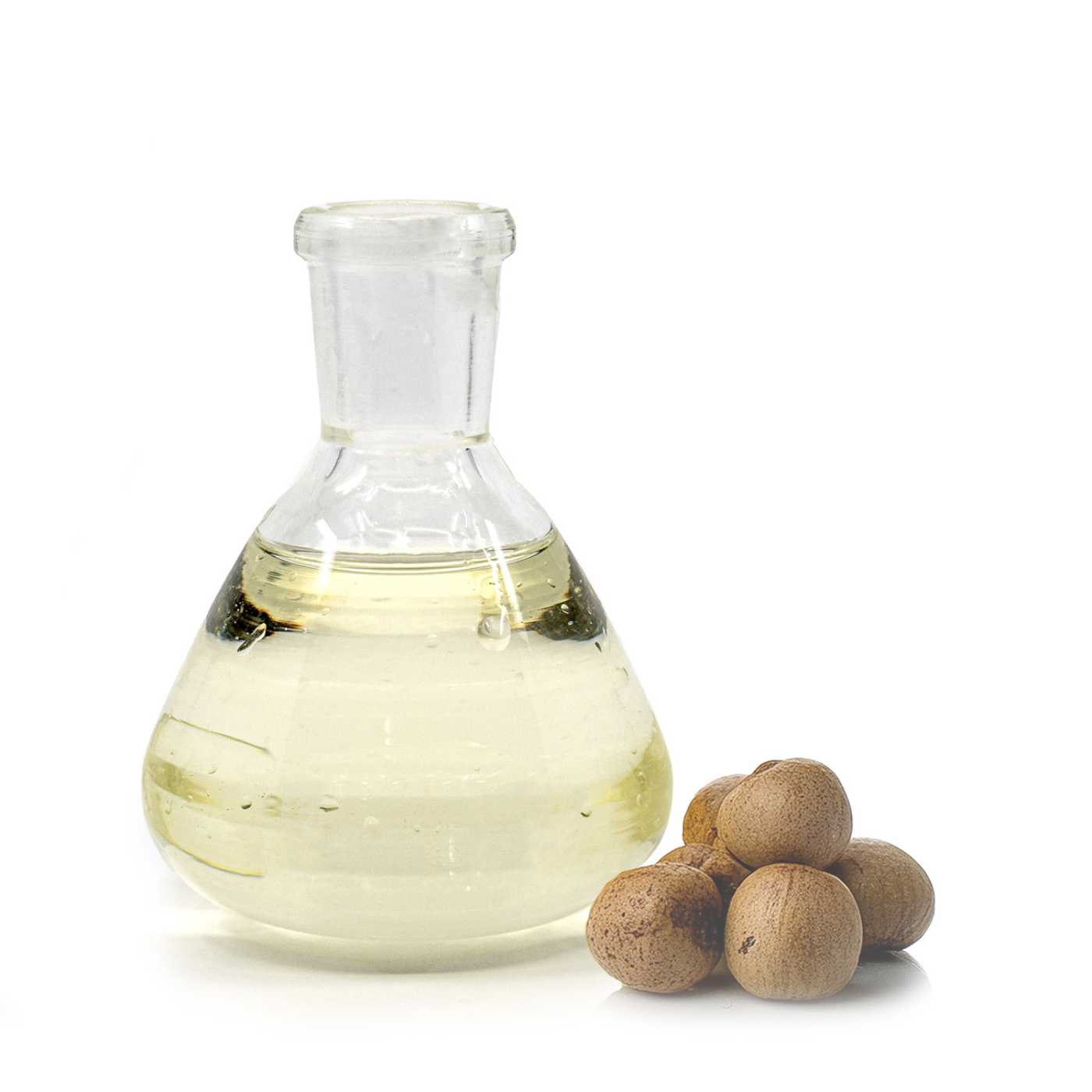
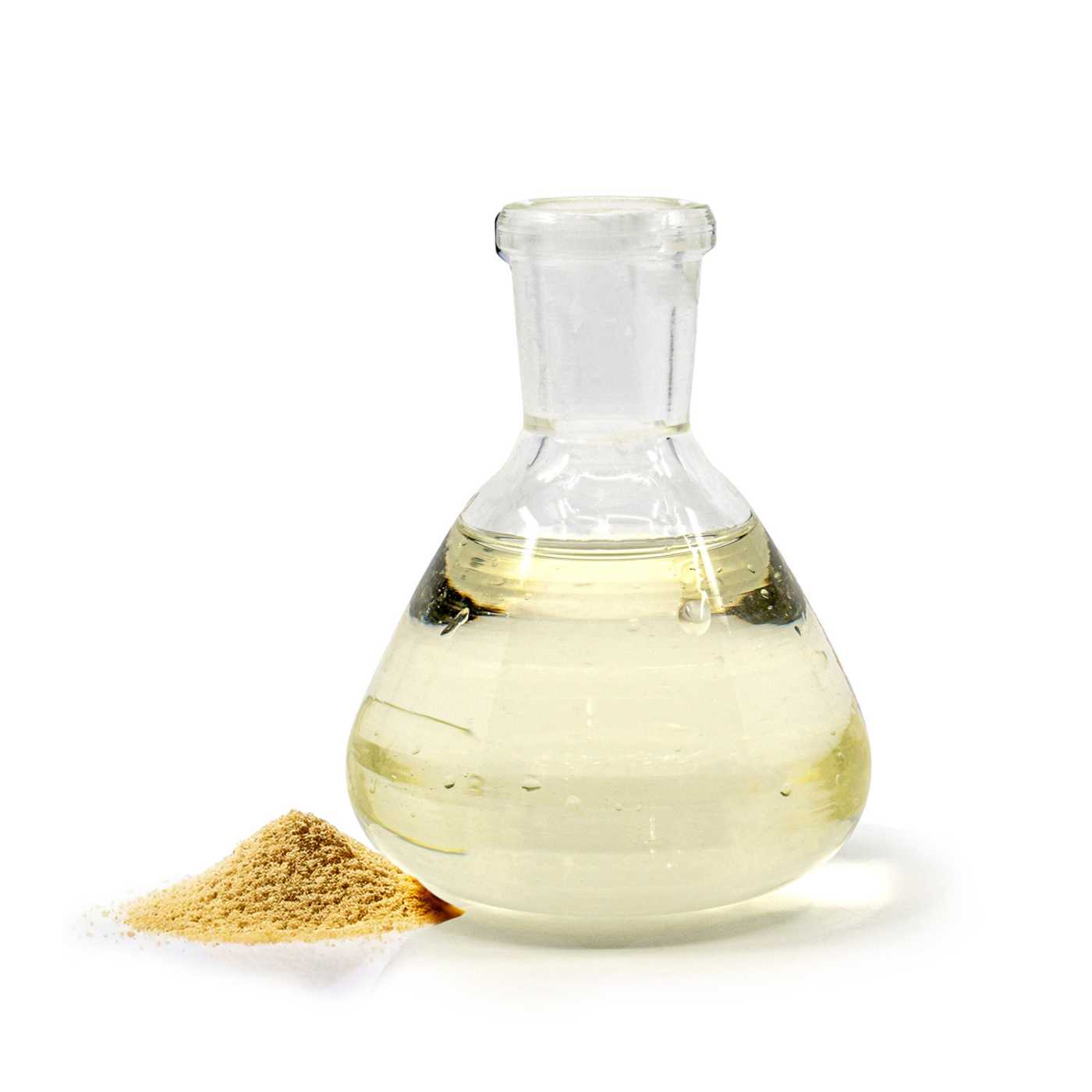
Black cumin seed oil is an unrefined, cold-pressed oil obtained from the seeds of Nigella sativa. What sets it apart from most vegetable oils is thymoquinone , a substance with antioxidant activity. full description

AvailabilityPre-order
Product codeOL100_25
€1,023.00incl. VAT€40.92/l

Lowest price in the last 30 days: €920.70

Pre-orderThis variant is currently out of stock — your order will be a pre-order and delivery may take longer.

Product description

Black cumin seed oil is an unrefined, cold-pressed oil obtained from the seeds of Nigella sativa. What sets it apart from most vegetable oils is thymoquinone, a substance with antioxidant activity. It softens and soothes dry, irritated skin and adds shine to hair. It is used in facial and body oils, serums, creams, and in hair and scalp products.


Black caraway, nigella, black cumin

All three names refer to the same plant. Nigella sativa belongs to the buttercup family. The oil from its seeds is also sold under the names black seed oil, black cumin seed oil or kalonji oil.

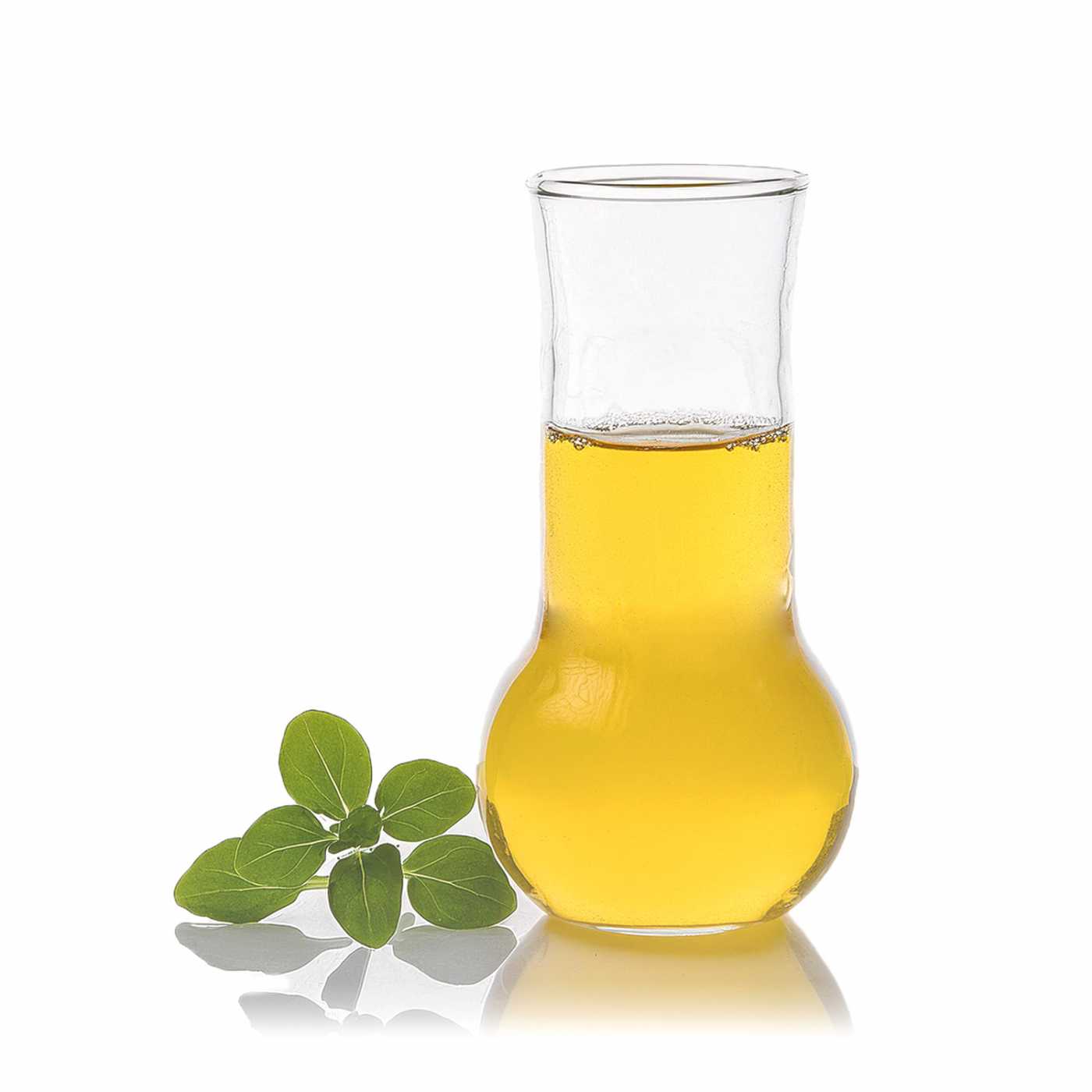
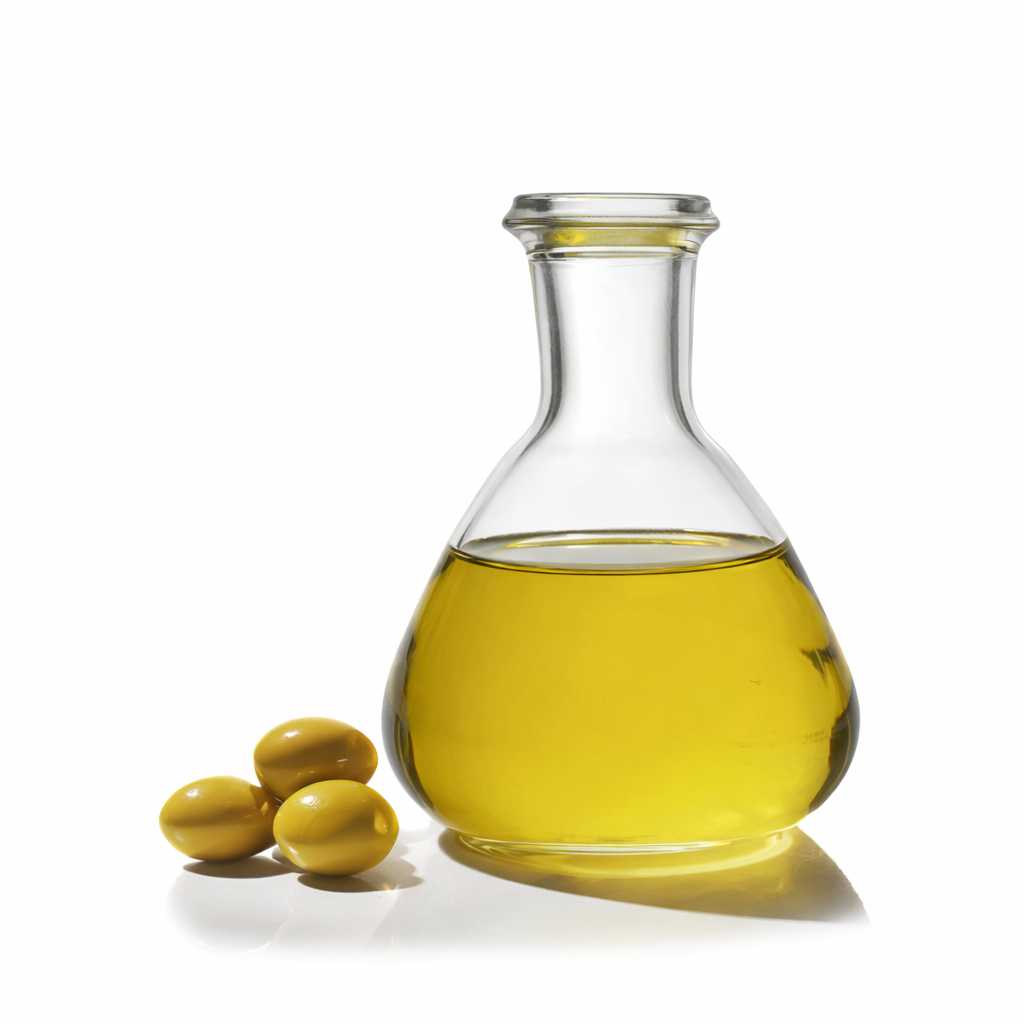
After drying and sorting, the seeds are pressed mechanically, without heat or solvents. The oil is then only filtered, not refined. It keeps its original yellow-orange colour and its scent. It comes from Turkey, is vegan and is both cosmetic and food grade. The manufacturer holds a BRC certificate.


How it works on skin and hair

  • Softening and hydration – it forms a protective layer on the skin that limits water loss. Skin and hair stay soft and supple.
  • Soothing irritated skin – it eases redness and discomfort on dry or irritated skin. It is suitable for products for sensitive and problem skin.
  • Antioxidant protection – the antioxidants in the oil scavenge free radicals and support the skin’s resistance to external influences. The oil contains at least 1.3% thymoquinone (13 mg/ml).
  • Fast absorption – it does not leave a greasy feel, which you will appreciate in facial serums and lighter creams.
  • Shine and manageability of hair – dry and damaged hair looks glossier and is easier to style after using it.

The fatty acid profile is dominated by linoleic acid (45–67%), followed by oleic acid (18–30%) and palmitic acid (5–15%). Linoleic acid is a natural component of the lipids of the skin barrier. Oils with a high share of it feel lighter on the skin than oils dominated by oleic acid. The oil contains less than 5% free fatty acids and has an acid value below 10.


Use in formulations

Black cumin seed oil mixes with other oils and is insoluble in water. It is incorporated into water-containing products through an emulsion or with the help of a solubiliser.

Process it at a temperature below 40 °C. In anhydrous products, mix it with the other oils without heating. In an emulsion, add it in the cooling phase, gradually and stirring after each addition.

The usage rate is 1–100%, so the oil can also be used on its own as a body or hair oil. In formulations it appears from approximately 1% in a mask to 18% in an oil serum. It is combined with squalane, with neem, tamanu or acai oil, with bisabolol and with tocopherol.

Add tocopherol to your formulation. The high share of linoleic acid makes the oil prone to oxidation, and tocopherol slows it down.


Suitable for products such as

  • facial and oil serums, facial creams
  • body oils and body lotions
  • hair oils, hair serums and masks
  • scalp products
  • lip balms and lip care
  • soaps and shower products

Good to know

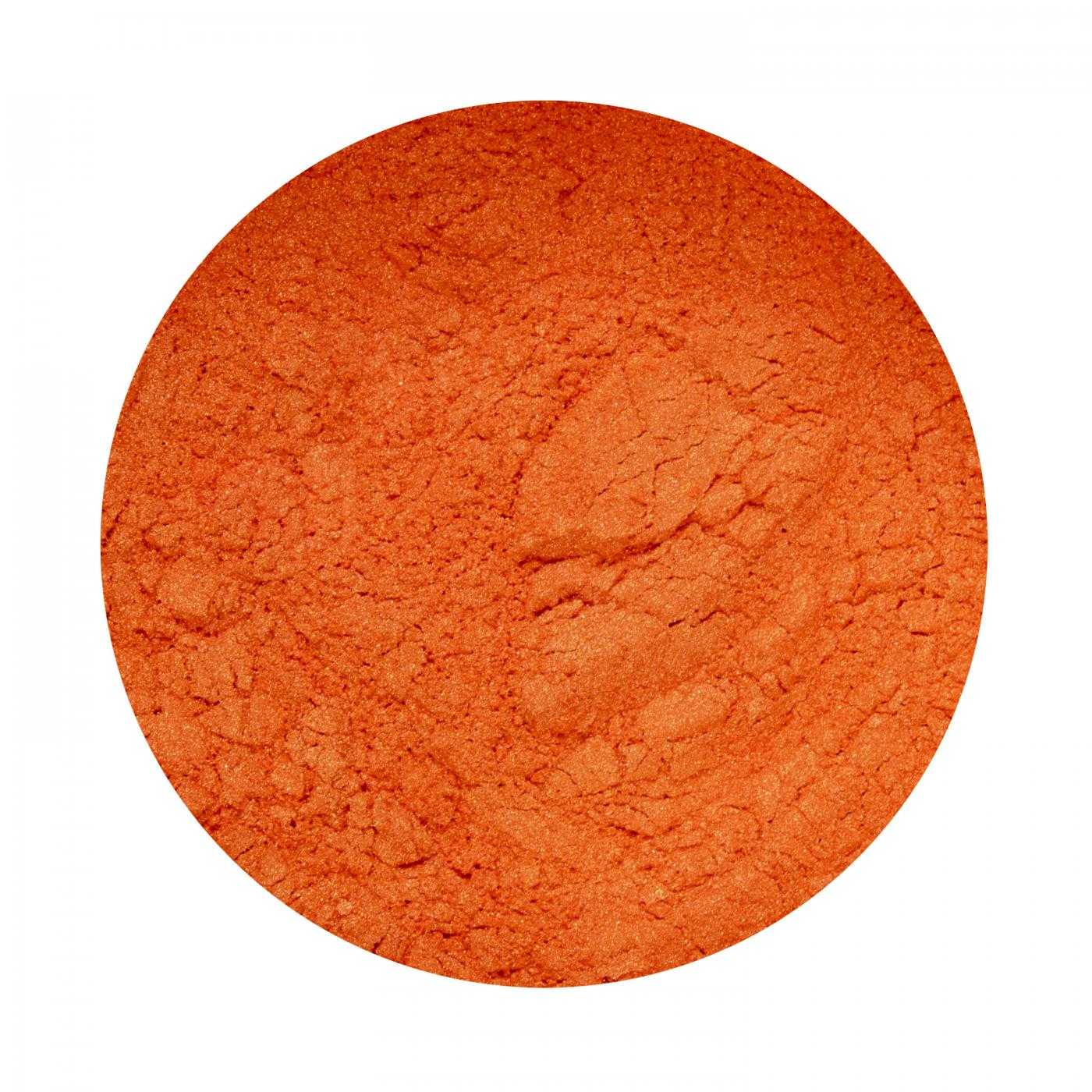
The colour and scent of the oil are transferred to the finished product. The oil is yellow-orange to dark orange and has a strong spicy and earthy scent. At higher usage rates, it will tint a light-coloured cream, and its scent should also be taken into account when adding fragrance.

Thymoquinone tolerates both acidic and alkaline environments, but light and heat break it down significantly. Fill finished products containing this oil into opaque packaging.

The specialist literature describes an isolated case of a severe allergic reaction after topical use of black cumin seed oil. For sensitive skin, we recommend testing the product on a small area first.


Frequently asked questions

Is black cumin seed oil soluble in water?
No, black cumin seed oil is insoluble in water. It mixes with vegetable oils and the other components of the oil phase. It is incorporated into a cream or body lotion as part of the emulsion, and into water-based products such as toners only with the help of a solubiliser. In anhydrous products such as oil serums, body oils and balms, it is enough to mix it with the other oils.
How much black cumin seed oil should I add to a cream or serum?
Black cumin seed oil is used at a rate of 1–100%. In masks, around 1% is used, in oil serums up to 18%, and it can also be used on its own as a body or hair oil. When choosing the rate, take into account the distinctly spicy scent and the yellow-orange colour, which will show in the finished product at higher usage rates.
Can black cumin seed oil be heated?
Black cumin seed oil should not be heated above 40 °C. Heat and light break down thymoquinone, and the oil is prone to oxidation because of its high share of linoleic acid. In emulsions it is added only in the cooling phase, once the temperature of the mixture drops below 40 °C, gradually and stirring after each addition.
Is black cumin seed oil the same as caraway oil?
No, black cumin seed oil comes from a different plant than caraway. It is pressed from the seeds of Nigella sativa, a member of the buttercup family, which is not related to meadow caraway or to cumin. It is also sold as black cumin oil, black seed oil or kalonji oil. In cosmetic ingredient lists, you will find it under the name Nigella Sativa Seed Oil.
Can black cumin seed oil be used on hair and scalp?
Yes, black cumin seed oil is used in hair oils, serums, masks and scalp products. It adds shine and manageability to dry and damaged hair and softens the scalp. The effect on hair growth is not yet sufficiently substantiated, and a finished product should not promise it.

Parameters

Product documentation

CoACertificate of Analysis
batch 20192PDF ↓
TDSTechnical Data Sheet
Physical parameters and processingPDF ↓
SDSSafety Data Sheet
Available for purchased products —
Download all (ZIP)

2 PDF files in one archive

Sisa P.13 Nov 2026SK

Verified purchase

Filip S.27 Sept 2026CS

Verified purchase

Variant: Olej z čiernej rasce, LZS, 100 ml