


The handymade learning centre
Homemade cosmetics academy
Recipes, ingredient profiles and regulations in one place. Learn step by step — and add the ingredients of any recipe to your cart in one click.
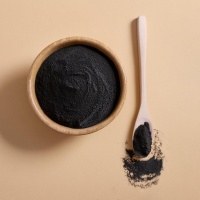
ACTIVATED CHARCOAL AND ITS USES
Activated charcoal is charcoal that has undergone a heating process and thanks to this treatment is safe for medical use. Its main property is its adsorption capacity, which allows it to penetrate into the porous surface and capture a large amount of toxins and chemicals.
HUMECTANTS AND EMOLLIENTS - DIFFERENCES AND USES
Do you know what the difference is between a humectant and an emollient? And which raw materials fall into which category? Not sure? Then this topic is intended just for you ;-)

How do pH test strips work?
Many of you are certainly familiar with pH measuring strips. But do you know how to use them correctly and read the result?
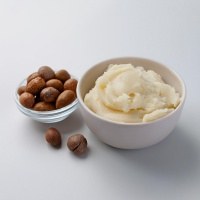
PLANT BUTTERS IN COSMETICS
What is plant butter? What can plant butter contain? What different attributes can it have and what are the most common forms of processing?
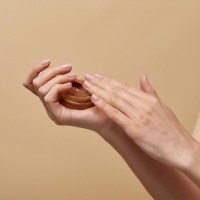
Make Your Own Winter Hand Balm
Follow our tutorial to make a winter balm (not only) for hands and protect your skin from drying winter weather.

Vitamins in cosmetics
In the winter period our body demands doses of vitamins more than ever, ones that are not available in their natural form as in other periods. Read about the best-known vitamins used in cosmetics.
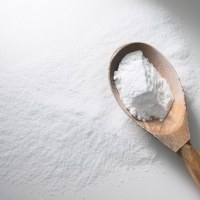
Differences between Light Soda and Heavy Soda
Soda ash can be bought in two variants. What is the difference between them? Read about it in our article.
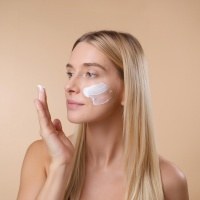
How to make homemade cream - two recipes
How do you make homemade cream? In this article we show you two ways — and that it really is not that complicated.
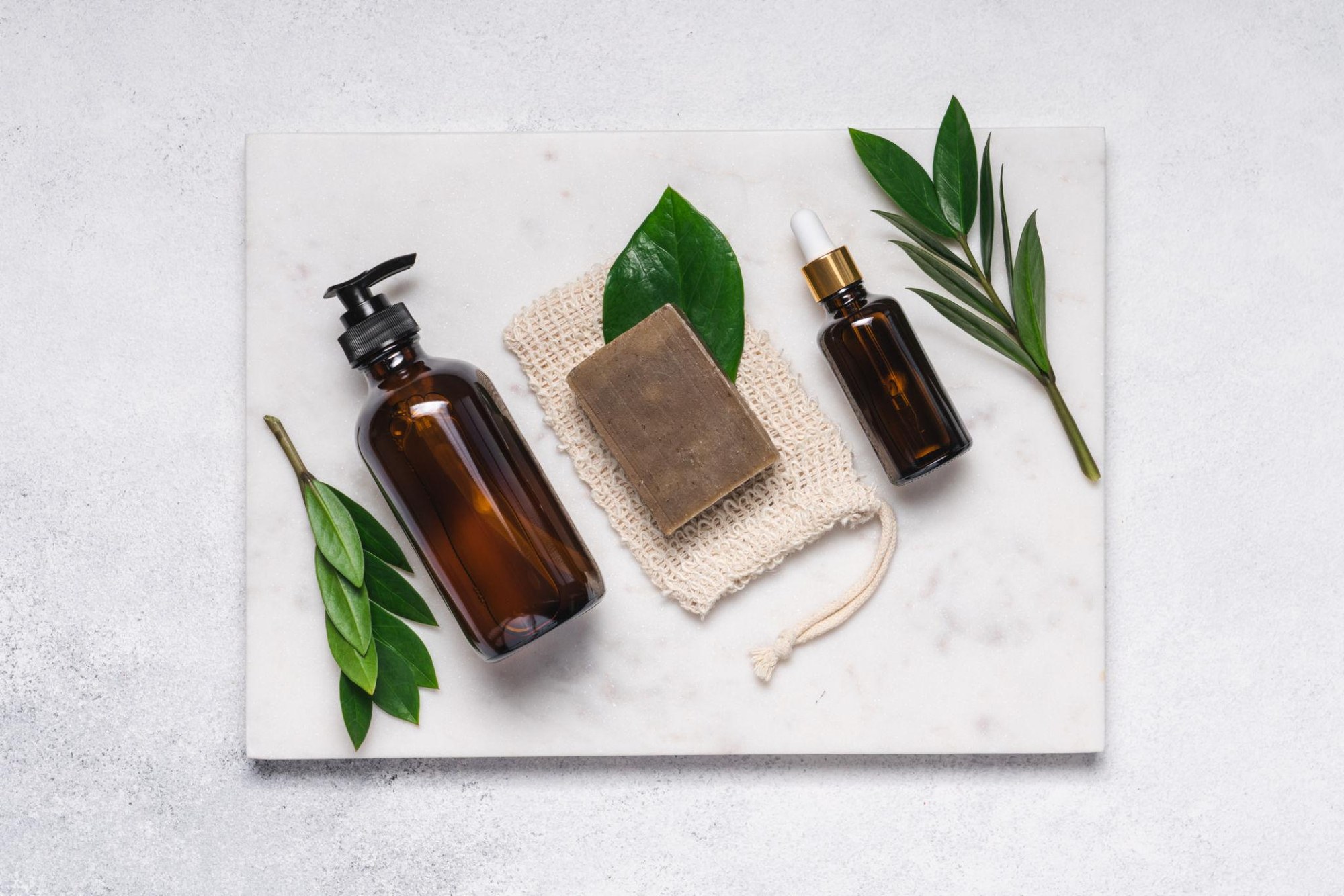
Cosmetic Preservatives
Preservatives are substances that prevent the multiplication of bacteria, yeasts, fungi and moulds by disrupting the cells and spores where they germinate, and thus make their growth impossible, thereby extending the shelf life of your product, on average by 2 to 3 months. Read more about them on our blog.
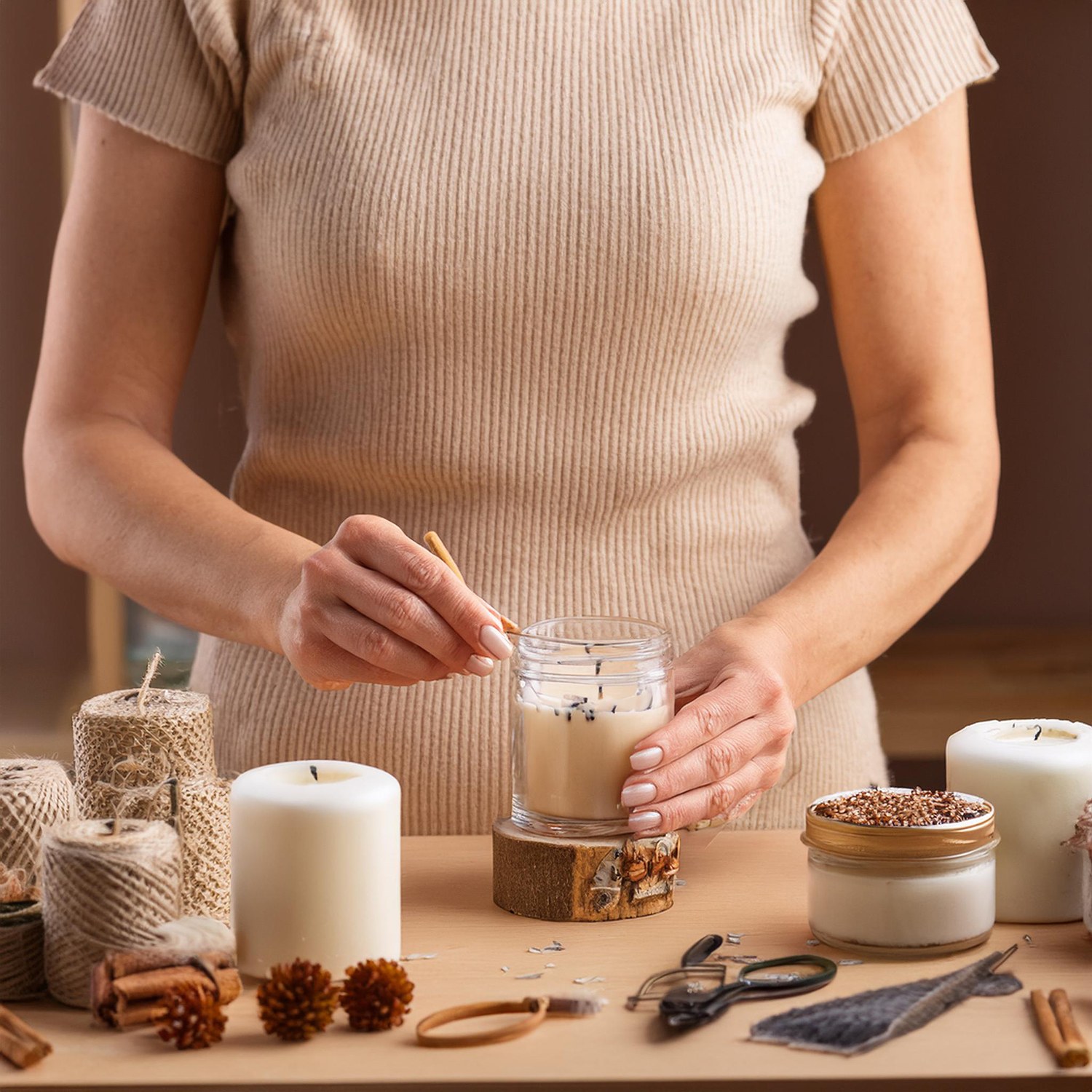
How to make candles? Tips, tricks and overview of waxes
With the growing interest in vegan cosmetics, recipe makers are replacing classic beeswax in their formulations with vegan alternatives. How are vegan waxes actually made? How do you choose the right soy wax and go about making a natural candle at home?

O/W or W/O?
O/W or W/O emulsion, what is the difference between them? When is it better to use an O/W and when a W/O emulsion? Find out in our blog article.

Skin and hair care in winter - an overview of oils
Autumn, but especially winter, can leave a significant mark on your skin. In this article we present several carrier oils that will perfectly nourish your skin.
Showing 12 of 164 articles