+421 950 333 113info@handymade.storeHandymade Days: −10 % on all ready-made productsShop now

Herbal and spicy aromas 1 l

Cinnamon Bark Essential Oil + Parfum, 1 l

Pack size10 ml100 ml500 ml1 l

Cinnamon bark essential oil with Parfum is a fragrance composition with a warm, spicy cinnamon scent and a woody note. full description

AvailabilityIn stock · last 4 packs
Product codeEON084_1000
Batch20381
Best before03/2028
€69.82incl. VAT−29 %Original price €99.74€69.82/l

Lowest price in the 30 days before the discount: €99.74

Product description

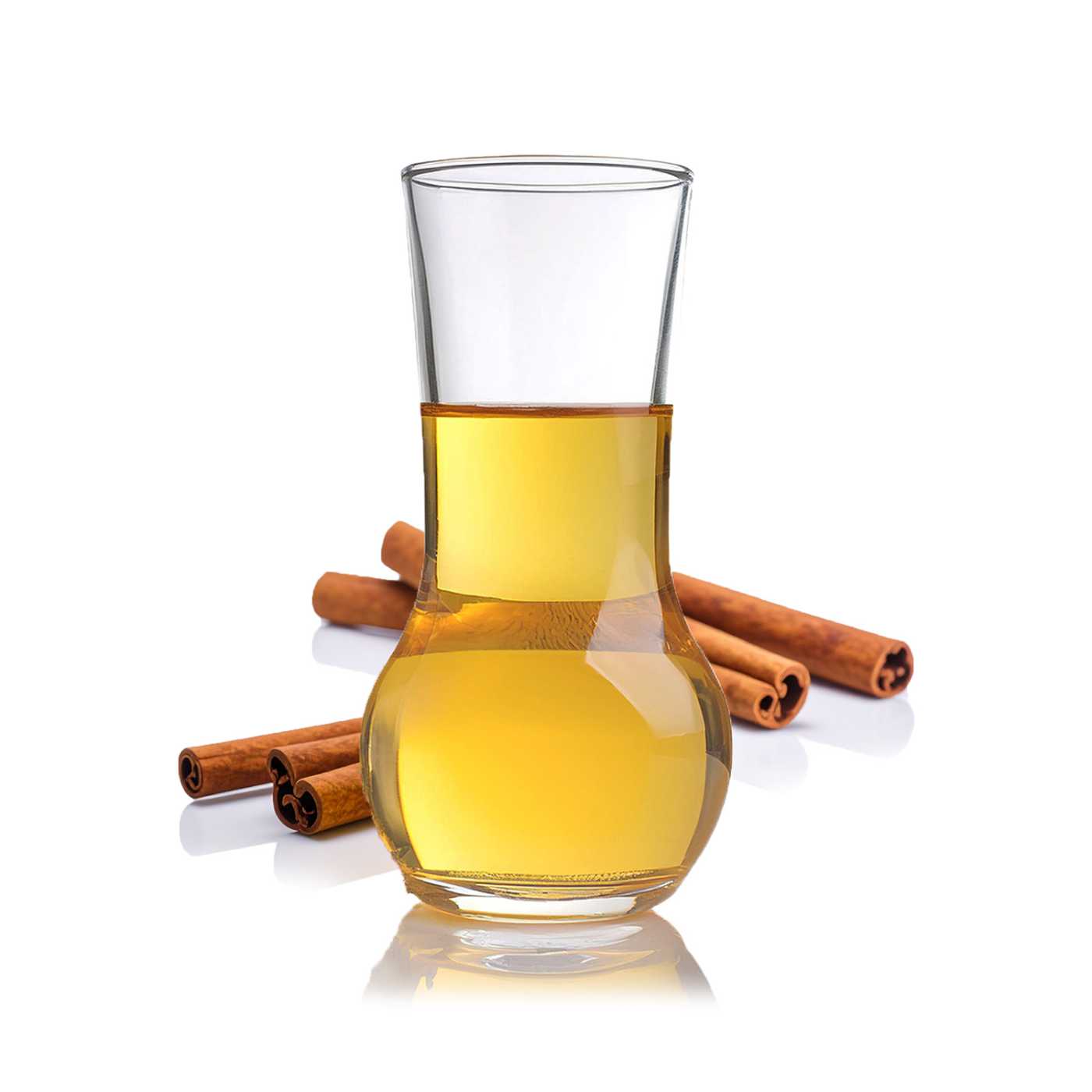
Cinnamon bark essential oil with Parfum is a fragrance composition with a warm, spicy cinnamon scent and a woody note. It is based on oil obtained by steam distillation from the bark of the Ceylon cinnamon tree (Cinnamomum zeylanicum), complemented by synthetic fragrance ingredients that round out the cinnamon scent. It is used to fragrance body and hair cosmetics, massage oils and candles.

It cannot be described as a 100% natural essential oil. On the ingredient list of the finished product it is declared as Parfum. The raw material has Vegan certification.


Fragrance and effect on the skin

The character of the scent is determined by cinnamaldehyde, the main fragrance component of cinnamon bark.

Cinnamon oil is credited with a warming and stimulating sensation on the skin and scalp, which is why it is added mainly to massage oils and creams. Antimicrobial, cleansing and soothing properties are also attributed to it. These are not verified effects of the finished product.


Usage rate

There is no single universal usage rate for this raw material. The maximum amount in the finished product is determined by the IFRA limit for the given product category, for example category 1 for lip products, category 9 for soaps and shampoos or category 12 for candles. The limits for all categories are in the IFRA certificate in the Product documentation section.

In formulations it is most often used at around 0.3%. Indicative ranges by product type:

  • Face creams and serums – 0.03–0.5%
  • Shampoos – 0.1–1%
  • Hair conditioners – 0.2–2%
  • Body lotions – 0.4–1%

Higher usage rates appear only in fabric softeners and fragrance boosters.

The raw material is sold by the millilitre. 1 ml weighs approximately 1 g, so the difference is negligible when converting to weight percentages.

The indicative ranges apply only if they fit within the IFRA limit for the category of your product. Always check the usage rate in the IFRA certificate before production.


Use in formulations

The raw material is oil-soluble and does not dissolve in water on its own. In emulsions it is added in the cooling phase, at a temperature of around 40 °C. After it is added, the emulsion is homogenised again so that the fragrance is distributed evenly.

For fabric softener the procedure is different. The fragrance composition is first mixed with the cationic softener into a homogeneous clear premix, and only this premix is then added to the water.

For candles, avoid extreme heat. Cinnamaldehyde starts to decompose at high temperatures, and the flash point of the raw material is above 100 °C. Do not add it to overheated wax.


Suitable for products such as

  • massage oils and creams with a warming sensation on the skin
  • body oils, butters, balms and body lotions
  • shampoos, conditioners and scalp products
  • shower gels and other body cleansing products
  • candles of all types, including container candles, in an amount up to the IFRA limit for category 12
  • fabric softeners and fragrance boosters

Good to know

Cinnamaldehyde is a confirmed contact allergen. A Skin Sens. 1A classification with a limit of 0.01% has been proposed for it, and the SCCS opinion recommends a limit of 0.01% for cosmetics. In products applied to the skin, the fragrance composition is used at a very low rate, and we recommend testing the finished product on a small area of skin.

The raw material is subject to the CLP Regulation and carries the GHS07 and GHS08 pictograms. It is classified as CMR; the CMR component is safrole. Handle the concentrate in a well-ventilated area, with protective equipment, away from flames and sparks, and with protection against static charge. Details are in the safety data sheet.

The concentrate must not come into contact with strong acids, alkalis and oxidising agents. A mixture of cinnamaldehyde and sodium hydroxide may overheat or even ignite during prolonged contact with air. Never mix it with lye solution or store it near lye.

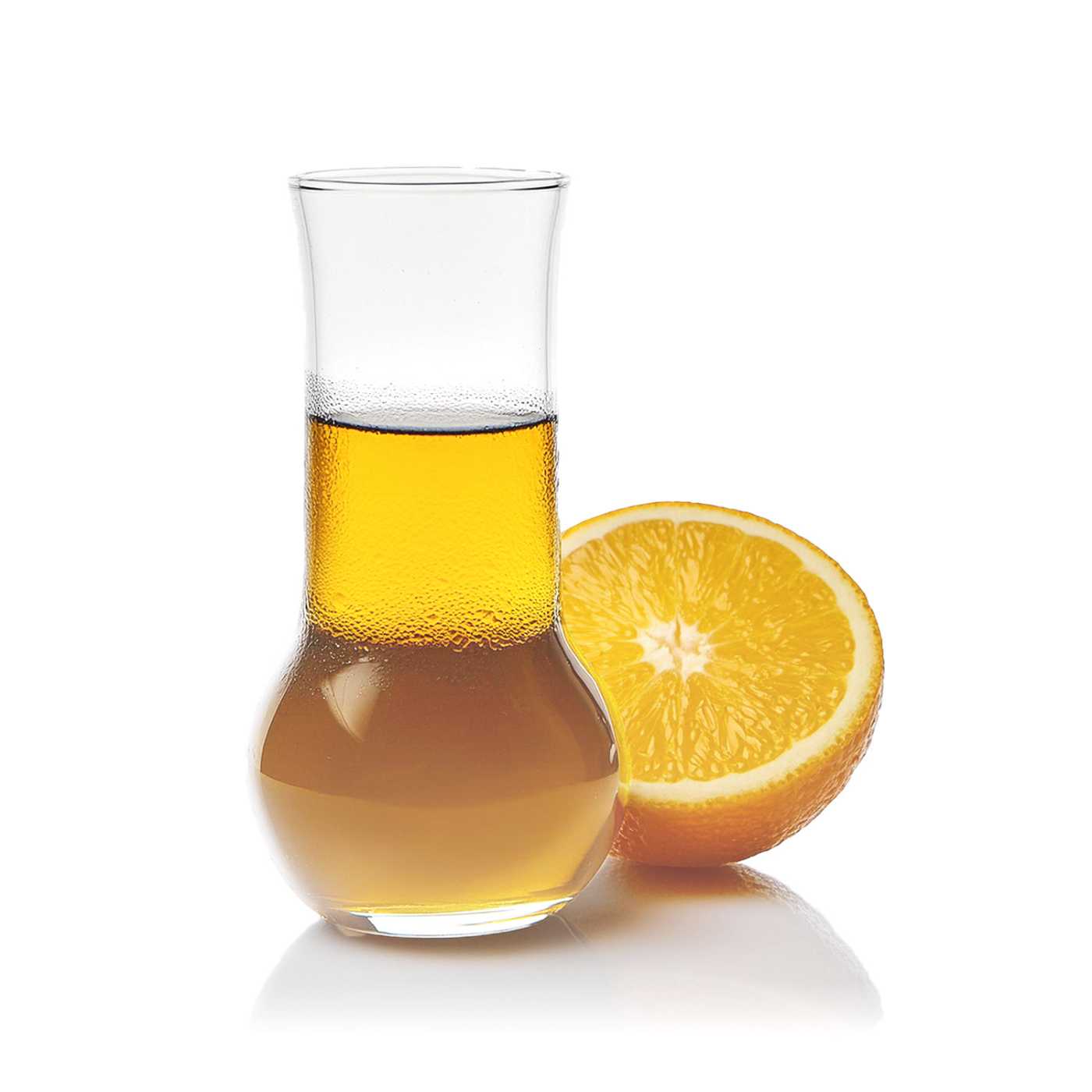
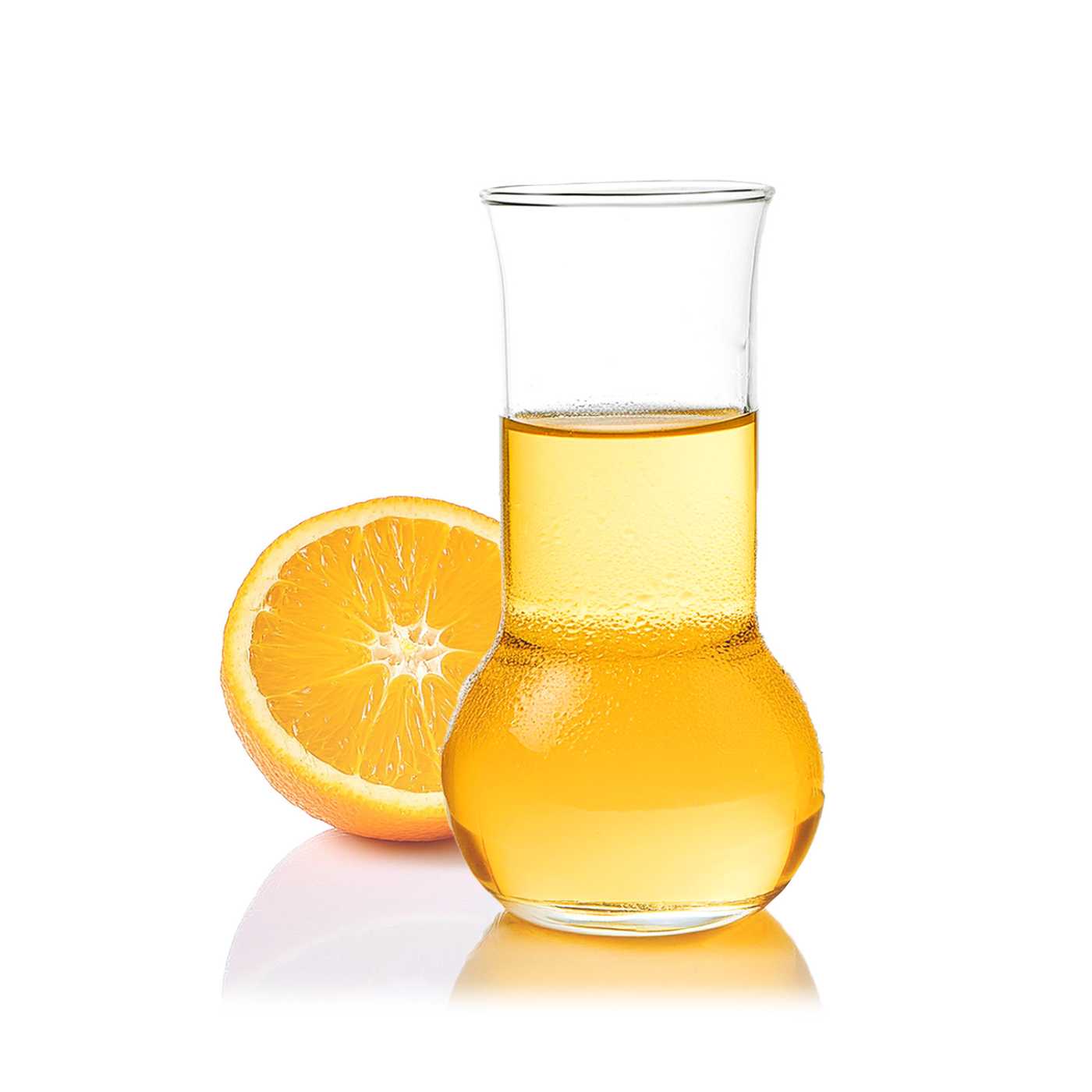
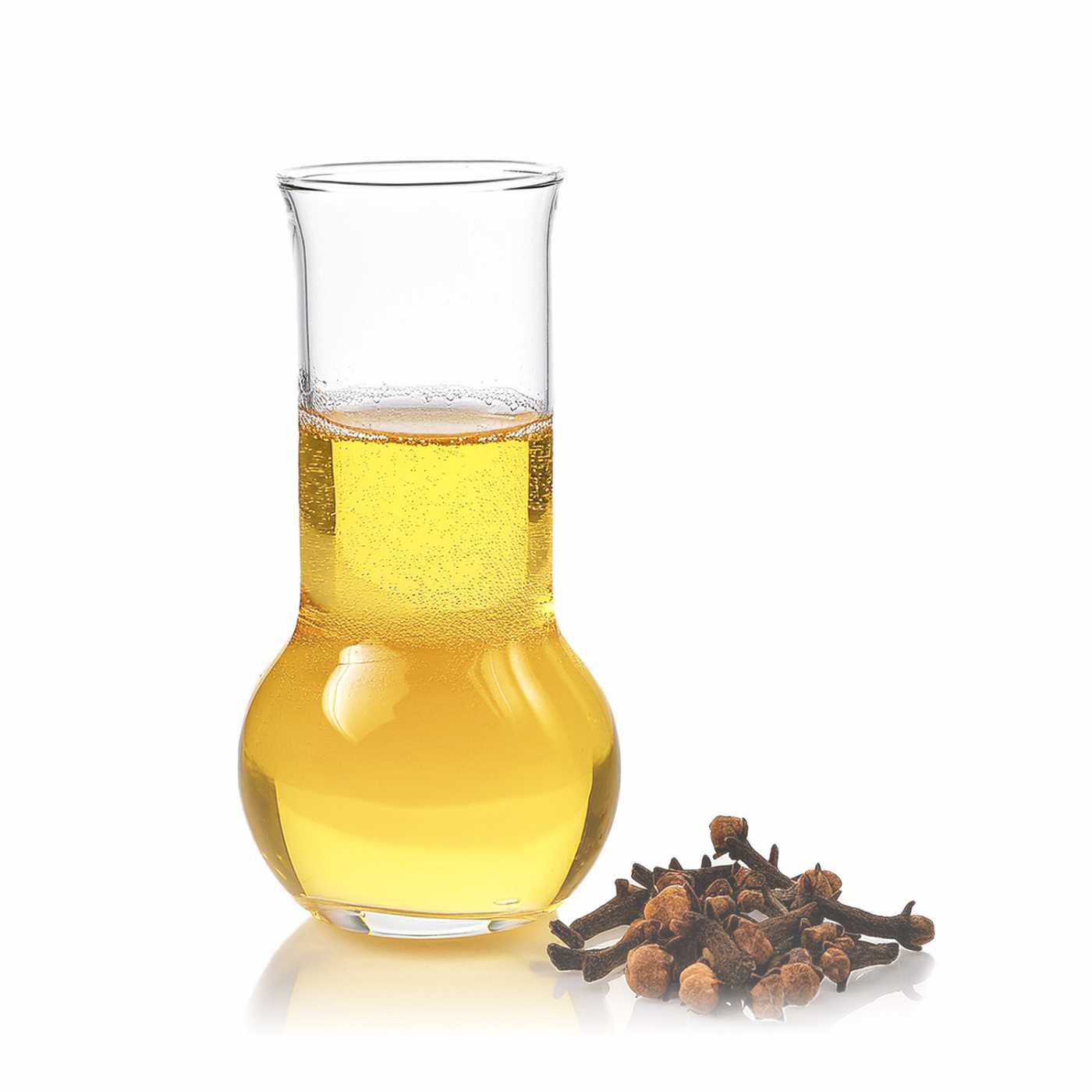
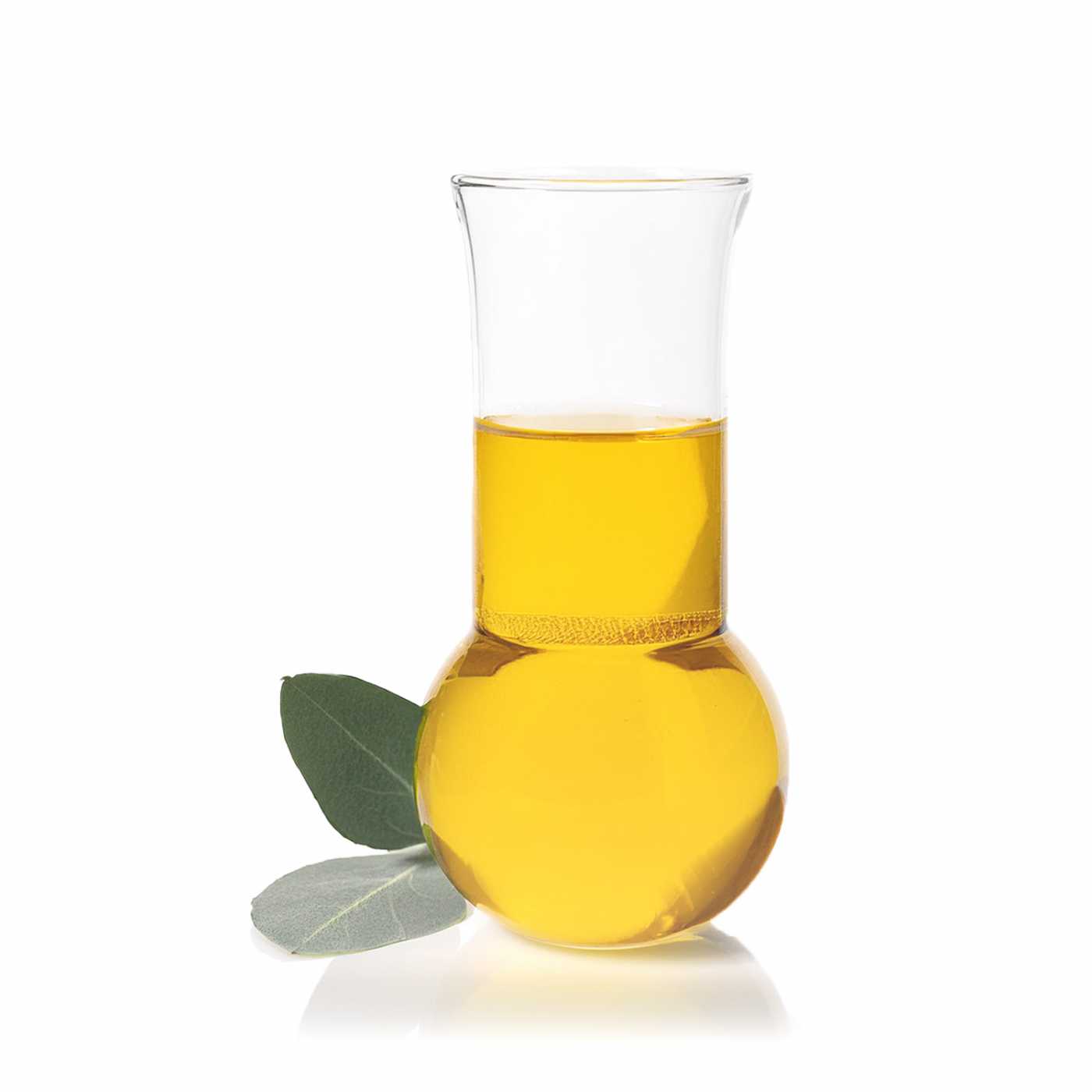
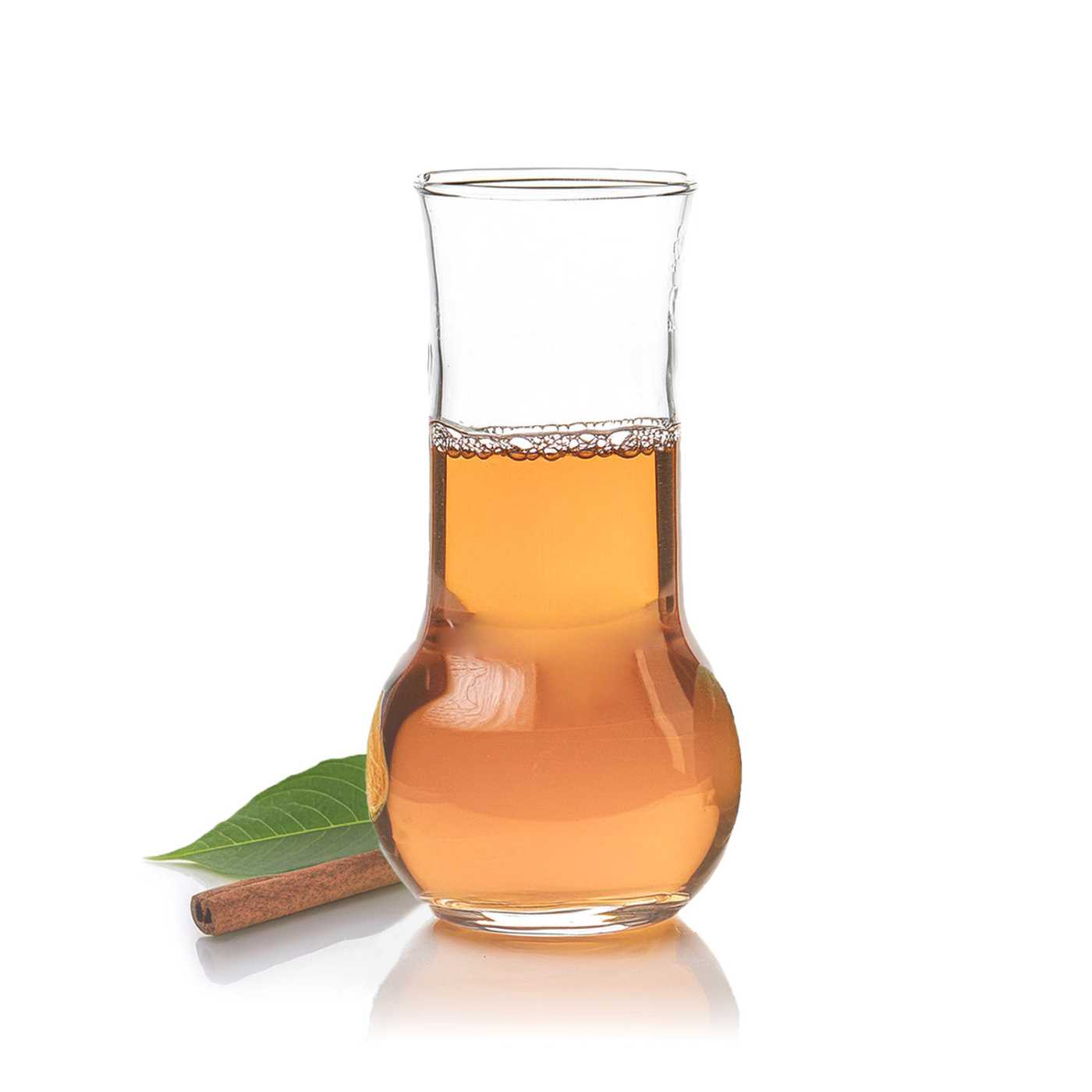
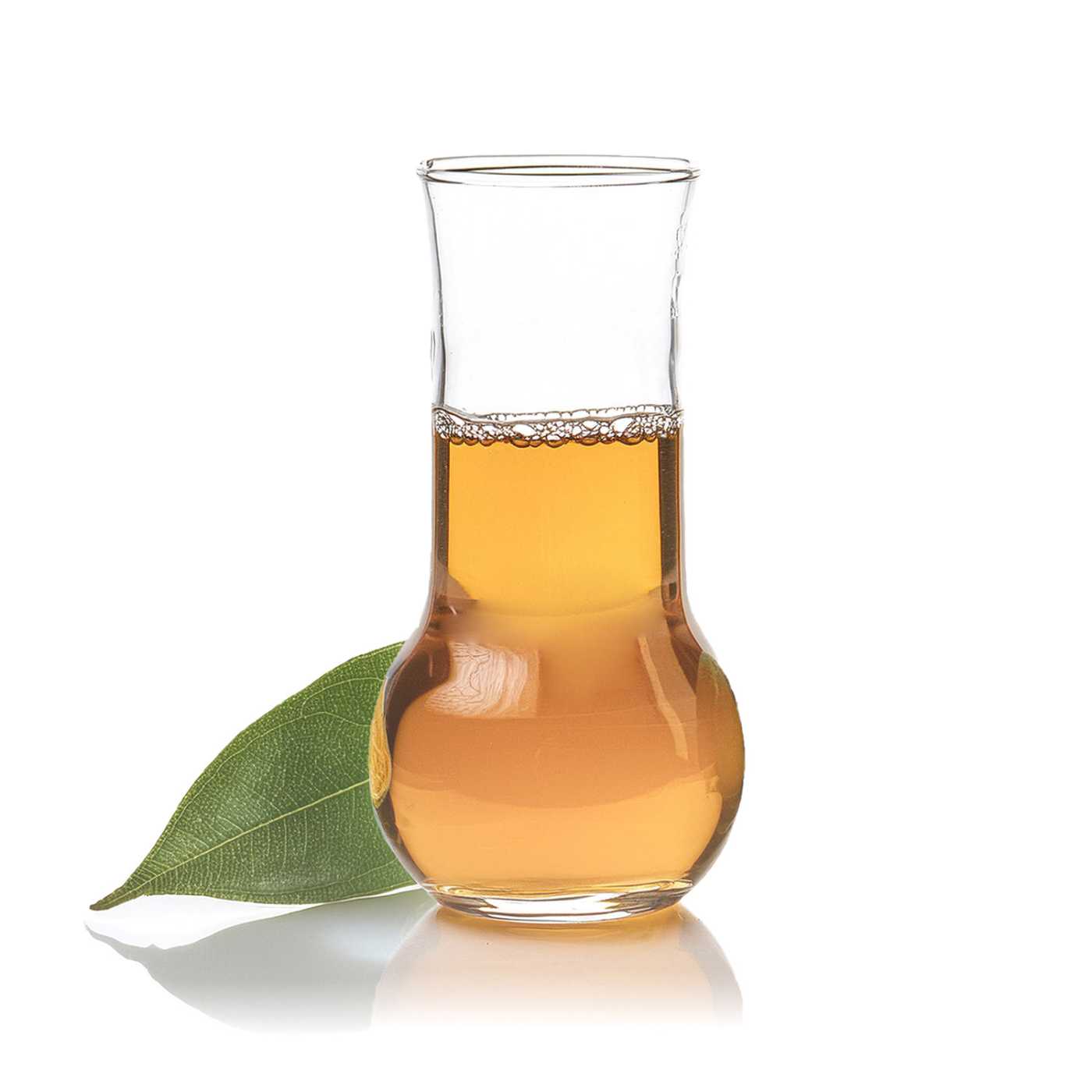
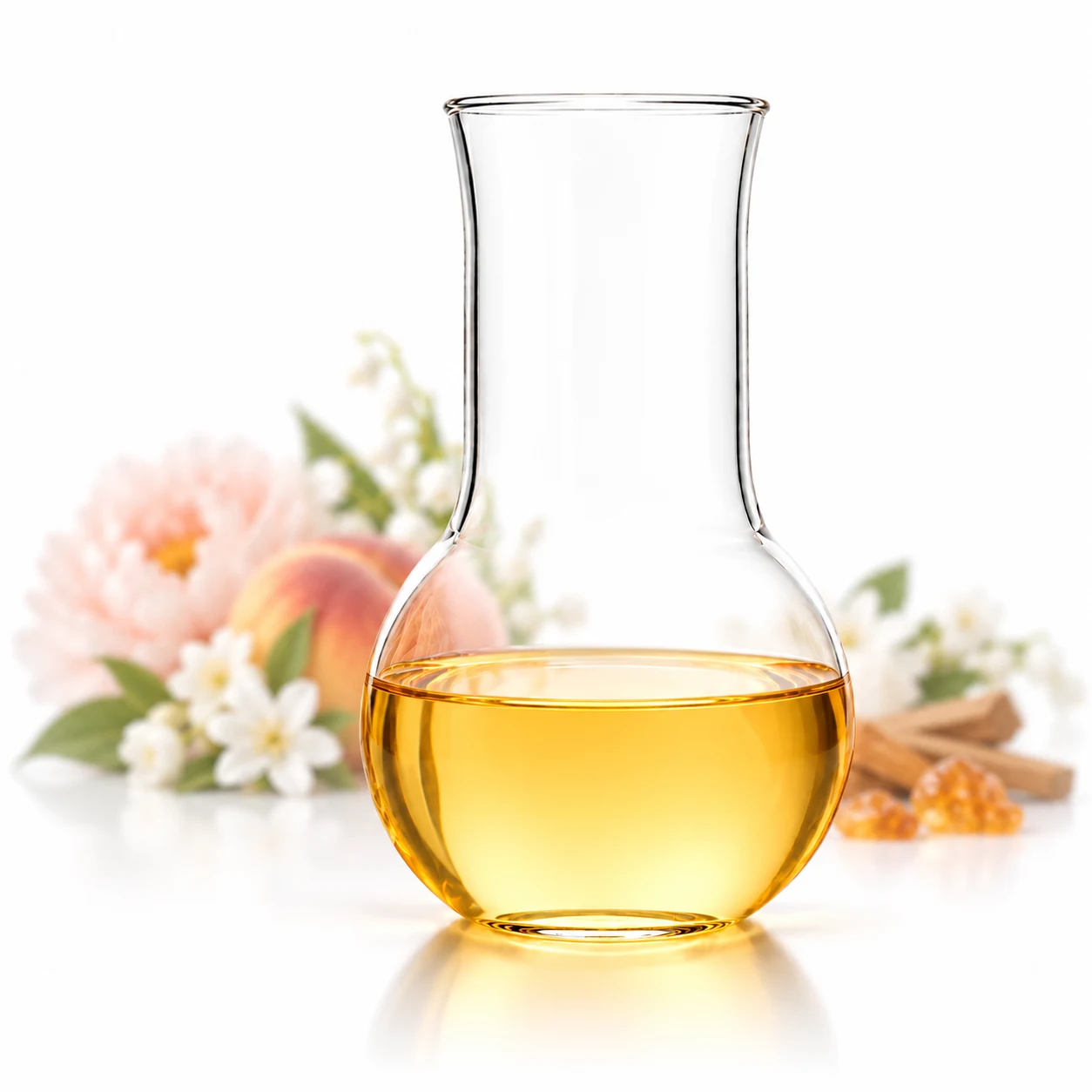
The colour of the liquid ranges from light yellow to dark yellow depending on the batch.


Frequently asked questions

Is cinnamon bark essential oil with Parfum a pure essential oil?
No, it is not a pure essential oil. The oil obtained by steam distillation from the bark of Cinnamomum zeylanicum is complemented by synthetic fragrance ingredients that round out the cinnamon scent. On the ingredient list of the finished product it is declared as Parfum. It should be presented to customers as a fragrance composition, not as a 100% natural essential oil.
What is the usage rate of cinnamon oil with Parfum in cosmetics?
The maximum usage rate is determined by the IFRA limit for the product category; there is no universal value. In formulations it is most often used at around 0.3%, in face creams and serums at 0.03–0.5%, in shampoos at 0.1–1%, in conditioners at 0.2–2% and in body lotions at 0.4–1%. The limits for individual categories are in the IFRA certificate for the product.
Is cinnamon oil with Parfum water-soluble?
No, the raw material is oil-soluble and does not dissolve in water on its own. In emulsions it is added in the cooling phase at a temperature of around 40 °C, and the mixture is then homogenised again so that the fragrance is distributed evenly. In fabric softener it is first mixed with the cationic softener into a clear premix, and only this premix is then added to the water.
Can cinnamon oil with Parfum be used in candles?
Yes, it is suitable for candles of all types, including container candles. The amount must not exceed the IFRA limit for category 12, which is stated in the IFRA certificate. Do not add the fragrance to overheated wax, because cinnamaldehyde starts to decompose at high temperatures. The flash point of the raw material is above 100 °C.
Is cinnamon oil with Parfum suitable for sensitive skin?
Caution is advisable with sensitive skin, because the main fragrance component, cinnamaldehyde, is a confirmed contact allergen. In products applied to the skin, the fragrance composition is used at a very low rate and always within the IFRA limit for the given category. We recommend testing the finished product on a small area of skin before use.

Parameters

INCI
Parfum
Product colour
Yellow
Country of origin
United Kingdom
Odour
Spicy
Appearance
Liquid
Function in formulation
Fragrance component
Solubility
Oil-soluble
Application area
FaceHairScalpBody
Application type
Leave-onRinse-off
Certifications and declarations
Vegan
Manufacturer's certificate
BRC
Volume
1000 ml

Product documentation

CoACertificate of Analysis
batch 20381PDF ↓
batch 18843PDF ↓
TDSTechnical Data Sheet
Physical parameters and processingPDF ↓
IFRAIFRA Certificate
batch 18843PDF ↓
AllergensAllergen Declaration
batch 18843PDF ↓
SDSSafety Data Sheet
Available for purchased products —
Download all (ZIP)

5 PDF files in one archive

Susann F.22 Nov 2026DE

Verified purchase

Nikoleta P.11 Nov 2026SK

Verified purchase

Sara María H.R.21 Oct 2026ES

Verified purchase

Katarína17 Sept 2026SK

Verified purchase

(4 reviews)