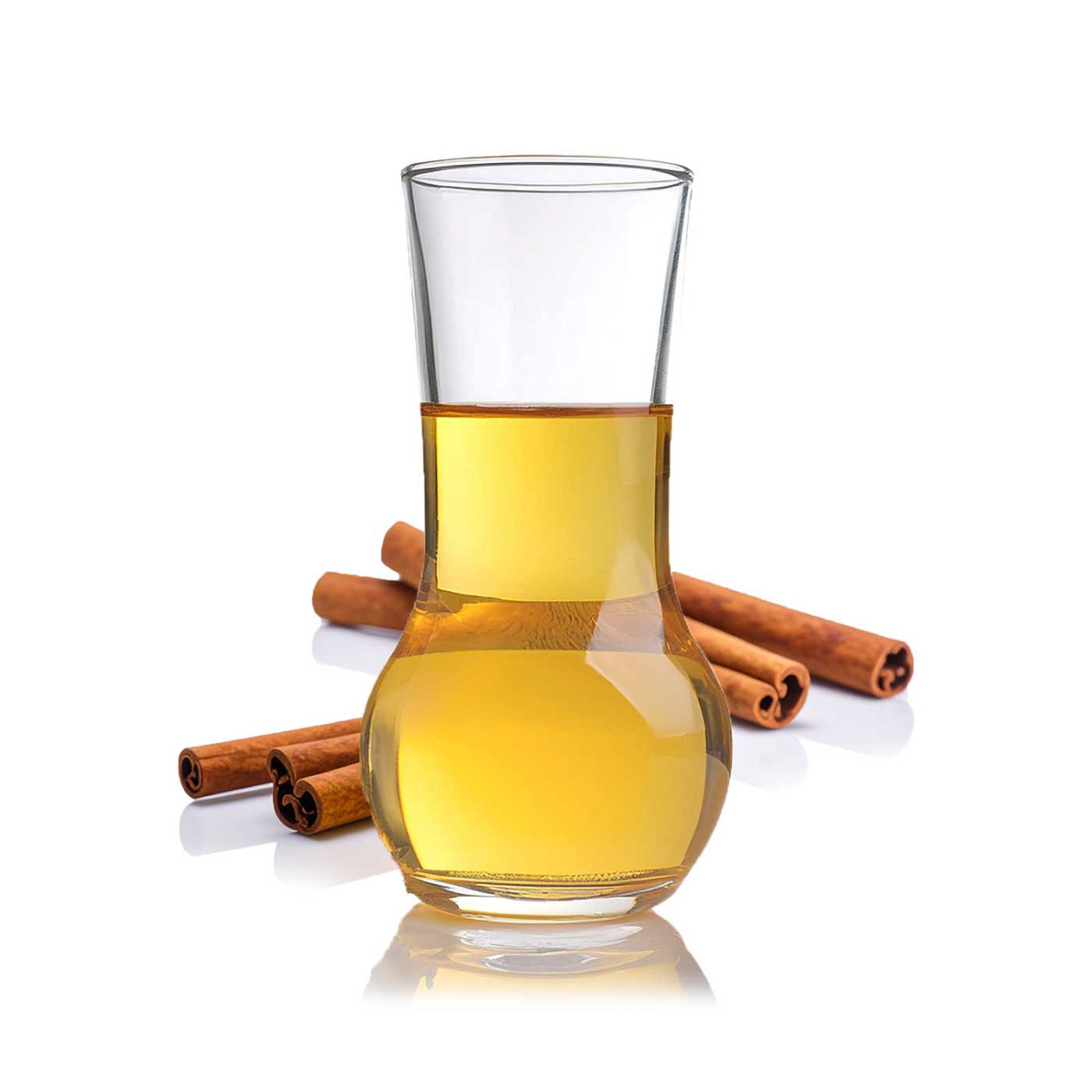
Cinnamon bark essential oil + Parfum gives cosmetics, candles and household products a warm, spicy fragrance with a woody undertone, the kind you know from true cinnamon. It is based on cinnamon bark essential oil obtained by steam distillation, combined with fragrance components into a single, easy-to-dose fragrance composition.
It is suitable wherever cinnamon is meant to carry the fragrance and at the same time create a feeling of warmth: in massage and body oils, balms, bath products, soaps, hair care products and candles. The raw material comes from a European manufacturer who declares it vegan and not tested on animals.
Fragrance and effects according to the manufacturer
- Spicy, woody fragrance – according to the manufacturer, the characteristic cinnamon note comes from cinnamaldehyde, the main component of cinnamon bark oil.
- Warming sensation – the manufacturer states that the composition produces a mild feeling of warmth on the skin and therefore recommends it for massage oils and creams intended for relaxation.
- Cleansing and toning of the skin – the manufacturer’s marketing materials describe a cleansing and astringent effect that helps remove impurities and excess sebum from the skin and hair.
- Scalp – the warming, stimulating sensation on the scalp is the reason why the manufacturer suggests it for shampoos, conditioners and scalp products.
The manufacturer also mentions soothing and antimicrobial effects. These are claims from its marketing materials, for which it does not provide studies. In the finished product, they therefore need to be supported by your own assessment.
Use in formulations
The composition is oil-soluble and is not soluble in water. In anhydrous products such as massage oils, balms or body butters, it is mixed directly into the oil phase. In emulsions, it is added at the end of emulsification, when the emulsion is no longer hot, while stirring continuously. Toners, body sprays and other water-based systems need a solubiliser, otherwise the composition separates and rises to the surface.
The usage rate is governed by the IFRA limits for the specific product category, so we do not state a single percentage. When determining the usage rate, start from the limit for your category and from your own sensory test.
IFRA sets the maximum concentration separately for each product category: category 4 covers perfumes and eaux de toilette, category 5 body creams and oils, category 9 soaps, shampoos and shower gels, and category 12 candles. You will find the limit for your category in the product parameters.
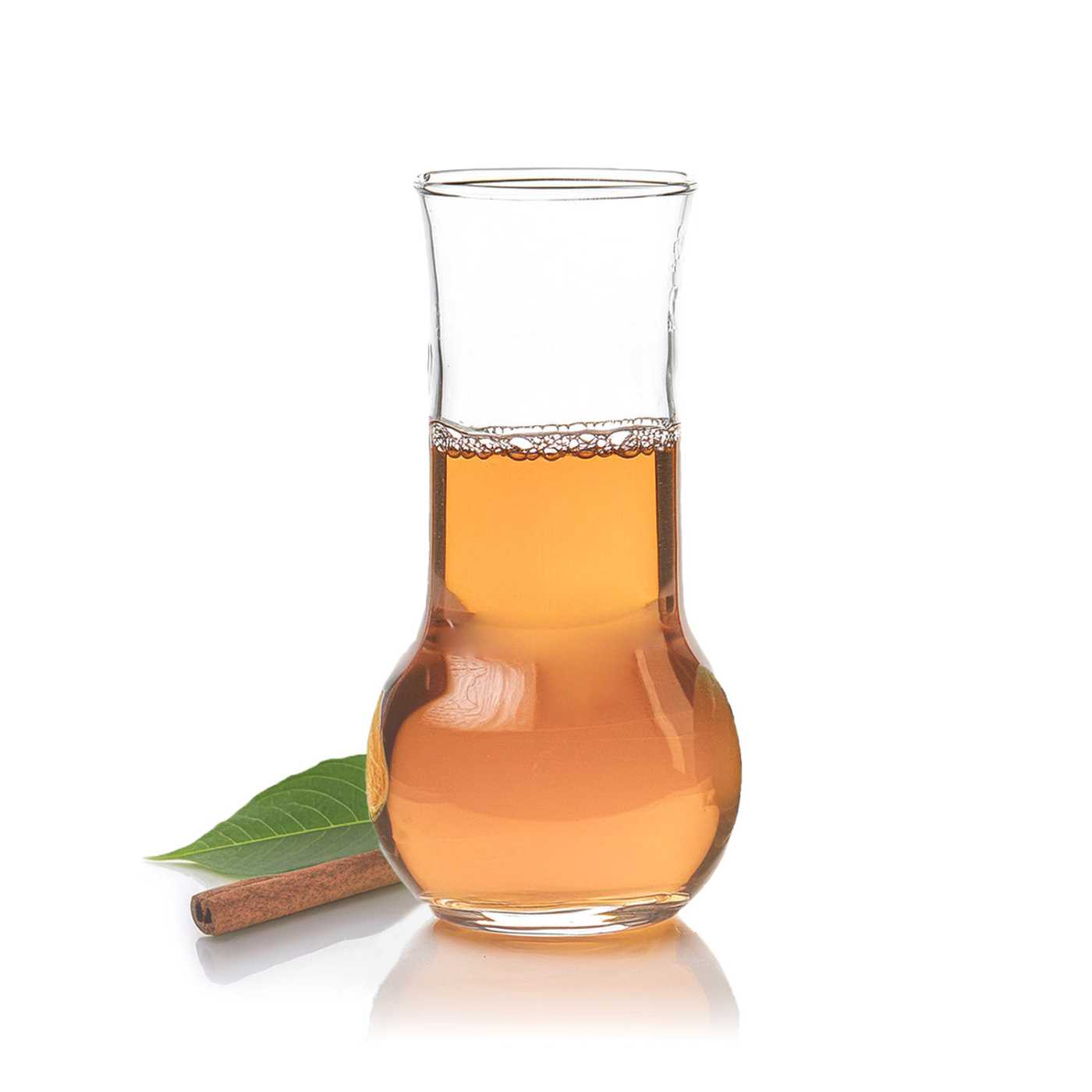
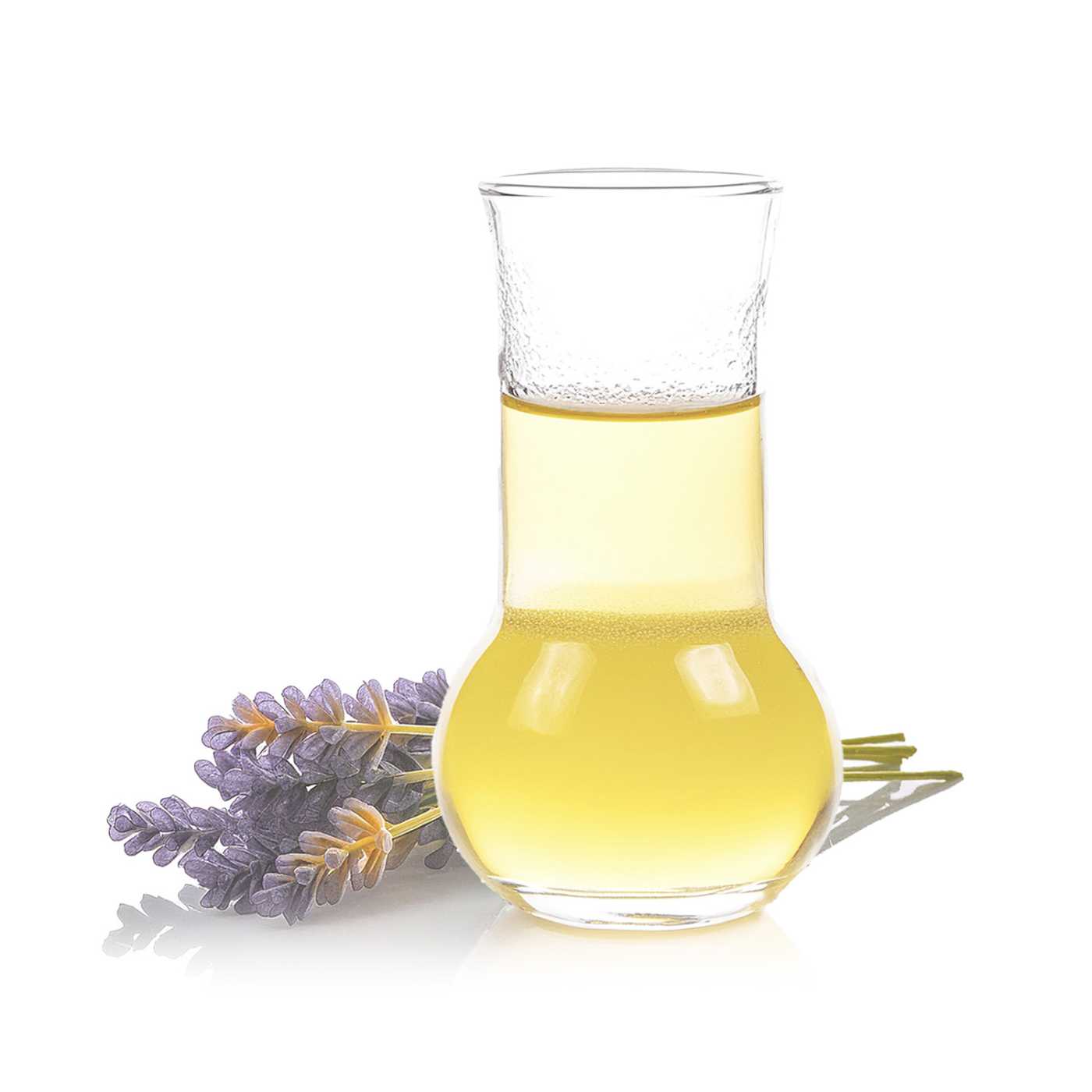
The colour of the composition ranges from light yellow to dark yellow and may differ between batches. For light-coloured products, check the effect on colour with a test sample.
Suitable for products such as
- Massage and body oils – the most natural use for the warming character of the fragrance, with the usage rate based on IFRA category 5A.
- Balms and body butters – anhydrous systems into which the composition is mixed without a solubiliser.
- Soaps, shower gels and bath products – rinse-off products of IFRA category 9. We recommend testing the behaviour in cold process soap beforehand on a small batch.
- Shampoos, conditioners and hair oils – a spicy fragrance and a warming sensation on the scalp, as described by the manufacturer.
- Perfumes and solid perfumes – a warm, spicy component of the fragrance composition.
- Candles – both container and freestanding candles, with the usage rate based on IFRA category 12.
Good to know
The concentrate is classified under the CLP Regulation and contains hazardous substances. The packaging bears the GHS07 (irritant, sensitisation, mild toxicity), GHS08 (serious long-term health hazards) and GHS09 (ecotoxic, harmful to the environment) pictograms. Details on the composition, classification and safe handling are given in the safety data sheet (SDS).
The classification applies to the undiluted concentrate. When working with it, follow the SDS, and take it into account in the safety assessment when placing a cosmetic product on the market.
In the ingredients list of the finished product, this raw material is stated as Parfum, not under the botanical name of the plant, because in addition to the distilled bark oil it also contains other fragrance components. The manufacturer does not disclose their ratio.
Frequently asked questions
Is Cinnamon bark essential oil + Parfum soluble in water?
No, the composition does not dissolve in water; it is soluble in oils. In anhydrous products it is added directly to the oil phase, and in emulsions it is mixed in at the end of emulsification while the emulsion cools. For toners, body sprays or water-based fresheners, a solubiliser is needed to disperse the fragrance components in the water phase and prevent them from separating and rising to the surface.
What is the difference between Cinnamon bark essential oil + Parfum and pure cinnamon essential oil?
The difference lies in the composition and in the INCI designation. Pure cinnamon essential oil is a single-species distilled raw material with the botanical name of the plant in the INCI. This composition combines distilled cinnamon bark oil with other fragrance components and is stated as Parfum in the ingredients list of the finished product. The fragrance character remains cinnamon-like, spicy and woody, but the manufacturer does not state the ratio of the individual components.
How do you add Cinnamon bark essential oil + Parfum to a cream or balm?
In a balm, it is mixed into the melted oil phase after it has cooled slightly; in a cream, only at the end of emulsification. Add it while stirring continuously, when the emulsion is no longer hot, so that the fragrance components do not evaporate unnecessarily. The amount is governed by the IFRA limit for category 5, which covers body creams, body oils and facial moisturising products.
How much Cinnamon bark essential oil + Parfum can be added to a product?
The maximum amount is set by IFRA separately for each product category; there is no single percentage. A different limit applies to leave-on products, a different one to rinse-off soaps or shampoos, and another to products without skin contact, such as candles. You will find the specific value for your category in the product parameters under the individual IFRA categories, and you can fine-tune the final fragrance intensity with a sensory test.
Can Cinnamon bark essential oil + Parfum be used in candles?
Yes, candles of all types, including container candles, fall under IFRA category 12, for which the product has a defined limit. The manufacturer also lists candles among the recommended uses. The usage rate is governed by the limit for this category, and the behaviour of the fragrance in the chosen wax, especially its intensity once lit, should be checked on a test candle.