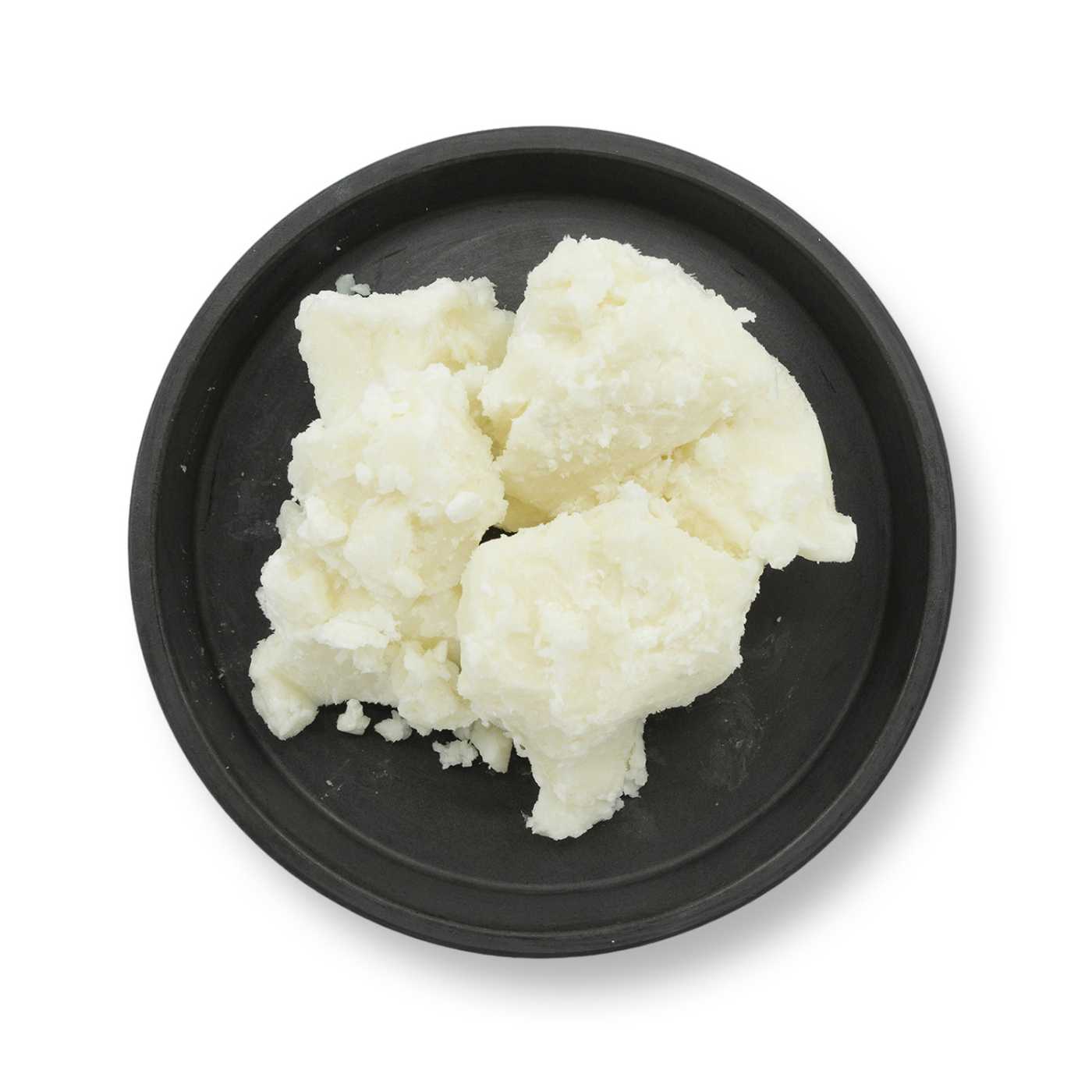
Country rose fragrance oil
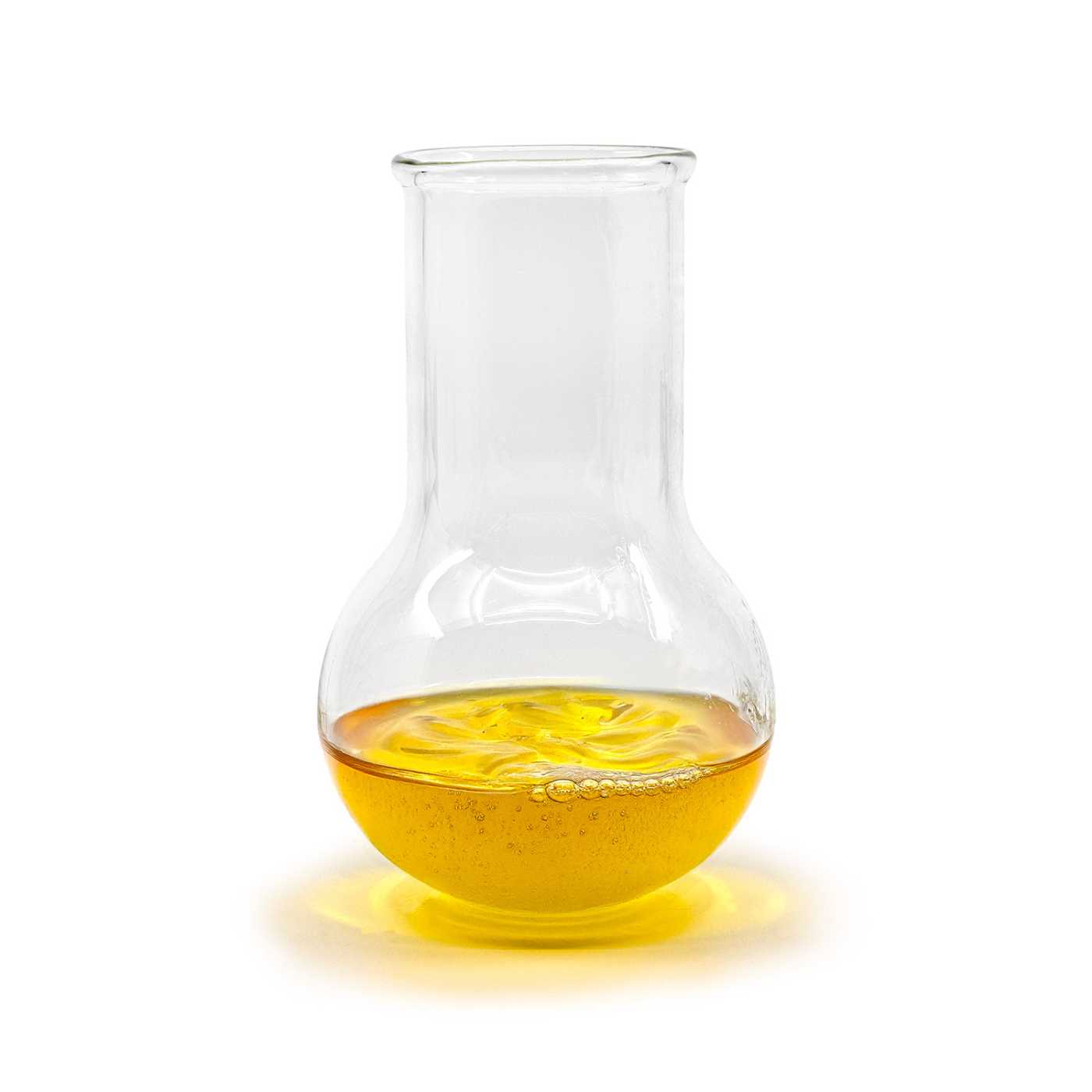
Country rose is a fragrance composition with a floral rose scent that gives products a soft, natural-seeming rose note – closer to the smell of a rose in a garden in full bloom than to perfumery sweetness. It serves as a fragrance component, meaning its role is to give the finished product a characteristic scent; it has no functional effect on the texture or preservation of the formulation.
It is a cosmetic-grade, oil-based fragrance blend of European origin, free from parabens. It is suitable wherever you want to work with a more pronounced rose scent and prefer a fragrance that is easy to add cold.
Key features
- Floral rose profile – a full, country-style rose note suitable for decorative and everyday cosmetics as well as scented products.
- Solubility in oil and alcohol – it mixes with the oil phase and with alcohol, but is insoluble in water, which determines how it is incorporated.
- Low processing temperature – it is added only below 40 °C, which limits the loss of volatile fragrance components.
- Wide range of uses – from face and body care through hair products to candles, diffusers and textile care.
Use in formulations
Because the fragrance is soluble in oil and in alcohol, but not in water, it is incorporated into emulsions and oil-based products in the oil phase or cold after emulsification, directly into anhydrous oils, and into water-based or alcohol-based systems (toners, sprays, diffuser blends) by means of alcohol or a solubiliser. Without a solubiliser it will not dissolve evenly in the water phase alone.
It is added during the cooling phase or as a later addition, always at a temperature below 40 °C – a higher temperature needlessly evaporates part of the fragrance components and may weaken the scent. The usage rate depends on the type of product and the relevant IFRA category, which sets different maximum amounts for different applications (lip products, deodorants, rinse-off and leave-on products); check the specific limit for your application in the IFRA certificate for this fragrance.
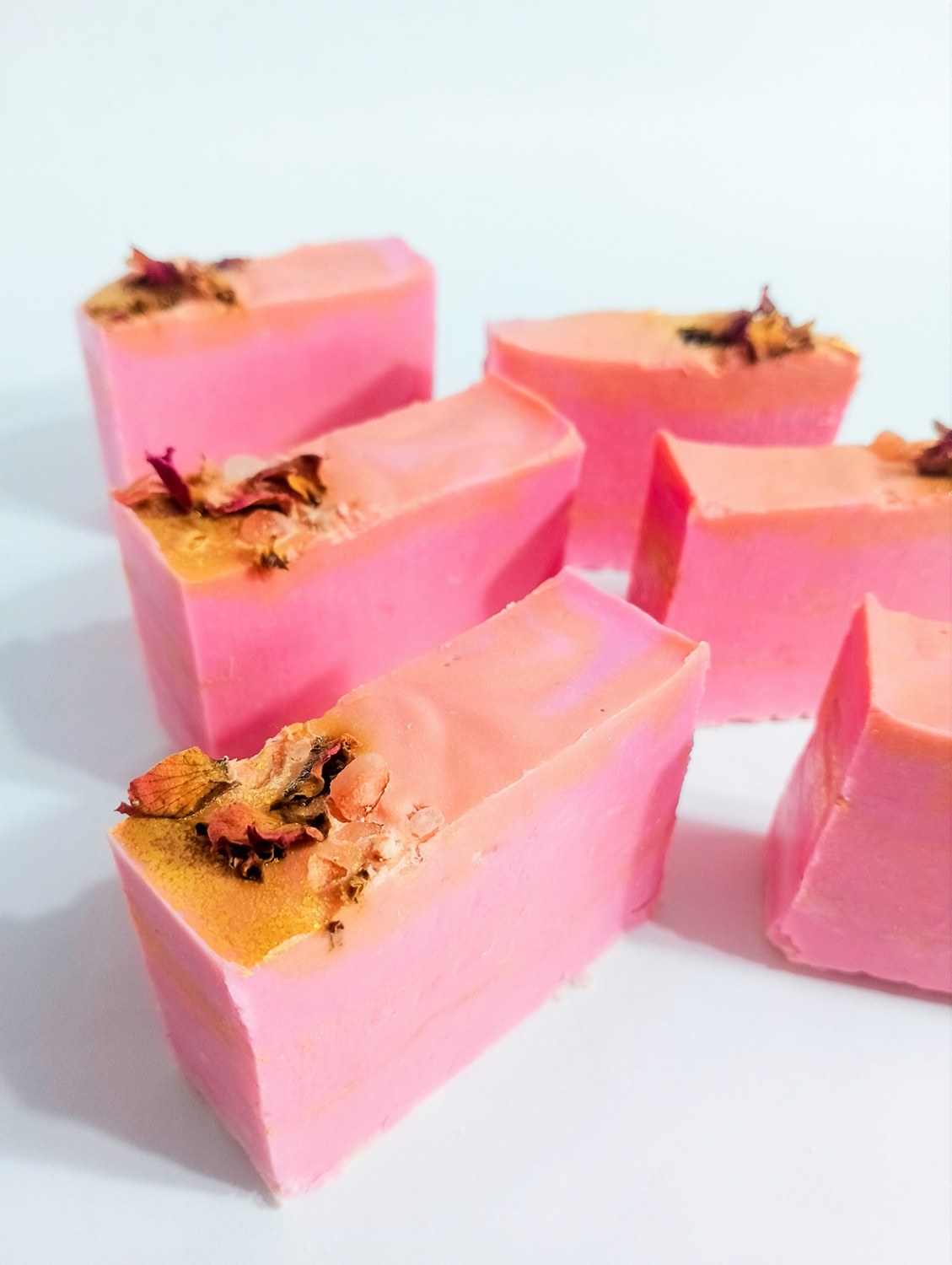
With cold process soap you need to allow for a practical limitation: in a test by an experienced soap maker, the fragrance significantly accelerated trace – within fifteen minutes the batter had almost set and become lumpy in consistency. It does not discolour the soap batter. Because it sets so quickly, we do not recommend it for the cold process; if you still want to use it, you need to work very quickly, add it just before pouring, and expect that there will be no time for decorating or slower techniques.
The fragrance oil is classified under CLP (irritation/sensitisation and ecotoxicity) and contains fragrance allergens listed in Annex III of Regulation (EC) No 1223/2009. When setting the usage rate, labelling the finished product and declaring allergens, follow the safety data sheet and the UFI code.
Suitable for products such as
- Face and body care – creams, lotions and oils, where the fragrance is incorporated into the oil phase or cold.
- Rinse-off products – liquid soaps, shower gels and shampoos (provided the limit for the given category is observed).
- Candles, diffusers and aromatherapy blends – thanks to its oil solubility and pronounced rose note.
- Bath bombs and salts – as a fragrance for loose and fizzing mixtures.
- Laundry and textile care – for scenting products with minimal skin contact.
With cold process soap, because the batter sets quickly, it is better to choose a different fragrance or switch to the hot process, where trace does not matter.
Good to know when formulating
- For water-based and alcohol-based systems, always premix it with alcohol or a solubiliser first, otherwise it will remain undissolved.
- Incorporate it cold, below 40 °C, so that you do not needlessly lose scent intensity.
- In cold process soap making, expect the batter to set quickly – prepare the mould and ingredients in advance.
- The final scent in the finished product depends on the usage rate and the carrier; before larger-scale production, we recommend a small trial and a stability test.
Frequently asked questions
Is Country rose fragrance oil soluble in water?
No, it is insoluble in water. It dissolves in oil and in alcohol, so it is added directly to the oil phase, and to water-based or alcohol-based products (toners, sprays, diffusers) only after mixing with alcohol or a solubiliser. Without them it will not disperse evenly in the water phase alone.
How is Country rose added to a cream?
It is added only at the end of production, cold, at a temperature below 40 °C. Incorporate the fragrance oil into the oil phase or into the already emulsified cream during cooling and mix thoroughly. The low temperature protects the volatile fragrance components from evaporating and helps maintain the intensity of the scent.
Is the Country rose fragrance suitable for cold process soap?
We do not recommend it for the cold process. In a practical test in cold process soap, it significantly accelerated trace and the batter almost set into a lumpy consistency within fifteen minutes. It does not discolour the soap batter. If you want to use it, work very quickly and add it just before pouring, or choose the hot process.
Does Country rose discolour soap batter?
No, it does not noticeably discolour the soap batter. In a soap maker’s practical test, the colour of the batter remained unchanged. When designing a coloured soap, you therefore do not need to adjust the shade to allow for the fragrance, but you do need to take into account its fast setting in the cold process.
Do I need to watch for allergens and CLP with Country rose fragrance oil?
Yes. The fragrance is classified under CLP and contains fragrance allergens listed in Annex III of Regulation (EC) No 1223/2009, as amended by Regulation (EU) 2023/1545. When labelling the finished product, declaring allergens and determining the maximum usage rate, follow the safety data sheet, the IFRA categories and the UFI code.