Liquid Glycerin Dye, Black, 10 ml
Pre-order€2.29(€229.00/l)

MICA POWDERS
Pack size10 g50 g200 g500 g1 kg
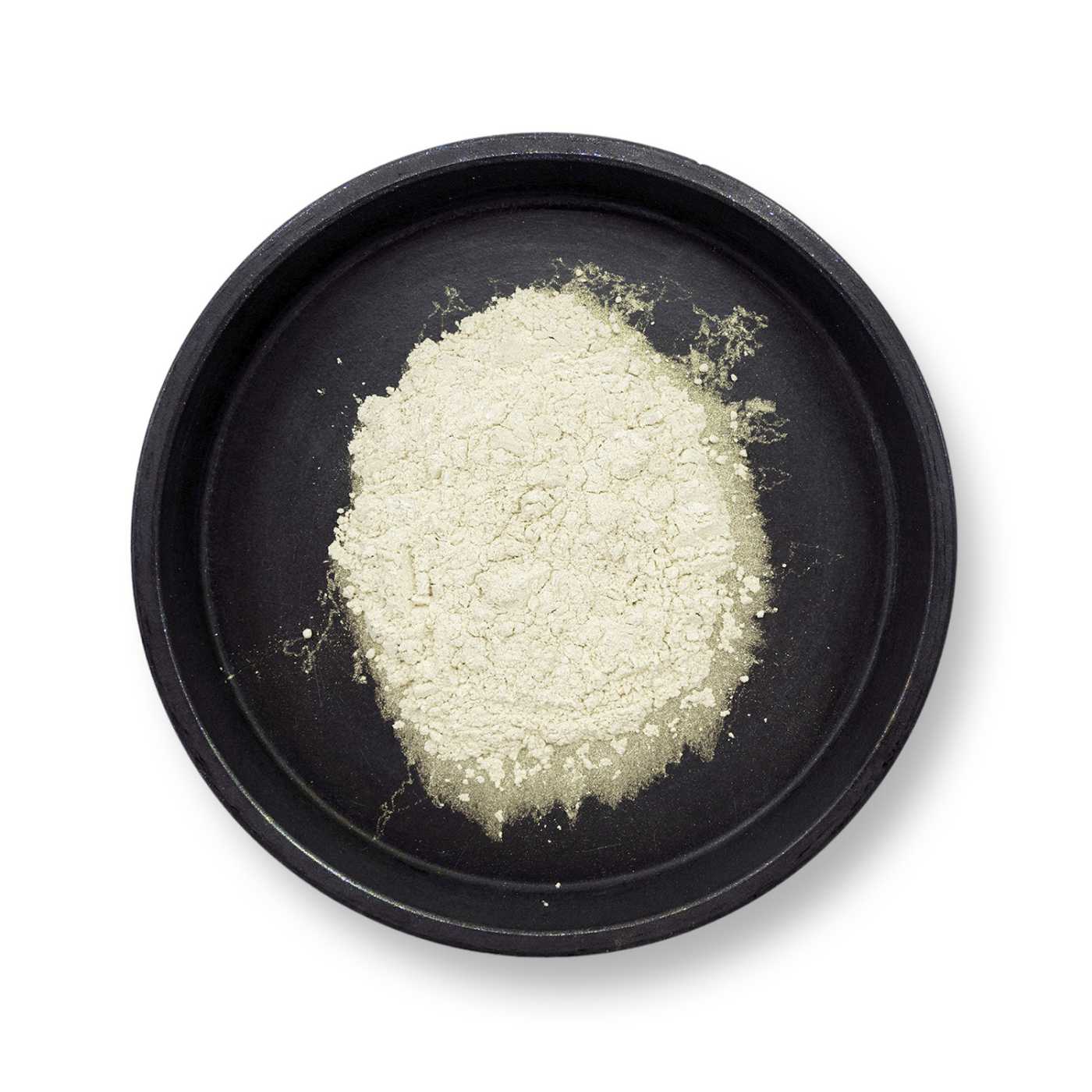
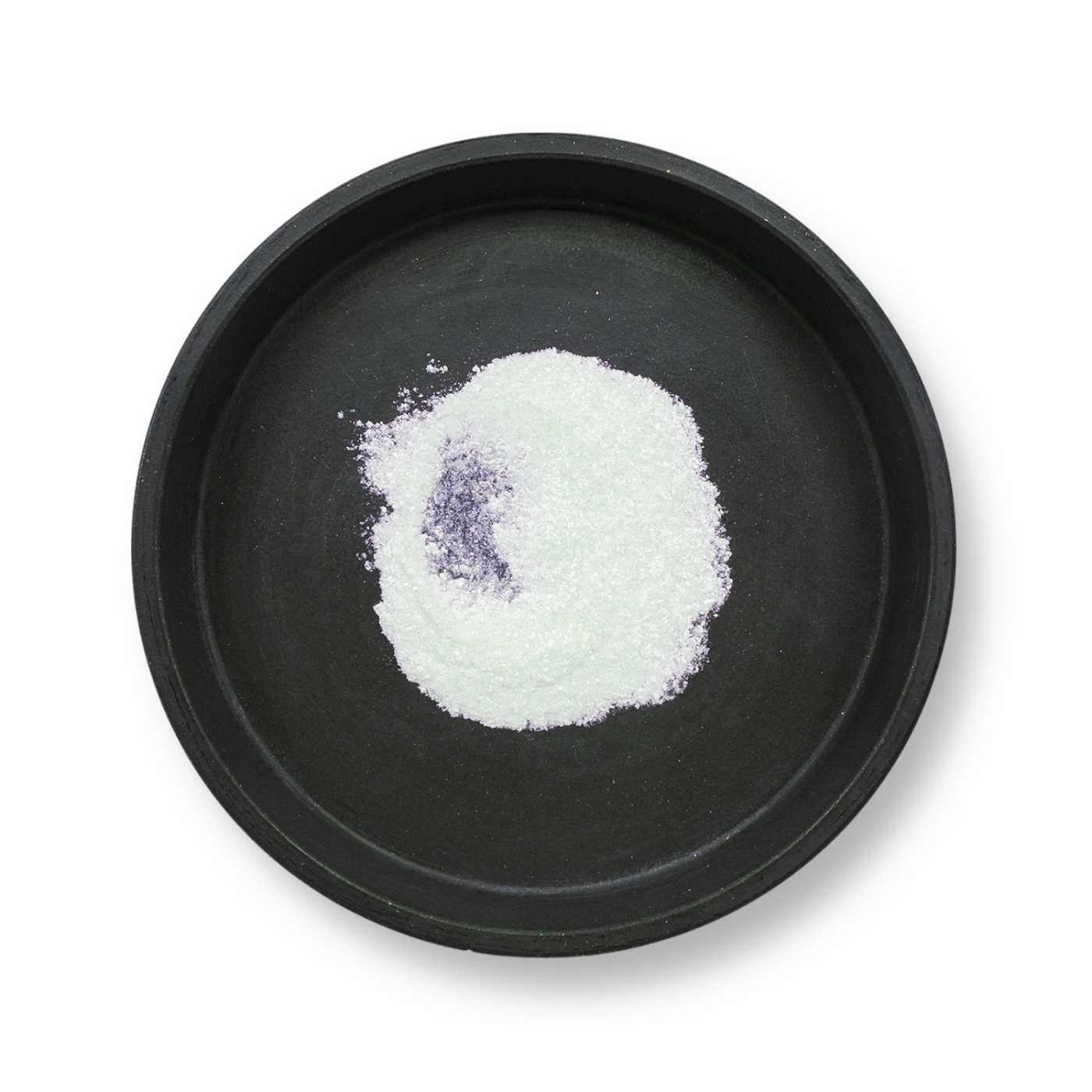
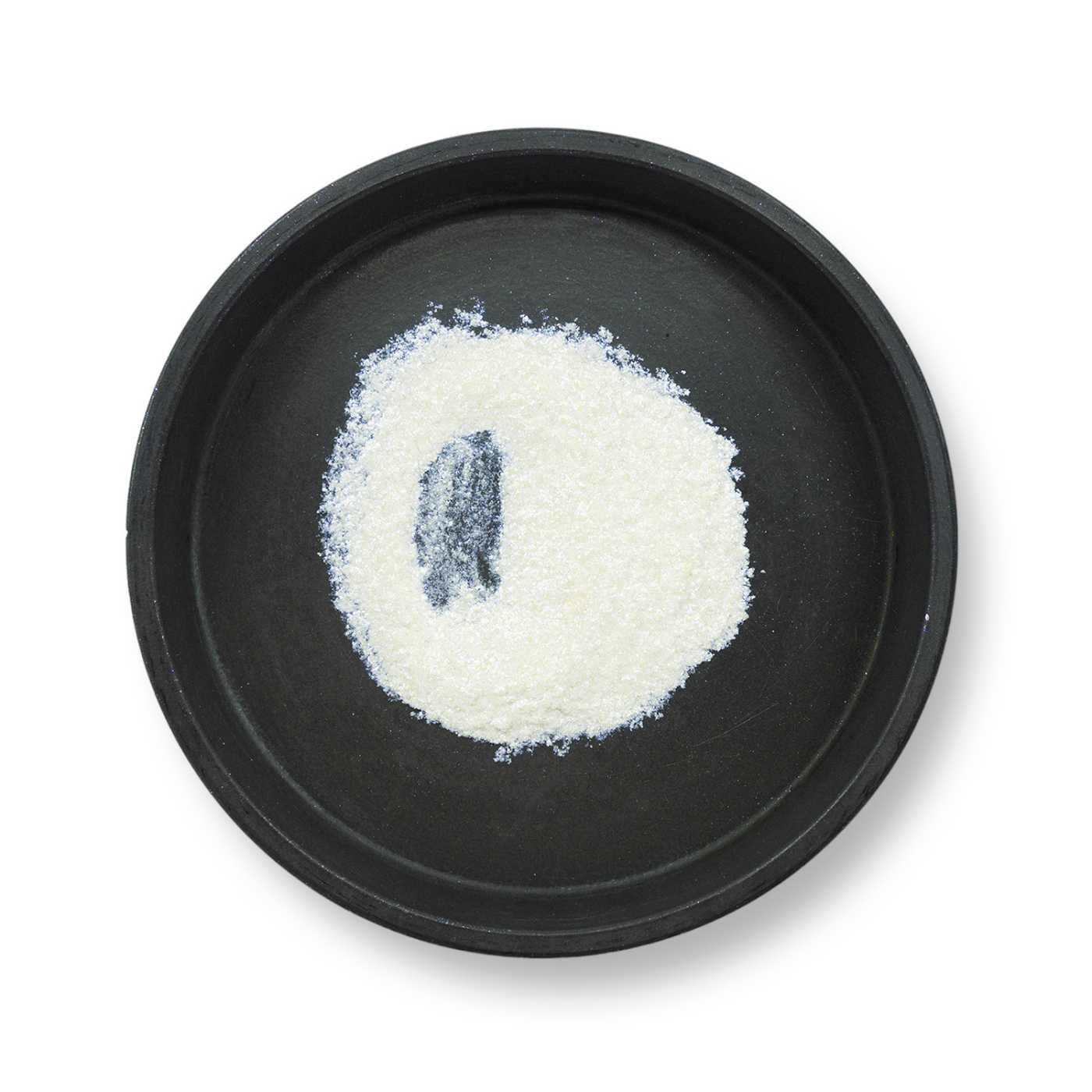
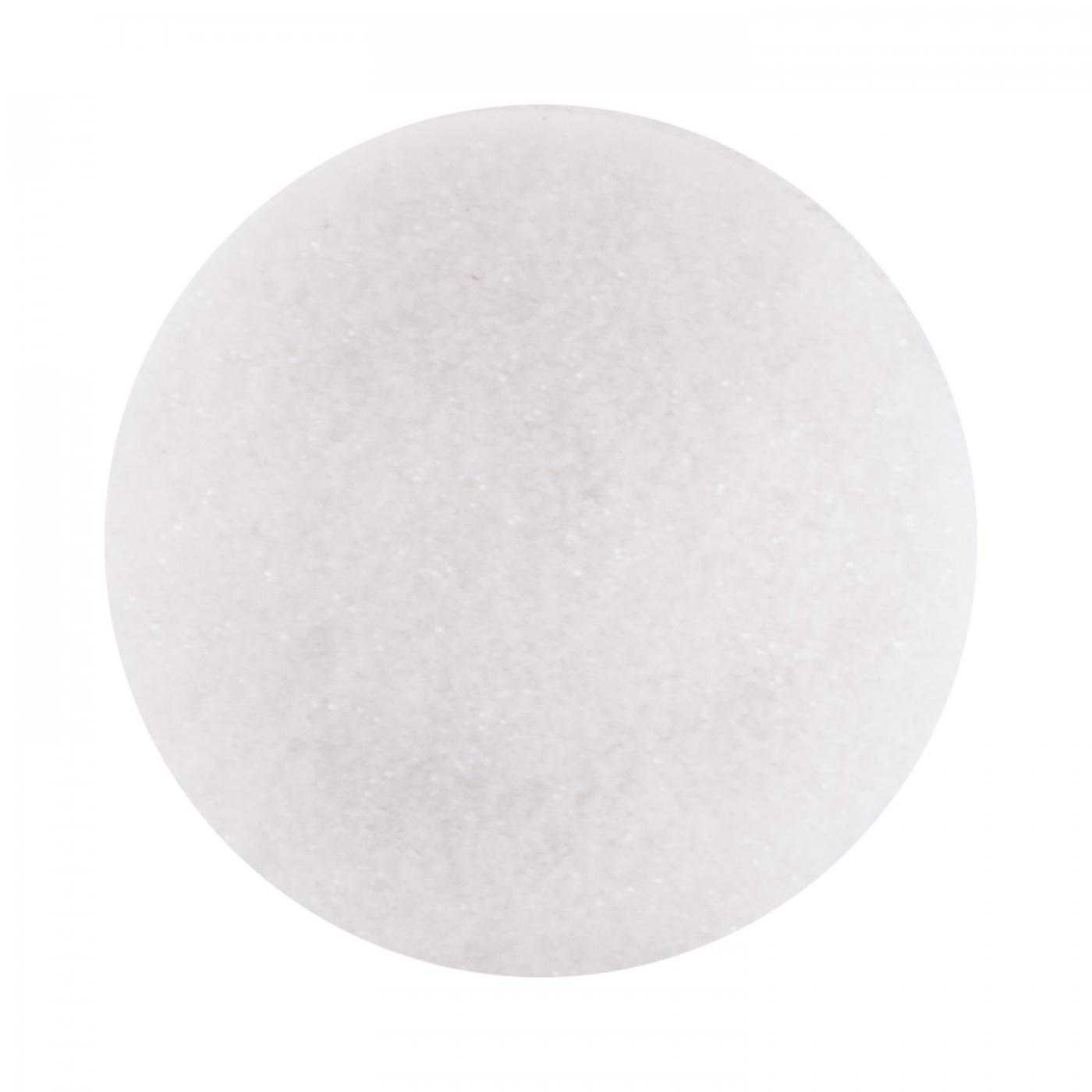
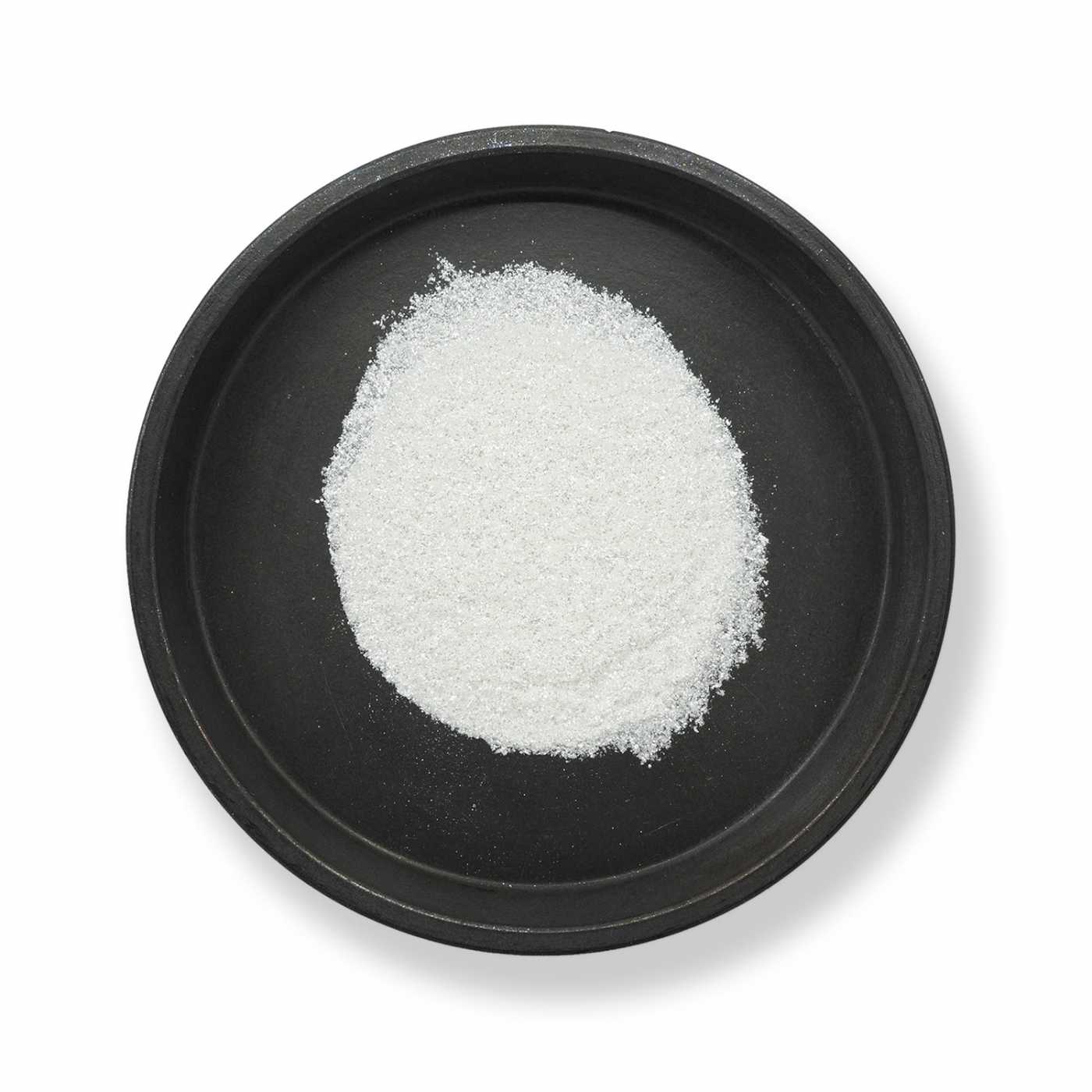
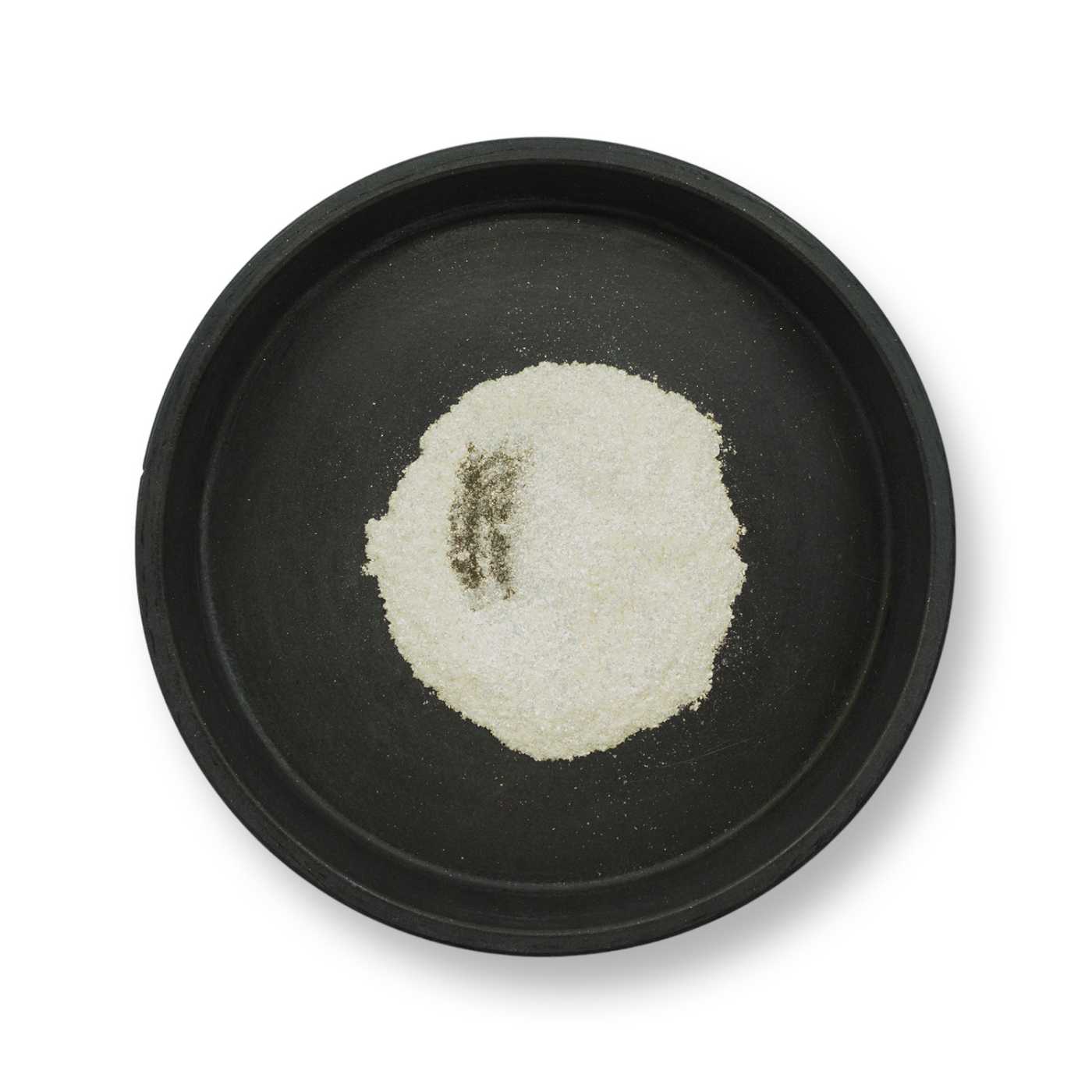
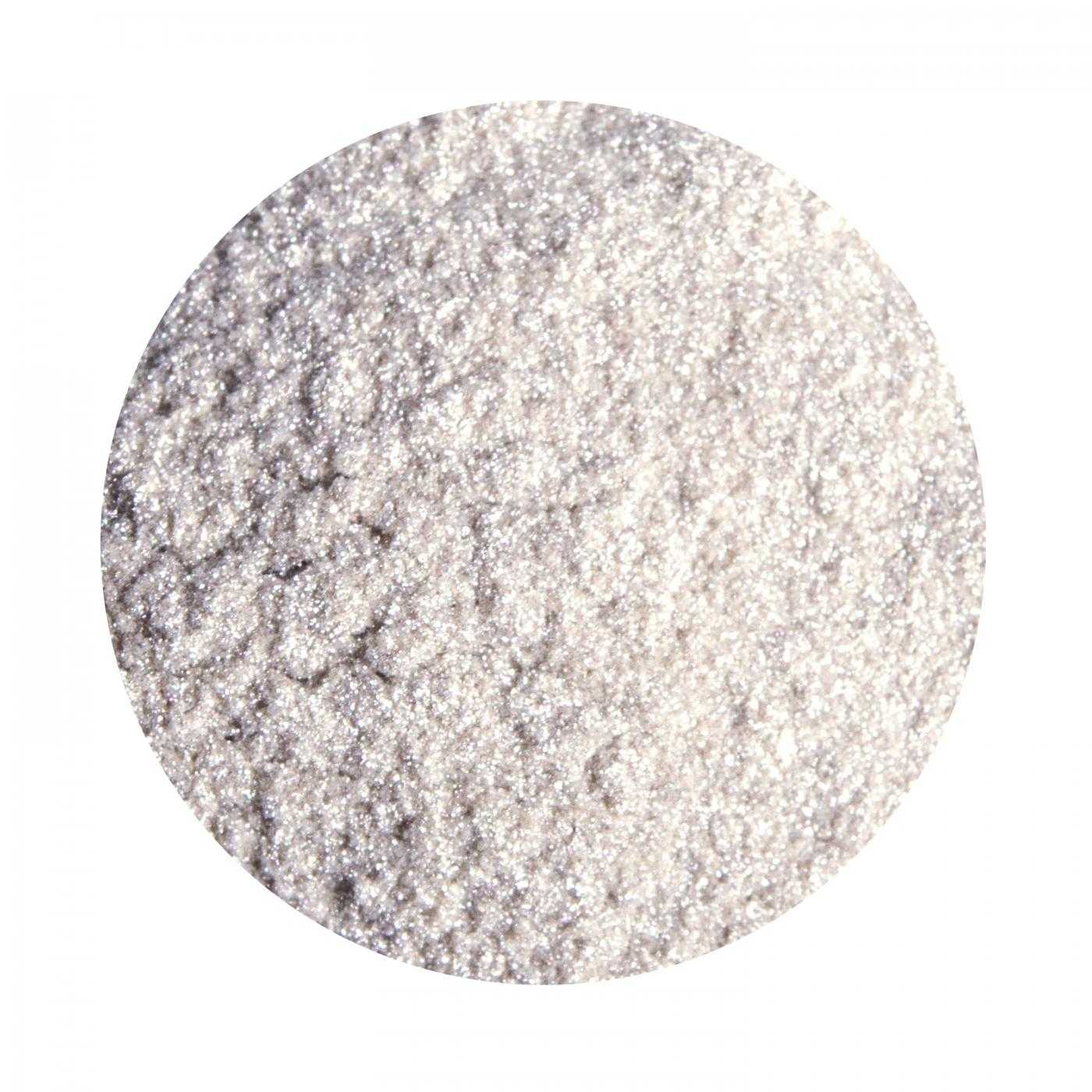
Mica AquaPearls Snowball is a pearlescent pigment made from mica that brings a silver-white pearlescent shimmer to soap, bath bombs, rinse-off cosmetics and candles. full description
Lowest price in the last 30 days: €2.99
Mica AquaPearls Snowball is a pearlescent pigment made from mica that brings a silver-white pearlescent shimmer to soap, bath bombs, rinse-off cosmetics and candles. It does not dissolve but disperses in the mass, with light reflected by tiny mica platelets coated with titanium dioxide. The result is a cool, snowy, sparkling effect.
In a light base it adds a pearlescent sheen; in a darker mass it creates a contrasting sparkle. As a cosmetic colorant it meets the requirements of Annex IV of the Cosmetics Regulation.
The pigment is added as an additional component, usually at the end of production. Before incorporation, it is mixed into a small amount of oil or other liquid component of the formulation to prevent clumping. Only this paste is then mixed into the mass. Dosage is determined by the desired intensity of shimmer. Start with a small amount and add according to the result; excess pigment in a thin mass will sediment.
For cold process soap, mix the pigment into a spoonful of oil from the formulation before adding the lye solution. You will get a smooth paste without lumps, which you then mix into the mass at light trace or use for layers and patterns.
In soap it is used both throughout the entire mass and for surface decoration, where it is applied as dry powder with a brush or mixed with a small amount of oil. In melt-and-pour soap, it is mixed into the melted base just before pouring so that the particles disperse evenly and do not have time to sink to the bottom.
In bath bombs and salts, the pigment is mixed with the dry ingredients before moistening. In water it disperses and creates a pearlescent veil on the surface. For salts, simply mix it with the salt, or with a drop of oil to help the powder adhere to the crystals.
In rinse-off cosmetics – shower gels, scrubs and shampoos – it is added at the end to the finished base. The sparkle is most visible in a clear base. With thin gels, allow for sedimentation and adjust the viscosity of the base.
In candles, the pigment is used mainly for surface decoration or in the top decorative layer. If you incorporate it into the entire mass of a container candle, test burning on a trial piece and check the wick behaviour. In hobby and artistic work it is suitable for decorative blends and soap patterns. The procedure is the same: the pigment is first mixed into a portion of the liquid component.
The pigment is a fine powder. Handle it carefully when weighing and pouring to avoid dust. Wipe up any residue after use with a damp cloth; dry powder will spread across the work surface when wiped.
The pigment is not of animal origin, has not been tested on animals and no nanomaterials are used in its production.

Variant: MICA, AquaPearls, Snowball, 10 g

Variant: MICA, AquaPearls, Snowball, 10 g

Variant: MICA, AquaPearls, Snowball, 10 g