+421 950 333 113info@handymade.store

Spend over €100 for discounted shipping!

Candle fragrance oils

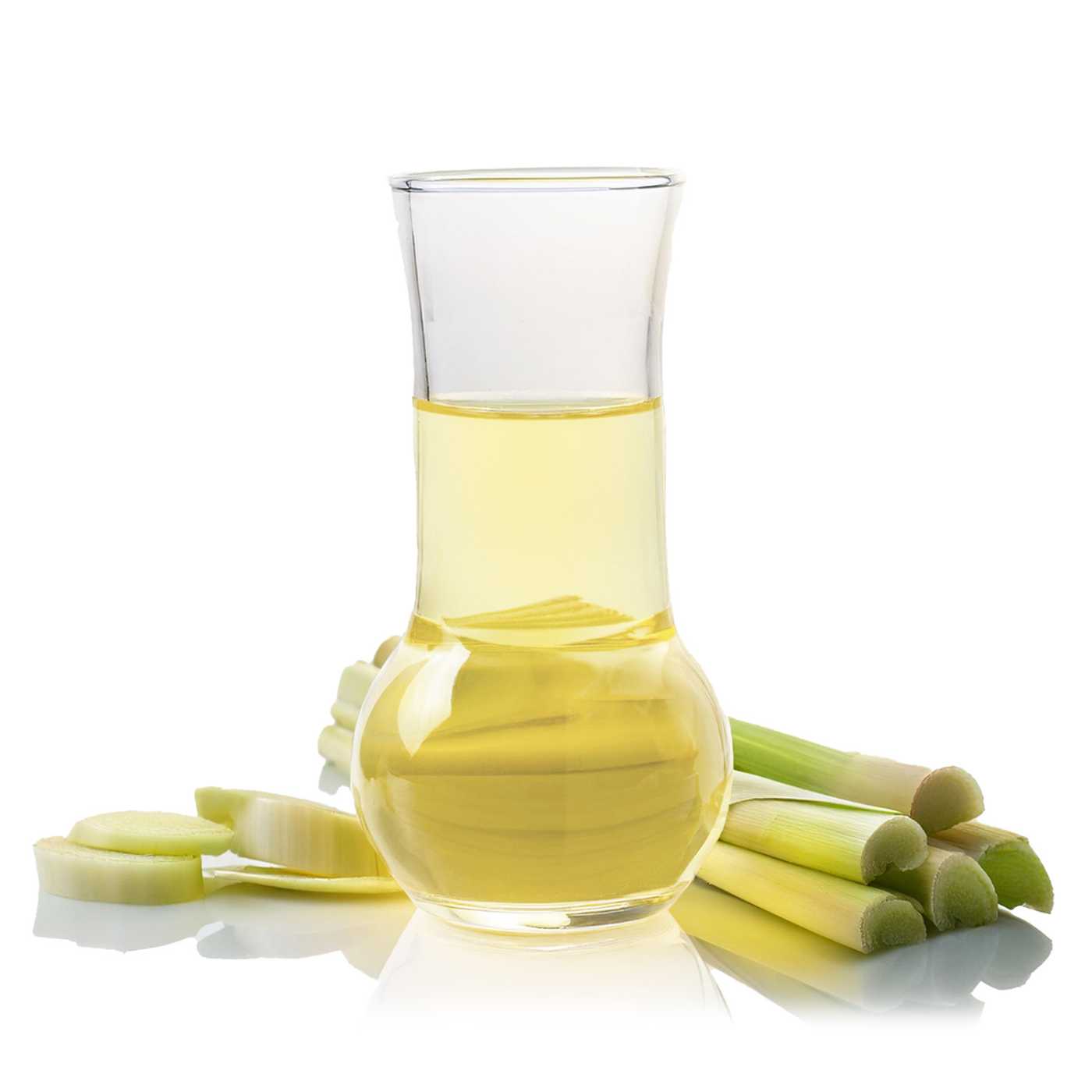
Citronella Essential Oil, 1 l

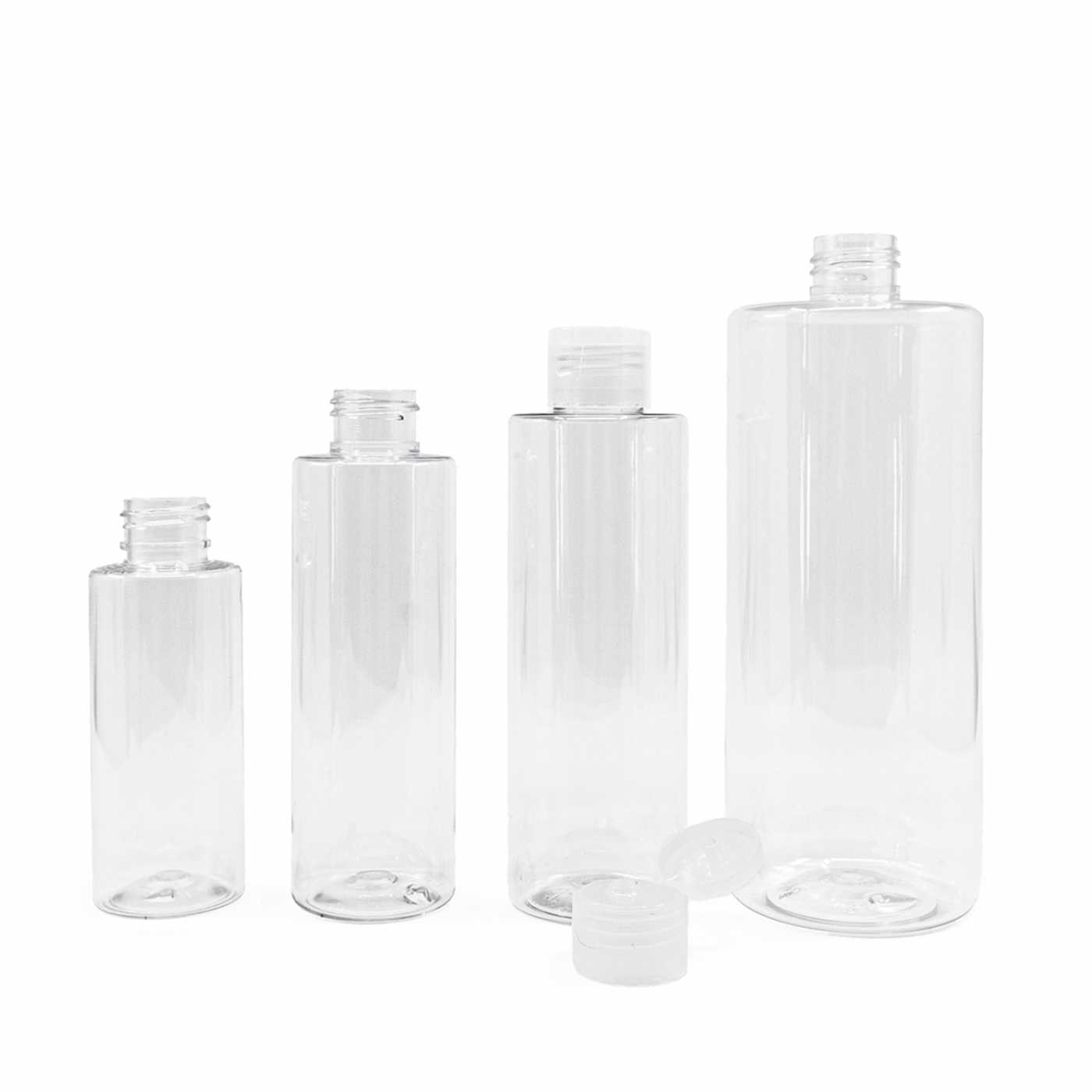
Pack size10 ml100 ml500 ml1 l

Citronella essential oil gives products a fresh citrus fragrance that you may know from summer evening candles, soaps and products for time spent outdoors. full description

AvailabilityIn stock · last 4 packs
Product codeEON008_1000
Batch24166
Best before08/2029
€87.89incl. VAT€87.89/l

Lowest price in the last 30 days: €87.89

Product description

Citronella essential oil gives products a fresh citrus fragrance that you may know from summer evening candles, soaps and products for time spent outdoors. It is obtained by steam distillation from the aerial parts of Cymbopogon winterianus, a grass native to Asia. It consists of 100% essential oil with no carrier and no additives. It is used in cosmetics, candles, diffusers and household cleaning products.


Fragrance and composition

The fragrance of the oil is carried by monoterpenes: citronellal, geraniol, citronellol, limonene, geranyl acetate and camphene. Together they give a fresh citrus fragrance that helps to mask unpleasant odours in a product.

Citronella is associated with repelling insects, so it is added to candles and body products for time spent outdoors. However, the presence of the oil alone does not guarantee a repellent effect in the finished product.


Key properties

  • Fragrance ingredient of plant origin – a single-plant essential oil, originating from Indonesia, Vegan certified.
  • Fresh citrus fragrance – suitable for products that should smell clean and refreshing, from shower gels to patio candles.
  • Scalp care – in shampoos and conditioners it supports the feeling of a clean and fresh scalp, especially for hair prone to oiliness.
  • Use for oily and problematic skin – it is added to cleansing and body products for this skin type. Soothing and antimicrobial properties are also attributed to the oil, but it does not replace a preservative in a product.

Use in a formulation

The oil dissolves in oils and in alcohol, but not in water. In emulsions it is added to the oil phase or only in the cooling phase, when the mixture is below 40 °C. At higher temperatures the volatile fragrance components are lost and the fragrance of the finished product weakens.

Water-based products need an extra step. For toners, body mists and gels, the oil is first pre-dissolved in alcohol or in a non-ionic surfactant and only then mixed into the water. Otherwise oil droplets remain on the surface or cloudiness appears.

There is no single universal usage rate. The maximum amount in the finished product is determined by the IFRA limit for the given category: different limits apply to lip products (category 1), body creams and oils (5A), soaps and shower gels (9) and candles (12).

You can find the limits for all product categories in the IFRA certificate in the Product documentation section. For a new recipe, we recommend starting with a small test batch.


Suitable for products such as

  • candles of all types, including container candles, in an amount up to the IFRA limit for category 12
  • solid and liquid soaps, shower gels and body cleansing products
  • shampoos, conditioners and scalp products
  • body balms, oils and serums
  • body mists and toners (after pre-dissolving)
  • bath bombs and bath salts
  • perfumes and fragrance blends for diffusers
  • household cleaning products

Good to know

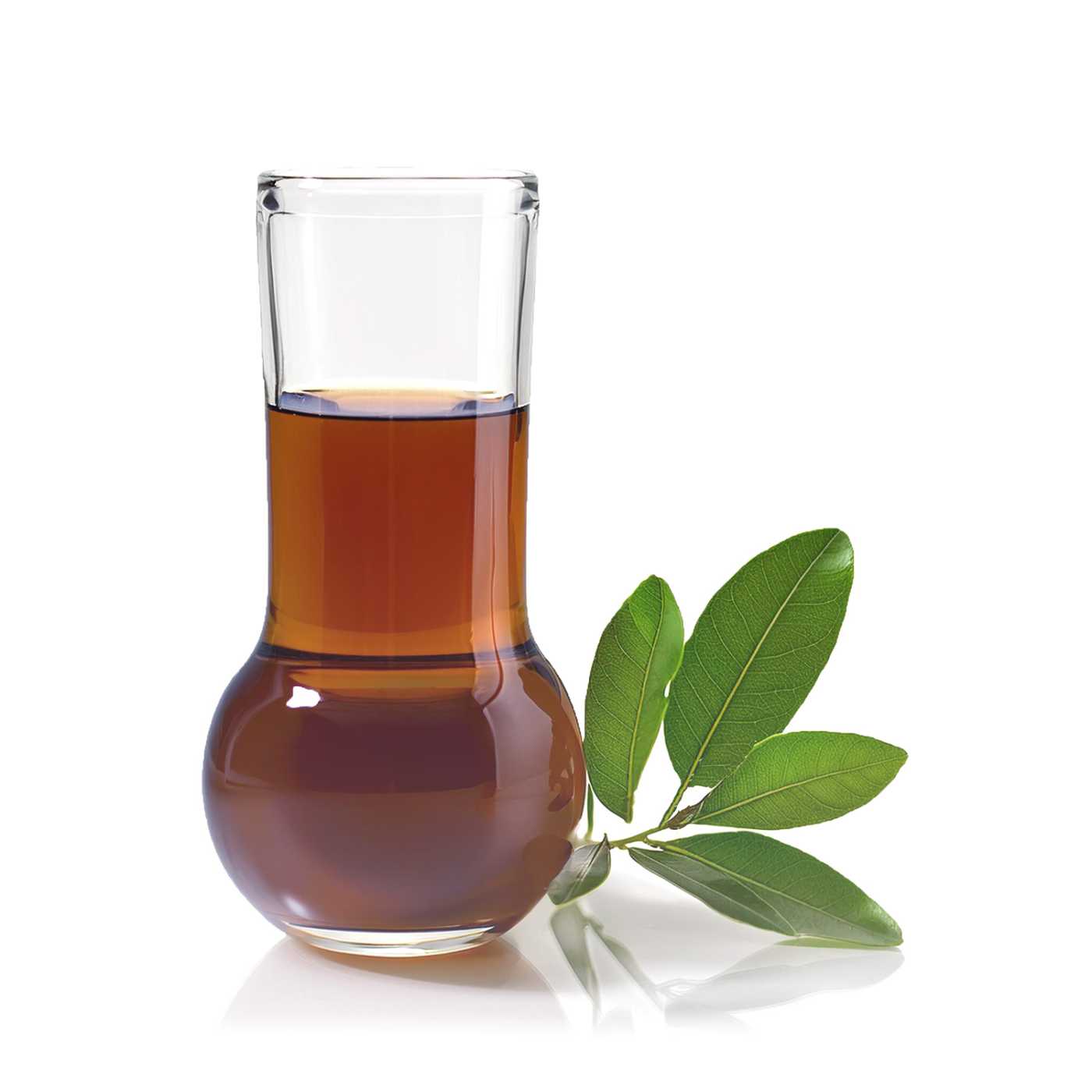
The colour of the oil varies between batches from light yellow to brownish yellow. It may slightly tint white creams, light soaps or candles made from white wax.

Citronellol in the oil oxidises in air. This produces substances that trigger an allergic reaction more easily than the fresh oil. An old or frequently opened oil is therefore riskier for the skin. Close the bottle tightly after each use and use up the oil in good time.

When working with the oil, keep flammability in mind as well. The flash point is 75 °C, so keep the oil away from flames and hot surfaces. Work with it in a ventilated space and with protective equipment.

Never apply the oil to the skin undiluted. Always dilute it in a carrier oil and, for a new product, carry out a test on a small area of skin. The oil is subject to classification under CLP and contains components classified as CMR. Details of the classification and safe handling are given in the safety data sheet (SDS).


Frequently asked questions

Is citronella essential oil soluble in water?
No, citronella essential oil does not dissolve in water; it is soluble in oils and in alcohol. For water-based products such as toners, body mists or gels, it is first pre-dissolved in alcohol or in a non-ionic surfactant. If added directly to water, it forms oil droplets on the surface or makes the product cloudy.
How much citronella essential oil should be used in candles and soap?
There is no single universal usage rate for citronella essential oil; the maximum amount is determined by the IFRA limit for the specific type of product. Category 12 applies to candles and category 9 to solid and liquid soaps. The exact values are given in the IFRA certificate in the Product documentation section. We recommend making a small test batch first and checking the strength of the fragrance in the finished product.
Can citronella essential oil be applied directly to the skin?
No, undiluted citronella essential oil should not be applied to the skin. It is used diluted in a carrier oil or incorporated into a finished product. Skin reactions in humans have been reported with Cymbopogon winterianus oil, although it is not among the officially listed allergens. Before using a new product for the first time, therefore, carry out a test on a small area of skin.
When is citronella essential oil added to a cream?
Citronella essential oil is added to a cream only after emulsification, once the emulsion has cooled below 40 °C. Its fragrance components are volatile and are lost in a hot mixture, so the finished cream smells weaker. It can also be added to the oil phase, but at a higher temperature part of the fragrance evaporates.
Will citronella essential oil colour the finished product?
Yes, in light-coloured products citronella essential oil can slightly change the shade. Its colour ranges from light yellow to brownish yellow depending on the batch, so it may show in a white cream, a light soap or a candle made from white wax. For larger production runs, it is worth making a sample in advance with the specific batch.

Parameters

INCI
Cymbopogon winterianus herb oil
CAS No.
91771-61-8
EC number
294-954-7
Product colour
Yellow
Country of origin
Indonesia
Processing method
Distillation
Odour
Citrus
Appearance
Oily liquid
Function in formulation
Fragrance component
Application area
FaceHairScalpBodyHands
Recommended processing temperature
< 40 °C
Application type
Leave-onRinse-off
Biodegradability
Readily biodegradable
Certifications
Vegan
Manufacturer's certificate
BRC
Natural Index (NI ISO 16128)
1,00
Natural Origin Index (NOI ISO 16128)
1,00
Organic content
0 %
Renewable Carbon Content (RCC)
100 %
Volume
1000 ml

Product documentation

CoACertificate of Analysis
batch 22172PDF ↓
batch 24166PDF ↓
TDSTechnical Data Sheet
Physical parameters and processingPDF ↓
IFRAIFRA Certificate
batch 24166PDF ↓
AllergensAllergen Declaration
batch 24166PDF ↓
SDSSafety Data Sheet
Available for purchased products —
Download all (ZIP)

5 PDF files in one archive

Monika9 Aug 2026SK

Verified purchase

Citronella — nice scent, repels insects well

Translated automatically

Šárka J.28 Sept 2026CS

Verified purchase

Variant: Esenciálny olej, citronella, 10 ml