D-Panthenol 75% W, 100 ml
Pre-order€7.34(€73.40/l)

Candle fragrance oils
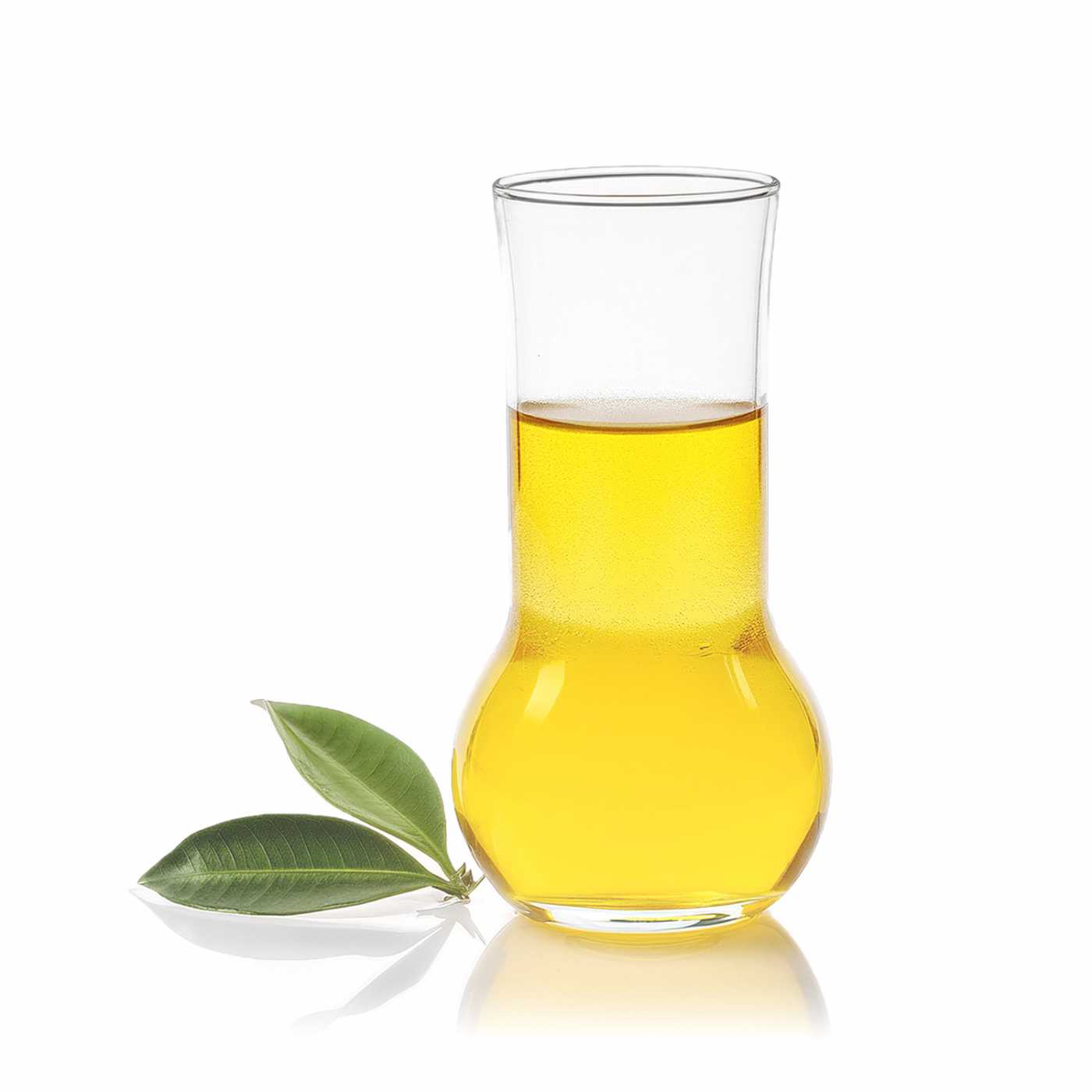
Lemon myrtle essential oil gives your products a fresh, distinctly lemony fragrance . It is obtained by steam distillation of fresh and dried leaves. full description
Lowest price in the last 30 days: €4.19
Lemon myrtle essential oil gives your products a fresh, distinctly lemony fragrance. It is obtained by steam distillation of fresh and dried leaves. The pure essential oil of European origin contains no other ingredients and is vegan. It can be used in cosmetics, candles and diffusers.
The lemon fragrance comes from citral. In oil of the citral chemotype, it makes up 80–98%, as a mixture of neral and geranial. The fragrance, stability and irritation potential of the oil all depend on citral. Its composition may also vary slightly depending on the distillation conditions.
The fragrance has an invigorating and refreshing effect. It is suitable for diffuser blends, massage oils, bath products and perfumes.
In cosmetics, besides its fragrance, the oil is also credited with a cleansing, cooling and refreshing effect. It is therefore added to products for oily, problem and acne-prone skin. It is also associated with antimicrobial properties and with a brightening effect on the skin.
The oil is oil-soluble. In emulsions, it is added during the cooling phase or afterwards to the finished mixture. Do not add it to the hot phase.
The lemon fragrance is sensitive to an acidic environment. In emulsions, citral breaks down faster at pH 3 than at neutral pH, and iron ions accelerate the breakdown at low pH. In very acidic products, expect the fragrance to weaken and change faster.
Light also breaks down citral. In a test after 5 hours of UVB radiation, only about 61% of the citral remained in the product. Linalool in the fragrance blend partly protected it.
Fill products containing this oil into opaque packaging and protect them from the sun. The lemon fragrance will last longer in them.
The oil must not come into contact with strong acids, alkalis or oxidising agents, and it does not tolerate extreme heat. Under normal conditions it is stable and does not react with water.
There is no single universal usage rate for this oil. The maximum amount in the finished product is determined by the IFRA limit for the category the product belongs to. Lip products fall under category 1, body creams and oils under category 5A, soaps and shampoos under category 9, and candles under category 12. The limits for all categories are in the IFRA certificate in the Product documentation section.
In lip balm recipes, an amount of around 0.2% is used.
Never apply the oil to the skin undiluted. The main component that penetrates the skin is citral. In laboratory tests, the undiluted oil damaged skin cells, whereas a preparation with 1% of the oil caused only limited damage.
Always dilute the oil in a carrier oil or incorporate it into a product, and observe the IFRA limit for the given category.
Citral is one of the fragrance allergens. It must be declared in the product ingredients when its content exceeds 0.001% in leave-on products and 0.01% in rinse-off products. With an oil containing such a high proportion of citral, this threshold is exceeded even at a very low usage rate.
The oil is subject to the CLP Regulation and carries the GHS07 pictogram. The flash point is above 67 °C. When working with it, keep it away from flames and sparks and work in a ventilated area.
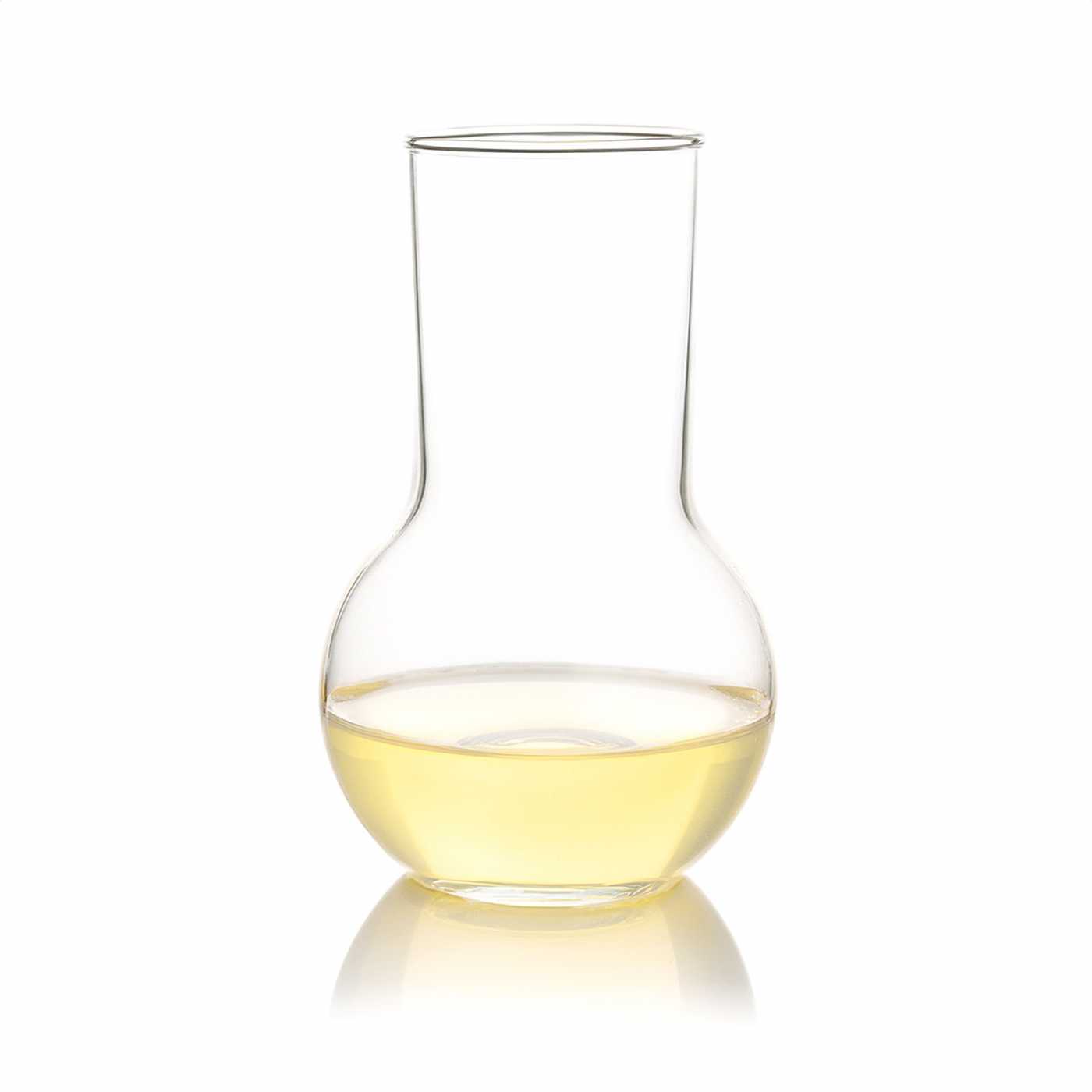
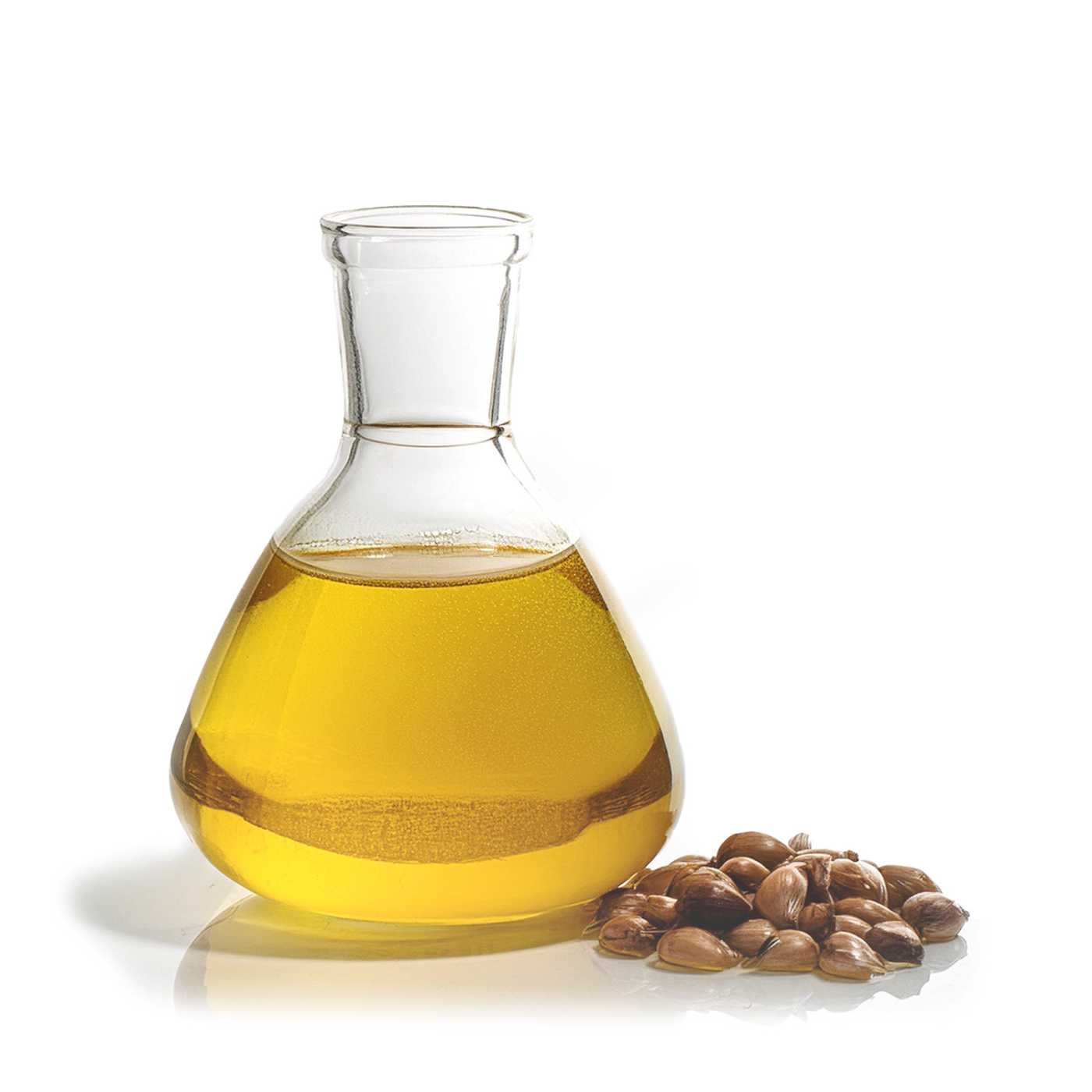
The colour ranges from light yellow to dark yellow, depending on the batch.
Only customers with a delivered order can write reviews.