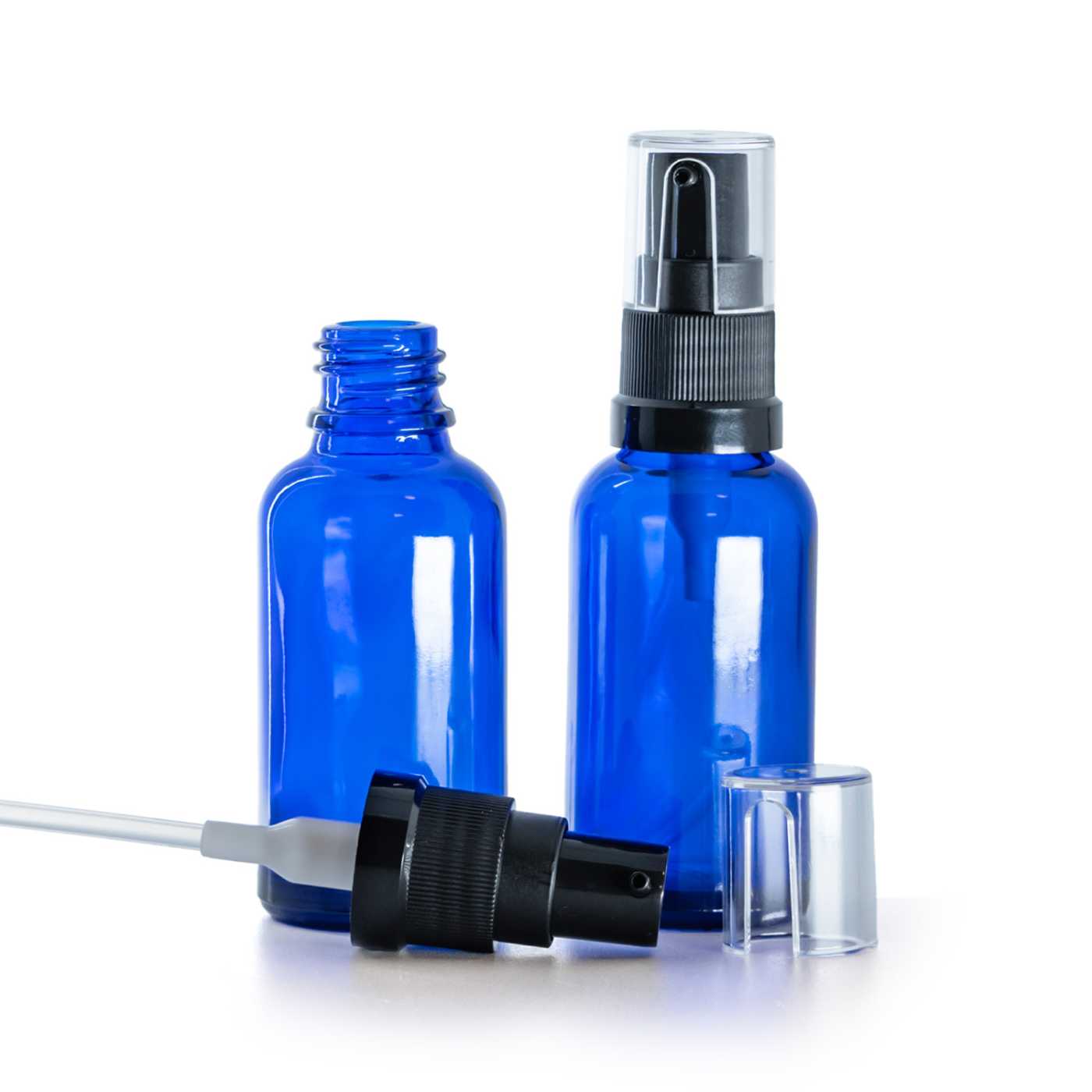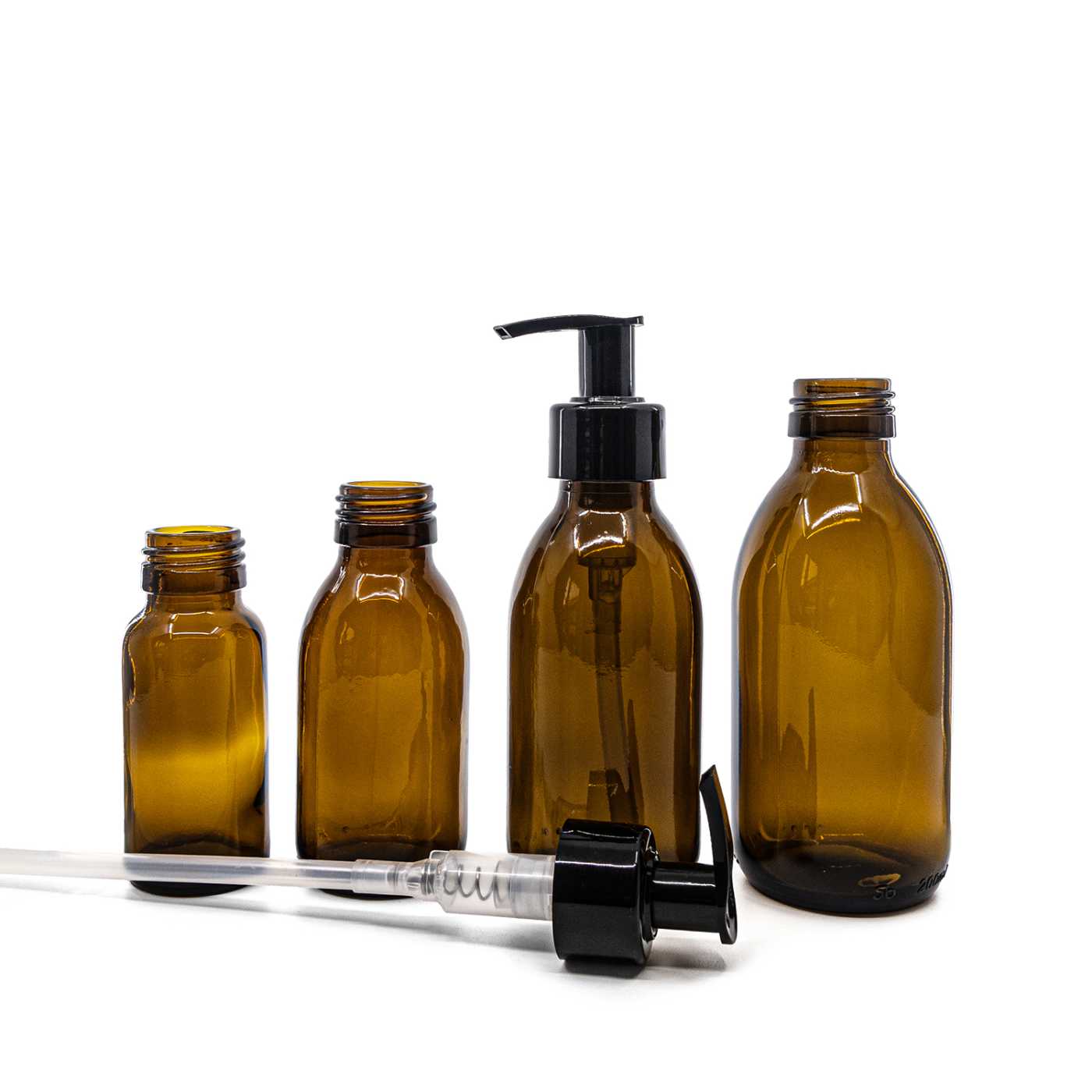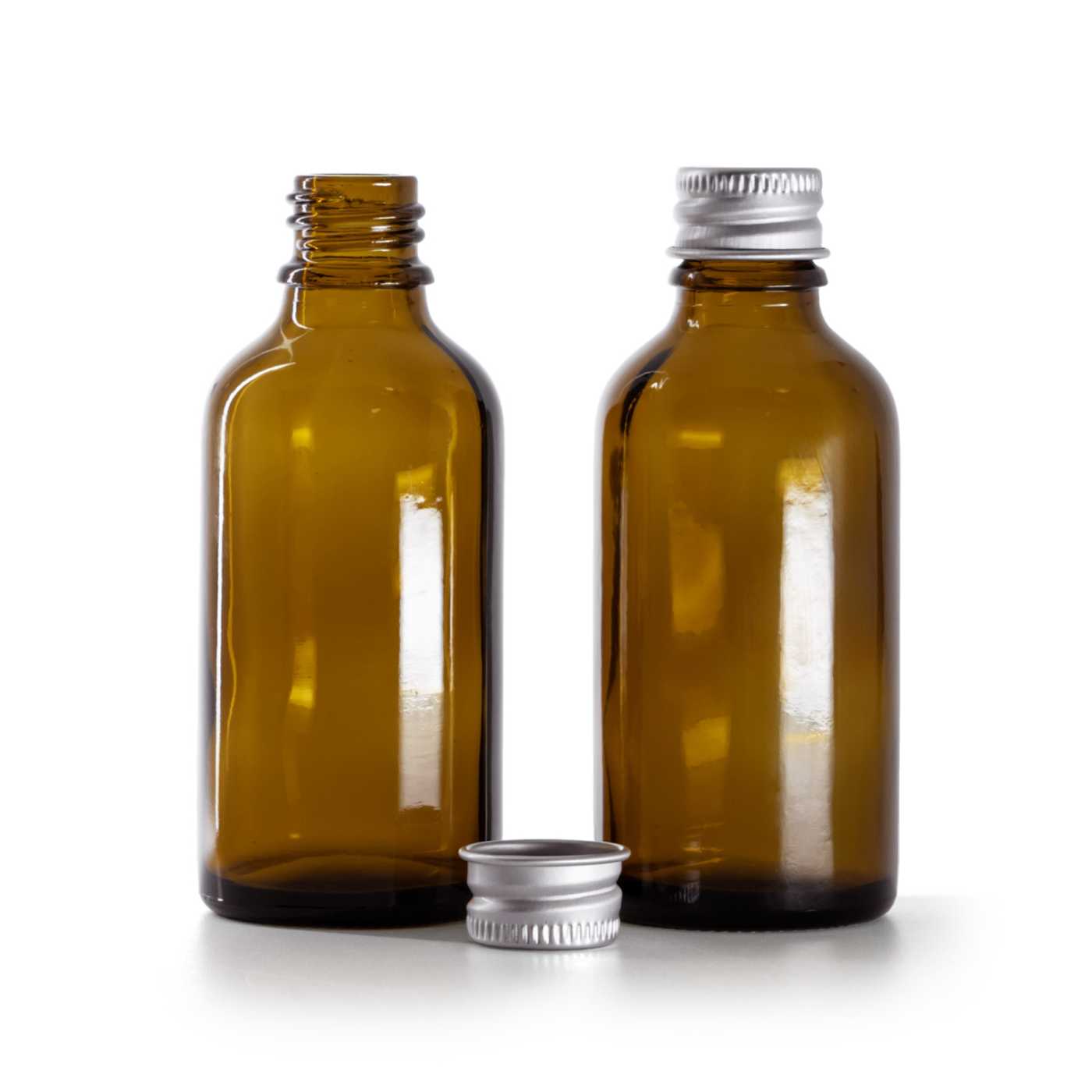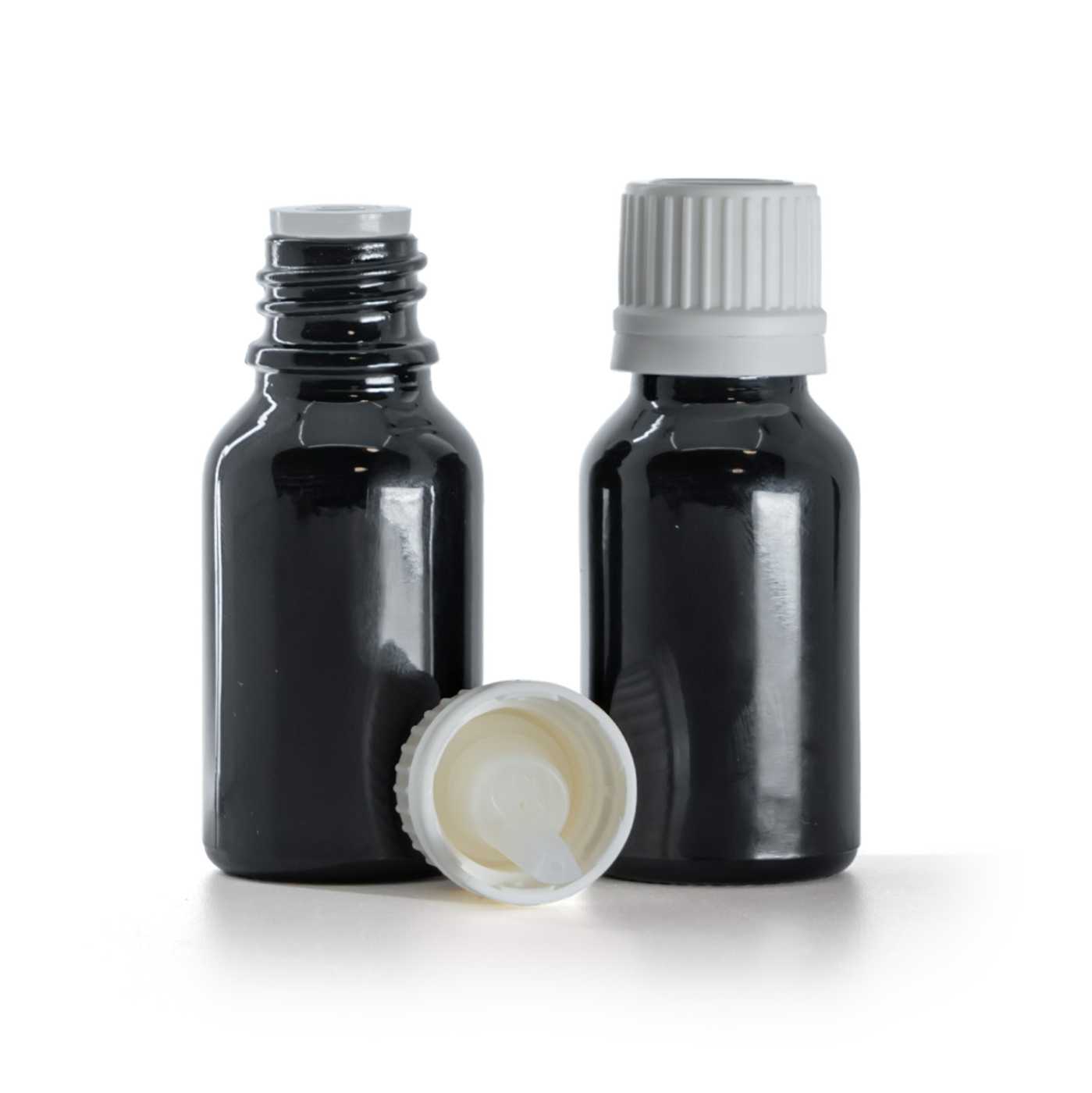



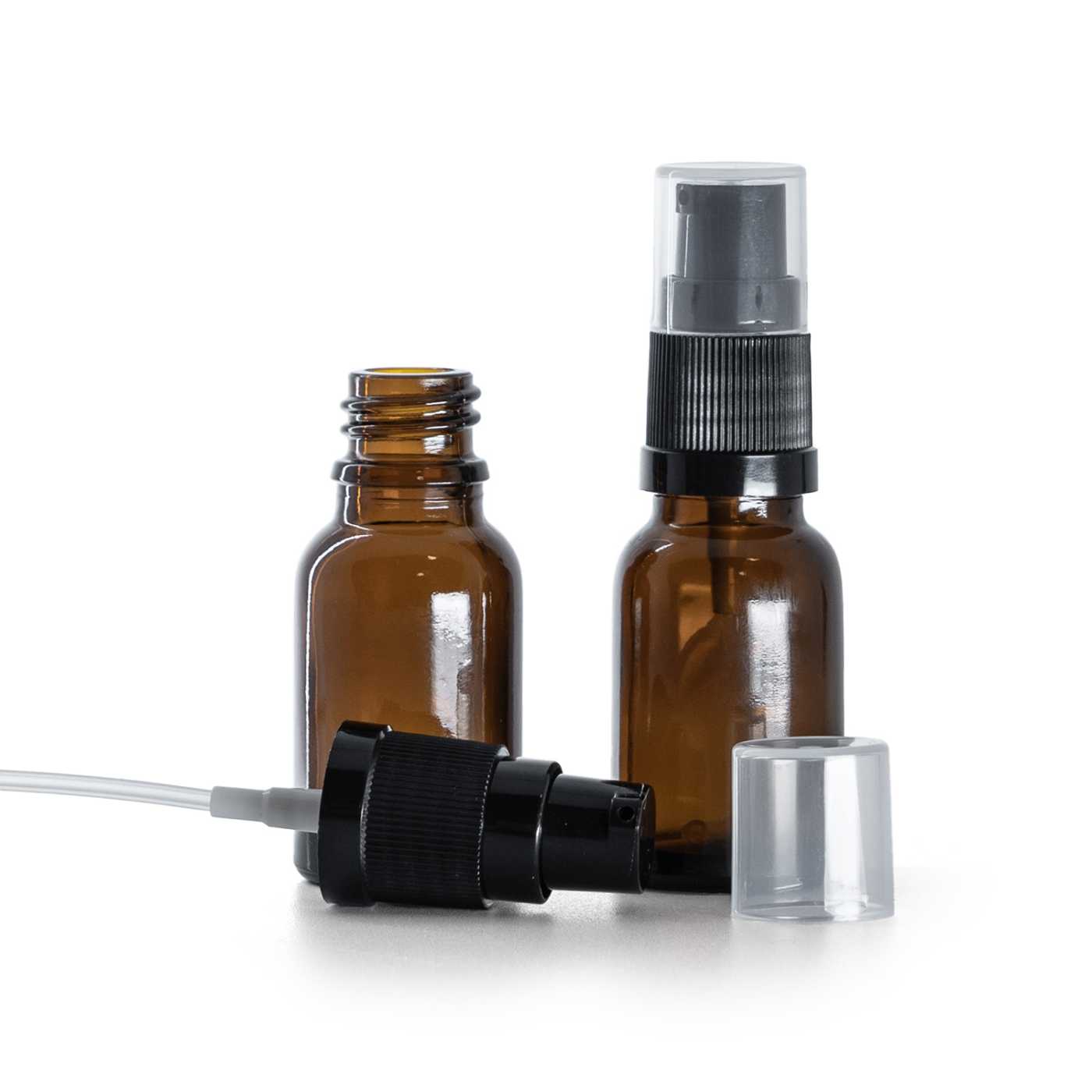
Amber Glass Bottle, Lotion Pump, 15 ml
Pre-order€0.75

Cold pressed oils 100 ml
Pack size100 ml500 ml1 l5 l20 l
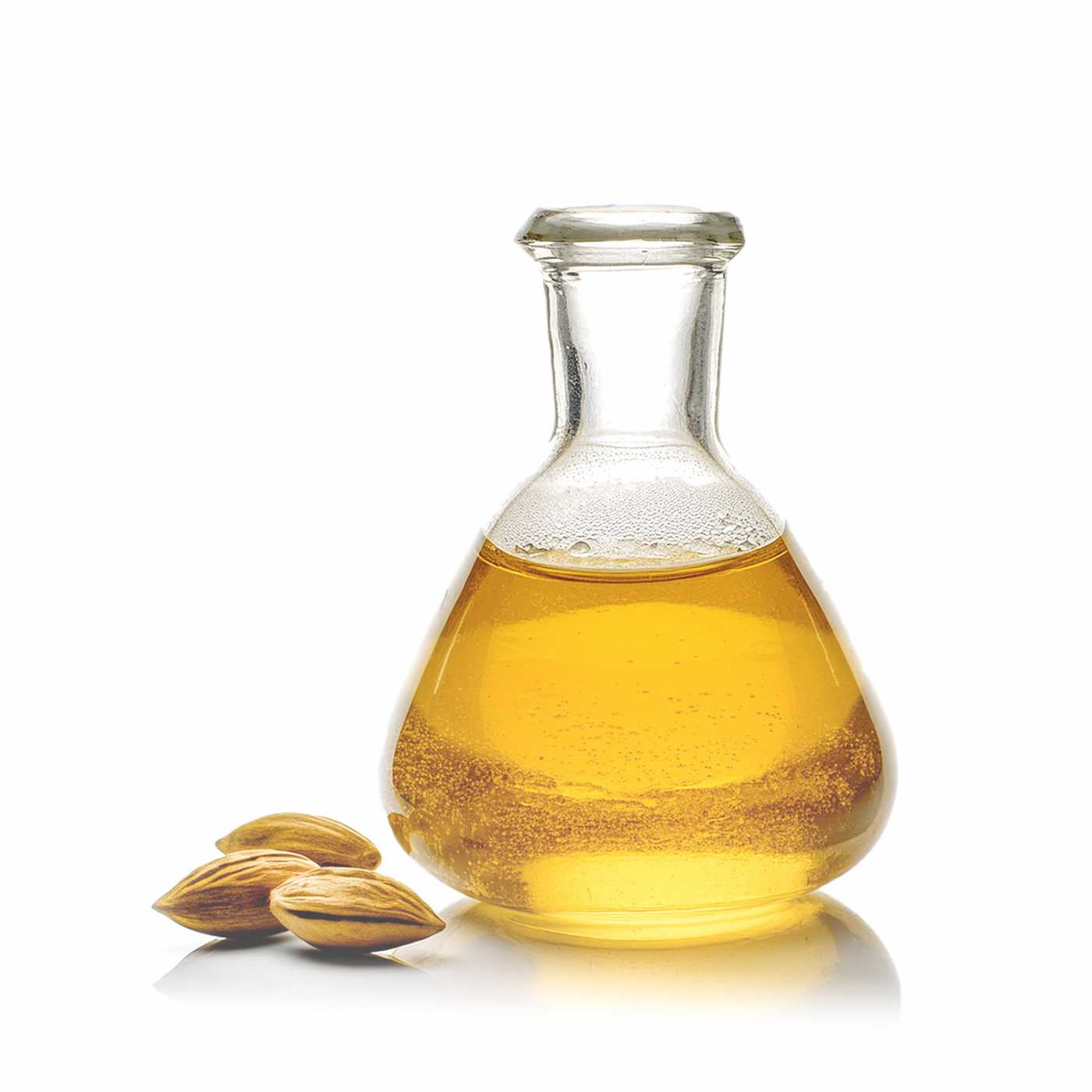
Cold-pressed almond oil is one of the fundamental vegetable oils in both home and professional cosmetics. It softens the skin, replenishes its lipids, and absorbs without a heavy greasy film. full description
Lowest price in the last 30 days: €4.99
Cold-pressed almond oil is one of the fundamental vegetable oils in both home and professional cosmetics. It softens the skin, replenishes its lipids, and absorbs without a heavy greasy film. In formulations it works as an emollient and carrier: on its own for massage and body care, in emulsions as part of the oil phase, and in lip balms or lip sticks as the liquid component of the blend.
The oil is cold-pressed from sweet almonds of European origin and then filtered. It holds organic certification and meets the requirements for both cosmetic and food-grade quality, which is especially valuable for lip products and children's cosmetics.
Almond oil belongs in the oil phase. In anhydrous products such as body, massage, and cleansing oils, it can form the base of the entire formulation, typically at 20–100 %. In emulsions it is dosed according to the desired richness: roughly 3–15 % in light creams and lotions, 10–30 % in nourishing creams and body butters. In lip balms and solid sticks it forms the liquid part of the blend alongside waxes and butters.
The recommended processing temperature is up to 40 °C. When emulsifying hot-process, add it only during the cooling phase, once the temperature drops below 40 °C. In cold-process manufacturing it is simply blended in with the other oils.
Add an antioxidant to both oil blends and emulsions, for example 0.1–0.5 % vitamin E or rosemary extract. It will slow oxidation, yellowing, and the development of a rancid odour.
In cold-process soap, almond oil is counted among the conditioning oils. It gives the soap a creamy, low-volume lather and makes the feel on the skin gentler, but does not add hardness to the bar. It is therefore combined with harder fats, such as coconut oil or shea butter, at around 5–20 % of total fats. Verify the saponification value in a soap calculator before production; the indicative figure is 0.136 g NaOH per 1 g of oil.
The oil does not mix with water. To incorporate it into tonics, hydrosols, and other water-based products you need an emulsifier or solubiliser; otherwise it separates on the surface. Oil serums and massage oils do not require a preservative because they contain no water. As soon as a formulation includes water, a hydrosol, or a gel, preservation is essential.
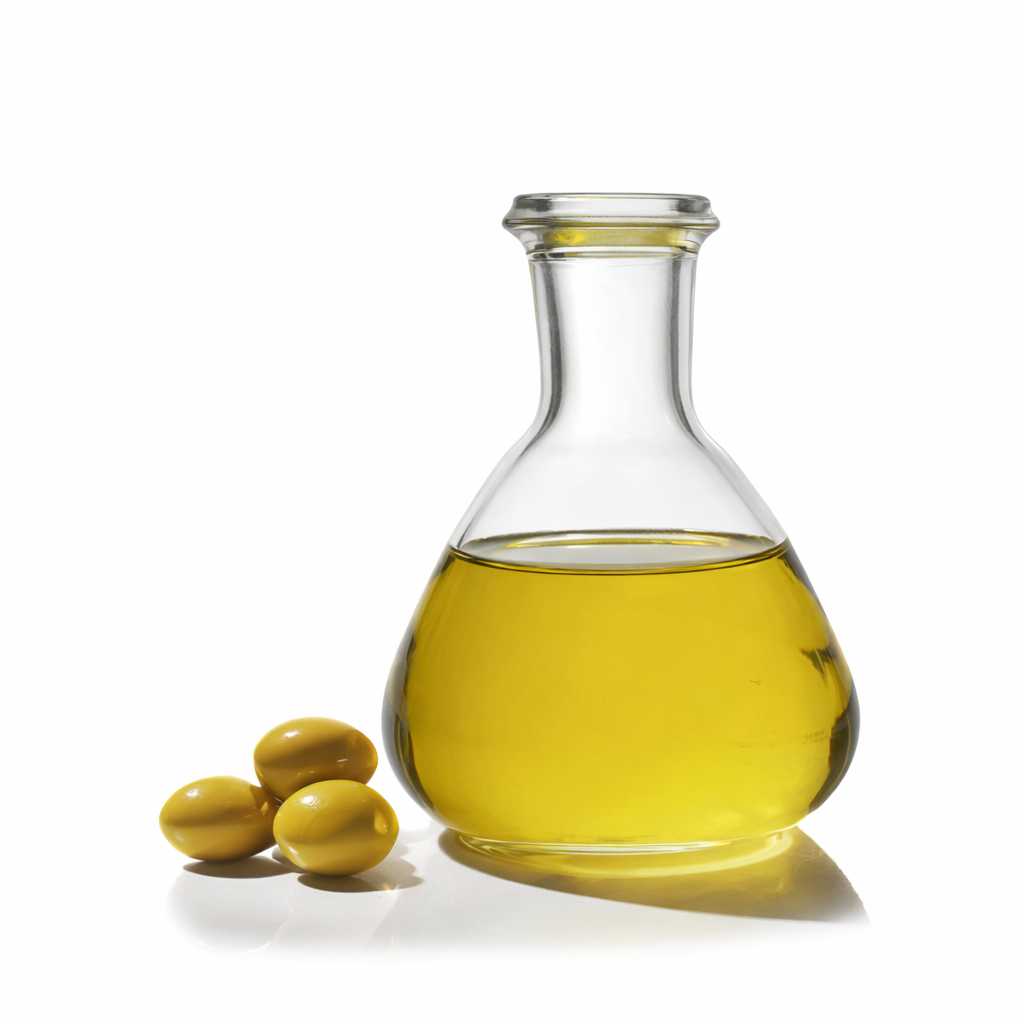
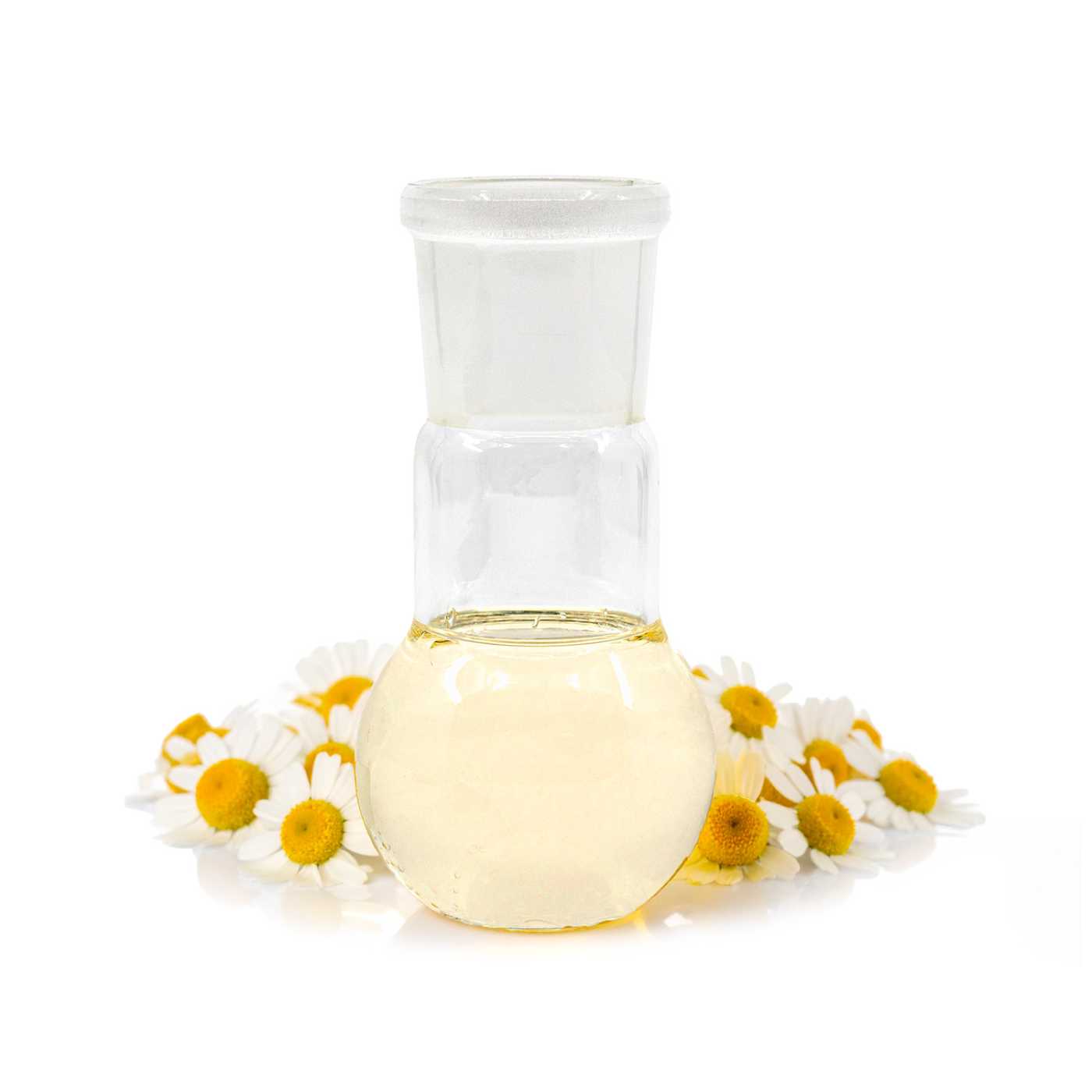
The oil has a faint, mildly nutty scent that does not carry noticeably into the finished product. The yellow colour does not show in emulsions; in clear-packaged oil serums it imparts a golden tint.
Food-grade quality makes the oil suitable for lip preparations that may be partially ingested. Almonds are among the food allergens, so the oil must be listed in the ingredient list on the finished product's label.
In the case of an allergy to almonds or nuts, carry out a patch test on a small area of skin before use. For children's products, take family allergies into account as well.

Great product, fast delivery, and excellent customer support!

excellent oil — I add it when making creams, it nourishes the skin excellently
Translated automatically

Variant: Mandľový olej, LZS, BIO kvalita 100 ml