Spend over €100 for discounted shipping!

+421 950 333 113[email protected]

Essential oils, 10 ml

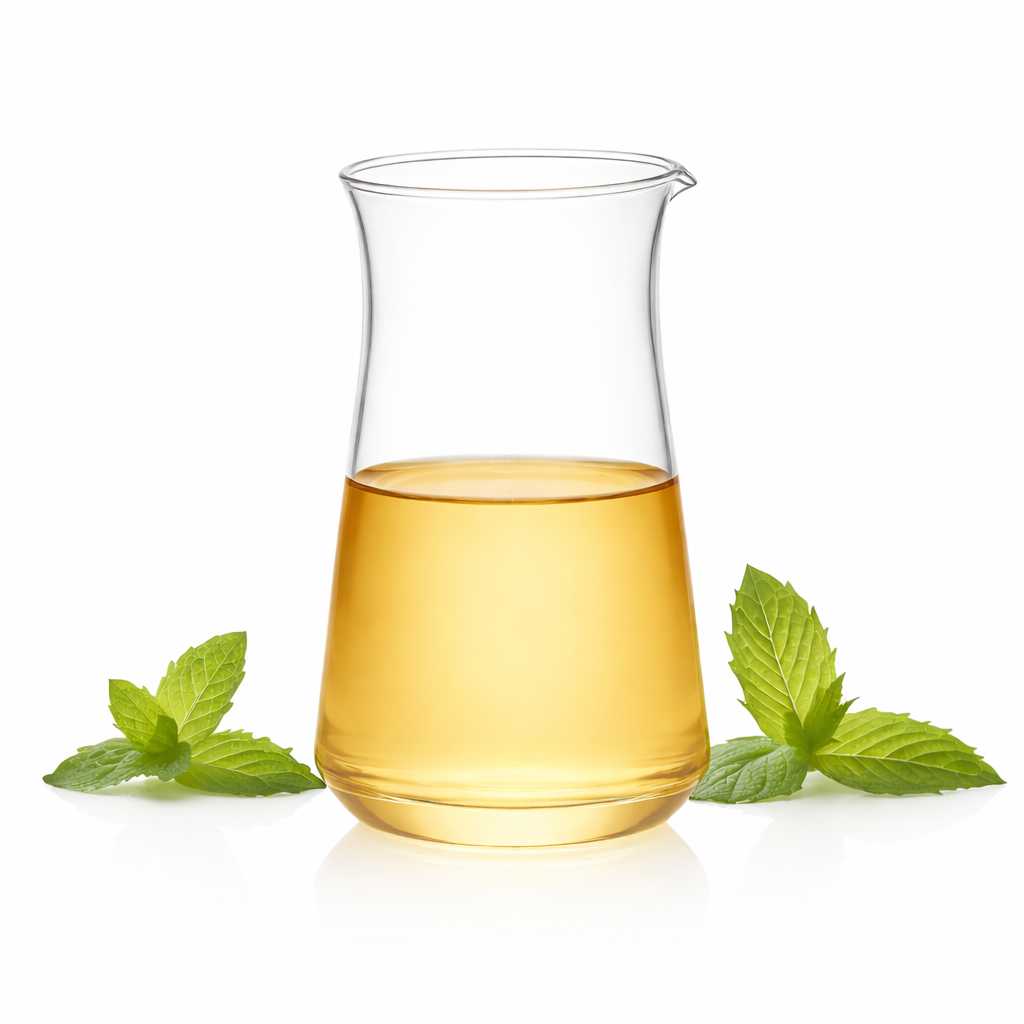
Peppermint Mentha Piperita Essential Oil, 10 ml

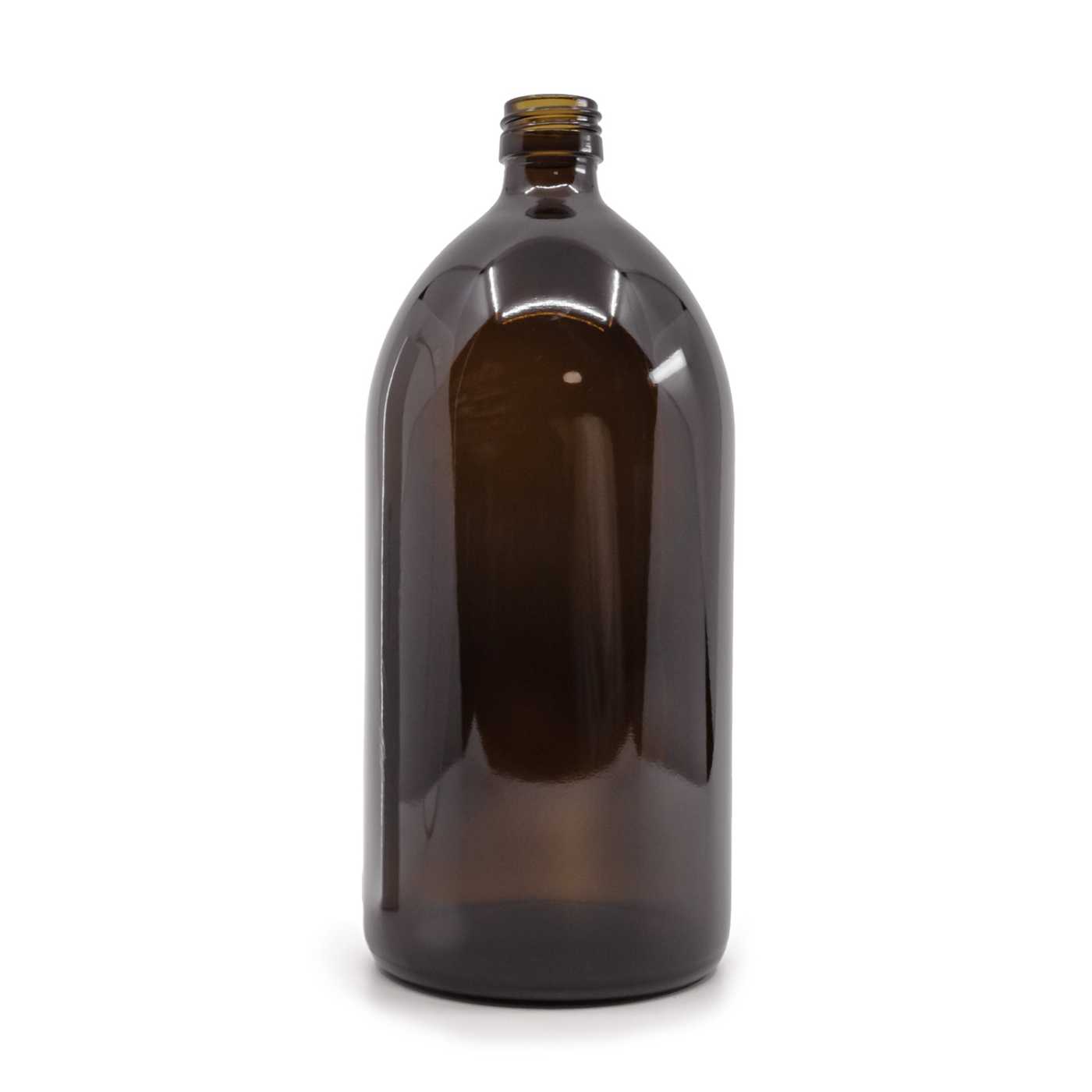
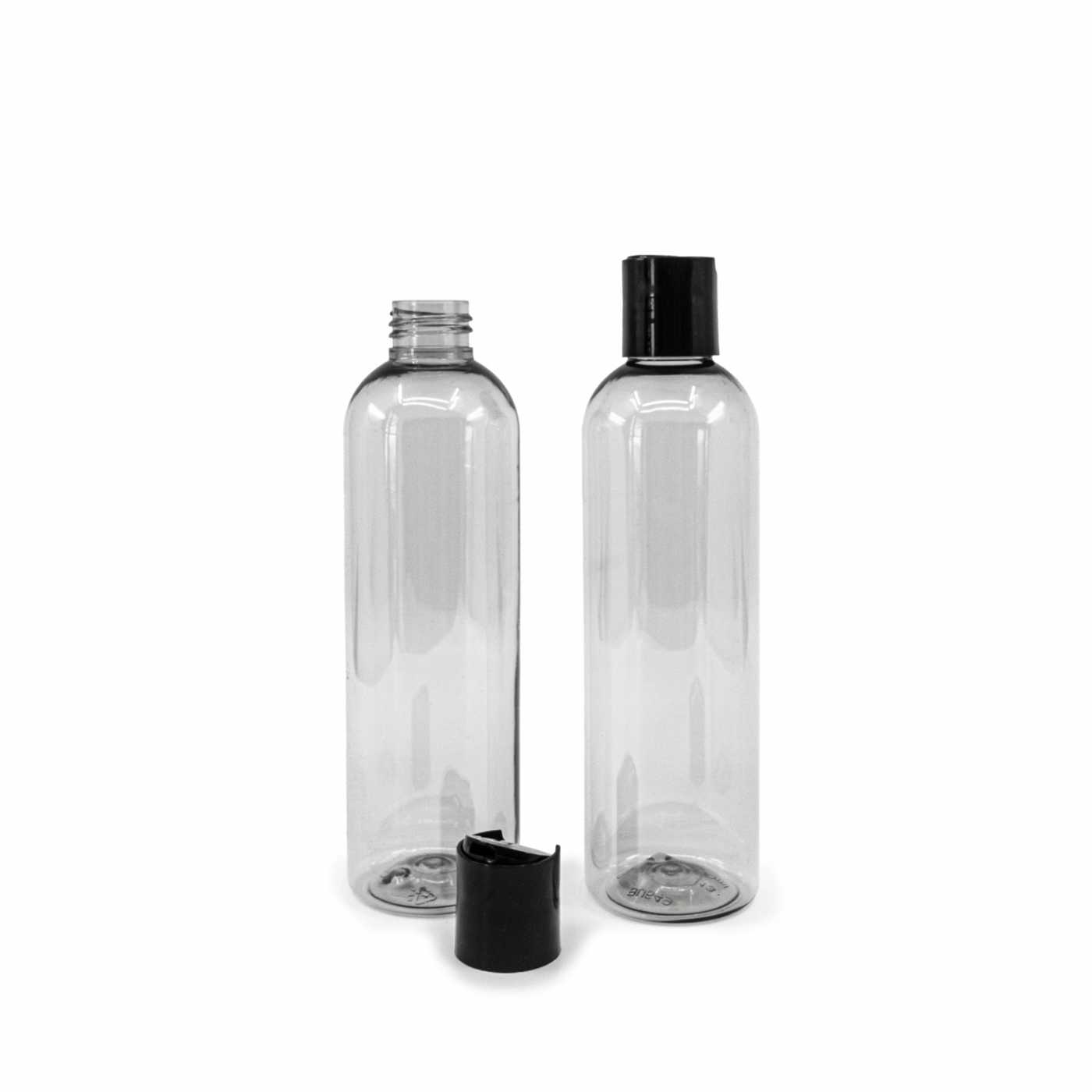
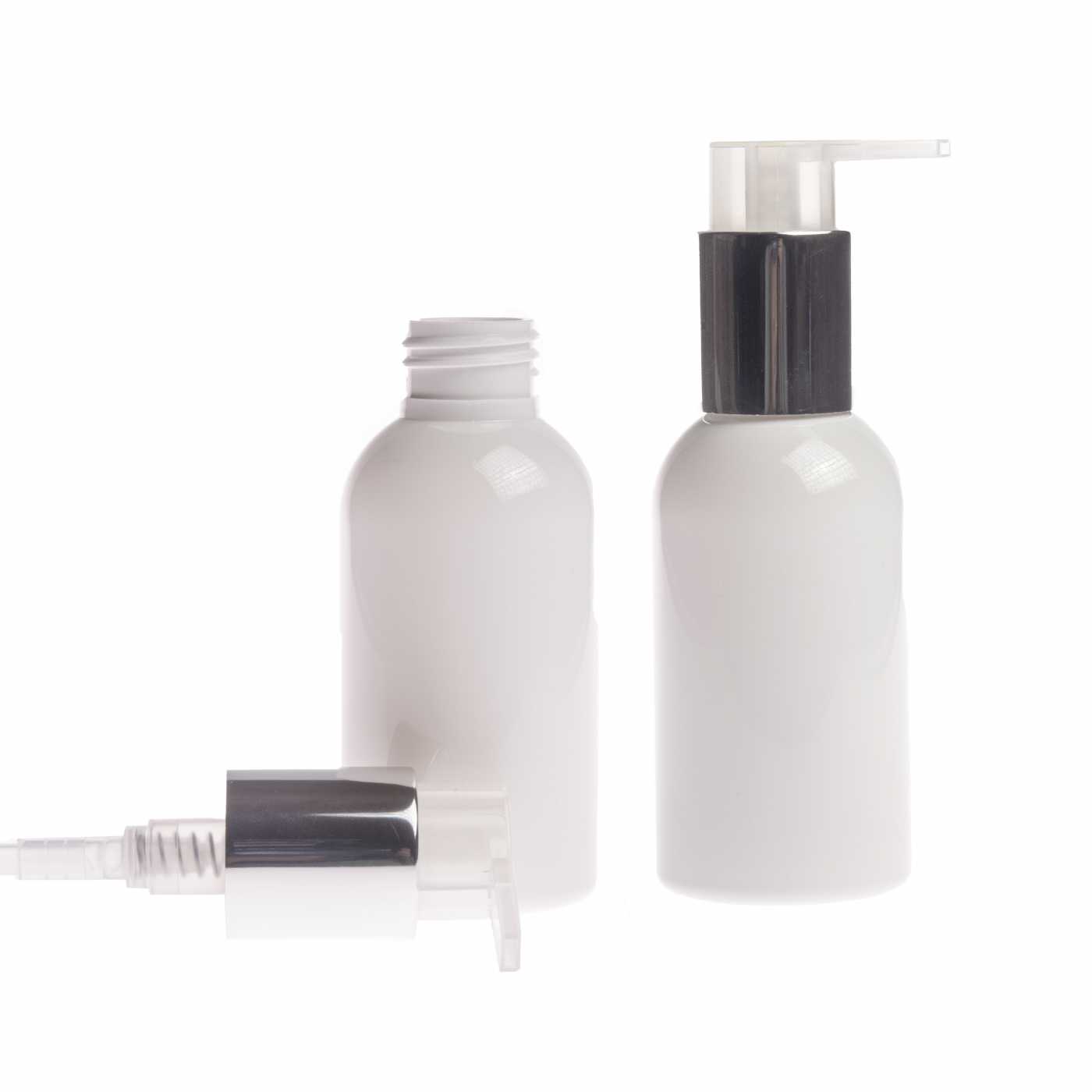
Pack size10 ml100 ml500 ml1 l

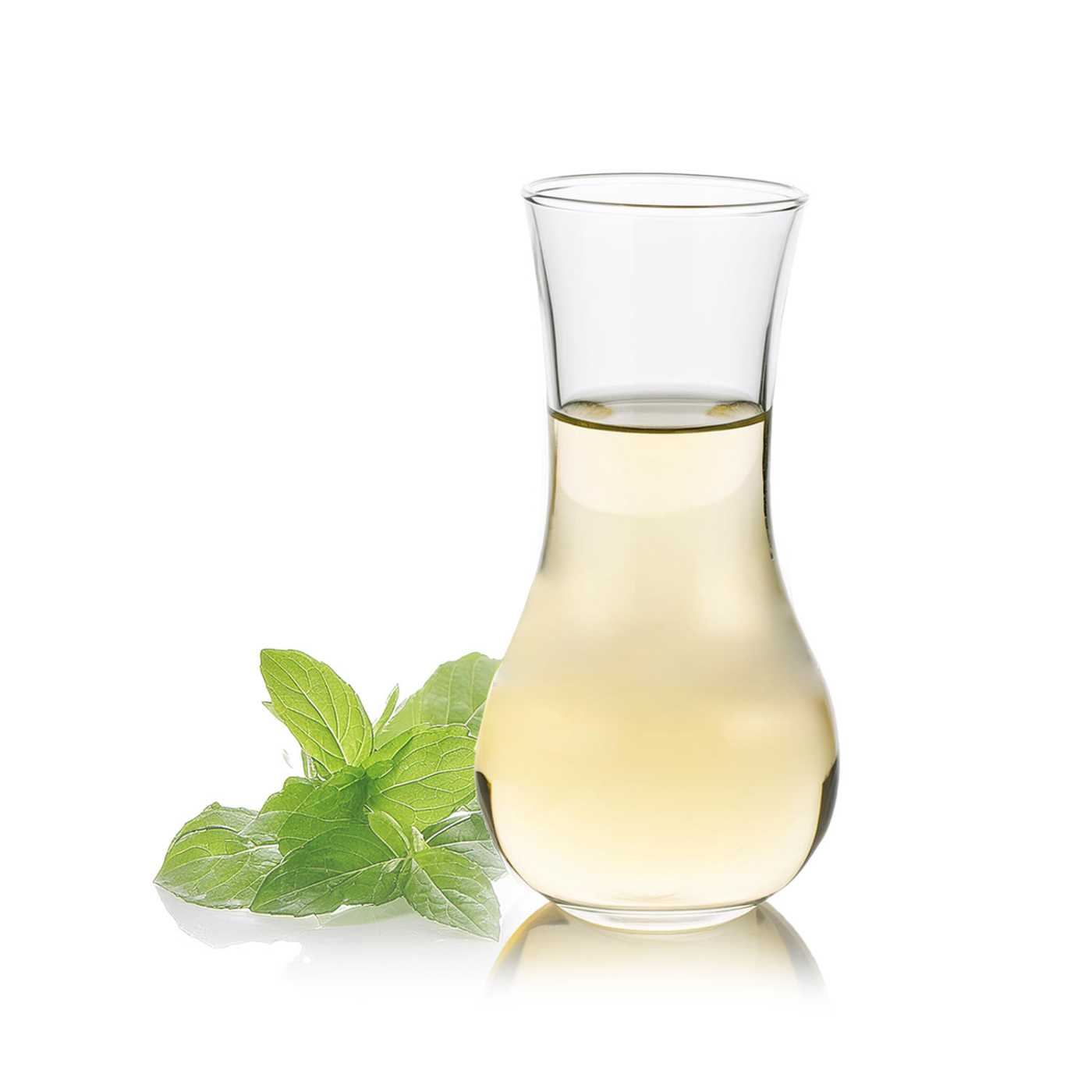
Peppermint essential oil is added to cosmetics for its fresh minty scent and cooling sensation it leaves on the skin. It is obtained by steam distillation of the plant Mentha piperita L. full description

AvailabilityIn stock · 1,144 packs
Product codeEON063_10
Batch23383
Best before05/2029
€2.99incl. VAT€299.00/l

Lowest price in the last 30 days: €2.99

Product description

Peppermint essential oil is added to cosmetics for its fresh minty scent and cooling sensation it leaves on the skin. It is obtained by steam distillation of the plant Mentha piperita L. and is supplied as a pure essential oil, vegan.

In a formulation, it serves as both a fragrance and active ingredient. It is suitable for facial, body and hair care, as well as for diffusers and aromatherapy, where its distinctive, invigorating scent is used. It is dosed in small amounts according to IFRA limits.


What it is suitable for

  • Cooling and refreshing sensation – according to the manufacturer, the oil acts cooling and refreshing when applied to the skin. It is therefore used in body lotions, foot creams, after-sun products and scalp products.
  • Scalp refreshment – in shampoos, conditioners and scalp treatments, it supports, according to manufacturer data, the feeling of a refreshed and cleansed scalp.
  • Invigorating scent – the fresh minty aroma is associated in aromatherapy with a sense of energy. In cosmetics, it gives the product a distinctive, easily recognisable scent even at low dosages.
  • Antimicrobial properties – the manufacturer lists these in their documentation as one of the oil's properties. In a cosmetic product, treat them as supporting the feeling of clean skin, not as a substitute for a preservation system.

Use in formulation

The oil is soluble in oils and alcohol and does not dissolve in water. It is therefore incorporated into the oil phase of an emulsion, into anhydrous products (body oils, balms, massage blends) and into alcohol-based preparations. In purely aqueous products such as tonics or body mists, it is added together with a solubiliser and clarity is verified in the finished formulation.

The recommended processing temperature is below 40 °C. In emulsions, it is added only during the cooling phase, once the temperature drops below this threshold, and the batch is then briefly mixed again. The oil is a mixture of volatile components; at higher temperatures, some of them evaporate and the scent of the product weakens.

When making a cream or lotion, add the essential oil as one of the last ingredients, after the preservative and once the emulsion has cooled. The scent will remain full and dosing can be controlled more precisely.

It is compatible with non-ionic, anionic, amphoteric and cationic surfactants and with alcohol. It can therefore be used in shampoos, shower gels, liquid soaps and rinse-off conditioners. It is blended into the surfactant base at the end, into a cooled base.

Dosing is governed by IFRA limits for the specific product category. The limits can be found in the product parameters and vary depending on whether the preparation is a lip product, face cream, body lotion, shampoo or candle. Before including it in a formulation, verify the category of your product and its maximum permitted concentration.


Suitable for products such as

  • foot creams and balms, gels and lotions with a cooling effect,
  • body oils, massage blends and body balms,
  • shampoos, conditioners and scalp treatments,
  • shower gels, liquid and bar soaps,
  • tonics and body mists with a solubiliser,
  • diffuser blends and aromatherapy preparations.

Good to know

The scent is strong and distinctive. When combined with other essential oils, it easily overpowers more delicate notes, so it should be dosed carefully in blends.

The product contains fragrance allergens listed in Annex III of Regulation (EC) No 1223/2009. Account for them when calculating the composition of the finished product and take them into consideration when labelling.

The substance is classified under CLP Regulation and contains hazardous components. Details on classification, pictograms and safe handling can be found in the safety data sheet for the product. When working with the concentrated oil, wear gloves and ensure adequate ventilation.

The oil is volatile, so we recommend verifying the stability of both the scent and colour in the finished product in a trial batch.


Frequently asked questions

Is peppermint essential oil soluble in water?
No, it does not dissolve in water. It dissolves in vegetable oils and alcohol. For aqueous products such as tonics, mists or spritzers, it must first be combined with a solubiliser, otherwise it will separate on the surface and both the scent and dosing will be uneven. In emulsions, it is added to the oil phase or during cooling.
How is peppermint essential oil added to a cream?
It is added after the emulsion has cooled below 40 °C, together with other heat-sensitive ingredients. The measured amount is blended into the finished cream and the batch is briefly mixed until the oil disperses evenly. If added to a hot oil phase, some of the volatile components would be lost and the scent would be weaker.
How much peppermint essential oil can I use in cosmetics?
The amount is determined by IFRA limits for the product category, which are listed in the product parameters. A lip preparation has a different limit from a face cream, body lotion or shampoo. Before including it in a formulation, verify the category of your product and its maximum permitted concentration, and also take into account any other fragrance components in the blend.
Is peppermint essential oil suitable for shampoo?
Yes, it is suitable for shampoos and conditioners. It is compatible with anionic, non-ionic, amphoteric and cationic surfactants, so it can be used in standard wash bases and rinse-off conditioners. According to manufacturer data, it supports the feeling of a refreshed scalp. It is added to a cooled base and dosed within the IFRA limit for rinse-off hair products.
Can I use peppermint essential oil in a diffuser?
Yes, diffusers and aromatherapy are among the recommended uses for this oil. For an ultrasonic diffuser, a few drops are added to water according to the device manufacturer's instructions; for passive diffusers, it is diluted in a carrier oil or alcohol. The scent is strong, so a smaller amount is sufficient compared to more delicate oils.

Parameters

INCI
Mentha Piperita Oil
CAS No.
8006-90-4 / 84082-70-2
EC number
282-015-4
Product color
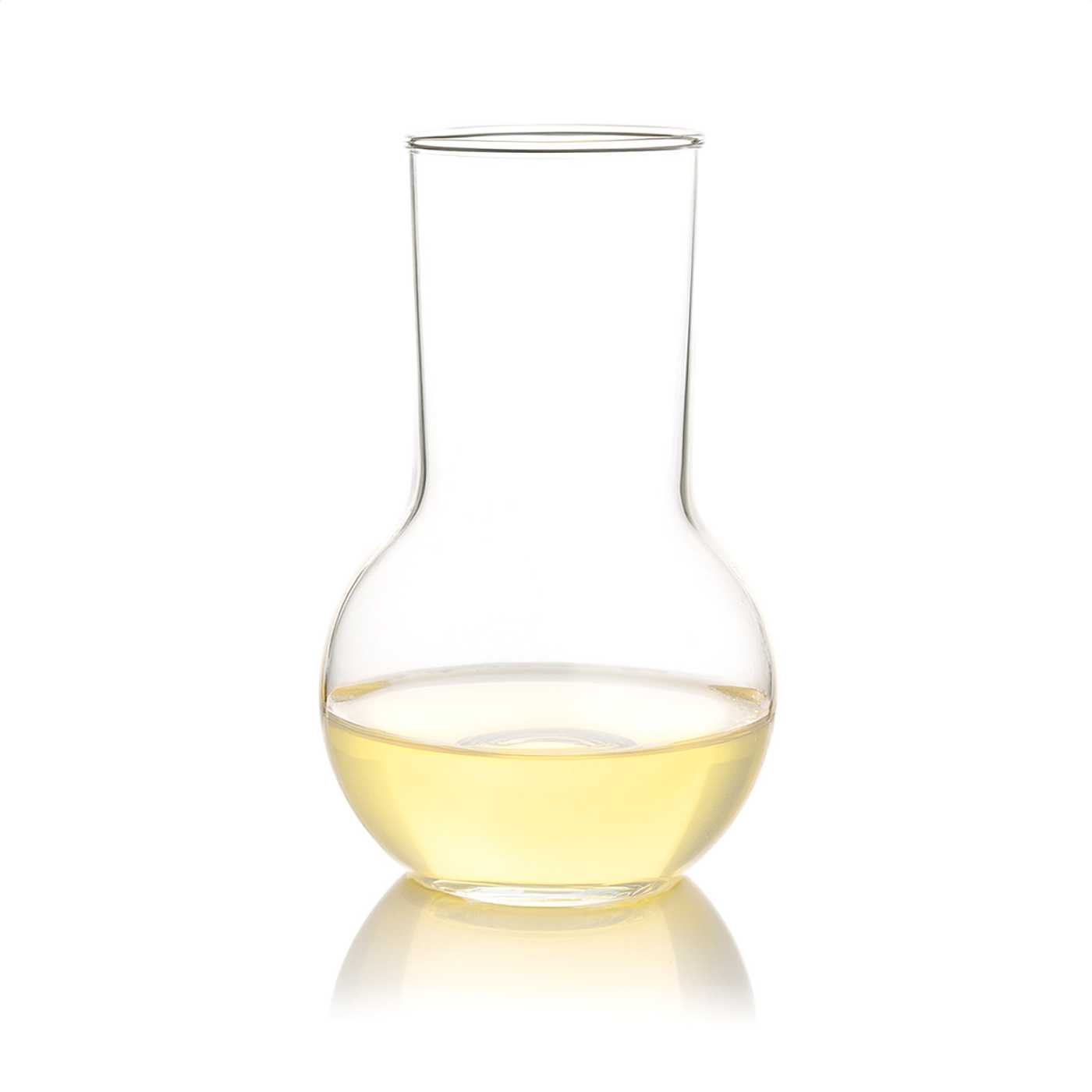
ColorlessYellow
Country of origin
India
Processing method
Steam Distillation
Odour
Herbal
Appearance
Liquid
Formulation phase
Oil phaseCool-down phase
Application area
HairScalpBodyFeet
Recommended processing temperature
< 40 °C
Recommended dosage range
Viď IFRA %
Application type
Leave-onRinse-off
Certifications
Vegan
Natural Index (NI ISO 16128)
1,00
Natural Origin Index (NOI ISO 16128)
1,00
Organic content
0 %
Renewable Carbon Content (RCC)
100 %
Volume
10 ml

Product documentation

CoACertificate of Analysis
batch 23383PDF ↓
batch 22306PDF ↓
TDSTechnical Data Sheet
Physical parameters and processingPDF ↓
IFRAIFRA Certificate
batch 23383PDF ↓
batch 22306PDF ↓
AllergensAllergen Declaration
batch 23383PDF ↓
batch 22306PDF ↓
MSDSSafety Data Sheet
Available for purchased products —
Download all (ZIP)

7 PDF files in one archive

Learn how to work with it

From our blog
REVIEWS

Verified by customers.

No reviews yet.

Only customers with a delivered order can write reviews.