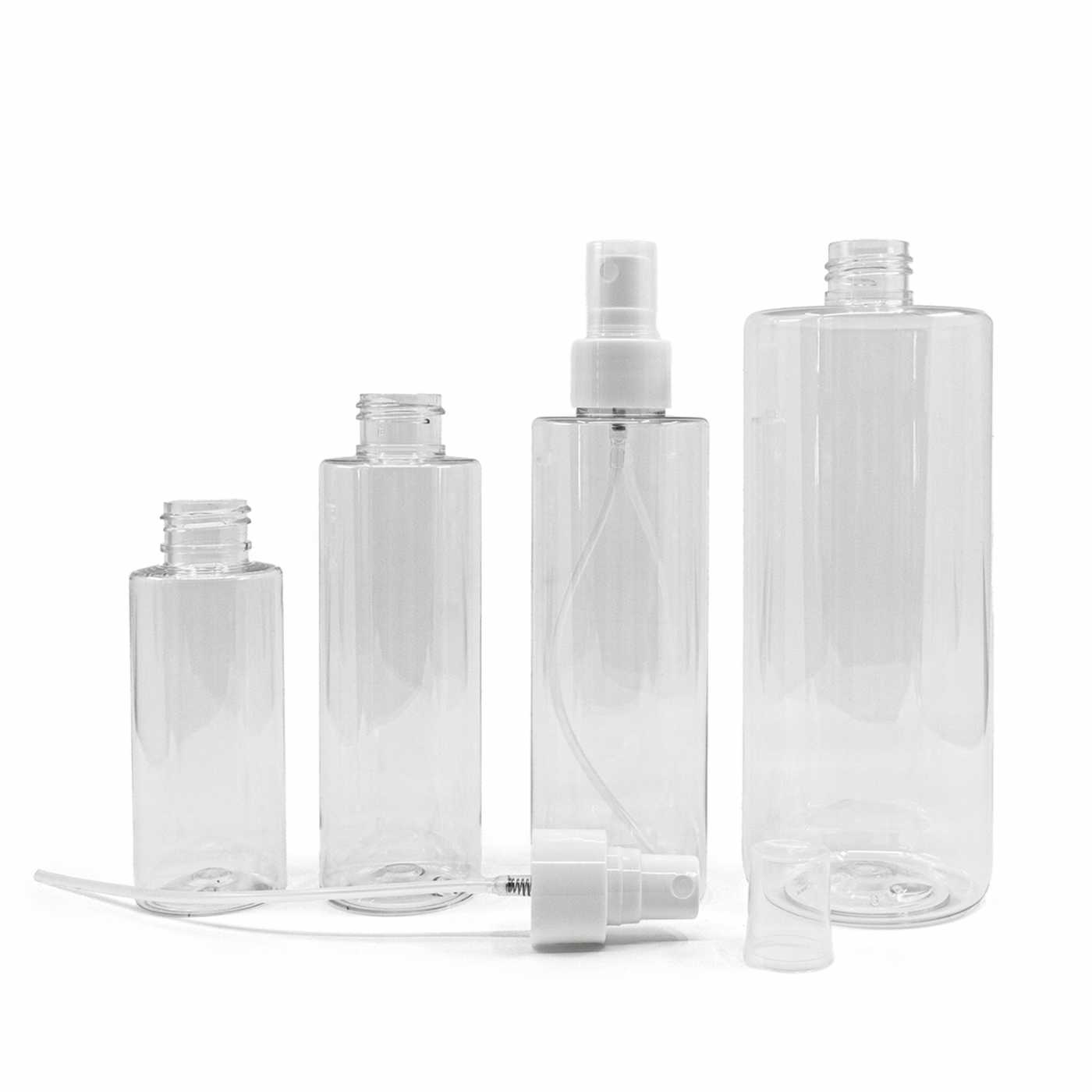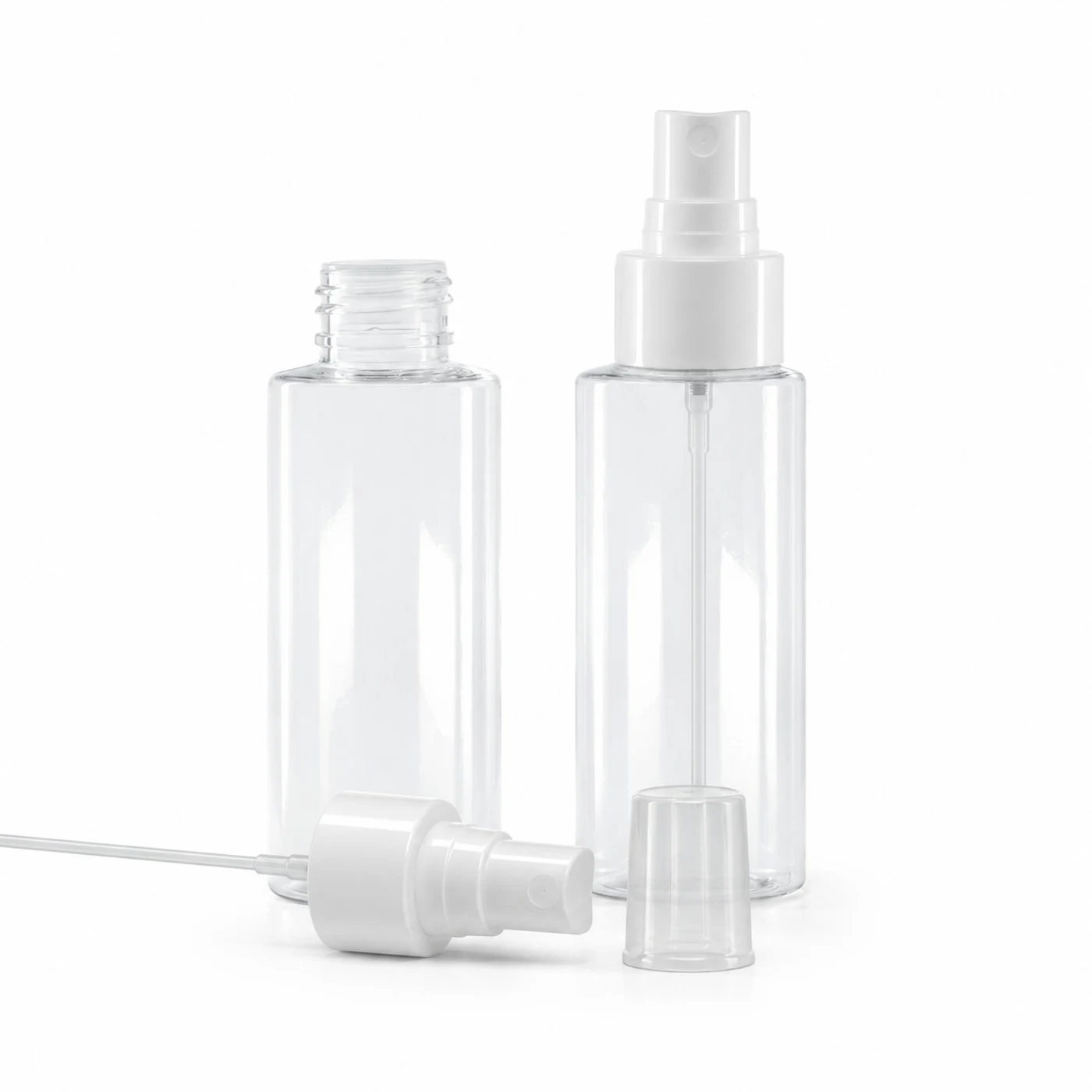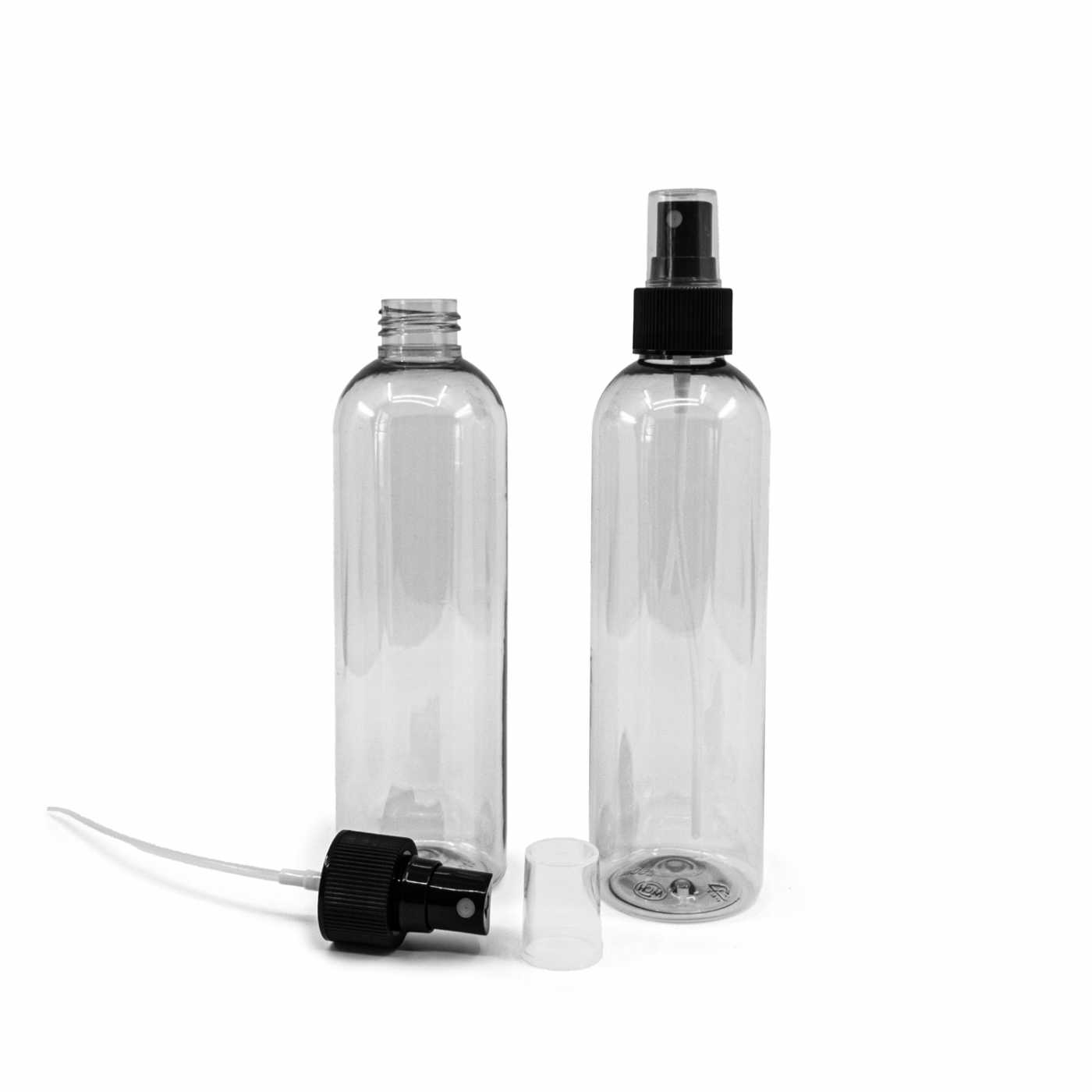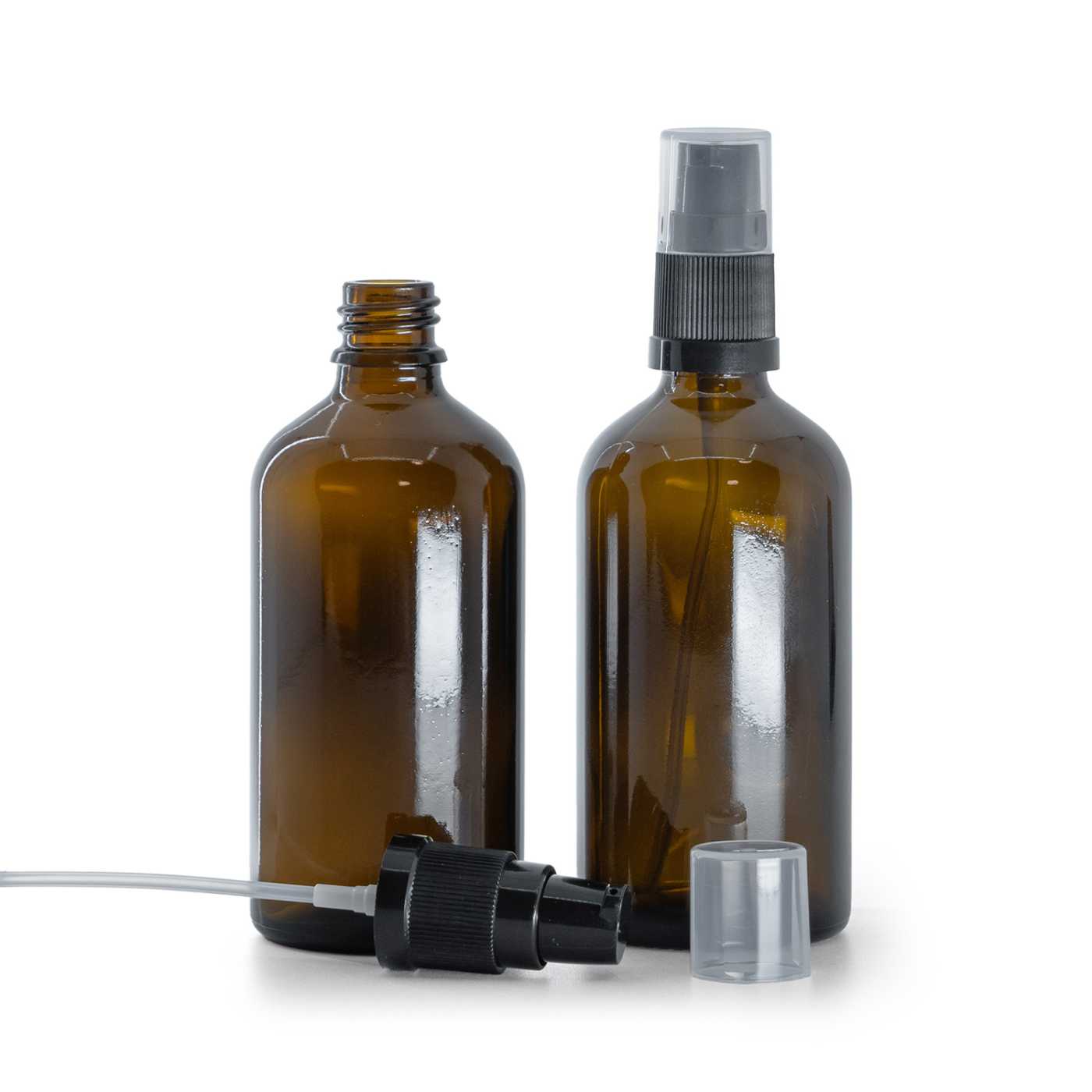
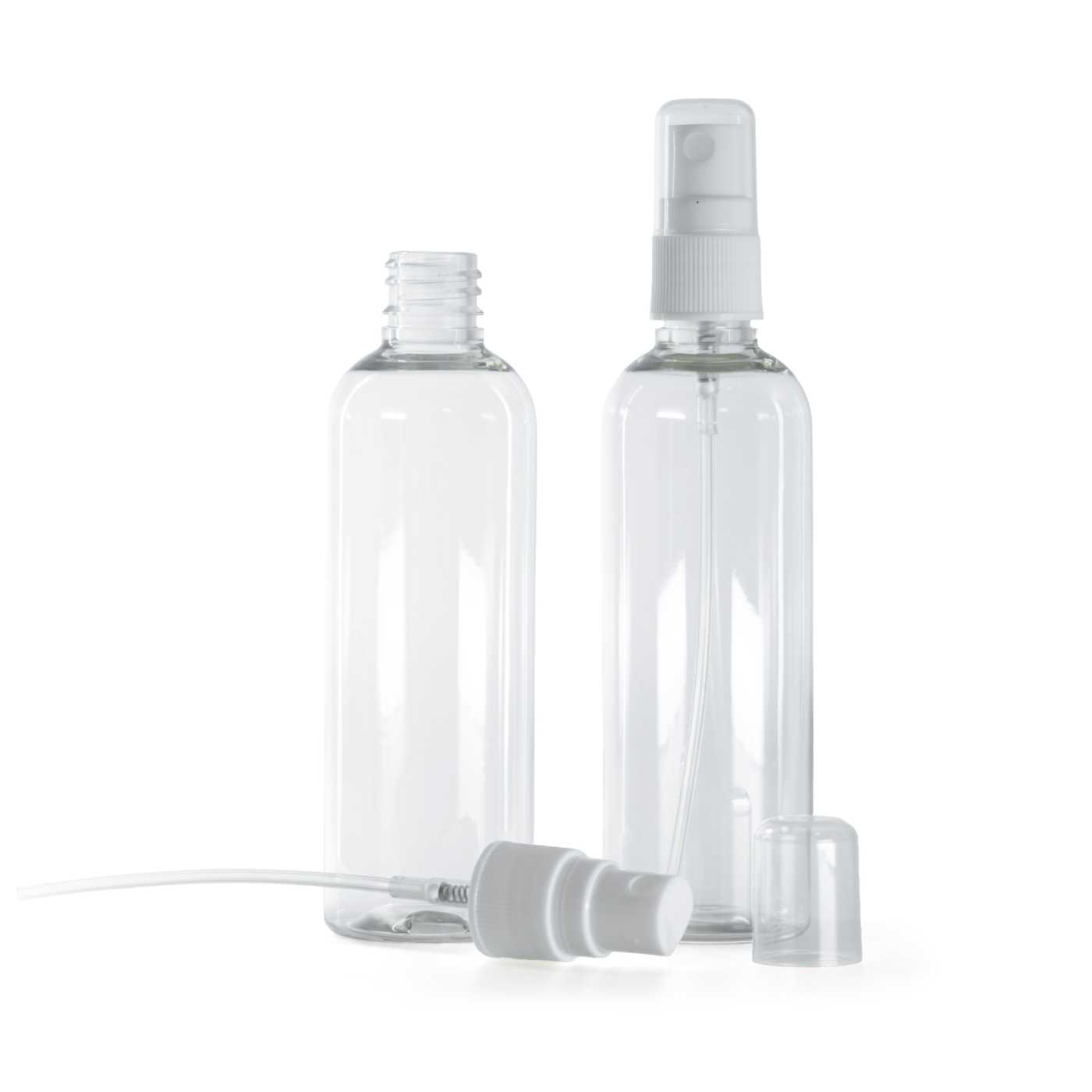
Clear Plastic Bottle with White Spray Pump, 100 ml
Pre-order€0.68

Candle fragrance oils
Pack size10 ml100 ml500 ml1 l5 l
Tea tree essential oil from Australia helps cleanse and soothe oily and problem skin , acne-prone skin and the scalp. full description
Lowest price in the last 30 days: €139.43
Tea tree essential oil from Australia helps cleanse and soothe oily and problem skin, acne-prone skin and the scalp. It is obtained by steam distillation from the leaves of the Australian tea tree (Melaleuca alternifolia). Add it to the formulation at the very end, into the cooled product.
Tea tree is added to cosmetics mainly for its effect, while the fragrance is secondary. Its main component is terpinen-4-ol, which makes up 35–48% of this oil. This component is associated with antimicrobial properties, which is why tea tree found its way into products for blemish-prone skin.
On the skin it helps remove impurities and excess sebum and keep pores clean. It is used in cleansing gels and masks for oily, problem and acne-prone skin. It soothes irritated and reddened skin and leaves a cooling, refreshing feeling. This makes it useful in aftershave and after-sun care.
In hair care it is intended for the scalp. Shampoos and products with tea tree are made for hair prone to oiliness and for a sensitive scalp, where the oil supports its cleanliness and a feeling of freshness.
The fragrance is herbal, with a medicinal note.
There is no single universal usage rate. The maximum amount in the finished product is set by the IFRA limit for the given product category, for example category 1 for lip products, 9 for soaps and shampoos or 12 for candles. The limits for all categories are listed in the IFRA certificate in the Product documentation section.
In formulations the oil is used at a low rate, most often 0.1–0.5%. At this amount it is found in balms, creams, lotions, serums, masks, scrubs, deodorants and shampoos. Always compare the chosen rate with the IFRA limit for the specific category.
According to the assessment of the Scientific Committee on Consumer Safety (SCCS, 2025), tea tree oil is a moderately strong skin sensitiser. The committee considers it safe up to 2% in shampoo, up to 1% in shower gel and facial cleanser, and up to 0.1% in face cream. The assessment does not apply to sprays and aerosols.
These values apply only to oil with a composition according to the ISO 4730:2017 standard. This oil meets the standard. The 1,8-cineole content is 10% at most.
The oil is processed below 40 °C. Add it during the cooling phase or afterwards at the end of production, or into the oil phase of a cooled product. A higher temperature speeds up its evaporation and decomposition.
It dissolves in oil and in alcohol and is insoluble in water. It can be mixed directly into oils and balms. For an emulsion, simply stir it in once the emulsion is finished and cooled.
For a toner, gel or hydrosol, mix the tea tree oil with a solubiliser beforehand. Without it, the oil floats to the surface or makes the product cloudy.
In formulations it is most often combined with tocopherol, which protects it from oxidation as an antioxidant. Other ingredients added with it include lavender and rosemary essential oil, allantoin, glycerine and xanthan gum. In products for acne-prone skin and in aftershave care it is paired with salicylic acid, panthenol or menthol.

Excellent!
Translated automatically



Variant: Esenciálny olej, tea tree, Austrália, 100 ml